Fitness Brand Carton Inserts Lead Time: Order Smarter
Fitness Brand Carton Inserts lead time is one of those packaging details that looks harmless on a spreadsheet and then quietly becomes the thing everyone is waiting on once production starts moving. The outer carton may already be approved, the launch calendar may already be locked, and the insert can still slow the whole job down because the dimensions are off by a few millimeters or the artwork needs one more pass. For supplement brands, subscription kits, and retail resets, that kind of delay can hold up kitting, freight booking, and the first outbound shipment all at once.
In practical terms, fitness Brand Carton Inserts lead time is the full clock from quote and proof approval to finished inserts on the dock. It is not just print time. It includes spec confirmation, artwork review, die cutting, folding or gluing, inspection, transit, and receiving. For a packaging buyer, that matters because the insert is the part that protects fit, supports brand identity, and keeps the unboxing experience looking deliberate rather than improvised.
Fitness Brand Carton Inserts Lead Time: Why It Feels Longer Than It Should
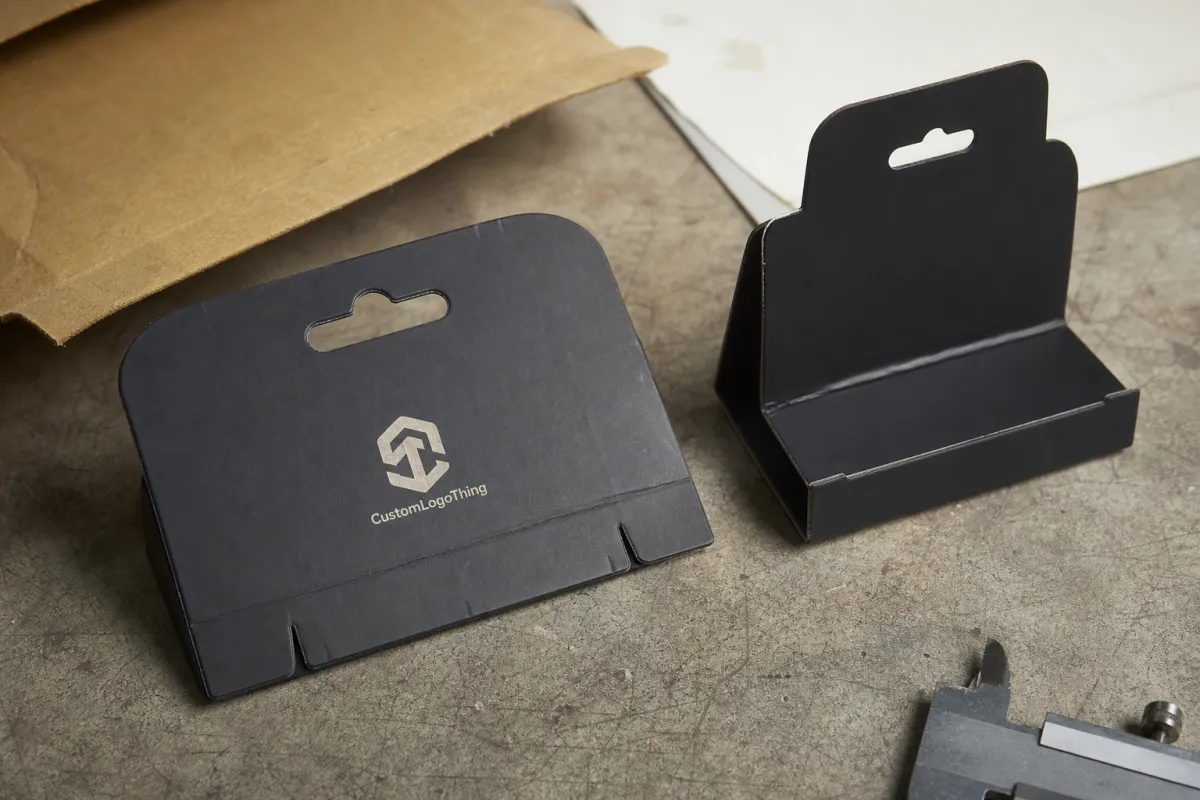
Fitness Brand Carton Inserts lead time often feels longer than the outer carton because the insert has a narrower job and less room for error. It has to fit the product, protect it, and usually line up with a final size check before production starts. A carton can survive a little cosmetic drift. An insert usually cannot. A sloppy insert can shift during transit, rattle inside the box, or make the finished pack look cheaper than the marketing team expected.
That is why fitness brand carton inserts lead time tends to stretch right where brands least want it to stretch: during approval. One unanswered proof round can add more delay than the actual press time. A late dieline sign-off can do the same. Fitness brands feel that pressure more than many categories because supplement launches, retail resets, subscription drops, and influencer campaigns all live on fixed ship dates. The calendar is rigid, and the packaging has to fit around it whether anybody likes that or not.
The hidden risk is not only production delay. A one-day slip in fitness brand carton inserts lead time can hold up kitting, force a finished carton to sit in inventory while one component is missing, and create a warehouse bottleneck that looks minor until the freight bill arrives. That is the quiet cost of packaging dependency. One component looks small; the operations impact is not.
There is also a brand side to the problem. A neat insert supports visual branding. A late insert can make the launch feel disorganized even if the product itself is ready. If the box opens with loose product, shifted accessories, or a crushed sleeve, the brand consistency message weakens before the customer even reaches the label.
A one-day delay on an insert can become a three-day problem once kitting, receiving windows, and freight cutoffs are part of the picture.
Fitness brand carton inserts lead time should be treated as part of the launch system, not as a line item at the end. Brands that leave it for last often discover that the insert becomes the pacing item for the whole release.
For teams comparing vendors, the better question is not just, “How fast can you print?” It is, “How fast can you confirm the fit, approve the proof, and move into production without rework?” That difference is where fitness brand carton inserts lead time stays manageable or starts to slip.
I have sat in more than a few packaging reviews where everyone assumed the insert would be a quick add-on, and then the first sample arrived with a product shift nobody expected. That is usually the moment the room gets quiet. The box itself may be fine, but the insert has to do real work, and it cannot be guessed into place.
Fitness Brand Carton Inserts Lead Time: The Process and Timeline
Fitness brand carton inserts lead time follows a sequence, and each step can either stay tight or open the door to delay. The fastest jobs move cleanly from quote to proof to production without extra loops. The slowest jobs are usually not slowed by the press. They are slowed by missing information, size corrections, and approval churn.
- Request for quote: The buyer shares quantity, dimensions, print coverage, stock preference, and target ship date. If the specs are vague, the quote may come back with assumptions that later need correction.
- Dieline or size confirmation: The supplier checks the insert against the filled product or carton. This is where a few millimeters can save or sink the schedule.
- Artwork review: The file is checked for bleed, color count, copy placement, and any folds or glue zones.
- Proof approval: The buyer signs off. This is often the slowest part of fitness brand carton inserts lead time because internal review can take longer than production.
- Production scheduling: The job is slotted into the press or converting line based on capacity and material availability.
- Die cutting and finishing: The stock is cut, folded, glued, or packed depending on structure.
- Inspection: The run is checked for trim accuracy, color consistency, and fit.
- Shipping: The finished cartons move by ground, air, or partial freight based on urgency.
That sequence looks straightforward, yet fitness brand carton inserts lead time is usually won or lost in the approval stage. A supplier can often print a simple insert quickly once the file is final. What slows the clock is an extra proof round, a changed barcode, or a last-minute size tweak that forces the team to re-check the structure.
Here is the practical comparison. A simple insert on a known stock, with one color and no coating, can often move through fitness brand carton inserts lead time in roughly 7-10 business days after approval, plus transit. A multi-panel insert with coated stock, tight folds, or glue points may need 12-18 business days after approval, and that is before shipping. If the order is rushed, the supplier may prioritize the job, but that usually trades time for cost.
Think of standard turnaround as the normal lane and rush production as the express lane. Both can work. Neither is free. Rush work can compress fitness brand carton inserts lead time, but it often raises the quote because the plant must reshuffle capacity, book overtime, or upgrade shipping. If the brand can avoid that pressure by planning one cycle earlier, the budget usually looks healthier too.
There is a difference between running a job and releasing a job. A plant may be capable of producing the insert in a few days, but if the buyer has not approved the proof, fitness brand carton inserts lead time still waits. That is why the real bottleneck often lives in email, not on the floor.
For brands that want a more disciplined process, a simple rule helps: lock the size first, lock the artwork second, and lock the ship window third. If the order starts with those three decisions, fitness brand carton inserts lead time becomes easier to forecast and easier to defend internally.
That rule sounds almost too basic, but it works because it forces the team to stop treating the insert like a moving target. The fewer moving parts you allow after the quote, the fewer surprises you pay for later.
Key Factors That Stretch or Shrink Lead Time
Fitness brand carton inserts lead time is not fixed because several variables move it around. Material choice comes first. Board thickness, coating, and specialty stocks can all affect how fast a supplier sources paper and how quickly the machine can be set up. A standard SBS or C1S artboard usually moves faster than a custom or specialty stock, especially if the supplier has to bring it in from another warehouse.
Design complexity is the next big variable. More folds, more copy changes, more colors, and tighter fit requirements all create more proofing and more caution in production. That caution is not a bad thing. It protects the final pack. It does mean fitness brand carton inserts lead time gets longer when the structure is fussy or the artwork is still changing. A simple one-panel insert is one thing; a multi-part lock-insert with cutouts for bottles, sachets, and accessories is another.
Material choice and sourcing speed
For fitness brands, the stock itself can add days. A 350gsm C1S board available in the supplier's local inventory may keep the schedule tight. A 24pt specialty board with a soft-touch finish may need more sourcing time and a more careful setup. If the supplier offers FSC-certified stock, that can support sustainability claims and brand trust, but it can also add a little time if the exact board is not already on hand. If sustainability is part of the message, ask for proof of chain-of-custody documentation early. The FSC certification standards matter more when the buyer wants to support both packaging claims and procurement discipline.
Design complexity and structural risk
Complex inserts are where fitness brand carton inserts lead time becomes less predictable. A structure with glue points, tuck flaps, or multiple cutouts often needs more setup and more inspection. The reason is simple: if the fit is wrong, the insert fails quietly inside the carton. That is not a finish issue. It is a product protection issue. Brands selling protein powders, capsules, tubs, or accessories often need a tighter fit than a general retail carton, and that fit check must happen before the run, not after it.
In one project review I remember, the product team had approved a beautiful insert concept that looked great flat on the screen. The issue only showed up with a filled sample. The inner bottle sleeves rocked side to side just enough to make the whole pack feel unfinished. The fix was not dramatic, but it added days, and honestly it should have been caught earlier. That kind of thing is kinda common, which is why sample checks matter more than most teams want to admit.
Order size and plant capacity
Order size cuts both ways. Larger runs can improve efficiency because the line stays on one setup longer, but they also compete for capacity when the plant is busy. Smaller runs may seem easier, yet they can slip behind bigger scheduled jobs if the supplier is filling a production gap. Fitness brand carton inserts lead time therefore depends not just on quantity, but on where the order sits in the plant's calendar. A 2,000-piece rush is not always faster than a 10,000-piece planned run if the smaller order arrives after the schedule is already packed.
Freight, geography, and receiving windows
Shipping is often treated like an afterthought, but it should not be. A carton insert can finish on time and still miss the launch because the receiving dock closes early, the warehouse only accepts freight on certain days, or the route adds an extra transit day. Fitness brand carton inserts lead time should therefore be discussed as “production plus transit plus receiving,” not just “days in the plant.” That distinction is especially important for brands with fulfillment centers, 3PLs, or retail distribution windows.
Another useful comparison is product testing. If the insert is holding a premium bottle or accessory, it should pass a practical fit check and, where needed, an abuse test similar to what teams reference in ISTA methods. For packaging performance resources, the ISTA test methods are a useful benchmark because they connect package design to transit reality instead of treating the box as a static object.
Artwork readiness is often the biggest hidden variable. If files arrive clean, final, and correctly dimensioned, the supplier can move faster. If the art needs resizing, copy cleanup, or barcode correction, fitness brand carton inserts lead time stretches even if the physical box design itself is simple. In practice, good files are one of the cheapest ways to protect schedule.
That is why packaging teams often say the fastest order is the one that arrives complete. Not perfect. Complete.
Cost, Pricing, and MOQ: What Affects the Quote
Fitness brand carton inserts lead time is tightly linked to price because many of the same variables drive both. Setup cost, material cost, labor, and freight all shape the quote. A buyer comparing two suppliers can easily miss a major difference if one quote includes finishing and the other does not, or if one supplier is quoting a heavier board grade than the other.
MOQ, or minimum order quantity, matters too. Smaller runs usually carry a higher per-unit cost because the setup work is spread across fewer pieces. Larger runs lower the unit price, but they ask for more upfront cash and more storage planning. For fitness brands with frequent product drops, that tradeoff is real. A 1,000-piece run may keep the launch nimble, but it can cost more per insert than a 5,000-piece run. A larger order can also create excess inventory if the SKU changes or the branding shifts.
Structural changes move the quote as well. Extra print coverage, coatings, insert glue points, locking tabs, and tight die tolerances all add time and cost. If the buyer asks for custom finishing, the supplier may need another setup step or another quality check, and that can affect fitness brand carton inserts lead time too. The lowest quote is not always the best quote if it hides slower production or a weaker board grade.
Rush fees deserve their own mention. If the launch date is fixed and the packaging is late, many suppliers will quote a premium to reprioritize the work. That premium may be worth paying if the product launch is already locked into retail or influencer timing. Still, a rush fee is a signal that fitness brand carton inserts lead time was compressed too late in the process. The cheaper move is usually the earlier move.
| Insert Option | Typical Spec | Illustrative Unit Price | Timeline Impact | Best Fit |
|---|---|---|---|---|
| Standard insert | 18pt SBS, single-color print, no coating | $0.08-$0.16 at 5,000 pieces | Usually the shortest fitness brand carton inserts lead time | Restocks, simple supplement cartons, basic kitting |
| Mid-complexity insert | 350gsm C1S, two-sided print, aqueous coating | $0.14-$0.28 at 5,000 pieces | Moderate setup and proofing time | Retail-ready launches, subscription boxes, branded kits |
| Complex custom insert | Heavy board, multiple folds, glue points, specialty finish | $0.24-$0.45 at 5,000 pieces | Longest fitness brand carton inserts lead time | Premium boxes, tight fit requirements, high visual branding demands |
| Rush order | Any of the above with priority scheduling | Often 10%-25% above standard pricing | Shortened, but with higher scheduling pressure | Fixed launch dates, retail resets, urgent reprints |
Those numbers are illustrative, not universal, but they show the pattern clearly. The more structure, finish, and scheduling pressure you add, the more fitness brand carton inserts lead time and unit cost tend to move together. That is why comparing quotes on the same spec sheet matters. Otherwise, a buyer may compare one supplier's board grade, coating, and transit method against another supplier's bare-bones quote and think they are seeing a pricing problem when they are actually seeing a spec mismatch.
If the brand wants to protect brand consistency without overspending, the smarter move is to standardize a few insert formats across product lines. That can cut setup time, improve brand recognition, and make reorders easier to forecast. It also creates a cleaner buying history for the packaging team the next time they negotiate.
And yes, that sometimes means saying no to a flashy custom structure that looks great in a deck but adds three extra approval loops. Nobody enjoys that conversation, but it usually saves money and time.
Step-by-Step Guide to Planning a Faster Order
The most reliable way to improve fitness brand carton inserts lead time is to prepare the order before asking for the quote. Start with dimensions and product specs. The supplier needs to know the exact carton size, the insert function, and the packaging environment. Is the insert holding a bottle, a powder jar, individual sachets, or a multi-item kit? The answer changes the structure, the stock, and the timing.
Prepare artwork and structural files before the quote request if possible. That keeps the conversation on schedule instead of cycling through missing details. A clean file package usually includes final dimensions, bleed, copy count, color expectations, barcode placement, and any fit-critical notes. The more complete the package, the less likely fitness brand carton inserts lead time will be slowed by avoidable questions.
Then build a single decision chain. One approver can move fast. Four approvers can stall for days. Marketing wants brand identity to stay tight. Operations wants fit and shipping reliability. Procurement wants cost control. Those goals can all work together, but only if one person owns the final proof decision. Otherwise, fitness brand carton inserts lead time becomes a relay race with no baton handoff.
Ask for a realistic calendar that covers proofing, production, transit, and receiving. A good supplier should be able to tell you whether the job needs 7 business days after approval or 15. That range is more useful than a vague promise. If the schedule is too tight, push the launch date or cut the design complexity. The physical world does not usually reward optimism.
Use a reorder trigger, too. If the next order starts before the last carton ships, future fitness brand carton inserts lead time usually gets shorter because the spec is already known. Repeat jobs are easier to schedule, easier to quote, and easier to fit into a production plan. That is one of the quiet advantages of staying with a proven spec instead of reinventing the insert every time.
For teams that need a reference point, looking through a supplier's Case Studies can help. The point is not to copy another brand's package. The point is to see how a fixed launch date, a final proof cycle, and a chosen stock changed the schedule. Real examples make the timing conversation sharper.
- Confirm dimensions from the filled product, not only the carton drawing.
- Send final artwork or a near-final file package with clear notes.
- Choose one approver who can sign off without waiting on a long internal chain.
- Request a schedule that separates approval time from production time.
- Keep a 5%-10% inventory buffer if the insert supports a recurring SKU.
That process keeps fitness brand carton inserts lead time from turning into a surprise. It also improves customer perception because the launch feels planned, not rushed. In packaging, the calendar is part of the brand message whether teams admit it or not.
There is one more practical habit worth building: keep a short notes file from every insert order. Record the final stock, the actual approval date, the ship date, and any fit issue you had to solve. That little habit pays off the next time you need to quote fitness brand carton inserts lead time, because you are not starting from memory alone.
Common Mistakes That Add Days to Fitness Packaging Orders
The most common mistake is approving the insert size from a carton spec instead of measuring the actual filled product. That sounds small, but it is one of the biggest reasons fitness brand carton inserts lead time expands. A product can vary slightly from drawing to reality, especially when shrink sleeves, labels, pumps, or inner components are involved. If the insert is sized to a paper spec instead of a real sample, fit problems tend to show up late.
Another mistake is over-editing artwork after the proof stage begins. Every revision can trigger another internal review and another scheduling check. The press may be ready. The team may still be debating copy. By the time the file is final, the delivery date may have moved. That is why artwork discipline matters so much in fitness brand carton inserts lead time.
Too many stakeholders can also slow the order. Marketing wants the visual branding to feel premium. Operations wants the fit to stay secure. Procurement wants the quote to stay low. Sales may want a logo tweak for the retailer. Those are not unreasonable goals, but a long approval chain can turn one proof into a week-long loop. A packaging buyer who wants a shorter fitness brand carton inserts lead time usually has to shorten the decision path first.
Warehouse and fulfillment mistakes create another layer of delay. Holiday blackouts, pallet limits, cut-off times, and receiving appointment rules can all add days after the inserts are already finished. The plant may be on schedule, yet the dock may not be available. That is why the real lead time includes shipping and receiving. If those windows are ignored, fitness brand carton inserts lead time looks shorter on paper than it is in practice.
Here is the uncomfortable truth: the cheapest quote is not always the fastest path. A supplier with a low price may have thinner capacity, fewer stock options, or more proof loops. That can extend fitness brand carton inserts lead time even if the sticker price looks good. Brands that only compare the bottom line often pay for it in launch stress.
There is one more mistake worth calling out. Teams sometimes forget that the insert and the carton are a system, not separate purchases. If the outer carton changes after the insert is approved, the insert may need to be rechecked. That can undo the schedule. For brands that care about the unboxing experience, that system thinking matters. A good insert supports the product, the box, and the brand promise all at once.
When brands compare options carefully and ask for the same spec across quotes, fitness brand carton inserts lead time becomes much more manageable. The process stops being reactive and starts looking like packaging planning, which is where it belongs.
Expert Tips and Next Steps for a Realistic Timeline
The best planning habit is simple: add buffer. Not a huge cushion, just enough time that one missed email does not threaten the launch. If the fastest quoted turnaround is 8 business days after approval, plan as though it could take 10 or 12. That does not mean the supplier is slow. It means fitness brand carton inserts lead time should absorb normal business friction without turning into a fire drill.
Ask direct questions before you place the order. How fast is proof turnaround? Is the preferred board in stock? Is there a backup material if the first choice runs short? What time does the plant cut off same-day proof changes? Those questions sound basic, but they surface risk early. They also tell you whether the supplier understands how fitness brand carton inserts lead time affects the rest of the launch calendar.
Create a launch calendar that ties artwork approval, production start, shipping, and warehouse receiving into one view. That simple document can prevent a lot of late-stage confusion. If the marketing team has a reveal date, the operations team should see it. If the warehouse has a blackout day, procurement should see it too. Shared timing turns fitness brand carton inserts lead time into a controlled variable instead of a guess.
Standardize common insert sizes wherever possible. Repeat specs reduce setup time, cut the number of surprises, and improve forecast accuracy. A brand that uses the same bottle family or accessory kit can often reuse the same structural logic across SKUs, which helps the next order move faster. That is not just a manufacturing win. It is a brand consistency win. Customers notice when packaging feels coherent from one line to the next.
If sustainability is part of the brief, build that into the timing conversation rather than treating it as an afterthought. Recycled board, FSC-certified stock, and lower-waste structural choices can fit well into a modern fitness brand, but they still need to be sourced and approved. The EPA has useful guidance on packaging waste and materials management at epa.gov/recycle, and that lens can help teams think beyond price alone.
For brands that want more practical examples, the best next step is often to review previous packaging projects and note where the schedule stayed tight or stretched out. A supplier's case studies library can reveal how a clean spec sheet, a single approver, and a realistic transit plan changed the outcome. That kind of pattern recognition is more useful than generic advice.
Here is the core lesson. Fitness brand carton inserts lead time improves when specs, pricing, and production windows are planned together. Treat the insert as part of the launch architecture, not as a last-minute add-on. If the fit is right, the proof is final, and the calendar is realistic, the whole order becomes easier to buy, easier to ship, and easier to trust.
That is why the smartest teams keep one eye on the art and the other on the clock. Fitness brand carton inserts lead time is not just a production problem. It is a planning discipline.
The most actionable move is also the least glamorous: freeze the filled dimensions, assign one proof owner, and build transit into the schedule before you place the order. Do those three things, and you are already ahead of most packaging delays.
Frequently Asked Questions
How long is fitness brand carton inserts lead time for a standard order?
A simple, well-prepared order can move quickly after proof approval, but the real timeline depends on material availability, print complexity, and shipping distance. For a standard run, fitness brand carton inserts lead time often lands in the 7-10 business day range after approval, plus transit. If the files are final and the size is already confirmed, the schedule tends to stay tighter.
What slows down carton insert lead time the most?
Missing dimensions and late artwork revisions usually create the biggest delays because they stop the job before production can lock. Multiple approval rounds also add time, especially when marketing, operations, and procurement are all giving feedback separately. In many cases, fitness brand carton inserts lead time is slowed more by decision-making than by printing.
Can I lower lead time without raising unit cost too much?
Yes, by simplifying the design, finalizing the spec earlier, and choosing standard materials that the supplier can source quickly. A clean file package and one approver often reduce hidden delays without changing the physical product. The best savings usually come from planning earlier, not from forcing a rush order at the last minute, and that is one of the easiest ways to protect fitness brand carton inserts lead time.
Does MOQ affect fitness brand carton inserts lead time?
MOQ can affect scheduling because very small runs may not be as efficient to place on press as a larger, repeatable order. Larger quantities may take longer to produce, but they can also be easier for some plants to schedule efficiently once the run is locked. Ask suppliers whether they offer batch options or phased releases if you need a smaller first shipment, because that can help keep fitness brand carton inserts lead time under control.
What should I prepare before requesting a quote for carton inserts?
Have the product dimensions, carton size, insert purpose, quantity, target ship date, and shipping address ready before you ask for pricing. Include artwork files or at least the copy count and print requirements so the supplier can estimate both price and production timing accurately. If possible, share a sample or photo of the filled package to reduce the risk of fit problems later, since that single step can shorten fitness brand carton inserts lead time more than most buyers expect.

