Fitness PVC garment bags Bulk Order Planning usually starts as a presentation choice, but once the order gets larger it becomes a handling decision, a storage decision, and a replacement decision all at once. The right bag has to show the apparel cleanly, protect it from dust and scuffing, and still move through packing without slowing the line or creating avoidable rework.
That is why the prettiest sample is not always the smartest bulk buy. A bag can look sharp on a desk and still perform poorly if it is too stiff to fold, too narrow for a hoodie, or too awkward for a packer who needs to fill cartons quickly. For custom logo things, the better question is simple: what does the program need to do every day, not just how does it look on approval day?
A strong bulk order is usually the one that disappears into operations without complaints. If the bag fits the garment, stacks well, and prints cleanly, buyers tend to hear about it less later, which is often the best sign.
Fitness PVC Garment Bags Bulk Order Planning Starts with the Use Case
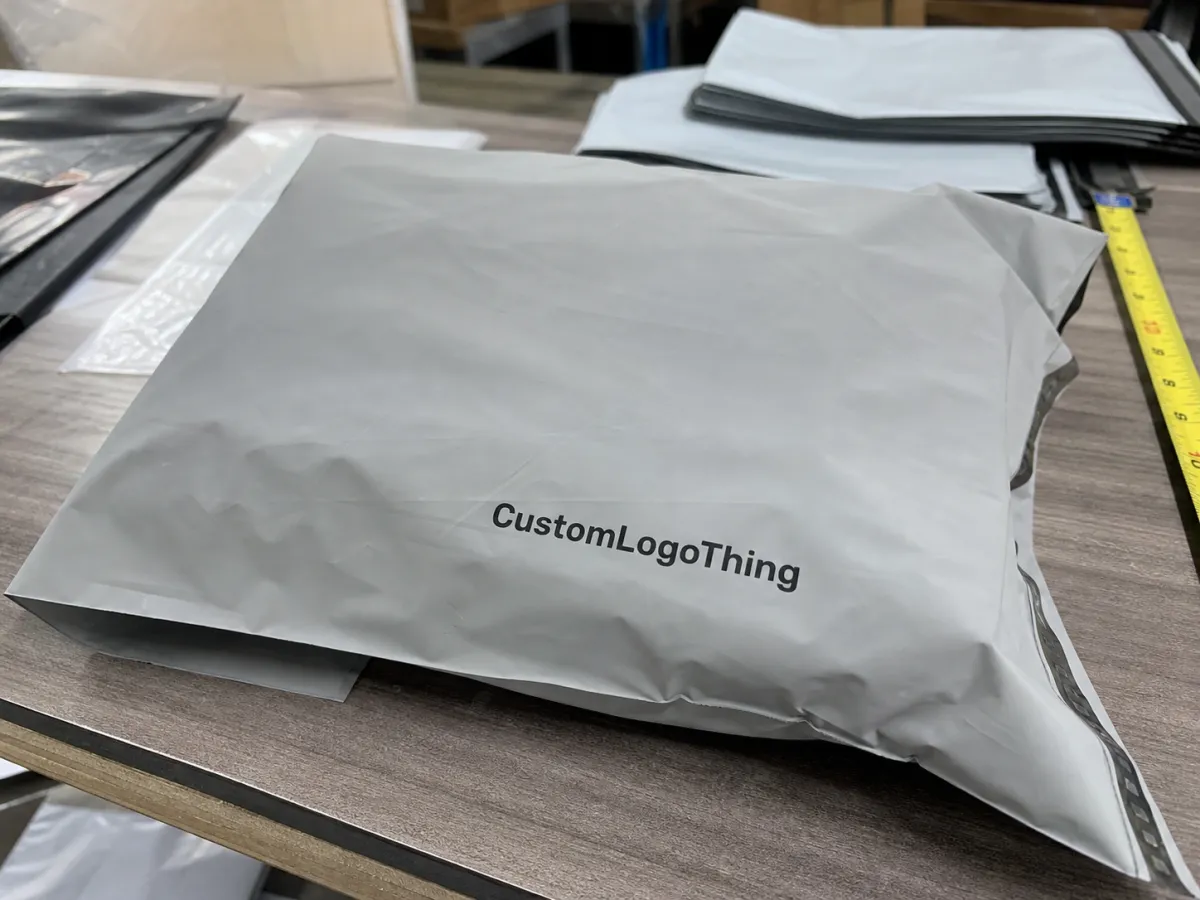
Before anyone asks for a price, the use case needs to be clear. Fitness apparel can mean retail hang packaging for branded tops, team warmups that move between gym bags and lockers, studio uniforms that need a cleaner presentation, or promotional apparel distributed in larger seasonal runs. Each one changes the bag size, closure style, and print approach. A garment bag for a fitted performance tee is a different purchase from one meant to hold a fleece hoodie, a zip-up jacket, or a full warmup set.
From a packaging buyer's point of view, the best bulk order is the one that matches the real motion of the product. If the apparel will hang on a retail rack, visibility matters more than anything, because the clear PVC film is doing part of the selling. If the bags are being folded, boxed, and stored in a warehouse, then stackability and carton efficiency become just as important. If the bags are being reused by teams or studios, closure durability and edge finishing start to matter more than a one-time glossy presentation.
That is why fitness pvc garment Bags Bulk Order Planning should begin with four questions:
- What garment goes inside, and what are its folded dimensions?
- Will the bag be reused, or is it mainly for first presentation?
- How will it be stacked, shipped, or stored after packing?
- How much branding is actually needed: logo only, size marking, or a fuller printed panel?
Those answers usually narrow the field fast. A buyer who starts with the use case can often rule out oversized, overprinted, or overly rigid options before the quote round even begins. That saves time, and it also keeps the spec from drifting into something that looks premium on paper but causes friction in the packing room.
For broader sourcing coordination, many teams also map the purchase against their internal Wholesale Programs process so the garment bag spec lines up with apparel volume, replenishment timing, and warehouse receiving rules. That kind of alignment matters more than people expect.
Product Details That Affect Fit, Visibility, and Handling
Clear PVC is the core material most buyers start with because it gives direct visibility and a cleaner retail look, but not all clear bags behave the same way. Film stiffness, surface finish, edge quality, and the way the seams are sealed all affect how the bag hangs, folds, and survives bulk handling. A slightly softer film may pack flat more easily, while a stiffer film can hold shape better on display. Neither is automatically better; it depends on whether the priority is retail presence or carton density.
Handling features deserve close attention. Zipper style is a practical example. A full-length zipper speeds loading, but if the zipper is too light for repeated use, it can become a weak point. Snap or button closures can work well for lighter programs, especially when the bag is opened and closed often, yet they may not protect as tightly during shipping. Hanger access matters too, because a narrow top opening can slow the line when packers are placing dozens or hundreds of garments per hour. Gusset depth can be the difference between a snug fit and a bag that balloons awkwardly around the garment.
Printed panels are another decision point. Some buyers want a fully clear bag with a simple logo, while others need a branded front panel and a clear back so the apparel remains visible. In a lot of fitness programs, the cleanest result is a restrained print: one-color logo, size mark, maybe a short line of product identification. That keeps the bag useful for both presentation and inventory control. A heavier print coverage can work, but it reduces visibility and can add cost without helping the actual use case.
Operational details are easy to miss in a quick quote. Odor level matters with PVC, especially for enclosed warehouses or retail unpacking. Scratch resistance matters if the bags are going to be stacked tightly or rubbed during transit. Carton count matters because a buy that looks simple on the purchase order can turn awkward if each carton is too heavy or too bulky to receive efficiently. And once bags are packed flat for storage, the folding behavior becomes part of the product's real value, not just an afterthought.
If the bags are going into a broader packaging system, it is worth checking whether any secondary components, such as carton board, inserts, or hang cards, can align with FSC-certified paper sourcing. For buyers who want to understand broader packaging choices and compliance language, the Institute of Packaging Professionals and the FSC are both useful reference points.
Thickness, Dimensions, Closures, and Print Specs to Lock In
The cleanest way to review a spec sheet is in the order production will feel it. Start with overall width, then body height, then gusset width, then material thickness, then zipper length and hanger opening placement. Buyers sometimes jump straight to price, but a few millimeters in the wrong place can make a bag fit one shirt perfectly and fail completely on a hoodie or layered warmup set.
Thickness should be chosen for the load, not for the idea of durability alone. A lighter garment bag around 0.12 mm to 0.18 mm may work for folded tees or lightweight retail apparel, while heavier programs often need something in the 0.20 mm to 0.30 mm range to improve body and reduce stretching. Those numbers are not magic. They simply reflect how the bag will behave once it is packed, handled, and stacked. If the garment is bulky, a thin bag may feel economical but create more waste through tearing, wrinkling, or returns for replacement.
Dimensions deserve the same discipline. A bag that fits a folded shirt with room to spare may create wasted space for light apparel, and that wasted space shows up in carton count, freight efficiency, and warehouse handling. On the other side, a bag sized tightly for a compression fit can make loading difficult and increase the risk of zipper strain or seam stress. In practice, buyers often do best with a tested size band for their main apparel category rather than trying to force one universal bag across every product line.
Print specs should be defined before the quote is finalized. That means logo placement, one-color or multi-color decoration, size labels, care icons, and any clear blank zones that must remain free for visibility. If the bag is being used for retail, leave enough unobstructed area so the product inside remains easy to identify. If the bag is being used for team or studio distribution, make sure the print does not interfere with SKU tracking, name labeling, or folding lines.
It also helps to confirm acceptable tolerance ranges. A production team needs to know what variation is allowed in width, zipper placement, and print alignment, especially when multiple apparel sizes will share one bag style. If the buyer and supplier are not aligned on the reference point, small deviations can become disputes later. One approved sample, measured and stored with the spec sheet, goes a long way toward keeping the order repeatable.
Cost, MOQ, and Quote Factors Buyers Should Compare
For fitness pvc garment bags Bulk Order Planning, price is usually driven by five things: material gauge, bag size, print coverage, closure type, and total quantity per release or annual program. Carton configuration can also move the number more than people expect, especially if the order needs special inner packs, pallet labels, or receiving marks. A plain clear bag is not priced the same way as a custom-printed bag with a larger footprint and more packaging steps.
MOQ is usually tied to setup effort, print method, and material sourcing. A smaller pilot run can be possible, but it may carry a higher unit cost because the setup work does not disappear. That is why the lowest quote is not always the best buy. If a low unit price forces a buyer to carry more inventory than the program can realistically use, the order becomes expensive in a different way. Storage, obsolescence, and slow-moving stock all have a cost.
It is better to compare landed cost. That includes freight, packaging, sampling, and any carton or pallet requirements. A quote that looks favorable on the line item can still lose once shipping or receiving requirements are added. Finance and purchasing usually get a clearer picture when they see a tiered price structure at specific quantity breaks, because then they can compare a pilot run against a replenishment run and decide whether the volume jump is worth it.
| Option | Typical Use | Common Price Range | Notes |
|---|---|---|---|
| Plain clear PVC bag | Basic retail or internal storage | $0.22-$0.35 each at 5,000 units | Lowest decoration cost; size and thickness still drive pricing. |
| Clear bag with one-color logo | Brand presentation and inventory ID | $0.30-$0.48 each at 5,000 units | Good balance of visibility and branding; print area matters. |
| Custom size with printed panel | Special apparel programs or retail sets | $0.38-$0.62 each at 5,000 units | Higher setup and material use; can reduce handling issues. |
| Heavier gauge with upgraded closure | Reusable team or studio programs | $0.45-$0.78 each at 5,000 units | Better durability; often chosen for repeated opening and closing. |
Those figures are practical planning ranges, not fixed quotations, and freight can move them quickly depending on carton density and delivery method. For buyers who want a straight quote path, the best approach is to request pricing at a few clear breakpoints rather than only at one target volume. That gives a cleaner read on how much value sits between the pilot order and the full replenishment order.
Production Steps, Lead Time, and Shipping Milestones
The normal production path is straightforward, but every step depends on getting the details right before the clock starts. It usually goes like this: spec review, artwork confirmation, sample or proof approval, material preparation, manufacturing, quality check, packing, and shipment booking. Lead time starts after the final details are approved, not when the first email is sent. That difference matters, because many delays come from incomplete artwork or a moving target on dimensions.
Simple repeat orders usually move faster than new sizes or new print setups. A reorder with the same zipper style, same PVC thickness, and same carton configuration is a very different production task from a first-time run with new artwork, a different gusset, and special pallet labels. In real buying terms, predictability is earned by freezing the spec early. If the team is still debating the bag length or logo placement, the schedule is not really ready to start.
For planning purposes, a straightforward custom run may need roughly 12 to 15 business days from final approval to production completion, while more complex programs can run longer if new tooling, special packing, or a larger quantity is involved. Shipping method then adds its own timeline. Air freight, ocean freight, and domestic ground delivery all create different receiving windows, and a warehouse that needs split deliveries or appointment scheduling should state that upfront.
That is also where quality standards come into the picture. Buyers who care about repeatability often ask how cartons will be tested, how much stacking pressure the bag can tolerate, or whether the outer packaging follows a drop-test mindset similar to common ISTA methods. For guidance on packaging test logic, the International Safe Transit Association is a solid reference. The point is not to over-engineer the order; it is to keep the bag and the shipment aligned with the way the product will actually move.
Why a Packaging Partner Matters for Repeat Program Orders
A good packaging partner does more than quote a price. They help check whether the closure, thickness, print area, and carton pack are actually manufacturable at the requested volume. That sounds basic, but it saves real money. Many problems in repeat apparel programs do not come from the product itself; they come from specs that were never fully translated into a production-ready format.
Repeat-order consistency is especially valuable for fitness brands and apparel programs that need the same clear bag, the same logo placement, and the same carton pack every time. Once a buyer has approved a reference sample and recorded the final dimensions, future reorders should not feel like a fresh project. The stronger the documentation, the less likely the order is to drift when a new purchaser, marketer, or operations lead gets involved.
That is where practical recordkeeping pays off. Keep the approved sample, the measured spec sheet, the print file, and the carton instructions together. If a supplier has that package on file, they can compare the next order against the same reference instead of reinterpreting old notes. In a busy purchasing environment, that reduces reworks, receiving issues, and the frustrating back-and-forth that slows a seasonal refresh.
Honestly, I think many buyers underestimate the value of a supplier who asks careful questions early. If the partner wants to know garment dimensions, packing method, storage conditions, and whether the bags are for retail or internal use, that is a good sign. It usually means they are trying to protect the order, not just win it. For buyers who want an easier recurring process, a stable source through FAQ support and a clear Wholesale Programs path is worth more than shaving a few cents off the first quote.
Reliability becomes a business benefit. Fewer reworks, fewer damaged cartons, fewer surprises when the season turns over, and fewer delays when the replenishment order needs to move quickly. That is the difference between buying a bag and buying a program.
Next Steps for Samples, Artwork, and a Clean Purchase Order
The cleanest next step is to send a simple quote package: garment dimensions, estimated quantity, print files, target delivery date, and any storage or pallet requirements. If the bags need to ship in a certain carton count or stack height, say so early. If the receiving team has labeling rules, include them now. A good brief prevents a lot of expensive guessing later.
Ask for a sample or pre-production proof and inspect the practical details, not just the surface appearance. Check clarity under normal light, zipper action, seam finish, bag stiffness, and how efficiently the bag packs into cartons. If the sample is supposed to represent a reusable program, open and close it several times. If it is meant for retail presentation, look at how it hangs beside the garment and whether the branding overwhelms the product.
One reference sample should be approved and saved with the spec sheet so the next reorder stays consistent even if the buying team changes or the schedule gets compressed. That step sounds small, but it is one of the best ways to keep a custom packaging program from drifting over time. A purchase order that clearly states dimensions, thickness, closure, print details, carton count, and ship-to instructions is easier to execute and easier to audit.
For buyers working through fitness pvc garment Bags Bulk Order Planning, the goal is not to make the order complicated; it is to make the order repeatable, measurable, and easy to receive. If the garment fit is right, the print is controlled, the price breaks make sense, and the timeline is realistic, the program usually settles into a clean rhythm. That is the real value of fitness PVC Garment Bags Bulk Order planning: an order that stays accurate, stays on budget, and is ready to repeat without drama.
How do I plan a bulk order for fitness PVC garment bags?
Start with garment measurements, expected quantity, and the level of branding you need. Confirm thickness, closure style, and carton pack before asking for pricing, and request a sample so the bag can be checked for fit, clarity, and packing speed.
What drives pricing for fitness PVC garment bags in bulk?
Material gauge, bag size, print coverage, and closure type are the biggest drivers. Quantity breaks usually lower the unit cost, but freight and packaging still matter, and custom artwork or special carton requirements can add setup cost.
What MOQ should I expect for custom fitness PVC garment bags?
MOQ depends on whether the bag is standard or fully custom. Printed runs often need higher minimums than plain stock-style orders, so ask for tiered pricing if you want to compare pilot quantities with replenishment volumes.
How long does production usually take after approval?
Lead time starts after artwork, spec, and sample approval are complete. Simple repeat orders are usually faster than new sizes or new print setups, and shipping method plus receiving requirements can change the final delivery date.
Can fitness PVC garment bags be printed with logos and size details?
Yes, most programs can include logo placement, size marks, or simple labeling. Print area and color count should be confirmed before the quote is finalized, and clean artwork files should be provided early so proofing does not slow the schedule.

