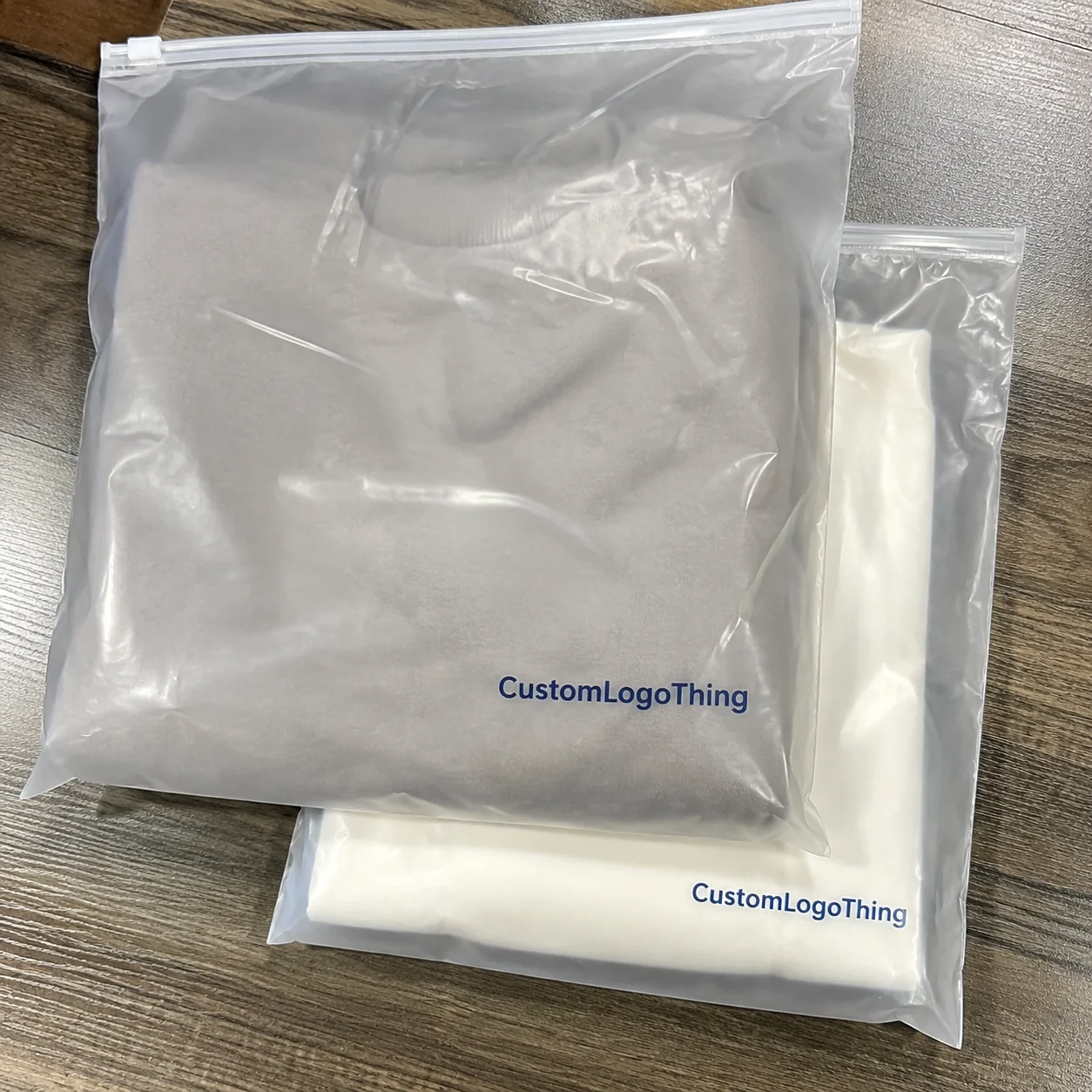
Fitness Brand Stand Up Pouches MOQ: Request a Quote
fitness brand Stand Up Pouches moq usually depends on far more than pouch size, so the most useful quote starts with the full spec rather than a rough guess. Protein powder, pre-workout, greens, collagen, and snack blends each call for different film structures, closure styles, and print setups, and those choices can shift both minimum order quantity and unit price in ways that are easy to miss at the start.
For a fitness label, stand up pouches carry a lot of responsibility at once. They hold shelf shape, protect dry product, support the brand story, and shape the first physical impression a customer gets when the order lands on the counter or arrives in a mailer. They also pack well into cartons and ship in a clean, efficient format, which matters once a concept moves from a mockup into real distribution.
I have watched a lot of supplement launches start with a design file and a rough volume target, then get derailed because the pouch body, zipper, and fill weight were never pinned down together. That part sounds dull on paper, but it saves money and a fair bit of frustration. A good spec sheet keeps the conversation honest.
Fitness Brand Stand Up Pouches MOQ: What Buyers Need First

Many brands assume fitness Brand Stand Up Pouches moq is driven mainly by pouch size, yet artwork count, film structure, and print method often move the number more than the format itself. A simple one-color run on a stock body can land in a very different range from a fully custom printed pouch with matte film, a zipper, a clear window, and a hang hole. The first conversation works best when it starts with the product and the use case, not only the logo file.
Stand up pouches fit protein, pre-workout, greens powder, collagen, and snack blends because they hold their shape better than flat bags, stack neatly on shelves, and give enough front panel space for claims, nutrition details, and brand recognition. From the buyer's side, that format also helps with customer perception. A pouch that sits upright looks more finished, more retail ready, and more deliberate than packaging that slouches or falls flat before it reaches the shelf.
Before asking for pricing, lock in the details that actually affect fitness brand stand up pouches moq. A strong starting brief usually includes the following:
- Fill weight - 250 g, 500 g, 1 kg, or a custom target.
- Product flowability - fine powder, blended granules, or a denser snack format.
- Finish - matte, gloss, or soft-touch.
- Closure - resealable zipper, child-resistant option, or tear-open only.
- Extras - clear window, hang hole, tamper evidence, or gusset changes.
That list saves time and cuts down on repeat quoting. If a brand asks for fitness brand stand up pouches moq without a fill weight or closure detail, the answer usually comes back as a broad range. If the buyer shares the product behavior, the launch channel, and the brand positioning, the quote becomes useful much faster and the discussion turns into real packaging work.
The smartest first move is to define how the pouch will live on the shelf and in the hand. Will it sit in a supplement aisle, ship through e-commerce, or go into club-style bulk retail? Each route changes the answer to fitness brand stand up pouches moq because the pouch has to handle different storage conditions, opening habits, and shipping stress.
Another detail gets overlooked more often than it should: the pouch should match the product's real fill pattern. A fluffy protein blend can look underfilled in a wide pouch, while a dense greens powder may need a narrower proportion to feel balanced. That visual balance affects brand consistency, and brand consistency matters when a customer compares three similar tubs or bags side by side.
There is also a practical launch lesson here. A brand can absolutely start with a cleaner, simpler pouch and move into a more custom structure later, but the first spec should still be built with the end goal in mind. Otherwise, the first order turns into a temporary fix that nobody really wants to reorder. Been there, seen it, and it always costs more in the long run.
Product Details: Films, Closures, and Finish Options
For fitness brand stand up pouches moq, the film stack matters as much as the graphics. Moisture-sensitive powders usually need a barrier structure that helps block humidity, oxygen, and odor transfer. A common choice is a PET/PE structure, sometimes with a metallized layer for extra protection, while lighter snack products can often use a simpler laminate if the shelf life and product behavior allow it. The right structure is not about fancy wording. It is about keeping the product stable from filling to final use.
Closures are just as practical. A resealable zipper is the default for daily-use supplements because people open the pouch repeatedly, not once. Tear notches help the first opening feel clean and predictable. A euro hole is useful if the pack hangs in retail or at an event display. None of those choices are cosmetic only. Each one changes both the build and the fitness brand stand up pouches moq conversation.
Finish choices shape the look and the unit cost. Matte gives a softer, more modern look and can help the brand feel serious and premium. Gloss pushes color harder and often looks sharper under retail lighting. Soft-touch can feel excellent in hand, but it usually adds cost and may not fit every launch budget. A clear window can show the product, which helps for snack blends or colorful inclusions, but it also changes the print layout and the film structure.
For fitness products, the formula should drive the spec. Fine powders need strong seals and good anti-leak performance because even a small seal defect creates complaints quickly. Heavier blends may need a wider gusset and more structure so the pack stays upright after filling. If the formula carries a strong odor, like some pre-workout blends, odor barrier becomes part of the packaging decision rather than an afterthought.
A useful way to think about fitness brand stand up pouches moq is to compare the pouch to a piece of equipment. The print is the visible surface, but the film, seal, zipper, and gusset are what make the product usable. If one of those parts is under-specified, the entire order can feel cheaper than it should, even when the artwork looks polished.
The short version is simple: start with the product behavior, then choose the closure, then choose the finish. That sequence usually produces a cleaner quote for fitness brand stand up pouches moq and prevents a lot of back-and-forth later.
Specifications That Fit Protein, Supplement, and Snack Lines
A good spec sheet makes fitness brand stand up pouches moq easier to quote and easier to produce. Dimensions come first. Buyers should define pouch width, height, bottom gusset depth, and seal width so the supplier can confirm the usable print area. If the pouch is too wide for the fill weight, it can look empty. If it is too narrow, the product can bulge and stress the seams. That is a simple issue, yet it changes both the shelf look and line performance.
Fill weight is a major driver. A 250 g collagen powder, a 500 g protein blend, and a 1 kg family-size tub replacement each need a different footprint. The same artwork cannot always stretch neatly across all three. For that reason, fitness brand stand up pouches moq should be discussed alongside the target volume, not after the design has already been built. If the pack size changes later, the layout may need a new dieline, which adds revision time and sometimes more cost.
Compliance details need early attention as well. Ingredient copy, nutrition panel space, barcode location, lot code area, and any regulatory claims all need room. A crowded pouch is harder to read, harder to produce, and often less convincing on shelf. Good visual branding is not only about looking premium. It is about being legible enough that the customer can trust what they are buying.
Practical performance details matter just as much:
- Puncture resistance for shipping and warehouse handling.
- Moisture barrier for powders stored in humid environments.
- Seal reliability so the pouch stays closed through transit.
- Odor control for formulas with strong flavor systems.
- UV protection for products displayed under bright retail light.
For typical fitness products, buyers often compare three common size bands. Around 250 g is often used for trial or travel-friendly SKUs. Around 500 g is common for standard protein and greens lines. Around 1 kg is useful when the brand wants a better value proposition or a club-style offering. Each band affects fitness brand stand up pouches moq because larger structures may need more material and a different tooling or print setup.
If a package needs to work across warehouse storage, retail shelving, and direct-to-consumer shipping, ask for a design that is tested as a system rather than as a pretty proof. Some packaging teams look at transit testing protocols from ISTA when they want a more disciplined approach to drop, vibration, and compression risk. That kind of thinking keeps the pack aligned with how it will actually move.
There is also a material choice question that comes up more often now. If a brand wants paper in the pack story, or paper labels and inserts with a documented chain of custody, the FSC standard is worth confirming before the quote is finalized. Sustainability claims should match the actual material supply, not just the graphic on the front panel.
One practical tip from the production side: keep the compliance panel roomy, even if the marketing team wants the front to carry most of the weight. Shrinking legal copy to chase a cleaner look usually backfires during prepress or inspection. I have seen better launches from brands that made the back panel do its job without fuss.
Fitness Brand Stand Up Pouches MOQ, Pricing, and Volume Breaks
fitness brand stand up pouches moq ties directly to the print method, the film structure, and the pouch size, so the cheapest-looking quote is not always the most accurate one. A shorter run with digital printing may be possible where a fully custom flexographic run would require a higher unit count. That is one reason buyers should ask how the supplier is building the cost instead of only asking for one number.
The main pricing drivers are easy to list, and easy to forget if nobody writes them down:
- Number of print colors and whether the artwork has heavy coverage.
- Film structure, especially if a high barrier layer is required.
- Zipper type and whether it is standard or specialty.
- Finish, including matte, gloss, or soft-touch.
- Window area and any die-cut features.
- Order size and whether the components are stock or custom.
- Freight and cartons, which affect the landed number more than many brands expect.
Here is a practical comparison buyers can use to frame fitness brand stand up pouches moq discussions before sending artwork:
| Option | Best For | Typical MOQ Signal | Typical Unit Cost Signal | Notes |
|---|---|---|---|---|
| Stock pouch body with custom label | Test launches, local retail, short promo runs | 500-1,500 units | $0.12-$0.28 | Fastest path if the brand can accept a simpler look and limited decoration. |
| Digitally printed custom pouch | Launch SKUs, mid-size brand rollouts | 1,000-3,000 units | $0.28-$0.60 | Useful when artwork changes are likely or the launch volume is still being tested. |
| Flexo printed custom pouch | Established SKUs with steady reorders | 3,000-10,000 units | $0.18-$0.38 | Often the better unit-cost choice once the design is stable. |
| High barrier pouch with premium finish | Premium supplements, odor-sensitive powders | 5,000+ units | $0.25-$0.55 | Adds protection and shelf appeal, but the extra layers and finish raise the total cost. |
Those ranges are planning tools, not promises. A pouch with more print coverage, a special matte surface, a clear window, or a custom zipper will move higher, while a simpler build with less ink coverage may land lower. This is exactly why fitness brand stand up pouches moq should be quoted as a package of choices, not a single blind number.
The landed cost deserves attention too. Freight, cartons, destination, and inland handling can change the real budget more than the per-pouch quote. A brand comparing two suppliers should ask for the packaging cost, the shipping cost, and any setup charges separately. That makes it easier to compare fitness brand stand up pouches moq on equal terms, and it prevents surprises later.
The best quote is not the prettiest one. The best quote is the one built from the right fill weight, the right film, and the right finish, with no hidden assumptions.
Another point many buyers learn the hard way: if the artwork stays the same but the pouch structure changes, the print setup may still change. A different zipper, a larger gusset, or a new barrier layer can affect the line, and that affects MOQ and cost. For that reason, a stable spec usually brings better pricing over time, because brand consistency and production efficiency start working together.
There is a hidden cost in indecision too. If the team keeps tweaking the artwork after structure approval, the schedule stretches, proofs multiply, and the quote starts drifting. Nobody needs a fancy explanation for that. It just makes the launch heavier than it should be.
Process, Timeline, and Lead Time From Brief to Delivery
fitness brand stand up pouches moq becomes much easier to manage once the process is clear. A good workflow usually starts with a brief review, then moves into spec confirmation, artwork check, proof approval, sampling if needed, production, inspection, and shipment. Each step can move quickly when the files are clean, and each step can slow down when the pouch size, design, or compliance copy is still moving.
Delays usually show up in the same places. The dieline may not match the fill weight. The barcode may sit too close to the seal area. The nutrition panel may need a revision after the printer review. Or the brand may approve the visual design before the structure is final, which forces a second round of changes when the pouch dimensions shift. Those are small mistakes on paper, but they create real calendar delays.
A practical timeline often splits into two parts. Proofing may take a few business days if the art is ready and the spec is clear. Manufacturing may take 10-15 business days for many custom orders, though larger or more complex runs can take longer. Shipping is separate. Domestic freight can be fast, while international transit depends on customs, carrier schedules, and destination. That is why buyers should ask for production time and transit time as two different numbers.
For fitness brand stand up pouches moq, the best way to shorten the schedule is not to rush the plant. It is to approve the structure before the artwork is finalized. Once the fill weight, zipper style, and finish are locked in, the layout can be built around a real target instead of a moving one. That saves revisions, and it usually saves money too.
Here is the rhythm I recommend for an orderly launch:
- Send the product name, fill weight, and target market.
- Confirm pouch size, finish, and zipper style.
- Review the die line against the actual panel content.
- Approve the proof only after the barcode and compliance copy are final.
- Ask whether the order needs sampling before full production.
- Confirm the shipping method and destination before signing off.
If the order is moving into e-commerce, club retail, or warehouse distribution, the shipping side matters as much as the print side. That is also where structured packaging testing helps. Some teams use ISTA-style thinking for drop and vibration risk, while others look at seal strength or puncture performance as part of internal quality checks. The point is simple: a pouch should survive the route it is actually going to take.
Brands that need more background on proofing, file prep, and common order questions can start with our FAQ. If they want to see how pack choices affect a finished product, the Case Studies page is a useful next stop. Those pages help turn a vague packaging idea into a plan that can actually move through production.
One last timing detail: stock components move faster, but custom details create identity. If a launch can live with a simpler zipper or standard film for the first run, that can be a smart bridge. The second run can always step up the finish once the product proves itself in the market.
Why Choose Custom Logo Things for Fitness Packaging
Custom Logo Things is a strong fit for brands that want practical guidance on fitness brand stand up pouches moq, not just a fast number. The real value is in helping the buyer Choose the Right material, zipper, finish, and size so the pouch matches the product, the shelf, and the budget. That matters because a supplement pouch is not only a container. It is part of the brand identity, the brand recognition strategy, and the customer's first physical interaction with the product.
For a fitness brand, the quoting process should feel clear and grounded. A good supplier should explain why a 500 g pouch needs a different gusset than a 250 g pouch, or why a soft-touch surface changes the unit cost. It should also be comfortable saying, plainly, that a feature is optional rather than mandatory. That kind of honesty matters more than slick sales talk.
In my experience, the best packaging partners are the ones that ask about the product before they talk about decoration. If a powder is clumpy, fragrant, or sensitive to humidity, the structure has to account for that. If the brand wants to move from local sales into online fulfillment, the pouch also needs enough puncture resistance and seal integrity to survive repeated handling. Those are not glamorous details, but they are the ones that keep returns down.
Custom Logo Things can help brands compare options without overcomplicating the decision. The goal is not to sell the fanciest pouch in the catalog. The goal is to land on the spec that supports the product and keeps the budget real. That tends to make the whole process less stressful, which is kinda the point.
Next Steps: Build the Right Pouch Spec and Request a Quote
If the launch is still in planning, start with the product facts and work outward. Define the fill weight, the expected shelf life, the sales channel, and the rough monthly volume. From there, decide whether the pouch needs a zipper, a window, a matte finish, or a higher barrier structure. That order of operations keeps fitness brand stand up pouches moq grounded in the real job the package has to do.
A clear brief should answer a few simple questions:
- What product is going inside the pouch?
- How much does it weigh or fill?
- Will it be sold in retail, DTC, or both?
- Does the formula need moisture, oxygen, or odor protection?
- What finish and closure fit the brand position?
Once those answers are in place, the quote gets better almost immediately. The supplier can suggest the right materials, flag any layout problems, and show where a lower MOQ option may exist without sacrificing the function of the pouch.
For a fitness brand, the most useful takeaway is straightforward: treat the pouch as part of the product, not just the wrapping around it. A well-matched structure protects the formula, supports the shelf presence, and keeps reorder planning calmer. If the first run needs to be lean, keep the spec focused and make the changes that truly matter. If the brand is ready for a premium look, let the film and finish carry that story with purpose rather than decoration for its own sake.
That approach keeps fitness brand stand up pouches moq tied to real production decisions, which is the only place the number actually makes sense.
Frequently Asked Questions
What usually changes fitness brand stand up pouches moq the most?
Print method, film structure, zipper type, and total decoration coverage tend to move MOQ faster than pouch size alone. A simple stock body with a label is a very different setup from a custom printed high-barrier pouch.
Can a small brand start with a lower MOQ?
Yes, especially if the first run uses a stock structure, digital printing, or simpler decoration. That said, lower MOQ usually comes with a higher unit cost, so the tradeoff should be part of the plan from day one.
Do powders need a special pouch structure?
Usually they do. Moisture barrier and seal strength matter a lot for supplements, protein, and pre-workout blends. A weak seal or thin laminate can cause clumping, leaks, or a bad customer experience.
Is matte finish better than gloss for fitness packaging?
Neither one is universally better. Matte feels quieter and more premium, while gloss can make color pop harder under retail lighting. The right choice depends on the brand position and how the product will be displayed.
How far ahead should a brand Request a Quote?
Earlier than most people think. Once fill weight, artwork, and packaging structure are all on the table, it is easier to avoid revision cycles and rushed decisions. That usually keeps the order cleaner and the schedule saner.
What should a buyer send first?
Product type, fill weight, expected order quantity, preferred finish, and any must-have features like zipper, window, or hang hole. If the formula has unusual odor, moisture sensitivity, or shipping concerns, include that too.
For brands building their first pouch line, the best next move is to define the product spec before chasing design polish. That one step makes fitness brand stand up pouches moq easier to estimate, easier to compare, and a lot easier to production-proof.