Chocolate Brand Padded Mailers Unit Cost: Request a Quote
If you ship chocolate direct to customers, chocolate brand padded Mailers Unit Cost can look small on the quote and still create a big headache later if the mailer arrives dented, scuffed, or warped from transit. I have seen plenty of packaging reviews where the first instinct is to chase the lowest per-piece number, only to discover that the real cost shows up in replacements, support tickets, and a pretty tired-looking unboxing. A few cents saved on the front end can turn into a lot more pain once the parcel starts moving through a rough sort and a few rainy porches.
That is why chocolate brand padded Mailers Unit Cost works better as a total-value decision than a bare unit-price comparison. A padded mailer that cushions a chocolate gift set, keeps its shape in handling, and still arrives with the brand looking deliberate is doing more than one job at a time. It protects the product, supports the presentation, and helps the order feel like it was packed by someone who actually cared about the finish.
Packaging buyers usually sort the decision by a few hard numbers: material weight, print coverage, minimum order quantity, and lead time. Those figures tell a clearer story than sales language ever will, and they give you a practical way to compare chocolate Brand Padded Mailers unit cost across different suppliers, materials, and print builds. If the quote does not break those pieces out clearly, that is usually a sign to ask more questions before you commit.
Why chocolate brand padded mailers unit cost can beat damage losses
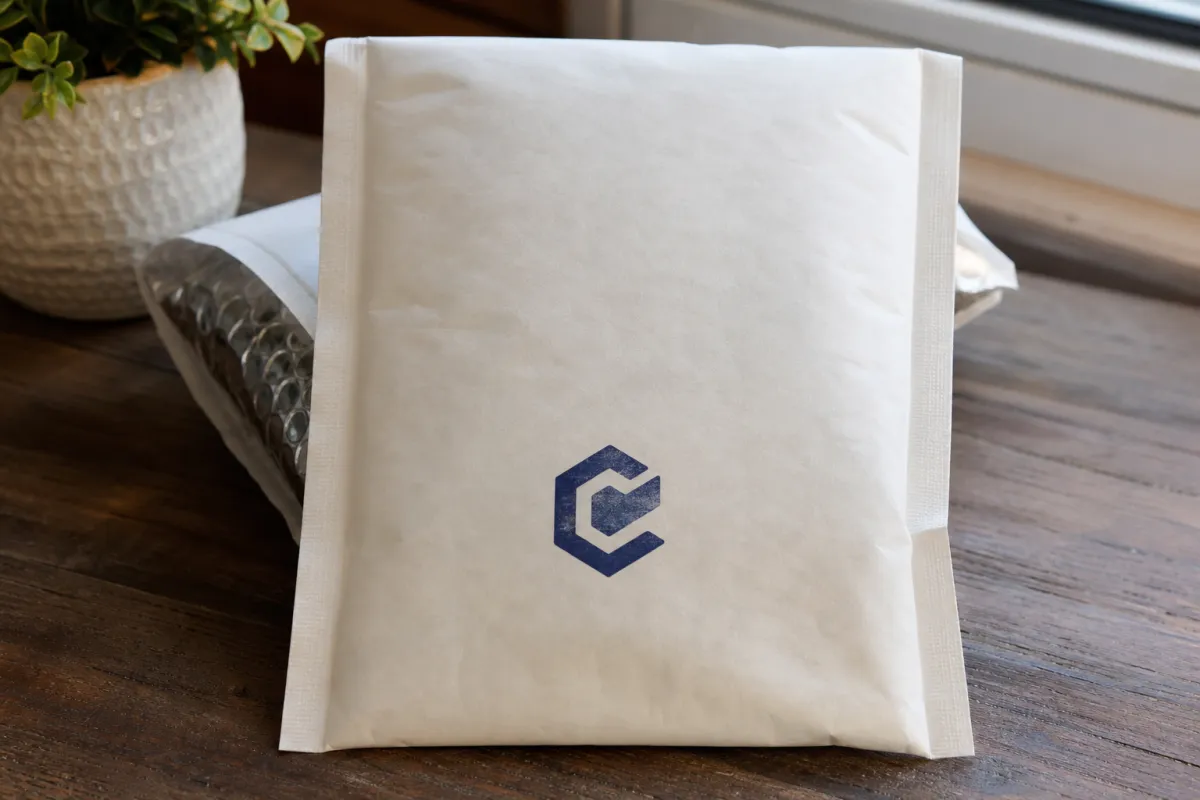
The cheapest quote is not always the least expensive choice. Chocolate brands live with a specific kind of risk: crushed outer packs, moisture exposure, and a delivery experience that makes a thoughtful product feel rushed or careless. A mailer that splits, rubs off, or absorbs humidity may leave the chocolate untouched while still damaging the first impression, which is kind of the opposite of what you want from a premium treat. For that reason, chocolate brand padded mailers unit cost should be measured against what happens after the parcel enters the shipping stream.
A well-built mailer can cut replacement shipments, reduce refund requests, and avoid the quiet brand damage that follows a disappointing unboxing. Subscription programs, direct-to-consumer gifting, and seasonal launches feel this most sharply because the package is part of the product itself. In those situations, a slightly higher chocolate brand padded mailers unit cost often returns value through fewer claims, steadier repeat purchases, and fewer awkward follow-up emails from customer service.
Presentation deserves its own space in the calculation. Chocolate is often bought as a gift, a shared indulgence, or a small personal treat, which means the mailer is more than a transport shell. A crisp printed exterior, a dependable seal, and a mailer that feels substantial in the hand all support brand identity without pushing the order into rigid gift-box pricing. That balance matters when margins need discipline but the package still has to feel considered.
A good mailer does not need to be expensive. It needs to be right-sized, well printed, and predictable in transit.
That is the most useful lens for the rest of the purchase. Instead of asking only whether the unit price is low, ask whether the spec reduces hidden costs: damage, returns, repacking, and wasted labor. Viewed that way, chocolate brand padded mailers unit cost often reveals that the lowest quote is the one that costs more later.
For buyers building a wider packaging system, it helps to review Custom Packaging Products alongside the mailer spec so the outer shipper feels consistent with the rest of the carton set. Brands that also ship other items can compare print surface, closure style, and cost structure against Custom Poly Mailers as a reference point, especially if they are deciding whether paper-forward or polymer-forward construction fits the lane better.
Chocolate brand padded mailers unit cost: what the mailer actually includes
Before quoting chocolate brand padded mailers unit cost, it helps to break the mailer into the parts that actually influence performance. A typical padded mailer includes an outer face, an internal cushioning layer, a closure strip or adhesive seal, and sometimes a tear feature or tamper-evident detail. The exact structure changes depending on whether the job uses paper, poly, or a hybrid build that tries to balance print quality with shipping durability.
Stock mailers and custom printed mailers are priced differently for obvious reasons, yet the less visible difference often lives in the print method and the amount of surface coverage. A one-color logo on a single panel is a very different production job from full-wrap artwork, multiple ink passes, matte finish, or a specialty varnish. That is why chocolate brand padded mailers unit cost can move more with print complexity than with the base material alone.
Fit matters just as much as graphics. A single bar in a slim retail carton needs a different cavity than a sampler kit, truffle sleeve, or seasonal gift box. Oversizing adds material and freight. Undersizing creates snagging during insertion and compression in the sorter. The right build leaves enough room for a clean pack-out while keeping the mailer compact enough to protect the corners and preserve the look of the order.
Operational detail belongs in the quote conversation too. Seal strength, flat storage, seam consistency, and whether the mailer stacks cleanly on packing benches all affect the workday. A carton that opens cleanly and closes reliably saves labor, especially in high-volume DTC shipping. That kind of efficiency sits inside chocolate brand padded mailers unit cost even if no one writes it as a separate line on the estimate.
The best spec is the one that holds appearance, protection, and packing speed in the same frame. Thicker is not automatically better. An overbuilt mailer can take up more shelf space, raise freight, and slow fulfillment without improving the end result. For chocolate brands, the useful middle ground is usually a mailer that protects the carton, keeps brand presentation steady, and still moves quickly through the line.
In packaging terms, structure and use case have to match. A gift order may care most about the tactile feel and the exterior print. Subscription fulfillment may care more about repeatability and pack speed. chocolate brand padded mailers unit cost should reflect the job the mailer has to do, not the polished version that looks best in a sample photo.
Specifications that affect chocolate brand padded mailers unit cost
Several spec choices move chocolate brand padded mailers unit cost in predictable ways. Size is the first lever because larger dimensions consume more face stock, more cushioning area, and more shipping weight. Print colors come next, since every added color can mean more setup and more attention during approval. Closure style matters too, whether that is a basic peel-and-seal strip, a tamper-evident flap, or a stronger adhesive for warm warehouses and longer lanes.
Material selection changes the cost picture as well. A paper-facing mailer may fit a natural or gift-oriented brand identity more closely, while a poly-facing option may deliver better abrasion resistance and moisture protection. Chocolate that ships into humid climates, across longer parcel routes, or through seasonal temperature swings often benefits from that extra resistance. Good buyers look at the route as carefully as the pack itself.
Branding choices can add expense in small places that compound quickly. Full-bleed art, metallic inks, soft-touch lamination, and specialty varnishes can sharpen shelf appeal, but they also raise setup time, proofing complexity, and startup waste. None of those options are automatically wrong. They simply mean chocolate brand padded mailers unit cost should be compared against a clear visual goal rather than an abstract idea of what premium packaging ought to be.
Some brands also ask for recycled content, FSC-aligned paper sourcing, or lower-plastic constructions. Those goals deserve a real conversation because they can support brand values and customer expectations at the same time. The right material still depends on quantity, route, and the carton being protected. If you want a reference for paper and fiber sourcing standards, the Forest Stewardship Council is useful. For transit testing, the ISTA guidelines help connect package design to the realities of shipping.
A sustainable spec can be the strongest business choice, though only when it suits the order volume and distribution model. A recycled-content structure that performs well at 10,000 units may not make sense for a 500-unit launch. That is why chocolate brand padded mailers unit cost should always be compared with the launch plan, reorder plan, and shipping lane together.
| Option | Typical MOQ | Typical Unit Cost | Best For | Notes |
|---|---|---|---|---|
| Stock padded mailer | Low to moderate | $0.28-$0.55 | Fast tests, simple fulfillment | Limited branding, fastest start |
| Custom printed mailer | Moderate | $0.42-$0.88 | Brand consistency, DTC shipping | Better visual branding, higher setup |
| Premium spec mailer | Moderate to high | $0.75-$1.35 | Gift sets, seasonal launches | Special finishes, stronger presentation |
Those numbers are directional rather than universal, and freight sits outside them. Even so, the pattern is familiar: more customization usually raises chocolate brand padded mailers unit cost, yet it can also raise recognition and reduce damage risk. That tradeoff is often easier to defend than replacing damaged shipments after the fact.
Chocolate brand padded mailers unit cost, pricing, and MOQ
MOQ is where packaging math becomes real. A quote at 500 units can look very different from a quote at 5,000 units because setup, plate work, proofing, and material waste are spread across fewer or more pieces. That is the basic logic behind chocolate brand padded mailers unit cost, and it explains why the first number a buyer sees is rarely the only number that matters.
Stock mailers often create a lower entry point, which helps during launches, seasonal tests, or limited-edition chocolate drops. Custom printed mailers usually require a higher minimum to keep the production run efficient. Buyers should also think about inventory turn, because a lower unit cost does little good if the order sits in storage long after the product line changes.
Separating packaging cost from landed cost is worth the extra minute. A quote that looks strong on paper can change once freight, duties if applicable, inner packing, or sample charges are added. When comparing offers, ask whether artwork is included, how many proof rounds are built in, whether the quote assumes one delivery point, and whether the stated chocolate brand padded mailers unit cost depends on one material choice or several acceptable alternatives.
Three figures deserve attention together: per-piece price, total order value, and inventory carrying burden. That is the fair way to read the quote. A slightly higher chocolate brand padded mailers unit cost can still be the smarter decision if it ties up less cash or prevents a rushed reprint later.
A practical way to compare offers without getting lost in the details looks like this:
- Per-piece price: Useful only after the spec matches exactly.
- Total spend: Shows the cash commitment at the order level.
- Inventory risk: Shows how much stock you will hold before the next reorder.
- Landed cost: Includes freight and any charges that affect real margin.
If two offers land close on chocolate brand padded mailers unit cost, the better choice is usually the one with clearer communication, cleaner proof terms, and more predictable repeat-run behavior. Cheap quotes can fade when the artwork changes or the schedule gets tight. A supplier who explains the math tends to save more money across the product cycle than the one who only wins on the headline number.
For chocolate brands that sell through more than one channel, it helps to cross-check the mailer plan against the rest of the shipping formats already in use. Reviewing Case Studies can show how different package builds behave across retail, subscription, and direct-to-consumer orders. That context often makes chocolate brand padded mailers unit cost easier to defend with operations, sales, and finance at the same table.
Many buyers see tighter pricing once they move into the 3,000- to 5,000-piece range, assuming the artwork stays straightforward and the construction stays standard. A smaller order with full-wrap print, a specialty finish, or a custom cavity can move the number upward quickly. That is not a problem; it is simply how chocolate brand padded mailers unit cost behaves when setup work gets spread across a smaller run.
Production steps and timeline for custom chocolate mailers
The cleanest production runs start with complete information. To quote chocolate brand padded mailers unit cost accurately, a supplier needs product dimensions, quantity, print colors, shipping destination, and any special requirements such as recycled content, tamper evidence, or a specific retail carton fit. If the pack has to hold a chocolate sleeve, an insert card, or a small cold-chain component, that should be stated at the beginning. Leaving that detail out usually means the first proof will be more of a guess than a useful checkpoint.
The workflow usually follows a familiar path: initial spec review, artwork review, proof approval, sample or preproduction check, production, quality inspection, packing, and shipment. Most delays show up in artwork revisions or late changes to the spec after the quote has already been issued. If the buyer changes dimensions or adds print coverage midway through the job, chocolate brand padded mailers unit cost can shift along with the schedule.
Lead time depends on material availability and print complexity. A simple one- or two-color run usually moves faster than a fully wrapped design with specialty finishes. Freight time sits apart from production time, so launch planning should include both. A buyer who only counts press time can still miss the real delivery date if the finished cartons need to travel across a long shipping lane.
Here is the sequence I recommend for most chocolate brands:
- Finalize the retail pack dimensions and target ship method.
- Request a quote with clear quantity tiers and art files.
- Approve a proof only after checking fit, color, and closure.
- Lock the schedule before production starts.
- Use the approved spec as the baseline for reorders.
That last step carries more weight than people expect. Once the spec is stable, repeat chocolate brand padded mailers unit cost becomes easier to forecast, and the brand keeps visual consistency across batches. If the first run performs well, the reorder should feel like a controlled copy rather than a fresh project.
A faster turnaround is often possible when the buyer stays flexible on materials or artwork coverage, but that flexibility should be chosen on purpose. Holiday gifting and premium subscriptions often deserve an extra day in proofing so the final pack lands the way it should. A missed detail in the proof stage can become very visible once boxes start moving through the fulfillment line, and that is the sort of thing nobody wants to explain after the fact.
Scheduling works best when the quote clearly separates production, freight, and approval time. That kind of transparency makes chocolate brand padded mailers unit cost easier to trust and gives operations a realistic path from sample to shipment.
Why buyers choose us for chocolate brand padded mailers
Buyers usually stay with a packaging partner for a straightforward reason: the work ships cleanly and repeats without drama. That means consistent print registration, dependable seal construction, and a mailer that performs in the warehouse as well as it looks on a mockup. Those are the details that make chocolate brand padded mailers unit cost feel justified after the order arrives, because the packaging supports the product instead of creating new work.
Support matters just as much as the build. A strong supplier helps review the spec, align the artwork, coordinate samples, and explain which changes will affect the final quote. That kind of communication is especially useful for chocolate brands balancing gift appeal, subscription retention, and fulfillment speed. A well-managed project avoids unnecessary structure while still protecting the shipment and the brand identity.
Flexibility matters too. A brand may want a small test run for a seasonal launch, then a larger reorder once the design proves itself. In those situations, a predictable path from test to scale becomes valuable. The right partner keeps chocolate brand padded mailers unit cost stable enough to forecast and the spec stable enough to reorder without reworking the entire build.
If you are comparing packaging partners, the quote itself should tell you something. A clean estimate, a realistic lead time, and a clear explanation of material choices usually point to a better long-term fit than a low headline number with exceptions buried underneath it. That is why many buyers evaluate the packaging vendor as part of the final cost structure, not as an afterthought.
For a broader view of brand-supported packaging, it helps to study the workflow behind Case Studies and compare it with your own chocolate shipping setup. That is often where the practical differences show up: not in the label on the box, but in the way the package behaves during packing, transit, and handoff. When those pieces line up, chocolate brand padded mailers unit cost is easier to defend because the shipment does more than just arrive.
Another reason buyers return to a disciplined supplier is that repeat runs become simpler. Once artwork, dimensions, and seal requirements are locked, reordering becomes a matter of quantity and timing. That keeps the process efficient, supports brand consistency, and reduces the chance of surprise charges that can disrupt margin on a chocolate program. It also means less back-and-forth for your team, which is never a bad thing.
Next steps to lock in the right chocolate mailer order
Start with the product inside its final retail pack. Measure the outer dimensions, weigh the finished unit, and decide whether the mailer needs a snug fit for a single bar, a wider cavity for a gift set, or enough room for inserts and protective layers. That simple step makes chocolate brand padded mailers unit cost far more accurate because the quote reflects the real object being shipped instead of a guess.
Next, prepare a quote request with the details that matter most: quantity, artwork color count, material preference, shipping destination, and any special requirements. If you already have a target margin, share that too. Good suppliers can often suggest a small spec change that lowers chocolate brand padded mailers unit cost without hurting the unboxing experience or the protection level.
If the package will support premium gifting, holiday launches, or subscription shipping, ask for a sample or spec confirmation before production. Those are the situations where fit and finish matter most, and where a small error can shape customer perception in a very visible way. A sample is not delay for its own sake; it is insurance against a run of avoidable mistakes.
Set internal approval dates for art, proof, and quantity before the quote moves forward. That habit saves more projects than most teams expect. Production can only move as fast as approval allows, and the calendar affects both the schedule and the final chocolate brand padded mailers unit cost. Once the approved spec is in hand, it also becomes the easiest baseline for future reorders.
From there, you can compare the quote against margin, shipping budget, and storage space with real confidence. If the mailer fits the product, supports brand recognition, and keeps the shipping operation smooth, the cost is doing its job. If not, the spec needs another look before the order is released.
For teams that want to widen the packaging plan beyond one shipment format, reviewing Custom Packaging Products alongside the mailer build can help keep the presentation consistent across channels. The more the outer pack, shipper, and insert system work together, the easier it is to hold chocolate brand padded mailers unit cost inside the target range while protecting the customer experience.
The clearest takeaway is simple: lock the dimensions, confirm the lane, and compare landed cost instead of chasing the lowest headline number. Do that, and chocolate brand padded mailers unit cost becomes a controllable line item rather than a moving target, which is exactly what a growing chocolate brand needs if it wants to scale without giving up the feel of the package.
What affects chocolate brand padded mailers unit cost the most?
The biggest drivers are mailer size, print coverage, material thickness, and the number of colors or special finishes used on the outer surface. MOQ matters because setup charges are spread across the run, so a larger order usually lowers the per-piece cost even if the total spend is higher. Freight, proofing, and special packaging requirements can also move the final landed price, which is why a quote should separate those items clearly.
How does MOQ change chocolate brand padded mailers unit cost?
Lower MOQs usually carry a higher unit cost because setup and production prep are divided across fewer pieces. Higher MOQs tend to improve pricing, but only if you can use the inventory before the design or product line changes. Ask for price breaks at multiple quantities so you can compare cash flow against per-piece savings without guessing.
Can I get a sample before placing a custom order?
Yes, and it is smart to request one when the pack needs a precise fit or premium print quality. A sample helps confirm size, seal performance, and print placement before full production begins. Sampling may add time and cost, but it often prevents expensive mistakes on the final run, especially when the chocolate pack has inserts or a tighter cavity.
What do you need to quote chocolate brand padded mailers unit cost accurately?
Provide the product dimensions, quantity, print colors, material preference, and destination zip or postal code. Include any special requirements such as tamper evidence, recycled content, or a specific retail carton fit. The more complete the spec, the faster the quote and the more reliable the pricing.
How long does production usually take after approval?
Timing depends on material availability, print complexity, and how quickly proofs are approved. Simple jobs can move faster than custom builds with full-bleed art or specialty finishes. Shipping time is separate from production time, so plan for both when setting launch dates and do not let the freight window get lost in the print schedule.


