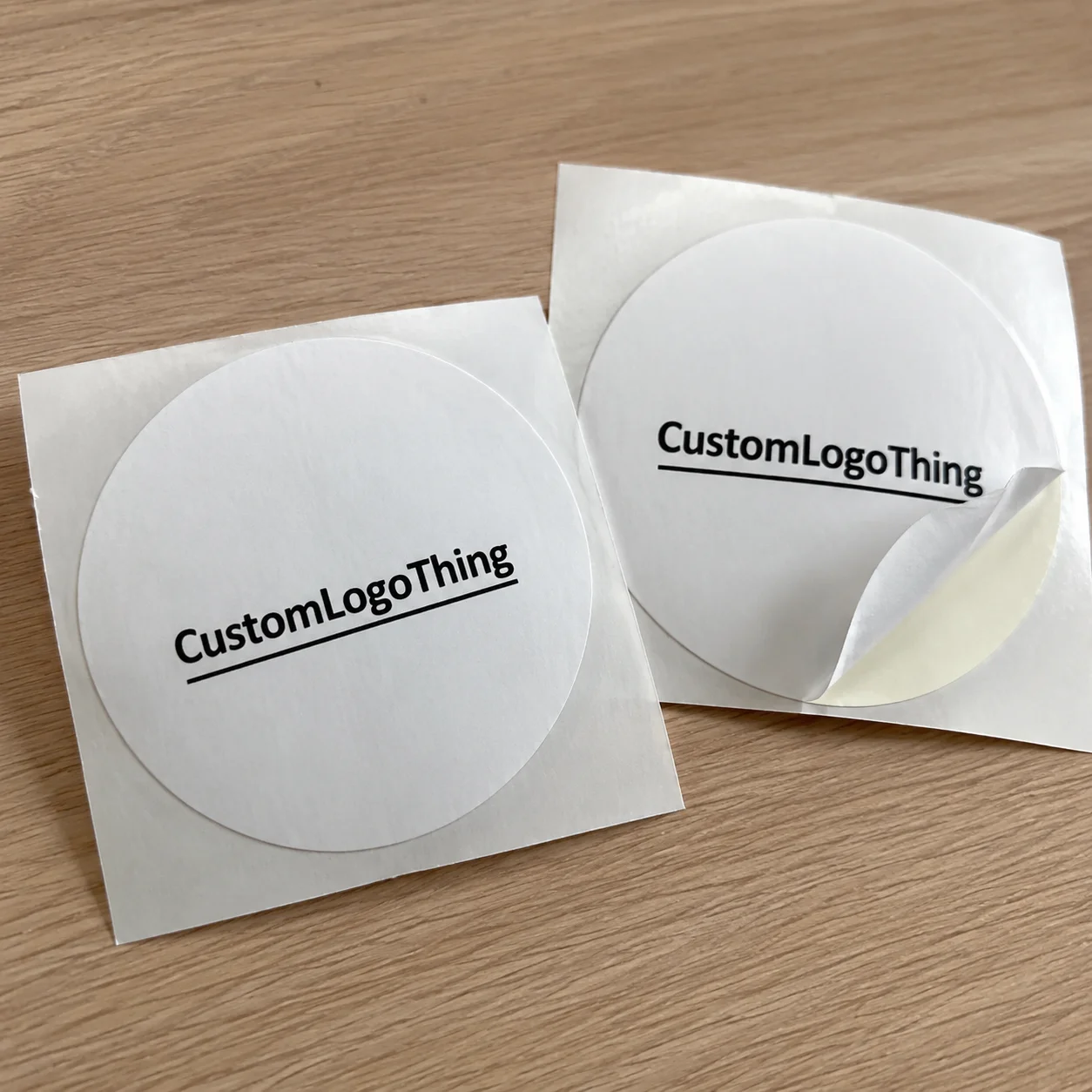
A reader orders a hoodie, enamel pin, and signed paperback bundle. The package arrives scuffed, damp, and split halfway along the seal. That is exactly why a book merch brands waterproof apparel Mailers Sample Order guide matters before you buy 5,000 branded bags and hope the carrier network treats them gently.
Book Merch Brands are not only shipping clothes. They are shipping fandom, limited drops, author launches, subscription perks, collector extras, and the kind of small emotional purchase people photograph before opening. If the mailer looks thin, leaks in the rain, or tears around a sharp pin back, that becomes part of the brand experience too.
Book merch brands waterproof apparel mailers sample order guide: what to test first
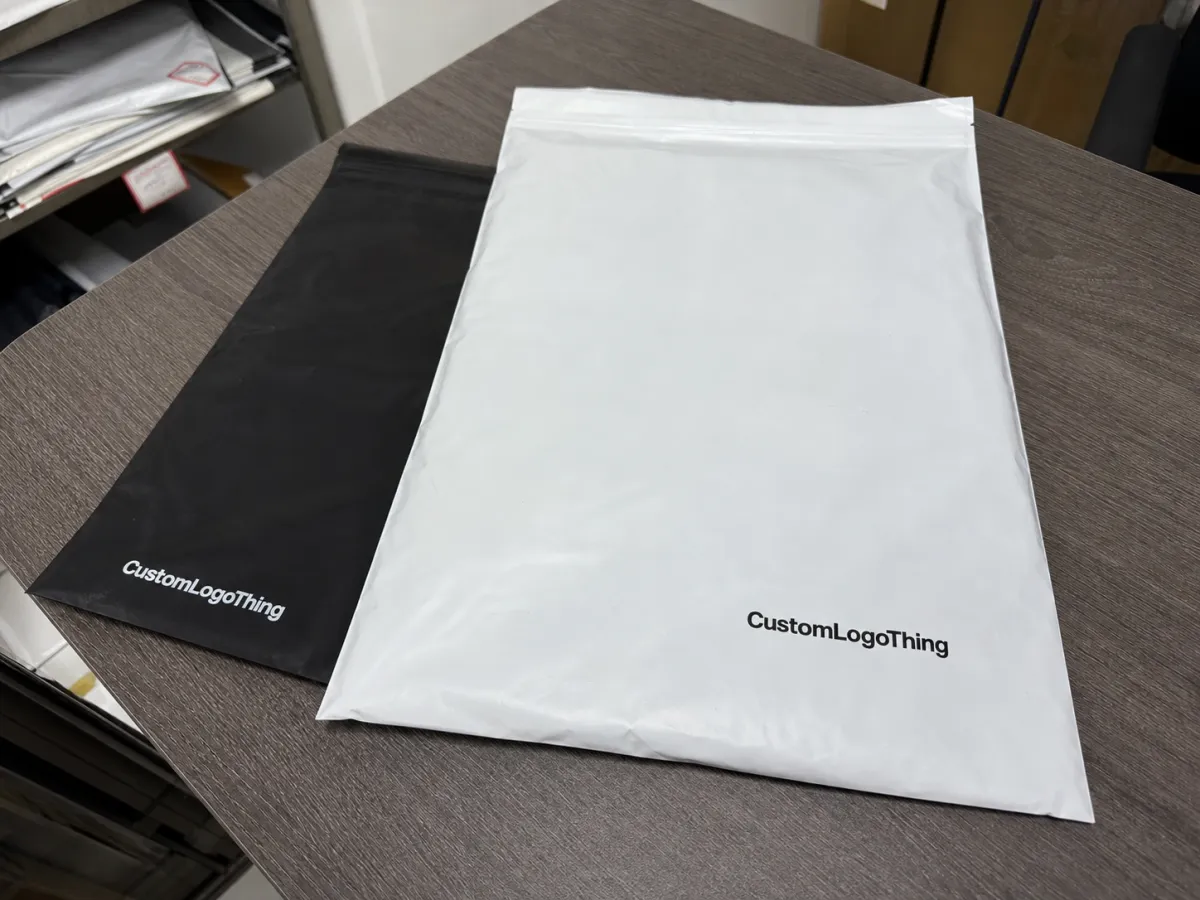
Waterproof Apparel Mailers are often the first custom packaging sample worth testing for soft merch. They are lighter than boxes, less expensive to ship in many parcel systems, resistant to rain and handling grime, and easier to store on a crowded fulfillment shelf. Not glamorous. Very useful.
A good sample order should answer seven questions before a full production run:
- Film thickness: common apparel mailers run about 2.0 to 3.0 mil, with heavier options for premium bundles or rougher handling.
- Opacity: the buyer should not be able to see a black hoodie, exclusive tee, or collector insert through the bag.
- Seal strength: the adhesive strip needs to close quickly and stay closed through sorting belts, bins, trucks, and porches.
- Print clarity: logos, QR codes, author marks, launch graphics, and return instructions should look intentional, not fuzzy.
- Size fit: the bag should fit the packed bundle, not just the product’s flat dimensions on a spec sheet.
- Label adhesion: shipping labels need to stick cleanly without curling at the corners or lifting from a matte surface.
- Overall feel: the bag should read as branded packaging, not a last-minute commodity supply order.
Poly mailers are not armor. They work best for T-shirts, hoodies, tote bags, scarves, socks, soft goods, zines with backing boards, and padded inner packs. Hardcover books, fragile boxed sets, signed collector editions, and anything with sharp or valuable corners may need a rigid mailer, corrugated shipper, bubble-lined mailer, or a padded hybrid setup.
Practical rule: If the item can bend, compress, or tolerate normal carrier handling, a waterproof mailer may be enough. If the item can dent, crush, crack, or lose collector value from a corner hit, test stronger packaging.
This guide covers the specs and order details that decide whether custom branded mailers work in real fulfillment: product style, material, print method, unit cost, MOQ, proofing, sample approval, and the information to send before ordering from Custom Logo Things.
Best mailer styles for book merch, apparel drops, and fan bundles
The right mailer style depends on what is inside the package, how far it ships, and how much trouble you are willing to invite after delivery. Book merch orders can be simple, but they often turn odd quickly: one tee is easy; a tee plus a pin, sticker sheet, paperback, and folded art print is a different package.
| Mailer style | Best use | Typical tradeoff | Common sample test |
|---|---|---|---|
| Standard poly mailer | T-shirts, beanies, socks, scarves, tote bags | Lowest cost, less protection for rigid add-ons | 2.0 to 2.5 mil fit and seal test |
| Co-extruded poly mailer | Dark apparel, exclusive merch, higher-value drops | Better opacity, slightly higher cost | Hold against light and check visibility |
| Recycled-content mailer | Brands with sustainability targets | Strength and print finish vary by resin mix | Compare tear strength and print color |
| Bubble-lined mailer | Pins, patches, bookmarks, small paper goods, apparel add-ons | More protection, more storage space | Test pin backs, corners, and pressure points |
| Returnable mailer | Apparel with size exchanges | Higher unit cost, less return friction | Test first and second adhesive strips |
Standard poly mailers are the default for soft merch. They pack quickly, print cleanly, and usually give the best cost-per-unit for T-shirts, sweatshirts, beanies, socks, and fabric totes. A small shirt mailer may land around 10 x 13 inches, while sweatshirts often need something closer to 12 x 15.5 inches or 14.5 x 19 inches. Hoodies and bundled drops can require 19 x 24 inches or larger. Sample first, because flat product dimensions leave out fold thickness, trapped air, inserts, tissue, and the way a real person packs at speed.
Co-extruded mailers are useful when opacity matters. If a bundle includes dark apparel, limited fan club merchandise, launch exclusives, or anything you do not want visible through the bag, choose a mailer with an inner gray or black layer. Customers generally prefer not to have their purchase broadcast from the mailbox.
Bubble-lined mailers solve a different problem. Pins, patches, enamel charms, bookmarks, sticker packs, and small paper goods can create pressure points against thin film. Bubble mailers cost more and take more storage space, but they reduce complaints when rigid items ship with soft goods. They are not always necessary for a single patch or sticker sheet; they become much more relevant when metal pin backs or book corners are involved.
Returnable mailers with dual adhesive strips deserve attention if you sell size-sensitive apparel. The first strip goes out to the customer. The second strip lets them send the item back without tape gymnastics. Depending on size, material, and order quantity, that extra strip can add a few cents to several cents per bag, so use it where exchanges are likely rather than making it a default for every campaign.
For a safer first buy, sample at least two sizes and one backup material. Apparel compresses. Books do not. Mixed merch gets strange fast.
Waterproof material specs that actually matter
“Waterproof” in shipping means the mailer should resist rain, splashes, damp delivery bins, and normal carrier handling. It does not mean the package can sit in a puddle overnight and emerge untouched. The film can repel water; the closure, seams, label, and any puncture point still matter.
For apparel mailers, film thickness is the first spec most buyers ask about. Common options run about 2.0 mil, 2.5 mil, and 3.0 mil. A 2.0 mil bag may be fine for lightweight tees, socks, or flat soft goods. A 2.5 mil bag is a strong middle ground for many apparel drops. A 3.0 mil mailer feels more substantial and gives better resistance when bundles include multiple items, folded inserts, or slightly sharp edges.
Tear resistance and puncture resistance are not identical. A bag can feel thick and still split at the side seam if the conversion quality is poor. A thinner co-extruded film can sometimes outperform a thicker bargain film because the layers distribute stress better. That depends on material grade, seam construction, and adhesive quality, so a spec sheet alone should not make the decision.
Opacity deserves its own test. White exterior film with a gray or black inner layer hides contents better than basic translucent poly. Full-color exterior print can look sharp, but only if the base film and ink system support the design. Heavy ink coverage on the wrong film can scuff, crack at folds, or look dull after handling.
Adhesive closure quality gets overlooked until packages start arriving open. The peel-and-seal strip should bond fast, resist casual tampering, and stay closed through carrier sorting. Test the seal after 5 minutes, after 1 hour, and after the packed mailer sits overnight. Adhesive can behave differently after pressure, time, and temperature changes. Cold storage, high humidity, dusty packing tables, and overfilled bags can all make a good-looking closure fail earlier than expected.
Surface finish affects both appearance and handling. Gloss finish makes color pop and can help simple logo designs look bright. Matte finish feels more refined but may show scuffs more visibly, especially on dark artwork. Soft-touch style films can feel elevated, though they usually cost more and need careful print testing. Standard smooth poly is less exciting, but it is often the practical choice for volume campaigns where speed, consistency, and label adhesion matter most.
Environmental claims need careful wording. Recycled-content PE mailers, recyclable polyethylene mailers, and compostable alternatives all have different strength, print, cost, shelf-life, and disposal tradeoffs. The U.S. Environmental Protection Agency provides general guidance on materials and waste reduction at epa.gov/recycle. For paper-based packaging claims, FSC certification is also worth understanding through fsc.org. A green icon on a bag is not a substitute for accurate material information.
Custom print options for author logos, quotes, and launch art
Print method affects cost, minimum quantity, color accuracy, and how fast the order can move. For Waterproof Apparel Mailers, common options include flexographic spot color, digital short-run printing, and higher-volume production methods such as gravure or advanced press work for large runs.
Spot color printing makes sense for clean logos, author marks, simple icons, repeating patterns, QR codes, and one-to-three-color brand systems. It is usually more budget-friendly at scale because the artwork is simpler and repeat production is efficient once plates are made. A black logo on a white co-extruded mailer is straightforward. A two-color author imprint with a short back-flap quote is usually reasonable too, assuming the design respects print margins and label placement.
Full-color printing is worth considering for illustrated book art, character graphics, subscription branding, limited-edition launches, or campaigns where the mailer acts like a small poster before the buyer opens it. Full coverage costs more. It also exposes artwork problems faster than a simple logo print. More ink means more room for color shift, scuffing, registration issues, and disappointment if the approved screen mockup was treated as an exact physical sample.
Most sample delays come from avoidable artwork problems:
- Low-resolution PNG or JPEG files pulled from a website header.
- RGB colors with no Pantone, CMYK, or printed reference.
- Tiny reversed-out text that fills in during production.
- Gradients that do not translate well to the chosen print method.
- Artwork placed too close to seals, edges, folds, or the adhesive flap.
- QR codes printed too small or positioned where the bag wrinkles.
Use vector logo files whenever possible. Outline fonts. Provide Pantone or CMYK references. Keep safe margins. Leave a clean shipping label zone, usually at least 4 x 6 inches if you use standard carrier labels. If your artwork covers that zone, the label will cover the artwork. A beautiful logo hidden under a carrier label is not branding; it is expensive camouflage.
Branding placement can stay simple and still feel intentional. Front-centered logo. All-over icon pattern. Back flap message. Return instructions. QR code to a bonus chapter. Launch hashtag. Short quote from the book. Keep it useful and legible. A plastic mailer is not the place for a long manifesto, especially if the design will be folded, wrinkled, labeled, and handled by machines before the customer sees it.
Digital mockups are for layout approval. Physical samples show film feel, color shift, closure strength, finish, scuff behavior, opacity, and whether the design looks good in human hands instead of on a clean screen. Any solid book merch brands Waterproof Apparel Mailers sample order guide should separate those two approvals.
Pricing, MOQ, and unit cost for sample and bulk orders
Pricing is driven by size, thickness, material type, print method, number of colors, print coverage, order quantity, adhesive type, return strip, sampling needs, and freight. A universal per-bag price without those specs is not very useful.
As a rough buying framework, smaller plain or one-color custom mailers cost less per unit. Full-coverage artwork, heavier film, recycled-content material, returnable closures, specialty finishes, and short runs push the unit cost up. A basic one-color Custom Poly Mailer at several thousand units may fall in the low-cent to mid-cent range per bag depending on size and specifications. Smaller custom runs can climb much higher because setup and production time are spread across fewer units.
Stock samples are the cheapest way to test size and film feel. They may be free or low-cost, with the buyer covering shipping, depending on the supplier and sample program. Custom printed samples cost more because artwork review, proofing, setup, print, finishing, and freight are involved. You are not only buying three bags; you are paying for a miniature production exercise.
MOQ depends heavily on print method. Digital print can support lower quantities for testing or small launch runs. Flexographic production usually becomes more economical at higher volumes because setup costs and plates need enough units to make sense. The cheapest unit price rarely lives at the smallest MOQ.
Ask about setup costs, plate fees, and proofing fees. More specifically, ask whether they are one-time, repeat-order, or design-specific charges. If you change the bag size, artwork, color count, or print coverage, fees may change. That is not a vendor being difficult; it is how production works.
| Cost factor | Lower-cost direction | Higher-cost direction | Buyer advice |
|---|---|---|---|
| Quantity | Higher bulk volume | Short custom runs | Quote 2 or 3 volume breaks before deciding |
| 1-color logo | Full-coverage color art | Match print spend to campaign value | |
| Film | 2.0 mil standard PE | 3.0 mil, recycled, specialty finish | Sample thickness before committing |
| Closure | Single adhesive strip | Returnable dual strip | Use returnable only if exchanges are likely |
| Freight | Consolidated planned shipment | Rush air or fragmented shipments | Plan around launch dates early |
Compare total landed cost, not just unit cost. Include shipping, duties if applicable, storage space, damage rate reduction, pick-pack speed, and reorder timing. A bag that costs $0.03 less but slows packing by 20 seconds per order is not automatically cheaper, especially during a launch week when every packing station is already under pressure.
For a quote from Custom Logo Things, send the size, thickness, quantity, print colors, artwork file, sample requirement, delivery location, desired in-hand date, and whether the mailer needs recycled content or a returnable closure. You can also review related options under Custom Poly Mailers and broader Custom Packaging Products.
Process, timeline, and lead time from sample to reorder
A clean ordering process saves money. It also prevents urgent emails with subject lines like “Need these by Friday.” Packaging production can move quickly in the right conditions, but artwork, materials, printing, converting, inspection, and freight still need calendar space.
The standard flow looks like this:
- Discovery: confirm products, bundle types, shipping method, and brand requirements.
- Quote: price size, thickness, quantity, material, print, closure, and freight.
- Artwork review: check file format, color references, resolution, safe zones, and label area.
- Dieline or mockup: approve layout, print placement, and bag orientation.
- Sample approval: test fit, film, seal, print, opacity, and packing speed.
- Deposit: release the production order after specs are locked.
- Production: print, convert, seal, inspect, and carton the mailers.
- Quality control: check dimensions, print, adhesive, count, and finish.
- Shipping and delivery: move goods to your warehouse, studio, or fulfillment partner.
- Reorder planning: document specs before the launch sells out.
Stock samples can often move faster because they already exist. Custom printed samples take longer because artwork, material, print setup, converting, and shipping all need coordination. Depending on complexity and supplier schedule, custom samples may take days to a few weeks. Bulk production can range from roughly two to six weeks after proof approval, with domestic or overseas freight changing the total calendar. Rush work costs more and still has limits.
At the sample stage, approve the details that affect shipping performance: size fit, material feel, seal strength, opacity, print color, logo position, scuff resistance, label adhesion, and ease of packing. Do not approve a sample because it looks nice on a desk. Pack it. Seal it. Stack it. Tug the seams. Apply a real shipping label. If possible, send a few test packs through the mail stream before committing to a large run.
Common timeline problems are predictable: late artwork, unclear Pantone targets, changing bag size after proof approval, requesting full-color art after quoting one-color print, adding a return strip after sampling, or waiting until the launch date is almost here. The sample-order approach exists to keep those issues visible before they become expensive.
For book launches and merch drops, order samples before promotional deadlines are locked. Keep a reorder buffer if the first campaign might sell out. Once specs, artwork, and plates are approved, repeat orders are usually smoother. Document the SKU, size, material, thickness, print method, closure type, previous order number, and approved artwork version.
If you ship larger recurring quantities, review Wholesale Programs to discuss volume planning, repeat orders, and packaging consistency across multiple drops.
Next steps before you approve a waterproof mailer order
Before approving a waterproof mailer order, gather the actual products. Not guesses. Not product page dimensions. The real bundle.
- Measure the folded apparel, paper goods, and add-ons.
- Pack a realistic sample bundle with tissue, backing board, inserts, or inner sleeves if used.
- Weigh the packed bundle on a shipping scale.
- Photograph the bundle from the front, side, and top.
- Decide whether the mailer is for apparel only or mixed book merch.
- Confirm if any item needs crush protection beyond a poly mailer.
Request samples in at least two sizes. The right bag should fit without straining the side seams, but it should not be so oversized that it looks sloppy or increases shipping cost. A too-tight mailer fails at the seal. A too-large mailer wrinkles, feels careless, and may slide around in sorting equipment.
Test at the packing table, not just in a meeting. Insert the merch. Peel the seal. Apply a 4 x 6 inch shipping label. Stack twenty packed mailers. Tug a side seam. Rub the print lightly against another bag. Time how fast staff can pack twenty units. If a design slows the packing line, that cost shows up later.
Confirm print zones and shipping label placement before approving artwork. Also confirm barcode readability if you print QR codes or internal tracking codes. QR codes need enough size, contrast, and quiet space around them. Tiny codes on wrinkled poly are decorative frustration.
Send this information for a quote:
- Order quantity and any volume breaks you want priced.
- Mailer size or product bundle dimensions.
- Preferred thickness, such as 2.0, 2.5, or 3.0 mil.
- Print colors, print coverage, and artwork file.
- Closure type: standard peel-and-seal or returnable dual strip.
- Material preference: standard PE, co-extruded, recycled-content, or another option.
- Sample type: stock sample, printed sample, or both.
- Delivery address and target in-hand date.
Choose based on fit-for-purpose, not the lowest unit price on the page. Saving a fraction per bag does not help if a launch drop arrives wet, split, or cheap-looking. Use the sample order to compare real film, real fit, real print, and real closure strength before approving production. Custom Logo Things can quote sample and bulk mailer orders based on your actual bundle, artwork, and launch timeline.
FAQ
How many waterproof apparel mailer samples should book merch brands order first?
Order at least two sizes and two material weights if you ship more than one merch bundle type. Use stock samples to test fit and feel first, then order printed samples if color accuracy, finish, and branding placement matter. Pack real products in the sample. Flat measurements alone are how buyers end up with bags that technically fit and practically fail.
What size waterproof mailer works for book merch apparel bundles?
Small mailers usually work for one T-shirt or lightweight soft goods. Medium mailers are better for sweatshirts, multiple shirts, or apparel plus paper inserts. Large mailers fit hoodies or bulky bundles, but oversized bags can look sloppy and may increase shipping cost. Sample at least two sizes before buying bulk.
Can waterproof apparel mailers protect books too?
They can protect against moisture, but they do not provide rigid crush protection. Use a backing board, rigid insert, bubble sleeve, or corrugated box when shipping paperbacks, hardcovers, signed copies, or collector editions. For apparel plus a book, test a padded or reinforced packaging setup before approving bulk production.
What affects the cost of custom waterproof apparel mailers?
Main cost factors include size, thickness, material, print coverage, number of colors, quantity, closure type, sample requirements, and freight. Lower MOQ options are useful for testing, but higher-volume runs usually reduce unit cost. Always compare total landed cost, not just the per-bag number.
How long does a sample order for custom waterproof mailers take?
Stock samples are typically faster because they do not require custom print setup. Custom printed samples take longer due to artwork review, proofing, material setup, print production, and shipping. Lead time depends on print complexity, production schedule, quantity, and how quickly the buyer approves artwork. For more production questions, review the FAQ or contact Custom Logo Things with your specs.