Fitness Gift Boxes Cost: The Hidden Expense Buyers Miss
Fitness gift boxes look simple from the outside: a clean shell, a few branded inserts, maybe a shaker bottle or protein sample tucked inside. The quote tells a different story. The printed carton is only one line in a chain that includes structure, finish, inserts, assembly, freight, and the awkward little fees that tend to appear after the sample is approved.
I have reviewed enough packaging estimates to know the same mistake shows up again and again. Buyers budget for the box itself, then get surprised by the rest of the build. That is not because suppliers are hiding anything. It is because fitness gift boxes cost more like a small production run than a simple carton order. The difference matters. A rigid box with a foam insert can feel similar to a folding carton on a spec sheet, but the landed cost can be two or three times higher once labor and shipping enter the picture.
That spread is why a good quote has to start with clear definitions. Are you buying just the printed outer box, or a complete kit with inserts, product packing, and fulfillment? Is the order shipping flat, or assembled? Will the box travel as retail packaging or as direct-to-consumer mailer packaging? Those details move the number fast, sometimes faster than the print coverage does. If you are still choosing the package style, it can help to review a broader range of Custom Packaging Products first so the budget is tied to a realistic structure instead of a generic idea.
In practice, the phrase "fitness gift boxes cost" covers a wide field. A lightweight wellness sampler may only need a printed folding carton and a paperboard insert. A premium launch kit may need a rigid lid-and-base box, nested compartments, a sleeve, and hand assembly. Both are technically gift boxes, but the production method, lead time, and freight profile can be completely different. That is why a packaging brief needs more than a logo and a rough size. It needs enough detail for the production team to price the job as it will actually be built.
Fitness Gift Boxes Cost: What Actually Moves the Price
There is no single shelf price for fitness packaging, and anyone who claims there is is usually leaving out half the job. Size is the first cost driver, but it is rarely the only one. The bigger driver is how many manufacturing steps the box needs before it can be packed and shipped.
Here is the rough hierarchy I use when I am comparing quotes. Paperboard thickness and structure matter first. Print coverage, special coatings, and foil come next. Inserts, magnets, ribbons, and hand assembly usually follow close behind. Freight can become the wildcard, especially on low-volume runs, because a bulky box ships like a bulky box, no matter how small the contents are.
| Packaging Type | Typical Use | Planning Range Per Unit | Cost Pressure |
|---|---|---|---|
| Printed folding carton | Lightweight wellness sets, sample packs, supplement bundles | $0.60-$2.00 | Low to moderate |
| Mailer box | E-commerce fitness kits, influencer mailers, subscription drops | $1.10-$3.50 | Moderate |
| Rigid box with insert | Premium recovery kits, launch gifts, executive sets | $3.50-$9.00+ | High |
| Custom presentation set with assembly | Multi-item branded gifting campaigns | $6.00-$15.00+ | Very high |
Those figures are planning ranges, not promises. Paper markets move. Labor rates move. Shipping moves even more. A quote that looks low on paper can still land high once the supplier adds kitting, overage, palletization, and freight. I have seen a client celebrate a beautiful sample only to discover the fully landed cost was nearly 40 percent higher than the first estimate because assembly had been treated as an afterthought. Nobody was trying to be sneaky; the brief just left too much open.
The other big variable is quantity. Small runs are expensive because setup costs get spread over fewer boxes. A 200-unit order might carry the same prepress, die, and machine setup as a 2,000-unit run, which is why unit price falls so sharply as volume rises. That curve is not always graceful. It is kind of lopsided, actually. The first few hundred boxes absorb a lot of fixed cost, then pricing starts to breathe a little once the production line can move efficiently. For buyers comparing one-off launch kits with recurring promotional packaging, this is often where the budget story changes most.
It also helps to separate cosmetic cost from functional cost. A brushed metallic look can be achieved with foil or specialty ink, but the visual impact may not justify the expense if the box is primarily meant for shipping. In the same way, a premium rigid build may impress on a desk, yet it may be over-specified for a set that will be opened once and discarded. The point is not to spend as little as possible; it is to spend in the places that matter to the user and to the brand.
Box Formats, Inserts, and Finishes for Fitness Kits
The format you choose changes both the look and the economics. A folding carton is efficient to produce, but it is not the right answer for every fitness set. If the contents are heavier than a few sample sachets, the board has to be strong enough to hold shape without crushing corners. A mailer box gives you sturdier walls and better shipping protection. A rigid box raises the perceived value, but it also adds a second layer of cost: the board shell and the hand-built wrap.
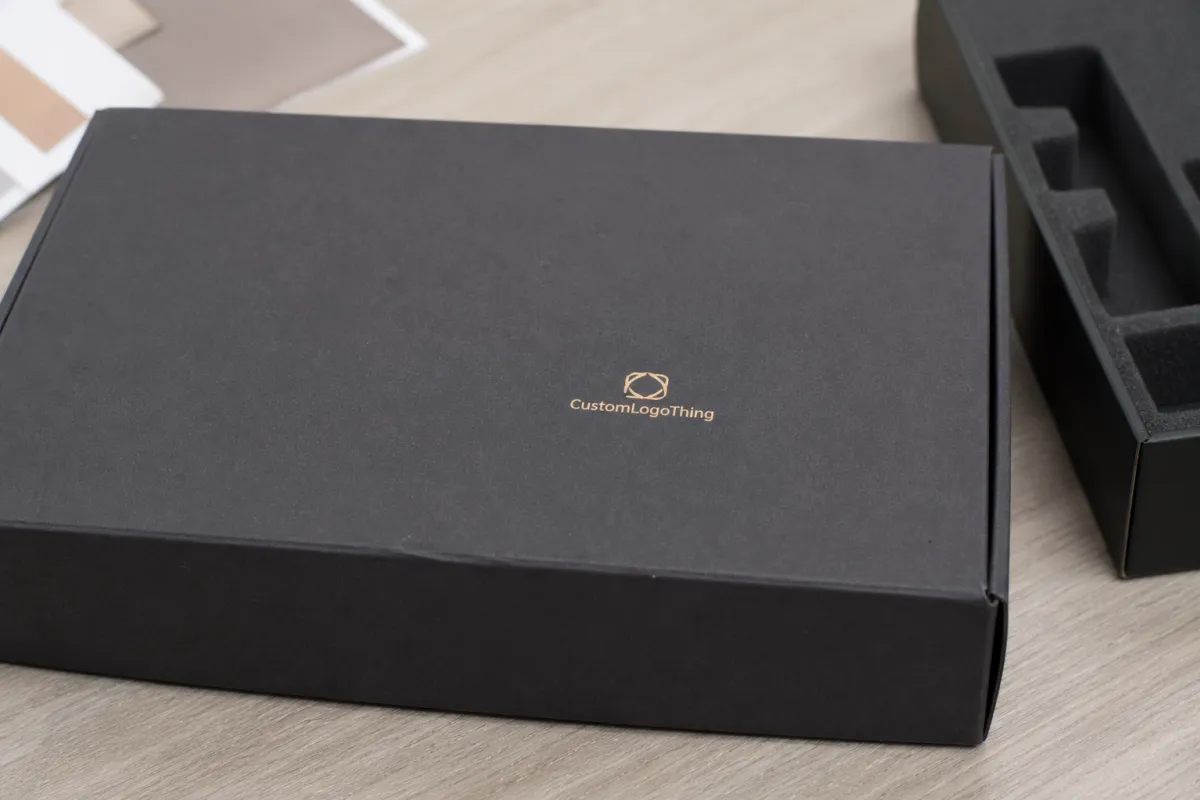
Inserts deserve more attention than they usually get. A foam insert can protect a metal shaker bottle or massage tool, but foam typically raises unit cost and can complicate sustainability goals. Molded paper pulp, corrugated dividers, and die-cut board inserts are often cheaper and easier to recycle. They also print differently, which matters if the insert is visible through an open lid. A matte black foam cradle looks luxury; a white die-cut insert with clean edges looks more modern and usually costs less.
Finishes are where people often get carried away. Soft-touch lamination feels premium in hand, but it can push the quote up and introduce scuff sensitivity during transit. Spot UV and foil can make a logo pop, yet they add setup and often require a tighter production schedule. If your box is going to be photographed for social media, finish choices matter more than they do for a back-of-house shipping carton. If the box is just there to survive a gym drop-off, you can keep it simpler and save real money.
One detail I have learned to watch: magnets. Magnetic closures are great for presentation sets, but they almost always increase both material and assembly cost. That extra spend can be justified on an executive wellness gift or a high-end launch kit. On a mass giveaway, it is usually too much. The same goes for ribbon pulls, custom hardware, and layered trays. Nice touches, yes. Cheap touches, no.
There is also a brand mismatch risk. A gritty training brand does not always need a luxury presentation box. A clean, high-contrast mailer with a strong insert can feel more honest and more aligned with the product. I have seen a barebones corrugated structure outperform a polished rigid box simply because it matched the audience. The packaging felt useful, not precious. That matters.
For fitness packaging, the unboxing sequence often matters as much as the exterior. If the set includes a bottle, towel, resistance bands, and a small accessory, the inner layout should guide the recipient through the kit without making them dig. A good insert can create that reveal without adding much more than a die-cut board blank and some structural planning. That is one reason buyers often compare rigid presentation styles with mailer-style structures before committing to a final spec.
Material and Production Choices That Change the Budget
Once the structure is selected, the next set of cost decisions comes from material and production method. The same outer dimensions can price very differently depending on board grade, print method, and finishing path. That is why two boxes that look similar in a mockup can arrive with wildly different quotations.
Paperboard selection is usually the first material decision. Thin SBS board can work well for lightweight kits and sample packs, while thicker chipboard or rigid greyboard is often used when the box needs more strength and a more substantial hand feel. Corrugated stock is common for shipping-oriented kits because it offers protection and keeps costs more predictable. If the contents are heavy, sharp-edged, or likely to move in transit, stronger board and a better insert are usually worth the extra spend.
Print method matters too. Digital print can be a practical choice for short runs, variable artwork, or fast turnaround, but the unit cost usually drops less dramatically at scale. Offset printing is common for larger orders because the setup pays off over volume and the color control is often more consistent. If the box needs photographs, gradients, or a lot of saturated color, offset can look cleaner; if the run is small and the content may change from campaign to campaign, digital may be easier to manage. The right option depends on quantity, artwork complexity, and how much lead time you actually have.
Coatings and lamination influence both appearance and durability. Matte coatings are often popular for fitness gift boxes because they feel contemporary and photograph well. Gloss can create stronger contrast and a more energetic look, though it can highlight fingerprints and scuffs. Soft-touch lamination offers a premium tactile effect, but it can be more expensive and less forgiving if the box is being handled in transit or at a busy event. If the package will be used in a retail environment, abrasion resistance should be considered alongside appearance.
Special effects should be treated as targeted decisions, not automatic upgrades. Foil stamping can create a strong logo moment, but a full panel of foil is far more expensive than a small mark. Embossing and debossing add texture, yet they usually make sense only when the design has enough open space to support them. Full coverage on the inside of the box can be impressive, especially for influencer mailers, but the cost rises because you are printing more area and often adding a more complex workflow.
Production efficiency also affects fitness gift boxes cost. A simple tuck-top carton with one-color print may run efficiently and produce low waste. A complex multi-part box with sleeves, inserts, and taped components may require more handwork and more quality checks. That extra handling often shows up in the quote even before freight is added. When buyers ask why a seemingly small upgrade doubled the cost, the answer is usually not the paper. It is the labor.
Sustainability requests can change the budget in both directions. Recycled board may be standard on some jobs and a premium on others, depending on appearance requirements and availability. Plastic-free construction can reduce long-term waste concerns, but it may require more thoughtful engineering to keep the contents secure. In many cases, a recycled board mailer with a paper insert is a practical middle ground that balances image, performance, and cost.
Specifications to Lock Before You Request a Quote
The fastest way to get a reliable price is to remove guesswork. Suppliers can price faster when they know exactly what they are building. That sounds obvious, but a surprising number of briefs arrive with only a logo, a rough size, and a vague idea of "something premium." That is not a spec. That is a hope.
Before you Request a Quote, lock these details:
- Internal dimensions of the box and the heaviest item inside.
- Exact contents, including whether they will be packed loose, nested, or held in a insert.
- Box style: folding carton, mailer, rigid, drawer, or magnetic closure.
- Print coverage, number of colors, and whether you need inside printing.
- Surface finish: matte, gloss, soft-touch, foil, embossing, or spot UV.
- Assembly method and whether the supplier is kitting the contents.
- Target quantity, with a realistic tolerance for overage.
- Destination, because freight can change the landed figure more than expected.
Two numbers matter more than most first-time buyers realize: product weight and pack-out method. A 1-pound box that ships flat is a different beast from a 1-pound box assembled with fragile items already inside. The first may be cheap to move and easy to store. The second may require stronger board, more protective structure, and extra labor. That is the sort of thing that quietly pushes a quote past the budget line.
I once compared three quotes for a boutique gym chain ordering 500 recovery kits. On paper, the cheapest option was a simple printed mailer. The final landed cost told a different story because the client needed custom inserts, hand insertion of eight items, and rush freight to hit an event date. The "cheap" box ended up more expensive than a premium-looking structure that had been planned properly from the start. Price only looks simple until the logistics show up.
It also helps to tell the supplier how the box will be used after delivery. A box that stays in a distribution center can be optimized for stackability and flat-pack storage. A box that is handed to customers on-site may need a more polished presentation and stronger corners. If it is going through e-commerce fulfillment, the package should be tested for shipping stress and carton strength. The more the use case is defined, the more likely the pricing will reflect a real production scenario instead of a best guess.
Common Quote Scenarios for Fitness Gift Boxes
Looking at actual packaging scenarios is often the easiest way to understand why fitness gift boxes cost what they do. The same product mix can be priced very differently depending on how the kit is configured. Below are common production patterns that show up often in fitness and wellness packaging.
| Scenario | Likely Structure | Typical Cost Range | Why It Lands There |
|---|---|---|---|
| Sample supplement starter pack | Folding carton with simple insert | $0.80-$2.25 | Low material use, modest print, limited assembly |
| Influencer mailer with accessories | Mailer box with printed insert and branded tissue | $1.75-$4.50 | More print coverage, better presentation, some kitting |
| Recovery kit with bottle and tools | Rigid or heavy-duty mailer with divider system | $4.00-$10.00+ | Stronger board, custom insert, heavier freight, more labor |
| High-touch launch gift | Rigid box, sleeve, foam or board cradle, inside print | $6.50-$15.00+ | Premium materials, multiple components, hand finishing |
These ranges are broad on purpose. A low-complexity kit with good planning can stay near the bottom of the range. A carefully branded but inefficiently specified kit can drift to the top quickly. The point is not to memorize a number. The point is to see how structure, finish, and labor combine into the final unit cost.
Short runs often behave differently from larger campaigns. A small batch of 150 or 250 kits can absorb a disproportionate share of setup, especially if the artwork is custom and the insert must be cut specifically for the contents. That does not mean small runs are a bad idea. It just means the unit economics are less forgiving, so the packaging should be designed to avoid unnecessary complexity. If the campaign is expected to repeat, a modular design can be more efficient because it allows the same structural base to be reused with different printed sleeves or labels.
It is also worth thinking about storage and warehousing. A large rigid box may photograph beautifully, but if it takes up too much shelf space, the operational cost can rise after production. Flat-packed mailers are easier to store and ship in bulk. That practical consideration is often invisible during design review, yet it can shape the total cost of ownership just as much as the print spec does.
How to Keep Fitness Gift Boxes Cost Under Control
The goal is not to strip the box until it feels dull. The goal is to spend where the customer can feel the value and save where the cost is invisible. That balance is usually what separates a smart packaging budget from a flashy one.
Start with structure, not decoration. If the contents do not require a rigid box, do not pay for one. A well-built mailer with a smart insert often delivers the same brand impact at a lower price. If the set includes multiple pieces, use die-cut board dividers before jumping to foam or molded trays. That small shift can shave dollars off each unit across a run, and those dollars pile up fast.
Then simplify the finish stack. Pick one premium detail, not four. A clean matte laminate with a well-placed foil mark can look intentional. Add spot UV, embossing, magnetic closure, and internal print, and the quote starts climbing for reasons that are easy to ignore during design review. A good designer can make restraint feel premium. That is a skill, not a compromise.
Order intelligently. If the campaign is recurring, compare a one-time short run against a larger pooled run with staged delivery. The difference can be substantial because setup costs are shared more efficiently. Just make sure storage and obsolescence do not erase the savings. Nobody wants 3,000 dated boxes sitting in a back room because the campaign name changed.
Finally, ask for pricing in the same format from every supplier. One quote should not include assembly while another excludes it. One should not quote ex-works while another includes freight. If the line items do not match, the comparison is basically theater. Compare blank box, insert, print, assembly, and shipping side by side, or the numbers will lie to you.
There are a few other practical ways to reduce spend without damaging the result. Standardize internal components where possible, especially if the box will be used across multiple campaigns. Keep artwork consistent across runs so prepress work does not need to be rebuilt every time. If a package requires a sleeve or label, check whether a single reusable structural box can support multiple versions with only the graphics changing. That approach often reduces tooling and storage complexity.
Another useful tactic is to ask the supplier where waste tends to happen. Sometimes a slightly different panel size, board grade, or insert layout improves material yield. Those changes may not be dramatic, but packaging costs are often won or lost in small percentages. A 5 percent improvement in board usage can matter on a large order, and it is usually easier to accept than a complete redesign.
FAQ: Fitness Gift Boxes Cost
How much do fitness gift boxes usually cost?
Typical pricing depends on structure and quantity, but simple printed cartons often fall around $0.60 to $2.00 per unit, mailer boxes around $1.10 to $3.50, and rigid presentation boxes may land around $3.50 to $9.00 or more. Assembly, inserts, and freight can push those numbers higher.
What is the cheapest box style for fitness kits?
A printed folding carton is often the most economical choice for light kits and sample packs. If the contents need shipping protection, a corrugated mailer may be the better budget option because it avoids damage-related costs later.
Why do quotes for similar boxes vary so much?
The biggest reasons are board grade, print coverage, insert complexity, labor, and shipping assumptions. Two boxes can look nearly identical in a mockup and still price very differently if one includes hand assembly or a custom foam insert.
Do inserts add a lot to the total cost?
They can. Simple die-cut board inserts are usually moderate, while foam, molded pulp, or multi-part cradles can raise both material and assembly costs. The right choice depends on product weight, presentation goals, and sustainability preferences.
Is soft-touch worth it for fitness gift boxes?
It can be, especially for premium launches or influencer kits, but it is not always necessary. Soft-touch adds tactile appeal, yet it may show scuffs more easily and increase the quote. A matte laminate with a focused premium accent is often a practical alternative.
How can I lower fitness gift boxes cost without making the box look cheap?
Use a simpler structure, reduce the number of special finishes, and keep the insert efficient. A strong graphic layout, good proportions, and one premium detail usually create more impact than stacking multiple expensive upgrades.
Should I ask for assembled pricing or flat-pack pricing?
Always ask for both if possible. Flat-pack pricing is useful for comparing box manufacturing only, while assembled pricing gives a more realistic picture of the final landed cost. If the boxes are being kitted with products, ask for that as a separate line item too.
Do larger orders always reduce the unit cost?
Usually, yes, because setup costs are spread across more units. Still, the savings depend on the supplier, the materials, and whether the run introduces extra storage, freight, or overage requirements. Bigger is not automatically better if the campaign is one-time or the design may change soon.
What the Final Number Really Means
Fitness gift boxes cost what the full system costs, not what the carton sample suggests. A strong quote reflects structure, print, insert, assembly, and freight in one place. Leave any one of those out, and the budget will wobble later, usually right when production is supposed to be moving.
The most reliable move is simple: build a one-page spec sheet, request quotes using the same assumptions, and insist that each supplier price the box as a landed kit, not a pretty shell. That gives you a real comparison and keeps the decision anchored in total cost instead of showroom appeal. If the packaging is for a premium fitness launch, pay for the details that people will actually touch. If it is for a high-volume promotion, stay disciplined and let the structure do the work.
That is the practical answer. Not the prettiest answer, maybe, but the one that keeps the final invoice from turning into a surprise.
If you are still comparing build options, it is worth revisiting the broader set of Custom Packaging Products so the structure, materials, and finishing choices line up with the campaign goal before any production quote is approved.

