Frosted Zipper Bags for breweries bulk pricing gets searched for a reason. Buyers are usually balancing shelf presentation, moisture protection, and a closure that still feels solid after the first open. The frosted finish gives the bag a cleaner, more premium look than a plain clear pouch, but it does not turn the package into theater. It still needs to work on the filling table, in transit, and on the shelf.
For brewery-adjacent products like hop blends, snack pairings, dried ingredients, merch kits, or small retail items, the format makes practical sense. It can carry branding without looking noisy. It can hold up to repeated handling without turning into a scratched-up mess. And if the packaging program is built correctly, it can keep unit cost under control at volume.
The real question is simpler than the search term sounds: does the bag look right, close reliably, and land at a price that supports margin? If the answer is yes, Frosted Zipper Bags are worth serious attention. If not, a prettier bag will not fix the economics.
Why frosted zipper bags solve brewery packaging pain points
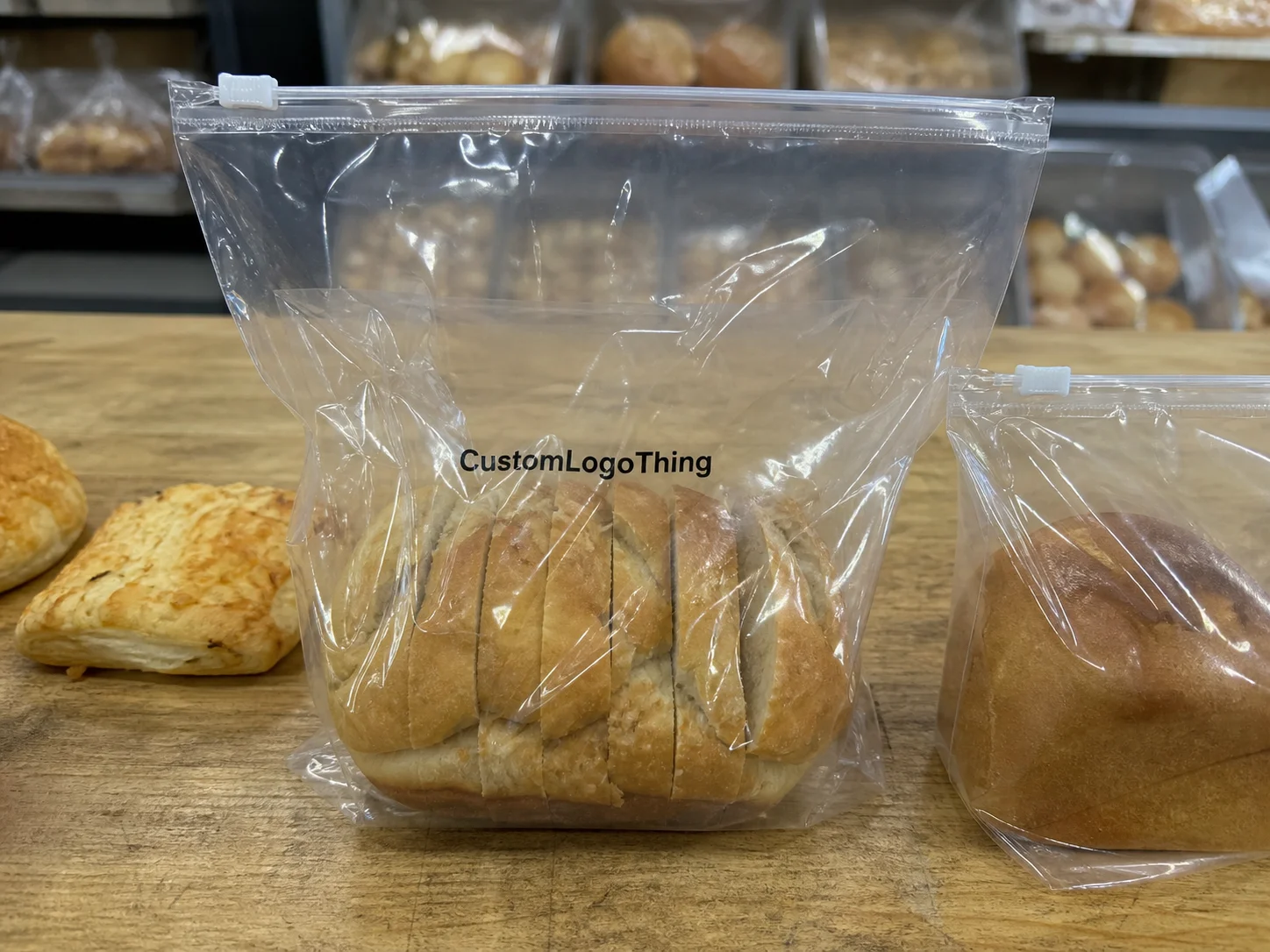
Brewery packaging gets judged fast. Before anyone reads the label, they notice whether the bag looks cheap, whether the seal feels flimsy, and whether the package still looks clean after it has been handled a few times. Frosted Zipper Bags solve part of that problem by softening the visual noise of the film. Fingerprints are less obvious. Minor scuffs are less distracting. The pouch reads as intentional instead of temporary.
That matters more than most teams expect. A bag that looks polished under taproom lighting tends to hold up better in retail bins, cooler displays, and shipping cartons. Clear bags can look fine when they leave the warehouse, then become a scratch test after a few days of handling. Frosted film hides some of that wear. It does not make the bag indestructible. It just buys you more presentation life.
The finish also works well with branding. Dark logos stand out. Labels remain legible. Product visibility is still present, which helps build trust when the buyer wants to see what is inside. That balance is useful for goods where the product itself helps sell the package, but the package still needs to feel branded, not improvised.
There is also a workflow benefit. A brewery can often standardize on one bag style across several items, then vary the label, fill weight, or printed panel. That reduces confusion on the packing table and makes reorders easier to manage. One SKU family with a stable bag format is simpler than a different pouch for every seasonal run. Simpler is usually cheaper too.
There is one caveat worth being blunt about: frosted finish is not the same thing as barrier performance. If the product is sensitive to oxygen, aroma loss, or humidity, ask for actual barrier data. A nice surface does not guarantee the right film structure underneath. That is where buyers get burned.
From a buyer’s point of view, the strongest case for frosted zipper bags for breweries bulk pricing is the combination of appearance, closure performance, and scale economics. If the package looks right and the numbers work, the format earns its place quickly.
Product details: materials, finish, and closure options
Most frosted zipper bags are built from polyethylene-based films or layered laminate structures that balance stiffness, clarity, and toughness. Some constructions are simple. Others add materials like PET or nylon for better puncture resistance or a firmer feel. The right build depends on how the bag will be used, how often it will be handled, and whether it needs to stand up on shelf.
Film thickness is usually the first spec worth checking. A lighter bag may be fine for low-fill retail items or short shelf cycles. A thicker bag makes more sense when the pouch will be stacked, shipped in bulk, or opened and resealed by the end user multiple times. If the product is dense or angular, the construction matters even more. Thin film plus sharp contents is a predictable failure mode.
The frosted look usually comes from the film surface itself, not from print trickery. That matters because it changes how graphics behave. Dark artwork can look crisp and premium. Pale artwork can disappear if contrast is weak. If the design depends on subtle tones, ask for a sample or proof before assuming it will read well through a matte surface.
Closure options deserve the same attention. A standard zipper works for many dry goods, but not every zipper feels the same. Tear notches help with first-open convenience. Hang holes support display. Rounded corners soften the appearance and can reduce sharp edges that some buyers dislike. Heat-seal compatibility is important if the pouch needs an added tamper-evident step before the customer opens it.
- One-color print keeps setup simple and works well for repeat orders.
- Multi-color print improves shelf impact but usually increases proofing, setup, and lead time.
- Label-friendly panels help when lot codes, product names, or compliance copy change often.
- Barrier specs matter more than appearance if aroma retention or moisture control is part of the job.
For general terminology around packaging formats and material categories, packaging.org is a useful reference. If the shipment needs to survive drops, vibration, and warehouse movement, ISTA guidance is worth checking before you lock in carton packs or freight assumptions.
Specifications breweries should check before ordering
The fastest way to avoid a bad order is to treat the spec sheet like a production document, not a suggestion. Confirm the overall width, the usable fill height, the seal area, the zipper style, and the film thickness before discussing artwork. A bag that looks right in a mockup can still fail in practice if there is not enough headspace to close it cleanly or enough volume for the product to settle naturally.
Product density matters. A light, fluffy fill behaves differently than a dense granular fill, even if the loose product volume seems similar. If the pouch is undersized, sealing gets messy. If it is oversized, the package can look underfilled, which hurts shelf appeal and wastes material. The right size is usually the one that fits the actual fill behavior, not just the theoretical dimensions of the product.
Print readiness is another place where orders go sideways. Artwork should be final or very close to final before the quote is approved. Fonts need to be outlined. Barcode placement should be checked against the dieline. If the bag needs ingredient copy, lot code space, or a QR code, those elements have to be planned into the print area early. Retroactively fitting compliance text into a finished layout is a bad use of time.
Packaging and logistics details matter too. Ask how the bags ship, how many units are packed per carton, whether the cartons are palletized, and what moisture protection is included in transit. A large order with poor carton packing can create work on the receiving end that nobody budgeted for. The bag may be fine. The handling might not be.
Sample approval should not be skipped if the product will face customers. At minimum, check three things: zipper feel, seal integrity, and shelf presentation. A sample that looks good in a photo can still disappoint if the zipper feels weak or the print contrast is softer than expected.
It is also smart to ask for measurable barrier data if the product needs it. Terms like frosted, matte, or premium tell you almost nothing about oxygen or moisture performance. If the application is sensitive, ask for WVTR or OTR information rather than guessing.
Cost, pricing, MOQ, and unit cost factors
Frosted zipper bags for breweries bulk pricing is driven by a few predictable variables, and the cleanest quotes come from buyers who understand them. Bag size, film thickness, zipper style, print coverage, and order volume are the main ones. If the bag is custom printed, color count and artwork complexity matter too. MOQ is not just a buying hurdle. It changes the math by spreading setup and tooling costs across more or fewer bags.
Blank stock bags are usually the lowest-complexity option. They are quicker to quote and easier to reorder. Printed bags add visual value, but they also bring proofing, registration, press setup, and tighter QC. That extra work can be worth it if the package is on shelf or part of a branded kit. It is not free, and the quote should reflect that honestly.
Here is a practical pricing framework for brewery and brewery-adjacent packaging programs:
| Order profile | Typical MOQ | Approx. unit cost | What drives the price |
|---|---|---|---|
| Blank stock-style frosted zipper bag | 1,000 to 2,000 | $0.18 to $0.32 | Size, film thickness, zipper style, carton configuration |
| Printed frosted zipper bag with simple branding | 3,000 to 5,000 | $0.24 to $0.48 | Color count, print area, proofing, setup charges |
| Fully custom spec run | 5,000+ | $0.30 to $0.62 | Tooling, custom dimensions, barrier needs, inspection demands |
Those ranges are directional. They are not a promise, and they should not be treated like one. A larger bag, a thicker film, a stronger zipper, or heavier print coverage will move the quote up. Freight can move the final landed cost more than buyers expect, especially if palletization or expedited shipping is involved.
That is why comparing two quotes only works if the specs match exactly. One supplier may quote a thinner film, another may include a better zipper, and the numbers will look different even though the bags are not equivalent. If the order is going to be repeated, compare like for like: same dimensions, same zipper, same print coverage, same carton pack, same freight assumptions.
For buyers building a wider replenishment program, the Wholesale Programs page can help frame volume tiers and reorder structure. It is still the spec sheet that matters most. Bulk pricing is a system, not a single line item. The bag price, setup charges, freight, and quality risk all belong in the same conversation.
Process, lead time, and production steps from quote to delivery
A clean production process keeps custom packaging from turning into a long email thread with a shipment at the end of it. The normal path is straightforward: specification review, quote, artwork confirmation, proof approval, production, inspection, and shipment. If any step is vague, the schedule slips. The most common causes are missing dimensions, incomplete artwork, or a delivery date that was never stated clearly.
Lead time depends on how much custom work is involved. Stock-style orders can move faster. Printed runs usually take longer because artwork has to be checked, proofs approved, and the press set up correctly. Fully custom constructions take longer still, especially if tooling or a new bag format is involved. If changes are requested after proof approval, time goes up. That is normal. The mistake is pretending it will not.
Approval checkpoints protect both sides. They lock in the structure, the artwork, the carton count, and the quantity before production starts. That matters because packaging errors are cheap to catch on paper and expensive to fix after the run. A careful proof process also confirms barcode placement, lot-code space, and any customer-facing copy that needs to stay readable after printing.
Freight planning should happen early for bulk orders. A palletized shipment behaves differently from a cartonized shipment, and the timing and cost are not the same. If a launch date matters, the shipping method needs to be decided before production begins, not after the bags are already finished. That sounds obvious. It is still where delays pile up.
Most packaging mistakes are not dramatic. They are small, boring, and expensive: the zipper feels off, the print shifts a few millimeters, the carton count is wrong, or the delivery window slips because the spec sheet left room for interpretation.
If the handoff is handled well, the process stays clean. Send final artwork, target quantity, fill details, and required delivery date together. If samples are needed, say so early. For frosted zipper bags for breweries bulk pricing, the cleanest quote usually comes from a brief that gives the supplier enough information to price the exact item instead of guessing at it.
What a brewery-focused packaging partner should deliver
A supplier that understands brewery and beverage-adjacent packaging should talk in practical terms, not generic sales language. The useful questions are about product type, fill weight, retail setting, handling frequency, and whether the package needs to stand up on shelf or travel through a distribution chain. Those details shape the recommendation for film thickness, zipper style, and print format.
Consistency is the first real test. Print registration should remain stable. Zipper feel should stay consistent from run to run. The finished bag should match the approved sample without odd changes in appearance or closure performance. That matters if the packaging program includes reorders over several months or multiple SKUs under the same brand family. Small variations are where time and margin disappear.
Clear spec sheets are a good sign. Buyers should receive dimensional drawings, print notes, carton counts, and a written explanation of what is and is not included in the quote. If the order includes custom branding, the supplier should state whether proofing is included, what artwork file types are required, and whether changes after approval will add cost. Transparency saves time later.
Quality control should be visible, not implied. A serious partner will be able to explain inspection points, carton packing, and sample approval steps. For bulk orders, ask how they handle lot consistency, how they verify count accuracy, and what happens if a run drifts outside spec. If there is no clear answer, that is a problem.
The best supplier also understands scaling. A pilot quantity is useful for fit, feel, and presentation testing. It should not trap the buyer in a dead-end format. A good packaging partner can support a larger reorder with the same visual standard once demand is proven. If a supplier cannot explain how that transition works, they are probably a short-term vendor, not a real packaging resource.
The real filter is simple: what causes the least friction over several reorder cycles? Cheapest is not the same as best. Predictable is usually better.
How to request a quote and move into production
The most efficient quote request includes five things: bag dimensions, target quantity, print needs, intended product use, and whether samples are required. If the demand curve is still uncertain, ask for tiered pricing. A clean comparison might include 1,000, 5,000, and 10,000 units so the unit cost changes are visible. That is a better way to evaluate frosted zipper bags for breweries bulk pricing than guessing at a single volume and hoping it fits later.
It also helps to state the artwork status on the first message. If the design is not finished, say so. If a barcode, ingredient panel, or compliance copy needs to be included, say that too. The more specific the brief, the less time gets wasted on clarification. Most delays start with incomplete input, not with manufacturing itself.
A straightforward decision path usually works best:
- Confirm the bag size and fill target.
- Choose the frosted finish, zipper style, and any add-ons.
- Review the quote and compare pricing tiers.
- Approve the proof and verify the imprint area.
- Schedule production and freight.
If the brand will reorder the same format, choose a structure that can stay stable even if the artwork changes seasonally. That avoids requalifying the package every time a label refresh happens. It also makes forecasting easier. If a supplier can work from a spec sheet and a sample request without unnecessary back-and-forth, that usually says more about the quality of the relationship than any polished sales page does.
The best outcome is not just a bag that looks good in a mockup. It is a package that works on the line, presents cleanly on shelf, and stays inside margin. That is the useful test.
What affects frosted zipper bags for breweries bulk pricing the most?
The biggest drivers are bag size, material thickness, zipper style, print coverage, and order quantity. Higher volumes usually lower unit cost because setup expenses get spread across more bags. Freight and carton pack also matter more than many buyers expect.
What MOQ should I expect for custom frosted zipper bags for brewery products?
MOQ depends on whether the bags are blank, printed, or built to a custom spec. Blank stock-style bags usually carry lower minimums than printed runs. Ask for tiered pricing so you can compare the smallest order against larger quantities before you commit.
Can frosted zipper bags be printed with brewery branding and product details?
Yes. They can carry logos, product names, barcodes, and other key information. Color count, print area, and the complexity of the layout will influence cost and production time, so the artwork should be as final as possible before proofing starts.
How do I choose the right size for brewery packaging bags?
Match the bag to the actual fill behavior, not just the loose size of the product. Density, headspace, and seal area all affect fit. Samples are useful because they show how the pouch closes and how the product sits inside the package.
What is the typical lead time for bulk frosted zipper bag orders?
Lead time varies based on stock availability, print requirements, proof approval speed, and freight method. Simple stock orders move faster. Printed and fully custom orders take longer because setup, inspection, and approval steps add time.