Streetwear packaging has two jobs. Protect the product, and make it look worth the price. That is why the frosted Zipper Bags for Streetwear Labels cost breakdown matters before you place an order. If the bag looks premium but wrecks your margin, that is not branding. That is a mistake with nicer typography.
Frosted Zipper Bags solve a very specific problem for apparel brands. They keep tees, hoodies, socks, caps, and accessories neat while giving buyers a clean reveal. The semi-transparent finish feels more considered than plain poly. The zipper closure adds a reusable feel that fits streetwear better than a basic heat-sealed sleeve.
For brand owners, the real challenge is not finding a bag. It is finding one that balances presentation, MOQ, and unit cost without turning packaging into a hidden profit leak.
Why frosted zipper bags work for streetwear
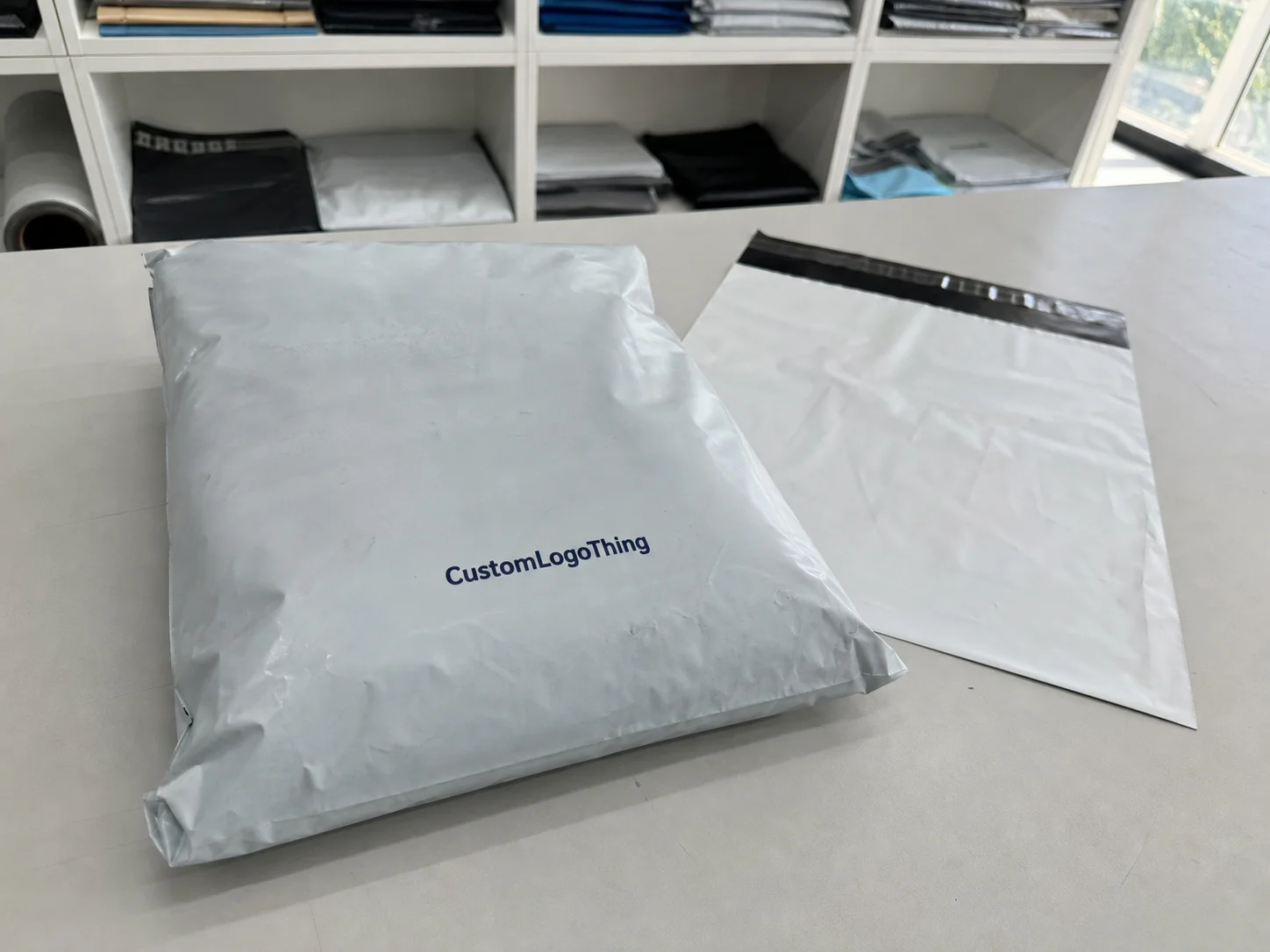
A good frosted bag does not try too hard. It gives enough visibility to show the product, but not so much clarity that every crease and fold becomes the focus. That softer reveal works on shelves, in fulfillment, and in mailers where the bag still gets seen after shipping.
Streetwear labels usually want packaging that feels elevated without forcing a huge jump in cost. Frosted Zipper Bags sit in that middle lane. They look cleaner than plain polyethylene bags, feel more reusable than a cheap sleeve, and are easier for retail staff and customers to reopen.
That reuse factor matters. Buyers notice it, even if they never mention it. A zipper bag suggests more thought went into the product. That can support a higher retail price, better giftability, and a less disposable impression overall.
There is also a practical side. Retail teams like bags that pack quickly. E-commerce teams like packaging that keeps garments tidy inside mailers. Customers like something that feels intentional. Frosted zipper bags cover all three without pretending to be luxury packaging.
Practical rule: if the bag needs to look good in a retail stack, survive transit, and still feel decent to reopen, frosted zipper bags usually make more sense than basic clear poly or plain OPP.
For brands comparing Custom Labels & Tags with apparel bags, the packaging choice should match the product tier. A premium label on a cheap-looking bag sends mixed signals fast.
Product details that change the price
The cost and performance of a frosted zipper bag come down to specs, not the sales pitch. The main material choices are frosted PE or PP film. PE usually feels softer and more flexible. PP feels a bit crisper and more structured. Neither is automatically better. The right one depends on product weight, fold style, and how premium you want the bag to feel in hand.
Standard construction usually includes a zipper closure, a sealed bottom, and sometimes a hang hole or tear notch. A bottom gusset helps when the packed item has more bulk, especially hoodies or multi-item sets. If the bag will hang in a store, that hang hole is not decorative. It has a job.
There is a real difference between stock-style and fully custom bags. Stock-style orders often mean size-only or near-standard customization. That keeps setup charges lower and lead times shorter. Fully custom runs may include print work, special thickness, custom dimensions, reinforced edges, or a centered zipper. Better? Sometimes. Free? Absolutely not.
Print choices change pricing faster than most buyers expect
One-color logo print is the leanest option. Multi-color print, white ink underlay, matte effects, and large graphic coverage all add labor and raise unit cost. The bigger the print area, the more ink, handling, and setup the supplier needs. Full-surface print is especially expensive because it increases waste risk and production complexity.
For streetwear labels, the cleanest look is often a simple logo in white, black, or one strong brand color. White ink on frosted film usually reads well, but visibility depends on the frost level and the opacity of the film. If artwork is too fine, too small, or too close in tone to the background, it can disappear. That is not a design effect. That is a production problem.
Before approving a quote, confirm these points:
- Finished bag size versus flat size
- Film type: PE or PP
- Thickness in microns or mils
- Print coverage and number of colors
- Zipper style and placement
- Frost level and how much product visibility you want
That checklist saves time and avoids the usual quote mess. A vague “we need bags for hoodies” request is how brands end up paying for the wrong size and then wondering why the numbers look tired.
Sizes, thickness, and fit
Choose the size from the product first, not from a supplier catalog. That sounds obvious, but a lot of brands still guess. For folded tees, a common usable range is around 10 x 13 inches to 12 x 15 inches. Hoodies often need something closer to 13 x 16 inches or larger depending on fold method and fabric weight. Socks, caps, and accessories can usually fit smaller formats, which helps control freight and material use.
Thickness is the next tradeoff. Thinner film lowers cost per piece, but it can feel flimsy and crease more during packing. Thicker film improves durability, stack appearance, and repeated opening, but it increases material cost and shipping weight. Many streetwear brands settle in the middle because they want a bag That Feels Premium without becoming a rigid plastic brick.
A useful way to think about it:
- Thin: lower price, better for light accessories, less premium feel
- Mid-range thickness: best balance for tees and standard apparel
- Heavier film: stronger protection, better for hoodies and repeated retail handling
Edge finishing and zipper alignment matter more than people expect. If the zipper sits crooked or the seal looks uneven, the package immediately feels cheaper. A good bag should open cleanly, close securely, and hold its shape when stacked. That is basic quality control, not a bonus.
Shipping reality matters too. Oversized bags increase carton volume and freight for no useful reason. If you are packing 5,000 units, even a small increase in carton count can affect landed cost. The right dimensions are not just about fit. They affect storage, outbound shipping, and the space your team needs to handle inventory.
For brands with sustainability claims, check what actually applies to the full packaging system, not just one component. If a supplier offers testing or performance references tied to shipping standards, that helps. Packaging.org and ista.org are useful starting points for packaging and transport references: packaging.org and ista.org.
Frosted zipper bags for streetwear labels cost breakdown
The frosted zipper Bags for Streetwear labels cost breakdown starts with five main drivers: material, size, thickness, printing, and quantity. After that, special features and freight can move the final number more than people expect.
Here is the practical structure most quotes follow:
| Cost component | What drives it | Typical impact on unit cost |
|---|---|---|
| Material | PE or PP film, frost finish, resin quality | Baseline cost; thicker film increases price |
| Size | More film area, larger carton volume | Moderate to strong impact |
| Thickness | Micron or mil count | Higher thickness raises material and shipping cost |
| Printing | Color count, coverage, ink type, logo placement | Strong impact, especially for full-surface print |
| Special features | Hang hole, gusset, tear notch, custom zipper | Moderate to strong impact |
| Quantity | MOQ, setup spread, production efficiency | Biggest driver of cost per piece |
| Freight | Shipping method, carton weight, destination | Can be minor or major depending on route |
For a realistic buying range, simple frosted zipper bags in standard sizes often land around $0.10-$0.18 per unit at higher quantities for plain or lightly customized runs. Add print, custom sizing, thicker film, or special features, and the number can move into the $0.18-$0.35 per unit range or higher. Smaller quantities can cost much more per bag because setup charges and production waste get spread across fewer units.
That is the blunt version. The details matter more than the headline number.
MOQ is usually the biggest reason first quotes look disappointing. A supplier may quote a better bulk price at 5,000 or 10,000 pieces, but if your drop is small or unproven, that inventory can sit around collecting dust. Low unit cost does not help if you overbuy packaging and tie up cash.
Setup charges and tooling fees may show up on custom runs, especially if the bag requires print plates, custom cutting, or a new zipper configuration. Some suppliers bundle those into the unit price. Others separate them. That is why comparing total landed cost matters more than staring at the first line item and feeling clever.
Here is a simple comparison table for common buying scenarios:
| Order type | MOQ behavior | Typical cost per piece | Best for |
|---|---|---|---|
| Plain stock-size bag | Lower MOQ possible | $0.10-$0.16 | Testing new SKUs, tight margins |
| Logo print, one color | Moderate MOQ | $0.14-$0.24 | Core streetwear drops |
| Custom size + print | Higher MOQ | $0.18-$0.30 | Stable styles, recurring restocks |
| Thick film, multi-color print | Higher MOQ | $0.25-$0.40+ | Premium retail presentation |
Those are practical ranges, not promises. Freight, artwork revisions, and supplier location can shift them. Still, they are a better starting point than a vague “contact us for pricing” answer that tells you nothing.
MOQ, sample approval, and production steps
Good packaging orders follow a predictable path. First comes spec confirmation. Then quote. Then proof or sample. Then production. Then inspection, packing, and shipping. If a supplier skips around that process, ask why. Fast is nice. Sloppy is expensive.
A physical sample is the best way to judge zipper feel, frost level, and print legibility. A digital mockup helps with artwork placement, but it cannot tell you whether the white logo disappears against the film or whether the zipper gets stiff when folded apparel presses against it. For a first order, do not approve production without at least a sample or a close pre-production proof.
Lead time depends on the complexity of the order. Clean artwork and standard sizes move faster. New sizes, special inks, custom zipper requests, or revised proofs add time. A straightforward run can take around 12-15 business days from proof approval, while more customized work may run longer. Shipping time is separate, obviously, and still the thing everyone forgets until the truck is late.
The production steps that matter most are:
- Film sourcing or extrusion
- Printing and drying
- Cutting and bag shaping
- Zipper installation and sealing
- Quality inspection
- Carton packing and dispatch
Each step can affect consistency. A good supplier checks zipper alignment, seal strength, print registration, and bag dimensions before cartons leave the floor. That is how you reduce ugly surprises like bags that fit one hoodie fold but fail on the next one.
For repeat programs, lock the MOQ against forecasted sales. If the next collection is unproven, a smaller test run may protect cash flow better than chasing the lowest bulk price. Packaging inventory does not become more useful just because you bought a mountain of it.
How to get a clean quote
If you want a fast and accurate quote, send the details that actually matter. Not “need bags.” Not “something premium.” Send bag size, quantity, thickness, print colors, artwork placement, and shipping destination. If you can include garment dimensions or a folded sample photo, even better. That lets the supplier recommend a fit instead of guessing.
Common quote mistakes are painfully predictable. Buyers mix up finished size and flat size. They forget to mention zipper style. They assume one-color artwork but later want white ink underprint. Or they send a low-resolution logo and expect the supplier to magically fix it. That is not how this works.
Here is how to reduce unit cost without weakening the brand:
- Use one or two standardized bag sizes across multiple SKUs
- Keep print coverage simple unless the design truly needs more
- Choose thickness based on garment weight, not ego
- Order enough to get better bulk pricing, but not so much that inventory sits for months
- Compare total landed cost, including freight and setup charges
False savings are common. The cheapest quote can become the most expensive if the bags arrive too thin, too opaque, or off-size for your folds. Then you are repacking, reordering, and explaining to the team why the “cheap” option cost more in labor. Lovely.
If you want a cleaner comparison between suppliers, line up the exact same variables: size, thickness, print coverage, closure type, freight terms, and sample status. That is the only fair way to compare quotes. Anything else is apples-to-oranges theater.
One more practical note: if your brand uses multiple packaging elements, keep the system consistent. Zipper bags, hang tags, and Custom Labels & Tags should feel like they came from the same brand family. Mismatched packaging makes a collection look less finished than it really is.
Quality control checks that save money later
The cheapest packaging mistake is the one caught before production. That means checking the basics before the run starts, not after a pallet is already wrapped and somewhere over the ocean.
Look at seal strength, zipper movement, edge trimming, print position, and bag dimensions. If the bag is meant for a folded hoodie, test it with the actual fold your team uses. A bag that fits a neat sample fold can become useless when production garments land a little bulkier or less uniform. Fabric variation is normal. Packaging needs enough tolerance to handle it.
Inspection should also include a quick check for surface scuffs, cloudiness, and inconsistent frost level. On a frosted film, minor defects show up faster than on clear bags. That is part of the appeal and part of the headache. If you want a cleaner premium look, accept that quality control becomes less forgiving.
For printed bags, confirm logo alignment on a finished piece, not just a flat proof file. A design can look centered on screen and still drift once the zipper, seal, and fold lines are in play. If registration is off, the bag immediately looks lower-grade. Customers may not know why. They will still feel it.
When a frosted zipper bag is the wrong choice
Not every streetwear label needs this format. If your product line is extremely price-sensitive, plain poly may be enough. If your packaging needs heavy barrier protection, a zipper bag may not solve the real problem. And if your garments are large, delicate, or oddly shaped, a different bag construction may fit better.
There is also a limit to how premium a zipper bag can feel. It can support the brand, but it will not fix weak product quality or sloppy folding. Packaging is a signal, not a rescue plan.
The best use case is a brand that wants a clean, repeatable, retail-friendly package without committing to rigid luxury packaging. That is most of the streetwear market, honestly.
What to decide before placing the order
Start with three things: product dimensions, target quantity, and logo artwork. That is the shortest route to a useful quote. If you already know the garment fold and how the bag will be used in retail or fulfillment, include that too.
Ask for two options. One should be a lower-MOQ test run. The other should be a better unit-cost bulk run. That gives you a real comparison between cash protection and cost efficiency instead of guessing which one might work.
For first-time packaging programs, ask for a sample or proof before production. It costs time. Sure. It also prevents the much larger cost of receiving 3,000 bags that look fine on paper and wrong in hand.
The decision rule is simple: choose the spec that protects the garment, fits the retail presentation, and stays inside margin. Packaging only needs to be fancy enough to support the product, not fancy enough to sabotage the business.
If you are building a repeat packaging program, keep the spec sheet tight and reusable. Standardize bag sizes across similar garments, keep print colors limited, and document the thickness that actually works in packing. That makes reorders faster and cuts down on “we thought this was the same bag” confusion later. Packaging departments love chaos until the invoice arrives.
FAQ
What affects frosted zipper bag pricing for streetwear labels the most?
Bag size, film thickness, print coverage, and quantity have the biggest impact on unit cost. Custom zipper style, special finishes, and freight can also move the final landed price.
What MOQ should a streetwear brand expect for frosted zipper bags?
MOQ depends on whether the bags are stock-size or fully custom, but lower quantities usually mean higher unit cost. Ask for both a test-run MOQ and a bulk quote so you can compare real margin impact.
Can frosted zipper bags be printed with a logo clearly?
Yes, but visibility depends on the frost level, ink color, and how much of the bag is printed. White or high-contrast artwork usually reads best on frosted film.
How long does production usually take for custom frosted zipper bags?
Lead time depends on artwork approval, quantity, print complexity, and whether samples are required first. Simple specs move faster; revisions and custom features add time. A standard run can often move in about 12-15 business days after proof approval.
What should I send to get an accurate quote fast?
Send size, quantity, thickness, print details, artwork file, and shipping destination. If possible, include your garment dimensions so the supplier can recommend the right fit instead of guessing.


