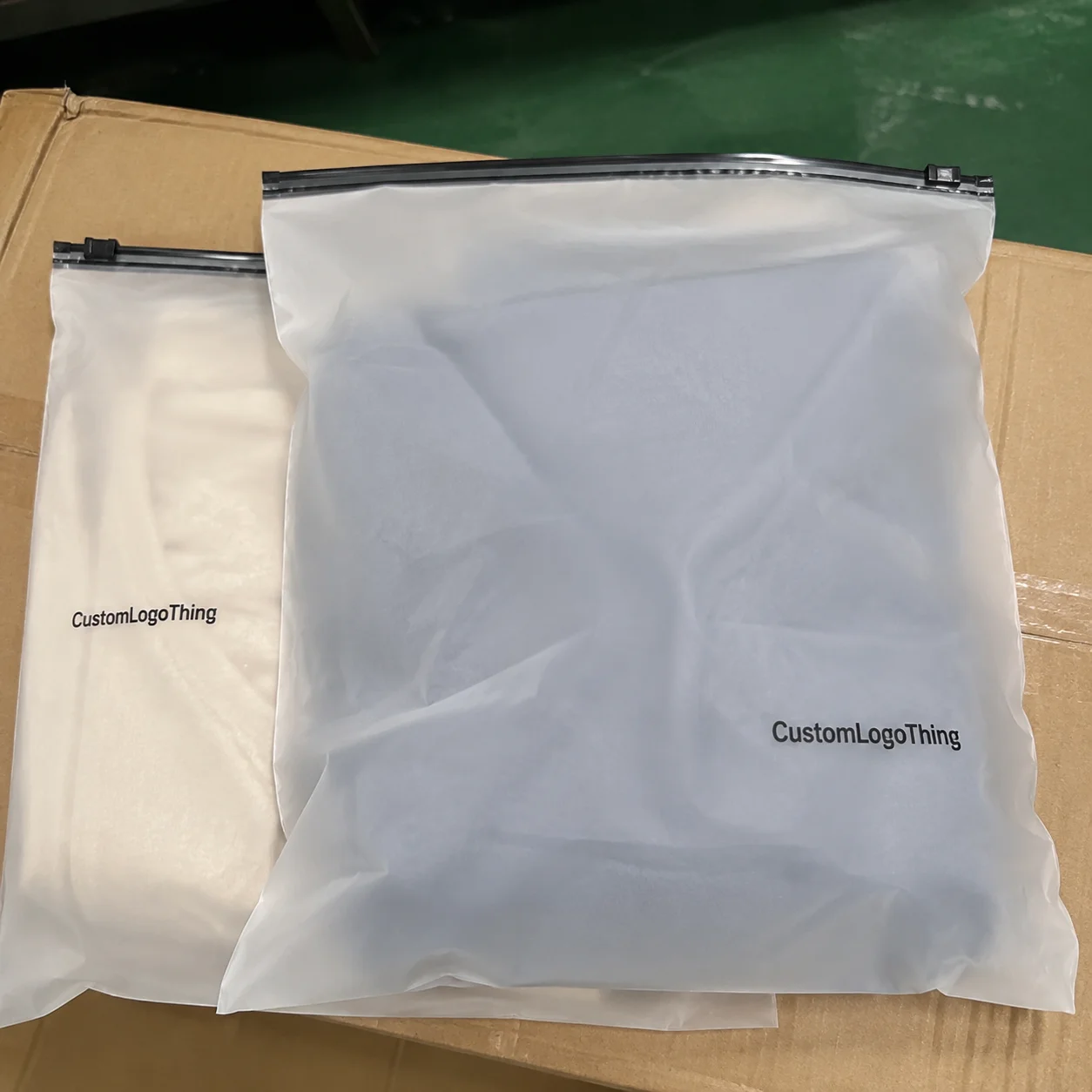
Frosted Zipper Bags for Boutiques Cost Breakdown Guide
The Frosted Zipper Bags for boutiques cost breakdown is rarely just a plastic calculation. A buyer is paying for presentation, handling quality, and how the package behaves after it has been picked up, packed, moved, and opened more than once. That matters for jewelry, skincare, candles, apparel accessories, and gift sets, where the bag is part of the product experience, not an afterthought.
Frosted zipper bags sit in a practical middle ground. They look cleaner than plain clear bags, they hide handling marks better, and they cost far less than rigid custom packaging. The best purchases start with a spec sheet, because size, thickness, zipper style, and print coverage drive the quote far more than broad category labels do.
Why frosted bags convert better at the boutique counter
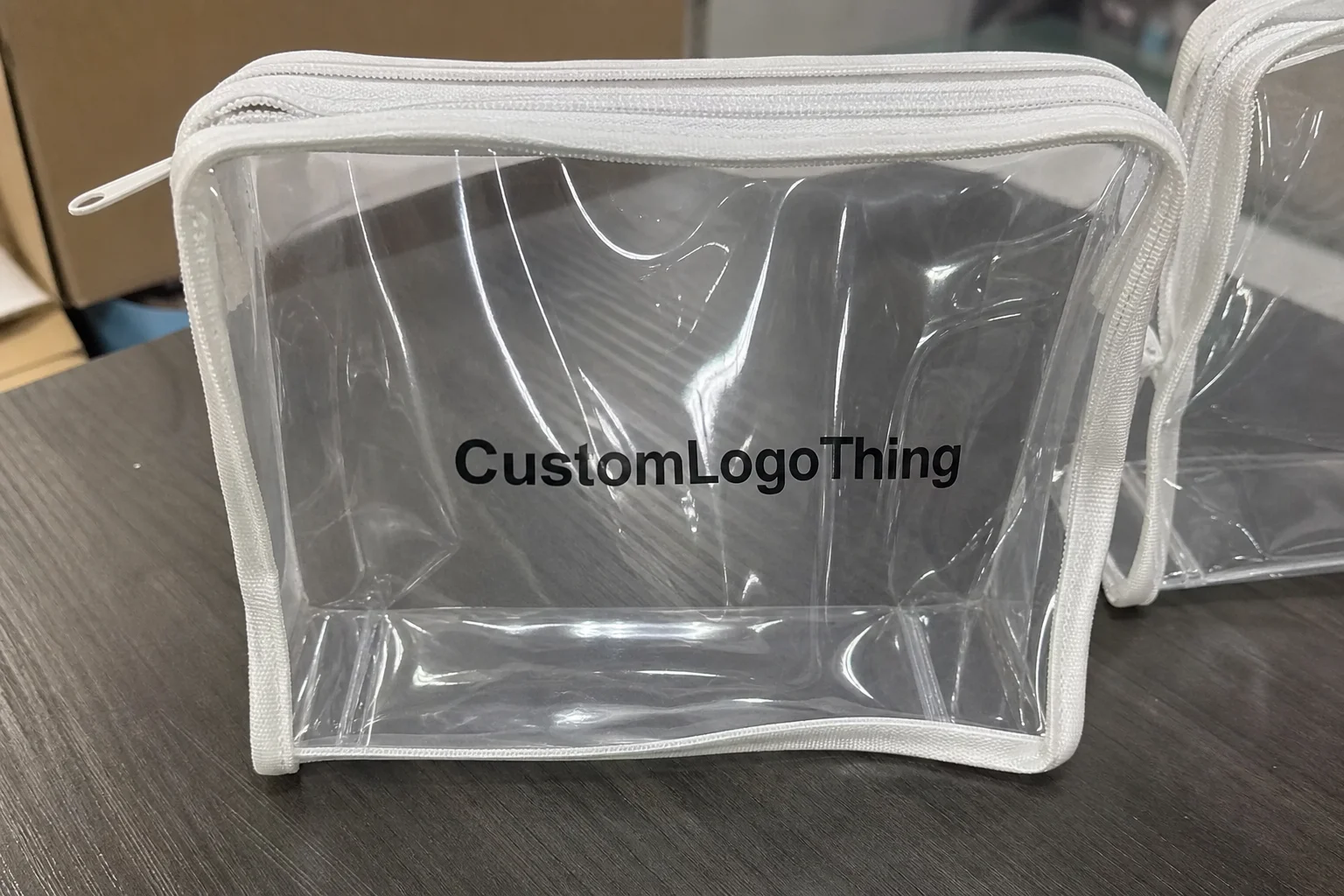
Clear packaging shows everything, including the flaws. A frosted finish softens the look and makes the contents feel more composed, which is one reason the frosted zipper Bags for Boutiques cost breakdown often makes more sense once retail presentation is included in the equation. Fingerprints, dust, adhesive smudges, and folded tissue all read louder through clear film. Frosted film quiets that visual noise.
That visual control matters at point of sale. Many boutiques pack on the spot, under time pressure, with items of different sizes moving through the same counter space. A bag that still looks tidy after several touches saves staff time and reduces the risk of handing over something that feels rushed. For products that rely on gifting, repeat purchase, or social sharing, that difference is not cosmetic.
There is also a reuse angle. Customers often keep boutique bags for storage, travel, or later gifting. If the zipper runs smoothly, the seams stay aligned, and the surface keeps its appearance after repeated handling, the bag stays in circulation longer. That repeated visibility is one reason retailers treat frosted zipper bags as a lightweight brand asset rather than a disposable supply item.
Typical boutique categories benefit in different ways:
- Jewelry: keeps small items from looking exposed and helps protect cards, tags, and pouches.
- Accessories: gives scarves, hair clips, belts, and small leather goods a cleaner finish.
- Candles: keeps labels, dust, and box corners from looking tired at checkout.
- Skincare: helps hold multi-item kits together and reduces shifting in transit.
- Gift sets: creates a finished look without the weight or cost of a rigid carton.
For stores that hand-pack a lot of orders, the practical test is simple: the bag needs to look good under imperfect conditions. Frosted material earns its place there.
What frosted zipper bags for boutiques should include
A proper boutique bag starts with four basics: a frosted finish, a reliable zipper closure, side and bottom seals that hold up under handling, and a thickness that matches the product weight. If the bag will hang from a display peg, add a euro hole or hang hole. If it will live in a drawer or ship inside another box, that feature may be unnecessary and can be removed from the quote.
The difference between standard and custom is where many buyers lose time. Stock-style frosted bags with no print can be priced quickly. Custom tint, a printed logo, special zipper colors, a softer hand-feel, and fully opaque versus semi-transparent builds all change the pricing structure. The more custom the finish, the more likely the supplier will need a proof, a setup charge, or tooling work.
Small details often matter more than the headline spec:
- Dimensions: a bag that fits a 4 x 6 inch item may still fail once tissue or a display insert is added.
- Seal strength: weak side seams are a common failure point in transit and daily handling.
- Zipper glide: a zipper that binds immediately feels cheap, even if the film looks good.
- Odor neutrality: especially important for skincare, apparel, and items that sit close to the face.
- Food-safe needs: relevant if the bag is used around edible samples or food-adjacent items.
If fragile goods are going inside, ask for slightly more headroom and a thicker film gauge. A small increase in material can reduce crushed packaging and return risk. For light apparel inserts or small accessories, a thinner film may be enough and will keep unit cost down.
The right spec is not the most impressive one. It is the one that matches the product weight, the retail use case, and the reorder plan.
Sizes, thickness, and print specs that change the quote
Before requesting pricing, the buyer should know exactly what the bag needs to hold. Product dimensions matter more than category labels. Saying a bag is "for jewelry" does not tell a supplier enough. A necklace card, a padded pouch, and a rigid display insert all need different headroom. The same problem shows up with skincare kits and gift sets, where depth changes the bag more than footprint does.
Thickness is the next lever. Lighter gauges usually reduce cost, but thicker film improves hand-feel, durability, and the chance that the bag will be reused. For many boutique applications, a film in the 120 to 180 micron range is a sensible starting point. Below that, the bag may work for inserts or very light accessories. Above that, the bag starts to feel more durable and premium, but the unit price rises with it.
Print specification is where quotes often move fastest. A single-color logo on the front is usually the simplest option. Full-color artwork, print on both sides, and tight registration all add setup time and can raise proofing requirements. Small logo placement can look sharp, but art too close to the zipper or seal area can complicate production.
Ask these questions before you request a quote:
- What exact product dimensions must fit inside the bag?
- Does the bag need room for tissue, a card, or a hang tag?
- Will customers reuse the bag, or is it only a one-time carrier?
- Should the logo appear on one side or both sides?
- Is the finish meant to be fully frosted, lightly frosted, or partially clear?
For a cleaner estimate, send the actual item dimensions and a mockup of the printed area. That one step reduces re-quoting and keeps landed cost planning more reliable later.
Frosted Zipper Bags for Boutiques Cost Breakdown, MOQ Tiers, and Unit-Price Drivers
The frosted zipper bags for boutiques cost breakdown usually comes down to five variables: size, thickness, print coverage, zipper style, and carton configuration. The bag itself is only part of the calculation. The rest is setup, labor, inspection, and how many units share those fixed costs.
Lower MOQ almost always means higher unit price. That is manufacturing math, not a supplier tactic. If tooling fees, plates, prepress work, and setup charges are spread across 1,000 bags instead of 10,000, the price per piece rises. Buyers who understand that pattern compare quotes more accurately and avoid false savings.
| Order profile | Typical MOQ | Typical cost per piece | Common notes |
|---|---|---|---|
| Stock-style frosted zipper bag, no print | 1,000-3,000 | $0.10-$0.24 | Fastest route, limited customization, lowest setup burden |
| One-color logo, standard film | 3,000-5,000 | $0.18-$0.35 | Good balance of branding and bulk pricing |
| Two-sided print, thicker film, custom tint | 5,000-10,000 | $0.28-$0.60 | Higher perceived value, more proofing, more setup charges |
| Fully custom spec with special zipper or finish | 10,000+ | Varies by spec | Best for repeat programs where reorders are likely |
For boutique buyers, the right comparison is not the quoted price alone. It is the landed cost. Freight, duties, carton count, and storage all affect the final number. A slightly higher unit price can still win if the bags ship efficiently or reduce damage during packing and storage.
One detail that gets missed often: a low quote can hide an incomplete spec. If the supplier leaves out zipper type, trim dimensions, or print area, the number may look attractive and then climb after proofing. Ask for the exact finish, zipper profile, and packing quantity in writing. That keeps the unit cost honest.
The lowest quote is often the one that has not yet priced the details that trigger rework: exact size, zipper profile, proofing, and carton assumptions.
For planning, a 5,000-piece run with simple logo print often lands in a more useful place than a 1,000-piece test order, because the per-unit cost usually drops enough to justify the smaller inventory risk. That is why bulk pricing matters. It is not just a discount. It is the point where the economics start to work for repeat retail use.
When the frosted zipper bags for boutiques cost breakdown is built well, the buyer can compare three things at once: presentation, durability, and reorder stability. That is the right frame for procurement.
Production steps, lead time, and delivery checkpoints
The production path is straightforward, but delays usually come from unclear input rather than the bag itself. A clean workflow starts with spec confirmation, then artwork review, then sampling, then production approval, then packing and dispatch. If any of those steps is vague, the schedule slips.
Lead time varies with complexity. Simple stock-style orders can move faster than custom color or multi-step print jobs. Sampling typically takes days, while full production is usually measured in business days after proof approval. High season demand, raw material shortages, and freight congestion all add buffer time. Buyers who plan only for the best case usually miss their shelf date.
| Milestone | Typical timing | Buyer checkpoint |
|---|---|---|
| Spec review | 1-2 business days | Confirm dimensions, thickness, finish, and print area |
| Artwork proof | 1-3 business days | Approve placement, colors, and safe margins |
| Sample or pre-production check | 5-10 business days | Verify zipper glide, seal strength, and visual match |
| Full production | 12-18 business days | Lock the order and avoid late changes |
| Final QC and shipment booking | 2-4 business days | Confirm carton count, labeling, and freight method |
Where do delays actually happen? Usually in three places: changing dimensions after proofing, slow artwork approval, and freight booking that was not reserved early enough. The material is rarely the whole problem. The process around it is.
If a supplier can share photos of finished cartons, sample pieces, and seal checks before the shipment leaves, that is a practical sign of control. The point is not theatrics. The point is visible checkpoints and a clear record of what was approved.
How to evaluate suppliers on quality, consistency, and risk
Price matters. Consistency matters more if you reorder. A boutique packaging program gets expensive when the second run does not match the first. That is why supplier evaluation should focus on measurable criteria: film consistency, zipper alignment, seal integrity, print registration, and whether the same frosted finish can be held across reorders.
Quality control should not be vague. It starts with incoming material checks, continues with in-line inspection, and ends with finished-goods sampling and carton verification. Ask what defect level they accept, whether they use AQL sampling, and how they document critical issues. If the bag is destined for retail circulation, a weak zipper or uneven seal is not cosmetic. It is a failure point.
For transit-related risk, packaging teams often look at ISTA procedures. The ISTA test framework helps move the discussion from opinion to transport performance. If the package includes paper inserts, recycled claims, or material sourcing statements, the FSC chain-of-custody standard is worth checking. Those references do not replace product testing, but they help separate marketing language from evidence.
Ask the supplier these questions:
- How do you verify zipper alignment before packing?
- What is your acceptable defect rate for critical flaws?
- Can you hold the same frosted finish on reorder?
- What documentation do you keep for artwork approval and sample sign-off?
- How do you handle shortages, substitutions, or raw material changes?
The blunt version is simple: a low quote without a clear defect policy is a risk, not a bargain. The strongest supplier is the one that can support repeatable output, respond quickly to spec questions, and keep approval trails in writing. That is what protects margin over time.
Strong packaging partners do not just sell a bag. They reduce the number of surprises between approval and arrival.
If your team is comparing three suppliers, rank them on proof clarity, sample accuracy, and reorder consistency before ranking them on price. The cheapest source can become the most expensive one if it forces rework.
Next steps to request a quote and lock your spec sheet
The fastest way to get a useful quote is to send a complete brief. Measure the product, decide the finish, define the print coverage, and set the target quantity before asking for pricing. If those points are missing, the quote will be vague. Vague estimates do not help procurement.
Send these items up front:
- Exact bag size, including headroom for tissue, cards, or inserts
- Target thickness or the product weight range the bag must handle
- Logo file type and artwork placement
- Color reference, if a custom tint or print match is needed
- MOQ target and preferred reorder volume
- Delivery location, so freight can be priced correctly
Then ask for three things at once: a sample spec, two or three quantity tiers, and a lead-time estimate for both proof and full production. That gives you a clean comparison and makes the frosted zipper bags for boutiques cost breakdown useful as a buying tool rather than a rough guess.
From a margin standpoint, the best order is not always the cheapest one. It is the one that balances presentation, unit cost, and reorder stability. If the bag supports a premium retail environment, the spec should reflect that. If the bag is only a carrier, do not pay for more than the job requires.
For most boutique buyers, the right sequence is straightforward: request one sample spec, compare two or three quantity tiers, and approve the option that gives the right look without overbuying. That is the practical route to a better quote and a cleaner shelf result.
If you need a frosted zipper bags for boutiques cost breakdown that holds up in procurement, start with the spec sheet and work backward from the product, not forward from the price.
FAQ
What drives frosted zipper bags for boutiques cost the most?
Size and film thickness usually move the price more than small design changes. Two-color or full-coverage printing adds setup and production cost, and lower quantities increase unit price because fixed setup costs are spread across fewer bags.
What MOQ should I expect for custom frosted zipper bags?
MOQ depends on size, print count, and whether the bag uses a standard or custom finish. Simple stock-style runs can be lower than fully custom runs. Ask for tiered pricing so you can compare the MOQ breakpoints before committing.
Can frosted zipper bags for boutiques be printed on both sides?
Yes. Most suppliers can print on the front only or on both sides. Both-side printing usually adds cost and can extend proofing time. Confirm artwork placement and safe print margins before approving the sample.
How long does production take after artwork approval?
Lead time depends on sampling, print complexity, and factory workload. Simple orders usually move faster than custom color or multi-step print jobs. Ask for separate sample and production timelines so expectations stay clear.
Which size works best for boutiques selling jewelry or gift sets?
Jewelry and small accessories usually need compact bags with enough room for tissue or a card insert. Gift sets need extra headroom and stronger seals to protect multiple items. Send product dimensions, not just category names, for the most accurate sizing recommendation.