Frosted Zipper Bags Unit Cost Breakdown for Buyers
Frosted Zipper Bags Unit Cost Breakdown Starts With Film
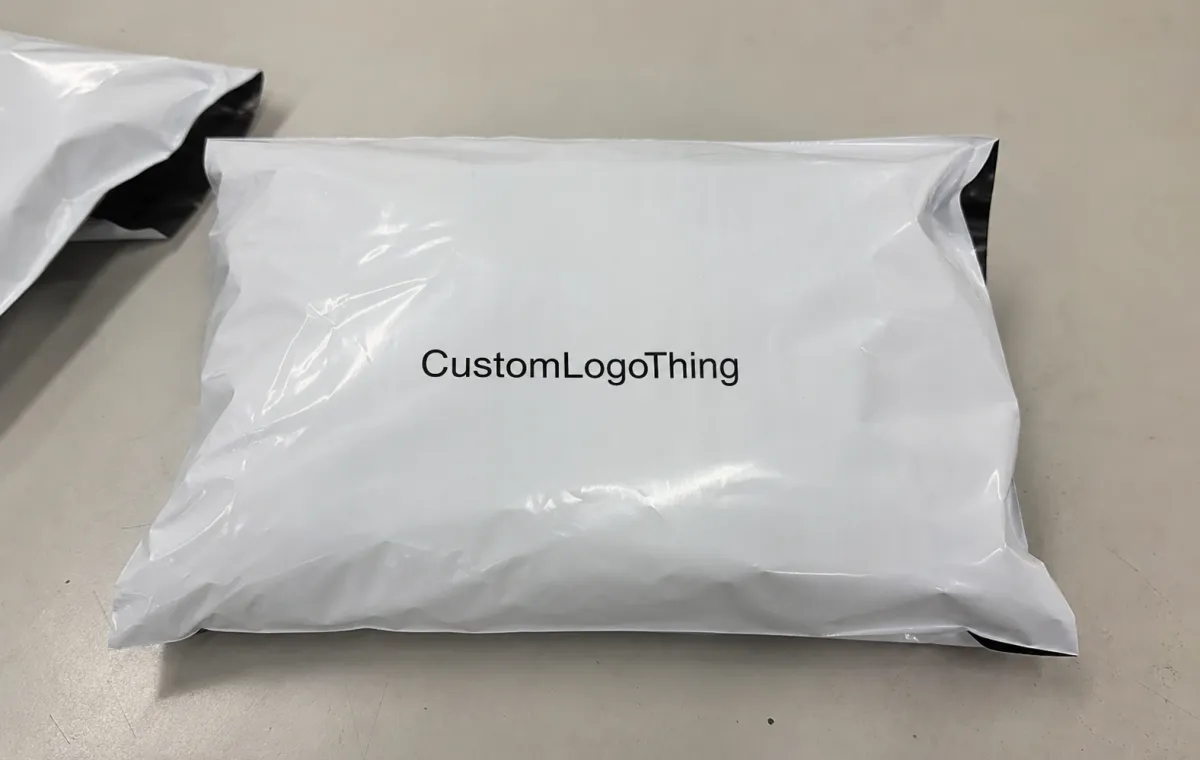
Two Frosted Zipper Bags can look nearly identical on a product table and still land at very different costs. One may be a 2.5 mil PE bag with a standard press-to-close zipper. The other may use a laminated film, heavier zipper track, tighter print registration, and carton packing designed to reduce scuffing during freight.
That difference is not cosmetic. Frosted packaging is usually chosen because it softens product visibility, cuts glare under retail lights, and feels more finished than a glossy clear poly bag. The finish gives the product some privacy without making the pack look cheap. Done well, it looks clean. Done badly, it looks cloudy, thin, and a little sad.
The frosted zipper Bags Unit Cost breakdown starts with resin, film thickness, surface finish, zipper profile, converting speed, print method, scrap allowance, packing, and freight. Decoration matters, sure. But the bag still has to hold the product, close properly, survive handling, and arrive in usable condition.
From a buyer’s side, the goal is not to chase the lowest number on a spreadsheet. That is how teams end up with bags that split during fulfillment or zippers that stop closing after two uses. The better goal is to understand which costs are necessary, which are optional, and which are only there because the quote was built around vague specs.
Custom Logo Things approaches frosted zipper bag projects by translating product weight, display needs, storage conditions, and order volume into a specification that can actually be quoted. Basic questions matter early: How heavy is the filled bag? Will it hang on a peg? Does the barcode need to scan through the film? Is the end user opening it once, or opening and closing it for months?
Practical rule: film, zipper, print, and freight usually drive the real cost per piece. If a quote does not make those items clear, the price is not ready for a serious comparison.
In many common production scenarios, film can represent a large share of the bag cost because every design decision changes the total material area. A taller lip above the zipper, a wider side allowance, a gusset, or a thicker gauge all add resin. If the bag is packed into master cartons that cube out before they weigh out, those same choices can also increase freight cost. This is why a realistic cost breakdown should not separate material from logistics too early. The bag may look inexpensive at the factory level and become less attractive once carton dimensions, pallet quantity, and shipping method are included.
For a simple unprinted frosted PE zipper bag, a buyer will usually see cost sensitivity around thickness, order quantity, and bag size. For a printed frosted bag, setup, ink coverage, registration tolerance, and scrap allowance become more visible. For a laminated frosted bag, material structure and print process may dominate the conversation. None of these paths is automatically right or wrong. The correct choice depends on the product, selling channel, handling environment, and reorder plan.
Product Details That Change the Feel, Function, and Price
Frosted Zipper Bags are flexible plastic bags with a matte or semi-opaque finish and a reclosable zipper. They are common for apparel, accessories, sample kits, cosmetics, supplements, craft items, hardware, small electronics, and promotional products. Same format. Very different requirements.
A fully frosted bag gives a soft, consistent look on both sides and hides light scuffing better than glossy film. A front-frosted bag with a clearer back can show more product detail while keeping the branded side muted. A translucent matte structure sits in the middle, letting color or silhouette show without full clarity. Each choice affects material sourcing, visibility, print appearance, and unit cost.
Material structure is the next fork in the road. PE is flexible, forgiving, and widely used for soft goods. CPP can feel clearer and a bit stiffer in some formats. OPP has crispness, though seal strength and tear behavior need the right structure. PET laminated to PE can improve stiffness, print quality, and puncture resistance, but it usually costs more than a simple PE bag.
Recycled-content options may be available, but they are not magic. Performance, appearance, food-contact limitations, regulatory claims, and supply consistency all need checking. If the bag carries oily products, sharp items, or anything with fragrance, compatibility matters more than a nice sustainability sentence in a deck.
Zipper style changes both user experience and converting cost. A standard press-to-close zipper is the economical default. Wider grip zippers are easier to open and close, especially on thicker bags or retail packs. Slider zippers can work for some formats, but they add parts, handling, failure points, and more inspection steps. Reinforced top lips improve grip and presentation, but they use more material.
- Hang holes and euro slots: useful for retail display, but they add punching steps and must be tested with filled weight.
- Vent holes: helpful for air release during packing, especially apparel, but wrong for products needing dust or moisture control.
- Bottom or side gussets: add volume and shelf presence while increasing film area and converting complexity.
- Writable panels and barcode windows: useful for SKU control, lot tracking, and fulfillment checks.
- Rounded corners: improve hand feel and reduce sharp edges, though they may require additional tooling.
A lightweight T-shirt does not need the same bag as dense hardware, bath products, or a kit with sharp corners. Start with the product. Let the packaging follow. Reversing that order is how buyers pay for the wrong thing.
Buyers comparing frosted bags against other flexible formats may also want to review related options such as custom poly bags and custom zipper bags. The right format often depends on whether the priority is low cost, reclosability, shelf presentation, product protection, or repeated consumer use.
Specifications Buyers Should Lock Before Requesting a Quote
A supplier can quote faster, and more accurately, when the core details are settled before the request goes out. The basic list includes finished width and height, lip size above the zipper, usable fill space, film thickness in mil or micron, zipper type, frost level, print colors, print coverage, and packing quantity per carton.
Size discipline deserves more attention than it gets. Adding half an inch to the width and height can look harmless on a drawing. Across 25,000 bags, that extra area becomes real resin, real carton space, and real freight volume. The frosted zipper Bags Unit Cost Breakdown should connect bag dimensions to the product’s actual fill tolerance, not a guess from someone eyeballing a sample.
Thickness selection should be practical. A light apparel bag may work around 2.0 to 2.5 mil, depending on handling and carton packing. Heavier contents, sharp edges, dense samples, repeated use, or rough fulfillment may call for 3.0 mil or more. Some products need a laminated structure for better puncture resistance or a cleaner print surface. That decision should come from use case, not habit.
Printing adds another layer. One-color logo printing is usually the most economical branded option, especially with modest coverage. Full-coverage artwork, tight registration, gradients, metallic ink, opaque white backing, and two-sided printing can add plates or cylinders, ink, setup charges, color matching time, and inspection time. Frosted material also tends to soften color compared with glossy clear film, so brand teams should review proofs with realistic expectations.
Artwork and production files should identify the live print area, zipper location, seals, hang hole, safety marks, barcode position, and any non-print zones. If a product requires warning text, suffocation warnings, recycling marks, lot codes, or country-of-origin wording, those items should be confirmed before plates are made. Late artwork changes are a common reason a low-looking quote becomes less economical.
Buyers should also confirm how the bag will be filled. A hand-packed operation may tolerate a looser bag and a smaller lip. An automated or semi-automated packing line may need more open-mouth control, better zipper alignment, or a specific stack orientation. If the bag will be opened for inspection and resealed during fulfillment, zipper durability matters more than it would for a single-use protective pack.
A simple specification sheet often prevents confusion. It does not need to be fancy, but it should include the filled product dimensions, approximate product weight, expected shelf or storage environment, shipping carton requirements, and any retailer rules. If the product has sharp corners, oily surfaces, fragrance, powder, moisture, or heavy contents, note that clearly. These details can change the recommended film, seal width, zipper profile, and inspection plan.
Unit Cost, MOQ, and Quote Factors to Compare Line by Line
A useful frosted zipper bags unit cost breakdown separates the price into understandable pieces instead of presenting one unexplained number. The most common components are film, zipper, printing, setup, converting, scrap allowance, packing, inland transport, export or import handling when applicable, and final freight. Some quotes roll several of these into one line, but buyers should still ask what is included.
Minimum order quantity is usually tied to raw material purchasing, machine setup, printing setup, and production efficiency. A small run may be possible, but the per-piece cost often rises because setup time is spread across fewer bags. A larger run can reduce unit cost, but it can also create storage cost, cash tied up in inventory, and risk if artwork or product dimensions change. The best MOQ is not always the largest quantity. It is the quantity that matches realistic sales velocity and reorder timing.
Typical cost behavior is fairly predictable. Moving from a very small custom run to a moderate run often creates a noticeable unit cost improvement. Moving from a moderate run to a very large run may still help, but the savings per additional piece can be smaller. The breakpoints depend on film width, print setup, machine speed, packing method, and whether the supplier can nest the order efficiently with similar production.
| Cost Driver | Common Impact on Unit Cost | Buyer Checkpoint |
|---|---|---|
| Film thickness | Thicker film usually raises material cost and carton weight | Match gauge to filled weight and handling risk |
| Bag dimensions | Larger dimensions increase film area and freight volume | Confirm usable fill space, not just outside size |
| Zipper profile | Wider or specialty zippers often cost more | Test open-close feel with real product inside |
| Printing | More colors, coverage, and registration needs add setup and scrap | Use the simplest print system that supports the brand |
| Packing | Inner packs, carton quality, and palletization affect labor and freight | Confirm carton count, carton size, and protection level |
Buyers should compare quotes using the same Incoterm or delivery basis. A factory pickup price, port price, delivered warehouse price, and small-parcel delivered price are not the same thing. If freight is missing, the quote may look better than it really is. If duties, customs fees, or local delivery are excluded, the landed cost calculation is incomplete.
It is also important to separate one-time costs from repeat costs. Plate charges, cylinder charges, die costs, sampling fees, and color matching fees may only apply to the first run, depending on the production method and whether artwork changes later. Repeat orders can be more economical when the same tooling and approved specification are reused. However, buyers should ask how long tooling is stored and whether replacement charges apply after long gaps between orders.
For budgeting, buyers often look at price bands rather than exact universal numbers. That is sensible because resin markets, currency, freight, print method, and factory loading can change. A small, unprinted frosted PE zipper bag may sit in a lower cost range than a large, laminated, multi-color printed retail pouch. A moderate-volume one-color logo bag usually sits between those extremes. The quote should explain why it falls where it does.
Production Steps and Lead Time From Artwork to Delivery
Lead time starts before the machine runs. It usually includes specification confirmation, artwork preparation, proofing, sample approval when needed, material preparation, printing, lamination if used, curing time for some laminated structures, zipper application, bag converting, inspection, packing, and shipping. A simple unprinted bag can move faster than a laminated printed structure with multiple approvals.
For many custom projects, artwork proofing and sample review are the steps most likely to slow the schedule. A logo may look fine on a screen but print differently on frosted film. Fine lines can fill in, light colors can lose contrast, and barcodes may need a clear or high-contrast panel. If the bag requires retail scanning, barcode testing should happen before mass production whenever practical.
Sampling can take several forms. A digital mockup helps confirm layout. A pre-production sample helps confirm size, material feel, zipper function, print placement, and general appearance. A drawdown or color sample may help with ink expectations. For very simple orders, buyers may approve from a proof and existing material sample, but that approach carries more risk if the bag has tight functional requirements.
Production timing depends on the order size and complexity. Printing adds setup and drying or curing considerations. Lamination, when used, may need additional time before converting. Converting speed depends on bag size, zipper type, punch features, and quality requirements. Freight timing then depends on shipping method, carton volume, destination handling, and customs clearance when applicable.
A rushed schedule can increase cost in several ways. It may limit material options, force premium freight, reduce time for testing, or require overtime production. If the product launch is firm, buyers should confirm the latest safe approval date, not just the quoted production days. The approval date is often the real schedule driver.
Good production planning also includes reorder logic. If the first order proves the specification, the second order is often easier and may be faster. Keeping the same size, material, zipper, print method, and packing format helps reduce uncertainty. Changing any of those items may trigger new sampling, new setup, or new cost review.
Quality Checks That Protect the Bag and the Brand
Quality control for frosted zipper bags should cover both appearance and function. A pretty bag that cannot close is a failure. A strong bag with muddy artwork may also be unacceptable for retail presentation. The inspection plan should match the product risk and the customer experience expected from the packaging.
Common checks include finished size tolerance, film thickness, zipper alignment, zipper closure strength, side seal and bottom seal integrity, print position, print color, ink adhesion, hang hole placement, carton count, and visible contamination. For bags that hold heavier products, drop or load testing may be useful. For products with sharp edges, puncture or abrasion checks can reveal whether the chosen gauge is realistic.
Seal quality matters because zipper bags are often handled repeatedly. Weak side seals may split during filling or transit. Poor zipper sealing can create gaps that collect dust or make the bag feel cheap. If a hang hole is used, the area around the punch should be checked with filled weight, not only as an empty bag. A bag that hangs well empty may tear when loaded.
Print checks should account for the frosted surface. Matte film can make colors look softer, and heavy ink coverage can behave differently on different materials. Buyers should define acceptable variation before production rather than arguing after cartons arrive. If exact brand color is critical, it is usually better to request a realistic print sample or color target instead of relying only on a digital proof.
Packing inspection is part of quality, not an afterthought. Frosted film can show pressure marks, bending, or scuffing if bags are crammed into cartons. Inner bundles, carton strength, stack height, and pallet handling all affect how the product arrives. Saving a small amount on cartons can be expensive if the final bags arrive wrinkled or distorted.
Where Custom Logo Things Helps Buyers Avoid Overpaying
Overpaying for frosted zipper bags usually happens in one of two ways. The first is buying more specification than the product needs: too thick, too large, too many print colors, or a premium zipper where a standard zipper would work. The second is buying too little specification: a thin bag that fails, a weak zipper that frustrates users, or print that makes the product look lower quality than intended.
Custom Logo Things helps buyers focus on the middle path: enough performance, enough presentation, and a quote that can be compared clearly. For a soft apparel item, that may mean a standard frosted PE zipper bag with one-color print and practical carton packing. For a heavier kit, it may mean a thicker film, reinforced zipper area, and a tested hang hole. For a retail product with stronger shelf requirements, it may mean cleaner artwork separation, a barcode window, or a laminated structure.
The cost conversation should also include alternatives. Sometimes a frosted zipper bag is the right answer. Sometimes a simple poly bag, mailer, stand-up pouch, or paper-based outer sleeve may serve the project better. Buyers comparing flexible formats can use resources like custom packaging to think through structure, branding, and fulfillment needs before locking into one format.
Clear quotes prevent surprises. A strong quote should state the material, thickness, dimensions, print method, number of colors, zipper type, quantity, packing method, lead time, sample terms, and delivery basis. If two quotes differ by a large amount, the reason is often hidden in one of those details. The lowest price may be based on thinner film, fewer cartons, looser tolerance, cheaper zipper material, or excluded freight.
What to Confirm Before Approving an Order
Before approving production, buyers should make sure the bag has been reviewed as a working package, not just a branded object. Place the real product inside the sample if possible. Check how it fills, closes, stacks, scans, hangs, ships, and opens. If the product will be handled by warehouse staff, retail staff, or consumers, think about their interaction with the bag too.
- Confirm dimensions: verify outside size, usable fill space, and lip height above the zipper.
- Confirm material: check film type, thickness, frost level, and whether recycled content or food-contact requirements apply.
- Confirm closure: test zipper feel, alignment, and repeated opening with the actual product inside.
- Confirm artwork: review logo size, print colors, barcode contrast, warning text, and non-print areas.
- Confirm landed cost: include packing, freight, duties or local charges when relevant, and delivery timing.
- Confirm quality expectations: define tolerances, inspection points, and how defects will be handled.
A careful approval process may feel slower at the start, but it usually protects cost, timing, and product presentation. The best frosted zipper bags unit cost breakdown is not just a cheaper number. It is a clear explanation of what the buyer is paying for, what has been excluded, and which specification choices matter most for the product.
FAQ
What usually drives the unit cost of frosted zipper bags?
Film size, film thickness, zipper type, print method, order quantity, packing method, and freight usually have the strongest effect. Special features such as hang holes, gussets, rounded corners, barcode windows, and laminated structures can also increase cost.
Are frosted zipper bags more expensive than clear zipper bags?
They can be slightly more expensive, but it depends on the material, finish, and production setup. A standard frosted PE zipper bag may be close to a clear version, while a specialty matte laminated bag with multi-color printing usually costs more.
What thickness is common for frosted zipper bags?
Lightweight soft goods often use a common range around 2.0 to 2.5 mil, while heavier or sharper products may need around 3.0 mil or more. The right thickness depends on product weight, handling, puncture risk, and expected reuse.
Does printing on frosted film change the artwork?
Often, yes. Frosted film can soften color and reduce contrast compared with glossy clear film. Light colors, fine lines, gradients, and barcodes should be reviewed carefully. A proof or production-like sample is helpful when brand color or scan reliability matters.
How can buyers reduce cost without weakening the bag?
Buyers can right-size the bag, avoid unnecessary film thickness, limit print colors, reduce oversized artwork coverage, use a standard zipper when appropriate, and consolidate order quantities around realistic reorder needs. Cost reduction should not remove features needed for product protection or user experience.
What information is needed for an accurate quote?
A complete quote request should include bag size, usable fill space, film type and thickness, zipper type, frost level, print colors, artwork coverage, order quantity, packing requirements, product weight, usage environment, and delivery expectations.

