A skincare starter set, coffee sample, jewelry kit, or trade show giveaway has about three seconds to look intentional. A Frosted Zipper Bags small batch custom order can take 500 to 2,000 pieces from “we slapped a label on it” to “yes, this brand planned ahead.”
When Frosted Zipper Bags Make a Small Run Look Expensive
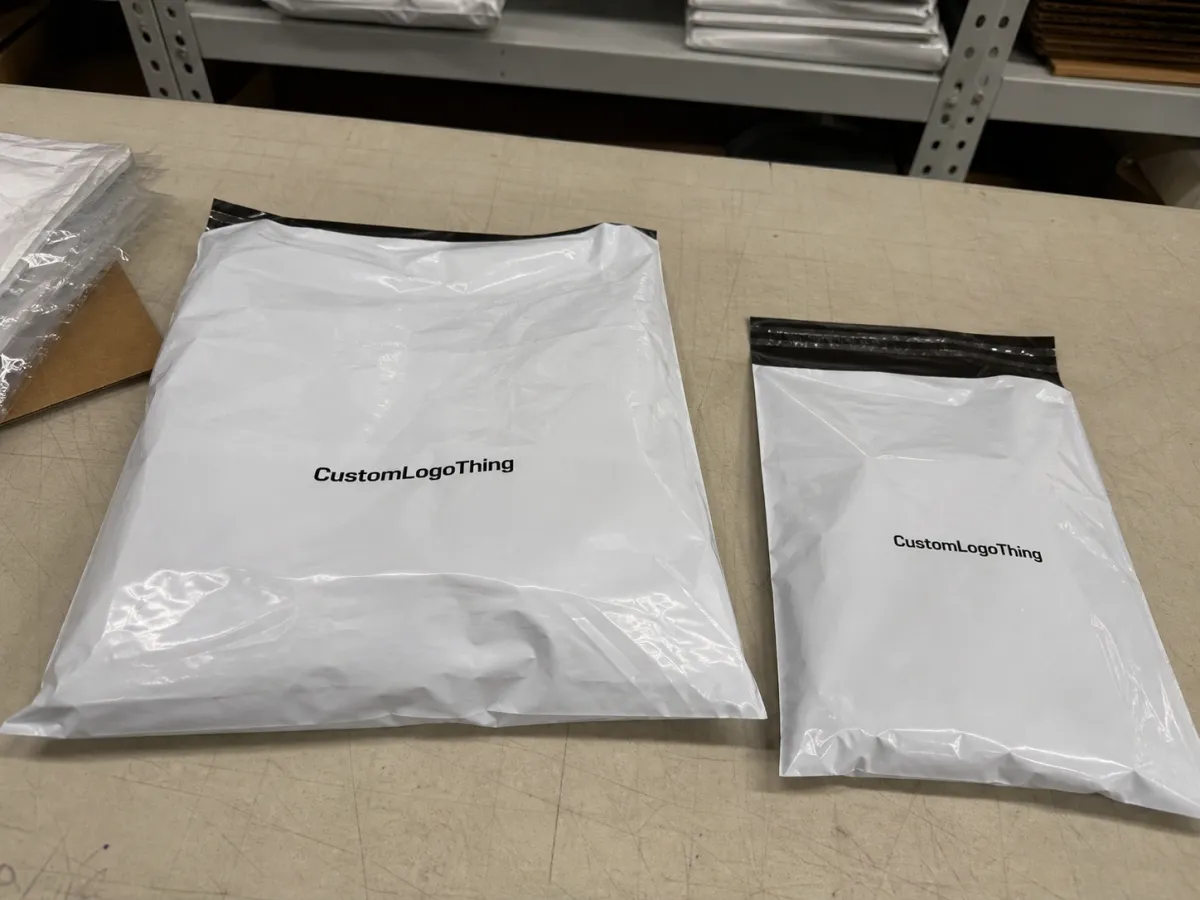
Customers judge packaging before they touch the product. Fair? Maybe not. Real? Absolutely. Frosted plastic softens the product view, cuts glare, hides minor scuffs, and makes low-volume packaging look cleaner than basic clear poly. Not magic. Just better surface behavior.
Small batch custom Frosted Zipper Bags work well for packaging tests, seasonal SKUs, sample programs, limited drops, event kits, and early retail runs. They are also useful when a brand needs printed packaging but has no interest in buying 25,000 pouches that may sit in storage until everyone pretends the launch never happened. For many buyers, the practical starting point is around 500 pieces when the structure is simple. Better unit pricing often shows up around 1,000, 2,500, or 5,000 pieces.
A frosted zipper bag sits in the middle of the packaging ladder. Stock bags are cheaper, but usually bland. Fully Custom Retail Packaging can be gorgeous, but the quantity commitment may be too much for an early product run. Frosted resealable bags give you reclosability, a softer retail look, and enough branding to feel finished without turning your office into a packaging warehouse.
Best-fit buyers include emerging DTC brands, boutique retailers, subscription box teams, event marketers, beauty products, craft goods, food samples, small hardware kits, apparel add-ons, and cannabis-adjacent accessories where local rules allow them. If you know the bag size, order quantity, print color count, and deadline, quoting moves quickly. If you do not, keep reading. Guessing is not a procurement strategy.
Practical buying rule: a small batch order is not about chasing the lowest unit cost. It is about getting retail packaging that looks controlled, protects the product, and does not trap cash in the wrong size or design.
Product Details That Matter Before You Order
Frosted Zipper Bags are flexible plastic bags with a semi-translucent matte finish and a press-to-close zipper. They can be made as flat pouches, bottom gusset bags, stand-up pouches, or simple resealable sleeves depending on what goes inside. Flat pouches work well for masks, jewelry cards, swatches, stickers, and small accessories. Gusseted bags give powders, snacks, and bulkier kits more room to sit instead of bulging like an overpacked suitcase.
The frosted finish gives partial product visibility without showing every crumb, wrinkle, air pocket, or oddly stacked item. Clear bags can look great for color-critical products, but they also reveal every handling mark. Frosted film is more forgiving. That is why it works nicely for branded packaging where the buyer wants a preview-window effect, not a microscope.
Product behavior should drive the bag choice. Flat items need clean face space and tight sizing. Powders need stronger seals and sometimes a gusset. Snacks need food-contact material and may need oxygen or moisture barrier depending on shelf life. Apparel accessories need puncture resistance, especially around clips, pins, or metal edges. Sample kits need easy opening, clean resealing, and enough headspace above the zipper so the customer is not fighting the bag.
Zipper quality is not a decorative detail. A bag that pops open in transit is a customer service problem wearing a cute outfit. Choose zipper strength based on fill weight, shipping method, and how often the end user will reopen the package. A 10-gram jewelry charm and a 12-ounce refill pouch should not be treated like the same engineering problem.
Branding options include single-color printing, two-color printing, spot logo placement, full-panel artwork, warning text, ingredient panels, QR codes, batch labels, and minimalist typography. Strong contrast matters on frosted material. Black, navy, deep green, dark brown, and white often read well depending on film tone. Pale gray on frosted plastic is usually a paid exercise in invisibility.
Frosted Zipper Bags are not the right answer for every product. If you need crystal-clear display, high-barrier shelf stability, hot-fill packing, rigid structure, or a luxury presentation closer to custom printed boxes, another format may serve you better. The bag should match the job. Radical concept, apparently.
Specifications: Sizes, Materials, Thickness, and Print Options
Most small custom frosted zipper bag projects start with size. Common formats include 3 x 4 inches for samples, 4 x 6 inches for jewelry or accessories, 5 x 7 inches for skincare masks and small kits, 6 x 9 inches for apparel add-ons, and larger custom sizes for bundles or refill packs. Measure the actual product, then add room for fill depth, zipper clearance, seal area, and easy handling.
Do not size the bag from the front face of the product alone. Thickness matters. So does trapped air, folded fabric, a scoop inside a pouch, a hang card, or a rigid insert. A product that measures 4 x 6 inches on a desk may still need a larger bag once it has depth and has to slide past the zipper track without scraping the print.
Material choice is not just alphabet soup. PE is flexible and economical. CPE has a softer frosted hand-feel and a more premium touch. CPP can offer more clarity and structure. Laminated films may be needed for barrier protection, especially for food, powders, aromatics, or moisture-sensitive products. Every film does not do the same job. If someone says it does, keep your wallet alert.
Thickness usually lands in a few practical bands. Light-duty bags may sit around 2 to 3 mil. Everyday retail packaging often lands around 3 to 4 mil. Heavier products, sharper contents, or rough shipping conditions may need 4 to 6 mil or a laminated structure. The right number depends on product weight, edge sharpness, shipping abuse, and whether the bag needs to stand up nicely in a bin, mailer, or retail display.
| Spec Choice | Typical Range | Best For | Tradeoff |
|---|---|---|---|
| 2-3 mil PE or CPE | Light-duty small bags | Samples, flat inserts, low-weight items | Lower cost, less structure |
| 3-4 mil CPE or CPP | Common retail range | Beauty, accessories, kits, boutique goods | Good balance of feel and cost |
| 4-6 mil or laminated film | Heavy-duty range | Powders, sharp items, refill packs, shipped goods | Higher cost, stronger protection |
| One-color print | Fastest common option | Small runs, clean logos, launch packaging | Limited color expression |
| Two to four colors | More setup control needed | Detailed package branding or retail sets | Higher setup cost and longer proofing |
For print, one-color logo printing is usually the smartest starting point for a frosted zipper Bags Small Batch Custom Order. It keeps setup contained, moves faster, and still looks polished if the artwork is strong. Two to four colors can work, but expect tighter artwork requirements and higher setup costs. Full-color printing may require a different process, especially if gradients, photos, or color-critical branding are involved.
Send vector artwork whenever possible. AI, EPS, or clean PDF files reduce proofing delays. Outline fonts. Provide Pantone or CMYK guidance. Keep thin lines away from the zipper track and side seals. Leave safe zones around edges. If the bag needs bleed, ask for the template before building final art.
Compliance needs should be handled before production. Food contact, suffocation warnings, recycling marks, child-resistance requirements, country-of-origin labels, net weight, ingredient panels, and industry-specific warnings can all affect layout. The Flexible Packaging Association offers useful category context at flexpack.org, and recyclability claims should be checked carefully against current guidance from the EPA. Packaging compliance is cheaper before printing. Shocking, I know.
Cost, Pricing, MOQ, and What Changes the Quote
Small Batch Custom orders cost more per bag than large-volume factory runs. Setup, artwork proofing, material handling, screen or plate preparation, and machine time do not vanish because the order is small. They just get spread across fewer bags.
Simple small runs may start in the few-hundred-piece range when stock dimensions or straightforward production methods are available. Better pricing usually appears at 1,000, 2,500, 5,000, and 10,000 pieces. Exact MOQ depends on size, material, bag style, print method, and whether the order uses an existing structure or a fully custom format.
Cost drivers are predictable: bag dimensions, film thickness, gusset style, zipper quality, print color count, ink coverage, specialty finishes, food-safe material, barrier layers, labeling requirements, proofing needs, freight method, and delivery location. A 4 x 6 inch one-color flat pouch will not price like an 8 x 10 inch gusseted laminated pouch with four-color artwork and food packaging requirements. It should not.
As a rough buying frame, a simple small printed pouch might land in the tens of cents per unit at higher small-batch quantities, while specialty structures, heavier film, or complex print can push pricing much higher. For 5,000 pieces, simple custom printed bags may be far more efficient than a 500-piece run because setup gets diluted. For 500 pieces, the unit cost may feel rude. That is small-batch math, not supplier drama.
One-color printing is often the smart first order. A clean black or white logo on frosted film can look sharper than a cramped four-color mark fighting for attention on a tiny pouch. A bad full-color logo does not become premium because it cost more.
Order slightly more than the launch forecast if the product will keep selling. Reorders can have minimums, and freight on tiny replenishments is annoying. Still, do not overbuy untested sizes, label copy, or branding. If the fill weight changes or your retailer asks for a barcode panel, those “savings” may become very expensive clutter.
For a clean quote, send size, quantity, material preference, thickness target, print colors, zipper type, artwork file, delivery ZIP or country, and deadline. Better inputs mean fewer quote revisions and less email archaeology. If you need broader branded packaging options, the Custom Packaging Products page is a practical place to compare formats before locking into bags.
Process and Timeline From Quote to Finished Bags
The order path is simple if the specs are clear. The buyer submits requirements. The supplier checks feasibility. A quote is issued. Artwork is reviewed. A digital proof is approved. Pre-production details are confirmed. Production starts. Quality checks happen. Finished bags ship.
Quote review can take 1 to 3 business days when the request includes real specs. Artwork proofing can add another 1 to 3 business days. Production for a simple Small Batch Custom order may take roughly 7 to 15 business days after proof approval. Complex print, custom structures, physical samples, imported production, or limited material availability can add time.
Timelines start after proof approval, not after the first casual message that says, “I need cute bags, maybe 500?” That is not a spec. That is a mood.
Common timeline killers include missing artwork, low-resolution logos, unclear size measurements, undecided print colors, last-minute copy changes, compliance text added after proof approval, and delivery windows that ignore shipping reality. If you have an event date, launch date, retailer ship window, or subscription box packing schedule, say so in the first message.
Digital proofs are standard for layout confirmation. Blank samples may help confirm size and material feel before production. Pre-production samples may be possible for some orders, but they add time and sometimes cost. Physical sampling is smart when the product is heavy, sharp, oily, fragrant, or size-sensitive. It is less smart when the deadline is next week and everyone suddenly becomes allergic to decisions.
Quality checks should cover dimensions, print placement, zipper function, seal consistency, carton labeling, and final packing. Pull samples should open and close cleanly without the zipper separating from the film. Print should sit within the approved tolerance, not wander into the seal area. Cartons should be labeled well enough that receiving teams can identify the size, SKU, quantity, and artwork version without opening everything on the floor.
For shipped goods, packaging should also be considered alongside transit testing. The International Safe Transit Association publishes useful testing context at ista.org, especially if bags go inside mailers, cartons, or subscription kits.
How to Avoid the Usual Small Batch Packaging Mistakes
Sizing errors are the most common problem. Buyers often measure the product face only, then forget fill depth, zipper clearance, header space, and how the item behaves when stacked. Make a paper mockup. Try a blank sample. Put the actual product inside before approving a custom size. Five minutes with tape and paper can save a very expensive reprint.
Artwork scale causes the next round of pain. A logo that looks clean on a laptop can turn into fuzz on a 3-inch bag. Thin lines, tiny serif type, pale ink, low-contrast artwork, and crowded label copy are common offenders. If the bag is small, the design needs discipline. Not every story belongs on the front panel.
Frosted material changes contrast. Black, dark green, navy, dark brown, white, and metallic-style inks can look sharp depending on the film. Pale gray on frosted plastic usually disappears. Bold choice, if invisibility was the goal. Ask for print guidance before committing to subtle colors that only look good on a backlit screen.
Product protection mistakes are less glamorous and more expensive. Sharp corners can puncture film. Oily contents can stain or weaken the package. Powder residue can get into zipper tracks. Fragrance can migrate. Moisture can ruin products that need a barrier. Heavy items can stress side seals. The material should be matched to the product, not chosen from a pretty screenshot.
Do not buy purely by the cheapest unit cost. Thin film, weak zipper tracks, poor print registration, and mystery plastic can make a product feel disposable. Saving three cents per bag is not a win if returns, leaks, retailer rejection, or bad reviews follow. Cheap packaging can become very expensive after customers get involved.
Lock final copy before proof approval. Ingredients, warnings, net weight, QR codes, barcode placement, batch fields, and retailer-required text should be checked by the buyer’s team. The printer can print what is approved. It cannot guess the legal department’s feelings. If you need general order-process answers before sending files, review the FAQ and remove the easy questions from the email chain.
How Custom Logo Things Handles Practical Custom Bag Orders
Custom Logo Things is set up for buyers who need usable custom packaging, not vague catalog browsing. A good frosted zipper bag order starts with clear specs, realistic MOQ guidance, print-ready artwork checks, and bag recommendations based on the product. That matters because Custom Zipper Bags are not just rectangles with logos.
Zipper placement, seal area, film choice, print location, gusset dimensions, and carton packing all affect the finished result. A bag can look fine in a flat proof and still fail if the zipper sits too close to the fill line or the product corners fight the side seal. In practice, the boring details decide whether packaging feels professional.
Small batch buyers often need speed, flexibility, and guidance more than a massive commodity quote. The team can help narrow material, thickness, size, print method, and finishing options before production starts. That is useful for product launches, market tests, seasonal drops, event runs, and retail programs where the brand is still learning what sells.
Tradeoffs should be clear before the invoice. Lower MOQs may mean higher unit costs. Specialty finishes may add time. Exact Pantone matching on frosted film can need extra control. Physical sampling can slow a rush job. Laminated barrier films may cost more but protect the product better. Honest answers beat pretty promises. Every time.
Quality control is practical: check dimensions, print placement, zipper function, seal consistency, carton labels, and final packing before shipment. If you are scaling from test orders into repeat purchasing, ask about Wholesale Programs so quantity breaks, reorder timing, and SKU planning can be discussed early instead of during a stockout panic.
What to Send for a Faster Custom Bag Quote
Send the right information first and the quote gets cleaner. Prepare target quantity, bag width and height, product dimensions, fill weight, preferred material, thickness goal, print colors, artwork file, delivery ZIP or country, and deadline. If you are unsure about structure, send product photos or a quick sketch. A rough but clear product photo beats a beautifully vague paragraph every time.
Choose a starting quantity based on how certain the product is. Use 500 to 1,000 pieces for market testing or events when available. Use 2,500 to 5,000 for repeat retail use. Go higher when the SKU, artwork, fill weight, demand, and compliance copy are already proven. The larger order usually lowers unit cost, but it also increases the cost of being wrong.
Ask for options instead of one blind quote. Request good, better, and best versions based on material thickness, print complexity, and quantity breaks. That exposes the real tradeoffs. Maybe 3 mil one-color bags are perfect for a launch. Maybe 4 mil with a stronger zipper is worth the extra spend because the product ships Direct To Consumers. The quote should help you decide, not hide the decision behind one number.
- Confirm size: test with the actual product inside, including fill depth and zipper clearance.
- Approve artwork carefully: check logo scale, safe zones, color contrast, QR codes, and barcode readability.
- Verify compliance text: review warnings, ingredients, food-contact needs, recycling claims, and country-of-origin labels.
- Confirm shipping: match freight speed to launch date, event date, or retailer receiving window.
- Plan reorders: start replenishment before inventory gets low, especially for custom sizes or specialty film.
For a frosted zipper bags Small Batch Custom order, the fastest path is not guessing harder. Send complete specs, choose sane print options, and approve a proof you have actually checked. That is how small batch packaging turns into retail-ready packaging instead of an expensive lesson in avoidable chaos.
FAQ
What is the MOQ for custom frosted zipper bags in a small batch?
MOQ depends on size, material, print method, and whether the bag is stock-based or fully custom. Some small batch projects may start in the few-hundred-piece range, while better unit pricing usually begins around 1,000 to 5,000 pieces. Fully custom sizes, gussets, laminated films, and multi-color printing usually raise the MOQ.
How much does a frosted zipper bags small batch custom order cost?
Cost is driven by quantity, bag dimensions, film thickness, zipper style, print color count, artwork complexity, and freight. Small runs have higher unit costs because setup and proofing are spread over fewer bags. For the cleanest quote, send size, quantity, material preference, print colors, delivery location, and deadline.
Can I print a full-color logo on small frosted zipper bags?
Yes, but full-color printing may require a different process than simple one-color logo printing. For small batches, one-color or two-color printing is often faster and more cost-effective. High-contrast artwork usually performs better on frosted plastic than pale colors or tiny detailed graphics.
How long does production take for custom frosted resealable bags?
Simple small batch orders may take about 7 to 15 business days after proof approval, depending on material and production capacity. Quote review and artwork proofing can add several business days before production starts. Physical samples, complex print, custom structures, or rush freight can change the timeline.
What information should I send before ordering frosted zipper bags?
Send bag size, product dimensions, fill weight, target quantity, material preference, thickness, print colors, and artwork files. Include delivery location and deadline so shipping and production timing can be checked early. If you are unsure about sizing, send product photos or sample measurements so the bag can be matched to the actual product.

