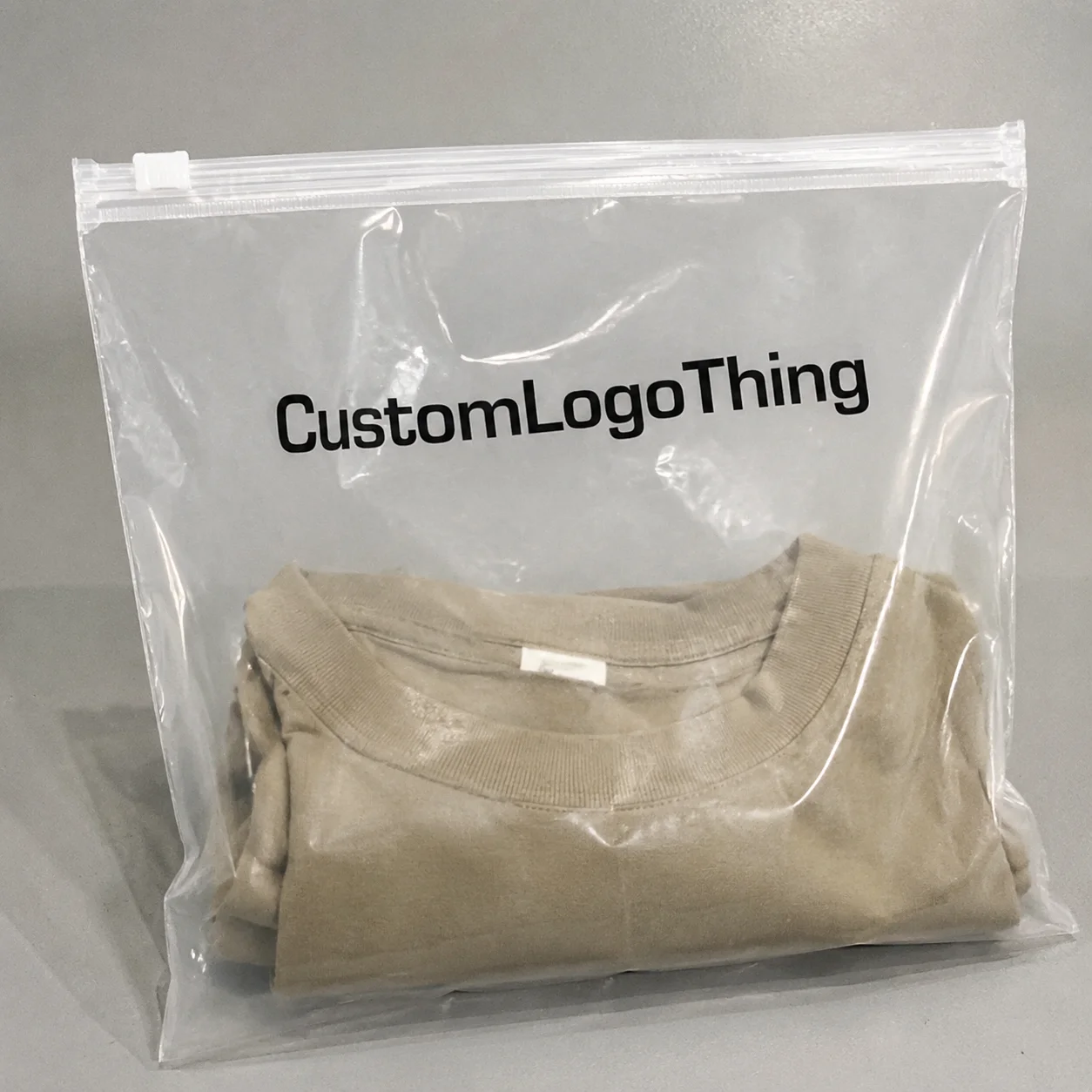
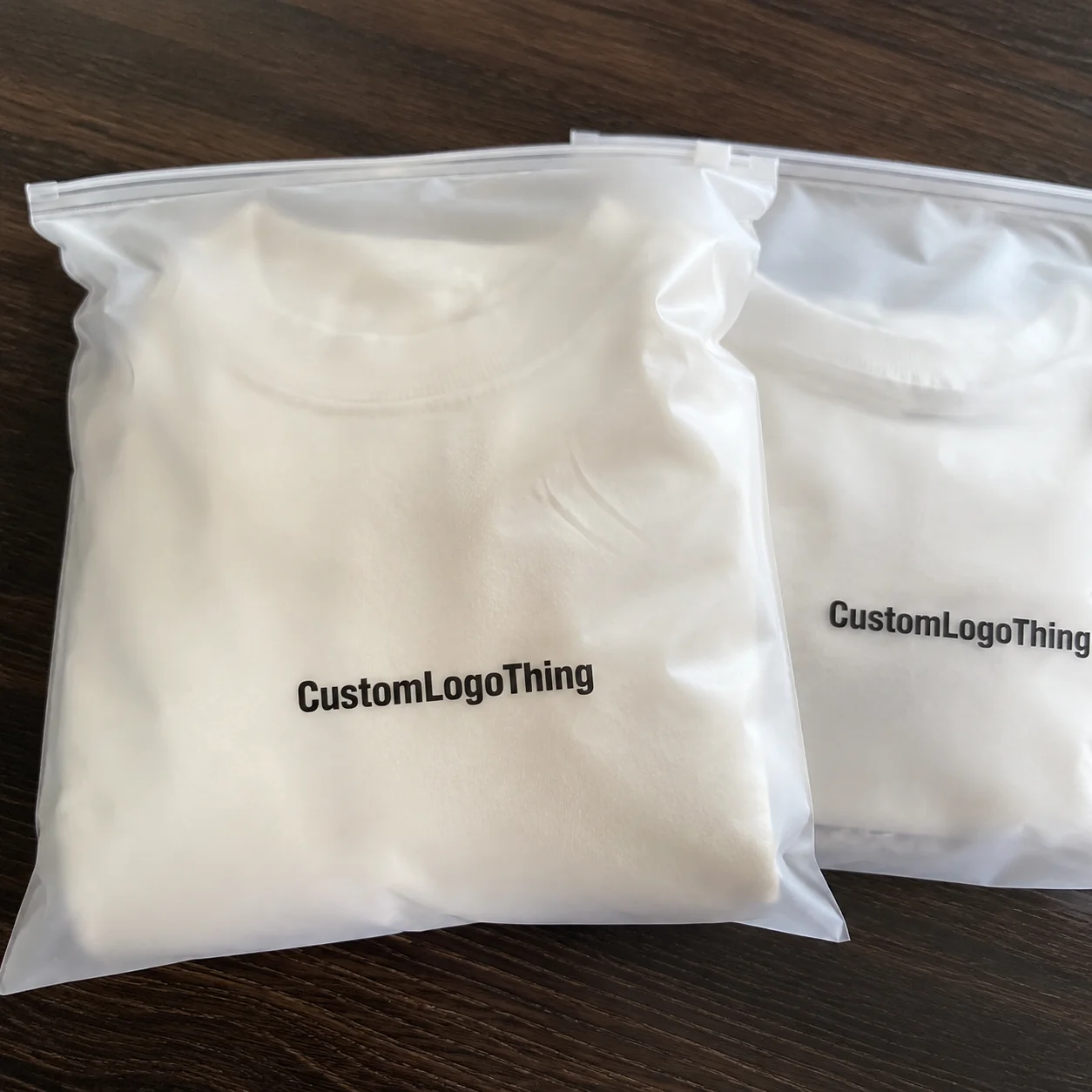
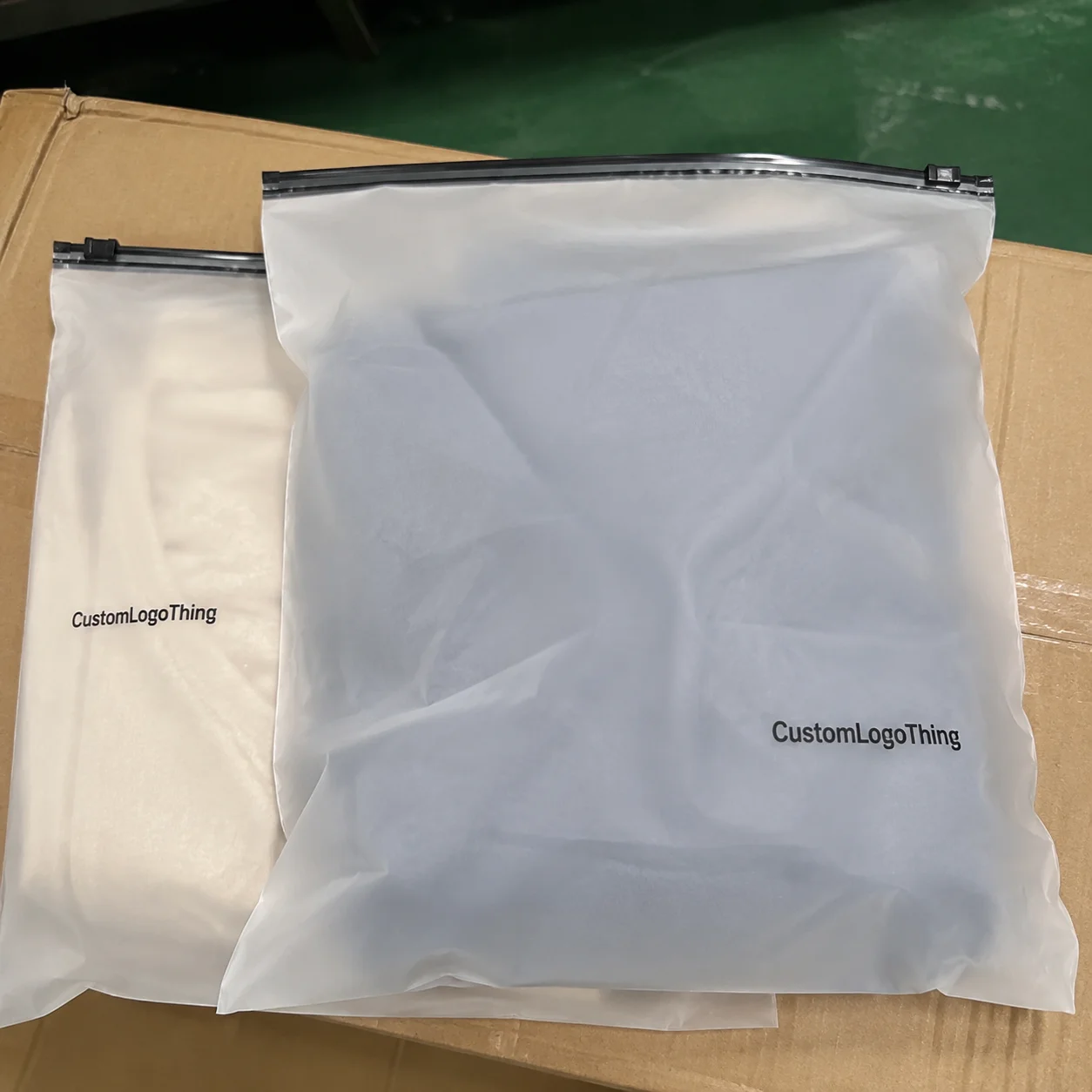
For wardrobe pulls, event uniforms, touring kits, and backstage staging, Garment Poly Bags are part of the handling system, not a decorative extra. They keep garments clean, separated, and easier to move through fast load-ins. If the bag tears, clouds visibility, or slows the crew down, the low unit price is irrelevant.
Simple.
The right spec balances strength, clarity, sealing, and landed cost. That matters more than appearance, and often by a wide margin. A bag that survives folding, stacking, truck travel, and repeated handoffs saves more money than one that only looks good on a quote sheet. In practice, event teams usually start with LDPE or LLDPE film at 1.5-3 mil, ask for 500-2,000 piece MOQ tiers for first runs, and approve a pre-production sample before scaling to 5,000+ pieces.
Good packaging decisions are rarely dramatic. They are usually about matching the film, size, and closure to the route the garment actually takes. Why guess when the handling path can tell you almost everything? A practical sourcing flow is: confirm the garment size and hanger type, request a material spec sheet, review print or label placement, approve a physical sample, and then lock the production tolerance and inspection checklist.
Garment Poly Bags for Event Teams: What Actually Matters
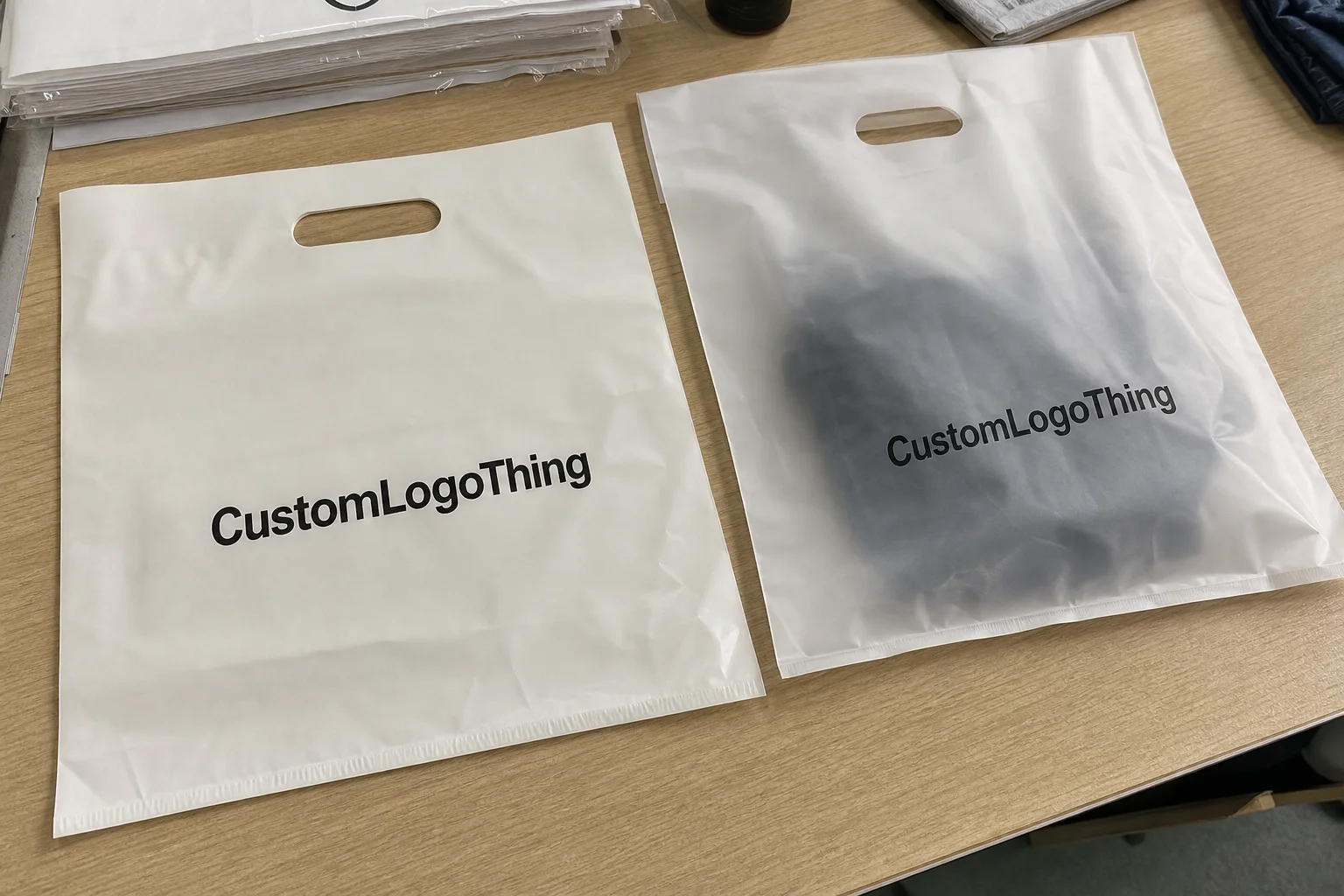
Most buyers start with price. Fair enough. But unit price alone does not tell you whether the bag will perform. A cheaper bag can create extra labor if it tears during repacking, forces re-steaming, or makes garment identification slower at load-in. On a 500-piece pilot, a plain LDPE bag may quote around $0.10-$0.18 per unit, while a printed version can land around $0.18-$0.32 depending on film thickness, ink coverage, and closure style.
For event teams, the job is straightforward: keep the garment usable and easy to find. Clear film helps with quick checks. Frosted, colored, or labeled bags can separate talent, crew, VIP items, or day-specific wardrobe when the team needs a simple visual system. What good is a neat rack if no one can find the right costume in time? If you are tracking multiple show dates, adding a printed size mark, QR label, or color code can reduce sorting time at load-in by several minutes per rack.
These bags should be treated like transport packaging, not retail display. That means the spec should follow the handling route first, then the presentation requirements. If the wardrobe is part of a wider pack-out, the bag should fit the same logic as the rest of the system. For suppliers, it is normal to request a die line, film gauge, seam width, and a packing method that matches the folded garment dimension, not just the flat apparel size.
A bag that tears once during load-in is not the cheap option. It is the expensive one with a lower headline price.
Test first.
For teams buying across a wider packaging mix, keep the same standard across formats. A wardrobe program, a set of Custom Packaging Products, and outbound items like Custom Poly Mailers should all answer the same three questions: does it protect the item, does it survive the route, and does it make handling easier?
Garment poly bags for event teams material comparison: How different films behave
The material choice is usually a tradeoff between handling, presentation, and durability. LDPE is soft and forgiving. LLDPE stretches more and resists tearing better. PP feels crisper and looks cleaner. Recycled blends can work well, but only when the resin is specified and tested instead of assumed. If sustainability is part of the brief, ask for GRS documentation for recycled content and, where relevant, OEKO-TEX Standard 100 for inks or additives that contact textiles; social compliance certificates such as WRAP or BSCI are useful for factory screening.
| Material | Best use | Strength profile | Typical price impact at 5,000 pcs | Buyer note |
|---|---|---|---|---|
| LDPE | Light uniforms, general wardrobe storage, easy handling | Flexible, easy to fold, moderate puncture resistance | Plain: about $0.09-$0.16 each; printed: about $0.16-$0.28 each | Usually the safest all-around choice when crews want soft handling and a forgiving feel; ask for 1.5-2.0 mil film and a sealed seam that holds after 10-15 open-close cycles |
| LLDPE | Travel-heavy kits, repeated handling, sharper hanger edges | Better stretch and tear resistance than standard LDPE | Plain: about $0.10-$0.18 each; printed: about $0.18-$0.32 each | Often the stronger pick if bags will be reused between events or handled by multiple people; 2.0-3.0 mil is common when hanger hooks or costume trims are abrasive |
| PP | Presentation-focused wardrobe, retail-style display, crisp appearance | Stiffer feel, strong clarity, less forgiving under rough handling | Plain: about $0.11-$0.20 each; printed: about $0.20-$0.35 each | Looks clean, but it is not always the best answer for bulky garments or repeated repacking; best when the bag stays mostly static on a rack or in a case |
| Recycled blend | Teams with sustainability targets and controlled handling | Depends on resin mix, so testing matters more than assumptions | Plain: about $0.10-$0.19 each; printed: about $0.18-$0.34 each | Ask for samples and a GRS claim if recycled content is being marketed; clarity, dart-drop behavior, and seal strength can vary a lot by blend |
Clarity matters because crews need to identify garments quickly. Clear film speeds up sorting on a crowded rack. Frosted or opaque film can look more premium, but it only works if the label system is strong enough to replace the visual check. A useful supplier test is to place a white care label, a black garment tag, and a folded insert inside the bag and confirm that all three remain readable under warehouse lighting.
Looks are not proof of performance. Thickness alone does not guarantee strength. A thicker sample can still fail if the resin blend is weak or the seal is poor, so the sample has to be inspected, flexed, and opened the way the crew will actually use it. A decent QC routine checks film gauge, seal width, edge trim, hanger-hole alignment, and print registration before production is approved.
Be specific about sustainability claims. Recycled content is measurable, and post-Consumer Recycled Content is better when it is documented. FSC certified materials apply to paper-based packaging like cartons, inserts, or kraft paper, not to the poly film itself. If a supplier promotes biodegradable packaging, ask for the conditions and the breakdown timeline. For film programs, it is also normal to request a recycled-content test report, a factory compliance certificate such as WRAP or BSCI, and a transaction certificate if GRS is cited on the quote.
Useful references are the testing standards from ISTA and recycled-content guidance from the EPA. They will not pick the bag for you, but they help keep the spec grounded.
If the wardrobe bags travel with cartons or other outer packaging, compare the full route, not the film in isolation. A slightly stronger resin can make sense when bags are reopened, reclosed, and moved between venues. The spec should fit the handling pattern, not the mood board. For example, a 2.5 mil LLDPE bag with an 0.8-1.0 inch side seal often holds up better than a thinner, wider bag if the item has sharp hardware or is repeatedly restaged.
Thickness, Size, and Closures That Actually Work
Thickness should match handling, not guesswork. Buyers often ask for "something thick" and end up with a bag that is either overbuilt and costly or underbuilt and fragile. Gauge or mil should reflect the garment type, travel frequency, and whether the bag will be reused. For most event programs, suppliers will quote sample sets across 1.5, 2.0, and 3.0 mil so the team can compare feel and seal behavior before production.
As a practical range, lighter single-garment use often works around 1.5 to 2 mil if handling is controlled. Mixed wardrobes, repeated reuse, or travel-heavy kits usually need 2 to 3 mil. Bulky garments, coats, and costumes can justify 3 to 4 mil, especially if there are sharp hanger ed