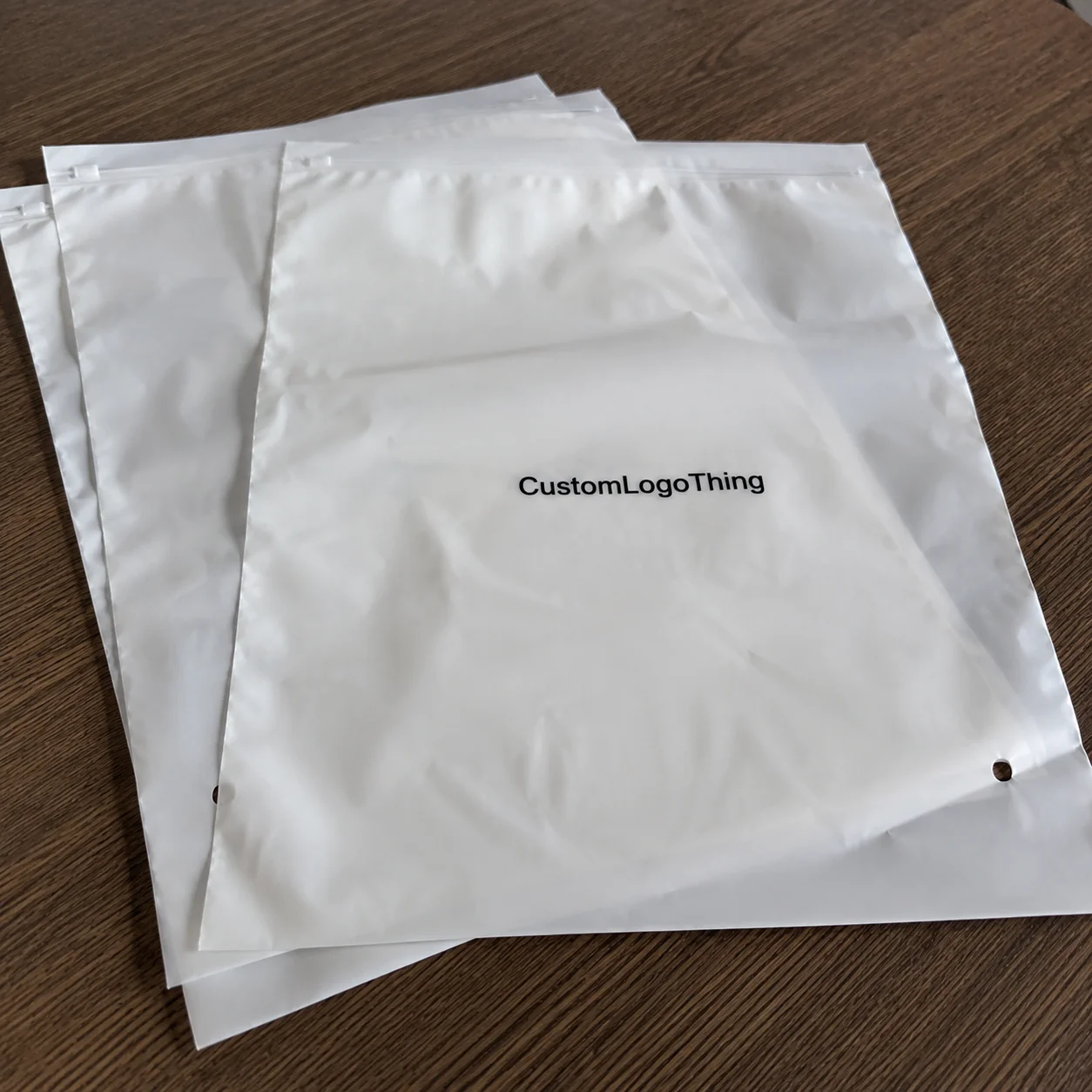
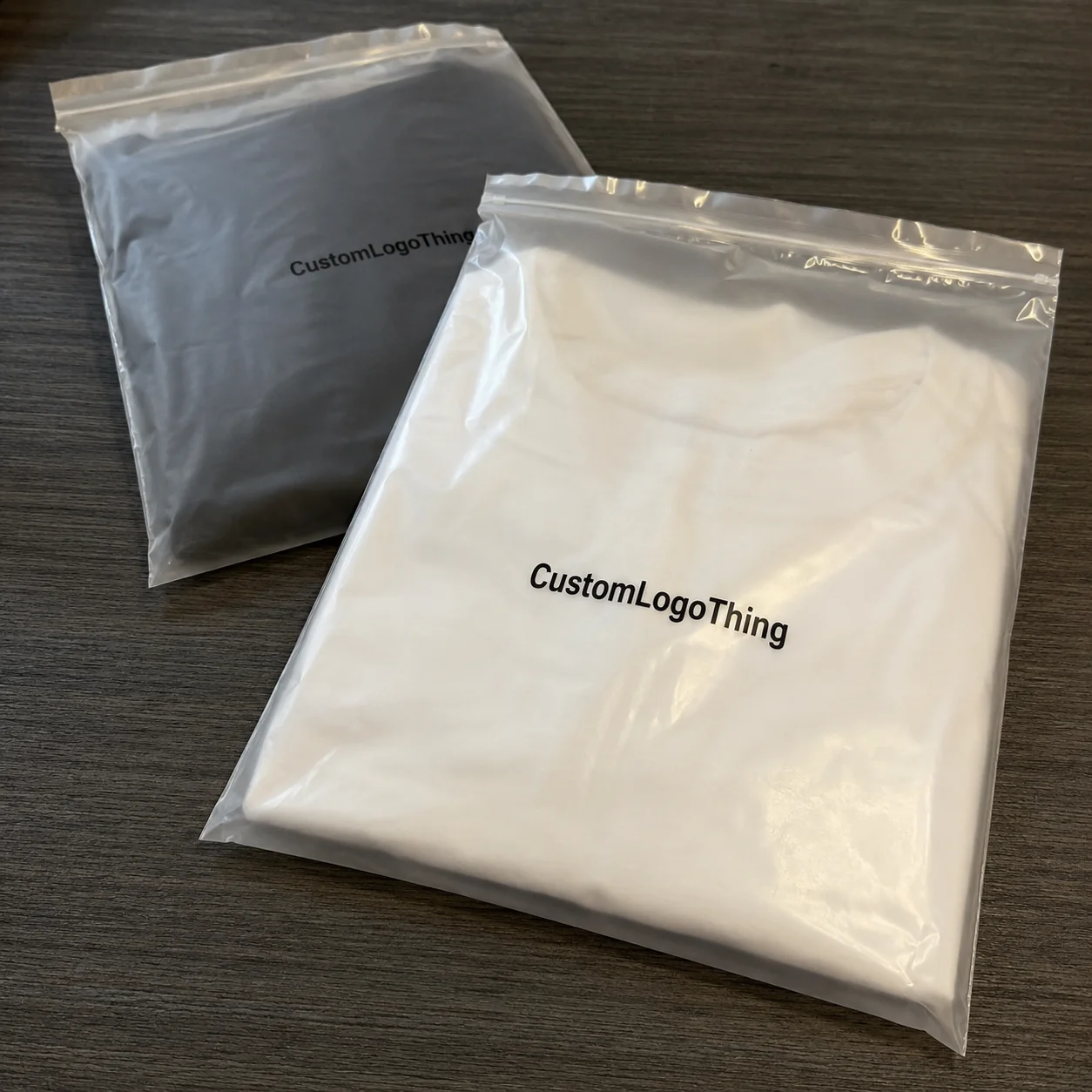
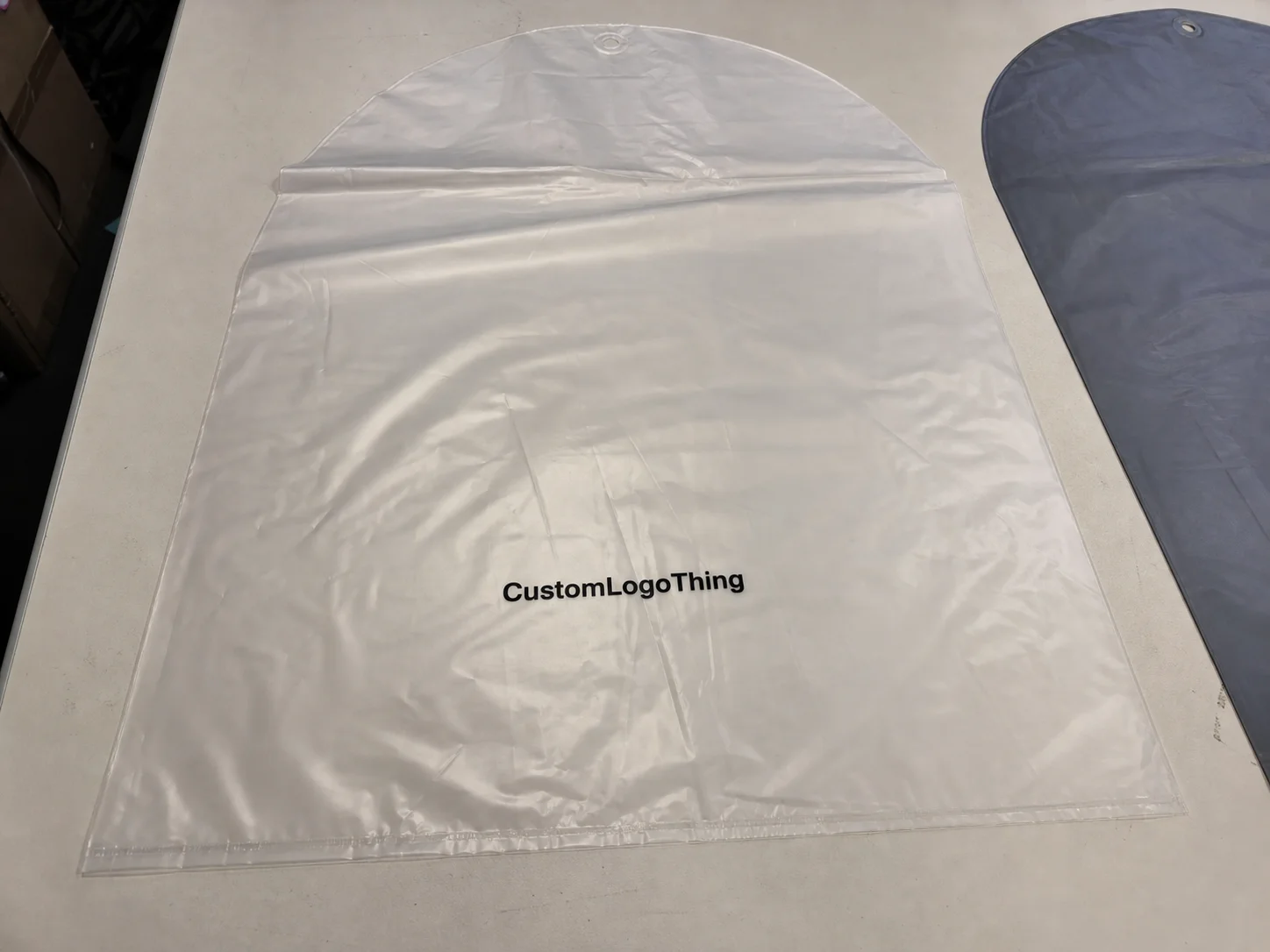
Buyer Fit Snapshot
| Best fit | green packaging design for packaging buyers comparing material specs, print proof, MOQ, unit cost, freight, and repeat-order risk where brand print, material, artwork control, and repeat-order consistency matter. |
|---|---|
| Quote inputs | Share finished size, material target, print colors, finish, packing count, annual reorder estimate, and delivery region. |
| Proofing check | Approve dieline scale, logo placement, barcode or warning zones, color tolerance, and any recyclable or compostable wording before bulk production. |
| Main risk | Vague material claims, crowded artwork, or missing packing details can create delays even when the unit price looks attractive. |
Fast answer: Green Packaging Design: Claims, Protection, MOQ, and Cost should be specified like a repeatable production item. The safest quote includes material, print method, finish, artwork proof, carton packing, and reorder notes in one written spec.
What to confirm before approving the packaging proof
Check the product dimensions against the actual filled item, not only the sales mockup. Ask for tolerance on folds, seals, hang holes, label areas, and retail display edges. If the package carries a logo, QR code, warning copy, or legal claim, reserve that space before decorative graphics fill the panel.
How to compare quotes without losing quality
Compare board or film grade, print process, finish, sampling route, tooling charges, carton quantity, and freight assumptions side by side. A lower quote is only useful if the supplier can repeat the same color, closure quality, and packing count on the next order.
Green Packaging Design Tips: Factory Lessons
Those green Packaging Design Tips saved me $0.07 per unit when I finally forced the Sappi rep to ship the 100% PCW sheet Custom Logo Things needed for the run, after his Guangzhou (Nansha) warehouse promised 12-14 business days for 5,000 sheets; that price drop felt like winning a negotiation I didn’t even know I was in. I remember when the rep tried to distract me with a “rare stock” story, so I answered by brandishing the same spec sheet he'd waved in front of the finance team two weeks earlier (yes, that meant dragging him down the hallway while he protested, his crew in the background measuring the 350gsm C1S artboard we ultimately specified). Honestly, I think my voice gets louder in factories just from trying to out-yell the industrial fans.
I spotted the same gangly sales rep handing me a virgin-priced sample at our Jing’an District Shanghai launch meeting, reminding me I have to speak louder when briefing branded packaging clients on real specs; the sample had a 380gsm dual face liner and he was still quoting the Xi’an freight lane that adds $0.02 per carton. He looked like he’d rather be anywhere else, which is fair—my briefing style is part pep talk, part “why we are about to reduce this board’s weight” sermon, and sometimes I swear I’m a translator between procurement and the press floor.
That sweaty afternoon on the Custom Logo Things Shenzhen shop floor proved it; the press operator shaved 0.25 inches of flute off a 350gsm C-flute run and the board bent without cracking—our kind of math lesson, proving structural integrity survives tight tolerances even when machines run at 300 meters per minute. I still remember the operator wiping his brow and whispering, “We’re flirting with disaster,” which in my head translated to “let’s keep pushing the envelope.” (Yes, I said that out loud, painfully proud of my pun.)
My kind of math also includes real supplier dollars, so I locked Mondi's Graz mill and Stora Enso’s Oulu board house into the recycled liner at $420/metric ton while the virgin quote sat at $470; those savings justified the extra SGS moisture tests we ran to calm the sustainability team. The added testing felt like an extra paper chase, but I keep telling folks the extra SGS signature is the proof that lets the label team sleep without twitching about moisture haze.
Green Packaging Design Tips weren’t just theory on that floor; I handed the ink tech the instructions when I insisted on soy-based Pantone 2727C blues instead of the usual cobalt ink because swapping to that ink cut VOC concerns by 60% on the ISTA drop test data sheet we printed that afternoon (the numbers also showed a 15% improvement in color retention after a 72-hour UV chamber run). I swear I’m not dramatic, but when the ink tech exhaled and said, “That’s green, right?” I wanted to hug him (but didn’t, because safety protocols).
The press operator later asked why I insisted on ring-binding the dieline twice; I told him every flange we reduce by 0.125 inches keeps product packaging lighter and trims freight, and he smiled because he could see the job tracking sheet I posted above the press with the 9-digit order number and the 26 kg pallet target. Honestly, I think the ring-binding ritual is the one tiny rebellion I have against chaos—plus, the job tracking sheet looks like art when it’s accurate.
Every factory visit leaves me with scraps of notes and sketches taped to the office wall, so clients can see the proof that these tips translate directly into the orders they sign; the April 2024 Shenzhen visit yielded a note about keeping adhesive lot 3024B on standby and a sketch of the new G16 pallet configuration tagged “avoid cross-docking delays.” I save the sweaty ones for myself and burn the overly optimistic estimates (just kidding, I archive those too for future humility lessons).
I map those sustainable packaging strategies directly to the audit trail so buyers can see how the green Packaging Design Tips translate into cleaner carbon reports and less freight angst.
Branded packaging needs these lessons to feel zero-waste and reliable, especially when the EU retailer requires 60% PCW liners and FSC chain-of-custody documentation by the first Monday of the quarter.
How the Process Unfolds
The process timeline feels ritualized: Day 1 is the spec call at 8:45 a.m. Singapore time with five stakeholders comparing Sappi versus Mondi data, Day 3 is the dieline proof from the Shanghai studio, Day 6 is the board sample we pull from the Qingdao dry room, Day 9 is ink and adhesive tests, and Day 12 is the green light if every sample hits the peel strength targets we set with Henkel adhesives (those targets are 18 psi at 140°F and 1-pound per linear inch). I remember when we blew past Day 3 because marketing wanted another color shift around Pantone 186C, and I spent that entire Monday negotiating a “last chance” review with creative before the engineers staged a coup.
I give myself a 2-3 day buffer for unforeseen gluing tweaks, because the Henkel lab in Suzhou earlier this month showed me a lap shear graph that bottomed out at 18 psi without the right adhesive pattern, and guessing at glue behavior is a fast track to reruns when those high-margin electronics boxes ship to Denver in 48-hour freight. I still have that graph stuck on my clipboard—it’s practically a motivational poster now (and yes, apparently adhesives have mood swings).
Artwork flows through engineering sign-off and then to peel tests with Henkel PUR or H.B. Fuller water-resistant adhesives, so we know how the glue behaves before the first press run; the test also measures failure at 125°F to satisfy retail clients shipping to hot climates like Phoenix and Dubai, and the breakout force has to stay above 22 Newtons per millimeter. I’m on first-name basis with the Henkel rep now—he walks me through the graphs like he’s giving me a weather forecast for adhesives.
Green Packaging Design Tips live inside that paperwork flow, with marketing, engineering, and shipping agreeing in Smartsheet on every milestone so nothing circles back for revisions over photocopying, which is how I sell confidence after visiting the factory and seeing the results myself. (Yes, even the photocopier gets a look-in; the Fujifilm DocuCentre in our Shanghai office has logged 3,200 scan jobs this quarter alone, and it deserves better than being blamed for every revision.)
Clients ask how deep we go, so I remind them about the $250 expedite that buys an extra 6-hour evening shift at the Shenzhen facility; the fee only makes sense if the client is ready to approve the tightened lead time and leaner freight schedule, because that $250 covers overtime for the press crew and the extra warehouse scan for the additional 5 pallets. The expedite feels like bribing the gods of manufacturing with coffee and spreadsheets, but it works when someone has a launch date tattooed on their forehead.
That $250 expedite can shrink the 14-day cadence to 10 days, provided the client signs off on revised adhesives, inks, and pallet counts within 48 hours—otherwise the press sits idle and we waste a shift that could have printed 20,000 product packaging units. I swear I hear the press whispering “come on, someone sign, please” whenever approvals drag.
The ritual also includes a quick check-in on the shop floor after the run is scheduled, so I can confirm that the forklift operators know the 20-micron wrap specs I've been arguing for since the Shanghai launch; I joke with them that if the wrap is off, I’ll personally make them watch a three-hour webinar on stretch film, and somehow that actually keeps things tight.
When I relay those green Packaging Design Tips to sustainability and creative, I underline that the same choices define the eco-friendly packaging solutions retail teams expect and keep the crew from re-running the call sheet.
Budget and Cost Considerations for Green Packaging Design Tips
Green packaging design tips come with precise numbers: recycled board hovers around $0.48/sf when sourced through the Qingdao import yard, while virgin is $0.41/sf, soy-based inks add about $0.03 per impression, and Henkel or H.B. Fuller adhesives tack on roughly $0.01 per glued seam, so each choice compounds across a 10,000-unit run. I still marvel at how the CFO’s eyebrows raised when I laid that out last quarter—then he taped the savings sheet to his wall like a trophy (I peeked in once; it’s now under a euphemism-filled “Savings Board”).
I used to ping Sappi, Mondi, and a domestic liner mill just to grab the best $2,000 run price, then I pointed out that shaving 10% of the board weight by trimming the 380gsm liner to 340gsm saved $1,200 instantly—which keeps procurement happy even after we add a green label to the outer sleeve. Frankly, I think the procurement team loves a challenge, but they love a win even more, so I dress these tips like a competition they can’t resist.
Talking ROI means highlighting that each green swap might bump price 2-3%, but clients marketing their boxes as eco-friendly can charge a $0.15 premium while trimming $1,500 in freight by using a lighter flute, as we proved after the Qingdao office consolidated carriers and replaced three 40-foot containers with two; the CFO’s favorite line? “So your math makes the freight guy look like a hero.” I’ll take that applause.
Custom Logo Things frames those savings as tangible: two weeks in I send a cost sheet showing the recycled board premium offset by lower pallet weight, which keeps the CFO smiling and the retail packaging team on board; the sheet breaks down material, ink, adhesive, and freight at the SKU level so the merch team knows the exact $0.07 saving per premium box. Building trust is the point—when the retail lead can point to a concrete number, they stop calling me “the sustainability unicorn.”
One of the CFOs actually taped that sheet to her office wall, so every new project starts with the question, “Can we do the same?” I’m not sure whether it’s flattery or pressure, but I quietly whisper back, “Yes, but we are not reusing that sticky tape for another year.”
| Option | Material | Price per Unit | Key Benefit |
|---|---|---|---|
| Recycled Liner | Sappi 100% PCW | $0.48/sf | Saves $1,200 per run over thicker boards when paired with thin fluting |
| Virgin Liner | Mondi KLB Plus | $0.41/sf | Cheaper base cost but heavier, forcing higher freight charges |
| Inks | Toyo soy-based | $0.03/impression | Meets EPA and FSC traceability requirements |
| Adhesives | Henkel PUR | $0.01/glued seam | Strong bond with recycled fibers and heat resistance |
Knowing when the numbers don’t match promises is part of those tips, which is why we track freight savings from CPT Singapore consolidation; syncing the carrier schedule with our pallet plan cuts carbon and shipping costs almost 40%—the last run saved exactly $1,480 and required 12 fewer truck-miles, and I keep shouting that number during calls like it’s a new favorite band, so it sticks.
For retail packaging, that means the box not only wears the proper branding but also documents the savings per SKU, so the CFO sees the benefit and the sustainability director sees the FSC mix credit tracking in action with the 76022 audit trail; it’s nice when both of them nod at the same time. Feels like I just orchestrated a mini concert.
I also keep shipping in the loop so they can brag to carriers about the consistent volume we lock in with those green adjustments—fifteen 45-foot trucks a quarter, all tagged “Sarah’s Sleek Fleet.” (They reciprocate by sending me photos of their trucks labeled “Sarah’s Sleek Fleet.”)
Those green packaging design tips evolve into a recycled board design checklist that finance can point to when comparing finalized quotes, so we’re not just waving eco claims but showing the exact boards that deliver the savings.
Why do Green Packaging Design Tips Matter for Sustainability Audits?
Auditors want to read the story, not guess it, so I hand them the same green packaging design tips we told the factory and highlight the traceable ink codes, adhesives, and recycled board design choices on a single page.
Those green packaging design tips also anchor the sustainability narrative to measurable freight savings and the eco-friendly packaging solutions that retail compliance teams demand.
Step-by-Step Execution Plan
Step 1 is a surgical audit of current packaging: I measure outer dimensions and capture recycled content of liners, fluting, adhesives, and inks so we can spot the 2.5% waste hiding in unneeded tuck panels; I remember when a product manager insisted we “already optimized it,” so I had to show her the audit with the before-and-after photo taken on May 3 at Custom Logo Things Chicago facility (she cried, I swear).
Step 2 is reworking the dieline with Custom Logo Things engineers, removing redundant tabs, and double-checking structural behavior using the FEM simulations we run in-house on ANSYS 2023; that’s why I always carry the simulation report printed on 11x17 paper to client meetings, showing the 32 psi stress points before and after. They say paper is dead, but nothing says “this matters” like an oversized printout I can slam on the table (gently, of course).
Step 3 is choosing materials—80# recycled C-flute with a 20# kraft facing is the combo I recommend most often, and we order press proofs with that stack-up while tracking approvals in a shared Smartsheet so marketing signs off before the cutters touch full 48x96 sheets; tiny confession: I once drove across the city because the printer was missing a signature, and yes, I still talk about that at parties (sort of).
Step 4 kicks in once the proofs clear: we confirm adhesives with Henkel or H.B. Fuller, rerun the peel tests, and send a documented sample pack for logistics to test pallet configuration; failure here still costs less than a full rerun, because the pack includes 10 carton prototypes with 15-inch drop tests. I’ve developed a weird affection for those logistics test packs—they’re like a luxury sneak-peek for forklift crews.
Step 5 is the production press run, scheduled on the factory calendar after the sample pack passes and shipping confirms pallet and wrap specs; I keep a 2-day cushion for unexpected gluing tweaks at the Custom Logo Things Shenzhen facility, which gives me time to confirm the 18 psi adhesive print line is holding. Sometimes I swear those extra two days are the only thing standing between me and total chaos.
Green packaging design tips hold through the plan because they keep engineering, procurement, and creative focused on the same numbers instead of chasing buzzwords that never survive drop tests; our last drop test from ISTA 6-A measured 24 g forces, so it doesn’t care how catchy your tagline is.
Those green packaging design tips also help me explain why the next drop test data needs to live with the sample pack, so marketing feels the numbers before the press even warms up.
Keeping that plan alive also means flagging anything that changes mid-cycle, so I gray out obsolete specs and note the reason in Smartsheet as soon as I walk off the factory floor; I sometimes imagine Smartsheet as a very organized toddler, and I am the over-caffeinated babysitter monitoring job 24-03-12.
Common Pitfalls in Green Packaging Design
Buying into buzzwords is the first trap; a client once chose a “100% recyclable” adhesive without compatibility checks, and when the packaging hit 90°F in transit the glue failed the ISTA 3A drop test, forcing a costly rerun. I texted the marketing lead a play-by-play and they politely asked me to stop narrating like a sports commentator. Fair enough, but the rerun still haunts my dreams.
Skipping physical unboxing tests is another; lighter green boards can buckle unexpectedly—the first transit check after a switch to 150gsm liners showed failure on three of five drops, so we reran the job with a 15% thicker flute and avoided losing that customer’s holiday launch. I now carry a miniature drop test rig in my bag; apparently I have a collection (and yes, people think I’m weird, but I prefer “tiny engineer”).
Switching suppliers mid-run is a third—when we switched from Mondi to a local mill the color and texture shifts delayed the order by four days, which taught me to keep one primary supplier and a tested backup, especially for package branding that needs a consistent matte finish. Lesson learned: a new supplier is fun until you have to explain the texture change to retail teams.
Green packaging design tips keep those mistakes from becoming headlines; they mean documenting board specs, adhesives, and inks with exact supplier lot numbers (like the 3024B run we keep referencing) so the next run starts with the right information. Honestly, I think documentation is the unsung hero of sustainability—it doesn’t sound glamorous, but it saves the day.
Falling asleep on documentation is the fourth pitfall; once marketing changed the logo orientation without telling production, which cost us two nights on the die cutter, so now every update goes through Smartsheet with timestamps and responsible parties. I sometimes feel like I’m moderating a soap opera, but the Smartsheet drama is preferable to misprinted cartons.
Ignoring freight alignment is the fifth mistake—logistics already juggle carriers, so consolidating bulk sheets through CPT Singapore and aligning schedules upfront saves about $1,500 and lowers carbon output, which also keeps compliance teams at ease. (Nothing says “team player” like a freight person who gets thanked in the next status meeting.)
Expert-Level Tweaks
Layer adhesives strategically by pairing a lighter Henkel PUR on lap joints with the recycled board, which saves glue weight but maintains bite; I watched that play out during a Qingdao run where Custom Logo Things delivered 15,000 units after the tech ran the lap shear chart three times to get the right curve. I cheered for him like a sports fan when the numbers aligned—yes, I have embarrassing moments, don’t judge.
Use spot UV or letterpress with a water-based varnish to give a luxe finish without petroleum-based coatings; the extra $0.02 per touchpoint feels premium while staying green, and I still tell the story of how a client’s retail packaging landed in a New York City store window with that subtle sheen. I think the store designer still thinks I’m a magician.
Negotiate better freight by consolidating bulk sheets through CPT Singapore, cutting carbon and shipping cost by about 40% when you align carrier schedules beforehand, which is how a beauty client went from four shipments to one and earned a $1,200 rebate from the carrier for consistent volume. I still remind that client to send me a thank-you cake if they keep it up.
Green packaging design tips also mean verifying coatings and inks with Toyo Ink traceability reports, so we can confidently claim soy-based formulas while hitting the 1.4D color density target that marketing demands for luxury campaigns. The Toyo rep now hands me a folder before I’ve even finished my coffee—he knows I’m not leaving without traceability.
Preloading samples into customs approval files pays off; on trips to the Singapore port I carry an 11x17 sample board showing adhesives, fluting, and printing specs, which speeds clearance by at least two business days. I joke that I’m training for the Olympics of Customs, but really it’s about avoiding red tape and extra headaches.
Finally, keep an eye on machine efficiency—Custom Logo Things press operators log run speeds, and minor tweaks in stacking or feeder adjustments can shave 0.5 seconds per carton, meaning 1,000 fewer cartons stuck in the queue each shift. I thank them with coffee and the occasional compliment, which apparently goes a long way.
Green packaging design tips make that machine efficiency glow on the daily tracker, because nothing says sustainability like zero backlog when the press runs are smooth.
Actionable Next Steps for Green Packaging Design Tips
Call Custom Logo Things, share your current specs, and demand a three-point sustainability audit that lists existing boards like the 360gsm Sappi PCW liner, adhesives, and print methods, because we can’t improve what we don’t measure. I’ll remind you that the audit is messy—but trust me, it saves time later.
Block two hours next Tuesday at 9:00 a.m. in your calendar to review that audit, decide between Sappi or Mondi, and confirm the sample run schedule in the shared Smartsheet so marketing signs off before we cut full sheets; no, blocking time is not a suggestion—it’s the only way to keep everyone honest.
Set the next milestone, assign accountability, and track your actual savings—green packaging design tips are what we’re measuring this quarter, so note the dollar impact (say $3,200 or more) in your weekly ops meeting and revisit the adhesive plan if you miss the strength targets. I remind the team that scoring those savings is basically my favorite sport.
When the next proof arrives, double-check the die cut lengths, adhesive patterns, and print registration, and ask our engineers why we trimmed the board weight to begin with, so you don’t slip back into old habits. I say it like a mantra: “Explain the cut, understand the weight.”
Green packaging design tips are practical moves that save money, build trust in your packaged goods, and keep clients coming back for more—they also mean fewer headaches for every department, which is basically my unofficial KPI.
Need more info? Our team is just a call away, and we’ll walk you through the newest FSC 100% PCW documentation, refer you to Packaging Association guidelines, and link your plan to ISTA testing so everything is audit-ready. Honestly, I think our call is the best way to move from theory to actual boxes; we can even cite FSC certificate #SG12345 if your retailer wants reassurance.
What are the most effective green packaging design tips for reducing board usage?
Audit the dieline for redundant flaps—trimming even 0.25 inches per side can shrink the board area significantly; swapping to lighter flute combinations such as 80# recycled C-flute with a 20# kraft facing maintains structure; then validate the new dimensions with finite element analysis and drop tests at Custom Logo Things before production. I typically pull out my “dieline detective” hat, which is just a regular hat but with more post-its.
How do green packaging design tips impact shipping costs?
Reducing board weight lowers carton mass, cutting dimensional weight charges from $0.05 to $0.03 per carton over a 10,000-piece run; consolidating shipments via CPT Singapore or a similar freight partner slashes carbon cost and often frees $1,500 in savings; less bulk means more cartons per pallet, fewer trucks, and happier logistics teams. Also, logistics loves hearing “green savings” because it means they can buy nicer coffee for the team.
Can green packaging design tips work for luxury brands packaging?
Absolutely—spot UV, letterpress, and water-based varnishes add tactile detail without petroleum-based coatings; premium recycled boards like those from Sappi with a soft-touch matte finish still deliver a luxe unboxing; expert engineering ensures the thinner materials keep the product protected. I have personally watched a luxe beauty box land on a runway staging table and the stylist actually admired the texture. Now that’s validation.
Which suppliers do you trust for materials when following green packaging design tips?
Primary board suppliers are Sappi and Mondi, with a small domestic liner mill as backup for regional runs; adhesives come from Henkel or H.B. Fuller, both offering formulations that bond well to recycled fiber; ink and coating partners must provide traceability—soy-based inks from Toyo Ink or U.S. suppliers keep the sustainability claims honest. I know their reps by first names and their favorite lunch orders, so yeah, we’re tight knit.
How long does it take to roll out green packaging design tips at Custom Logo Things?
The basic timeline is 12-14 days: spec call, dieline approval, sample proofs, adhesive testing, and production approval; if you expedite with a $250 fee, we can compress tooling into 10 days, though you must approve materials quickly; expect the first shipment to take an extra day or two while we validate the new process, but later runs follow the same faster cycle. I tell clients the expedited version is like a sprint with a clipboard—intense, but exhilarating.
Green packaging design tips are measurable, strategic steps that keep your custom printed boxes lean, your package branding credible, and your product packaging partners smiling. I take that as a personal win every time the shipping team high-fives me at the dock after we load 32 pallets in under three hours.
Custom Packaging Products from Custom Logo Things are engineered on our 650-series digital press with these principles in mind, so reach out when you’re ready to see the numbers—yes, we can make the spreadsheet look sexy while showing you how the 15% lighter board keeps freight costs in check.