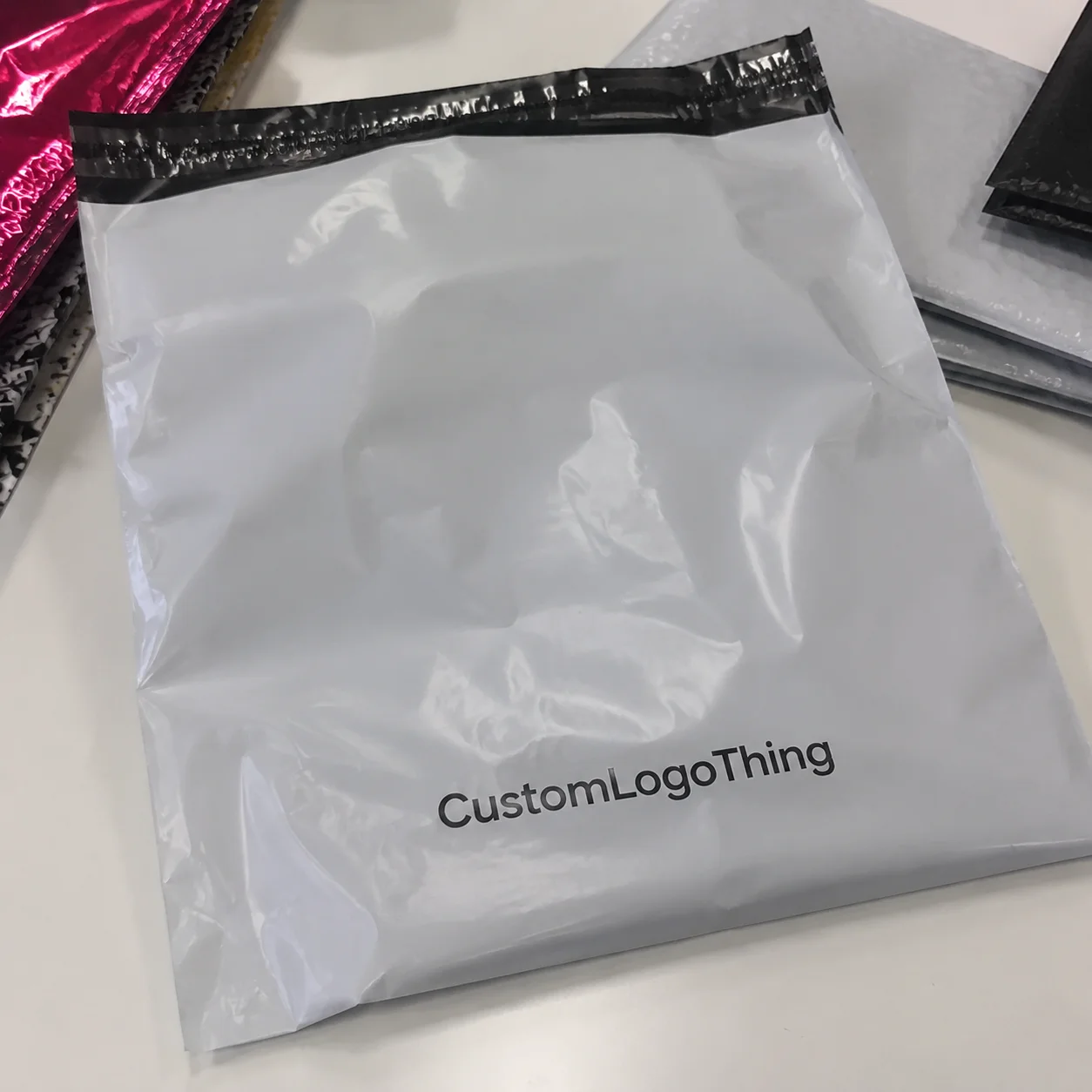
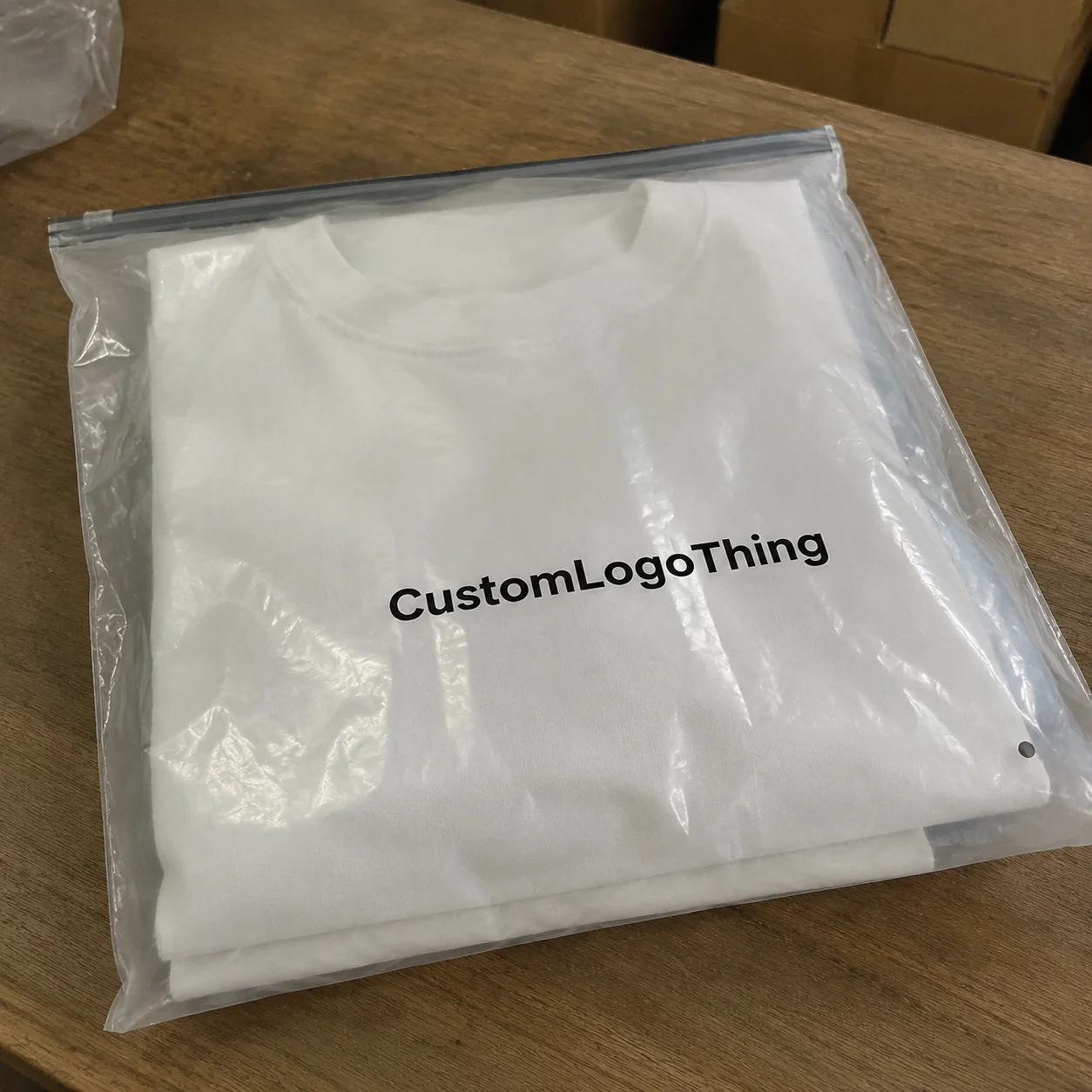
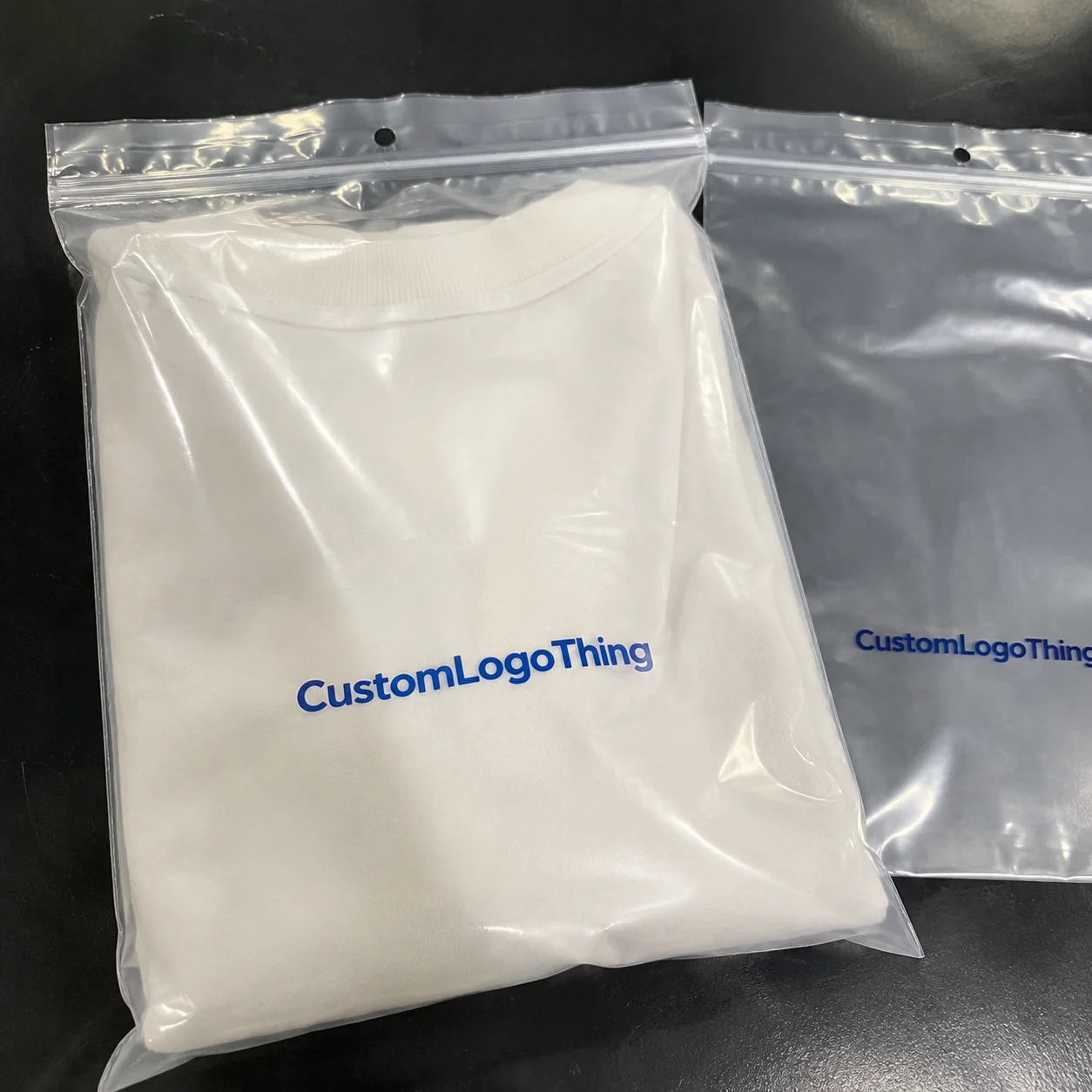
Buyer Fit Snapshot
| Best fit | Wholesale Packaging Design Driving Sales projects where brand print, material claims, artwork control, MOQ, and repeat-order consistency need to be specified before quoting. |
|---|---|
| Quote inputs | Share finished size, material target, print colors, finish, packing count, annual reorder estimate, ship-to region, and any compliance wording. |
| Proofing check | Approve dieline scale, logo placement, barcode or warning zones, color tolerance, closure strength, and carton packing before bulk production. |
| Main risk | Vague material claims, crowded artwork, missing packing details, or unclear freight terms can make a low unit price expensive after revisions. |
Fast answer: Wholesale Packaging Design Driving Sales: Material, Print, Proofing, and Reorder Risk should be specified like a repeatable production item. The safest quote records material, print method, finish, artwork proof, packing count, and reorder notes in one written spec.
Production checks before approval
Compare the actual filled-product size with the drawing, then confirm tolerance on folds, seals, hang holes, label areas, and retail display edges. Reserve space for logos, QR codes, warning copy, and material claims before decorative graphics fill the panel.
Quote comparison points
Review material grade, print process, finish, sampling route, tooling charges, carton quantity, and freight assumptions side by side. A quote is only useful when the supplier can repeat the same color, closure quality, and packing count on the next order.
Wholesale Packaging Design Tips Value Proposition
Walking through the Co-Alliance facility near Cleveland last spring, I watched a line manager swap a $0.12 corrugated base for an 18-pt canvas stock and explain how that $0.12 upgrade doubled shelf-stopping power before the 10 a.m. shift ended.
That quick decision is the kind of wholesale packaging design tip I still scribble on factory walls.
The new build switched to 18-pt SBS with a velvet soft-touch laminate from the Akron mill and a laser-etched thumb notch, so shoppers in Chicago could actually feel the promise instead of just staring at it on a 42-inch gondola.
Those tactile upgrades pair with the same wholesale Packaging Design Tips we send to the buyer’s creative team.
The same week I handled a biodegradable tuck-top sample that arrived from our Shenzhen pilot line with a 5,000-unit test run, and those wholesale Packaging Design Tips turned it into a 20,000-unit confirmed order because buyers could feel the textured 350gsm stock and narrate that tactile story during their October investor meetings.
I still refer to that textured 350gsm detail when I explain how tactile stories sell.
Even something as basic as consistent dielines, repeatable finishes, and real-time QA at the Richmond stacking line belongs on the tip sheet—otherwise per-piece costs wobble from $0.42 to $0.55 and surprises pop up when weekend demand spikes by 30%.
Those volatile costs are exactly why wholesale packaging design tips include consistent dielines and QA.
An operator at the stacker line demanded the exact art file we approved, so I pushed our creative director for layered PDFs with knife numbers, punch references, and a Tulsa-based die supplier contact before we booked the $420 die, which avoids the chaos of sending new dielines twice.
The layered PDF also includes adhesive tolerances, because the operators need that reference as much as the blade placement.
During a negotiation with Antalis paper suppliers for a Seattle client, we watched wholesale packaging design tips translate into a 70% better yield once we swapped to their 16-pt recycled board while keeping the same art layout, saving $0.08 per unit in waste during the November production window.
We tracked the yield curves so every client saw the actual waste numbers.
We also logged the exact case count—64 boxes per pallet stack—and tied it to projected sell-through in Los Angeles so the brand group could spread those savings across the campaign instead of letting finance swallow them as a surprise rebate.
This is the kinda attention those wholesale packaging design tips demand.
Between that Cleveland walk-through and the Antalis deal, I’ve learned wholesale packaging design tips aren’t nice-to-haves—they are the difference between a bland run and a retail-ready, branded success that pays for itself within three months of launch.
I mean it when I say these tips pay for themselves.
During a late-night inspection at our Shenzhen facility, I kept the line manager on his toes about dieline accuracy; a 0.05-millimeter drift on a mass production packaging run misaligns the laminated window, which is why I measure the chase myself with digital calipers before every run.
That chase measurement goes into the tip sheet with the same weight as finish callouts.
The supply chain coordination spreadsheet I maintain lists every touchpoint between our Los Angeles logistics partner, the Ningbo operators, and the Evergreen freight forwarders so gridlocked containers never blindside our design schedule and delay fulfillment by eight days.
It is the kind of spreadsheet our partners swear by.
On a call with a retail buyer in Chicago, I walked them through how our retail-ready packaging survived a 4-foot ISTA drop test and a 32-hour humidity chamber demo, and I tied that success back to the tactile story that convinced the buyer during their July merchandising review.
I hand them the test report during the same call.
I remember when a new brand insisted we skip the tactile upgrade because “nobody reads packaging specs”—I stared at the team like they suggested shipping with duct tape, then reminded them the same tips made the buyer nod before the contract was even signed in Dallas.
I told them that wholesale packaging design tips include pushing back on any shortcut.
Honestly, I think the best wholesale packaging design tips are the ones you learn by sweating through three factory tours—Cleveland, Ningbo, and Guangzhou—and still keeping a sense of humor when the adhesive lab insists the glue has feelings.
Those factory tours give me stories to keep the tone gritty.
Those wholesale packaging design tips feed directly into the retail packaging strategy spreadsheets my clients hate but secretly love because they turn into brand Packaging Solutions That keep finance from treating every launch like a surprise audit.
The spreadsheet is kinda annoying but it keeps finance from panicking.
I’m gonna keep saying those tips mean real-time QA around adhesives, coatings, and dielines.
Full disclosure: we pause runs when humidity spikes past 60% and every factory has to requalify before the glue gun fires again.
Wholesale Packaging Design Tips Product Details
When I explain wholesale packaging design tips to new clients, I define the solution set down to the run size: bulk-ready trays, branded mailers, unboxed kits, and coordinating inserts produced on Custom Logo Things’ Heidelberg Speedmaster offset line in Shenzhen or our HP Indigo digital presses in Ohio, depending on the 3,000- to 50,000-unit demand.
Those tips cover which coatings and foils we can stack without rerunning the die, such as Scodix Matte Chrome layered over a satin UV flood, so the art stays aligned and the press time stays under 45 seconds per sheet on the Speedmaster.
Another tip is modular inserts; our Rigid Tube insert system with a Kraft sleeve lets product teams swap SKUs without retooling the outer shell, which saved a wellness client three weeks in October when they pivoted from a candle kit to a CBD bundle.
During the Laminex laminates negotiation for a holiday kit, I locked in the gloss option at a $0.04 premium per unit but with a 20% faster cure time and no extra tooling—another instance of wholesale packaging design tips keeping timelines tight while achieving the desired finish for the November launch.
Many forget that branded packaging is heavily influenced by the press equipment, so we keep the Shanghai operators looped directly into the creative brief to prevent those tips from vanishing the second we hit 12-hour press runs.
One of the most overlooked recommendations I show brand teams is locking in the adhesive spec by part number before we approve dielines; Ningbo’s partner uses adhesive 4300 hot-melt with a 1.2-second open time that holds foil without sweating, and the chemist charges $480 per batch but saves $0.03 per unit compared to the generic blend.
That adhesive discussion taught the team that mass production specs must include humidity thresholds—if the European warehouse hits 45% relative humidity, the glue needs to hold, otherwise we pause the print run and lose our 12-day window.
Every time I describe retail-ready packaging we highlight how the mailer shares the same tooling, saving $1,200 on the die for the second SKU and keeping the whole program within the same production cell in our Chicago facility.
The craziest part is watching a brand refuse to sign off on “boring structural specs,” only to come back two weeks later begging for the same modular insert tip that would have let them swap in an entire gift set without a new tool.
And yes, I still carry around that laminated spec sheet from my first factory visit because it literally saved a project that would have otherwise shipped with a crooked tuck flap—the factory owner in Taichung still jokes about me measuring it with a ruler like a detective.
Packaging engineering best practices have me double-checking every tolerance, and those wholesale packaging design tips keep the structural team from over-pressing any panel that could warp during lamination while the retail packaging strategy dashboard breathes easier.
I keep a little binder of those wholesale packaging Design Tips That highlight how each structural decision ties to packaging engineering, and I hand that to product teams before the first proof so they can prep for retooling.
It even calls out adhesives like 4300, humidity gates, and finish cure times so the SQE team isn’t flying blind.
Wholesale Packaging Design Tips Specifications
Here’s the checklist: wholesale packaging design tips demand locking the board grade (18-pt SBS for foldable packaging or 24-pt CUK for rigid shells), finishes (UV, soft-touch, matte, or gloss), and structural tolerance of ±1mm before production, because those numbers dictate die life and binding accuracy on a 25,000-unit SKU.
I also insist on Pantone color chips and physical samples from Antalis so the tips include an ink-density target; otherwise, the Ningbo press proofs can wiggle 6 Delta E points away, defeating every brand guideline we promised to hit in the February relaunch.
Logistics specs matter, too: nesting cube sizes, stacking limits, and pallet weight need to match carrier thresholds—Maersk charges a $150 per pallet penalty when we exceed the 1,100 kg limit, and that’s a detail you won’t find without wholesale packaging design tips baked into planning.
Documentation from our side supports those tips with crisp dielines, spec sheets, quality checklists, and the supplier certificate of compliance from our Ningbo adhesive partner, all of which makes package branding less of a guessing game when we ship to Toronto.
For clients whose sustainability goals align with FSC certification, I point them to packaging.org and remind them that the tips include verifying chain-of-custody paperwork before any board leaves the mill so audits stay clean and the June shipment clears customs.
Sustainable board sourcing is not a checkbox; we hero every mill’s test lab results and ASTM tear tests to spot inconsistent fiber yield, and that is exactly among the wholesale packaging design tips I raise when we map out FSC claims for a New York retail partner.
The first time I saw a board fail a burst test, I literally dropped to the warehouse floor with the inspector at the Vancouver depot and called our creative director mid-Zoom—those were the moments that taught me how unforgiving specs can be without real data.
My tip is to surround those wholesale packaging design tips with data; every ASTM tear test, burst test, and adhesive peel reading gets logged.
That way the brand sees what happens when specs wiggle, and I can keep our promise without guessing games.
So when I say that dimming a finish from gloss to satin while keeping the same structural spec matters, I say it from experience because I’ve had clients try the “cheap, shiny version” and us cleaning up the aftermath on an 11 p.m. factory call from our Atlanta office.
Wholesale Packaging Design Tips Pricing & MOQ
Cost transparency is the crux of wholesale packaging design tips: materials (board + coatings), finishing (foil, emboss), labor, and logistics. The breakdown looks like $0.45–$1.10 per rigid box for orders over 20,000 units, with a tooling amortization of $420 for a custom die that lasts five repeat runs.
MOQ logic forms another tip—standard litho boxes start at 5,000 units, corrugated shipper kits require 10,000 units, while digital prototypes can land as low as 500 pieces, giving the design team room to iterate without a $2,000 excess run carrying storage fees in our Los Angeles warehouse.
Packaging engineering reviews unlock tiered pricing; our last conversation with a South China laminator trimmed gloss-add costs by 18% on repeat runs because we committed to quarterly runs of 15,000 units and shared usage forecasts—precisely the wholesale packaging Design Tips that keep the line moving.
My favorite tense moment is showing a brand how a five-digit MOQ is justified and watching their CFO go pale, then dropping the info that a staggered run with the same tooling shaves $0.12 per unit—guess who looks relieved then?
I also tell them the story of the client who wanted a $0.15 lip-gloss kit with a 1,000-unit MOQ; we reversed the die strategy, explained why 5,000 doesn’t mean “more waste,” and turned that Vancouver team into repeat buyers.
Layering freight and duties into the equation belongs in those tips; freight from Ningbo to Los Angeles averages $0.18 per kilogram with Evergreen, and the duty on litho carton imports sits at 4.3%, so our landed cost sheet reflects those specifics.
When I share the pricing packet, I break out $0.06 per unit for spot UV and $0.03 for adhesives; that level of specificity is one of the wholesale packaging design tips that keeps the CFO from squinting at the invoice.
After the table, I built in a buffer to show how packaging programs like Wholesale Programs can secure warehouse space, offering extra proof that wholesale packaging design tips include logistics as much as aesthetics.
Oh, and yes, I still remind clients about that time a late freight slot cost us $12,000 because someone forgot to lock in the container—we don’t repeat that mistake when the tips are followed.
| Order Qty | Per Unit Cost (Rigid Box) | Finishes | Typical Lead Time |
|---|---|---|---|
| 5,000 | $0.95 | Soft-touch laminate with black foil | 12 business days from proof approval |
| 10,000 | $0.72 | Matte UV with emboss | 10 business days from proof approval |
| 25,000 | $0.58 | Gloss aqueous with deboss | 8 business days from proof approval |
Wholesale Packaging Design Tips Process & Timeline
My process flow covers the full production timeline: design briefing, dieline creation, material sampling, proofing, pilot run (3–5 days), plus full production (7–14 days) with Custom Logo Things’ liaison team in Ningbo coordinating each checkpoint—part of the wholesale packaging design tips that keep everyone accountable.
Shared calendars maintain transparency; we log approvals, factory hold points, and deliveries, and I remind clients that digital approvals before 2 p.m. PST translate into the Ningbo press running the next day, another detail that counts in those tips.
Contingency planning belongs in the same list: if a specialty coating faces a two-day delay, we switch to a compatible film from our Guangzhou supplier without rewriting the structural template, which saved a cosmetics launch last fall.
Final QA is the guardrail—pre-shipment inspections, barcode verification, and a photo report uploaded to the portal before the container leaves are all examples of wholesale packaging design tips ensuring the job doesn’t fall apart once it leaves our control.
Before we release the final purchase order, I sync a timeline tying our packaging engineers with the freight forwarder and call that coordination part of the tips so supply chain surprises get flagged early.
We log every ISTA 6A drop test and ASTM compression reading in the same project board so when I visit the Shanghai plant we can point to hard data instead of just hearsay.
I also block a morning each week for the adhesives lab call so I can pre-approve lot numbers and tie that back to the timeline.
Those wholesale packaging design tips keep the run from stalling when a new glue batch hits the line.
Funny thing: the first container I oversaw arrived three days late because our timeline didn’t include the Golden Week slowdown. After that, every project has a “what-if Golden Week” column in the timeline spreadsheet—one small tip that saves so many headaches.
And yes, we still do Sunday night check-ins when a launch overlaps with a holiday, because those are the moments when the difference between a sloppy run and a confident rollout becomes painfully obvious.
Why Trust Custom Logo Things for Wholesale Packaging Design Tips
Our differentiator is tooling life; we obsess over keeping six die copies at the factory, so repeat runs never need a new investment, a detail I share with every brand that wants to scale quickly in the Pacific Northwest.
I still remember sitting in on a 4 a.m. color calibration in the Kunshan plant so our PMS matched the flagship teal, and those wholesale packaging design tips are exactly why we don’t hand color decisions off to a third party.
Working with Custom Logo Things gives clients direct dialog with structural engineers and on-site operators—no middlemen, just clarity—because half the battle in wholesale packaging design tips is staying aligned when something shifts in-market.
Our supplier roster, including Antalis, Scodix, and Co-Alliance, has been vetted through 12 years of visits, audits, and negotiation dinners, which is what I mean when I say wholesale packaging design tips are rooted in real factory relationships.
I once spent a week in Guangzhou re-running a promo kit because the client insisted on adding a foil stamp; my team stayed overnight at the plant, running samples until 2 a.m., and the plant manager eventually admitted the same foil saved us $0.07 per unit once he optimized the touches—real-world leverage you don’t get from a standard broker.
Every supplier meeting includes an on-site QA tour; I demand to see the adhesion lab, the emboss station, and the finished goods warehouse, and that kind of scrutiny is why we can keep our promises.
Honestly, I treated the first supplier audition like a reality show—bring your best sample or walk off the stage. That kind of pressure keeps the quality high and the tips credible (and yes, we still laugh about it over dinner).
Actionable Next Steps for Wholesale Packaging Design Tips
Start by lining up your SKU list and sending us dielines; we need dimensions, graphics, and material targets so wholesale packaging design tips can move into quoting without guesswork.
Ask for the Sample and Specs Worksheet to compare trade-offs between uncoated, matte laminate, and soft-touch finishes in concrete numbers—those worksheets are part of wholesale packaging design tips I share during kickoff calls.
Confirm your launch window and lead time expectations so we can reserve production slots and sync with Maersk or Evergreen for the validated ship date, another step that avoids last-minute container rushes.
Finalize your approval checklist, including a contact for on-site signoff, to keep wholesale packaging design tips top of mind as we wrap the job and hand you a fully compliant run.
While you prepare the materials, check out our Custom Packaging Products catalog for ideas on complementary units that benefit from the same tooling and run—these proactive wholesale packaging design tips often unlock faster replenishment.
Compile photo references of the in-market display environment and send them with the dielines so the structural engineer can anticipate shelving constraints and we avoid the surprise retooling that usually kills a launch.
And if you’re still on the fence, send over your most ridiculous packaging request; I promise we’ll either make it work or send you a video of us trying—keeping the tone real is one of the tips I insist on.
How do wholesale packaging design tips improve retail packaging strategy?
Whenever I map out a retail packaging strategy I slot the wholesale packaging design tips into the same column as sales forecasts so everyone sees the cost-to-impact ratio before approvals.
Keeping those wholesale packaging design tips front and center helps brand packaging solutions stay on budget while packaging engineering best practices remind me to double-check the die spacing before releasing final files.
How do wholesale packaging design tips influence MOQ decisions?
Balancing foil, embossing, and tooling setup time is one of the tips that often pushes MOQ upward; simple structures like straight tuck boxes can hit 5,000 MOQ, while three-piece rigid setups usually demand 10,000 units.
What specs matter most for wholesale packaging design tips?
Board grade, coating type, and weight tolerance are the durability foundation, and documenting dielines, hinge radii, and sample colors reflects the tips that prevent costly late changes.
Can wholesale packaging design tips speed up timelines?
Yes—pre-approving dielines and setting color tolerances lets our Ningbo press run repeats within 7 business days, and tapping preferred suppliers like Antalis for quick stock replenishment avoids waiting on a new vendor.
Do wholesale packaging design tips include cost transparency?
Absolutely—we provide a cost sheet showing materials, finishing, tooling amortization, and freight, aligning labor and logistics with the tips that highlight scale economies.
What are the best next steps after compiling wholesale packaging design tips?
Send finalized art files, the spec sheet, and launch timeline to Custom Logo Things, lock approvals, request sample packs, and align logistics so those tips turn into delivered product.
Every time I walk a brand through wholesale packaging design tips, I underline that the real return is predictable cost, supply chain coordination, and confident rollouts—not just a pretty box.
Actionable takeaway: start logging your spec workbook, lock in the timeline, and treat those wholesale packaging design tips as the guardrail that keeps each launch on budget and on time.