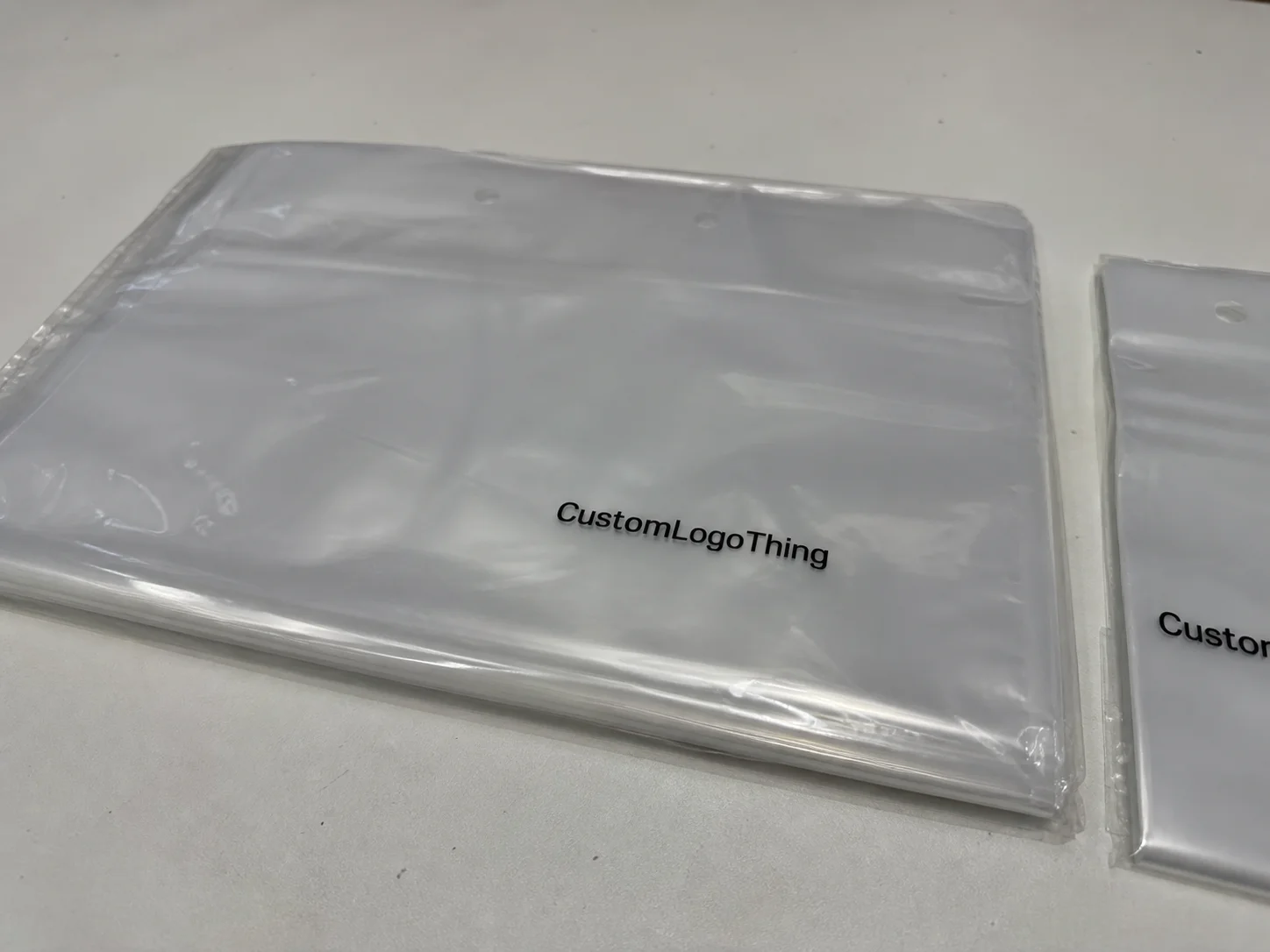
Buyer Fit Snapshot
| Best fit | To Heat Sealable Poly Mailers for Ecommerce Brands projects where brand print, material claims, artwork control, MOQ, and repeat-order consistency need to be specified before quoting. |
|---|---|
| Quote inputs | Share finished size, material target, print colors, finish, packing count, annual reorder estimate, ship-to region, and any compliance wording. |
| Proofing check | Approve dieline scale, logo placement, barcode or warning zones, color tolerance, closure strength, and carton packing before bulk production. |
| Main risk | Vague material claims, crowded artwork, missing packing details, or unclear freight terms can make a low unit price expensive after revisions. |
Fast answer: To Heat Sealable Poly Mailers for Ecommerce Brands: Film, Print, MOQ, and Carton Packing should be specified like a repeatable production item. The safest quote records material, print method, finish, artwork proof, packing count, and reorder notes in one written spec.
Production checks before approval
Compare the actual filled-product size with the drawing, then confirm tolerance on folds, seals, hang holes, label areas, and retail display edges. Reserve space for logos, QR codes, warning copy, and material claims before decorative graphics fill the panel.
Quote comparison points
Review material grade, print process, finish, sampling route, tooling charges, carton quantity, and freight assumptions side by side. A quote is only useful when the supplier can repeat the same color, closure quality, and packing count on the next order.
I watched a fulfillment team in Dongguan burn through $3,800 in re-ship costs in a single month because self-seal flaps kept popping in transit. Same products. Same courier lanes. They switched to a heat-sealed format, retrained two line leads, and split-package claims fell from 2.9% to 0.8% in six weeks. I remember standing by the outbound dock looking at the claim report and thinking, “This is what preventable pain looks like.” That swing is exactly why I wrote this guide to Heat Sealable Poly mailers: ecommerce teams need fewer guesses, fewer shipping failures, and fewer Friday-night fire drills.
If you run apparel, soft goods, refill packs, or high-volume pick-pack operations, this guide to heat sealable poly mailers can save money and spare your team recurring headaches. You’ll see how seals actually form, which film specs matter, where costs hide, how to test before rollout, and which mistakes keep showing up in client meetings from Los Angeles to Shenzhen. Most teams aren’t missing intelligence—they’re missing a repeatable system.
Guide to Heat Sealable Poly Mailers: What They Are and Why Brands Switch
A heat sealable poly mailer is a plastic mailer built with a sealant layer that bonds under controlled heat + pressure + dwell time. The concept is simple. The consequences of skipping process discipline are not. Any serious guide to heat sealable poly mailers has to start with one rule: material and machine are a matched set, not separate choices.
Plain-language version: peel-and-seal mailers use adhesive tape on a flap; heat sealable mailers form a welded closure line. That welded line is usually more tamper-evident and more stable under compression and vibration in long-haul courier networks. A solid seal often survives rough hub handling better than low-grade adhesive strips (and yes, I’ve seen “premium” adhesive fail in humid summer storage more times than I’d like to admit).
Brands mix up these four formats all the time:
- Peel-and-seal mailers: quick manual closure, adhesive quality shifts by supplier and storage humidity.
- Impulse-sealed bags: often unprinted stock bags sealed with tabletop jaws; useful for low-to-medium volume.
- Heat sealable custom poly mailers: printed or plain mailers with sealant layers made for controlled sealing.
- Courier satchels: broad category that may be peel-seal or heat-seal, often with different gauge and side-weld style.
Best-fit use cases include apparel packs, folded tees, leggings, baby textiles, plush accessories, refill pouches, and mixed SKUs where packers need consistent closure quality at speed. One client shipping 12,000 orders a week moved from 55 micron peel-and-seal to 60 micron co-ex film heat-seal mailers; damage-related returns dropped by 1.4 percentage points. Packaging cost rose by $0.021 per unit. Avoided replacement spend averaged $0.37 per affected order. The math settled the debate fast.
Heat sealable mailers still fail if the seal zone has lint, powder, oil, wrinkles, or overfill. Leaks and blowouts don’t care about good intentions. The best guide to heat sealable poly mailers includes the operational truth most teams skip: SOP discipline drives outcomes just as much as film spec.
You’ll get a full working framework here: sealing mechanics, material structures (LDPE/LLDPE/co-ex), pricing with real ranges, lead-time planning, pilot rollout steps, and practical fixes for the failures that repeat across programs. If you’re comparing formats across the wider packaging line, review Custom Poly Mailers and Custom Packaging Products.
How Heat Sealable Poly Mailers Work on the Packing Line
Sealing science is straightforward. Execution gets messy fast. Bond quality depends on four variables: temperature, dwell time, jaw pressure, and seal-area cleanliness. Miss one variable and seal strength drops—sometimes dramatically.
During a New Jersey warehouse visit, the team blamed film quality for channel leaks. The real cause was a shift change: an operator raised jaw temperature from 145°C to 178°C “for extra strength.” Film necked, warped, and formed microchannels at the edge. We reset to 152°C, increased dwell from 0.6s to 0.8s, and same-day failures dropped. I wasn’t surprised; overheating is the packaging equivalent of turning your shower handle all the way left and wondering why your skin hurts.
Sealant layers matter more than outer gauge
Most first-time buyers obsess over thickness. Wrong priority. A credible guide to heat sealable poly mailers puts sealant chemistry first. Reliable structures often use co-extruded LDPE/LLDPE blends engineered for hot tack and stable bonding. You can buy thicker film and still get weak seals if the sealant layer doesn’t match the sealer profile.
Common machine options
- Tabletop impulse sealers: strong fit for startups (200–1,500 bags/day), low capex, higher operator variability.
- Band sealers: continuous feed, stronger throughput (1,500–6,000/day), needs disciplined setup.
- Automated integrations: built for high-volume lines and form-fill workflows, tighter control with higher upfront spend.
Typical starting window for poly mailer seal jaws: 140–175°C, dwell 0.5–1.2 seconds, medium-firm pressure, then tune using supplier specs and live peel tests. No universal setting exists. Line speed, ambient temperature, and bag construction all shift the window.
What operators should check every shift
- Uniform seal bead across width (no thin corners).
- No channel leaks (often visible as uneven gloss lines).
- Quick peel checks on 5 random bags per hour.
- Spot burst checks during first hour after changeover.
Workflow design has direct impact. Pre-stage products by size, keep seal zones free of dust, and standardize fill height so top seal areas stay flat. If the fold line drifts into the seal zone by even 6–8 mm, defect rates climb quickly.
Teams often say, “We bought premium film, so we’re covered.” They aren’t. Premium film plus weak line discipline still fails. Any practical guide to heat sealable poly mailers has to include calibration logs, operator training, and visual defect standards, not just substrate data sheets.
Key Factors Before You Order Heat Sealable Poly Mailers
Lock six decisions before sending RFQs. Most expensive errors begin right there—quietly, then all at once.
Material structure: mono vs co-ex, virgin vs recycled
Mono-material PE can support recyclability claims in some regions, though seal behavior shifts by formulation. Co-ex films often deliver better seal reliability and puncture resistance. Virgin resin usually provides tighter consistency; PCR content can perform well too, but seal windows may narrow based on blend quality and supplier control.
A DTC apparel brand I worked with pushed 50% PCR without line testing first. Their first lot showed higher haze and narrower hot-tack tolerance. We adjusted the temperature profile and slowed conveyor speed by 12%. Performance recovered, but not before two rough weeks. I still remember the ops lead texting me at 10:47 p.m.: “Can we undo this tomorrow?” Short answer: not tomorrow.
Thickness and transit risk
Typical ranges I specify:
- 50–60 micron: light apparel, short domestic lanes, low abrasion.
- 60–75 micron: mixed soft goods, moderate courier stress.
- 75–90 micron: heavier packs, higher puncture risk, rougher networks.
Thicker film is not an automatic win. You can lose flexibility and pay more without practical benefit if the item is soft and compact.
Seal width and closure geometry
A 5 mm seal can pass sample-room checks and fail in actual logistics. I generally recommend 8–12 mm effective seal width for ecommerce mailers moving through multi-stop courier systems. Narrow seals save fractions of a cent and can trigger dollars in returns. This is one of those “cheap now, expensive later” decisions.
Print and branding constraints
Surface treatment, including corona treatment, affects ink adhesion. Matte and gloss finishes scuff differently. Tight brand colors on poly are achievable, but tolerance expectations need to be realistic. If brand teams expect coated-paper precision on flexible film, reset that standard early.
Compliance and sustainability language
Claims such as “eco-friendly” or “fully recyclable” need precise wording tied to local collection and sorting realities. Review EPA recycling resources and relevant certification pathways like FSC for paper-based components used in broader packaging systems.
Operational fit
Your decision in this guide to heat sealable poly mailers should align with existing equipment, operator skill, and throughput targets. A team with several new hires and no line technician usually benefits from a film with a wider process window. Attractive spec sheets won’t rescue unstable daily operation. A glossy PDF has never sealed a single bag.
Cost Breakdown: What Heat Sealable Poly Mailers Actually Cost
Real numbers matter more than vague “cost-effective” language. Unit pricing for heat sealable mailers moves sharply with volume, print complexity, and resin-market swings.
| Order Volume | Typical Spec Example | Estimated Unit Price (USD) | Notes |
|---|---|---|---|
| 5,000 units | 300 x 400 mm, 60 micron, 1-color print | $0.22–$0.34 | High setup burden per unit |
| 20,000 units | 300 x 400 mm, 60 micron, 2-color print | $0.14–$0.21 | Better plate amortization |
| 100,000 units | 320 x 420 mm, 65 micron, 2–3 colors | $0.08–$0.15 | Strong economies of scale |
| Container-level programs | Multi-SKU mix, 60–75 micron, custom finish | $0.06–$0.12 | Needs forecasting discipline |
Those ranges reflect negotiated quotes across supplier programs in Shenzhen, Wenzhou, and Ho Chi Minh City. Freight volatility can move landed cost by 8–20% depending on route and transport mode. Resin indices also swing quarter to quarter, so treat any quote older than 30–45 days as stale unless your contract locks material pricing.
Main cost drivers
- Resin grade and recycled content percentage
- Film thickness (micron) and bag dimensions
- Print colors and coverage area
- Matte/gloss or specialty finish layers
- Sealant layer complexity and tolerance targets
- Expected wastage allowance (often 2–5%)
Hidden costs people forget
Budget overruns usually come from plate/cylinder fees ($120–$600 per color, method-dependent), color-matching rounds, pre-production sample freight, import duty, inland trucking, and QC rework when lots miss seal spec. I’ve seen teams save $0.01 per unit and then lose $6,000 in reinspection and repacking labor. That is the kind of “savings” that makes finance stare at you in silence.
Model total landed cost, not ex-works fantasy pricing. Failure-rate math belongs in the model. If peel-and-seal saves $0.015 per bag but increases damage/opens by 1%, and each affected order costs $7.40 to replace (product + shipping + support time), the “cheaper” bag is expensive.
“We thought we were winning on unit cost until Sarah made us model return losses. The more expensive mailer saved us roughly $18,000/quarter.” — Ops Manager, US beauty brand shipping ~40,000 orders/month
Negotiation levers that actually work
- Consolidate SKUs: fewer sizes improve resin and print efficiency.
- Repeat PO commitments: quarterly forecasts can reduce costs by 4–9% in stable periods.
- Flexible delivery windows: helps factories optimize run scheduling.
- Realistic lead times: rush production carries premiums; planned runs price better.
If you want a useful guide to heat sealable poly mailers, treat supplier negotiation as a systems decision rather than a one-time quote fight. Compare alternatives across your broader Custom Packaging Products mix if mailers are only one part of fulfillment.
Step-by-Step Setup: Sampling, Testing, Production, and Timeline
I run implementation in five steps. Skip one step and the problem usually surfaces during a volume spike. I learned this the hard way years ago on a holiday program where we rushed print approval and paid for it with three weekends of manual repacks (I still have the coffee habit from that month).
Step 1: Define shipping reality before RFQ
List exact product set, packed dimensions, fill weight, and transit profile (zone, courier type, handling intensity). A 280 x 380 mm mailer for 220 g tees needs a different puncture and seal margin than a 350 x 450 mm pack carrying 900 g mixed items.
Step 2: Request data and unprinted fit samples first
Ask for material structure details, target seal window, and unprinted fit samples. Hold custom print decisions until fit and seal feasibility are proven. That step alone has saved clients two to three weeks and thousands in preventable rework.
Step 3: Run sealing trials on your actual line
Lab results help. Real-line results decide. Document temperature, dwell, pressure, and pass/fail by lot. Test at least three settings across low/mid/high temperature bands and record peel outcomes. Keep 20 retention samples per setting.
Step 4: Approve artwork with seal-safe zones
Lock a dieline that defines no-print seal zones, barcode placement, and bleed margins. I’ve seen barcodes placed too close to seal lines and then fail scans after scuffing. Fixing that after bulk print is slow and costly.
Step 5: Pilot, inspect, then scale
Start with a controlled pilot (for example, 5,000–15,000 units), inspect incoming lots, and scale only after defect rates hold below the agreed threshold (I often use <0.5% seal-related defects for go-live).
Realistic timeline you can plan around
- Quote + technical review: 2–5 business days
- Sample production + shipping: 7–14 business days
- Line trials + adjustments: 3–7 business days
- Artwork final + print prep: 4–8 business days
- Pilot production: 10–15 business days
- Mass production: 12–20 business days
- Freight buffer: 7–35 days depending on mode
Total launch window usually lands between 5 and 10 weeks. Faster launches are possible, but rushed approvals create hidden failure costs. Missing a promo by five days hurts less than swallowing six weeks of returns. I know that sounds dramatic, but anyone who has done reverse logistics in peak season knows it’s not.
Handoff checklist between teams
- Procurement: approved supplier spec sheet, MOQ, incoterm, defect agreement
- Warehouse ops: approved machine settings by SKU and shift-level check cadence
- QA: incoming inspection plan (AQL level, sample size, retention process)
- Design: locked artwork with seal-safe and print-safe zones
- Customer support: issue coding for package-open incidents to monitor trends
That checklist is the unglamorous core of any serious guide to heat sealable poly mailers. If no owner is assigned to each line item, everyone assumes someone else handled it—and that assumption is where preventable defects are born.
Common Mistakes with Heat Sealable Poly Mailers (and How to Fix Them Fast)
The same six failures keep resurfacing, no matter the brand size.
1) Choosing by thickness alone
Fix: validate sealant chemistry and run bond tests. A 70 micron film with weak sealant can underperform a 60 micron film with a stronger co-ex structure.
2) Sealing through wrinkles, lint, or dust
Fix: enforce packing SOPs. Keep the top 15–20 mm clear, flatten the seal area, and add quick visual checks before jaw closure.
3) Overheating jaws to “make it stronger”
Fix: calibrate heat windows weekly. Excess temperature distorts film and weakens edges. Use maintenance logs and independent thermometer verification.
4) Artwork approved without seal-area planning
Fix: lock print-safe and seal-safe zones on the dieline. Keep critical copy and scannable codes away from thermal stress lines.
5) Trusting COA only, skipping incoming QC
Fix: run random lot checks, peel-test samples, and keep retention bags. Supplier COAs are useful, but not enough on their own.
6) Underestimating lead-time risk
Fix: set reorder points from actual consumption and transit variability. If you import, hold safety stock for at least 6–8 weeks.
One more failure deserves mention: teams change film and skip operator retraining, then blame suppliers. That diagnosis is often wrong. A credible guide to heat sealable poly mailers has to cover people and process, not only materials. I’ve had uncomfortable meetings where everyone wanted a material scapegoat, and the culprit was a settings sheet from six months earlier taped to the wrong machine. Frustrating? Extremely. Common? Also yes.
Use distribution testing standards from ISTA for transit validation. Even lightweight mailers should be tested against actual courier conditions rather than assumptions.
Expert Playbook: Next Steps to Implement Heat Sealable Poly Mailers This Month
Here’s a practical 30-day rollout plan. If you execute this with discipline, you’ll get signal quickly and avoid expensive guesswork.
Week 1: Specification and vendor shortlist
- Define 2–3 target SKUs by size and weight band.
- Create RFQ with exact specs: dimensions, micron, print colors, target seal width, monthly usage.
- Shortlist 3 vendors and request lead-time and defect-response commitments in writing.
Week 2: Samples and line trials
- Run unprinted sample fit checks and seal trials on actual equipment.
- Document temperature, dwell, and pressure by test lot.
- Reject suppliers that cannot provide consistent technical data within 24–48 hours.
Week 3: Artwork, pilot PO, and SOP drafts
- Approve artwork with seal-safe zones and barcode placement.
- Place pilot PO with clear acceptance criteria (defect threshold + delivery window).
- Draft receiving inspection checklist and a visual defect guide for warehouse teams.
Week 4: Pilot validation and go/no-go
- Inspect incoming pilot lots and run courier-simulation checks.
- Track seal failure rate, packing speed impact, and repack labor minutes.
- Roll out only if KPIs are met (example: defect <0.5%, pack-speed loss no greater than 3%).
Vendor scorecard I actually use
- Seal consistency: 30%
- Communication speed: 20%
- Defect response time: 20%
- Landed cost clarity: 20%
- Documentation quality: 10%
A cheap supplier that goes silent during defects erases every pricing advantage. I’ve removed “low-cost” vendors after 72-hour no-response events. That standard is non-negotiable.
Test protocol template
- Drop-test sequence aligned to parcel profile
- Seal peel checks (hourly sampling)
- Courier simulation batch (minimum 100 parcels)
- Customer unboxing feedback for first 500 live orders
Inventory strategy that prevents panic buying
Carry 6–8 weeks of coverage, split inbound shipments if cash flow is tight, and keep one backup neutral mailer SKU compatible with line settings. That backup logic has saved launches when printed inventory slipped. I keep calling it the boring backup plan, but boring is exactly what you want during peak.
Final move: send your RFQ today with exact spec fields, book the sealing trial date, and define go/no-go criteria tied to defect rate and cost per shipment. If your team is gonna do only three things this week, do those three. That’s how a practical guide to heat sealable poly mailers turns into measurable results.
To wrap up, this guide to heat sealable poly mailers is built for operators, procurement leads, and founders who are tired of avoidable returns: Choose the Right film structure, validate on real equipment, model landed cost honestly, and lock SOPs before scale. Teams that follow that sequence usually ship with fewer opens, fewer split packages, and less daily firefighting. My one disclaimer: no guide can guarantee zero failures in every courier lane. But a disciplined process will kinda stack the odds in your favor, and fast.
What Is a Guide to Heat Sealable Poly Mailers and Why Does It Matter?
A guide to heat sealable poly mailers is a practical decision framework covering film selection, sealing process control, transit testing, and landed-cost modeling. It matters because packaging failures are rarely random; they’re usually process failures in disguise. Teams that follow a structured guide reduce seal defects, cut re-ship costs, and improve throughput consistency across ecommerce packaging lines.
FAQs
What are heat sealable poly mailers best used for?
They work best for soft goods and non-fragile products where tamper evidence and closure reliability matter, especially in apparel and refill programs. They also fit high-volume fulfillment lines that need consistent throughput. Sharp-edged products may require protective inner packaging or a different outer format to reduce puncture risk.
Are heat sealable poly mailers stronger than self-seal mailers?
Often yes, assuming the heat-seal process is properly set. A well-formed thermal bond is usually more stable under transit stress than many adhesive strips. Performance still depends on film structure, seal width, and machine settings, not micron alone. Run peel and transit tests before full rollout.
How much do custom heat sealable poly mailers cost per unit?
Unit pricing can range from roughly $0.06 to $0.34+ based on size, thickness, print complexity, and order quantity. Small runs absorb more setup cost; larger runs reduce unit economics sharply. Always calculate landed cost including freight, duties, wastage, and re-ship risk tied to failures.
What sealing temperature should I use for heat sealable poly mailers?
No single universal temperature exists. The target depends on sealant chemistry and machine type. Start with supplier guidance (often 140–175°C for many PE structures), then tune dwell and pressure through real production trials. Lock a validated process window and train operators to keep it stable.
How long does it take to launch custom heat sealable poly mailers?
A typical rollout includes specification, sampling, line testing, artwork approval, pilot, then mass production. Many teams complete launch in about 5–10 weeks depending on print method, MOQ, and freight mode. Build schedule buffer for revisions, QC checks, and first-shipment inspection.