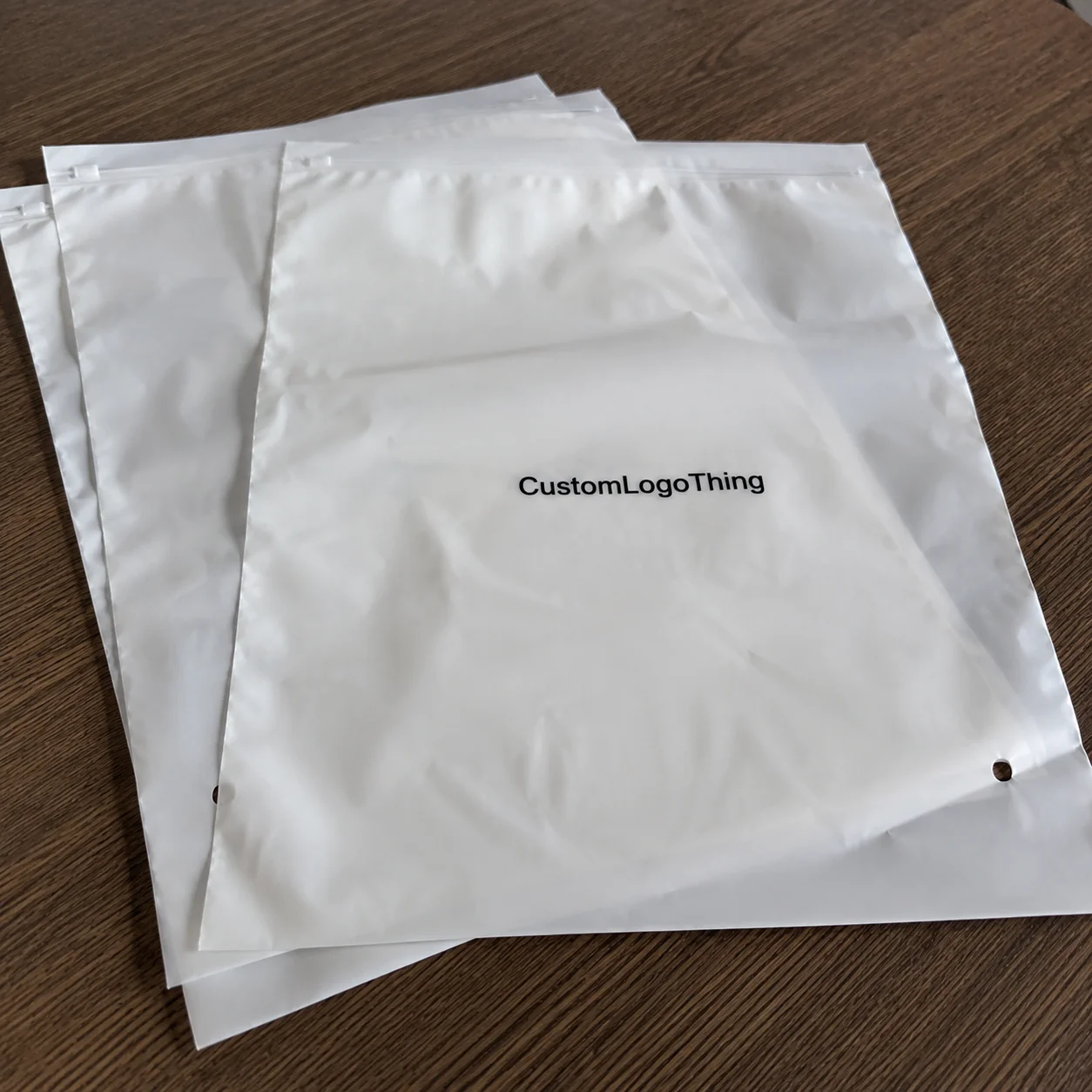
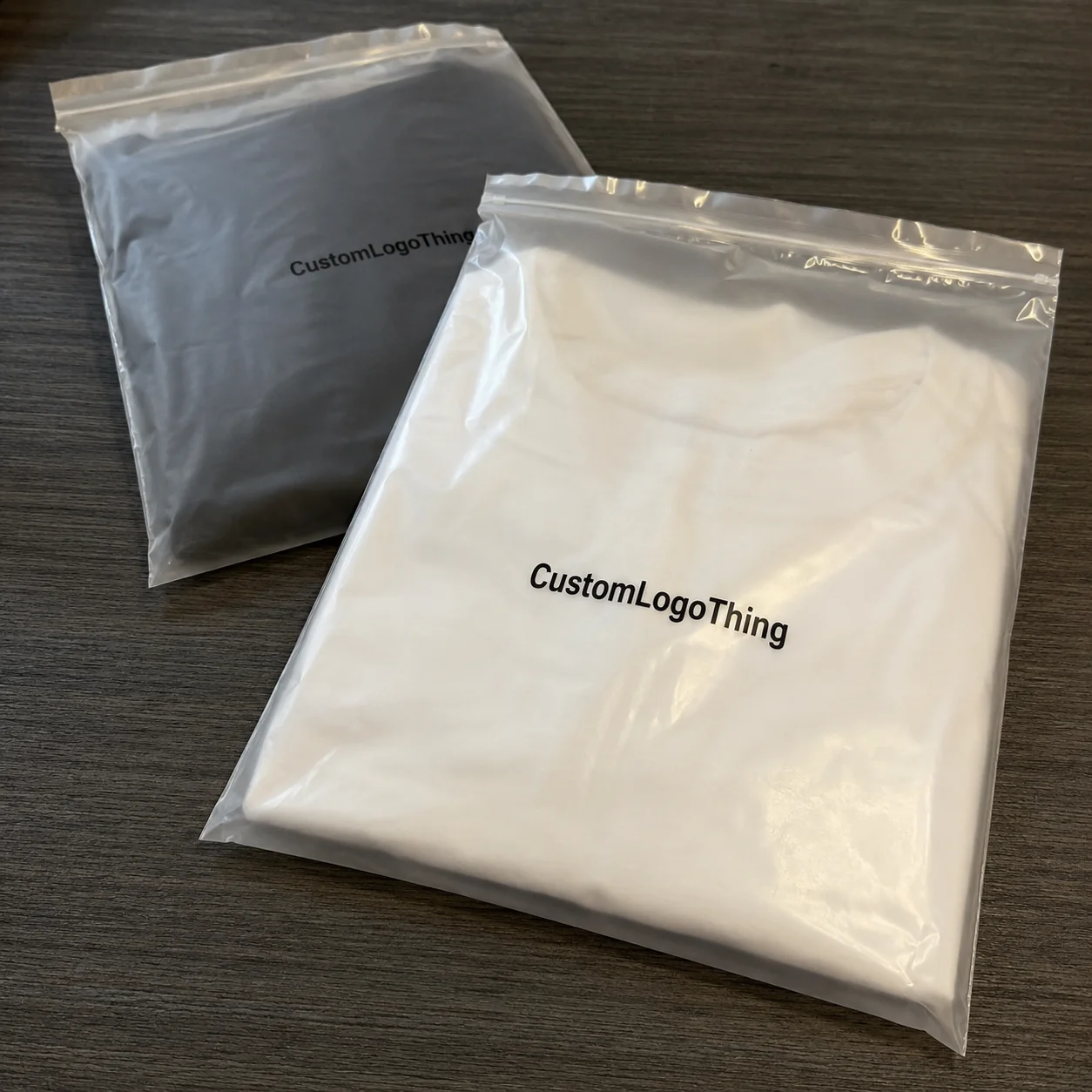
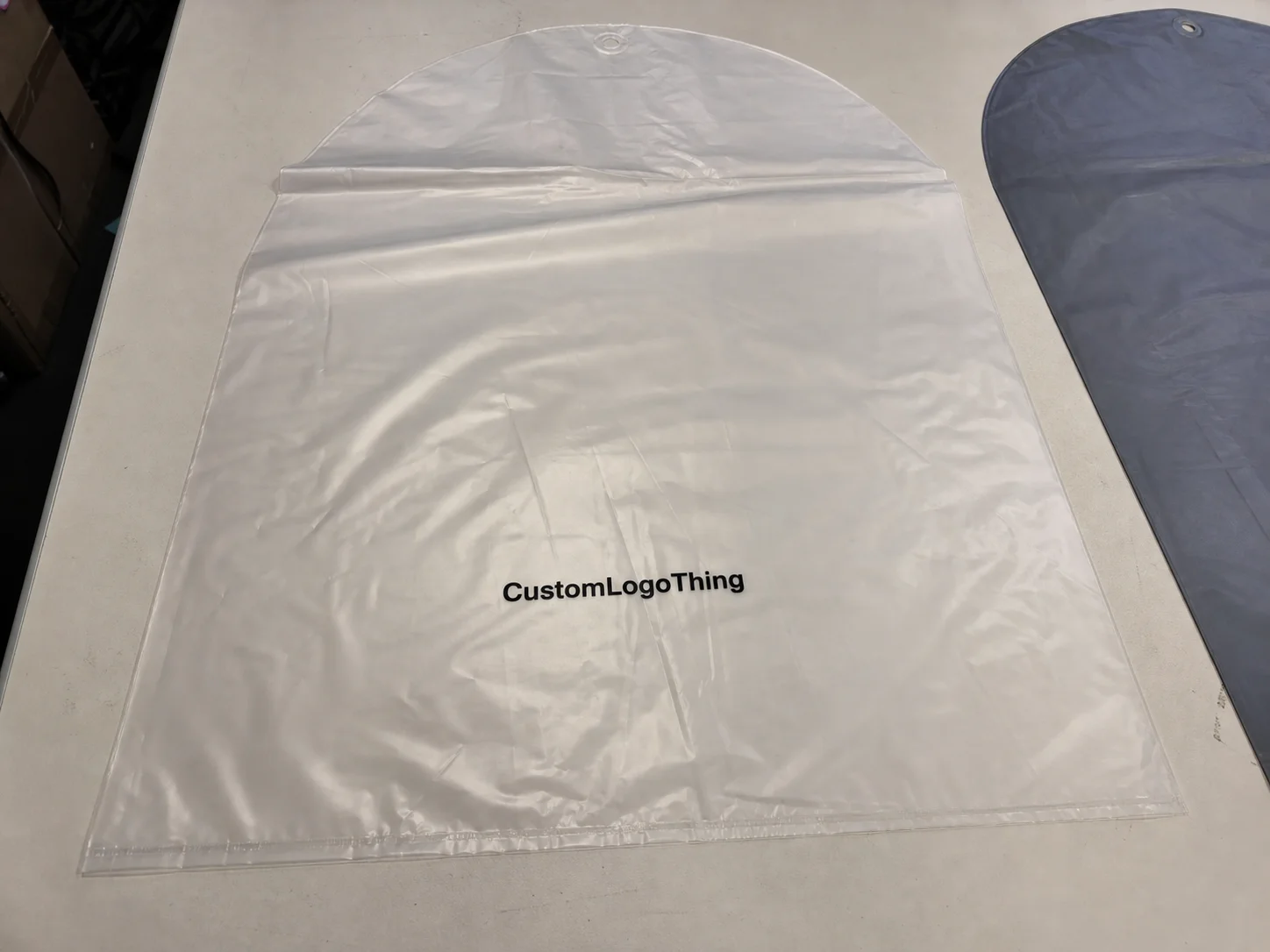
Buyer Fit Snapshot
| Best fit | to holiday packaging planning for packaging buyers comparing material specs, print proof, MOQ, unit cost, freight, and repeat-order risk where brand print, material, artwork control, and repeat-order consistency matter. |
|---|---|
| Quote inputs | Share finished size, material target, print colors, finish, packing count, annual reorder estimate, and delivery region. |
| Proofing check | Approve dieline scale, logo placement, barcode or warning zones, color tolerance, and any recyclable or compostable wording before bulk production. |
| Main risk | Vague material claims, crowded artwork, or missing packing details can create delays even when the unit price looks attractive. |
Fast answer: To Holiday Packaging Planning: Material, Print, MOQ, and Cost should be specified like a repeatable production item. The safest quote includes material, print method, finish, artwork proof, carton packing, and reorder notes in one written spec.
What to confirm before approving the packaging proof
Check the product dimensions against the actual filled item, not only the sales mockup. Ask for tolerance on folds, seals, hang holes, label areas, and retail display edges. If the package carries a logo, QR code, warning copy, or legal claim, reserve that space before decorative graphics fill the panel.
How to compare quotes without losing quality
Compare board or film grade, print process, finish, sampling route, tooling charges, carton quantity, and freight assumptions side by side. A lower quote is only useful if the supplier can repeat the same color, closure quality, and packing count on the next order.
If you need a guide to holiday packaging planning that sounds like it came from someone who has actually argued with a factory on a deadline, you’re in the right place. I’ve watched brands lose two weeks because they approved artwork with the wrong dieline, and I’ve watched the organized ones lock in seasonal packaging early and save $0.12 to $0.28 per unit by dodging rush fees and last-minute freight chaos. On a 20,000-piece run, that’s $2,400 to $5,600 back in your pocket. That’s what a real guide to holiday packaging planning does. It saves money before the panic sets in.
Holiday packaging is not just “make it look festive and hope for the best.” It’s design, sourcing, budgeting, sampling, production, and shipping all colliding under pressure. A solid guide to holiday packaging planning helps ecommerce brands, retail teams, and gifting companies keep their custom printed boxes on schedule, protect margins, and avoid the charming little disaster where your product shows up in a plain brown mailer during peak season. I’ve seen that happen in Ningbo and again in Chicago. Not exactly the holiday magic anyone ordered.
At Custom Logo Things, I’ve seen brands treat seasonal packaging like a side task and then act shocked when the factory quote includes a 20% rush surcharge. The brands that book early usually get better board stock availability, cleaner proofing, and more room to negotiate. On one order from Guangzhou, the early planner paid $0.39/unit for 8,000 folding cartons, while the late one paid $0.49/unit for a nearly identical spec. This guide to holiday packaging planning covers how the process works, what affects cost, how to build a timeline, and how to avoid the mistakes that burn cash and credibility.
What Is Holiday Packaging Planning and Why It Matters
Holiday packaging planning is the process of designing, sourcing, budgeting, approving, and producing seasonal packaging before the busy season eats every available production slot. In plain English, it means deciding what your product packaging should look like for the holidays, then getting every part lined up before your supplier’s calendar fills up with everyone else’s “urgent” orders. This guide to holiday packaging planning starts here because timing is where most brands either win or bleed money, especially when lead times in Shenzhen or Dongguan stretch from 12 to 15 business days after proof approval.
Why does it matter so much? Holiday buying is emotional. People gift more, spend faster, and judge presentation harder. I’ve watched a simple kraft mailer with a gold foil logo outperform a fancier box because the shipping was cleaner and the unboxing felt intentional. Good branded packaging improves shelf impact in retail, makes ecommerce parcels feel gift-ready, and helps repeat purchases because customers remember the experience as much as the product itself. That’s not poetry. That’s order data from brands selling into New York, Toronto, and Los Angeles.
One December, I visited a Shenzhen facility where two clients had nearly identical box specs: 350gsm C1S artboard, matte lamination, one-color inside print. One had approved in July. The other showed up late and wanted the same run in four weeks. The early client paid $0.41/unit at 10,000 pieces. The late client paid $0.53/unit plus $1,650 in expedited ocean freight. Same box. Different planning. That’s the kind of thing a practical guide to holiday packaging planning should make painfully obvious.
“The brands that book early are the ones that still have options when everyone else is begging for air freight quotes.” — a procurement manager told me during a supplier review in Dongguan, and honestly, he wasn’t being dramatic.
For ecommerce, retail, and gifting brands, holiday packaging planning also reduces stockouts and keeps fulfillment sane. If your packaging dimensions are off by even 3 to 5 mm, your shipping box may waste freight space or fail drop tests. If your retail packaging is too fragile, the holiday shelf turns into a dented mess by week two. A smart guide to holiday packaging planning accounts for product protection, visual branding, and logistics, because those three things stop being separate the second demand spikes in Q4.
And yes, this piece covers the full process: what holiday packaging planning is, how the workflow runs, what drives cost, the timeline you actually need, and the mistakes that show up right when your team thinks they’re done. The goal is simple. Use this guide to holiday packaging planning to keep your seasonal packaging on time and your budget from wandering off a cliff. If you want a reference point for styles, browse Custom Packaging Products before you sketch yourself into a corner.
How Holiday Packaging Planning Works From Brief to Shipment
Every workable guide to holiday packaging planning starts with a brief. Not a vague “make it festive.” A real brief. You need the product dimensions, sales channels, target quantity, shipping method, brand colors, and whether the box is meant for retail packaging, ecommerce shipping, or a gift set. The more clearly you define the job up front, the fewer expensive surprises show up after the proof. On one job out of Suzhou, a 2 mm error in width caused an insert to fail on 6,000 units. That mistake cost more than the sample run.
The workflow usually runs like this: concept brief, structural design, material selection, sample or pre-production proof, artwork approval, full production, quality check, and freight booking. Seasonal packaging often includes special finishes like foil stamping, spot UV, embossing, or soft-touch lamination. It may also require inserts, sleeves, or gift-ready outer wraps. That is why holiday work is different from standard packaging. You are not just printing a box. You are building a short-run brand moment under a deadline, often from factories in Shenzhen, Dongguan, or Xiamen with schedules booked 2 to 4 weeks in advance.
Here’s the simplified version I use with clients in my own guide to holiday packaging planning notes:
- Define the product needs — dimensions, weight, fragility, and where it ships.
- Choose the structure — tuck end, mailer, rigid, sleeve, or set box.
- Confirm materials — paperboard, corrugated E-flute, SBS, or rigid grayboard.
- Request samples — physical samples, not just a PDF that looks pretty on a laptop.
- Finalize artwork — dielines, bleed, PMS colors, and finish callouts.
- Lock production — PO, approval, timeline, and shipping terms.
Where do delays usually happen? Approval bottlenecks, mostly. I’ve sat in meetings where marketing wanted “one more seasonal message,” finance wanted “one more round of cost review,” and operations wanted “just confirm the shipping carton again.” That’s how a 10-day decision turns into a 4-week delay. The second common delay is print changes after sample approval. The third is freight booking during peak congestion, where your cargo sits because you forgot everyone else also wants boxes in October from the same ports in Shenzhen and Ningbo.
Another thing most people get wrong: they assume the supplier can “just fit it in.” Sometimes we can. Sometimes we can’t. In my factory visits, I’ve seen production lines scheduled down to the hour, especially in Dongguan where a rigid box line may be booked for 14 straight days. If your holiday packaging planning starts late, you are not entering a quiet lane. You’re trying to merge into a traffic jam with no signal and a bad attitude.
Up front, confirm the details that control the order. Ask for MOQ, lead time from proof approval, proof type, shipping terms like FOB or DDP, and whether the vendor is matching Pantone colors or printing by CMYK tolerance. If your brand is color-sensitive, specify it. Don’t assume. A good guide to holiday packaging planning should remind you that “close enough” is not a production standard. If the quote is for 5,000 pieces, ask for the exact unit price at 5,000, 10,000, and 20,000 units so you can compare real breakpoints.
One more practical note: ask whether your supplier has experience with custom printed boxes for holiday promotions specifically. Seasonal work can require tighter tolerances, more frequent proofing, and more coordination with storage or split shipments. If they only quote one structure and dodge your questions about sample turnaround, that’s your cue to keep looking. A strong guide to holiday packaging planning is as much about supplier selection as it is about design. For overseas production, I usually see sampling in 7 to 10 business days and full production in 12 to 18 business days after proof approval, depending on the plant in Guangzhou, Dongguan, or Yiwu.
For deeper standards and testing references, I often point clients to the ISTA testing framework and the EPA for material and sustainability context. If your product is going retail, that knowledge helps you avoid packaging that looks great and fails miserably in transit. Curious how many brands skip that step? More than they admit. I’ve seen retailers reject cartons in Shanghai because the corner crush performance missed the spec by a few points.
Key Factors That Shape Holiday Packaging Planning Costs
Any honest guide to holiday packaging planning has to talk about money. Packaging cost is not random. It follows very specific drivers: material choice, box style, print complexity, finishes, quantity, and logistics. If your quote is wildly different from another supplier’s, one of those factors is usually the reason. Or three of them. Usually three. A 350gsm C1S folding carton in Shenzhen is a different animal from a 2 mm rigid box wrapped in printed art paper from Dongguan.
Material choice is the first big one. A 24pt SBS folding carton does not cost the same as a 2mm rigid box wrapped in printed art paper. Corrugated mailers with one-color flexo print are different again. In holiday work, brands often upgrade from plain stock to something more tactile, like soft-touch lamination or foil stamping. Those choices matter for package branding, but they also add cost fast. I’ve seen a small foil accent add $0.08 to $0.16 per unit, which sounds tiny until you’re ordering 20,000 pieces and suddenly talking about $1,600 to $3,200 in extra spend.
Quantity changes everything. At 3,000 units, your unit price is going to be higher because setup costs are spread over fewer pieces. At 15,000 or 25,000 units, unit cost usually drops, but inventory risk rises if your holiday campaign underperforms. That tradeoff is central to any good guide to holiday packaging planning. Bigger runs are not always better. They are just cheaper per piece if you can actually move the stock. For example, a folding carton quote might be $0.52/unit at 3,000 pieces, $0.41/unit at 5,000 pieces, and $0.33/unit at 10,000 pieces from a plant in Guangzhou.
Here’s a practical comparison I use when clients are deciding between three common holiday packaging options:
| Packaging Option | Typical Use | Approx. Unit Cost at 5,000 pcs | Lead Time After Approval | Notes |
|---|---|---|---|---|
| Printed Mailer Box | Ecommerce shipments | $0.78–$1.10 | 12–18 business days | Good for shipping and unboxing, lighter freight |
| Folding Carton | Retail packaging | $0.32–$0.58 | 10–15 business days | Lower cost, best for shelf presentation |
| Rigid Gift Box | Premium gifting | $1.85–$3.40 | 18–28 business days | Stronger premium feel, higher labor and freight cost |
Now add finishes. Foil stamping, embossing, spot UV, flocking, magnetic closures, and custom inserts each push the budget up. Not always by a huge amount, but enough to matter. On one negotiation I handled for a cosmetics brand, switching from full-wrap foil to a foil logo plus matte lamination saved $2,300 on a 12,000-unit run. That brand still looked premium. They just stopped paying for decoration they didn’t need. Smart move. The factory in Shenzhen was happy too, because it cut one extra production step.
Freight, storage, samples, and rush fees are the sneaky costs. They love hiding until the invoice prints. If you’re shipping from Asia, peak-season ocean freight can jump enough to blow your margin, especially if you need air freight for a late correction. Then there’s warehousing if your packaging arrives too early and your team has nowhere to put it. This is one reason a serious guide to holiday packaging planning includes logistics, not just print specs. A carton that costs $0.41 at the factory can land at $0.57 or more once freight and duties are included.
I recommend building a budget buffer of 10% to 15% for holiday projects. That gives you room for sample rework, color correction, damaged cartons, or an expedited shipment if the calendar goes sideways. If you are doing branded packaging with multiple SKUs, maybe make it 15% to 18%. Seasonal launches have a funny way of producing one extra issue right when everyone wants to “keep it simple.”
For sustainability-minded brands, material selection also affects compliance and perception. FSC-certified paper can support your brand story, but only if your supplier can document it correctly. Ask for proof. Verify chain-of-custody claims. Real standards matter. The FSC site explains certification in plain terms, and that saves a lot of awkward back-and-forth when your retailer asks for paperwork. In my experience, suppliers in Xiamen and Zhejiang can provide the certificate faster if you ask before the PO, not after.
Honestly, the best guide to holiday packaging planning advice on cost is this: decide what must feel premium, then stop there. Every extra finish sounds nice in a meeting and looks expensive in production. Most brands only need one hero upgrade, not five. A 350gsm artboard with one foil hit and matte lamination will often do the job without turning your budget into confetti.
Step-by-Step Guide to Holiday Packaging Planning
This is the part of the guide to holiday packaging planning That Actually Saves people. The process is straightforward if you do it in order. The trouble starts when teams jump around because someone wants mockups before dimensions or a quote before the product weight is known. That’s how you end up with beautiful packaging that doesn’t fit the product. A masterpiece of bad planning from a factory in Qingdao, usually paired with a very expensive air shipment.
Step 1: Set holiday campaign goals. Decide what the packaging needs to do. Drive seasonal sales? Support a gifting bundle? Increase perceived value? Protect fragile items? I’ve seen brands set three goals and then wonder why the box tried to do all of them badly. Pick the primary outcome first. The whole guide to holiday packaging planning becomes easier when you choose the one thing the box must accomplish, whether that’s shelf appeal in Toronto or ecommerce protection in Phoenix.
Step 2: Audit your current packaging inventory. Check what you already have in stock, what can be reused, and what needs updating. Maybe your basic mailer is fine, but your insert tray needs a holiday print version. Maybe your shipping box is solid, but the sleeve should change. This is where a lot of companies save $800 to $4,000 by not redesigning everything. I love a good redesign. I also love not wasting money on one. A reprint of a sleeve in Guangzhou can cost $0.15/unit for 5,000 pieces if you keep the structure the same.
Step 3: Lock your seasonal design direction. Decide on the colors, messaging, and finishing style early. If your brand normally uses black and white, maybe the holiday version adds deep green, gold, or warm red without abandoning your identity. Good packaging design doesn’t scream “seasonal clearance aisle.” It still feels like the company. That balance is a key lesson in any seasoned guide to holiday packaging planning. I’ve seen brands in Milan and Los Angeles overdo the snowflakes by October 15, and the result looked cheap, not festive.
Step 4: Request samples. Not just digital renders. Ask for a physical sample, a white sample with the right structure, or a pre-production proof. Check the actual fold, print registration, insert fit, and carton strength. I once watched a client approve a beautiful PDF, only to discover the ribbon closure blocked the shipping label area. One small design flaw. Hundreds of boxes. Very expensive lesson. Physical sampling from a facility in Dongguan typically adds 7 to 10 business days, which is a bargain compared with reprinting 8,000 units.
Step 5: Confirm structural performance. If the box is going into ecommerce, test it with the real product weight. If it’s for retail, confirm shelf stacking and display fit. If it’s for gifting, test the unboxing moment with your actual ribbon, tissue, or insert. The right structure matters as much as the artwork. Sometimes more. A strong guide to holiday packaging planning should always push for real-world tests. I’ve seen 1.5 mm grayboard fail a corner crush test because the insert wasn’t doing its job.
Step 6: Build a reverse timeline. Start from the ship date and count backward through artwork approval, sampling, production, QC, and freight. This is where you identify the true deadline for your artwork files. Not the “ideal” deadline. The real one. I’ve found that brands usually underestimate this by 7 to 14 days, which is adorable until production starts slipping. If your proof approval lands on a Tuesday in November, your shipment may still need 12 to 15 business days before it leaves the port.
Step 7: Assign ownership. One person owns approvals. One person owns procurement. One person owns marketing sign-off. If everyone is responsible, nobody is. A practical guide to holiday packaging planning is really an accountability tool in disguise. I’ve watched teams in Atlanta and Vancouver save themselves by naming a single approver and sticking to it.
Here’s a simple checklist you can use before contacting a supplier:
- Final product dimensions and weight
- Target quantity by SKU
- Brand assets, logo files, and Pantone colors
- Preferred box style or reference samples
- Required finish level: matte, gloss, foil, embossing, or none
- Desired ship date and buffer date
- Budget range, including freight
One factory-floor anecdote that still sticks with me: a buyer once walked in with only a logo PNG and said, “We need holiday boxes next month.” No dimensions. No quantity. No shipping destination. We spent 45 minutes just reconstructing the spec sheet before even talking price. That isn’t planning. That’s a rescue mission. A proper guide to holiday packaging planning prevents that mess, especially when the production plant is already booked in Shenzhen or Dongguan.
Holiday Packaging Planning Timeline: When to Start and What to Do
The timeline is where the panic tax lives. The earlier you start holiday packaging planning, the more options you have and the less you pay for urgency. That’s not theory. It’s what I’ve seen after years of supplier negotiations and late-night proof review sessions with clients who discovered, at the worst possible time, that shipping from proof approval still takes weeks. A disciplined guide to holiday packaging planning always treats time as a budget line, especially for factories in Guangzhou that typically need 12 to 15 business days from proof approval to finish a standard carton run.
A realistic timeline usually looks like this: strategy and budgeting first, concept design next, sample approval after that, then full production, then freight. For a custom box order, it can take 10 to 15 business days for sampling, another 12 to 20 business days for production, and 5 to 30 days for transit depending on where it ships from and how it moves. If you are in peak season, add a buffer. The calendar does not care that your launch date is “non-negotiable.” I’ve had ocean freight from Ningbo take 24 days door to door and air freight solve the problem for $1,200 more. That’s why dates matter.
For startups, a leaner timeline can work if the packaging is simple and the order quantity is small. Maybe you can do a 2,000-unit mailer run with one-color print and no fancy finish. For larger brands, plan farther ahead because approvals are slower, the art files are more complex, and the inventory stakes are higher. That’s one of the main reasons this guide to holiday packaging planning keeps repeating “start early.” Because the math says so. A 5,000-piece simple mailer in Yiwu may be ready in 12 business days, but a Rigid Gift Box in Dongguan can take 20 to 28 business days before freight even starts.
Internal milestone dates help keep the whole team aligned. I like to set three dates that matter: concept lock, sample approval, and final production sign-off. Marketing gets one. Operations gets one. Procurement gets one. If somebody misses theirs, you know exactly who slowed the train down. Very efficient. Also very revealing. Put those dates on a calendar with exact times, like 3:00 p.m. on September 18, not just “mid-month.”
Here’s a practical holiday packaging planning timeline you can adapt:
- 8–12 weeks before ship date: define goals, budget, and packaging style
- 6–10 weeks before ship date: finalize artwork direction and request samples
- 4–8 weeks before ship date: approve samples and lock purchase order
- 2–6 weeks before ship date: production, QC, and freight booking
- 1–2 weeks before ship date: receiving, inspection, and fulfillment prep
Is that timeline flexible? Sometimes. But only if your supplier has slack in the schedule, which during holiday season is rare. A better guide to holiday packaging planning assumes less slack, not more. Brands that leave “just enough” time usually end up paying for it in air freight. I’ve seen a freight bill jump from $480 ocean to $1,980 air because a proof approval landed three days late.
I’ll be blunt. If your holiday packaging has more than two SKUs, a special insert, and a new finish, you should not be starting from zero in the middle of peak season. That’s not bold. That’s avoidable stress. The smartest holiday packaging planning teams move early and keep the process boring. Boring is profitable. So is approving artwork before the factory in Xiamen shuts down for the weekend.
Common Holiday Packaging Planning Mistakes to Avoid
The biggest mistake in any guide to holiday packaging planning is waiting too long. That sounds obvious because it is, yet I still see it every season. A brand decides in late October that it wants a custom holiday sleeve, then acts surprised when suppliers are already committed. By then, your choices shrink, your lead time stretches, and your budget picks up extra charges like it’s collecting souvenirs. I’ve seen quotes jump 18% to 25% just because the order landed after the October queue filled in Shenzhen.
Another common mistake is underestimating approval time. It only takes one internal review cycle to wreck a production schedule. I’ve watched a project sit for nine business days because legal wanted to confirm one phrase on the back panel. Nine days. For a sentence. A useful guide to holiday packaging planning should remind teams to pre-approve common claims, icons, and compliance copy before design starts, ideally before the first proof is requested from the factory in Dongguan.
Late artwork changes are brutal. Changing a logo size, switching foil color, or adjusting copy after sample approval can trigger a new proof or even a full reprint. A buyer once asked me to “just move the snowflake pattern 6 mm to the left.” On a complex print job, that meant new plates and a delay of seven business days. Small change. Large headache. Holiday packaging is not the place for creative wandering, especially when the box has already been quoted at $0.46/unit for 10,000 pieces.
Skipping physical samples is another classic mistake. Screens lie. Lighting lies. Paper thickness lies. A sample tells you if the closure works, if the ink density is consistent, and if the box survives handling. In a proper guide to holiday packaging planning, sampling is non-negotiable, especially for premium packaging and retail packaging where presentation matters directly. A pre-production sample from Guangzhou or Suzhou can reveal a 4 mm insert misfit before you pay for the full run.
Budget mistakes show up fast too. Brands often price only the unit cost and forget freight, storage, customs clearance, sample freight, and rework. Then the final spend is 12% to 25% above the initial estimate and finance starts asking very unfriendly questions. If the packaging is coming from overseas, your landed cost matters more than the factory quote. Every time. I’ve seen a quote of $0.38/unit turn into $0.61 landed after freight, duty, and warehousing were added.
Another error: overordering the wrong SKU. I’ve seen a team order 18,000 units of the more premium holiday carton because it looked better in renderings, then sell out of the base product first. Now they have beautiful boxes and no inventory to ship in them. Excellent. Truly inspiring. This is why a grounded guide to holiday packaging planning always ties packaging volume to sales velocity. If SKU A moves 3 times faster than SKU B, don’t give both the same packaging budget or quantity plan.
Finally, don’t let seasonal trends erase your brand. If your identity is clean and modern, a box covered in heavy glitter, four fonts, and a giant snowman is not “festive.” It’s identity drift. The best branded packaging feels seasonal without becoming a costume. That balance is harder than it looks, and it’s a core part of package branding done well. A holiday carton from Milan doesn’t need to look like a Christmas market exploded on it.
Expert Tips for Better Holiday Packaging Planning Outcomes
If you want this guide to holiday packaging planning to actually help you next season, build a reusable framework now. Keep your box specs, dielines, approved finishes, and vendor contacts in one place. Next year, you’re not starting from scratch. You’re starting with a file that already saved you 20 hours. I keep a shared sheet with dimensions, material grades, and finished weights so I don’t have to chase the same answer twice.
Pick one or two premium upgrades that matter most. Maybe that’s foil on the logo and a soft-touch finish. Maybe it’s an embossed pattern and a custom insert. Do not stack five finishes just because they sound luxurious. I’ve seen brands spend $0.47 extra per unit on decoration that customers barely noticed. That money could have gone into better inserts, stronger board, or cleaner freight. A sharp guide to holiday packaging planning helps you spend where customers actually feel the difference. On a 15,000-unit run, a $0.20 save is $3,000. Real money. Not decorative fantasy.
Get a sample kit and test it in actual conditions. Put the box on a packing line. Drop it from a worktable height of 30 to 36 inches if the product is fragile. Ship a few units to a real address. See how it holds up. I’ve watched a gorgeous sleeve warp after 48 hours in humid storage because nobody checked the coating spec. Humidity is rude like that. In one case in Xiamen, a matte laminate held up; in another, the same look with the wrong coating bubbled after a week.
Here’s a supplier-negotiation tip I learned the hard way: clarify what is locked and what can flex. Lock the board grade, the print method, the finish, and the ship date assumptions. Leave room to flex on secondary details if needed, but identify which changes trigger added charges. That conversation alone can save you $200 to $900 in surprise revisions. A practical guide to holiday packaging planning should always include that kind of pre-emptive clarity. Ask for the cost difference between 5,000 and 10,000 pieces before you commit.
Batch your decisions. Don’t approve the structural design one week, the artwork the next, and the shipping carton a week later if all three are related. That creates revision loops and slows procurement. Consolidating approvals keeps the supplier moving and reduces the number of times your team has to re-open the same file. Efficient. Slightly boring. Very useful. I’ve watched a coordinated approval path save 6 business days on a run out of Guangzhou.
I also recommend asking for a digital press proof or a color-managed sample if your brand is picky about tone. Deep red, dark green, metallic gold, and black can all shift if the printer is not controlling color correctly. In my experience, a decent supplier will tell you up front whether they can hit your target within a Delta E tolerance or whether a minor shift is normal. Trust that honesty. If they avoid the conversation, that’s not a good sign. A factory in Dongguan that can show a color bar report is usually worth the extra email.
One more thing: think about how the packaging will photograph. Holiday campaigns often live on social media, in email banners, and on retail shelves. A good guide to holiday packaging planning considers not just the box in hand, but the box in light. Matte coatings reduce glare. Foil catches highlights. Gloss can show fingerprints. These details affect package branding more than people expect, especially when the product is shot under 5600K studio lights in a New York content room.
For brands that want an easy starting point, using a base structure from Custom Packaging Products and then layering holiday-specific artwork is often the cleanest path. It shortens design time, keeps dimensions consistent, and reduces the risk of making a seasonal box that doesn’t fit your fulfillment process. That’s the kind of practical choice a solid guide to holiday packaging planning should encourage. A standard mailer with a custom sleeve can also cost less than a fully custom rigid box by $0.60 to $1.20 per unit.
Next Steps for Your Holiday Packaging Plan
If you’re ready to move, start with a checklist. That sounds basic because it is, and basic is good when the season gets busy. Gather your product dimensions, target quantity, artwork files, budget range, shipping destination, and preferred box style. Then map your deadline backward so you know exactly when approvals need to happen. A strong guide to holiday packaging planning always ends in action, not theory. If your ship date is November 20, your sample approval should probably be locked by late September, not Halloween.
Assign one owner for approvals. One person. Not four people “providing input.” That owner should be able to sign off on dielines, samples, and final artwork without checking with half the company. If you want the order to move, somebody has to drive. In my experience, one clear owner in operations or procurement saves at least 3 to 5 business days on a seasonal packaging run.
Compare at least two packaging options on cost, lead time, and shipping efficiency. A rigid box might look better, but a printed mailer may ship cheaper and arrive faster. A folding carton may be less dramatic, but it can support a cleaner margin. The right choice depends on your product and channel, not on which mockup got the most likes in Slack. I’ve seen a $0.92 rigid box lose to a $0.44 mailer because the freight on the rigid box was $0.18 higher per unit.
Set a sample review date and a final sign-off date now. Put them on the calendar. Then protect them like launch dates, because for seasonal packaging, that’s what they are. The best guide to holiday packaging planning isn’t the one with the prettiest advice. It’s the one that keeps your team from drifting into peak season with unfinished files and wishful thinking. A good supplier in Shenzhen or Guangzhou can work fast, but they cannot fix a missing approval letter.
My honest advice? Start now, even if your holiday campaign still feels far away. I’ve seen enough rushed jobs to know that panic makes people expensive and indecisive. Good guide to holiday packaging planning work gives you room to negotiate, room to test, and room to sell. That’s the whole point. If you want better pricing, cleaner proofs, and fewer surprises, the calendar needs to move first.
And if you remember only one thing from this guide to holiday packaging planning, make it this: seasonal packaging works best before the panic begins. The brands that plan early get better pricing, cleaner samples, fewer surprises, and Packaging That Actually supports the sale instead of fighting it. That usually means working with a factory in Guangzhou, Dongguan, or Shenzhen while everyone else is still asking for “something festive” in late October.
FAQs
How early should I start holiday packaging planning for custom boxes?
Start as soon as your holiday promo calendar is set. For most custom boxes, you need time for design, sampling, approval, production, and shipping, which often adds up to several weeks before the boxes are in your warehouse. A backward timeline from your ship date makes the real deadline obvious, and that is usually earlier than people expect. For a factory in Shenzhen or Dongguan, proof approval to finished production can take 12 to 18 business days on a standard run.
What is the biggest cost driver in holiday packaging planning?
Quantity and material choice usually have the biggest impact on unit cost. If you add premium finishes like foil, embossing, or special coatings, the budget climbs quickly. Freight, storage, and rush production can also become surprise expenses if they are not planned early. A folding carton at $0.36/unit for 10,000 pieces can look affordable until ocean freight, duties, and local delivery add another $0.08 to $0.15 per unit.
How do I choose the right packaging style for the holidays?
Match the packaging style to the product size, shipping method, and customer experience you want. Rigid boxes work well for premium gifting, mailers are often better for ecommerce shipping, and inserts matter when product protection is a priority. I always recommend testing the style with actual products before finalizing the run. If the box is for a 1.2 kg product, ask the supplier to build the sample in the same board grade, such as 350gsm C1S artboard or 2 mm grayboard, not a lighter placeholder.
What should I include in a holiday packaging budget?
Include design, samples, production, finishes, freight, storage, and a contingency for revisions or damaged units. If your timeline is tight, add room for rush charges too. Budgeting only for unit price is how brands end up with painful surprises later. I usually tell clients to build a 10% to 15% buffer, or 15% to 18% if they are managing multiple SKUs from factories in different regions like Guangzhou and Ningbo.
How do I avoid delays in holiday packaging planning?
Lock the timeline early and assign one decision-maker for approvals. Approve dielines, artwork, and samples quickly so the supplier can keep production moving. Late-stage changes are the biggest cause of reprints and missed ship dates, so avoid them whenever possible. If your supplier says production starts 12 to 15 business days after proof approval, treat that as a hard date, not a suggestion.