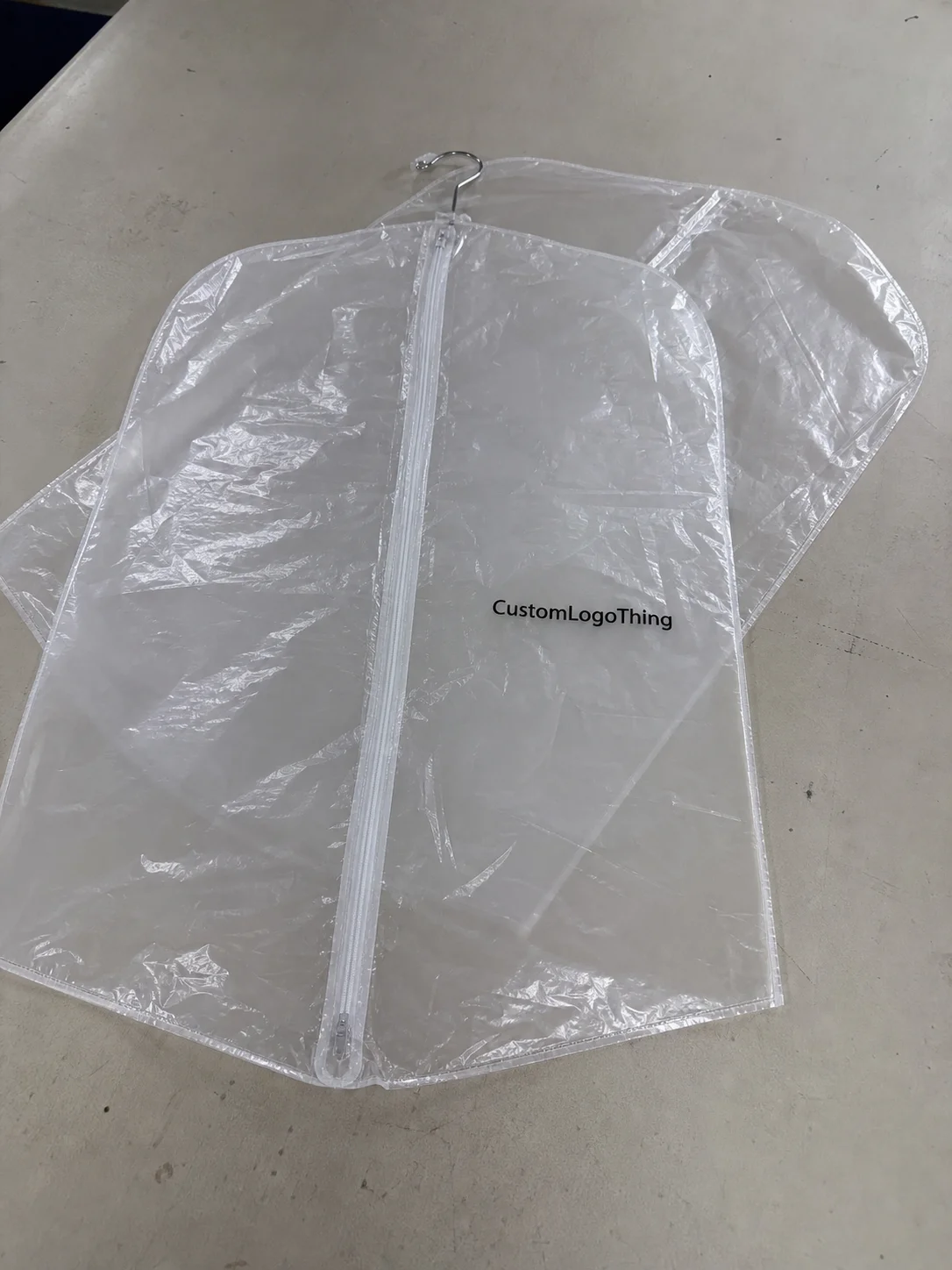
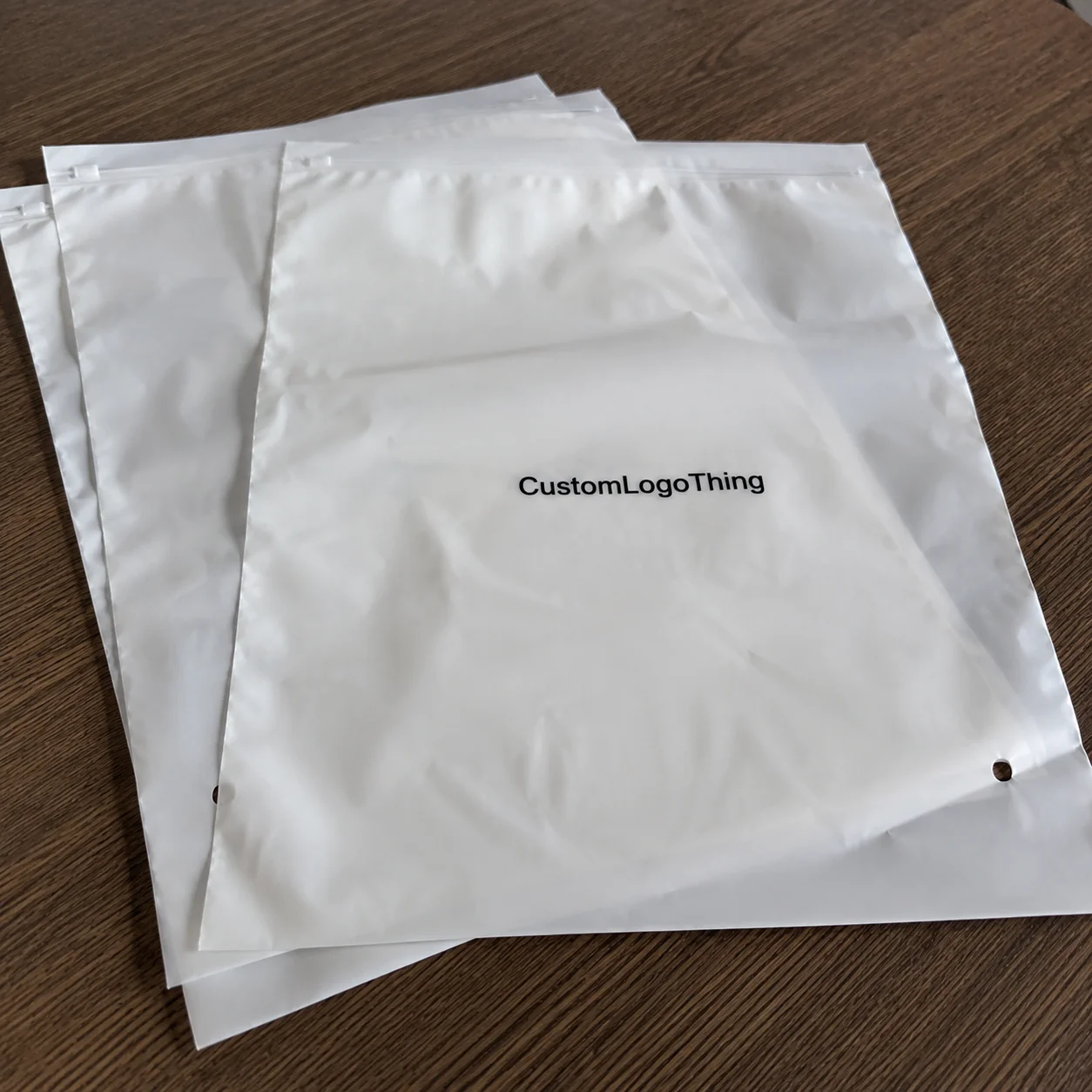
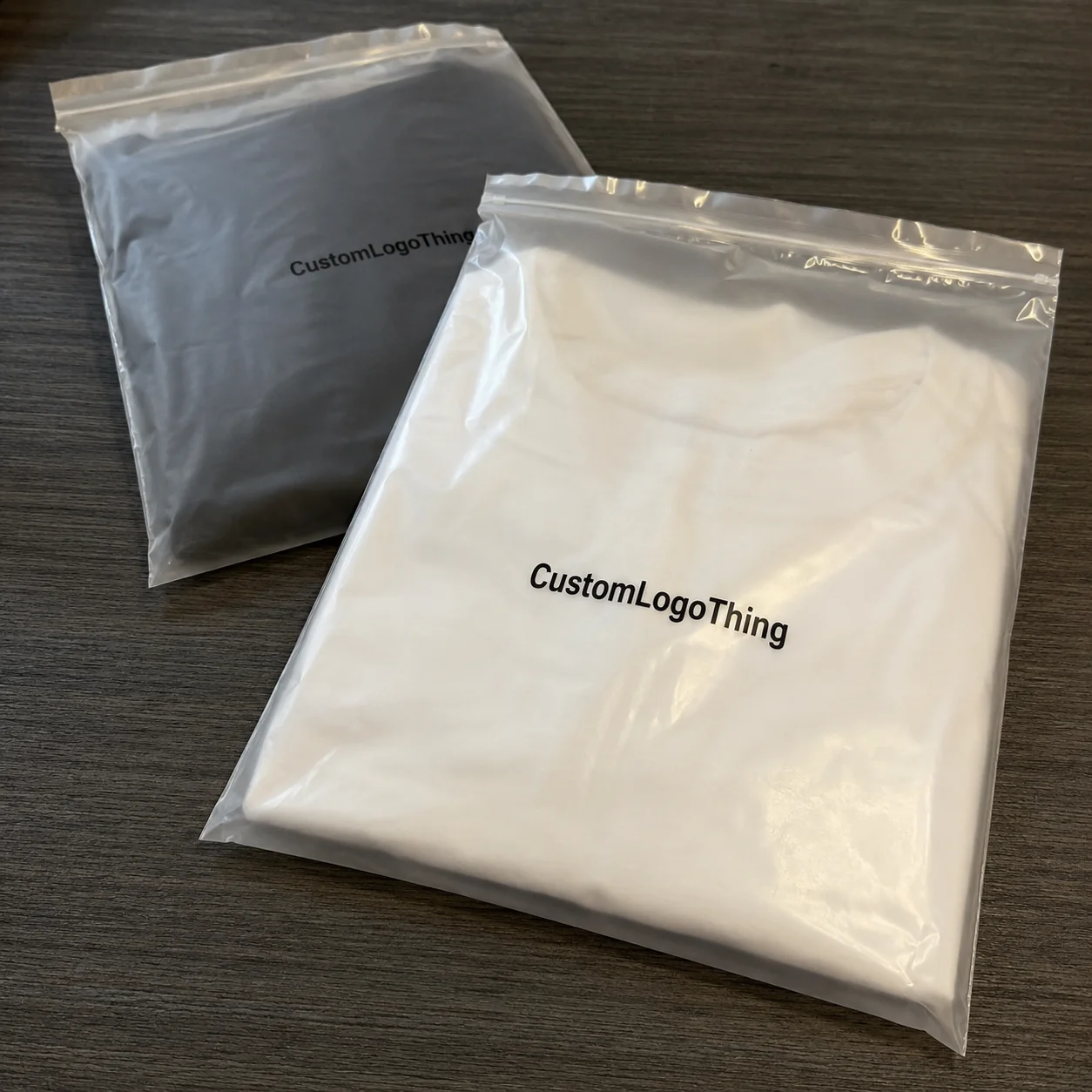
Buyer Fit Snapshot
| Best fit | to recycled content certification packaging for packaging buyers comparing material specs, print proof, MOQ, unit cost, freight, and repeat-order risk where brand print, material, artwork control, and repeat-order consistency matter. |
|---|---|
| Quote inputs | Share finished size, material target, print colors, finish, packing count, annual reorder estimate, and delivery region. |
| Proofing check | Approve dieline scale, logo placement, barcode or warning zones, color tolerance, and any recyclable or compostable wording before bulk production. |
| Main risk | Vague material claims, crowded artwork, or missing packing details can create delays even when the unit price looks attractive. |
Fast answer: To Recycled Content Certification Packaging: Claims, Protection, MOQ, and Cost should be specified like a repeatable production item. The safest quote includes material, print method, finish, artwork proof, carton packing, and reorder notes in one written spec.
What to confirm before approving the packaging proof
Check the product dimensions against the actual filled item, not only the sales mockup. Ask for tolerance on folds, seals, hang holes, label areas, and retail display edges. If the package carries a logo, QR code, warning copy, or legal claim, reserve that space before decorative graphics fill the panel.
How to compare quotes without losing quality
Compare board or film grade, print process, finish, sampling route, tooling charges, carton quantity, and freight assumptions side by side. A lower quote is only useful if the supplier can repeat the same color, closure quality, and packing count on the next order.
The Alarming Truth About Recycled Content Certification in Packaging
Three years ago, I was sitting in the conference room of a mid-sized consumer goods company in Ohio when their sustainability director pulled up a slide that stopped everyone cold. A recent supply chain audit had revealed that nearly 40% of their packaging labeled as containing recycled materials failed verification—the certified content percentages couldn't be substantiated when their certification body actually dug into the documentation. That company had been marketing themselves as sustainable for two years. The brand damage was significant. (I still get a queasy feeling thinking about the press release they had to issue.)
This isn't an isolated incident. When I visit factories across the Midwest and work with clients on custom packaging solutions, I see this pattern repeating more often than it should. Companies want to be sustainable, marketing teams push for recycled content claims, and somewhere in the gap between good intentions and rigorous documentation, the truth gets stretched. A genuine guide to recycled content certification packaging can save your brand from becoming another cautionary tale.
What I'm going to share with you in this guide comes from two decades of working in packaging manufacturing, sitting across the table from certification auditors, and watching companies either succeed brilliantly or stumble publicly based on how seriously they approach this process. This practical review to recycled content certification packaging covers the standards that matter, the costs you need to budget for, the timelines that are realistic, and the specific mistakes I see companies make over and over again. (Spoiler: it's usually the documentation. Always the documentation.)
The packaging industry is changing. Regulators in California, the EU, and increasingly at the federal level are cracking down on vague environmental claims. Major retailers like Target and Walmart are requiring verified recycled content documentation for private-label products. If your branded packaging strategy doesn't include genuine certification, you're building on a foundation that could collapse under regulatory pressure.
What Is Recycled Content Certification for Packaging?
Let me start with a definition that sounds simple but has more nuance than most people realize. Recycled content certification for packaging is the formal, third-party verified process that confirms your packaging actually contains recovered materials—and lets you prove it with documentation that stands up to scrutiny.
Here's where things get interesting, and where I see brands consistently get confused. Not all recycled content is created equal, and certification standards treat different types very differently.
Post-consumer recycled content refers to materials that have been used by consumers and then collected through recycling programs. That soda bottle you put in the bin, which then got processed at a materials recovery facility, cleaned, and turned back into pellets—that's post-consumer. When certification standards ask about recycled content, they're usually primarily looking for post-consumer material because it's the hardest to source and the most impactful from a circular economy perspective.
Post-industrial recycled content comes from manufacturing waste that never reached the consumer. Maybe your box supplier cuts substrates for Custom Printed Boxes and the trim pieces get collected and re-pulped. That's post-industrial content, and while it counts toward recycled content percentages, most rigorous certification programs want to see meaningful post-consumer contribution as well.
Pre-consumer materials—manufacturing scraps that would have gone to landfill but instead get reclaimed—are technically recycled but generally don't count toward certification claims unless the specific standard explicitly allows it. I've worked with clients who were genuinely confused about this distinction, thinking their zero-waste manufacturing initiatives automatically qualified their packaging as certified recycled content. They don't, at least not in the way most buyers and regulators interpret verified recycled content. Honestly, I spent my first few years in this industry making that same mistake.
The major certification standards that matter in North American and European markets include the Global Recycled Standard (GRS), managed by Textile Exchange, which has become increasingly relevant for packaging as supply chains integrate; SCS Global Services Recycled Content Certification, which uses scientific verification methodologies preferred by major CPG companies; FSC Recycled for paper and fiber-based packaging; and APR Design for Recycling Recognition, which focuses on whether packaging is actually recyclable rather than just containing recycled material.
Why has certification become essential? Consider this: the Federal Trade Commission Green Guides, which govern environmental marketing claims in the United States, require substantiation for recycled content claims. The EU's Green Claims Directive is moving toward requiring third-party verification. California Proposition 65 already carries significant liability for unsubstantiated environmental claims. When your product packaging carries a recycled content claim without verification, you're not just risking reputation—you're potentially exposing your company to legal liability. And let me tell you, defending a greenwashing lawsuit is not how anyone wants to spend their quarter.
Understanding the Key Certification Standards
When I'm advising clients on which certification standard to pursue, I often start by asking a simple question: who's asking for this? If it's a major retailer or CPG company, they'll likely have a preferred standard. If you're building your own sustainability narrative, you have more flexibility but also more responsibility to choose wisely.
The Global Recycled Standard (GRS) started in the textile industry but has expanded significantly into packaging applications. What I appreciate about GRS is that it's comprehensive—it doesn't just verify that materials are recycled; it also requires evidence of social responsibility practices and environmental management systems at each facility in your supply chain. A GRS-certified operation must demonstrate compliance with water usage standards, chemical restrictions, and even worker safety requirements. For companies selling into the European market or working with multinational brands, GRS has become the de facto expectation. The standard requires minimum 20% recycled content for initial certification, with the goal of eventually reaching 50% or higher for full GRS product claims.
SCS Global Services takes a different approach. Their recycled content certification uses what they call a "mass balance" verification methodology that traces materials through the supply chain using input/output calculations. I find this particularly valuable for clients making specific percentage claims—like "this retail packaging contains 35% post-consumer recycled content." SCS verifies the math behind those numbers, not just that some recycled material exists somewhere in the process. Major consumer goods companies like Unilever, P&G, and Clorox have used SCS certification as the foundation for their sustainability marketing claims. The scientific rigor of the SCS approach means their certifications are very difficult to challenge. (And trust me, when a competitor tries to dispute your claims, you'll appreciate that rigor.)
For companies focused specifically on paper and fiber-based custom packaging, the FSC Recycled standard offers a purpose-built option. Forest Stewardship Council certification has strong brand recognition with environmentally conscious consumers, and the FSC Recycled label specifically indicates that the fiber came from reclaimed materials rather than new harvesting. The certification traces wood fiber through collection, processing, and manufacturing, requiring that reclaimed content represents at least 85% of the fiber content. I've found that FSC Recycled works particularly well for food-grade packaging manufacturers, where the traceability requirements align with food safety documentation.
The APR Design for Recycling Recognition program operates differently—it's not about verifying recycled content percentages but rather confirming that packaging has been designed to actually get recycled at the end of its life. APR runs a testing program where they evaluate packaging samples against their recyclability criteria. For companies that want to make recyclability claims, APR recognition has become important, though it typically doesn't replace the need for recycled content certification when you're making percentage-based environmental claims.
| Certification Standard | Best For | Minimum Content Required | Geographic Focus |
|---|---|---|---|
| Global Recycled Standard (GRS) | Integrated supply chains, apparel-to-packaging conversions | 20% recycled content (50%+ for full claims) | Global, strong in EU |
| SCS Recycled Content | CPG companies making specific percentage claims | Varies by product; scientifically verified | North America primarily |
| FSC Recycled | Paper and fiber-based packaging | 85% reclaimed fiber content | Global, consumer brand recognition |
| APR Design for Recycling | Packaging designed for end-of-life recyclability | No content requirement; design-based | North America |
For most companies I work with, I recommend starting with either GRS or SCS depending on their customer base, then potentially adding FSC Recycled or APR recognition as their sustainability program matures. Trying to pursue all four simultaneously is overwhelming and expensive. I've seen companies burn out trying to do everything at once, and it's not pretty.
The Certification Process: Step-by-Step Breakdown
Let me walk you through what actually happens during a certification engagement. Understanding the process helps you allocate resources correctly and prevents the surprises that derail timelines and budgets.
Step 1: Self-Assessment and Gap Analysis
Before you engage any certification body, you need to honestly evaluate where you stand. I tell clients to pull together a small team—including someone from quality assurance, procurement, and operations—and spend two to four weeks reviewing your current documentation against the standard's requirements. What records do you have? What supplier agreements exist? How do you currently track material flows? The gap between "what we do" and "what we can prove we do" is where most companies underestimate the work required.
Step 2: Selecting and Engaging a Certification Body
Certification bodies (CBs) are the accredited organizations that actually conduct audits and issue certificates. For GRS, you work with approved CBs like Control Union, Intertek, or Textile Exchange's own certification arm. For SCS, you engage directly with SCS Global Services. Each CB has slightly different processes, fee structures, and auditor teams. When I've helped clients select CBs, I've found that the relationship matters—some CBs are more collaborative during the process while others take a purely checklist-oriented approach. For your first certification, I generally recommend choosing a CB with experience in your specific industry and materials.
Step 3: Documentation Preparation and Chain of Custody Records
This is where the real work happens. Chain of custody documentation traces your recycled materials from source to finished product, showing that the content percentages you're claiming actually exist. For each material input, you need purchase invoices showing recycled content percentage, material test reports or certifications from your suppliers, production records showing how materials flowed through your facility, and output calculations demonstrating the final recycled content percentage in your finished packaging. I once spent three months helping a client rebuild their documentation system because they were using a mix of Excel spreadsheets and paper records that couldn't be audited to certification standards. Three months. I aged five years during that engagement.
Step 4: Desk Review
Your certification body will assign an auditor who reviews your submitted documentation before visiting your facility. This typically takes four to eight weeks depending on auditor availability and the completeness of your documentation package. The desk review is where gaps get identified—if your auditor can't verify a material stream from your records, they'll note it as a finding that needs correction before the on-site audit.
Step 5: On-Site Facility Audit and Material Sampling
For most initial certifications, expect the audit team to spend one to three days at your primary facility. They will interview staff, observe manufacturing processes, physically audit inventory segregation between certified and non-certified materials, and collect samples for laboratory testing if required. I always recommend clients prepare by walking their facility the day before with the auditor's checklist, identifying any potential issues like material staging areas that might look disorganized or recycled material storage that lacks proper documentation.
Step 6: Certification Decision and Issuance
After the on-site audit, there's typically a review committee that makes the certification decision, not just the individual auditor. This usually takes two to four weeks. If findings are minor, you may receive conditional certification with requirements to correct them before or during the first surveillance audit. Major non-conformances can delay certification or require a follow-up audit before the certificate is issued.
Step 7: Annual Surveillance Audits and Renewal Cycles
Your certificate isn't permanent. Annual surveillance audits verify that you're maintaining the practices that earned you certification. GRS certificates expire after one year and require full re-certification or renewal audits. SCS typically issues certificates for three-year terms with annual surveillance. The renewal process is less intensive than initial certification but still requires updated documentation and an auditor visit. (See, I told you it wasn't a one-and-done situation.)
Costs and Pricing: What to Budget for Your Certification
I'm going to be direct with you because I've seen too many companies get caught off guard by the actual costs of this process. Budget surprises are one of the primary reasons companies abandon half-completed certifications or end up with inadequate certifications that don't serve their needs.
Third-Party Audit Fees: Understanding Certification Body Pricing Structures
Certification bodies typically price based on facility complexity, number of material streams, and whether you're certifying a single site or multiple locations. Most CBs charge an application fee of $1,500 to $3,000 as a deposit against future auditing costs, then invoice actual audit time based on their daily rate.
SCS Global Services typically quotes initial certifications ranging from $5,000 for straightforward single-material applications up to $25,000 for complex operations with multiple facilities and material streams. The range reflects not just the scope of auditing but also the laboratory testing required to verify material compositions. I've seen SCS invoices for companies with complex supply chains run $30,000 or more when extensive material testing is involved. (My jaw dropped the first time I saw one of those invoices. Now I just nod and forward it to the CFO.)
Global Recycled Standard through approved CBs often falls in the $10,000 to $35,000 range for initial certification, with larger companies or multi-site operations potentially paying significantly more. The GRS pricing structure includes fees to Textile Exchange for the certificate registry, which can add $2,000 to $5,000 annually depending on your company's revenue.
Beyond the certification body fees, there are hidden costs that surprise most companies. Internal labor for documentation often exceeds the external audit fees, especially in the first year. We budget clients for 100 to 300 hours of internal staff time depending on how organized their existing systems are. If your facility needs modifications—better material segregation areas, improved record-keeping systems, or environmental practice upgrades—those can add $5,000 to $50,000 depending on scope. Staff training, particularly for workers who handle materials and documentation, typically requires 20 to 40 hours of dedicated training time.
Annual surveillance fees typically run 30% to 40% of initial certification costs, so budget $3,000 to $12,000 annually for ongoing compliance. When I calculate return on investment for clients, I focus on three areas: premium pricing potential for certified products (typically 5% to 15% higher margins depending on market), access to customer requirements you couldn't fulfill without certification (sometimes the entire business relationship), and regulatory compliance savings (avoiding potential penalties and the cost of greenwashing claims).
Timeline and What to Expect: How Long Does Certification Take?
I'll give you the honest timeline based on working through this process with dozens of clients: most certifications require three to six months from initial application to certificate issuance. That's assuming you have reasonable documentation systems in place and no major facility modifications required. Organizations starting from scratch, with paper-based record systems and no existing quality management structure, typically need six to nine months. (And I've had a few clients take a full year. Those were... educational experiences.)
The factors that most significantly affect your timeline are documentation readiness (if your records are disorganized, the desk review phase can add months), facility complexity (more facilities, more material streams, more supply chain complexity all extend the timeline), auditor availability (popular CBs book out three to four months in advance), and the time required to implement corrective actions identified during audits.
Here's how the phases typically break down. The self-assessment and gap analysis phase usually requires four to eight weeks, depending on how deeply you want to analyze existing systems before engaging the CB. Engaging your certification body and completing their application process typically takes two to four weeks from initial inquiry to fee payment and scheduling. The desk review phase, where your auditor evaluates your documentation, runs four to eight weeks depending on document completeness and auditor workload. On-site audit scheduling often has a four to twelve week lead time for popular auditors, then the audit itself takes one to five days depending on scope. Corrective actions from audit findings can require anywhere from two weeks to three months to implement, depending on the severity of findings. Final certification decision and certificate issuance typically takes two to four weeks after corrective actions are complete.
If you want to accelerate your timeline, the most effective approach is to complete a thorough internal gap assessment before engaging your CB. Send your documentation to the auditor as soon as possible during the desk review phase to get feedback early rather than submitting everything at once. Also, consider engaging a consultant who has worked with your specific CB before—they can often help you avoid common documentation mistakes that trigger extended review periods.
Common Mistakes to Avoid During the Certification Journey
After twenty years in this industry, I've compiled a mental list of the mistakes that derail certifications most often. Some are straightforward documentation failures, but others reveal deeper misunderstandings about what certification actually requires.
Inadequate documentation of material sourcing and chain of custody tops my list because it's the most common failure point. I've seen companies that genuinely have recycled materials in their packaging but can't prove it because they don't have proper transaction certificates from suppliers, invoices that clearly state recycled content percentages, or material flow records showing how recycled inputs became finished outputs. If your supplier claims their material contains 30% post-consumer recycled content, you need documentation from them that substantiates that claim—not just their word. (This seems obvious when I say it out loud, but you wouldn't believe how many supplier emails I've seen that just say "yeah, it's recycled" with no backing.)
Incorrect percentage claims happen when companies calculate recycled content percentages using methodologies that don't align with the certification standard's requirements. Each standard has specific calculation rules. SCS uses mass balance methodology that accounts for conversion losses. GRS requires tracking of recycled content through each production stage. Calculating "we bought 30% recycled content materials, so our product has 30% recycled content" ignores processing losses and blending that change the final percentage. This one drives me crazy, honestly. The math is not that hard, people. Just pay attention to it.
Failing to segregate certified materials throughout production is a physical documentation failure I see constantly. Your certified recycled content isn't certified if it gets mixed with non-certified materials during production. This means dedicated storage areas, production scheduling that prevents cross-contamination, and cleaning protocols between production runs if shared equipment is involved.
Assuming certification automatically grants marketing rights is a misconception that gets companies into trouble. Having a GRS certificate doesn't automatically mean you can use the GRS logo on your packaging. Logo usage requires a separate application and approval process through the certification body, and that approval often comes with specific requirements about how and where the logo can appear. I've had clients proudly announce their certification, then realize they needed additional approval to actually use the certification mark in their marketing. The celebration was a little premature, to say the least.
Underestimating the scope is particularly painful for companies with complex supply chains. Certification must cover all facilities that handle your certified materials—from initial receipt through processing to finished product. If you have three warehouses, two manufacturing facilities, and use a co-packer for assembly, all of those locations likely need to be included in the certification scope. Discovering mid-audit that your co-packer's facility needs to be certified can cause significant delays and cost surprises.
Delaying implementation of required environmental and social practices catches companies pursuing GRS certification especially. GRS doesn't just verify recycled content—it requires evidence of environmental management practices, chemical restrictions, and social responsibility requirements including worker safety and no child or forced labor. Companies that focus only on the recycled content documentation and assume they'll implement GRS environmental requirements "later" often fail their first audit.
Expert Tips for Achieving and Maintaining Certification
Let me share some insights that have consistently helped clients succeed with certification. These aren't in the official standard documents, but they come from watching what works and what doesn't across many certification engagements.
Start with a mock audit before engaging your certification body. Hire an experienced consultant or use an internal team member who has been through certification before to evaluate your readiness. A mock audit typically costs $3,000 to $8,000 depending on scope but can identify gaps that would otherwise extend your actual certification timeline by months. The investment almost always pays for itself through accelerated certification and reduced corrective action costs.
Assign a dedicated compliance coordinator who understands both documentation requirements and actual operations. I've seen certifications succeed when one person owns the process, even if that person has other responsibilities. I've seen certifications fail despite significant resources because the documentation responsibility was spread across multiple people with no clear ownership. This person needs authority to request information from operations, access to leadership for budget decisions, and time specifically allocated to certification compliance activities.
Maintain a buffer stock of certified materials to prevent supply chain disruptions from undermining your certification. If your certified content percentage requires a specific recycled material from a specific supplier, and that supplier has a three-month lead time, you need inventory to bridge supply interruptions. Running out of certified materials and having to use non-certified alternatives could require notification to your certification body and potentially impact your certified claims.
Build relationships with your auditors. This sounds counterintuitive—you might think you want auditors to be tough so your certification means more. But open communication with your auditor team prevents surprises and helps you understand how interpretations of the standards might affect your specific situation. The auditor who understands your business can provide guidance that a distant audit team cannot.
Document everything, even conversations and informal decisions. When an auditor asks why you made a specific process change, having an email or meeting note that explains the decision and the reasoning behind it can be the difference between a minor observation and a major non-conformance. I've seen companies receive findings for "undocumented decisions" when they had clearly made the right choice but couldn't show when and why the decision was made. It's so frustrating to watch, like watching someone lose a game on a technicality.
Join industry associations to stay ahead of standard updates and regulatory changes. Organizations like the Sustainable Packaging Coalition, AMERIPEN, and IoPP provide early access to information about standards revisions, regulatory developments, and best practices. When California updates its Green Chemistry regulations or the FTC revises the Green Guides, being part of industry conversations means you're not caught off guard by changes that could affect your certifications.
Your Action Plan: Next Steps to Get Certified
Here's a practical roadmap for working through your certification journey. I've organized this in phases that build on each other, because trying to do everything simultaneously is how companies get overwhelmed and give up.
During your first two weeks, conduct an internal audit against your chosen standard's requirements. Use the standard's published checklist and evaluate honestly: green for compliant, yellow for partially compliant, red for not compliant. Don't try to fix anything yet—just map where you stand. Identify your most significant gaps and estimate the effort required to address them.
During your first month, select your certification body and submit your application with fee deposit. For GRS, request quotes from at least three approved CBs. For SCS, contact their business development team directly. Ask each CB about their current auditor availability and typical timeline from application to certification. Once you select a CB and pay the application fee, schedule a kickoff call to discuss your scope and timeline expectations.
During your second month, if needed, engage a consultant and begin your documentation overhaul. Focus on building complete chain of custody documentation for your primary recycled material streams. Your goal by end of month two should be a documentation package that could survive desk review without major gaps. This is where many companies underestimate the effort required—I typically recommend dedicating someone to documentation at least half-time during this phase.
During months three and four, complete desk review and address any documentation gaps identified by your auditor. Expect to submit multiple rounds of documentation as questions arise. Use this phase to also prepare for your on-site audit by training staff on what auditors will ask and walking your facility to identify physical organization issues.
During months four and five, prepare for your on-site audit with staff training and facility readiness. Conduct a mock audit if budget allows, or at minimum walk through the facility with the auditor's checklist. Make sure all staff who handle materials understand the segregation requirements and can explain the documentation system.
During months five and six, receive your certification and begin claiming verified recycled content. But don't stop there—establish quarterly internal audits to maintain readiness for your surveillance audit, and assign ongoing compliance ownership to a specific person or role. Certification is not a one-time achievement; it's a continuous commitment to the practices that earned you the certificate.
When you complete this process, your branded packaging will carry claims that can withstand the scrutiny of regulators, major retailers, and increasingly discerning consumers. The investment is significant, but so is the competitive advantage of being able to substantiate your sustainability commitments with third-party verified certification.
What Are the Key Requirements for Recycled Content Certification in Packaging?
Based on industry standards and certification body requirements, companies seeking recycled content certification must meet several core requirements to achieve and maintain their certification status.
What qualifies as recycled content in packaging certification?
Post-consumer materials—items recovered from residential and commercial waste streams after consumer use—typically qualify and receive the highest value in certification. Post-industrial materials from manufacturing byproducts can also count toward recycled content percentages. Pre-consumer materials generally do NOT count unless specifically allowed by the certification standard you're pursuing. Each certification standard has specific definitions and verification requirements that determine what qualifies.
How long does recycled content certification take to obtain?
Most certifications require three to six months from initial application to certificate issuance. Organizations with existing quality systems and comprehensive documentation can often complete the process in three to four months. Complex operations with multiple facilities, disorganized documentation, or significant facility modifications needed may require six to nine months for initial certification. The timeline depends heavily on documentation readiness and auditor availability.
What does recycled content certification cost for packaging companies?
Initial certification fees typically range from $10,000 to $35,000 depending on the standard and operation complexity, with SCS ranging from $5,000 to $25,000 and GRS often between $10,000 and $35,000. Annual surveillance audits cost 30% to 40% of initial certification fees. Additional expenses include internal labor for documentation, potential facility modifications, staff training, and potentially consultant support. When calculating ROI, consider premium pricing potential for certified products and access to sustainability-focused supply chains.
Can I market my packaging as certified recycled content after certification?
Certification allows you to claim verified recycled content percentage in your marketing materials, significantly strengthening your environmental marketing. However, using certification logos like GRS or SCS marks requires separate permission from the certification body and compliance with specific usage guidelines. All claims must be accurate and verifiable—certification bodies may require review of marketing materials before they're used publicly. The key benefit of certification is that your claims are backed by third-party verified data rather than self-declared assertions, which dramatically reduces greenwashing risks.
Which recycled content certification is best for my packaging business?
The Global Recycled Standard (GRS) is preferred for textile-to-Packaging Supply Chains and integrated operations with social and environmental practice requirements. SCS Recycled Content Certification is widely accepted in North American consumer goods markets and preferred by major CPG companies making specific percentage claims. FSC Recycled specifically covers paper and fiber-based packaging with strong consumer brand recognition. Consider your customers' requirements, target markets, and material types when selecting a standard—often companies pursue multiple certifications as their program matures.
How do I maintain recycled content certification after initial approval?
Maintaining certification requires ongoing commitment including annual surveillance audits, continuous documentation updates, and consistent adherence to segregation and chain of custody protocols. Companies must notify their certification body of significant changes to operations, suppliers, or processes that could affect certified material flows. Quarterly internal audits help maintain readiness for surveillance visits, and assigning dedicated compliance ownership ensures the practices that earned certification remain consistent over time.