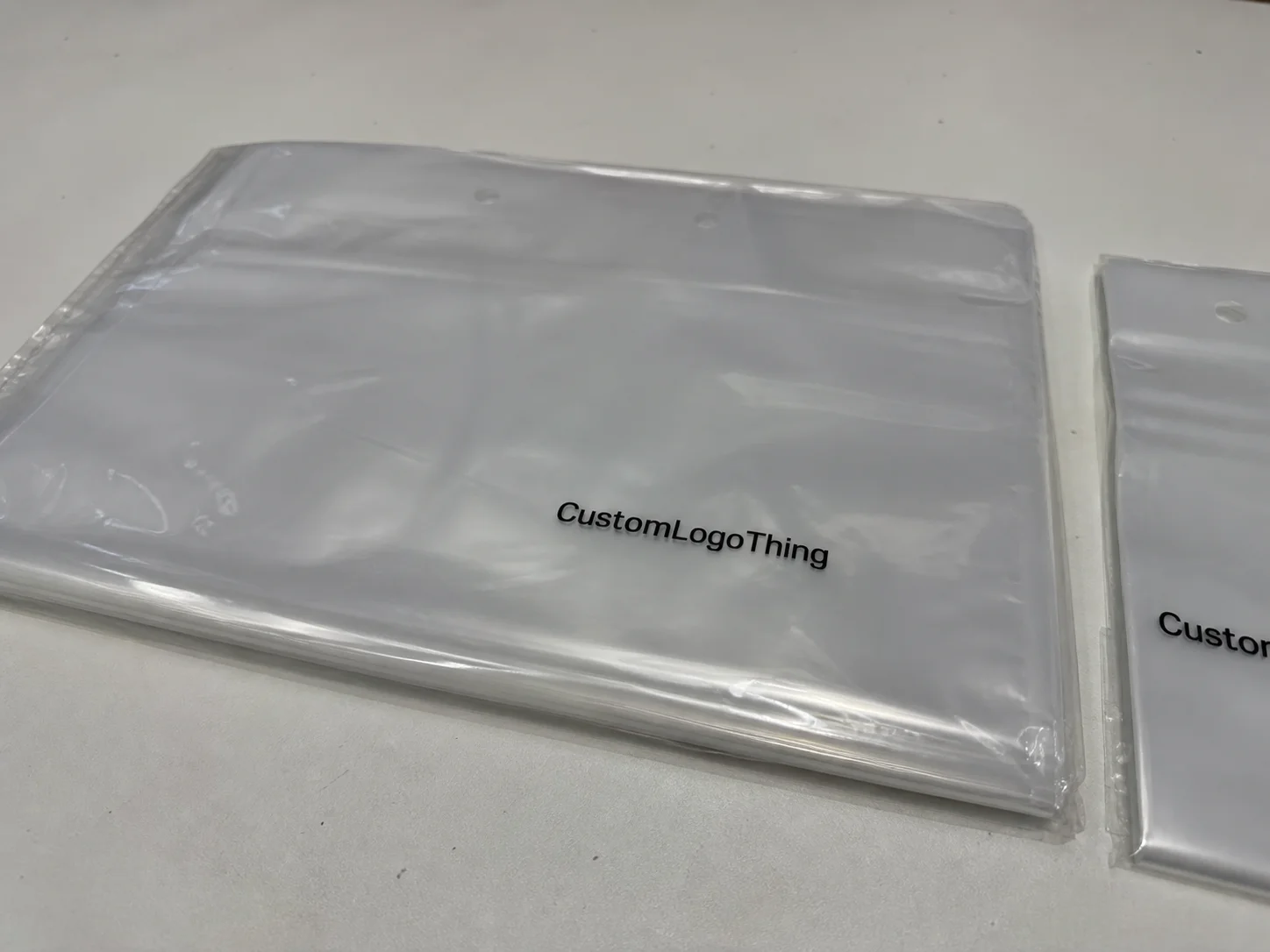
Buyer Fit Snapshot
| Best fit | Gusseted Poly Mailers Supplier projects where brand print, material claims, artwork control, MOQ, and repeat-order consistency need to be specified before quoting. |
|---|---|
| Quote inputs | Share finished size, material target, print colors, finish, packing count, annual reorder estimate, ship-to region, and any compliance wording. |
| Proofing check | Approve dieline scale, logo placement, barcode or warning zones, color tolerance, closure strength, and carton packing before bulk production. |
| Main risk | Vague material claims, crowded artwork, missing packing details, or unclear freight terms can make a low unit price expensive after revisions. |
Fast answer: Gusseted Poly Mailers Supplier: Film, Print, MOQ, and Carton Packing should be specified like a repeatable production item. The safest quote records material, print method, finish, artwork proof, packing count, and reorder notes in one written spec.
Production checks before approval
Compare the actual filled-product size with the drawing, then confirm tolerance on folds, seals, hang holes, label areas, and retail display edges. Reserve space for logos, QR codes, warning copy, and material claims before decorative graphics fill the panel.
Quote comparison points
Review material grade, print process, finish, sampling route, tooling charges, carton quantity, and freight assumptions side by side. A quote is only useful when the supplier can repeat the same color, closure quality, and packing count on the next order.
Gusseted Poly Mailers Supplier: What to Know Before You Buy
A flat mailer looks fine right up until the product inside refuses to stay flat. A folded hoodie, a two-piece bundle, or a soft boxed set can push the sides outward, strain the seal, and make a clean shipment look hurried. That is usually the moment a careful buyer starts paying attention to the right gusseted poly mailers supplier.
The point of a gusseted bag is simple enough. It creates extra room for depth without forcing every order into a carton, which is a real advantage for apparel, soft goods, and mixed kits that need a little breathing room. Once a product has real volume, the difference between a flat mailer and a gusseted one stops being theoretical and starts showing up in packing speed, package appearance, and shipping cost. I have seen plenty of teams try to make a flat bag do a job it was never shaped for, and the result is almost always the same: slow packing and a package that looks kinda tired before it even leaves the dock.
For brands that want practical guidance instead of packaging jargon, Custom Logo Things keeps the conversation centered on fit, film thickness, print setup, and repeat order stability. If your catalog includes more than mailers, the Custom Packaging Products range makes it easier to compare formats, while Custom Poly Mailers are the natural place to start for direct-to-consumer shipments.
A reliable gusseted poly mailers supplier does more than sell a bag by the hundred or thousand. The supplier should help you size the mailer correctly, pick a film that can handle the load, confirm the adhesive strip works as intended, and keep repeat orders consistent enough that the second run matches the first. That last detail sounds routine, yet it is usually where avoidable waste starts to pile up.
Use gusseted mailers for products with volume but limited rigidity. Apparel, socks, folded bundles, light accessories, and soft boxed kits are common fits. Use flat poly mailers for thin, uniform contents. Use padded mailers when the item needs impact protection. A good gusseted poly mailers supplier should make those distinctions clear instead of trying to sell one format for every shipment.
Gusseted Poly Mailers Supplier: What They Actually Solve
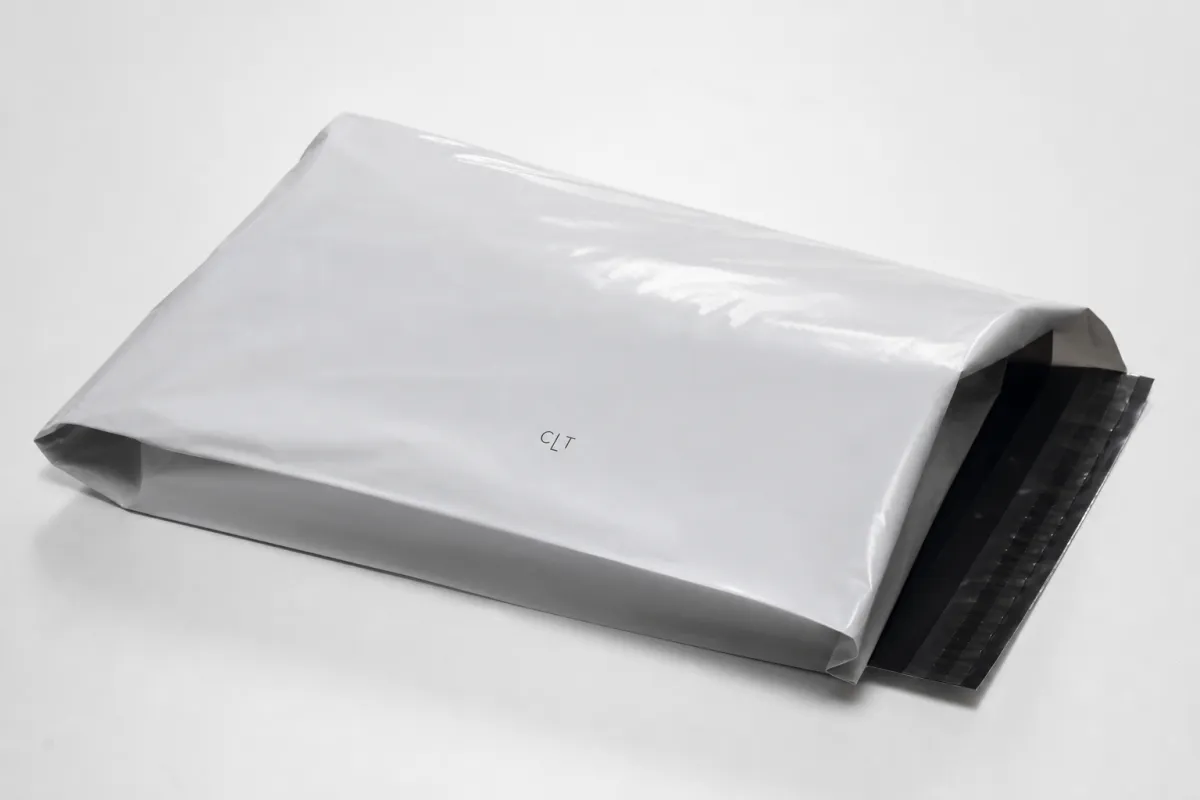
A flat mailer works only while the contents stay flat. The second a folded hoodie, a stack of tees, or a boxed set enters the picture, the package begins to bulge, the seal gets more stress, and the finished parcel starts looking rough at the doorstep. That is the practical reason a gusseted poly mailers supplier matters: the extra expansion gives the package the room it needs without forcing a move to a carton.
In plain terms, a gusset is a folded side or bottom panel that opens as the product fills the bag. The mailer stays compact in storage, then expands once loaded. That small structural change lets the bag handle more volume while staying soft and flexible. In shipping terms, that flexibility keeps apparel orders from looking stuffed to the point of collapse.
A capable gusseted poly mailers supplier should talk about more than material and color. The useful conversation includes internal dimensions, print placement, seal position, adhesive performance, and the amount of slack left once the product is inside. A size that sounds right on paper can fall apart the moment you add a polybagged sweatshirt or a two-item set. Spec sheets matter because pretty mockups do not tell you how a real order behaves.
This is not the same thing as buying a generic stock bag. A knowledgeable gusseted poly mailers supplier should know when a 2-inch expansion is enough, when 3 to 4 inches gives you safer room, and when the product is really asking for a carton instead of a mailer. Sharp edges, dense contents, and odd shapes deserve an honest answer. Cheap optimism does not protect a shipment.
The brand side matters too. A mailer that fits correctly keeps the parcel looking deliberate. A bag that is too small creates tension lines and awkward bulging; a bag that is too large wastes film and can make the package look loose or unfinished. Apparel brands keep comparing gusseted mailers against flat bags and other shipping formats for exactly that reason. Packaging is part of the product experience whether anyone wants it to be or not.
A low-cost mailer only looks inexpensive on the invoice. Once it tears, balloons out, or slows down pack-out, the real cost shows up in labor, returns, and damaged product.
For soft goods and e-commerce basics, the fit question usually comes down to depth, seal area, and how much the contents move in transit. A package that looks great before sealing but behaves badly after closure is not doing its job. A supplier worth working with should explain the difference between appearance fit and shipping fit without making the answer harder than it needs to be.
Experienced buyers ask for internal dimensions instead of trusting the outside size printed in a catalog. A gusseted pouch can hide useful volume, but the usable room depends on how the side panels open, where the seal sits, and whether the bag can take a little pressure. That is a very different discussion from choosing a color swatch.
How Gusseted Poly Mailers Work in Real Fulfillment
During fulfillment, the gusset opens as the product slides into the bag. That fold turns a two-dimensional sleeve into a package with depth, which is the whole point. A strong gusseted poly mailers supplier will usually talk in terms of volume rather than width and height alone, because volume is what decides whether the seam survives a real shipping run.
The pack-out sequence stays simple. Insert the product, let the gusset expand naturally, press out excess air, then seal the adhesive strip with firm pressure. That order matters because trapped air turns the parcel into a pillow, and pillows use up space the carrier still wants to charge for. A good fit keeps the bag flexible around the contents without making it look bloated.
That shape affects billing in a direct way. A better fit can reduce wasted space, but overstuffing still creates dimensional weight problems. A gusseted bag is not a free pass. If the mailer is too large or the contents are packed too tightly, the carrier still bills for air. A careful gusseted poly mailers supplier should help you balance capacity and shipping efficiency instead of pretending the rate card will forgive poor sizing.
Presentation matters just as much. A properly sized gusseted mailer keeps soft goods looking intentional. It closes cleanly, stacks better in the warehouse, and gives the customer a package that feels planned rather than forced. An underfilled bag wrinkles and flops. An overfilled bag can split or take on a strained look that makes the product seem like it fought the packaging and won.
That is why testing with actual SKUs matters. A single folded T-shirt is not the same as a three-piece clothing bundle. A lightweight accessory set behaves differently from a boxed subscription kit. A supplier that asks for actual product dimensions is doing the job properly. A supplier that offers one vague size chart for everything is handing you a future packing problem with a neat header.
| Mailing Option | Best For | Typical Ballpark Price at 5,000 Units | Main Tradeoff |
|---|---|---|---|
| Flat poly mailer | Thin apparel, documents, light accessories | $0.10-$0.22 each | Low cost, but limited depth |
| Gusseted poly mailer | Hoodies, multi-item apparel kits, soft boxed goods | $0.14-$0.34 each | Better volume control, slightly higher cost |
| Padded mailer | Items needing light impact protection | $0.18-$0.40 each | More protection, more material, more waste |
If most of what you ship is soft and compressible, a gusseted mailer often lands in the middle ground between fit and cost. Thin products may not need the extra structure at all. Fragile products usually need more than a mailer can offer. A practical gusseted poly mailers supplier should help you sort those cases instead of pretending every parcel has the same needs.
Packing consistency matters more than people expect. A gusseted bag only performs as intended when the team loads it the same way every time. If one order goes in diagonally and the next is folded neatly, the package behaves differently in transit. A simple packing standard saves more time than another round of guesses.
Gusseted Poly Mailers Supplier Cost, Pricing, MOQ, and Quote Basics
Price starts with specification. A gusseted poly mailers supplier will usually price by film thickness, size, print coverage, adhesive quality, recycled content, and whether the order is stock or custom. On paper, the quote can look straightforward. Underneath that clean number, the details change the value a lot more than most buyers expect.
For smaller brands, MOQ is where the strain usually shows up. Lower minimums make testing easier, especially while you are still figuring out which sizes actually move. Higher MOQs can improve unit cost, but only if the spec is already locked. If artwork, gauge, and dimensions keep changing, a large order just creates a larger pile of learning costs.
A useful quote from a gusseted poly mailers supplier should list the exact size, film thickness, print method, lead time, freight terms, sample cost, and any setup fees. Missing details make the quote hard to compare. A vague quote is not really a quote; it is a placeholder that invites confusion later, usually after someone has already told the warehouse to expect a shipment.
Typical pricing at moderate volumes often lands in these ranges:
- Stock unprinted gusseted mailers: about $0.11-$0.20 per unit at 5,000 pieces.
- Single-color custom printed: about $0.16-$0.32 per unit at 5,000 pieces.
- Heavier gauge, larger coverage, or recycled-content builds: about $0.22-$0.45 per unit.
Those numbers are ballpark figures, not promises. Freight, duties, and local delivery can move the landed cost enough to change the decision. A low unit price can disappear fast if the seals are weak, the sizing is inconsistent, or the supplier cannot repeat the order correctly. A serious gusseted poly mailers supplier will say that plainly instead of hiding behind the cheapest-looking line item.
The cheapest quote often belongs to the worst total value. Thin film can lead to damaged product. Inconsistent adhesive can slow pack-out. Off-size mailers can create returns and rework. Cheap only stays cheap if the bag holds up in transit and lands looking like it belongs to your brand.
For buyers comparing vendors, the cleanest method is to normalize each quote into the same structure. Ask every gusseted poly mailers supplier for the same data, then compare landed cost rather than ex-factory price alone. That usually means unit price, sample cost, freight, transit time, print setup, and the expected reorder price if the first run goes well.
Industry testing and responsible packaging choices belong in this conversation too. Transit performance can be measured instead of guessed. The International Safe Transit Association publishes package testing practices that help buyers judge more than a polished mockup, and the EPA packaging guidance is a useful reminder that material choice affects waste and disposal outcomes. A supplier should be comfortable speaking to those realities without dressing them up.
For brands that need more than one packaging format, the cost discussion should include how the mailer fits into the broader shipping mix. Some orders deserve a gusseted bag. Some do not. The better the supplier's guidance, the less likely you are to pay for a custom bag that is technically correct and practically wrong.
Process and Timeline: From First Quote to Shipment
The buying process should feel orderly rather than dramatic. A solid gusseted poly mailers supplier will begin with dimensions, product type, print goals, and target quantity. From there comes the quote, then samples, then artwork confirmation, then production approval, and finally freight booking. If the process starts sounding like improv, something is missing.
Sampling belongs early in the schedule, and it should not be rushed. A physical sample tells you more than a mockup ever will. You can check the seal, the film feel, the expansion, and whether the package behaves the way the artwork suggested it would. A gusseted poly mailers supplier that skips sample proofing is asking you to find problems at the worst possible stage.
Sample turnaround and mass production lead time are two different things. A prototype can move quickly, especially if the design is simple and the material is already available. Bulk production takes longer because the supplier has to source film, print, cut, seal, pack, and arrange transport. Late or unclear artwork stretches the schedule, which is not a mystery so much as the normal pace of production.
In practice, many orders move through three time blocks: sample approval, production, and transit. Sample approval may take a few days or a couple of weeks depending on the number of revisions. Production often runs in the 10-20 business day range for standard custom orders, though larger or more complex runs can take longer. Transit depends on the lane, season, and freight method. A good gusseted poly mailers supplier should put those windows in writing.
Use this checklist before you approve production:
- Confirm the internal size and gusset depth, not just the outer dimensions.
- Check film thickness, print colors, and the exact seal type.
- Approve one physical sample or a very clear pre-production proof.
- Lock the freight terms and who pays for any reshipment if the order misses spec.
- Verify packaging count per carton so warehouse staff know what to expect.
A fast prototype does not guarantee a fast bulk order. Plenty of suppliers send a sample quickly and still miss the actual deadline by two weeks on the full run. That is why a gusseted poly mailers supplier should separate sample timing from production timing. If those are blended into one vague promise, you are not getting a schedule. You are getting wishful thinking with a date attached.
Artwork timing matters as well. If the print area is large or the design needs tight color matching, ask for a print-proof stage before the press starts. It is easier to catch a misplaced logo on a proof than on 8,000 bags sitting in a freight container. Packaging mistakes scale beautifully; unfortunately, the cost does too.
Common Mistakes When Choosing a Supplier
The biggest mistake is buying by price alone. A low quote can hide thin film, weak seals, sloppy tolerances, or print that looks different once the order arrives. A gusseted poly mailers supplier should be judged on fit, consistency, and communication as much as on unit cost. Otherwise, procurement turns into a comparison of lottery tickets.
Skipping samples comes next. People do it because the render looks fine and the mockup seems convincing. Then the mailer arrives too shallow, too wide, or too fragile once the first shipment is packed. No one wants to learn that a bag splits after a hoodie bundle sits in it for 36 hours. A sample order costs less than one bad production run, which is about as friendly a math problem as packaging gets.
Ignoring print tolerances and adhesive performance causes another round of preventable problems. A branded mailer can look sharp in a PDF and still print off-center or show uneven color density. The adhesive strip can fail if the liner does not release cleanly or the seal surface is poorly made. A dependable gusseted poly mailers supplier should state the acceptable tolerance range before production starts.
Communication and process control deserve just as much attention. If a vendor takes three days to answer a basic size question before the order, that same vendor is unlikely to become faster after payment clears. Reorder problems usually start with weak setup, vague documentation, or nobody taking ownership of the spec sheet. That is not drama; it is how shipping teams end up babysitting packaging.
There is a hidden cost in choosing the wrong gauge. Some buyers assume thicker always means better. It does not. Too much film can raise cost, stiffen the bag, and make packing less efficient. Too little film can cause seam failure or punctures. A real gusseted poly mailers supplier should recommend a thickness range based on what you actually ship, not on what sounds impressive in a sales message.
If your product line changes often, make sure the supplier can handle repeat orders without drifting on size or material. A bag that was right last quarter can come back a little different if the spec is loose. Once the warehouse team notices, the cost is already real. Consistency is not a luxury in packaging. It is the whole point.
Buyers also forget the broader shipping system. If carton count, warehouse layout, or label placement changes, the mailer choice can become awkward quickly. That is why the best suppliers think in terms of the actual packing line, not just the finished bag. A useful gusseted poly mailers supplier will ask how the package is loaded, sealed, and handed off.
Expert Tips for Working With a Supplier
Ask for exact internal dimensions and a plain explanation of usable volume. A vague size chart is a neat way to hide bad assumptions. A good gusseted poly mailers supplier should explain how the gusset changes capacity, not just repeat the outer measurement and hope the difference goes unnoticed.
Use your actual SKUs for testing. A hoodie bundle behaves differently from a single T-shirt, and a boxed set behaves differently from loose soft goods. If the test does not match the real product, the result is really just a guess with better lighting. That may be fine for a mockup. It is not fine for inventory.
Request a spec sheet that covers thickness, seal type, print area, finish, and acceptable tolerance ranges. Keep that sheet with your reorder file. A supplier that documents the build properly makes repeat orders easier to manage. A supplier that depends on memory creates variation you do not need. Variation gets expensive fast when it turns into customer complaints.
Build a reorder rhythm before you need one. Keep a safety buffer on your best-selling sizes, especially if shipping volume rises seasonally. Review damage rates, return reasons, and packing complaints before scaling the next batch. If the numbers point to a weak spot, fix the spec before the next production run. That is better use of time than arguing with a warehouse team about why the bags suddenly feel smaller.
Here is the sort of supplier guidance that actually helps:
- Use a 2.5- to 4-mil film for many apparel shipments; go stronger if the contents are dense or have edges.
- Pick a gusset depth that fits the largest normal order, not the smallest special case.
- Confirm the seal strip still holds after the bag is fully loaded and lightly compressed.
- Keep artwork away from the seal zone so branding does not interfere with closure.
Finishes matter too. Matte, gloss, and recycled-content films can all work, but they do not behave the same in print or handling. A matte surface can hide scuffs more easily. A gloss finish often makes color feel sharper. Recycled-content film can support sustainability goals, provided the supplier keeps consistency tight enough for production. That is where a steady gusseted poly mailers supplier earns its keep.
If a supplier cannot tell you the exact dimensions, thickness, and print tolerance without checking three different files, the relationship is already shaky.
As a buyer, you are not only paying for plastic. You are paying for predictability. That means predictable dimensions, predictable print, predictable seals, and predictable reorders. A trustworthy gusseted poly mailers supplier knows the second shipment matters just as much as the first. In many cases it matters more, because by then the warehouse has expectations and the brand has a standard.
At Custom Logo Things, the strongest packaging conversations usually start with the product itself. What is being shipped, how it is folded, how the warehouse packs it, and where the package is likely to take stress. Once those details are clear, the supplier recommendation gets cleaner and the risk drops. That is the work.
Next Steps: Shortlist, Test, and Lock the Right Supplier
Start with a shortlist of three vendors and score them on fit, quote clarity, MOQ, Lead Time, and communication speed. Do not chase the lowest line item just because it looks tidy on a spreadsheet. A gusseted poly mailers supplier that answers clearly, documents specs properly, and gives a realistic schedule is often worth more than a bargain quote with six asterisks attached.
Then order samples from each one and test them the same way. Use the same product, the same pack-out method, the same seal pressure, and the same handling test. If you want a fair comparison, do not change the rules halfway through. That only rewards the most polished sales deck.
A simple decision sheet helps more than most people expect. Track total landed cost, sample quality, freight, print confidence, and reorder reliability. The short version is easy: the cheapest supplier is not always the cheapest run. A slightly higher price can win if it reduces damage, rework, and warehouse headaches. That is basic math, not packaging philosophy.
Before you scale, run one controlled test order. Confirm the actual internal size, check the seal after packing, review the print on a live sample, and make sure the bag still looks clean once the product shifts in transit. A good gusseted poly mailers supplier should welcome that process, because solid packaging holds up under scrutiny.
Use the test order to set your reorder plan. Decide the safety stock level, the reorder trigger, and the version control rules for artwork and dimensions. That way the next run does not depend on somebody remembering what happened six months ago. Memory is not a supply chain system.
The humble shipping bag becomes a business decision sooner than many brands expect. The right gusseted poly mailers supplier keeps parcels cleaner, the warehouse calmer, and your margin less exposed to preventable mistakes. Verify the specs, place a controlled test order, and set the reorder plan before you scale. That is the cleanest way to avoid turning a simple mailer decision into an expensive lesson.
How do I compare a gusseted poly mailers supplier without getting fooled by low pricing?
Compare the full landed cost instead of the sticker price alone. That includes unit price, freight, sample fees, and the cost of mistakes from poor fit or weak seals. Ask every supplier for the same spec sheet so thickness, dimensions, print setup, and MOQ are truly comparable. Use sample orders to judge consistency; one low quote means nothing if the mailer tears, wrinkles, or lands off-spec. A good gusseted poly mailers supplier should make the comparison clearer, not harder.
What thickness should I ask a gusseted poly mailers supplier for?
Use thicker film for heavier or sharper items and lighter film for soft apparel orders; the right gauge depends on what you ship, not on bragging rights. If the contents can shift or press against seams, choose a stronger build and test the seal under real packing pressure. Ask the supplier to recommend a thickness range, then verify it with samples before you commit to bulk production. A careful gusseted poly mailers supplier will usually point you toward a practical range instead of one magic number.
How long does a gusseted poly mailers supplier usually need for production?
Sample turnaround is often faster than bulk production, so keep those timelines separate when you plan inventory. Bulk lead time depends on print complexity, material availability, and order size, plus transit time if the factory ships internationally. Get the supplier to state the production window in writing and ask what can delay it before you approve the order. A dependable gusseted poly mailers supplier should give you a realistic schedule, not a sales fantasy.
Can a gusseted poly mailers supplier customize printing and branding?
Yes, most suppliers can handle custom print, but the price and minimum order usually rise with more colors, larger coverage, or specialty finishes. Confirm print placement, bleed area, and acceptable color variation before production starts so the final mailer does not look improvised. If branding matters, request a printed sample or proof instead of trusting a flat digital mockup. A serious gusseted poly mailers supplier will treat proofing as part of the job, not an optional extra.
What sample tests should I run before buying in bulk from a gusseted poly mailers supplier?
Test real product fit, seal strength, and whether the mailer stays closed after normal handling and transit abuse. Check for issues like stretching, seam splitting, weak adhesive, and ugly bulging once the package is fully loaded. Run the same test on every supplier sample so you can compare them on performance, not just appearance. If the sample performs well, you are much less likely to get burned when the full order arrives from your gusseted poly mailers supplier.