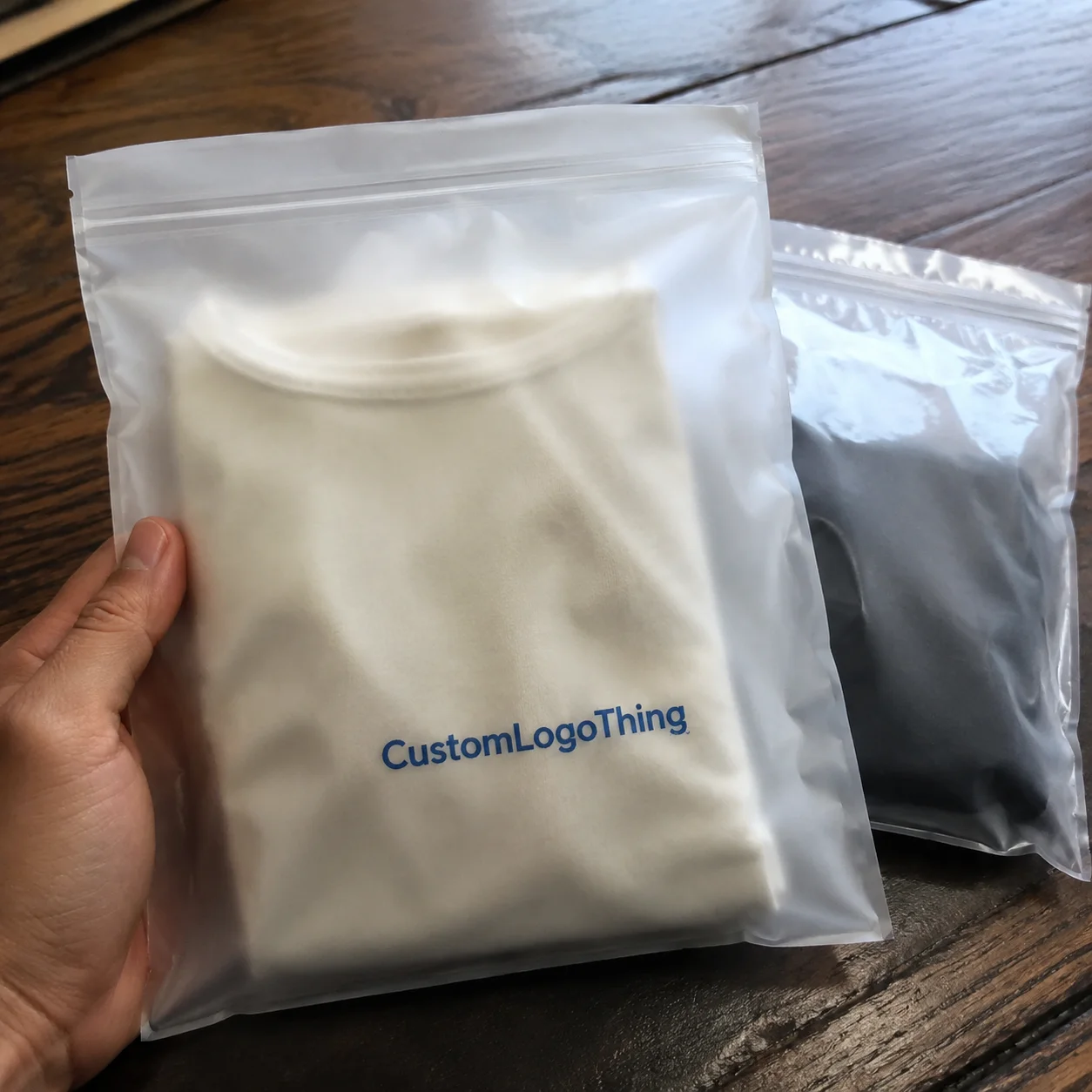
Event merch has a short runway. It gets packed, shipped, stacked, touched by dozens of people, then judged in about three seconds at a table or in a gift bag. That is why a hang tags material guide for Event Merch Teams is less about design theory and more about production reality. The tag is tiny, but it carries a surprising amount of weight: brand signal, product information, compliance details, and a first impression that can make a $12 tee look like a considered item instead of a giveaway.
Material choice decides how that impression lands. A clean layout can still fail if the stock curls in transit, scuffs under bright lighting, or turns gray once a QR code is printed on it. The right substrate does the opposite. It keeps type readable, supports the artwork, and feels deliberate in hand.
That matters even more for event merch because not every piece plays the same role. A high-volume badge-table giveaway does not need the same construction as a VIP jacket, a limited-edition launch item, or a boxed gift that will be photographed before it is worn. Teams often overspend by defaulting to one “safe” material for everything. The result is either budget strain or tags that look too basic for the merchandise they ride on.
“The tag should fit the product’s job. A premium tag on disposable swag can feel wasteful. A flimsy tag on a high-value drop can make the whole item look cheaper than it is.”
Why hang tag material choices make or break event merch
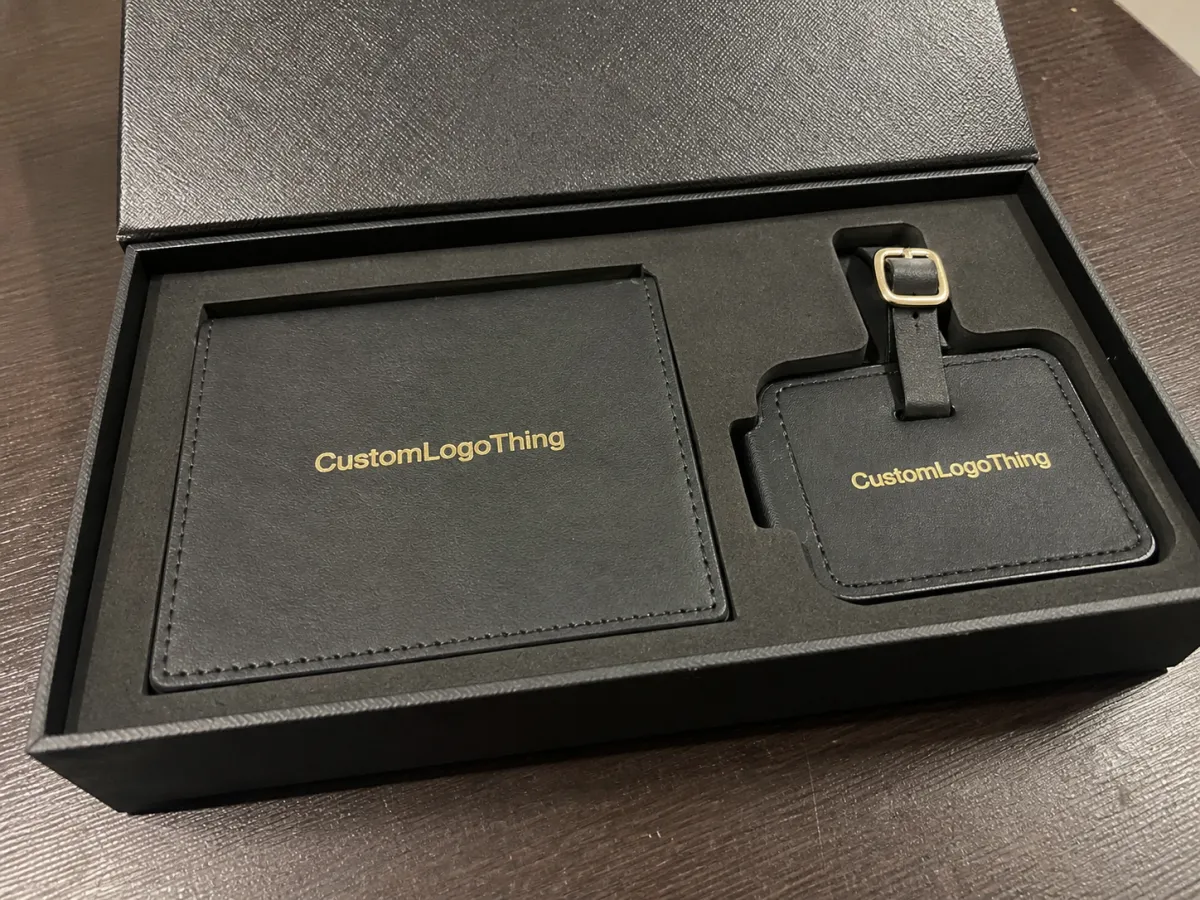
Tags in event programs get handled far more than most people expect. They are pulled from boxes, re-bundled, pinned, strung, stacked, and browsed at a pace that punishes weak paper immediately. Thin stock curls. Soft edges fray. Light ink loses contrast. If the merch is displayed under LEDs or photographed in a crowded booth, glare can become a real problem too.
A tag also serves three functions at once. It communicates the brand. It carries practical information, such as size, SKU, or care instructions. And it influences perceived value. The same artwork printed on two different materials can read as practical on one and premium on the other. That shift is often bigger than the art direction itself.
For Event Merch Teams, the lesson is simple: choose the material according to how the item will be handled, not just how it looks in a mockup. The cheapest option is rarely cheapest once you factor in scuffs, reprints, and the cost of merch that feels less finished than it should.
If the tag has to survive transit, repeated handling, or a second life after the event, material choice becomes a production decision, not a decorative one. That is where the most useful buying conversations start.
How hang tag materials affect print, feel, and performance
Coated stock, uncoated stock, kraft paper, textured paper, recycled sheets, and synthetic materials all behave differently under print. The differences show up quickly in small type, dense legal copy, scannable codes, edge wear, and how a tag feels after it has been touched fifty times in a crowded room.
Coated stock generally produces sharper detail and stronger color density. Blacks look deeper, reds stay cleaner, and fine text tends to hold better. It also resists scuffing better than many uncoated papers. The tradeoff is glare. Under stage lights, expo lighting, or flash photography, a glossy or semi-gloss finish can reflect more than teams expect.
Uncoated stock has a softer surface and a more natural hand feel. It is easy to write on, which helps when tags need size marks, batch codes, or distribution notes. The surface absorbs more ink, though, so tiny elements may soften slightly. If the design depends on crisp microtype or a tightly registered logo, test it rather than assuming it will translate cleanly.
Kraft paper is popular because it carries an immediate visual shorthand: earthy, simple, less polished in a good way. It works well for brands that want a handmade or sustainability-led feel. The catch is color performance. Whites can dull, pale tones can disappear, and some gradients lose energy fast. Kraft looks intentional only when the design is built for it.
Textured paper adds tactile value, but the texture changes how print sits on the surface. Linen, felt, and toothy finishes can elevate a tag that is meant to feel premium, yet they can make fine lines, small codes, and dense copy harder to read. That matters when the tag is doing more than branding.
Recycled materials cover a wide range. Some are bright, smooth, and highly consistent. Others have visible fiber variation that becomes part of the look. If sustainability messaging is part of the brief, recycled content can support the story, but the quality range is wide enough that a physical sample is worth the time. Brightness, surface consistency, and print contrast can vary more than teams expect.
Synthetic tags are the durability choice. They resist moisture and tearing better than paper-based stocks, which makes them useful for outdoor activations, multi-day programs, or merch that will be handled repeatedly. They are not always the best fit. If the campaign is built around natural materials or a lower-impact story, a synthetic tag can feel off-brand even if it performs well.
Performance is not just about print. Die cutting, punching, folding, and stringing all change the final result. A tag can look perfect on screen and still arrive curled, frayed, or awkwardly weighted once it is attached to the product. QR codes deserve special care here. Surface finish, code contrast, and size all influence scan reliability, and a code that works on a proof can fail under event lighting if it is too small or too low-contrast.
Key material factors event merch teams should compare
The first filter is thickness, usually described as caliper or gsm. In event merchandising, the sweet spot is often a cover stock in the 250–350gsm range. That gives enough body for a tag to feel substantial without making the finishing process awkward. Move much thinner and the tag can feel flimsy. Move much thicker and the hole punch, fold, or attachment method may need to change too.
Finish comes next. Matte is usually the safest choice for readability. Gloss can make colors pop, but it also reflects light. Soft-touch adds a velvety feel that works especially well on premium apparel or hospitality merch. Natural finishes, especially on kraft or uncoated recycled sheets, are quieter and often fit sustainability-led branding better than anything shiny.
Sustainability claims need precision. FSC certified paper points to responsible forestry management. Recycled content may include post-consumer waste, which is not the same as pre-consumer trim or manufacturing scrap. Biodegradable is a broader and looser claim, and it should not be used casually. A paper tag, an adhesive, a coating, and a string attachment do not all break down the same way, and local waste streams do not all accept them in the same manner.
Durability is a practical issue, not a theoretical one. Event merch is often packed days or weeks ahead of time, moved through multiple warehouses, and displayed before anyone takes it home. A tag that survives one tabletop display may still fail in transit if the stock is too soft. If a program uses shipper boxes, inserts, or fold-out presentation kits, the tag should be tested with the packaging format, not separately from it.
Special finishes also change the production equation. Foil can look strong on kraft because the contrast is high. Embossing often feels richer on heavy uncoated stock. Spot UV usually behaves best on smooth coated material. Variable data printing is widely compatible, but tiny personalized codes need a surface that preserves edge detail. If the tag contains batch information or attendee-specific messaging, request a test print before locking the spec.
A simple comparison table helps teams narrow the field quickly.
| Material | Strengths | Watch-outs | Typical fit |
|---|---|---|---|
| Coated stock | Sharp print, strong color, better scuff resistance | Can glare under lights | Retail-style merch, logo-heavy tags |
| Uncoated stock | Natural feel, easy writing, softer premium look | Ink can absorb more, less color punch | Apparel, storytelling tags, handwritten notes |
| Kraft paper | Earthy look, strong visual cue, low-key premium feel | Muted colors, variable tone | Sustainable brands, rustic event themes |
| Recycled materials | Clear sustainability signal, broad paper options | Brightness and consistency vary | Eco-led merch programs, FSC aligned briefs |
| Synthetic | Tear resistance, moisture resistance, long wear | Less natural feel, may conflict with eco story | Outdoor events, reusable or high-handling items |
Cost, pricing, MOQ, and unit cost basics
Material choice changes cost in ways that are easy to underestimate. The biggest drivers are substrate, size, print sides, color count, finishing, die cutting, and attachments such as string, elastic, or safety pins. A single-color tag on standard cover stock is a very different order from a double-sided tag with foil, a custom hole punch, and hand stringing.
A useful budgeting rule is to spend more where the tag helps sell the product and less where it only carries information. Teams often reverse that logic. They spec premium finishes across the entire run, including support items that will be glanced at once and discarded. That is how unit cost climbs without a meaningful improvement in the merch experience.
Pricing varies by supplier, region, and volume, but planning with real ranges helps. For 5,000 pieces, a straightforward tag on standard stock might land around $0.12-$0.22 per unit. Heavier uncoated, textured, or specialty recycled options often move into the $0.18-$0.35 range. Synthetic materials and more complex finishing can push higher, especially on smaller runs. Add assembly, stringing, or variable data, and the total rises again.
MOQ matters because event programs are rarely uniform. One project may need 300 tags for a VIP drop, while another needs 2,000 for an expo and a third needs several hundred more for regional distribution. If a supplier’s minimum order forces a premium spec onto every branch of the program, the budget can balloon quickly. In that case, a more flexible base stock may be the smarter choice, even if it is less exciting on paper.
Unit cost should also be compared against actual lifespan. A tag that survives shipping, event handling, and later retail transfer may justify a higher spend. A tag tied to a one-day giveaway may not. From a buyer’s standpoint, that is usually the cleanest way to stop overbuilding.
Cost snapshot for planning
- Standard cover stock: lowest entry cost, best for high-volume support items
- Heavy uncoated or textured stock: higher feel value, useful for premium merch
- Kraft and recycled papers: moderate pricing, strong story value when the brand supports it
- Synthetic options: usually the highest per-unit cost, but strongest durability
If tags are being sourced alongside labels or packaging inserts, it can help to review Custom Labels & Tags in the same round of planning. Shared setup can reduce duplicate approvals and make consistency easier to control.
Process and lead time: from sample to production
The workflow is usually straightforward, but it slows down when approvals are unclear. A typical production path looks like this: brief, material selection, proofing, sample approval, production, finishing, packing, and shipping. The first bottleneck is often not press capacity. It is waiting for someone to confirm the final spec.
Material availability can affect lead time more than artwork complexity does. A common stock is usually easier to source. A specialty recycled sheet, a specific FSC paper with a brightness target, or a custom coating may take longer because the supplier has to confirm inventory or schedule conversion. In practice, a visually simple tag can take longer than a more complex one if the substrate is unusual.
Digital proofs are useful for layout, copy placement, and color relationships. They do not tell you how the stock feels, how stiff it is, or how a deep matte black will behave under event lighting. If the tag needs to feel premium, order a physical sample or swatch pack. That step often catches more problems than another round of markup comments.
Revision time is another hidden cost. Teams routinely underestimate how long it takes to approve size, hole placement, attachment method, bleed, and tiny legal or compliance copy. Then shipping buffers get added on top. Multi-location events are especially unforgiving if a box lands in the wrong warehouse or misses a staging window.
For a simple program, 10-14 business days after proof approval is common. Custom materials, special finishes, or larger quantities often need 12-18 business days. Freight and final distribution can add more. If the event date is fixed, the production plan should leave room for at least one surprise, because there is usually one.
Step-by-step material selection workflow for merch teams
A material guide should help teams decide quickly, not turn the purchase into a thesis. The cleanest workflow is usually the one that removes options early and tests only what matters.
- Define the tag’s job. Is it identifying product, supporting pricing, reinforcing a sustainability message, or elevating a limited drop?
- Match the stock to the merch. Apparel, accessories, boxed gifts, and high-volume swag all create different handling demands.
- Shortlist two or three materials. Compare them against budget, event tone, and required durability.
- Request samples. Check readability, touch, stiffness, and how the surface handles fine print or QR codes.
- Lock production details. Confirm hole size, attachment method, bleed, finish, and any variable data before artwork is finalized.
The material should also fit the event environment. Indoor expo merch with controlled table display can tolerate softer paper. Outdoor activations need tougher stock or stronger finishing. Premium gifting benefits from a more refined hand feel. Internal kits often need the lowest practical cost because the tag is supporting logistics rather than retail perception.
Category matters too. Apparel usually needs durable tags with clean print and comfortable tactility. Accessories work well with smaller, sturdier tags. Premium gifts can justify heavier stock, embossing, or soft-touch lamination. High-volume swag generally works best with a simple substrate that prints clearly and does not slow production.
Photography should be part of the decision. Tags now live in two places: on the product and in images. A glossy stock may look polished in person but reflect harshly in social content. Matte or lightly textured papers often perform better in press kits, attendee photos, and quick cell-phone shots. That is not a minor detail anymore; event merch is judged as much by how it photographs as by how it feels on a table.
Common material mistakes event teams should avoid
The first mistake is choosing the cheapest stock automatically. Low-cost paper can crease, curl, and vary from batch to batch, which makes the whole merch table feel less intentional. If the tags are visible at point of giveaway, those flaws are not hidden by the product.
Another common error is overusing specialty finishes. Foil, spot UV, and soft-touch can be effective, but only when they serve the piece. If the tag will be discarded after one event, expensive decoration may not return much value. A better pattern is to reserve those details for hero items and use simpler construction elsewhere.
Legibility gets underestimated too. Dark kraft, recycled sheets with visible fibers, and heavily textured stocks can make small type harder to read. QR codes are especially sensitive. If the code needs to scan from a few feet away, test it on the actual substrate, at actual size, under the same light the event will use.
Attachment method is another trap. A thin tag can tear if the fastener is too heavy. A premium tag can look unfinished if the string is the wrong color or thickness. Material and attachment should be specified together. Otherwise the package can look mismatched even if each component looked fine on its own.
Screen-only approval is risky as well. A mockup cannot tell you how a sheet will feel in hand or how much weight the finished tag has. Some materials look elegant in PDF and flimsy in person. Others look rough in a proof but feel unexpectedly refined after print and cutting. That gap is why physical checks matter.
Expert tips for smarter hang tag spec decisions
Use a tiered strategy. Reserve premium materials for hero merch, media gifts, VIP pieces, or products that will be photographed heavily. Use simpler stock for internal kits, support items, or high-volume giveaways. This keeps the experience coherent without forcing every item into the same cost bracket.
Let the event theme influence the material. Earthy papers and kraft suit sustainability-led activations. Crisp coated stock fits product launches that need a clean commercial look. Tactile uncoated or textured sheets support luxury drops because they slow the hand down a little. That matters. People often feel quality before they can explain it.
Ask suppliers for costed alternatives, not just a “good/better/best” pitch. A useful comparison is: what does this paper upgrade actually change, and how much does it add to the unit cost? Sometimes the answer is “almost nothing except price.” Other times a slightly heavier base stock delivers most of the premium effect without a large jump in spend.
Think about reuse and second life. If the tags might remain on merch through multiple events, move toward stronger stock and better finishing. If the merchandise may later enter retail channels, print consistency and durability become more important. In that case, the tag is no longer only event collateral. It is part of the product system.
For teams trying to balance sustainability with performance, ask whether recycled content, FSC certified paper, or a lower-ink design solves the brief better than a more complicated claim. Practical sustainability is usually simpler than the marketing language around it. The best option is the one the supply chain can actually support.
Useful references can help with the standards side. For handling and distribution thinking, the International Safe Transit Association offers packaging-related guidance that can inform how teams think about abrasion, vibration, and pack-out. For fiber sourcing and responsible paper claims, FSC is one of the clearest references available.
Once packaging is part of the picture, the material conversation gets broader fast. Paper stocks, inserts, corrugated cardboard, and recycled components all influence the final hand feel. Seen that way, the tag stops being a loose add-on and becomes a finishing layer across the whole merch experience.
For teams making a final call, the best spec is usually the one that balances print clarity, feel, durability, and budget without overcomplicating production. That is the real standard: a tag that looks right, holds up in handling, and supports the merch instead of fighting it.
What should a hang tags material guide for event merch teams cover first?
Start with durability, print quality, hand feel, and budget. Then narrow the options to the materials that fit the merch type and event environment, rather than picking one stock for every program.
How do I choose a hang tag material for merch that will be shipped and handled a lot?
Prioritize heavier stock or a synthetic option if the tag has to survive packing, transit, and repeated handling. Test for curl, scuffing, edge wear, and QR code readability before approving the full run.
Which material usually looks most premium for event merchandise tags?
Heavier uncoated or lightly textured stocks often feel premium because they have more substance and a better hand feel. Add special finishes only if they improve the design or the reading experience.
How does hang tag material affect cost and unit cost?
Substrate choice, thickness, finishing, print sides, and attachments all affect unit cost. Specialty and premium materials cost more, so compare the price increase against the tag’s actual lifespan and brand value.
What should event merch teams check before approving a final material?
Confirm print clarity, color accuracy, attachment method, durability, and timing. If the tag needs to carry small type, QR codes, or compliance copy, review a physical sample before final approval.