Bridal shoppers judge fast. A dress, veil, or accessory can look expensive on the rack, then lose that feeling the second the tag feels flimsy or generic. If you need a Hang Tags Supplier Quote for wedding boutiques, the goal is straightforward: get a tag that supports the brand story, looks refined, and does not create a pricing headache later.
From a packaging buyer’s point of view, a good hang tag does more than carry a logo. It can show price, care instructions, SKU, website, and a small brand message in one compact piece. That is why an accurate Hang Tags Supplier Quote for wedding boutiques should include specifications, not guesswork. Otherwise you end up comparing apples to oranges, which is a polished way to waste time and money.
Why wedding boutiques need hang tags that sell the story fast
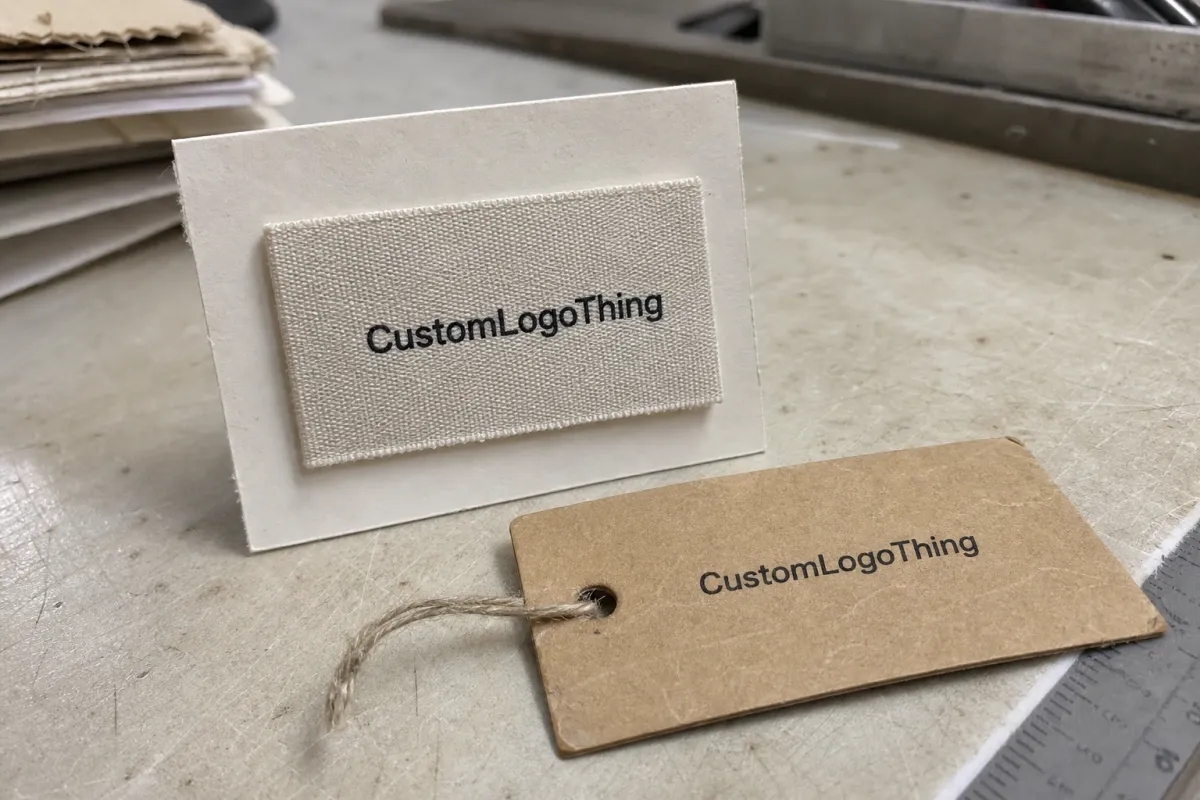
Wedding retail runs on first impressions. A bride or stylist may touch several items in a few minutes, and the hang tag is often the first branded detail they actually hold. If it feels thin, noisy, or off-brand, the product starts with a handicap.
A well-made tag supports branding, pricing, care information, and a gift-ready presentation without crowding the garment or accessory. That matters for bridal gowns, veils, wraps, hairpieces, bridesmaid gifts, and private-label accessories. The tag should add polish, not look like a supermarket clearance label wearing a tuxedo.
Generic retail tags usually chase speed and the lowest cost. Boutique-specific tags are more intentional. They match romantic, minimalist, classic, or luxury aesthetics with the right paper, shape, and finish. A soft white textured stock can feel timeless. Black matte with foil can feel modern and editorial. The details change the mood faster than most buyers expect.
Common buying situations include:
- New boutique launch and the first branded packaging run
- Seasonal refresh for a new collection or styling update
- Private-label program with custom packaging across multiple SKUs
- Special event packaging for trunk shows, bridal appointments, or pop-up displays
When you request a Hang Tags Supplier Quote for wedding boutiques, ask what the quote actually covers. Good quotes should separate material, print, finish, quantity, setup, and shipping. If the quote just says “custom tag price,” that is not a quote. That is a vague number with ambition.
“A proper quote should let you compare cost and presentation without needing a translator.”
The tag also has to survive handling. Bridal garments are tried on, steamed, returned to the rack, and touched by staff more often than many buyers assume. A tag that bends too easily or scuffs at the edges can make a well-made product look less considered. Small failure, large perception gap.
Hang tag styles, materials, and finishes that fit bridal retail
Wedding boutiques usually need a tag that looks refined, reads clearly, and holds up during handling. The format matters as much as the artwork. A single-sided tag is enough for a logo, product name, and price. A folded or multi-panel tag works better if you need care details, a brand story, or a QR code without crowding the front.
Common hang tag styles include:
- Single-sided hang tags for clean, minimal branding
- Folded tags for price on one side and story or care details inside
- Swing tags for a classic retail look with flexible attachment options
- Multi-panel tags for SKU, website, care, and appointment QR code
Material choice changes the entire feel. Coated cardstock gives crisp print quality and works well for full-color designs. Kraft paper fits rustic or natural bridal themes, though it can make white printing and fine details harder to reproduce cleanly. Textured stock is a strong choice for premium wedding branding because it feels tactile and intentional. Specialty paper can push the tag into luxury territory, but only if the design is restrained.
Paper weight matters too. Many bridal hang tags sit in the 300gsm to 450gsm range, depending on whether the tag is flat, folded, or combined with a ribbon. Thinner stock may save a few cents, but it can curl, crease, or feel underbuilt in hand. Heavier stock holds shape better, especially for layered finishes or larger format tags.
Finishes need discipline. Too much gloss on a bridal tag can look loud. Too much foil on a small tag can look overworked. Usually, matte lamination with one foil accent, or a soft-touch finish with embossing, gives the best balance for wedding retail. Rounded corners are also worth considering if the brand wants a softer look.
Attachment matters too. Satin ribbon feels more bridal than a basic plastic loop. Cotton twine suits organic or handcrafted branding. Clear plastic loops are cheap and practical, but they do not exactly whisper luxury. Choose based on the collection, not just the unit cost.
For the actual print method, one-color printing can be smart if the brand identity is simple and you want lower costs. Full-color printing makes sense for detailed logos, gradients, or floral artwork. If the logo is clean and minimal, a sharp one-color tag on textured stock can look more premium than a crowded full-color piece.
For broader packaging planning, you can also review Custom Labels & Tags to keep the boutique’s printed pieces visually consistent.
Specification checklist for an accurate hang tags supplier quote
If you want an accurate Hang Tags Supplier Quote for wedding boutiques, send specs that leave no room for guessing. The more complete the brief, the fewer revision loops and surprise costs later.
Start with the basics:
- Size in inches or millimeters
- Material and paper thickness, such as 300gsm or 350gsm
- Print sides: front only, front and back, or multi-panel
- Print colors: 1C, 2C, full color, or Pantone match
- Finish: matte, gloss, soft-touch, foil, embossing, spot UV
- Hole punch style: round, oval, reinforced, or custom placement
- Quantity and any split quantity across designs
Artwork quality matters more than most buyers expect. Send vector files for logos whenever possible. PDFs, AI, or EPS files are usually safest. If the file is a blurry screenshot, the supplier may still quote it, but the result will show the damage. Keep bleed at the edges, and leave safe margins so text does not get trimmed too close to the edge. For small tags, even 2 to 3 mm of poor layout can make the piece look amateur.
Do not forget the copy. Bridal buyers often need room for:
- Website and social handle
- SKU or style code
- Size or collection name
- Price
- Care instructions
- QR code for product page or appointment booking
Exact specs reduce friction because custom packaging pricing is tied to a combination of size, finish, complexity, and quantity. A 2 x 3 inch one-color tag on 350gsm cardstock is a different job from a folded tag with foil, embossing, and ribbon attachment. Obvious, yes. Still amazing how often people expect one quote to cover both.
If you are asking for a Hang Tags Supplier Quote for wedding boutiques, include the deadline and shipping destination too. That changes whether the supplier quotes standard production or rush production, and it affects freight options.
There is one more detail buyers often miss: whether variable data is needed. If every boutique location uses different price points, style codes, or languages, the supplier may need a separate data merge step. That is not a problem, but it should be priced and scheduled early rather than discovered after the proof arrives.
Cost, pricing, and MOQ details buyers should compare before ordering
Pricing for bridal hang tags usually depends on five things: stock, print coverage, finish, shape, and quantity. Simple is cheaper. Fancy is not, surprisingly enough.
For practical budgeting, here are common range-based expectations for small and medium boutique orders:
| Order type | Typical unit range | Best for | Tradeoff |
|---|---|---|---|
| Simple printed tag, 1 color, standard shape | $0.12-$0.25 per unit at 5,000 pcs | Budget-conscious boutiques, basic pricing tags | Less visual impact |
| Full-color custom tag, matte finish | $0.18-$0.35 per unit at 5,000 pcs | Brand-led bridal collections | Slightly higher setup and print cost |
| Foil, embossing, or specialty paper | $0.28-$0.65 per unit at 5,000 pcs | Luxury wedding retail | Higher setup and longer lead time |
| Low MOQ boutique run | $0.35-$1.20 per unit depending on specs | Launches, pop-ups, test runs | Higher cost per piece |
The tradeoff is simple: lower MOQ means less inventory risk, but the unit cost climbs. Higher quantities usually bring a better rate, especially once setup charges are spread out. If a boutique rotates collections often, a lower MOQ may be smarter. If branding is stable and reorders are likely, buying larger quantities usually pays off.
Ask about hidden cost drivers before you approve anything:
- Custom die cutting for unique shapes
- Foil stamping setup for metallic finishes
- Proofing or sample charges
- Special packaging for shipment protection
- Expedited production if the launch date is tight
A clean hang tags supplier quote for wedding boutiques should break out setup fees, unit pricing, shipping, and optional add-ons. That makes comparisons fair. If one supplier quotes a low unit price but hides high setup and freight, the final total can jump fast.
For reference, manufacturer-level suppliers often give clearer pricing than resellers because they can control print, finishing, and production directly. That usually improves flexibility too. The downside? They may ask for cleaner artwork and more exact specs. Fair trade.
For sustainability-conscious buyers, ask whether paper stocks are FSC-certified and whether the supplier can document material sourcing. The FSC standard is a useful starting point, especially if the boutique communicates responsible sourcing.
Some buyers focus only on unit price and miss waste. A slightly higher-cost tag that arrives accurately trimmed, properly packed, and ready to use can cost less overall than a bargain run that needs replacements. Packaging teams see this more often than they should.
Production steps, lead time, and proofing from quote to delivery
The usual workflow is straightforward, but the delays happen in the handoff points. It goes like this: inquiry, spec review, quote, design proof, sample approval, production, quality check, then shipping.
For simple printed tags, production often takes about 7-12 business days after proof approval. If you add foil stamping, embossing, die-cut shapes, or specialty paper, plan closer to 12-18 business days. Rush orders may be possible, but they usually require simplified specs and quicker approval.
Proofing saves money. Digital proofs catch layout problems, incorrect spelling, and missing bleed. Physical samples help with color feel, paper texture, and hole placement. If the tag is meant for a premium bridal line, a sample is worth it. A satin ribbon hole placed 2 mm too high can throw off the entire presentation.
Where do delays usually happen?
- Unclear artwork that needs redesign help
- Late proof approval from the buyer side
- Last-minute spec changes after the quote is issued
- Color matching requests without a reference standard
If color accuracy matters, ask how the supplier handles matching. Pantone references are usually the cleanest route for brand consistency. That said, coated and uncoated papers will still change the look. A color on matte stock will not behave exactly the same on gloss. Printing science is rude that way.
For shipping and transit, ask whether the tags are packed flat in cartons, shrink-wrapped, or bundled by style. If you are ordering for a trunk show or boutique launch, you want the shipment protected from bent corners and crushed edges. Packaging quality matters even for packaging itself.
For packaging testing and transit resilience, standards like ISTA provide useful guidance on transport performance. Most hang tags do not need heavy lab testing, but shipping damage prevention should still be part of the planning.
Clear schedule control matters as much as print quality. A supplier that can give a realistic proof-to-ship timeline, then hold it, is far more valuable than one offering a low quote and vague dates. Bridal calendars are unforgiving; missed delivery windows are hard to recover.
What makes a reliable wedding boutique tag supplier worth using
A reliable supplier is not just someone who gives a fast quote. They spot production risks early, explain options clearly, and keep the order moving without mystery emails that read like a scavenger hunt.
The best suppliers in this category usually share five traits:
- Consistent print quality across repeat orders
- Responsive quoting with clear breakdowns
- Practical file support for artwork and layout fixes
- Flexible MOQ options for boutique-sized runs
- Transparent reorder process when you need the same tag again
Quality control is where the good ones separate from the average ones. You want clean cut edges, accurate hole alignment, stable foil adhesion, and consistent color from batch to batch. If the tag is part of a bridal set or private-label collection, even small variation becomes noticeable fast.
Supplier experience also matters. A manufacturer-level packaging partner can usually tell you if the tag size is too small for the copy, if the foil area is likely to clog, or if the ribbon choice will twist the tag badly on display. That kind of feedback is worth real money because it prevents reprints.
Service features to look for include sample support, proof revisions, design advice, and clear communication on shipping dates. If a supplier answers like they actually understand packaging, that is a good sign. If every answer is “no problem” without specifics, that is usually not a good sign. Miracles are not a business plan.
There are also practical signs of reliability that do not show up in a price table. A supplier who asks about carton packing, spare units, and inspection tolerance is probably thinking beyond the first print run. So is one who can explain how they handle reorder consistency when paper lots change. Those questions sound minor until a boutique needs a second batch that matches the first.
For buyers who want both hang tags and matching printed pieces, a coordinated supplier can help keep tone and finish consistent across the assortment. If support is needed, you can also Contact Us to request a quote and compare options for the boutique line.
Next steps to request your wedding boutique hang tag quote
Before you send a hang tags supplier quote for wedding boutiques request, gather the basics: logo file, size, quantity, stock preference, finish, and deadline. If the vibe is already clear, mention it. “Minimal bridal,” “soft romantic,” and “luxury matte” tell the supplier more than three paragraphs of adjectives.
Ask for two versions if possible:
- Budget option with standard stock and simple print
- Premium option with higher-end paper or finish
That gives a real comparison. In practice, many wedding boutiques end up choosing the middle path: better paper, restrained foil, and a clean layout. It looks premium without eating the margin alive.
If the order is for a launch, trunk show, or a high-end bridal line, request a sample or mockup before full production. Check the final proof carefully. Confirm spelling, price fields, hole location, finishing, and shipping details. One missed digit in a SKU can create a needless mess. Nobody needs that level of drama over a tag.
Here is a simple internal approval checklist:
- Confirm artwork and spelling
- Check size and fold orientation
- Review paper, finish, and attachment style
- Verify quantity and unit price
- Approve proof only after the final look is right
For wedding boutiques, timing matters more than people admit. If a collection launch is tied to appointments, styled shoots, or seasonal displays, order early enough to absorb proof changes and shipping buffers. The cleanest hang tags supplier quote for wedding boutiques is the one that arrives with enough lead time to do the job properly, not the one you scramble to approve because the launch date is already breathing down your neck.
One last practical point: keep the quote and the approved proof together in one file. Reorders are much easier when the original stock, finish, size, and attachment details are documented. That kind of recordkeeping is not glamorous, but it is exactly what prevents a small packaging item from turning into a recurring problem.
FAQ
What information do I need for a hang tag supplier quote for wedding boutiques?
Send size, quantity, material, print colors, finish, and attachment style. Include artwork files, logo format, and any text that must appear on the tag. Add your deadline and shipping destination so the quote is accurate.
What is the usual MOQ for custom wedding boutique hang tags?
MOQ depends on the supplier, printing method, and finishing complexity. Simple printed tags usually allow lower minimums than foil or die-cut designs. Ask for both low-MOQ and bulk pricing if you want to compare options.
How long does production usually take for bridal boutique hang tags?
Simple orders move faster than specialty finishes or custom shapes. Proof approval and artwork readiness affect the timeline as much as production itself. Ask for a lead time estimate that includes proofing, production, and shipping.
Which finish looks best for luxury wedding retail tags?
Matte with foil stamping is a common luxury choice because it feels refined without looking noisy. Embossing and textured paper work well for upscale, romantic branding. The best finish depends on whether the boutique style is classic, modern, or soft and bridal.
Can I include QR codes or care instructions on boutique hang tags?
Yes, many boutiques use QR codes for product pages, care guides, or appointment booking. Care instructions, price, SKU, and brand story can all fit on a well-planned tag layout. Make sure the design leaves enough space so the tag still looks clean and premium.


