Getting a Hang Tags Supplier Quote for ceramic studios should be a straightforward buying task, not a guessing exercise. The tag has to look polished on a mug, hold up through handling at markets and shops, and stay readable after packing, shipping, and repeated touch. A useful quote makes the tradeoffs visible: stock, print method, finish, hole reinforcement, and attachment options. A vague one hides the real cost until the order is already in motion.
Ceramic tags do more than hang from a handle or wrap around a box. They carry product names, glaze details, care instructions, SKU numbers, and sometimes barcodes. They also do quiet branding work that matters more than many buyers admit. A handmade bowl with a good tag feels finished. The same piece with a flimsy tag can look underpriced, even if the clay body and glaze are excellent.
Custom Logo Things works with buyers who need practical packaging decisions rather than broad sales language. If you are comparing a Hang Tags Supplier Quote for ceramic studios, the useful part is not the headline number. It is the spec behind it.
Why ceramic studios need hang tags that survive handling, glaze dust, and retail display
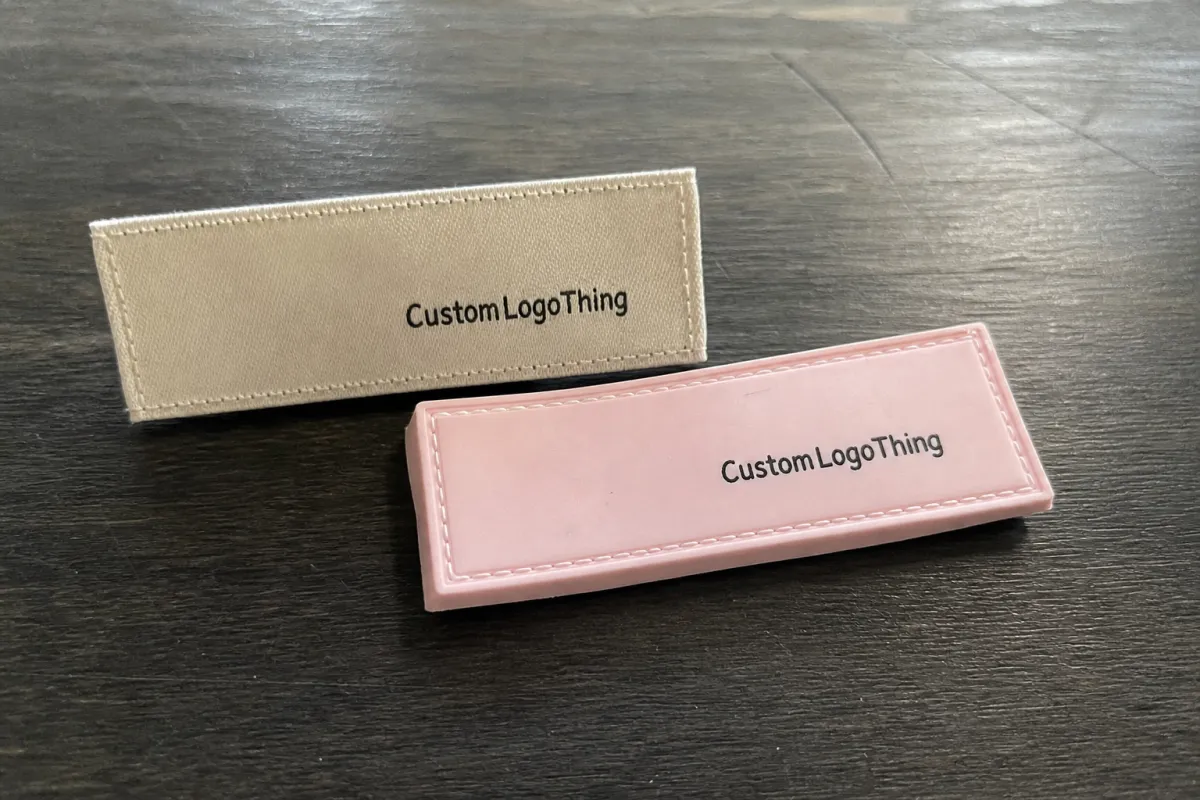
Ceramic tags get handled more than people expect. They move from shelf to box, from box to booth table, from booth table to customer hand, then back again during restocking. They sit near dust, packing tape, clay residue, and sometimes damp storage conditions. If the paper stock is too light, the punch tears, or the print rubs off, the whole presentation drops in quality fast.
A tag for ceramics has to do three jobs at once. It presents the brand. It communicates product information. It makes the item retail-ready without extra handwritten notes or sticker fixes. That sounds simple, but it is where many small studios lose time. One missing care line or a smeared barcode can delay a shipment, and one bent tag can make a whole display look improvised.
The most common failures are easy to spot:
- Thin stock that curls after a few handling cycles
- Punches too close to the edge that split near the hole
- Text that is too small to read from a shop shelf
- Glossy coatings that show scuffs and fingerprints quickly
- Color drift that makes brand colors look dull or off
That is why a clear Hang Tags Supplier Quote for ceramic studios is useful. It lets you compare the actual variables: 14pt versus 16pt versus 18pt, matte versus soft-touch, one-sided versus two-sided, standard rectangle versus die-cut. If a supplier cannot explain those differences without hedging, the quote is not ready for decision-making.
“A tag can be small and still change how the whole product line feels. Buyers notice when the finish and the stock do not match the price point.”
Studio buyers usually care about two things at once: presentation and repeatability. A tag has to work for a single market table and for a wholesale reorder months later. If a supplier understands that, the order process gets much easier.
Hang tag formats, materials, and finishes that work for ceramics
Most ceramic studios do best with simple tag formats. Rectangles are the easiest to print and the cheapest to reorder. Rounded corners reduce wear on the edges. Squares suit modern branding. Custom die-cuts can work well if shape is part of the brand identity, but a fancy outline should earn its place through function, not just a mockup that looks good on screen.
For stock, 14pt, 16pt, and 18pt cardstock cover most needs. The practical difference is not subtle:
- 14pt: lighter, less expensive, fine for simple tags and lower-budget runs
- 16pt: the most balanced choice for many ceramic studios
- 18pt: thicker and more premium, better for gallery pieces and higher-end retail
If the brand leans handmade and tactile, textured paper can be a strong fit. Cotton-feel stock, laid texture, and lightly speckled uncoated paper all support an artisan look better than a slick coated surface. The tradeoff is print behavior. Texture can soften color slightly and make tiny type less crisp, so bright logos and detailed graphics usually print more cleanly on smoother stock.
Finish matters more than many first-time buyers expect. Matte is usually the safest choice for ceramic packaging because it feels restrained and shows fewer scuffs. Soft-touch lamination gives a richer feel and resists handling marks better, but it adds cost and can mute some color. Gloss can boost saturation, yet on handmade ceramics it often feels too shiny unless the brand is deliberately bold or contemporary.
Attachment choices deserve the same level of attention. Cotton string, twine, ribbon, and elastic loops all behave differently in production and retail use. Twine feels natural and suits rustic or studio pottery brands. Ribbon looks more gift-ready. Elastic loops are practical when tags need to attach quickly in production. If the tag is likely to tear at the hole, ask about eyelets. They add a small amount to cost, but they protect the paper and reduce waste.
Storage and transport matter too. Tags kept in humid corners or packed near dusty materials can warp at the edges. A paper stock that looks perfectly flat on delivery can still curl later if the environment is poor. Paper is not a sealed product; it reacts to the room it lives in.
For buyers comparing material standards, it can help to check whether stock is FSC-certified or sourced from similar forestry systems. The FSC standard is described at fsc.org. For shipping or storage across retail channels, general packaging performance guidance from ISTA can also be useful.
| Option | Best for | Typical feel | Cost impact |
|---|---|---|---|
| 14pt matte cardstock | Simple studio tags, markets, lower-budget runs | Light, clean, basic | Lowest |
| 16pt uncoated or matte | Most ceramic brands | Sturdy, balanced, retail-friendly | Moderate |
| 18pt soft-touch | Premium giftware, gallery pieces | Thick, refined, tactile | Higher |
| Textured stock | Artisan brands, handcrafted collections | Natural, handmade, distinctive | Higher |
Print specs, artwork setup, and brand details buyers should approve
Strong quotes begin with complete specs. If the request leaves out size, quantity, material, finish, print side, and attachment method, the number you get back is only a rough estimate. That can be fine for early planning, but it is not enough for purchasing.
For ceramic studios, a tag often carries both brand and product data. On a mug tag, for example, the card might include the studio name, collection name, glaze name, care instructions, SKU, barcode, and sometimes an origin line. That is a lot to fit on a small surface, so hierarchy matters.
The brand name should read first. Product name comes next. Utility information should never compete with the logo. On smaller tags, white space is not empty space; it is what keeps the design readable. A tag with too many elements and no breathing room looks crowded, even if the artwork itself is attractive.
Artwork files should be set up correctly before production starts. Vector files are still the safest starting point for logos and type-heavy layouts. AI, EPS, or PDF are usually preferred. Raster files can work for simple projects, but they are easier to misread or pixelate. A proper file package should include:
- Bleed, usually 1/8 inch when the artwork runs to the edge
- Safe margin, so text does not sit too close to the cut line
- Minimum font size, with 6 pt as a rough floor and 7 pt being safer for utility text
- Hole placement, especially on custom shapes or narrow tags
Proofing is where most preventable mistakes get caught. A digital proof should show the final dimensions, cut line, hole position, finish, and any front/back copy differences. Check spelling first. Then check barcode placement. Then check whether the color references still make sense in print. A small shift in a logo color may be acceptable. A wrong SKU on a tag is not.
If a studio uses the same tag structure across retail and wholesale, it helps to keep the approved file on record. Reorders become simpler when the supplier can pull the same dimensions, hole placement, and finish without rebuilding the order. For related packaging formats, see Custom Labels & Tags.
Cost, pricing, MOQ, and what drives your quote
The cost of a Hang Tags Supplier Quote for ceramic studios usually comes down to a few predictable factors. Quantity is the biggest one. Then stock thickness. Then print complexity. After that, every add-on starts to matter.
The main pricing drivers are:
- Quantity: higher runs lower the unit price
- Stock thickness: 18pt costs more than 14pt
- Print side count: two-sided printing costs more than one-sided
- Color count: full color usually costs more than spot-color layouts
- Finish: soft-touch, foil, embossing, and special coatings add cost
- Shape: standard rectangles are cheaper than custom die-cuts
- Attachment extras: eyelets, stringing, ribbon, or custom tie-ons add labor
MOQ depends on the print method and finishing. Small digital runs often start around 250 to 500 pieces. Offset or specialty jobs may need 1,000 pieces or more. That is not a trick; it reflects press setup and finishing time. A lower quantity spread across the same setup cost will almost always push the unit price up.
As a rough range, simple custom hang tags may fall around $0.12 to $0.35 per unit at moderate volumes. Thicker stocks, foil, embossing, or custom shapes can move pricing into the $0.40 to $0.90 per unit range or above. The exact number depends on size, quantity, print method, and finishing. If a quote looks unusually low, ask what stock, cut, and print method are being used. Cheap is not the problem. Unclear is.
A useful quote should break out the pieces separately:
- Unit price
- Setup or plate fees
- Proof cost, if any
- Shipping
- Tax or duties, if relevant
Compare quotes only when the spec is identical. Same size. Same stock. Same finish. Same quantity. Otherwise the lower number may only be hiding thinner paper or a less durable cut. That can show up later as reprints, rejected cartons, or tags that do not survive retail handling.
For studios that sell both direct and wholesale, asking for two quotes often makes more sense than asking for one. A test run of 250 or 500 pieces can reveal the real cost of a new design. A second quote at a larger reorder quantity shows where the unit price drops. That gap is useful planning data, not just a sales detail.
Good suppliers also state whether repeat orders keep the same setup cost or qualify for a reduced repeat-run charge. That line matters more than it sounds, especially for brands that reorder the same tag every season.
Production steps, turnaround, and lead time from proof to delivery
The production path is simple when the brief is complete. The request goes out first. The supplier confirms specs. Artwork is sent. A digital proof returns for approval. Once approved, the order moves into print, finishing, packing, and shipment. The process only feels complicated when approvals are delayed or the file is not ready.
Standard custom hang tags often take 7 to 15 business days after proof approval. Digital jobs can sometimes move faster. Specialty finishes such as foil, embossing, custom die-cuts, and hand-stringing usually add time. If production is busy, the extra days can add up quickly.
The most common delays are predictable:
- Artwork submitted without bleed or safe margins
- Missing sign-off from the studio owner or buyer
- Custom shapes requiring new die work
- Barcode fixes introduced late in the process
- Seasonal demand around gift markets, wholesale deadlines, and holiday sell-through
For ceramic studios, timing should match inventory flow. Ordering tags after the product is already boxed creates unnecessary pressure. A safer rule is to place the order with at least 3 to 4 weeks before the items need to be on shelf. That leaves room for proof corrections, re-approval, and normal production delays.
Rush service exists, but it almost always comes with tradeoffs. The supplier may narrow the material choices, limit finishing options, or charge more for acceleration. If you need a specialty finish and a tight deadline, expect one of those factors to bend.
Before approval, confirm carton count, packing method, and ship date. If the tags are going to a humid storeroom or multiple retail locations, ask how they are packed to reduce corner crush and curl. A good tag can still arrive in poor condition if the packing is careless.
Why studio buyers stick with suppliers who know custom retail packaging
The best suppliers do more than print a card. They help keep the order repeatable. That means consistent color, reliable cutting, and proofs that match the finished tag closely enough to trust. It also means they understand that a handmade brand may need a wording update, a seasonal variation, or a small reorder without rebuilding the entire project from scratch.
Ceramic brands often need more than one tag format. A studio might want a smaller swing tag for mugs, a larger card for boxed sets, and a simple product card for gallery displays. If one supplier can handle those formats under the same brand rules, the packaging feels more coherent and the reorder process becomes less tedious.
Quality control should cover a few non-negotiables:
- Edge finish with no rough cuts or fraying
- Punch alignment so the hole sits cleanly in the right position
- Print clarity on small text and barcode elements
- Color consistency across repeat production runs
Less back-and-forth is another real advantage. When the supplier keeps prior specs on file, a reorder can become a short email instead of a new setup conversation. That saves time, and it reduces the chance that someone accidentally changes a dimension or finish from the last approved job.
For commercial packaging buyers, response speed matters almost as much as the printed result. Suppliers who can flag likely issues before proofing, answer technical questions clearly, and keep records tidy make the buying process calmer. For ceramic studios, that is often the difference between a one-off order and a repeat supplier relationship.
What to send next to get an accurate quote and faster approval
If you want a useful Hang Tags Supplier Quote for ceramic studios, send a complete brief the first time. Half-finished requests slow the process down and tend to produce broad estimates instead of usable pricing. A clear spec shortens the quote cycle and reduces proof corrections.
Include these details:
- Tag size and shape
- Quantity
- Material preference, such as 16pt matte or textured stock
- Print sides, one or two
- Finish, matte, soft-touch, gloss, foil, or no coating
- Attachment style, string, twine, ribbon, eyelet, or none
- Logo file and any brand color references
- Copy text, including care instructions and SKU fields
- Barcode needs, if applicable
- Example product type, such as mug, bowl, vase, or candle vessel
A simple workflow helps keep the order moving:
- Request quote
- Review the spec sheet
- Approve the digital proof
- Confirm timing and shipping
- Place the order
If you are deciding between two or three builds, ask for side-by-side pricing. A comparison such as 16pt matte versus 18pt soft-touch usually gives more insight than a single number. It shows whether the upgrade is mostly visual, tactile, or genuinely worth the added cost for your line.
For a next step, send the tag details through Contact Us with the intended product type and the exact information that needs to appear on the card. The clearer the brief, the cleaner the quote.
For ceramic studios, the smartest buying choice is not the lowest number on the page. It is the quote that matches the product, survives handling, prints cleanly the first time, and can be repeated without friction. That is what a good hang tags supplier quote for ceramic studios should deliver: clear specs, realistic pricing, a workable timeline, and enough production detail to place the order with confidence.
What details should I include in a hang tags supplier quote request for ceramic studios?
Include size, quantity, material, print color count, finish, attachment method, and whether you need one-sided or two-sided printing. Add logo files, copy text, barcode requirements, and any special shape or cut-line notes. If you can, mention the product type, such as mugs or bowls, so the supplier can recommend the right tag format.
What is a typical MOQ for custom hang tags for ceramic studios?
MOQ depends on the print method and finish. Smaller digital runs are often available at lower quantities, while offset and specialty finishes usually need higher minimums. In practice, higher quantities lower the unit price, so it helps to compare both a test run and a reorder volume.
How long does it take to produce custom hang tags after approval?
Standard production is often 7 to 15 business days after proof approval, depending on stock, quantity, and finishing. Custom shapes, foil, embossing, or busy production periods can add more lead time. If your launch date matters, build in extra room for proof changes.
Which tag material works best for ceramic products sold in shops and markets?
A sturdy cardstock in the 14pt to 18pt range is usually the safest choice for handmade ceramics. Matte or uncoated finishes often suit artisan brands better because they feel less glossy and more premium. If the tag will be handled often, choose a stock that resists curling and holds the punch cleanly.
Can I reorder the same hang tags without redoing the design?
Yes, most suppliers can keep approved artwork on file for repeat orders. It helps to confirm exact specs and save the proof reference so reorders stay consistent. If you need a wording update or a seasonal version, ask for a revised proof before production starts.


