If you need a Hang Tags Supplier Quote for Farmers Market Sellers, the first question is not “what looks nice?” It is “what problem does the tag have to solve?” At a crowded stall, one tag may need to do the work of a price sign, ingredient card, care guide, brand marker, and compliance note. That is a lot to ask from a rectangle of paper, which is exactly why the spec matters.
A weak quote usually starts with vague language: “nice stock,” “standard size,” “good finish.” Those phrases hide the real variables. A useful Hang Tags Supplier Quote for farmers market sellers should be built from measurable details: stock type, dimensions, print sides, hole style, quantity, and whether the tag has to survive humidity, handling, or refrigerated display.
Farmers Market Sellers use hang tags on baked goods, soaps, candles, produce bundles, jams, textiles, and handmade gifts. The tag for a jar of preserves is not the same as the tag for a cotton tote or a soap bar tied with twine. Materials, legibility, attachment method, and durability all change depending on what is being sold.
Why farmers market sellers need hang tags that do more than look cute
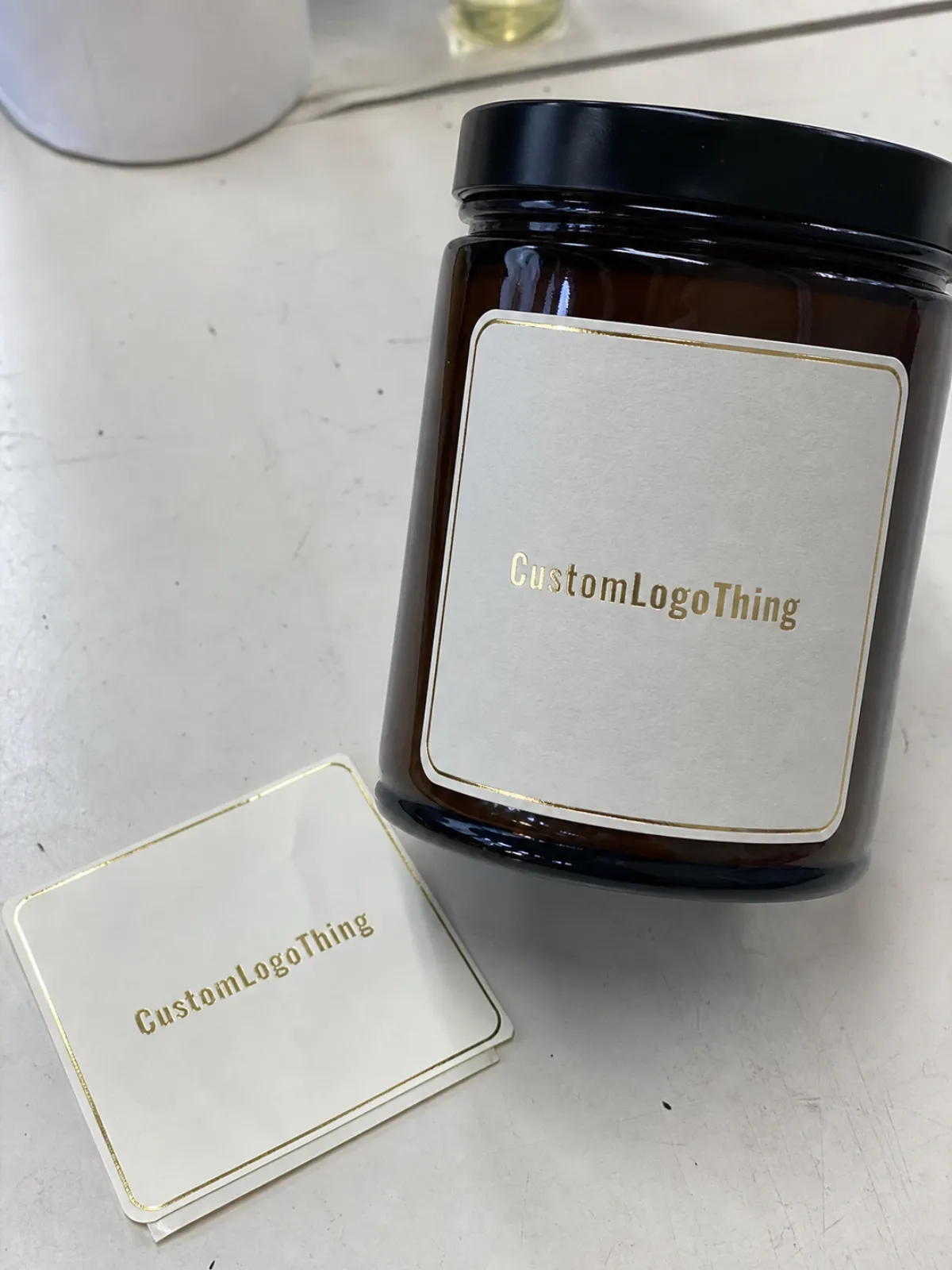
Market shoppers make fast decisions. They glance, compare, ask one question, and move on. If your price is hidden, your ingredients are cramped, or your tag curls in the sun, the sale gets harder before it begins. The tag is not decoration first; it is a sales tool.
That matters because every repeated question slows the stall. A readable tag can answer basics before anyone has to ask: what it is, how much it costs, whether it contains allergens, how to care for it, where it was made, or how to reuse it. That is useful when one person is wrapping orders, another is handling cash, and a third is trying to decide between two soaps that smell almost identical.
There is also a perception issue. A $14 candle with a clean, well-cut tag feels deliberate. The same candle with a flimsy stock tag and a rough hole punch reads as improvised. Buyers may not consciously analyze the difference, but they register quality quickly.
Good market tags do three jobs: they sell the product, answer basic questions, and stay intact through a full market day.
Outdoor selling introduces extra strain. Heat can warp thin stock. Moisture can soften edges. Repeated handling can tear a tag near the hole if the paper is too light or the punch is too close to the edge. That is why a quote based only on appearance often disappoints. The smarter approach is to define use conditions first, then request pricing.
Another practical point: many sellers under-spec their tags on the first request. They ask for “something simple,” then later realize they need room for a barcode, a batch number, a QR code, or a flavor variant. The quote gets revised, artwork gets reworked, and the deadline gets tighter. Planning the content upfront makes the whole process cheaper and less frustrating.
Hang tag formats, materials, and finishes that fit market goods
There is no universal hang tag. There are, however, formats that consistently work for farmers market products. Standard paper tags are the most economical and easiest to print. Kraft stock gives a rustic, natural look. Coated card supports sharper color and cleaner photography. Recycled stock suits brands that want a lower-gloss finish with visible fiber texture. Waterproof synthetic stock earns its keep for chilled, damp, or high-handling products.
Size affects both readability and cost. Smaller tags are fine for simple pricing or a short product name. Once you need ingredients, care notes, or more than one price point, a slightly larger tag is often better than forcing everything onto a tiny card. Buyers at a market are not reading from a desk. They are standing three feet away, sometimes in glare.
Shape changes the budget too. Rectangles are the least expensive and easiest to quote. Circles, scallops, and rounded corners add visual personality without a major cost jump. Custom die-cut shapes look distinctive, but they require tooling and often raise unit cost. For small batches, that extra spend should have a clear brand purpose.
Finishes are not just cosmetic. Matte is easier to write on and works well for earthy or handmade brands. Gloss boosts color saturation but can reflect light and make small text harder to read. Soft-touch finish gives a premium feel, especially for gift items, though it usually pushes the price higher. Uncoated stock is useful when tags need to be handwritten with prices, batch codes, or flavor names.
Attachment details deserve the same attention as print specs. A standard punched hole is the baseline. Reinforced eyelets help prevent tearing, especially for heavier items or tags that will be tied on and removed often. Twine, cotton cord, ribbon, and elastic loops each create a different look and a different handling experience. If the product is delicate, bulky attachment hardware can feel clumsy.
Printing on one side is enough for many simple products. Double-sided printing is better when one side carries branding and the other side carries ingredients, care instructions, or story copy. In practice, two-sided printing can be more efficient than enlarging the tag just to fit more text.
| Option | Best for | Typical unit cost range | Notes |
|---|---|---|---|
| Standard paper tag, one-sided | Produce, baked goods, simple handmade items | $0.06-$0.14 at 5,000+ units | Lowest cost, fastest to quote |
| Kraft or recycled tag, double-sided | Soap, candles, gifts, textile goods | $0.10-$0.22 at 3,000+ units | Useful branding space, still budget-friendly |
| Coated premium card with finish | Higher-end gift items | $0.18-$0.35 at 2,000+ units | Sharper graphics, higher perceived value |
| Waterproof synthetic tag | Chilled, damp, or outdoor handling | $0.22-$0.45 at 2,000+ units | Durable, but more expensive and less writable |
If the product will sit in ice, sit in sunlight, or get tied on and off repeatedly, say so in the quote request. Otherwise the supplier may price a standard paper build that looks fine on screen and fails in the field. That mismatch is avoidable.
Specifications to include before requesting a quote
The cleanest quotes come from buyers who know the practical requirements, even if the artwork is still rough. A good Hang Tags Supplier Quote for farmers market sellers should be based on a short, complete spec list. Missing details create assumptions, and assumptions are where most delays begin.
Include the following:
- Size — for example, 2 x 3.5 in., 2.5 x 4 in., or a custom size
- Material — kraft paper, coated card, recycled stock, or waterproof synthetic
- Stock weight — such as 300gsm, 350gsm, or 18pt card
- Quantity — 500, 1,000, 3,000, 5,000, or more
- Print sides — one-sided or double-sided
- Ink colors — black only, full color, or Pantone-matched spot colors
- Finish — matte, gloss, soft-touch, or uncoated
- Hole style — standard punch, reinforced eyelet, or dual holes
- Attachment — string, twine, elastic loop, ribbon, or none
- Artwork files — AI, PDF, EPS, or high-resolution PNG
Artwork format matters more than many first-time buyers expect. Vector files print cleaner and scale without distortion. A low-resolution logo can trigger proof corrections or force the supplier to rebuild the file before printing. That is not nitpicking. It is a basic production safeguard.
For product copy, keep the tag content tight. The most useful fields are usually brand name, product name, price, origin, net weight, care notes, and a social handle or QR code. Food sellers may also need ingredient statements and allergen notes. Handmade goods often need care instructions or usage warnings. The more the tag must say, the more careful the layout has to be.
Here is a simple quote-prep checklist that keeps the first round efficient:
- Product type and display condition
- Exact size or preferred size range
- Quantity needed now and likely reorder volume
- Material preference and finish preference
- Required content, including compliance-sensitive text
- Artwork files or logo files
- Target delivery date
That last line changes the quote more than people realize. A Friday market deadline, a product launch, and a normal replenishment order are three different jobs. If the tags must arrive before a market weekend, say it early. Production schedules are built around lead time, not wishful thinking.
For buyers comparing tag and label options, the Custom Labels & Tags page is a useful reference point before sending a request.
Cost, pricing, MOQ, and what actually changes the unit cost
Unit cost is mostly a function of quantity, stock, size, print complexity, and finishing. Those variables show up in every quote. A hang tags supplier quote for farmers market sellers gets expensive faster when the order includes custom shapes, multiple print colors, special coatings, or nonstandard attachments.
Quantity is the biggest driver. A 500-piece order can cost two to four times the unit price of a 5,000-piece run. That does not mean buying more than you need is wise. It means the setup cost has to be spread across enough pieces to make the math sensible. For sellers with seasonal products, the correct order size is often the one that covers a realistic sales window plus a small buffer for reorders.
MOQs vary by material and print method. Standard paper hang tags may start around 500 to 1,000 pieces. Custom die-cut shapes, specialty paper, and premium finishes can push the minimum to 2,000 or 3,000 pieces. Waterproof stock may also have a higher floor because it is more expensive to source and not always available in every size.
Several quote items can hide in plain sight:
- Setup charges
- Die-cut tooling
- Plate fees for certain print methods
- Attachment costs
- Proofing fees for complex revisions
- Shipping and packaging
That is why the lowest unit price is not always the best quote. A tag that looks cheap on paper can become less attractive once shipping and setup are added. Ask for the landed cost if you want a realistic comparison. Otherwise you are comparing incomplete numbers.
Typical pricing ranges for market-ready tags usually fall somewhere here:
- 500 units: often $0.18-$0.45 each depending on stock and finish
- 1,000 units: often $0.10-$0.30 each
- 3,000 units: often $0.07-$0.20 each
- 5,000 units: often $0.06-$0.16 each for standard paper tags
These are practical ranges, not guarantees. Full-bleed color, specialty coatings, and heavier card all move the price upward. If someone quotes a premium, double-sided, custom-shaped tag at a number that seems too good to be true, ask what is missing. Usually something is.
If budget is tight, the simplest path is often the smartest: standard size, one-color print, matte or uncoated stock, and a clean layout. A basic tag done well usually looks better than a complicated tag executed poorly.
For broader packaging terminology and industry references, the Packaging Professionals Association is a reasonable starting point.
Production steps, proofing, and turnaround expectations
The order process should be straightforward. Specs come in, estimate goes out, artwork is checked, proof is approved, then printing, finishing, packing, and shipping follow in sequence. If a supplier cannot explain those steps clearly, the order may turn into a series of avoidable surprises.
Digital proofs are the fastest option. They show layout, copy, hole placement, and finish notes. Physical proofs take longer, but they are worth requesting when color accuracy, stock feel, or tag scale matters. That is especially true if you are choosing between matte kraft, recycled stock, or coated card and the difference affects how the product is perceived.
Turnaround depends on a few predictable variables:
- Material availability — stocked paper is faster than special order stock
- Custom cutting — die-cut shapes take longer than standard rectangles
- Seasonal demand — holiday periods and market season launches create backlogs
- Proof revisions — every correction adds time
- Shipping method — standard freight takes longer than expedited service
For standard tags, a common lead time is about 12-15 business days after proof approval, sometimes less if stock is on hand and the artwork is clean. Custom shapes or premium finishes can move closer to 15-20 business days. Rush service may shorten the schedule, but it often raises the total by 15% to 35%. Faster production is possible; free speed is not.
For weekend markets, the safe move is to start earlier than feels necessary. Two weeks is usually the bare minimum if the order is simple. Three weeks is more comfortable, especially if proof changes are likely. That extra buffer matters more than a small difference in unit price.
If the tags will be exposed to moisture, chilled display, or rough handling, ask whether the material and finish have been tested for that use. For higher-risk transport or retail distribution, ISTA methods are a useful reference when durability during transit matters.
How to read a quote without getting tripped up by small print
Small-batch sellers are not usually trying to game the system. They just want a quote that makes sense. The problem is that packaging quotes often separate the visible unit price from the invisible costs. If you do not know where the money is going, it is easy to compare the wrong thing.
Start with the unit price, then check what it includes. Does the quote cover design setup, proof revisions, attachment material, and shipping? Are die-cut tools or plate fees listed separately? Is the stated MOQ the actual minimum, or just the price break where the numbers start to improve? Those differences can change the real cost by a wide margin.
Ask whether the quoted stock is actually in inventory. A low price means little if the supplier has to source paper from a different run or substitute a different finish after approval. Consistency matters more than a bargain that arrives late or looks slightly off from the approved proof.
Pay attention to color assumptions as well. Full-color printing is not just “more color.” It may involve different press setup, longer approval time, and a different price tier. Spot color can be a smarter choice if your brand uses one or two strong tones and you need tight color matching across batches.
Another thing worth checking: whether the quote assumes generic artwork or final-ready files. A supplier can often build a better quote when the file is print-ready. If the logo needs cleanup, the copy is still changing, or the layout is not final, the quote may shift after proofing. That is normal, but it should be visible.
For farmers market sellers, the best quote is not the cheapest one. It is the one that matches the real product, the real weather, the real timeline, and the real reordering pattern. A tag that works every Saturday for six months is cheaper in practice than a low-cost tag that has to be reprinted because it fell apart in week two.
Ordering the right hang tags for your market setup
Start with three decisions: what the tag needs to say, how many you need, and what conditions it has to survive. After that, compare quotes by landed cost, finish, and turnaround. That is the clearest way to evaluate a hang tags supplier quote for farmers market sellers without getting distracted by fancy samples that do not suit the product.
One product photo plus a short list of required fields is often enough to start the quote. A supplier can usually tell whether the tag should be compact and simple or larger with more breathing room. If this is your first order, ask for a sample pack or proof before locking in a large run. Guessing on stock feel is an easy way to dislike the final result.
Reorder timing matters more than many sellers expect. Market traffic can spike during holidays, harvest season, and local events, and tags disappear faster than planned when sales are strong. If you know the season will be busy, reorder before inventory gets thin. Running out mid-season is a tiny crisis that usually arrives at the worst possible moment.
If you are ready to request pricing, send a full spec sheet, any available artwork files, and a realistic deadline. A precise request leads to a cleaner quote, fewer revisions, and a better chance of getting a tag that fits the market instead of just fitting the budget.
FAQ
What should I include in a hang tags supplier quote for farmers market sellers?
Include size, material, quantity, print colors, finish, hole style, attachment needs, and artwork files. Add product-specific details like ingredients, care notes, price, barcode, or SKU requirements. A complete spec reduces revisions and helps the supplier quote the real job instead of a rough guess.
What is the typical MOQ for custom hang tags for farmers market sellers?
MOQs vary by material and print method, but standard paper hang tags usually start lower than custom-cut or premium-finish options. Small batches cost more per tag, while larger runs reduce the unit price. If your order is seasonal, standard shapes are usually the easiest way to keep the minimum manageable.
How fast can a hang tag order be produced after I approve the proof?
Standard jobs are often completed in about 12-15 business days after proof approval, while more complex orders may take 15-20 business days or longer. Material availability, finishing, and order size all affect timing. If you have a market date, give it early so the timeline can be checked against production capacity.
Which hang tag material works best for outdoor farmers markets?
Kraft and coated card work well for dry goods and rustic branding. Waterproof synthetic stock is better for damp conditions, chilled products, or items that may get handled often. Choose the material based on the stall conditions first, then match the finish to the look you want.
Can I get a quote if I only have a logo and product name?
Yes. A basic quote can start with a logo and product name, then tighten once size, quantity, finish, and printing requirements are confirmed. If you are still deciding, ask for a few build options so you can compare budget, durability, and appearance before placing the order.


