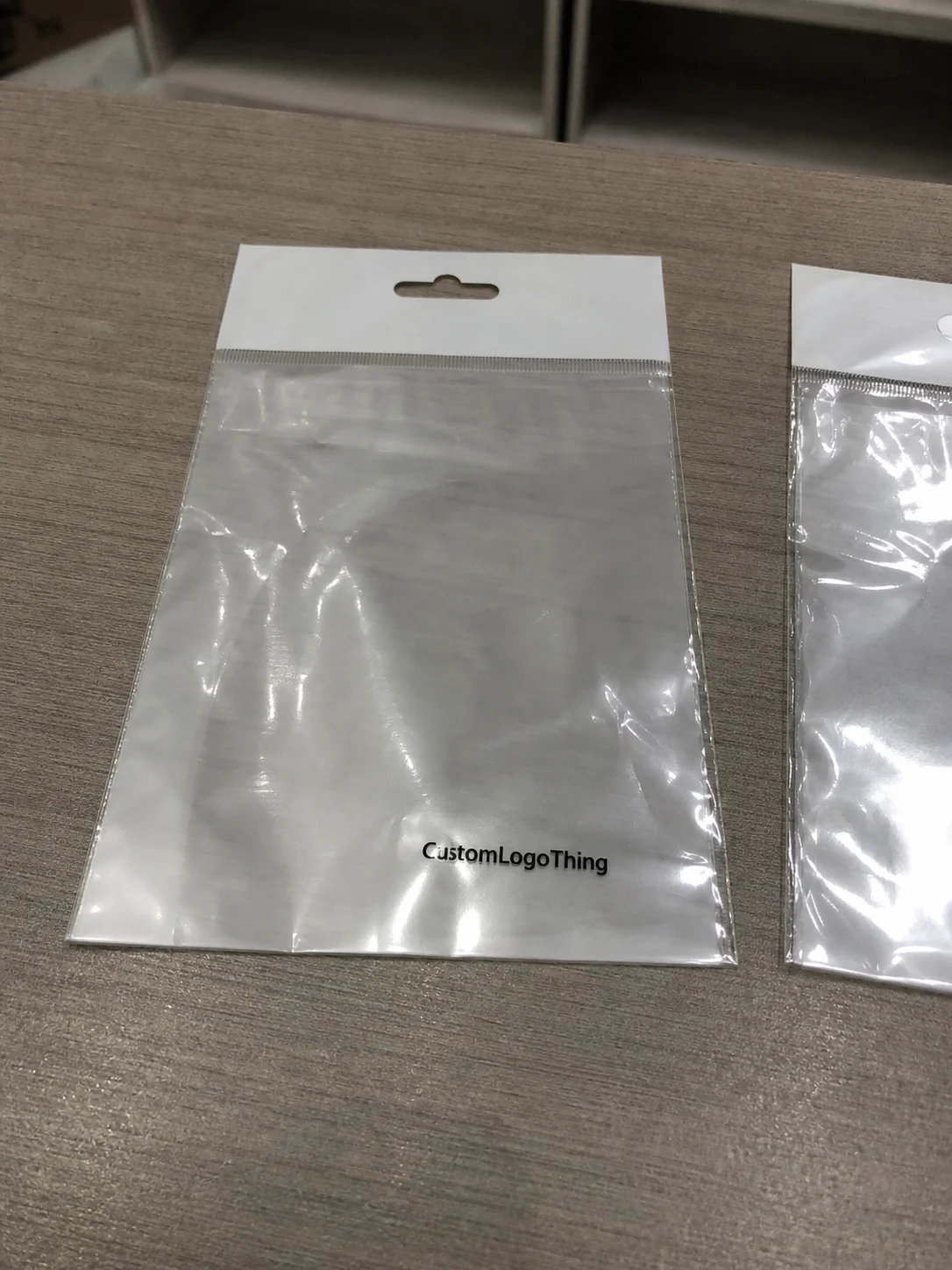
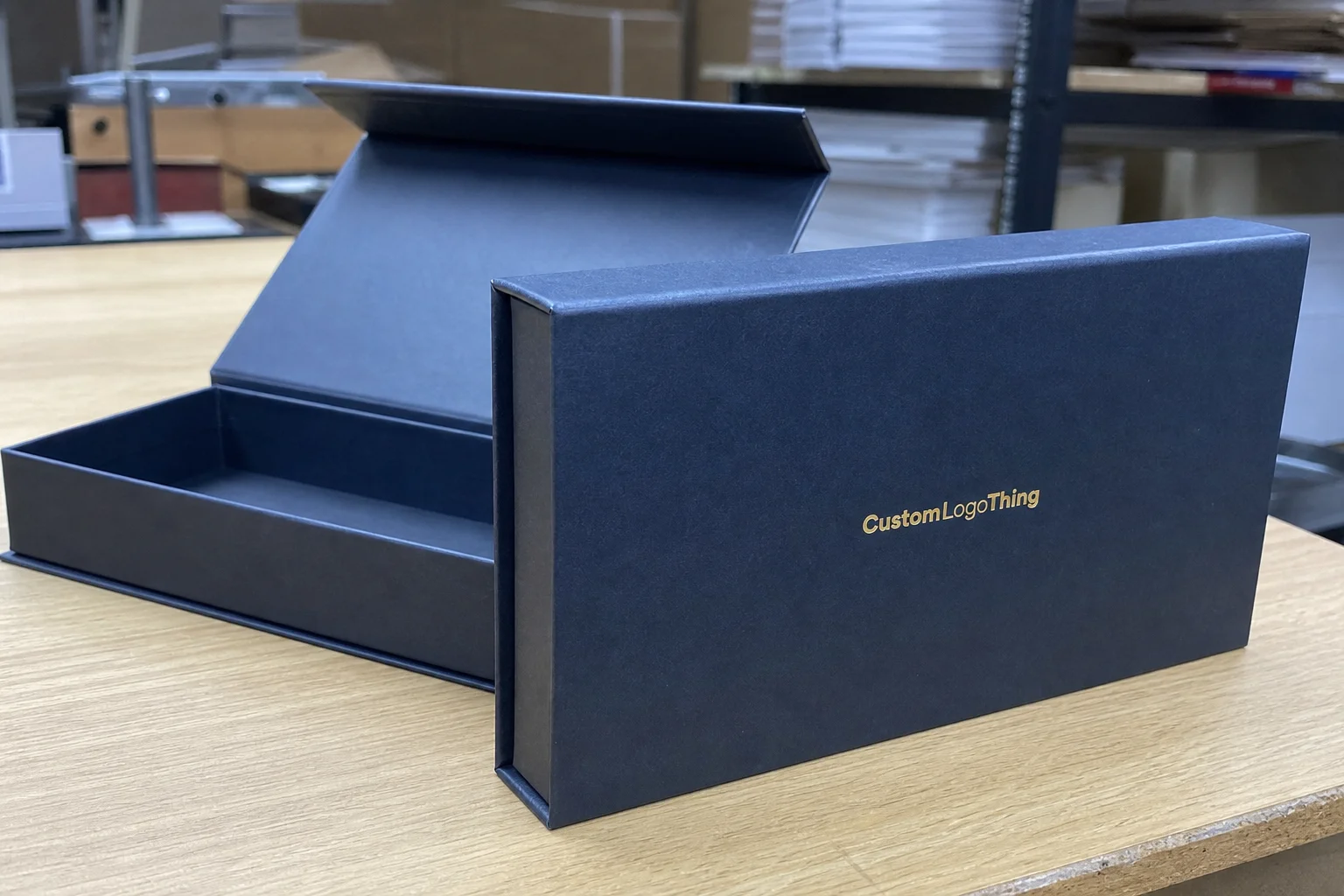
For beauty buyers, Hang Tags Unit Cost for beauty brands is rarely just a paper price. The real number comes from stock, size, print coverage, finishing, attachment method, and order quantity. Two quotes that look close at first glance can end up far apart once setup, waste, and post-press labor are included.
That difference matters because beauty packaging has to do two jobs at once: look premium and stay inside margin. A tag for a skincare line, a fragrance add-on, or a holiday gift set may need elevated texture and strong shelf presence, yet the buying team still has to think about sell-through, inventory risk, and how often the artwork will change. The cheapest quote is not always the best one. The most predictable quote usually wins.
In practice, smarter orders start with product details rather than artwork alone. A supplier can only quote accurately when they know the dimensions, print sides, finish, and attachment method. Leave those out and the estimate becomes a placeholder. Include them and the price starts to reflect actual production conditions.
Why beauty brands are often surprised by hang tag unit cost
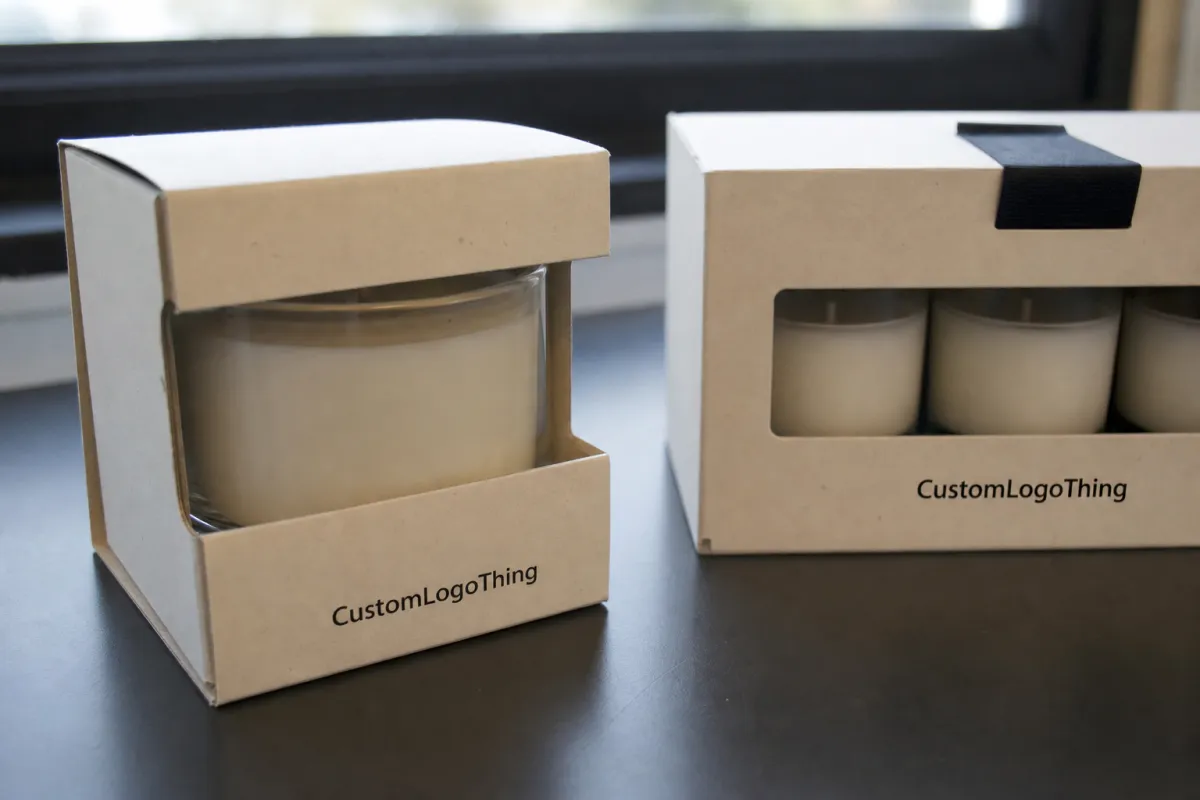
Beauty teams often expect paper to drive pricing, but that is only one line in the calculation. A basic 14pt coated stock hang tag with one-color print and a standard hole is efficient. The same tag with soft-touch lamination, foil, and a custom die cut belongs in a completely different pricing tier. That jump is not arbitrary. It reflects extra press passes, finishing time, tighter inspection, and sometimes higher material waste.
One common surprise is how quickly a premium finish changes the quote. Moving from a simple one-sided design to full-bleed artwork, then adding soft-touch lamination or foil stamping, raises both material and production complexity. On a busy press schedule, that extra complexity can slow the run enough to affect labor allocation and delivery timing.
For a beauty brand, that matters because the tag has to support the product story without breaking the cost structure. A prestige skincare line may need a richer tactile finish. A mass-market body care SKU may be better served by a clean, efficient construction. The best quote is the one that fits the channel, the launch plan, and the expected reorder pattern.
Good quoting starts with the spec sheet. If the supplier only receives a logo and rough size, the number is usually a guess. If they receive stock, dimensions, print sides, finish, and attachment details up front, the quote is much more reliable.
That is why accurate specs protect margins. They reduce rework, avoid approval loops, and make the Hang Tags Unit Cost for beauty brands far easier to compare across options. If you need a broader view of label and tag constructions, the Custom Labels & Tags category is a useful reference point for seeing how structure changes pricing and presentation.
What beauty hang tags need to do on shelf and in kit
Hang tags for beauty do more than identify a product. In retail, they can carry shade names, ingredient callouts, promo language, barcodes, pricing, and brand story in a compact format that hangs from a bottle, pouch, box, or bundle. In kits, they often work like a small information panel, helping shoppers understand what is inside a set at a glance.
That functional role matters because beauty products are sold in several different settings. A tag on a lipstick in a store needs a clean, premium read from arm’s length. A tag on a subscription box insert may need to survive repeated handling. A salon-exclusive item may need added durability if it is stored in humid back-of-house conditions or touched frequently during consultation. Those use cases are not interchangeable, and neither are their print requirements.
There is also a difference between a tag that looks luxurious and one that is production-ready. A matte, minimalist design can read as upscale, but if the stock is too light or the finish is fragile, the tag can curl, scuff, or lose its appeal before it reaches retail. For skincare, fragrance accessories, and gift-with-purchase items, that matters a lot because the tag becomes part of the product experience, not just a label.
Beauty hang tags are commonly used for:
- Cosmetics and color cosmetics, including shade identification and launch messaging
- Skincare products, where ingredients and claim language need to stay readable
- Haircare lines, especially bundles and salon retail items
- Fragrance accessories and add-on products
- Gift sets, sample packs, and subscription box packaging
If the tag carries pricing, batch details, or SKU information, layout discipline becomes even more important. Small text should stay legible, and the artwork should not crowd the fold or punch area. In many orders, the final look is determined by copy handling rather than by how elaborate the design is.
Material, print, and finish specifications that change the quote
The biggest pricing swings usually come from a handful of spec choices. Stock weight, print coverage, finishing, and attachment hardware all shape the quote, and each one can push the Hang Tags Unit Cost for beauty brands higher or lower depending on the run. A supplier is not guessing when they price these items; they are calculating material usage, machine time, and post-press labor.
Paper stock and thickness
Common options include coated stock, uncoated stock, kraft, and heavier cover weights. A coated 16pt or 18pt card gives a crisp, polished look that works well for prestige beauty. Uncoated stock feels softer and more tactile for clean beauty or earthy positioning. Kraft can support a natural brand story, but it does not suit every color palette because inks behave differently on the surface. Heavier boards feel substantial, yet they also raise material cost and can require different die and punch handling.
The more custom the stock, the less forgiving the pricing often becomes. A standard stock is easier to source, easier to run, and easier to repeat on future orders. That is one reason many brands keep one value structure and one premium structure rather than reinventing the tag for every SKU.
Print method and color coverage
Digital printing is often efficient for shorter runs, test launches, or frequent artwork changes. Offset printing becomes more attractive as quantity rises, especially when the design is stable and color expectations are tight. One-side printing is usually less expensive than two-side printing, and a simple one- or two-color design usually costs less than full-color process with rich background coverage.
A full flood of ink across the tag can look elegant, but it also increases coverage cost and may require more careful drying or finishing. If the brand wants a high-end feel, the design can often do more work than the decoration itself. Tight typography, strong spacing, and a well-chosen stock can move the piece into a better visual class without piling on expensive effects.
Premium finishes
Finishes are where many quotes separate quickly. Foil stamping, embossing, debossing, spot UV, and lamination all raise cost because they add separate operations after printing. Soft-touch lamination, for example, creates a velvety feel that beauty brands often like for premium lines, but it adds material and handling cost. Spot UV can create contrast and shine, though it also adds registration complexity. Complex die cuts can increase waste and may require more precise tooling.
When the brand story depends on tactile appeal, premium finishing may be worth it. When the tag is mainly informational, those upgrades can be too much. A lot of brands spend on finish before confirming whether the typography, spacing, and stock already carry the design.
Hardware and assembly details
Attachment details are easy to overlook, but they matter. A pre-punched hole is usually straightforward. An eyelet, string, ribbon, or plastic fastener can add material and assembly time. If the tags arrive with the attachment already installed, labor enters the picture as well. Those costs are small individually, yet they add up fast across thousands of units.
That is why a proper quote should include more than the printed face of the tag. It should capture the full assembly picture, because a “simple” beauty hang tag can become surprisingly labor-intensive once the fastening method is defined.
Size and shape
Standard rectangles are usually the most efficient. Custom dimensions, rounded corners, and complex silhouettes can improve shelf presence, but they also influence tooling, imposition on press sheets, and trim waste. If a custom shape truly supports the packaging concept, it can be worth the added cost. If not, a standard tag with a better layout often performs just as well.
| Spec choice | Typical impact on unit cost | Best use case |
|---|---|---|
| Standard coated stock, one-side print | Lowest | Launches, core SKUs, price-sensitive runs |
| Heavier cover stock, full-color both sides | Moderate | Retail beauty lines needing stronger presentation |
| Soft-touch laminate with foil or emboss | Highest | Prestige skincare, fragrance, gift sets |
For technical purchasing teams, material and finish choices also affect durability, scuff resistance, and shipping protection. If a tag has to hold up through distribution, it can be useful to ask how the material behaves under handling and transit. Organizations such as the ISTA and the EPA sustainability resources are useful references when the conversation expands into shipment performance and material stewardship.
Hang tags unit cost and MOQ: how volume affects pricing
Hang Tags Unit Cost and MOQ are tied together more closely than most buyers expect. Once setup, proofing, and press preparation are complete, those fixed costs get spread across the run. That is why the price per piece usually drops as quantity increases. A 1,000-piece order may carry a much higher cost per piece than a 5,000-piece order, even if the tag itself looks identical.
Beauty brands feel this especially hard because product launches are often seasonal, shade-driven, or tied to a limited-edition calendar. You may want to test a new package without committing to a large volume. In that case, a lower MOQ helps, but it usually comes with a higher unit price. The supplier still has to cover setup charges, plates or digital workflow, finishing time, and inspection.
For example, a simple beauty hang tag might price around $0.18-$0.28 per unit at 5,000 pieces depending on stock and print coverage, while a smaller 1,000-piece run with premium finishing might land closer to $0.40-$0.75 per unit. Those are working ranges, not fixed market numbers, but they show how volume shifts the economics. Add foil, specialty cuts, or manual assembly and the spread widens quickly.
The tradeoff is not just price. A larger order lowers the unit cost, yet it also increases inventory carry and the chance of leftover tags if a shade changes or a product is reformulated. A smaller order costs more per piece, but it can protect cash and reduce obsolescence. The right answer depends on sell-through speed, channel mix, and how often the artwork changes.
When you request quotes, ask for line items. Material, print, finishing, packaging, and shipping should be separated where possible. That makes bulk pricing easier to read and reveals whether the quote is truly competitive or just hiding costs inside a single number. A low headline price can look attractive, but if extra charges appear later for proofs, revisions, or freight handling, the final budget may not be as friendly as it first appeared.
Use this simple comparison during internal review:
| Quantity | Typical unit cost profile | Budget advantage | Risk |
|---|---|---|---|
| 500-1,000 pcs | Higher | Low inventory commitment | Less favorable cost per piece |
| 2,500 pcs | Mid-range | Balanced MOQ and pricing | May still carry setup burden |
| 5,000+ pcs | Lower | Better bulk pricing efficiency | More cash tied up in stock |
For a beauty buyer, the best quantity is usually the one that matches launch velocity, not the one that looks most efficient on paper. If a product turns fast and the design is stable, ordering deeper can make sense. If the line is being tested or the drop is short, a smaller run is often the wiser move.
Process and turnaround: from dieline approval to delivery
The production path is usually straightforward, but the schedule can slip when details are missing. It starts with a request for quote, then a spec review, then artwork setup, proofing, approval, production, finishing, packing, and shipping. If one step stalls, the whole timeline shifts. Fast approvals matter as much as press speed.
A clean dieline saves time. So does final copy that already includes ingredient text, claims language, multilingual content, or any retail or compliance notes. Beauty brands often have a lot to fit into a small format, and if the artwork is still changing after proofing, the schedule stretches quickly. The print team can only run what has been approved.
Delays usually come from a few predictable places: incomplete files, late proof changes, unclear attachment instructions, or finish choices that were never fully defined. Premium tags are especially vulnerable to this. The brand knows it wants something elevated, but the exact structure is still being debated while the order is already in motion. That is a good way to create rework and missed dates.
Lead time depends on complexity. A simple printed tag may move faster than one with foil, embossing, die cutting, or hand assembly. As a working rule, many straightforward runs can ship within 12-15 business days after proof approval, while more complex builds take longer. If the launch date is fixed, build in buffer time for freight, receiving, and kitting, especially if the tags need to be packed with product rather than shipped loose.
One more practical point: ask how the goods will be packed. Bulk-packed tags are usually easier to receive, but if they are going into kits or retailer-ready bundles, you may need carton labeling, count verification, or insert planning. Those details affect the final handoff and can affect internal labor.
What to compare before choosing a hang tag supplier
Price is only one part of supplier selection. Before you choose, compare sample quality, color consistency, edge finishing, and the legibility of small text. A beautiful mockup does not always mean a strong production result. The real test is whether the supplier can deliver a clean, repeatable tag across the whole run, especially when the order includes multiple SKUs.
It also helps to work with a supplier who can advise on specs instead of just printing whatever was uploaded. When unit cost matters, the right advice can save real money. A good production partner might suggest a standard size, a less expensive stock, or a simpler attachment method that still supports the brand look. That kind of guidance is practical, not flashy, and it often produces the best result.
Transparency matters too. MOQ, proofing revisions, shipping terms, and potential setup charges should be clear before the order is approved. If the quote is vague, the budget can drift later. A quote that looks low at first but hides extra charges often ends up more expensive than one that was honest from the start.
Beauty brands also benefit from a vendor who understands repeat ordering across multiple SKUs. If you are launching a shade family or a coordinated skincare range, you want a supplier who can keep structure consistent while updating artwork efficiently. That consistency helps with shelf presentation, reorder planning, and the overall control of hang tags unit cost for beauty brands.
For companies that care about material stewardship, it can also be useful to ask about FSC paper options and recycled content availability. The FSC framework is widely recognized and can support procurement conversations when sustainability claims are part of the brief. Just make sure any claim on the tag is accurate and supported by the actual material being used.
Next steps to lock in a reliable quote
If you want a quote that reflects reality, send the full spec package. Include size, stock preference, print sides, quantity, finish, attachment style, and any compliance text or SKU data. If the tag will carry premium claims, ingredient details, or retail pricing, ask for a proof so you can verify readability before production starts.
It is smart to request two scenarios: a value build and a premium build. That gives your team a clean way to compare the unit cost, visual impact, and inventory risk side by side. Often the decision becomes obvious once the differences are laid out clearly instead of buried in a single line item.
Before you approve, confirm the timeline against the launch schedule, replenishment plan, and any retailer receiving requirements. A good quote is not just about price; it is about whether the tags will arrive on time, in the right form, and with the right quality to support the product line.
So if you are trying to manage hang tags unit cost for beauty brands without sacrificing presentation, start with the facts: stock, print, finish, quantity, and assembly. Get those right, compare a few builds, and approve the version that protects both the look of the line and the budget behind it.
What affects hang tags unit cost for beauty brands the most?
Quantity, stock weight, print method, and finishing usually have the biggest impact on unit cost. Premium upgrades like foil, embossing, soft-touch lamination, and custom die cuts increase the price per piece, while attachment style and assembly can raise cost further if tags need strings, eyelets, or manual packing.
How can a beauty brand lower hang tag pricing without losing quality?
Use a standard size, choose a common stock, and keep the design to one or two print colors if possible. Avoid specialty finishes unless they support the product position or sales channel, and consider ordering a higher quantity only if the inventory will move within the planned sell-through window.
What MOQ should I expect for custom hang tags for cosmetics or skincare?
MOQ varies by production method, size, and finishing, but custom tags often start lower for simpler builds and rise for premium work. Digital runs can be useful for launches or test orders, while offset becomes more efficient at higher volumes. Ask for multiple quantity tiers so you can compare the effect on unit cost before committing.
How long does it take to produce custom hang tags?
Simple printed tags usually move faster than tags with specialty finishes, complex die cuts, or manual assembly. Artwork approval and proofing can affect the schedule as much as the press time itself, so build in extra time for shipping and receiving if the tags must arrive before a product launch or retailer deadline.
Can hang tags include ingredients, claims, or SKU information for beauty products?
Yes, hang tags can include product details, marketing copy, and SKU or shade information. The layout should keep small text legible and leave room for required compliance or multilingual content, and the artwork should be reviewed carefully before approval so the final print supports both branding and regulatory needs.