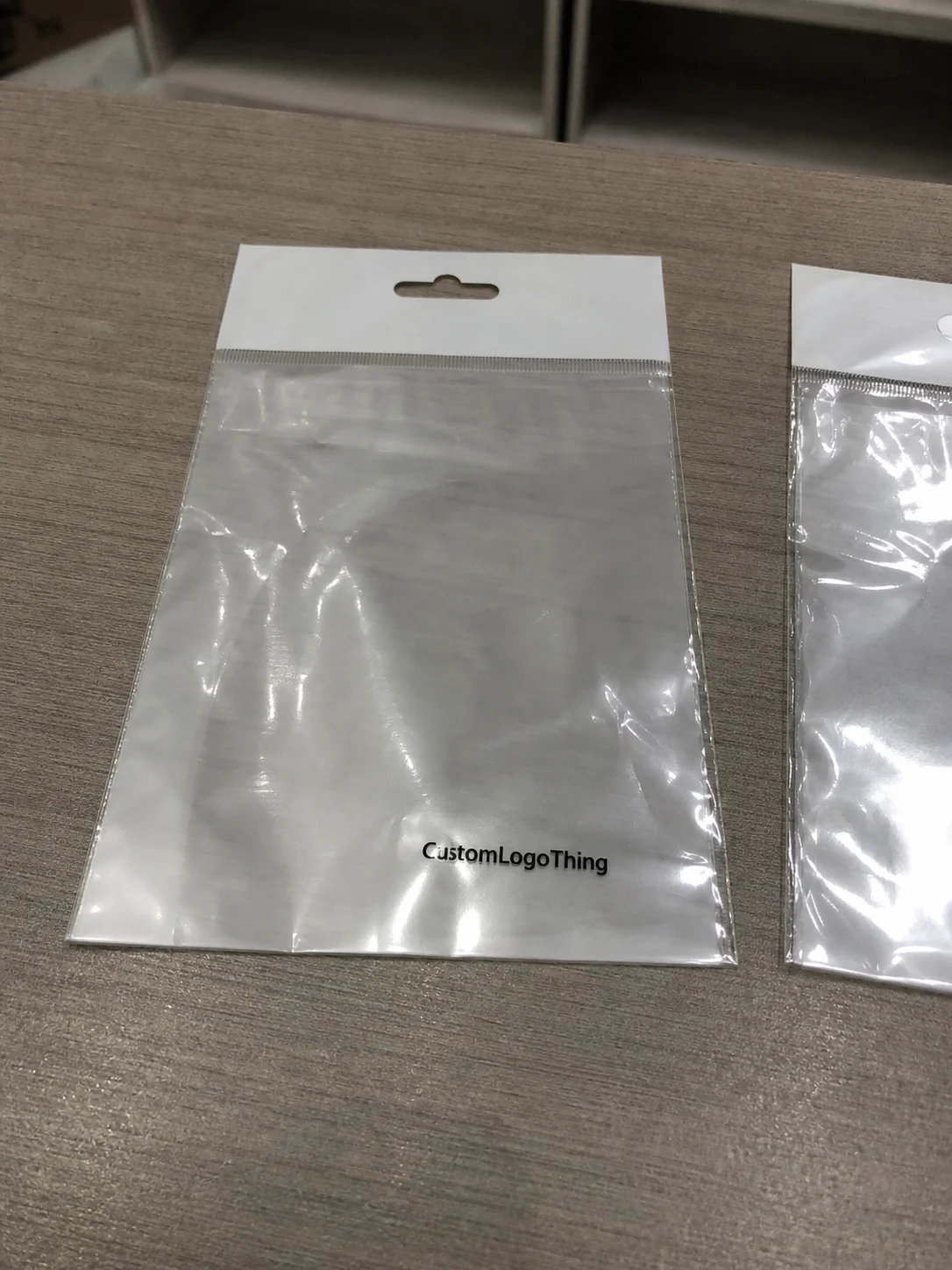
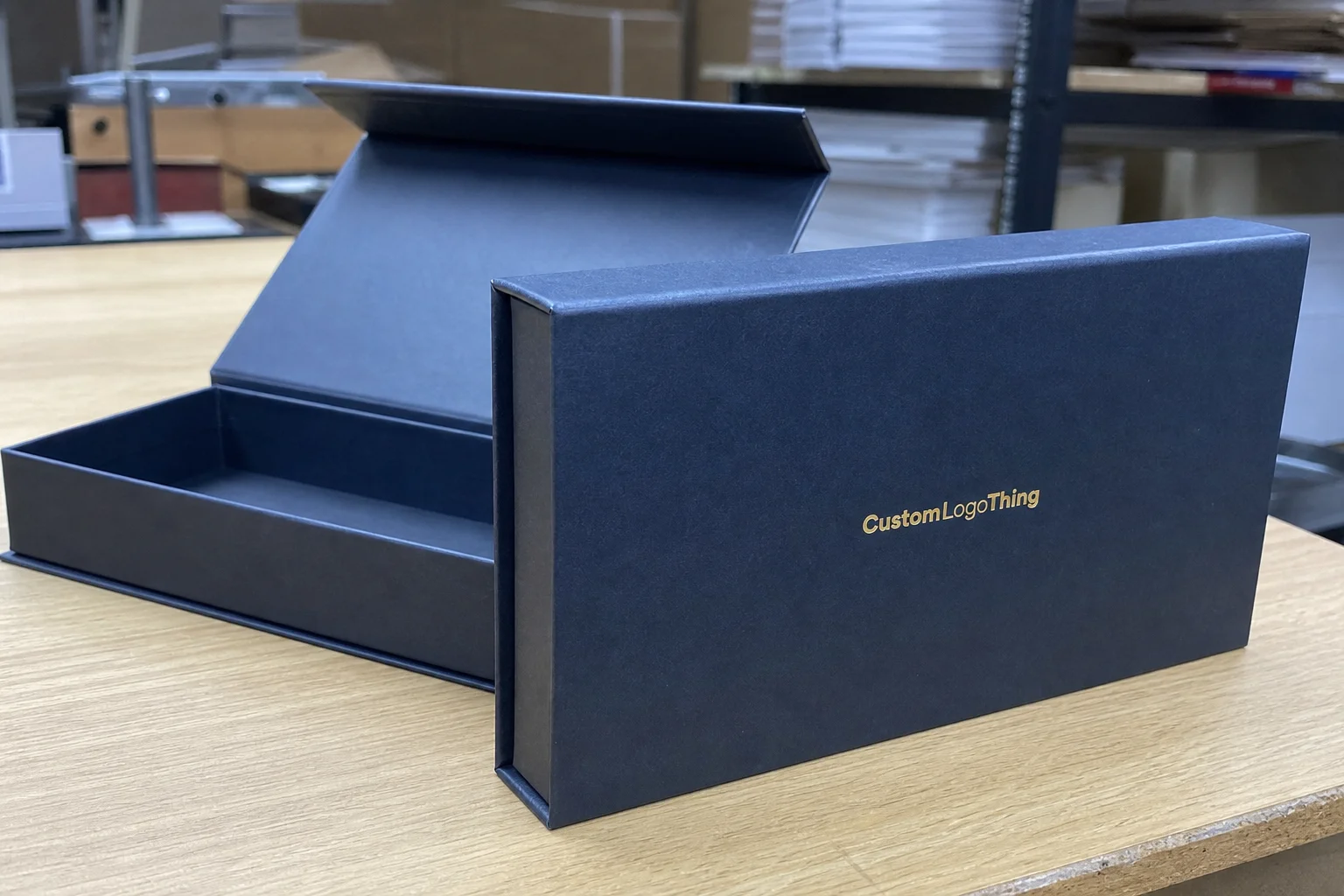
For stationery brands, Hang Tags Unit Cost for stationery brands can look straightforward until the quote starts to include board thickness, special cutting, foil, and variable data. A small tag on a notebook, journal, or gift set may seem minor, but production turns that tiny piece into a set of material, labor, and finishing decisions that shape the final cost per unit.
That matters because stationery is sold on presentation as much as function. The tag has to feel aligned with the brand, survive packing and transit, and still leave enough margin to make the product work commercially. Get the spec right and the Hang Tags Unit Cost for stationery brands stays manageable. Get it wrong and even a small run can drift into expensive territory fast.
There is also a quiet truth that buyers learn after a few rounds: hang tags are rarely priced by size alone. Two tags with the same dimensions can land at very different unit costs if one needs soft-touch lamination, rounded corners, eyelets, and stringing while the other is a plain matte card with a simple hole punch. The difference can be as much as 2x to 4x on short runs, which is why the spec sheet matters more than the artwork mockup.
Why stationery hang tags can cost more than they look
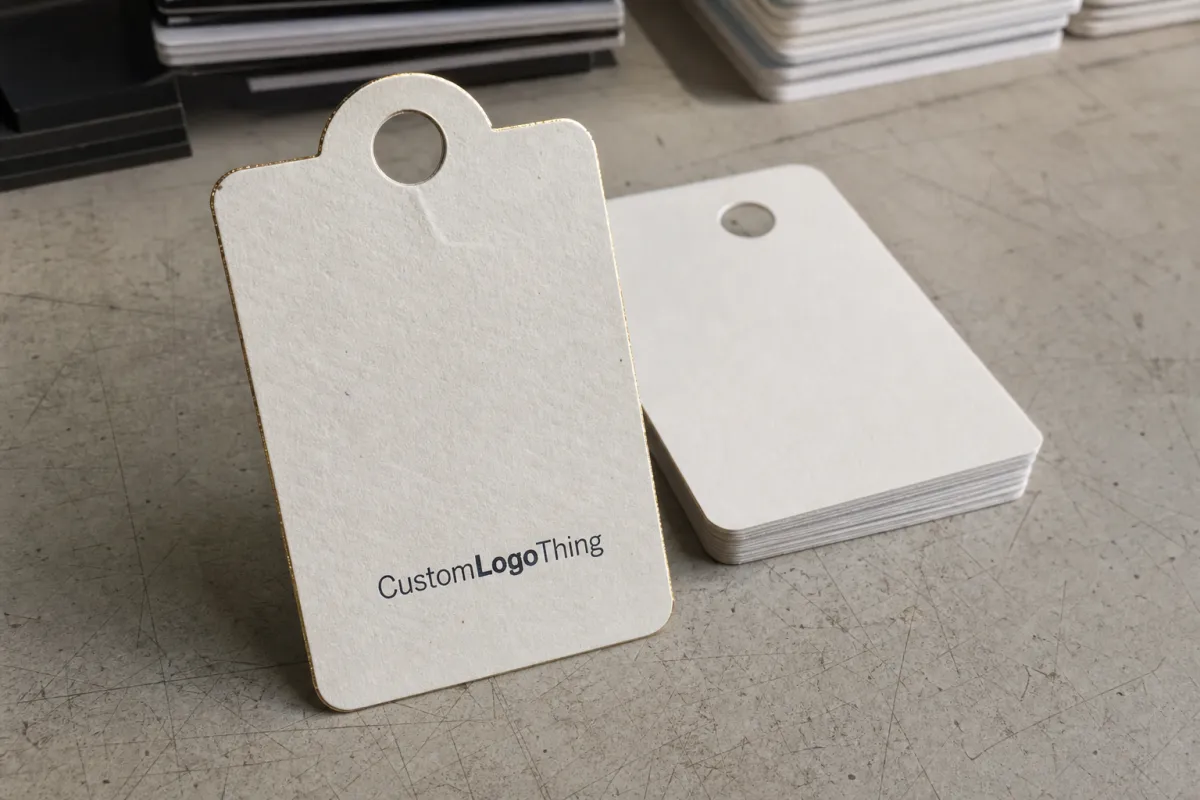
A hang tag often starts as a small rectangle with a hole near the top. Then the decisions begin. Do you want 14pt board or 16pt board? Matte or soft-touch? One side or two? A foil mark or a full second pass? Each choice changes press time, finishing steps, handling, and waste, so Hang Tags Unit Cost for stationery brands is rarely driven by size alone.
Stationery buyers also tend to be picky about print fidelity. A planner brand may want the tag to match the box, insert card, label, and belly band exactly. That means tighter color control, cleaner trim, and less tolerance for edge variation than a generic promotional tag would require. In practice, that adds labor in prepress and inspection even when the layout looks simple.
Here are the cost drivers that catch first-time buyers most often:
- Artwork setup and dieline correction when bleed or safe area is wrong
- Die cutting for custom shapes or rounded corners
- Hole punching and reinforcement, especially for stringed tags
- Packing format such as banded stacks, polybags, or carton dividers
- SKU sorting if tags need to be packed by style, language, or product line
Hang tags also do a quiet sales job. They raise the perceived value of notebooks, pens, journals, and gift sets, which is why brands keep investing in them even when budgets tighten. The best tag is not the fanciest one; it is the one that supports the product and the margin without wasting money on details nobody notices. That often means choosing one or two premium touches rather than stacking three or four.
Buyer mindset: the right tag is not the most expensive one; it is the one that supports the product, the brand, and the quote without paying for features that do not move the sale.
Hang tag formats, materials, and finishes for stationery
Most stationery hang tags fall into a practical set of materials and constructions. The right choice depends on how premium the line needs to feel, how much handling the tag will see, and whether the brand wants a soft tactile finish or a sharper retail look. For Hang Tags Unit Cost for stationery brands, substrate choice is one of the biggest levers because it affects press behavior, coating options, and waste rate.
Common substrate choices include 14pt and 16pt cardstock, textured paper, kraft stock, uncoated premium board, and laminated options. A 14pt board is usually enough for standard stationery SKUs and keeps cost manageable. A 16pt stock adds a heavier feel, which helps a journal or boxed set look more substantial, but it also raises material spend and can need more care during cutting and stacking.
For finish, stationery brands usually lean toward one of four directions:
- Matte for minimal, editorial, or clean branding
- Soft-touch for premium sets and giftable products
- Gloss for brighter graphics and saturated color
- Spot UV or foil for selective accent branding
Soft-touch is popular when the brand wants a refined tactile feel, but it is not free. It adds coating cost and usually needs more careful handling in finishing and packing. Foil stamping, embossing, and debossing can look excellent on stationery tags, although they add tooling fees or separate setup charges depending on the production method. If the design only needs one accent, a small foil logo often delivers better value than covering the entire tag in special effects.
Construction also matters. Square corners are the simplest and cheapest. Rounded corners need an extra cut profile but remain economical. Custom die-cut silhouettes create stronger brand character, yet they raise tooling cost and can slow production. Folded Hang Tags are useful when a brand needs more room for copy, care details, or bilingual text, though they add another fold step and sometimes scoring.
Printing method changes both appearance and economics. Digital printing works well for short runs, launch programs, and SKU-heavy lines with variable information. Offset printing becomes more efficient as quantities rise, especially when the design is repeatable and color consistency matters across multiple reorder cycles. For many stationery lines, the decision comes down to whether flexibility or lower bulk pricing matters more on the first run.
Practical extras include drilled holes, reinforced eyelets, string, elastic loops, and cotton twine. Each one adds labor. A simple round hole is the least expensive. Eyelets improve durability and can keep the hole from tearing, but they add a step. Stringing is often handled manually unless the order is highly standardized, and that labor shows up directly in cost per piece.
For buyers who want more background on print and tag categories, our Custom Labels & Tags page gives a useful starting point, and our Case Studies page shows how specification choices affect the final result in real packaging programs.
For sustainability-minded brands, recycled paper, FSC-style sourcing language where applicable, and lower-ink designs are all worth discussing early. If the project needs a cleaner environmental profile, it is usually better to reduce coating layers and simplify construction than to try to correct a heavy spec later. For broader material guidance, the FSC organization explains responsible forest sourcing standards at fsc.org, and packaging sustainability resources from the EPA can help teams think through material efficiency and waste reduction at epa.gov.
Specification choices that affect shelf appeal and durability
If you want a quote that means something, lock the basics first: size, stock thickness, print sides, finish, hole style, and attachment method. Those six items usually determine most of the unit cost and prevent the back-and-forth that slows sourcing. Too many buyers ask for “a premium hang tag” without defining the spec, then wonder why the quotes are all over the place.
Stationery brands also need tighter color control than many other product categories. A notebook cover, a belly band, a hang tag, and an insert card often sit next to one another, so any mismatch is obvious. If your packaging system relies on a specific brand blue, green, or neutral tone, ask for Pantone references or at least provide a high-resolution color target. That extra step can save a lot of disappointment later.
Durability is another quiet issue. Tags get packed, shipped, unboxed, touched by retail staff, and sometimes hung on display for weeks. A low-cost coating may look fine when fresh but scuff during fulfillment. Edge crispness matters too; rough trim can make a premium brand feel unfinished. If the tags are stored in bulk, curl control becomes important as well, because warped cards are harder to string and harder to display cleanly.
Readability should never be treated as an afterthought. For stationery, tag copy often needs to hold a product name, size, paper type, price, SKU, barcode, or a short brand story. Leave enough white space for the human eye and enough quiet area for scan marks if the tag supports retail control. Small typography can look elegant on screen and fail in real use. A 5.5-point legal note may fit in design software, but it is not a friendly retail size once printed and cut.
Typical compliance or product information to plan for includes:
- Barcode or QR placement if the tag supports retail scanning
- SKU and product name space for inventory handling
- Pricing area if the tag will stay on the shelf
- Care or material notes when paper type or finish matters to the buyer
Stationery buyers sometimes ask whether special coatings are worth it for sustainability. The honest answer is: not always. A well-printed uncoated or lightly coated board can look excellent and be easier to recycle than a heavily laminated tag. If the product line does not need high rub resistance, that simpler path may be the better one. It is also a practical way to keep hang tags unit cost for stationery brands under control without making the brand feel cheap.
| Specification | Typical look | Durability | Unit cost impact |
|---|---|---|---|
| 14pt matte card | Clean, simple, retail-ready | Good for standard handling | Lowest |
| 16pt soft-touch | Premium and tactile | Very good, but can show rub if abused | Moderate |
| Kraft or uncoated premium board | Natural, craft-led, understated | Good, depending on fiber structure | Moderate |
| Laminated with spot UV or foil | High-impact branded finish | Excellent surface protection | Highest |
One practical buyer observation: a tag that looks “basic” on screen can still cost more than expected if the artwork has a full-bleed dark background. Dark coverage raises the chance of scuff visibility, trim variation, and color drift, especially on shorter runs. A lighter background or a more restrained layout often produces a cleaner result at lower risk.
Hang tags unit cost, pricing tiers, and MOQ factors
Unit cost drops as quantity rises because setup, plate, tooling, and finishing costs get spread across more tags. That is why hang tags unit cost for stationery brands can move a lot between 500 pieces, 2,000 pieces, and 10,000 pieces even when the design barely changes. The production floor does not care whether the artwork is simple; it cares how many times the line has to stop and reset.
The main pricing levers are usually stock choice, print color count, foil or embossing, custom die cuts, stringing, and packing requirements. A straight-cut one-color tag on standard board is the easiest path. Add a second side, a soft-touch coating, foil, eyelets, and individual bagging, and the quote rises in layers. That does not mean the price is excessive; it reflects material and labor reality.
MOQ depends more on process than on the stationery category itself. Digital production often supports smaller runs because there are fewer setup steps and less plate cost. Offset printing, custom tooling, and specialty finishes usually require a higher minimum to make the job efficient. Buyers should always ask for quantity breaks so they can see how the cost per piece changes at each level.
For practical quoting, ask for:
- Price by quantity tier
- Setup charges or prepress fees
- Tooling fees for dies, embossing, or special cuts
- Shipping terms and carton count
- Any finishing surcharges for foil, lamination, or stringing
That structure makes the quote readable and helps avoid surprises later. A quote that only gives one unit price without explaining setup or packing is hard to compare and usually not the best procurement tool. Buyers often discover that a slightly higher unit price with lower setup is better on a smaller run, while a lower unit price with heavier upfront fees wins on larger volume.
There are smart ways to save without hurting quality. Standardize sizes across notebooks, planners, and gift sets. Keep one tag shape and vary only the print content. Reserve foil or embossing for hero SKUs instead of every line. And if the brand can accept a matte or uncoated finish, that often trims cost while keeping the look elevated. For many buyers, the best answer is not “cheapest tag”; it is one efficient tag system that serves the whole range.
| Run size | Typical spec | Cost per piece | Notes |
|---|---|---|---|
| 500–1,000 | Digital, simple cut, light finish | $0.28–$0.65 | Better for launches and small SKU tests |
| 2,000–5,000 | Digital or offset, standard board | $0.14–$0.32 | Sweet spot for many stationery lines |
| 10,000+ | Offset, repeatable spec, simpler finishing | $0.06–$0.18 | Best bulk pricing when the design is stable |
Those ranges are broad for a reason. Paper grade, region, freight method, and finishing complexity can move a quote faster than many buyers expect. A tag with an eyelet and twine might be cheaper in one market than a plain card in another if the supplier’s labor pool, plating, or freight structure is different. The number only becomes meaningful once the entire spec is fixed.
Production steps, proofing, and turnaround expectations
Most hang tag jobs follow a predictable path: file review, prepress adjustment, proof approval, printing, cutting, finishing, inspection, packing, and shipment. Each step sounds routine, but any one of them can add time if the spec is unclear or the artwork needs correction. That is especially true for stationery brands, where typography and brand color accuracy sit close to the center of the buying decision.
Proofing deserves real attention. A tiny shift in type weight, crop position, or background tone can change how polished the tag feels. If the job includes foil, spot UV, or a custom silhouette, ask for a proof that reflects the real production method rather than a loose visual approximation. Good proofing is not about slowing the order down; it is about avoiding rework that costs more later.
Typical turnaround depends on artwork readiness, finish complexity, and whether the order includes custom dies or assembly. Simple runs can move quickly after approval, while premium tags with multiple finishing steps take longer. If the buyer needs a compressed schedule, cost often rises because the order may need priority scheduling, faster freight, or a narrower set of available finish options. A standard run might take 7 to 12 working days after proof approval; a more complex order can easily push into the 15 to 25 working day range once tooling and packing are included.
Before production starts, prepare these essentials:
- Final dimensions with bleed and safe area confirmed
- Approved artwork files in the correct format
- Pantone references if color matching matters
- Attachment method such as hole, eyelet, string, or loop
- Shipping destination and any carton labeling requirements
One more practical point: if you are buying tags for a new launch, ask for a sample or proof before locking the whole run. That is especially wise when the design relies on subtle typography, a pale background, or a premium finish that needs to feel exactly right. The right proof can save a brand from expensive disappointment later.
Inspection should not be treated as a formality. For stationery hang tags, the most common quality-control checks are color consistency, edge cleanliness, hole placement, coating rub resistance, and carton count. If tags are being stringed, the knot or loop should be checked for consistency too. A batch with tidy printing but sloppy stringing still reads as a weak product when it reaches the shelf.
How to compare suppliers without losing margin
The cleanest way to compare quotes is to force every supplier onto the same spec sheet. Match the material, dimensions, finish, attachment, quantity, and shipping terms before you compare the numbers. If one quote includes soft-touch lamination and the other does not, the lower price is not really lower at all. It is just a different product.
Do not get trapped by the headline unit price. Hidden extras often show up in setup charges, dieline fees, special packing, or separate stringing costs. A supplier can look inexpensive until the invoice appears, which is why asking for a full breakdown is not being difficult; it is basic sourcing discipline.
A strong supplier should give clear specs, realistic lead times, responsive proofing, and stable color and cut quality. They should also be able to explain why one option costs more than another without hiding behind vague language. If the answer sounds generic, the production plan may be vague too.
For stationery specifically, experience with refined presentation matters. A tag for a notebook or planner is not the same as a tag for a tool or apparel item. The margins, the visual expectations, and the relationship to the rest of the packaging system are different. A manufacturer that understands those details can usually help trim waste without flattening the brand look.
When comparing suppliers, evaluate these four points together:
- Sample quality and finishing accuracy
- Communication speed during proofing
- Repeat-order consistency across multiple runs
- Total landed cost, not just piece price
That last point matters. A quote with lower unit cost can still lose if freight is high, cartons are inefficient, or the supplier cannot hit the schedule. In real buying work, the cheapest number on the page is not always the best margin outcome. A 10% savings on unit price disappears quickly if the order misses a retail launch or needs rework.
It also helps to ask what is included in the packing spec. Tags packed loose in cartons are cheaper to produce than tags banded by SKU or sealed in small polybags. That sounds minor, but on a large run the packing format can change labor enough to alter the quote meaningfully.
Next steps to quote hang tags for your stationery line
If you want an accurate quote, start with three things: artwork files, target quantity, and preferred material/finish direction. Those basics let a supplier price the job properly instead of guessing. From there, decide whether the tag is meant for retail display, gift presentation, pricing, or SKU labeling, because that purpose changes how the tag should be built.
A simple action sequence usually works best:
- Choose the size
- Select the stock
- Confirm the finish
- Decide the attachment method
- Request pricing tiers
If the design includes premium finishing or color-sensitive branding, ask for a sample or proof early. That small step is often the difference between a clean rollout and a frustrating correction round. I also recommend requesting pricing at multiple quantities, because the hang tags unit cost for stationery brands can change meaningfully across tiers, and those breaks are useful for planning launches, reorders, and seasonal sets.
In the end, the goal is not just buying tags. It is buying the right tag system for the line, one that supports appearance, timing, and budget with enough discipline to protect margin. If you gather the spec clearly and compare quotes on equal terms, hang tags unit cost for stationery brands becomes much easier to control, and the final packaging looks more intentional because of it.
A final practical note: if you plan to reuse the same tag across multiple collections, ask for a master dieline and a version-controlled artwork file. That reduces file errors on reorder and keeps small changes from snowballing into new setup fees. Over a year, that kind of process discipline often saves more than chasing the lowest first-run quote.
Frequently asked questions
What affects hang tags unit cost for stationery brands the most?
Material thickness, print method, quantity, and finish complexity usually have the biggest impact on unit cost. Special cuts, foil, embossing, and stringing add labor and setup, which raises the cost per piece. Standard sizes and simpler finishes usually deliver the best value for stationery lines.
What is a typical MOQ for custom stationery hang tags?
MOQ depends on the printing method and finishing requirements rather than the product category alone. Digital production can support smaller quantities, while offset and specialty finishing usually need higher minimums. Ask for quantity breaks so you can compare the cost difference between lower and higher runs.
How can stationery brands lower unit cost without making tags look cheap?
Use a standard shape, reduce finish layers, and keep the material choice consistent across product lines. Reserve premium effects like foil or spot UV for hero products instead of every SKU. Plan one tag system that works for notebooks, planners, and gift sets to spread setup costs efficiently.
How long does production usually take after artwork approval?
Turnaround depends on stock availability, print method, and whether custom tooling or special finishes are involved. Simple runs can move faster, while premium tags with multiple finishing steps take longer. Final timing should always be confirmed after proof approval and before production starts.
What files should I send to get an accurate quote?
Send final artwork, the intended size, quantity, finish preference, and any special attachment requirements. Include color references if brand accuracy matters, especially for stationery packaging systems. If you need pricing by tier, ask for quotes at multiple quantities so you can evaluate value clearly.