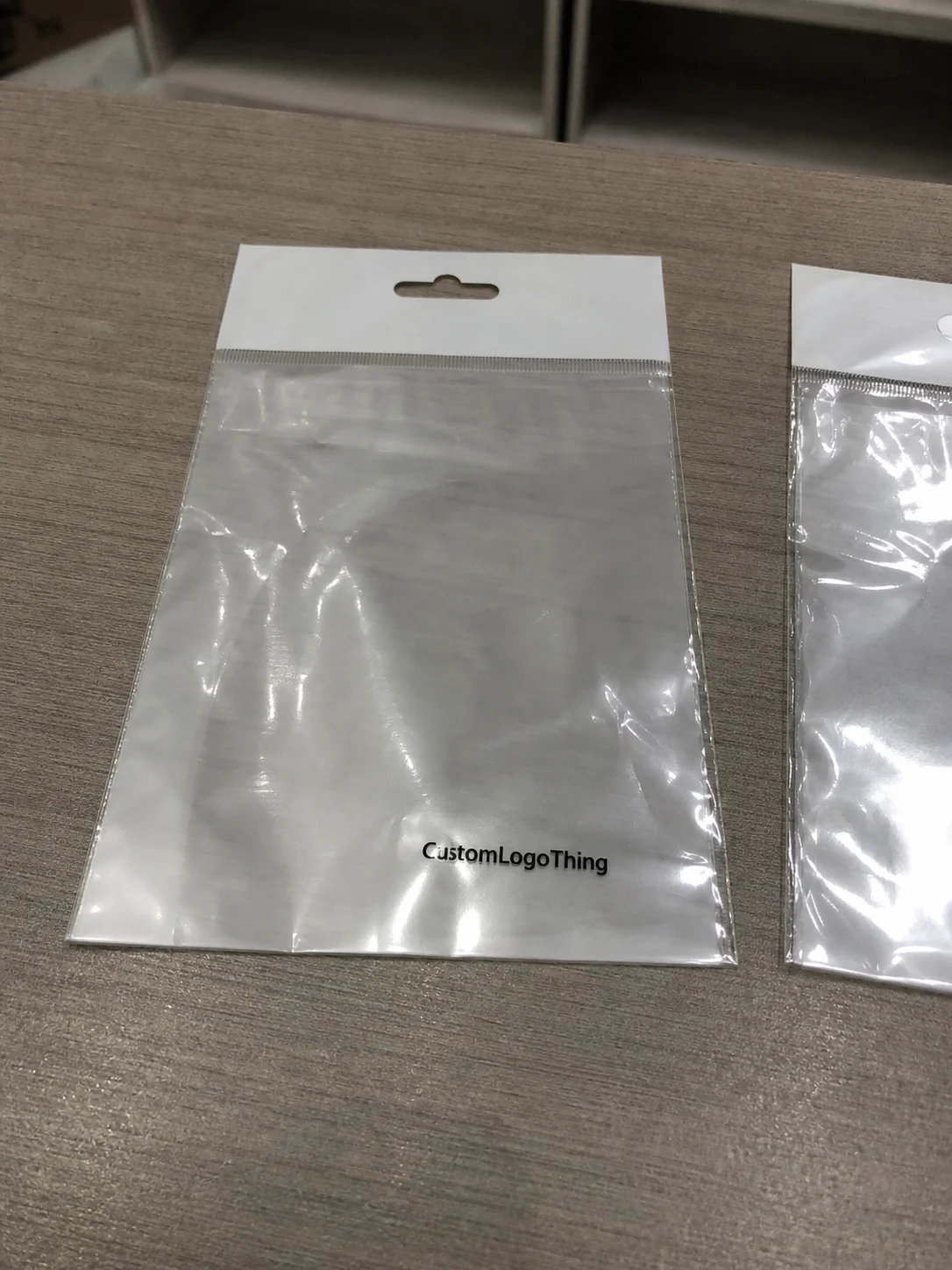
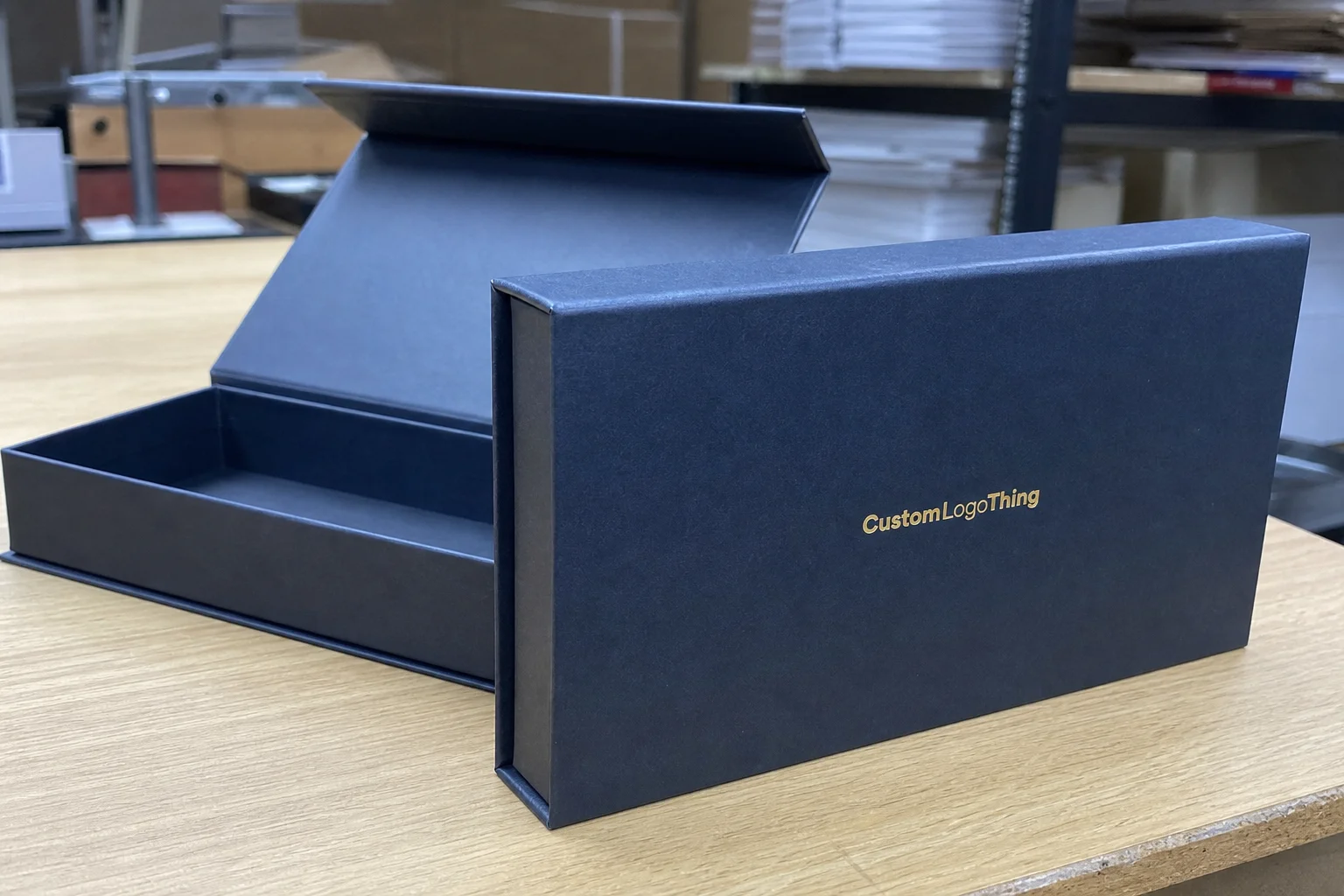
For hotel boutiques, Hang Tags Unit Cost for hotel boutiques is not just a print line on a quote. It is a small packaging decision that changes how a robe, candle, slipper, tote, or gift item is perceived the moment a guest picks it up. A tag that feels flimsy, smudges, or looks generic can quietly reduce the value of the product. The right tag does the opposite: it makes a modest item feel deliberate, finished, and retail-ready without changing the product itself.
That is why buyers need to look beyond the lowest number on the page. A cheap tag can become expensive if it tears at the hole, needs rework, arrives late, or forces a compromise on the hotel’s visual standards. The better question is how the final unit cost balances presentation, durability, and repeatability across the full order.
Why hotel boutiques care about hang tag unit cost
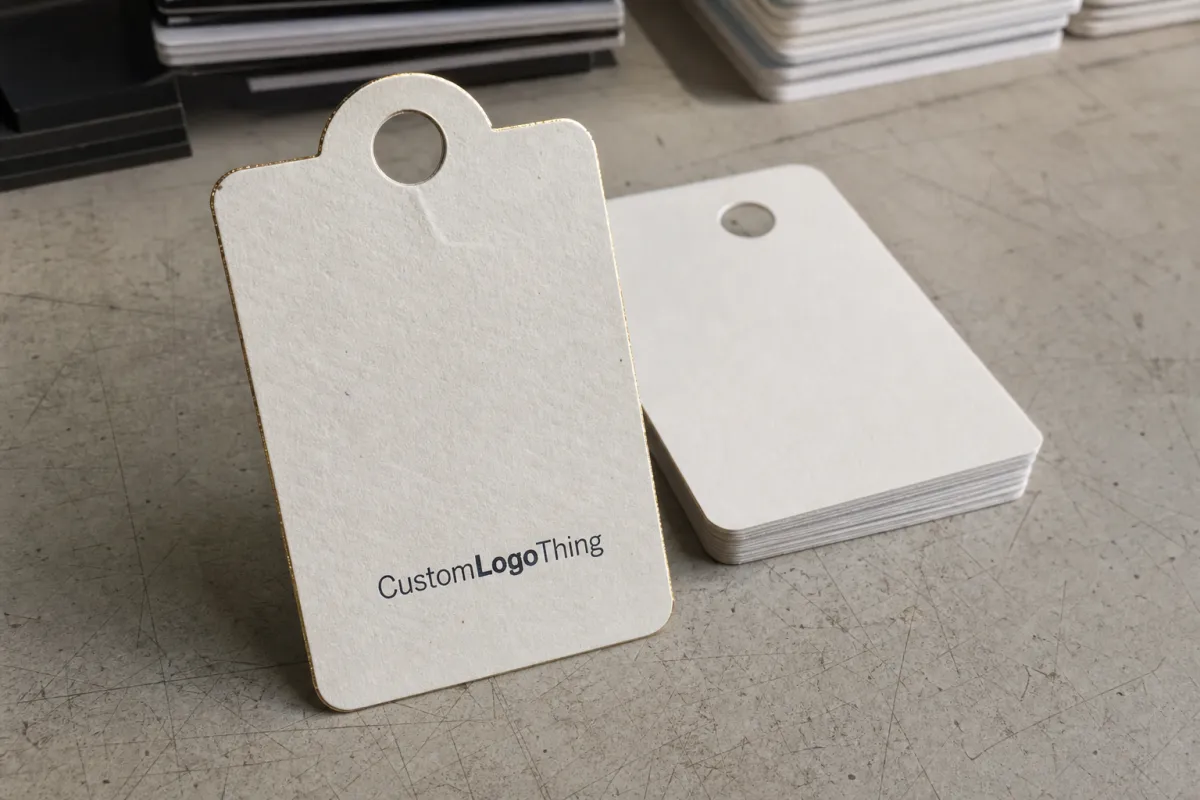
Hotel boutiques usually work with smaller runs, mixed merchandise, and stricter brand expectations than a standard commodity retail buyer. That combination makes unit cost more sensitive to design choices than many teams expect. A small change in stock, coating, or attachment can shift the price more than the artwork itself, especially when quantities are only a few hundred or a few thousand pieces.
These tags do real work. They identify merchandise, carry pricing, explain care instructions, and support the property’s aesthetic on robes, candles, slippers, apparel, gourmet goods, and seasonal gifts. They also influence how staff present the item at the point of sale. A tag is not an accessory to the product; in hospitality retail, it is part of the selling system.
There is also a practical cost-per-impression argument. One well-made tag can stay with the product through display, purchase, gifting, and packing for travel. That is a lot of exposure for a few cents of print cost, but only if the tag is built with the right materials and a clean production spec.
Several cost drivers show up again and again in boutique orders:
- Attachment style — string, ribbon, elastic loop, or fastener can change assembly time and price.
- Foil coverage — a small logo stamp is one thing; large area foil coverage is another.
- Paper stock — textured, kraft, cotton, and heavy premium boards usually cost more than standard coated board.
- Finishing complexity — spot UV, embossing, debossing, and multiple passes add labor and setup.
- Die shape — simple rectangles are efficient; custom outlines need tooling and additional setup.
The goal is not to chase the lowest quote in isolation. The goal is to land on a unit cost that supports brand presentation, production timing, and reorder planning without paying for detail that the shopper will barely notice.
What drives material and finishing costs
Material selection usually starts the pricing discussion, because the stock determines feel, stiffness, and the final visual impression. For hotel boutiques, common choices include coated paperboard, uncoated textured stock, kraft board, and specialty premium sheets. Each behaves differently on press and in finishing, which is why the same artwork can land at very different price points.
Coated paperboard is usually the most versatile option for crisp graphics, accurate color, and sharp logo reproduction. Uncoated stock has a warmer, more tactile feel, which suits spa goods, linen items, and heritage-style branding. Kraft often signals natural, handmade, or eco-minded positioning. Specialty sheets can help a boutique line stand apart when the merchandising story needs a more elevated finish.
Thickness matters just as much as the surface. Lighter boards can feel weak when the tag is large or when it hangs from a heavier item. Many boutique buyers land in the 14pt to 18pt range for standard retail tags, while a more rigid feel may call for 20pt or a board with better stiffness. Thicker is not automatically better. If the tag is small, or if the layout already uses a heavy finish, overbuilding it can raise cost without improving the customer experience.
Finish choices can move the price faster than most first-time buyers expect. Matte or gloss coating usually adds protection and a cleaner appearance at a relatively manageable cost. Soft-touch lamination creates a velvety feel that reads premium, but it adds a separate process. Spot UV, embossing, debossing, and foil stamping each increase perceived value in different ways, yet each also adds setup, production time, and room for error.
| Material / Finish | Typical use | Relative cost impact | Best fit for hotel boutiques |
|---|---|---|---|
| Standard coated paperboard | Clean graphics, logos, pricing tags | Lower | Reliable for most retail merchandise |
| Textured uncoated stock | Natural, soft, or heritage presentation | Moderate | Spa goods, linen items, artisan gifts |
| Soft-touch laminated board | Premium tactile branding | Moderate to higher | High-end retail and signature collections |
| Foil + emboss combination | Luxury logo emphasis | Higher | Prestige items, gift sets, seasonal launches |
| Custom die-cut shape | Distinct silhouette | Higher due to tooling fees | Brand-led displays with strong visual identity |
Construction details matter too. A drilled hole, rounded corners, or a custom die-cut edge can change the final look, but they also affect speed and repeatability. If a tag has a narrow neck, delicate cutout, or intricate silhouette, the production team needs enough margin to cut cleanly and limit waste. Designing with manufacturing in mind usually produces better results than designing only for the screen.
Attachments deserve attention as well. String and ribbon can elevate presentation, but the material needs to match the item and the hotel’s handling expectations. Satin ribbon suits a gift item. Cotton string or a black elastic loop may be more practical for apparel or accessory tags. The best versions photograph well, survive repeated handling, and stay consistent across a boutique collection.
If you want a broader view of packaging terminology and print construction, the Custom Labels & Tags page is a useful place to compare formats and attachment styles.
Size, print specs, and branding choices that shape appearance
Size looks simple until the tag is actually on the product. For boutique retail, hang tags are often produced in compact formats like 2 x 3 inches, 2.5 x 4 inches, or 3 x 5 inches, but custom sizing makes sense when the item is unusually shaped, when more copy is needed, or when the brand wants a taller, more elegant proportion. The right format depends on what the customer needs to read and how much room the layout needs to breathe.
Single-sided printing is usually enough for a logo, price, and short brand line. Double-sided printing is more useful when the hotel wants to add a product story, care instructions, sustainability language, or a barcode and SKU. The main risk is cramming too much into a small space. Once that happens, legibility falls apart and the tag starts looking busy instead of premium.
Color control matters more than many buyers realize. Matching a hotel’s signature blue, green, or warm neutral across different paper stocks is not always exact because coating, texture, and absorption affect the final result. A color that looks rich on coated board can appear softer on uncoated stock, and metallic foil can shift the feel of an entire design. A solid production partner will mention that before proofing, not after the tags are printed.
For boutique buyers, a few design rules keep the final product readable and efficient:
- Keep the logo clear so the mark reads from arm’s length.
- Leave generous margins so the layout does not feel crowded.
- Use one dominant message instead of three competing ones.
- Place the barcode or SKU where staff can scan or read it easily.
- Confirm hole position early so the attachment does not interfere with the layout.
For hotel boutiques, shelf appeal is not limited to a display table. A tag needs to look polished on a hanger, on a folded robe, in a gift basket, or at the checkout counter. That is why simple, balanced layouts often outperform highly decorative ones. In this category, structure usually reads as more premium than visual clutter.
If the property wants environmental claims on the tag, those details should be checked carefully. FSC-certified paper needs the right documentation, and recycled content claims should be supported by the supplier’s spec sheet, not by vague language in the artwork. For broader packaging criteria and procurement language, resources from EPA packaging guidance and FSC are useful reference points.
Hang tags unit cost, MOQ, and quote drivers
Hang Tags Unit Cost for hotel boutiques is driven by a few variables that should always be compared on the same basis: quantity, material, size, print sides, finish, die-cut complexity, and attachment accessories. If two suppliers quote the same-looking tag but one includes foil, a custom cut, or a ribbon tie and the other does not, the comparison is not really useful.
As quantity rises, unit cost usually falls because setup charges and tooling fees are spread across more pieces. That is the basic math behind bulk pricing. A 500-piece run can carry a much higher per-piece cost than a 5,000-piece run, even when the printed design is identical. The reason is fixed cost: press setup, cutting, finishing, and assembly do not shrink just because the order is small.
For standard custom hotel boutique tags, MOQ is often modest compared with larger consumer packaging runs, but it still depends on the construction. A straightforward printed paperboard tag may allow lower minimums, while foil stamping, embossing, special shapes, or custom attachments may require a higher floor to stay efficient. The exact MOQ should be clear before artwork is finalized, because changing it later can affect both budget and schedule.
Here is a practical comparison for planning purposes:
| Order profile | Typical unit cost range | What drives the price | Best use case |
|---|---|---|---|
| Standard printed tag, simple shape | $0.12-$0.24 each | Material, quantity, print sides | Core boutique merchandise, higher reorders |
| Premium stock with matte or soft-touch finish | $0.18-$0.36 each | Stock choice, lamination, setup charges | Signature retail items, gift sets |
| Foil, emboss, or custom shape | $0.28-$0.60+ each | Finishing complexity, tooling fees, labor | Limited collections, high-visibility branding |
Those ranges are directional, not fixed. The final quote depends on the exact spec sheet, the supplier’s equipment, and how much manual finishing the job needs. Still, they give buyers a realistic sense of how Hang Tags Unit Cost for hotel boutiques behaves. A simple one-color tag on standard board can be very efficient, while a richly finished tag can rise quickly if every surface is treated as a branding opportunity.
One common mistake is requesting quotes with incomplete information. If one supplier assumes two sides, coated stock, and a string tie while another quotes one side, uncoated stock, and no attachment, the numbers do not mean much. The cleanest way to compare pricing is to send the same size, stock, finish, quantity, and attachment method to each supplier, then ask for setup charges, tooling fees, and shipping to be broken out separately.
“The best quote is the one you can actually compare.” In packaging, that is often the difference between a planned buy and a budget overrun.
Production steps, proofing, and turnaround expectations
Good results usually come from a predictable workflow. First comes the quote review, then file prep, then a digital proof, then approval. After that, the job moves into printing, finishing, cutting, assembly, and packing. That sequence sounds basic, but it is exactly where the problems show up if anything is vague or missing.
Most delays are avoidable. The usual trouble spots are missing bleed, low-resolution logos, text too close to the trim edge, unclear dielines, or last-minute revisions after proof approval. If the tag has a hole, rounded corners, or a custom silhouette, those details need to be locked in early so the production team can impose the file correctly and avoid rework.
Proofing matters because it confirms more than artwork. A proper proof should show color intent, layout, copy, hole placement, and any finishing cues that affect the final look. It is the last practical chance to catch a typo in a product name or a barcode that does not fit cleanly. For buyer confidence, a clear proofing step is better than a rushed order built on assumptions.
Turnaround depends on complexity. Simple Printed Hang Tags often move faster than foil-stamped or die-cut specialty jobs. Basic production can often land in the 10 to 15 business day range after proof approval, while more complex orders may need longer, especially if specialty materials or multiple finishing steps are involved. Shipping time should always be planned separately from production time, because a finished order is not useful until it is on site.
Hotel buyers also need to think about delivery timing. If tags are tied to a property opening, a seasonal retail reset, or a phased room rollout, it may make sense to ship in batches or hold part of the order for later release. That keeps inventory from sitting too long and gives the team flexibility if the merchandising plan changes.
Packaging standards can help frame handling expectations as well. For buyers who care about transit quality and testing language, the association resources at ISTA are useful for understanding distribution testing and packaging resilience, even when the final product is a small tag rather than a carton.
How Custom Logo Things supports boutique-ready tag orders
Custom Logo Things fits hotel boutiques that want packaging support without a lot of translation between sales language and production reality. The value is not only in printing a logo. It is in helping buyers choose a practical stock, a finish that matches the brand, and a layout that can be produced cleanly at the requested MOQ.
That matters because small-format print work has its own discipline. A supplier that understands retail presentation will talk about dielines, material weight, finish compatibility, and file readiness instead of pushing decorative extras that do not improve the product. For Hang Tags Unit Cost for hotel boutiques, that kind of guidance usually saves money and avoids redesigns.
Consistency is another major advantage. Reorders should match the original batch closely, especially for hotels that run seasonal merchandise, replenishment programs, or multiple boutiques under one property brand. A slight shift in stock or finish can be noticeable when tags sit next to each other on the same display, so repeatability matters as much as the first quote.
In practical terms, a good production partner should help with:
- Dieline guidance for standard and custom shapes
- Material recommendations based on feel, weight, and presentation
- Finish selection that matches the brand without excess cost
- File review so production issues are caught before proof approval
- Spec consistency across repeat orders and phased shipments
That combination of clear communication and exact spec matching is what keeps a boutique program steady. It is not flashy, but it protects the brand from avoidable mistakes and keeps the cost per piece under control.
How to order with fewer surprises
If you want a clean quote and fewer surprises, prepare the order details before you reach out. At minimum, have the tag size, quantity, paper choice, finish, print sides, attachment method, and intended use ready. If the tag needs a barcode, SKU, care copy, or product story, include that too so the layout can be sized correctly from the start.
It also helps to send brand assets, reference photos, and any previous packaging pieces. That gives the supplier a clearer sense of how the tag should fit with the hotel’s wider visual system, whether the product sits in a lobby boutique, a spa retail display, or a guest-room amenity package. When the tag is part of a broader branding set, that context improves the result.
If you are trying to control hang tags unit cost for hotel boutiques, ask for two or three quote scenarios. Compare standard stock against premium stock, or a simple shape against a custom die-cut version. The cost jump usually becomes obvious very quickly, and so does the point where an extra finish stops adding value.
Before approving anything, confirm three things: proof turnaround, production timeline, and shipping method. Those details shape the real schedule as much as the print run itself. Once they are clear, you can move forward with a tag that looks good, fits the budget, and performs the way a hotel boutique needs it to.
Requesting a custom quote and file review at the outset is usually the cleanest way to avoid guesswork. It gives buyers a better read on unit cost, lead time, and spec fit before the order is locked in.
FAQs
What affects hang tags unit cost for hotel boutiques the most?
Quantity, stock choice, print sides, and finishing are usually the biggest cost drivers. Custom shapes, foil, embossing, and specialty attachments can raise unit cost quickly. Simple layouts on standard sizes usually offer the best value.
What is a typical MOQ for custom hotel boutique hang tags?
MOQ depends on size, material, and finishing complexity. Standard paperboard tags usually allow lower minimums than highly customized or specialty-finished versions. A quote should confirm the exact minimum before artwork is finalized.
How long does production usually take for custom hang tags?
Turnaround depends on proof approval, quantity, and finishing requirements. Basic printed tags generally move faster than foil-stamped or die-cut specialty orders. Shipping time should be planned separately from production lead time.
Can hotel boutiques order hang tags with barcodes or product details?
Yes, many boutiques include barcodes, SKU numbers, care instructions, or product stories. The layout should leave enough space for clean scanning and easy reading. These details should be planned before proofing so they fit the final size.
How do I compare quotes for hang tags without missing hidden costs?
Compare the same size, stock, print method, finish, quantity, and attachment method across suppliers. Ask whether setup, dies, proofing, and shipping are included in the quoted price. Request a spec sheet with the quote so the unit cost is easy to verify.