Buyer Fit Snapshot
| Best fit | Heavy Duty Corrugated Carton Boxes Bulk for Shipping projects where brand print, material claims, artwork control, MOQ, and repeat-order consistency need to be specified before quoting. |
|---|---|
| Quote inputs | Share finished size, material target, print colors, finish, packing count, annual reorder estimate, ship-to region, and any compliance wording. |
| Proofing check | Approve dieline scale, logo placement, barcode or warning zones, color tolerance, closure strength, and carton packing before bulk production. |
| Main risk | Vague material claims, crowded artwork, missing packing details, or unclear freight terms can make a low unit price expensive after revisions. |
Fast answer: Heavy Duty Corrugated Carton Boxes Bulk for Shipping should be specified like a repeatable production item. The safest quote records material, print method, finish, artwork proof, packing count, and reorder notes in one written spec.
Production checks before approval
Compare the actual filled-product size with the drawing, then confirm tolerance on folds, seals, hang holes, label areas, and retail display edges. Reserve space for logos, QR codes, warning copy, and material claims before decorative graphics fill the panel.
Quote comparison points
Review material grade, print process, finish, sampling route, tooling charges, carton quantity, and freight assumptions side by side. A quote is only useful when the supplier can repeat the same color, closure quality, and packing count on the next order.
A carton can look excellent at the packing bench and still fail once freight starts stacking. The first warning is usually ordinary: a crushed corner, a panel beginning to bow under wrap tension, a seam that opens after a few hours in transit. That is the point where Heavy Duty Corrugated carton boxes bulk stop being a purchase line and start acting like a control on damage, labor, and customer complaints. Buyers moving dense goods, palletized cases, or long-format products usually learn the same lesson the hard way: a stronger carton often costs less overall than a cheap one that cannot survive the trip.
Packaging buyers rarely get paid for staring only at the box price. They get judged on how the carton behaves under compression, how it resists puncture, and whether it keeps its shape after warehouse stacking, temperature swings, and rough handling. A light spec may save a few cents per unit, then hand those savings right back through returns and repacking. A heavy spec may add material cost without adding much value if it is chosen by habit instead of by load. Heavy duty Corrugated Carton Boxes bulk work best when the board strength follows the product, the pallet, and the route.
Bulk ordering matters because repetition removes guesswork. Once one carton spec is used across recurring shipments, packing teams move faster, warehouse staff build more stable pallets, and receiving teams see fewer damaged corners and collapsed stacks. That regularity matters most when shipping windows are tight and product loss is expensive. The cheapest carton is not the one with the lowest invoice total. It is the one that keeps goods sellable, freight stable, and the operation moving without interruption. Heavy Duty Corrugated carton boxes bulk earn their place by lowering the total cost of the shipment.
A carton needs to survive the worst handling event, not the average one. Corner compression, humidity, and stacked freight all change the real requirement, even when the product weight looks modest on paper.
Why heavy duty corrugated carton boxes bulk outperform lighter shippers
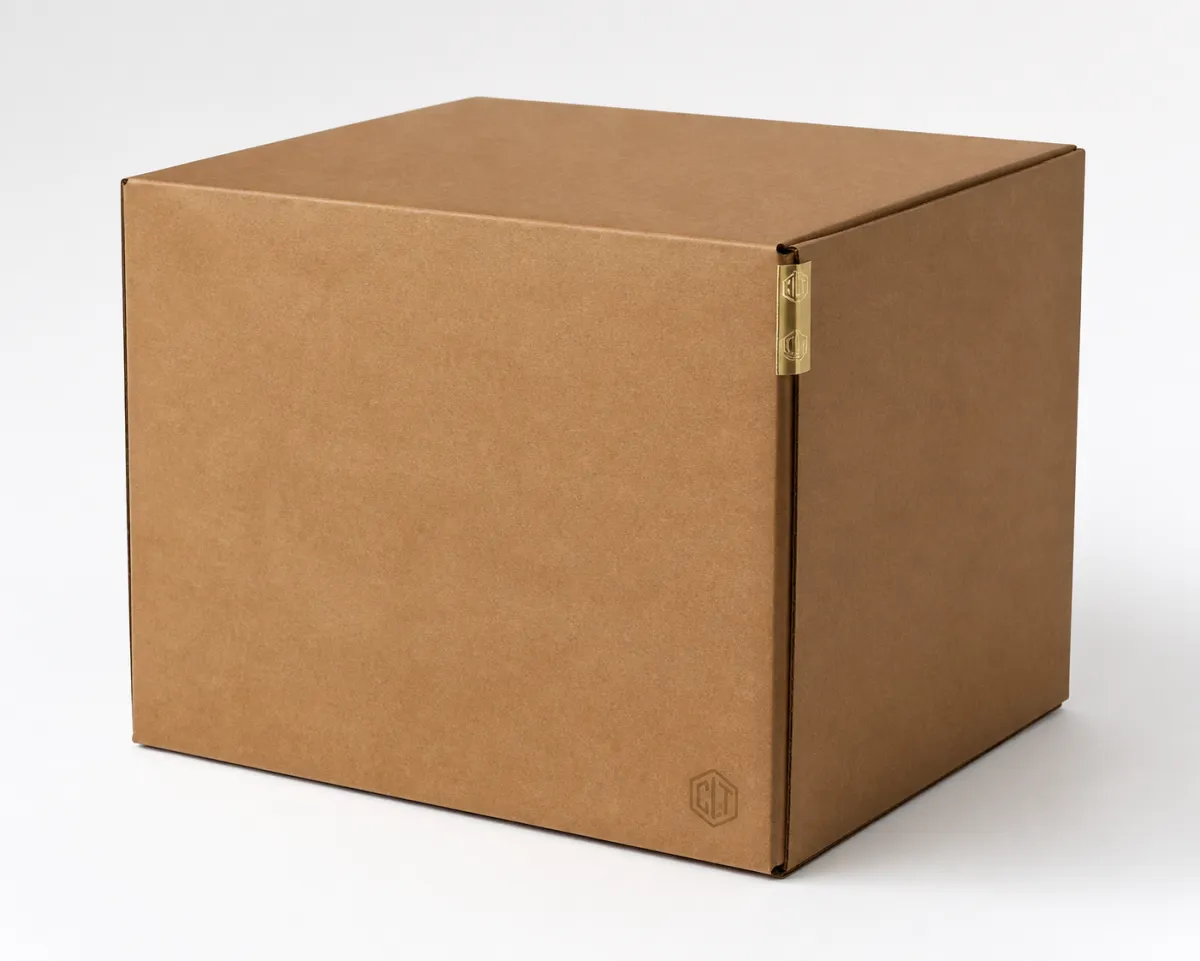
Heavy duty corrugated carton boxes bulk outperform lighter shippers because they are built for compression as much as containment. A lighter carton may survive one move across a packing line, then fail when the same case is stacked six or seven layers high. That top load turns into the real test. Freight lanes, warehouse dwell time, and pallet height all push the carton in different directions at once. Stronger board grades, smarter flute choices, and tighter panel integrity are what keep the load from collapsing before it reaches the dock.
Carton strength is often mistaken for a simple weight issue. Weight matters, but so do storage time, route length, and ambient conditions. A 20 lb case that ships the same day it is packed does not face the same risk as a 20 lb case that sits in a warm warehouse for two weeks, then rides on a mixed trailer under other freight. Heavy duty corrugated carton boxes bulk give buyers room to plan for those conditions without redesigning packaging every time a ship date shifts. That saves headaches, and honestly, a lot of wasted tape.
Weak cartons hide costs in places that do not show up on the purchase order. Fulfillment slows while workers replace boxes, reprint labels, or rebuild pallets. Carrier claims take time to document and even more time to resolve. Retail and industrial receiving docks also notice crushed freight immediately, and that first impression can shape how the shipment is judged before the product is even opened. Once a load arrives damaged, the problem extends past the carton into the entire delivery experience.
Heavy duty corrugated carton boxes bulk reduce that exposure because the specification stays consistent across a larger run. The same board grade, the same fold style, and the same sizing tolerance repeat from order to order instead of drifting with spot sourcing. That repetition improves quality control too. If a carton performs well in one lane, the next run can follow the same data instead of relying on a weaker substitute and hoping the shipment behaves differently. For most buyers, that consistency is where the real savings sit.
Mixed freight brings another layer of risk. A box can look clean and still fail when the wrap is tight, when a fork tine clips a pallet edge, or when a corner catches during handling. Heavy duty corrugated carton boxes bulk are less about overbuilding and more about removing easy failure points. When a shipment passes through several hands, that distinction becomes expensive or valuable very quickly.
heavy duty corrugated carton boxes bulk: construction and product details
The construction of heavy duty corrugated carton boxes bulk begins with linerboard and flute profile. Those two choices determine how the board performs under load. Liners form the outer faces. The fluted medium creates cushioning and column strength between them. Standard single-wall cartons use one fluted layer between two liners. Heavier builds often move into stronger single-wall combinations or double-wall construction when vertical support matters more than material savings. A good structural match can change how a carton behaves both in storage and in transit.
Flute selection shapes performance more than many buyers expect. B-flute gives solid stacking resistance and a flatter print surface. C-flute is common when crush resistance and cushioning both matter. E-flute works well where print quality and a slimmer profile are priorities, though it is usually not the first choice for the heaviest loads. Double-wall builds such as BC or EB combinations are often used when impact resistance and stack performance both matter. None of those choices fits every shipment, which is why heavy duty corrugated carton boxes bulk should be matched to the product rather than chosen by routine.
Closure details can decide whether the carton actually survives the lane. Strong board still fails if the seam is poorly bonded, the flaps are weak, or the tape pattern does not fit the load. Hot-melt seams and stitched seams each have a place depending on production setup and shipping conditions. Hand-hole cutouts can make handling easier, but they also change the way the panel carries stress. Internal fit matters just as much. If a product shifts inside the carton, the walls absorb the damage instead of the item staying fixed in place.
Heavy duty corrugated carton boxes bulk can carry print without losing performance, as long as decoration is planned with the load in mind. One-color logos, handling marks, orientation arrows, and pallet-position notes usually work well. Dense ink coverage across stress areas is a different matter when the carton already carries serious weight. Operationally, the best print program is the one that supports packing and shipping first, branding second. That does not make the box plain. It makes the artwork work for the shipment instead of against it.
For buyers with sourcing requirements tied to sustainability, the fiber source and board construction deserve attention early. Some operations want FSC-certified fiber or recycled-content targets built into the quote. If that is part of your purchasing policy, the FSC organization is a useful reference for certified fiber standards. Heavy duty corrugated carton boxes bulk do not need to trade strength for responsible sourcing; both can be specified clearly from the start.
Specifications for heavy duty corrugated carton boxes bulk
Specification work saves money long before the first shipment leaves the dock. Before ordering heavy duty corrugated carton boxes bulk, buyers should confirm internal dimensions, board grade, flute choice, edge crush strength, burst strength, and print requirements. Those details are not filing-cabinet trivia; they determine whether the carton survives the job. A small dimensional error can create excess void space, extra shift, or panel stress that shows up later in transit.
Edge Crush Test, or ECT, is one of the clearest numbers for comparing stack performance. Burst strength still matters in some legacy buying environments, but ECT and board construction often describe real pallet behavior more accurately. Dense products, stack-heavy storage, and shipments that sit for several days before moving should be driven by compression needs rather than catalog defaults. Many packaging teams also use testing guidance from groups such as ISTA to think through transit stress in a practical way.
Product weight tells only part of the story. A concentrated load such as metal parts, bottled goods, or tightly packed consumer products may need a stronger board grade than the same weight spread over a wider footprint. Stack height matters too. Six pallets high in a warehouse creates a different pressure profile than a shorter stack. Transit distance changes the equation again. Local distribution and long-haul freight do not put the same demands on a carton, and heavy duty corrugated carton boxes bulk should be specified with that difference in mind.
Fit is where specifications become real savings. Too much empty space invites product shift and corner collapse. A carton that is too tight slows packing and raises stress on the panels. A clean internal fit reduces filler, makes counting easier, and helps the pallet stay square. Irregular loads often do better with an insert or divider than with a larger box. The goal is not simply to fit the item inside the carton. The goal is to keep the load stable from the moment it is packed until it reaches the receiving dock.
For teams building a larger packaging program, comparing the carton spec to the rest of the supply chain helps prevent mismatches. Many buyers need labels, protective materials, or other shipping formats along with corrugated cartons, and that is where our Custom Packaging Products page can help with broader planning. If your operation needs a range of shipping formats, review our Custom Shipping Boxes for related build options. Once boxes are ordered repeatedly, those details become part of the buying system rather than isolated purchase decisions.
If you want a short checklist before asking for a quote, use this one:
- Internal dimensions measured to the packed product, not the loose item alone.
- Product weight and whether the load is centered or uneven.
- Stack height in storage and on the pallet.
- Board grade and flute preference, if one has already been chosen.
- Print needs, including logo color, handling marks, and compliance text.
- Delivery location and whether the order needs split shipments.
Pricing, MOQ, and quote details for heavy duty corrugated carton boxes bulk
Pricing for heavy duty corrugated carton boxes bulk depends on a few direct variables: board grade, carton size, flute construction, print complexity, order quantity, and whether reinforcement or custom tooling is needed. Larger cartons consume more paper. Stronger builds use more material. Custom die-cut shapes add setup cost. The pattern is straightforward, yet two quotes that appear similar can diverge sharply once the specification is fully defined.
MOQ, or minimum order quantity, shifts with carton style and the amount of customization involved. Standard corrugated designs usually support lower minimums than highly customized die-cut builds because tooling and setup are easier to spread across the run. The more unique the box, the more important it becomes to plan order size with care. Heavy duty corrugated carton boxes bulk often become more economical as volume rises because setup charges are spread across more units and production runs more efficiently.
For a faster quote, send dimensions, product weight, quantity, delivery location, and artwork if you already have it. If you need samples or staged deliveries, say so early. Those two details often affect both cost and timing. Buyers sometimes ask for a price before sharing weight or stack height, yet those numbers are what determine the correct board spec. A useful quote is not just a number. It is a packaging recommendation tied to a real shipping profile.
Here is a practical comparison of common options. These are broad market ranges, not promises, and the final cost depends on order size, artwork, and delivery point.
| Option | Typical Use | Approx. Unit Cost | Notes |
|---|---|---|---|
| Heavy single-wall corrugated | Moderate weight items, short to medium freight lanes | $0.95-$1.85 | Often works well for bulk orders when compression demand is controlled |
| Reinforced single-wall with stronger board | Denser products, taller stacks, more handling events | $1.35-$2.45 | Good balance of cost and strength for many shipping programs |
| Double-wall corrugated | Heavier freight, palletized loads, better compression performance | $2.10-$4.60 | Often justified when damage risk is higher than material cost |
| Custom die-cut reinforced carton | Irregular products, retail-ready presentation, tight fit requirements | $2.75-$6.50 | Tooling and setup can raise the first-run cost, but fit may improve dramatically |
The best value is not always the least expensive carton. If a stronger box cuts claims, reduces repacking, and improves pallet stability, the unit price can rise while the landed cost falls. That is the part many buyers miss when comparing quotes. A carton that saves twenty cents but loses product on the dock is not saving money. Heavy duty corrugated carton boxes bulk should be judged by total shipment cost, not board cost alone.
If you are comparing volume tiers, our Wholesale Programs can help frame the price break between smaller pilot orders and full production runs. For larger freight programs, it is smart to compare two quantity levels, such as 1,000 and 5,000 units, so you can see how the unit cost shifts once setup is spread across more cartons. That comparison matters most when heavy duty corrugated carton boxes bulk will become a long-term standard.
One pricing point deserves a plain answer: freight and delivery location can alter landed cost as much as the box itself. A strong quote should include shipping details, not only the carton price. If a supplier can account for pallet counts, shipping zone, and realistic lead time assumptions, the number becomes useful for actual purchasing decisions instead of a rough guess.
Process and timeline: ordering heavy duty corrugated carton boxes bulk
The ordering process for heavy duty corrugated carton boxes bulk should feel organized, not obscure. It usually begins with a quote request, moves into a specification review, then artwork or sample approval, and finishes with production scheduling. The way to keep the job moving is simple: share enough information early so the carton can be matched to the load before production starts. Fewer assumptions in round one means fewer delays later.
A clear approval flow keeps most projects on track. First, confirm product dimensions and target weight. Second, review strength needs and pallet pattern. Third, check print notes, logo placement, and any handling symbols. Fourth, approve a sample or written spec sheet. Production can then move forward with far less back-and-forth. Heavy duty corrugated carton boxes bulk benefit from that discipline because the box is part of a shipping system, not just a printed container.
Timeline depends on a few practical factors: die creation, board availability, print setup, order size, and shipping distance. A repeat order usually moves faster than a first-time custom build, especially if a new cutting die is required. For many packaging programs, a normal production window often lands around 12-15 business days after proof approval, though that can shift with capacity and material supply. Complex die-cut work or unusually large runs may need more time.
Communication checkpoints matter most when the carton must fit warehouse equipment or a fixed pallet pattern. A small internal dimension change can affect case count per layer, pallet height, and wrap efficiency. If the box will run through automated or semi-automated equipment, share that detail before production starts. The same applies to launch windows. If the cartons must arrive before a promotion, seasonal peak, or plant changeover, that date belongs in the order conversation from the start.
Packaging teams that want a broader production view usually do better when they keep a simple record of the approved spec. Dimensions, board grade, print notes, and delivery schedule should travel together so the next order can repeat cleanly. Heavy duty corrugated carton boxes bulk fit that approach well because a stable spec makes reorder cycles easier and reduces the small mistakes that can become expensive pallet problems.
If you want a benchmark for packaging performance testing, the methodology guidance from the ISTA test standards helps frame vibration, drop, and compression exposure. Not every shipment needs formal lab validation, but the test logic is useful when you are deciding how strong the carton should be. That way, heavy duty corrugated carton boxes bulk stay aligned with the actual shipping environment rather than a guess about it.
Why choose us for heavy duty corrugated carton boxes bulk
Choosing a packaging partner should feel practical. The best supplier for heavy duty corrugated carton boxes bulk is the one that helps you get the fit, strength, and consistency right without turning the order into a puzzle. That means asking about product weight, pallet pattern, shipping lane, and print needs before recommending a build. It also means saying plainly when a lighter spec will do the job or when a stronger one is justified. Clear guidance saves time and improves the packaging program.
Floor conditions decide whether the carton performs. Board selection, compression needs, pallet loading, and print placement all affect how the box behaves once it leaves the building. A carton that looks clean in a drawing still has to fold correctly, tape cleanly, stack square, and resist strain when the pallet moves. That is why the conversation should keep returning to use conditions. Heavy duty corrugated carton boxes bulk only matter if the spec matches the shipment.
The best value usually comes from matching the carton to the actual load rather than defaulting to the heaviest board available. Overbuilding wastes money and material. Underbuilding triggers damage and rework. A disciplined specification sits in the middle and keeps the program honest. Product families with several sizes can often use the same board logic with only modest changes in dimensions or flute profile, which keeps purchasing simpler and the shipment pattern more consistent.
For buyers who need a reliable sourcing path, our custom packaging support is built around clear specs, responsive quoting, and production that keeps bulk orders moving. If your operation is expanding beyond one box type, you can coordinate formats through our Custom Packaging Products, review related configurations through our Custom Shipping Boxes, or compare volume economics through our Wholesale Programs. That structure helps when packaging is no longer a one-time purchase but part of day-to-day operations.
Buyers get better results when they treat heavy duty corrugated carton boxes bulk as a working system instead of a commodity. The carton spec, the pallet pattern, the print notes, and the reorder process all need to line up. When that happens, boxes are easier to pack, freight is easier to stack, and the receiving experience is cleaner. That kind of result is worth repeating.
Next steps for heavy duty corrugated carton boxes bulk
If you are ready to source heavy duty corrugated carton boxes bulk, begin with the product itself. Measure the packed dimensions, record the full weight, note whether the load is dense or fragile, and define the shipping method. Then estimate monthly or quarterly usage so the order size matches real consumption. That small set of inputs makes the quote more accurate and the box spec more useful.
From there, request two quantity tiers and at least one sample size. The tiered quote shows how unit cost changes with volume, and the sample helps confirm fit, hand-feel, and stack behavior before you commit to a larger run. If the shipment is palletized, review the carton against the pallet configuration as well. A box that packs well on its own can still cause trouble if it changes the pallet footprint or pushes the stack height past the target.
Heavy duty corrugated carton boxes bulk should also be checked against warehouse conditions. Ask whether cartons will sit in storage before shipping, whether they will be wrapped tightly, and whether the freight lane creates long dwell times or rough handling. Those details often decide whether a reinforced single-wall box is enough or whether a double-wall build is the safer call. In bulk buying, those decisions affect both cost and customer satisfaction.
Before the order is placed, keep one final review point in mind: the carton should support the whole system, not only the product. If the packaging team, warehouse, and carrier all benefit from a cleaner spec, that is a sign the box is doing its job. The practical move is simple: send the dimensions, the weight, the quantity, and the delivery target, and ask for a quote built around the actual shipping profile. For heavy duty corrugated carton boxes bulk, that is the clearest path to fewer surprises.
How do I choose the right heavy duty corrugated carton boxes bulk spec for my product weight?
Start with the packed product weight, then add stack height, transit distance, and whether the cartons will sit in storage before shipping. Dense or fragile goods usually need a stronger board grade and a compression-focused spec rather than a larger box alone. If the carton will be palletized or handled multiple times, ask for a sample or a spec recommendation before placing the full order.
What affects the price of heavy duty corrugated carton boxes bulk the most?
The largest cost drivers are board strength, carton size, order quantity, print complexity, and any custom tooling or reinforcement. Higher volumes usually lower unit cost because setup is spread across more boxes. Freight and delivery location also affect landed cost, so product details and shipping details should be quoted together.
What MOQ should I expect for custom heavy duty corrugated carton boxes bulk?
MOQ varies by size, print method, and whether the carton uses a standard style or a custom die-cut design. Standard corrugated designs often allow lower minimums than highly customized builds. If you need several sizes, ask whether they can be combined across a carton family to improve buying efficiency.
How long does production usually take for heavy duty corrugated carton boxes bulk?
Timeline depends on artwork approval, board availability, production queue, and whether a new cutting die is required. Repeat orders usually move faster than first-time custom builds. A clear spec sheet and approved artwork reduce delays more than almost anything else, and many projects land around 12-15 business days after proof approval when materials are available.
Can heavy duty corrugated carton boxes bulk be printed without weakening the box?
Yes, if print coverage, ink choice, and panel placement are planned around the structural needs of the carton. A simple one-color logo or handling mark usually preserves durability better than heavy ink coverage across stress areas. If strength is critical, keep print notes separate from load-bearing requirements and ask for a material recommendation.
For shipping programs that need a carton built for real handling, heavy duty corrugated carton boxes bulk are often the most sensible choice because they protect product, keep pallets stable, and reduce the surprise costs that come with weak packaging. If you are comparing specs now, send the dimensions, weight, quantity, and delivery target so the next quote can be built around the shipment itself rather than a guess. Heavy duty corrugated carton boxes bulk work best when board grade, fit, and order size are aligned from the start.


