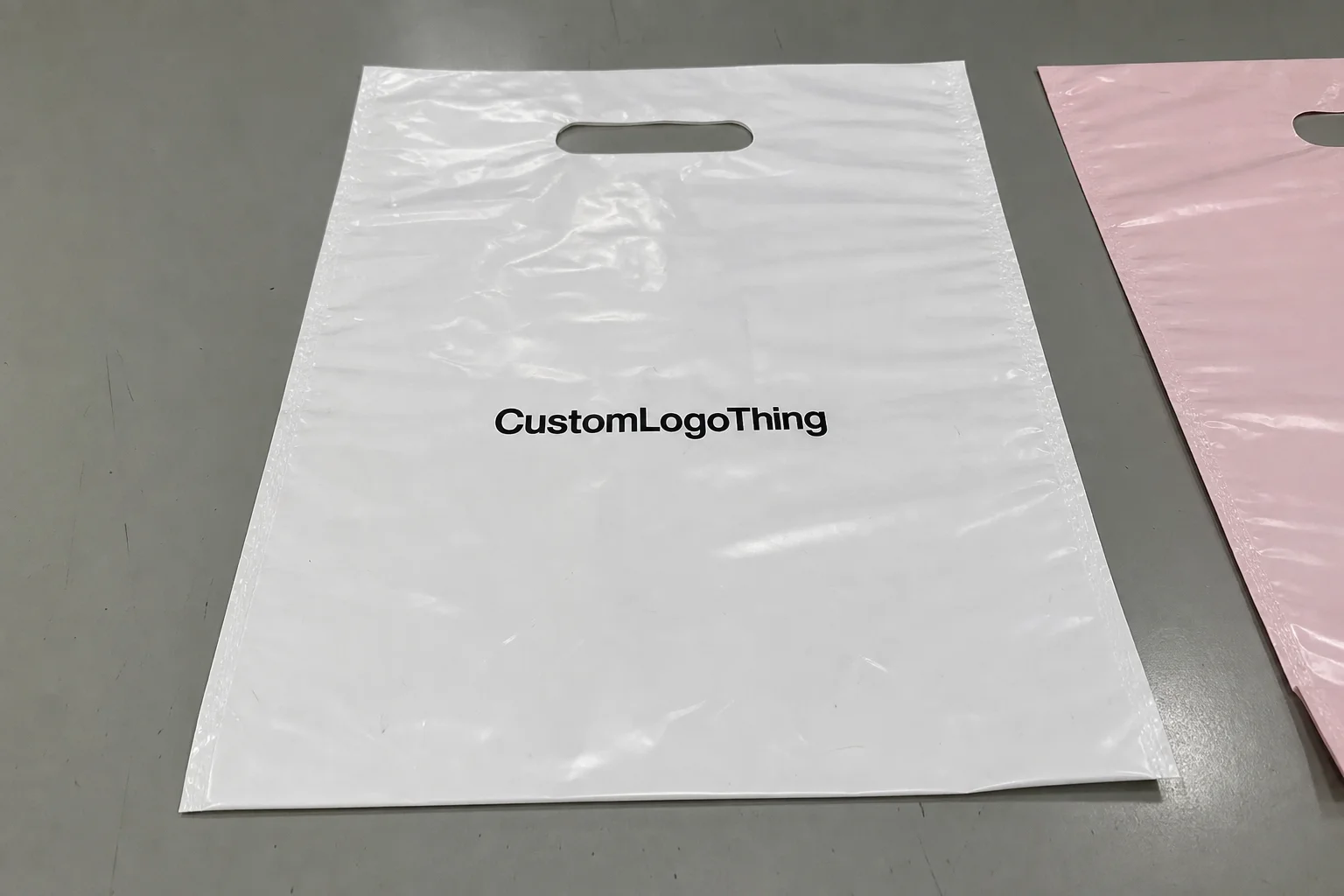
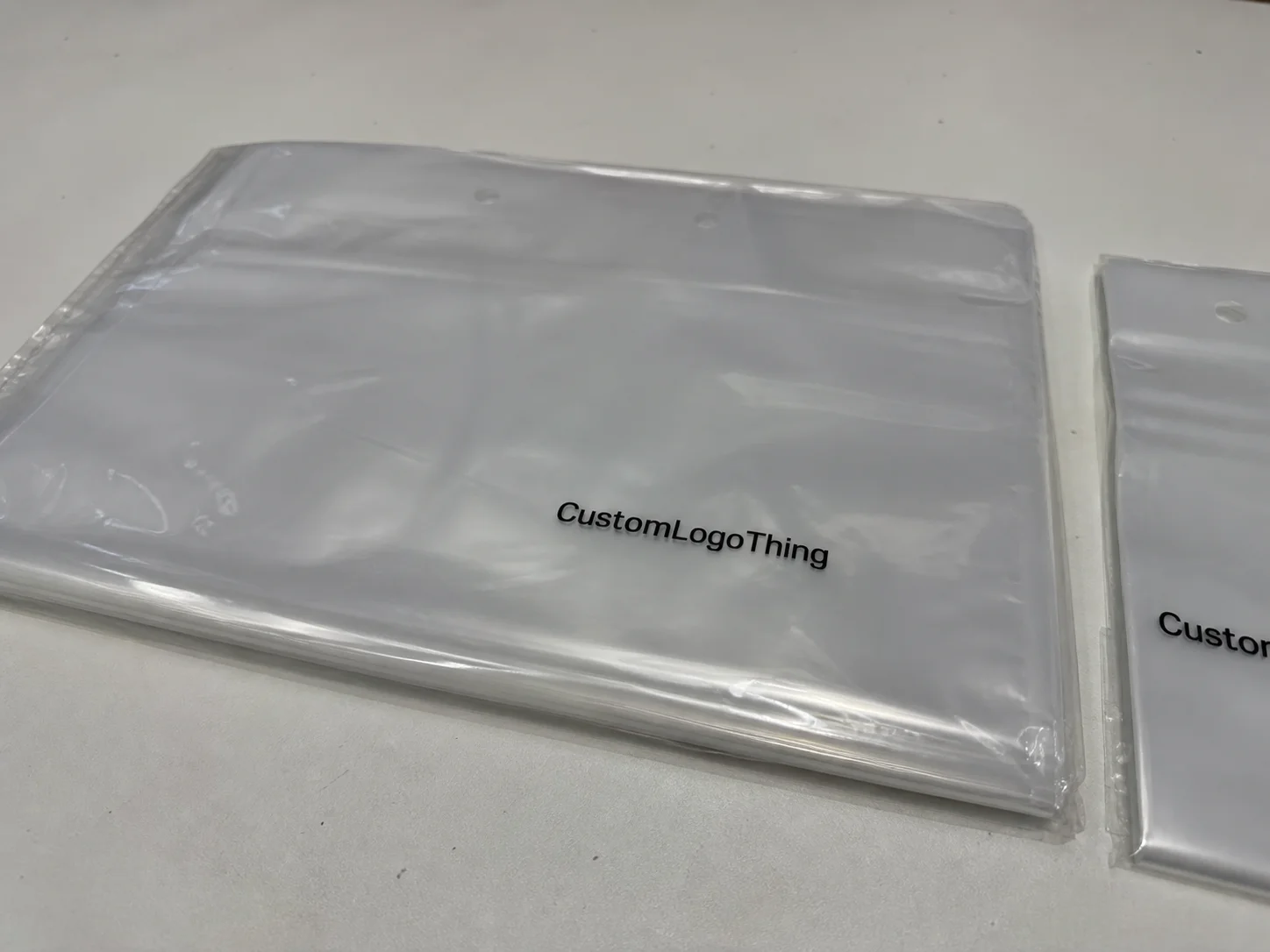
Buyer Fit Snapshot
| Best fit | Heavy Duty Corrugated Cartons Supplier projects where brand print, material claims, artwork control, MOQ, and repeat-order consistency need to be specified before quoting. |
|---|---|
| Quote inputs | Share finished size, material target, print colors, finish, packing count, annual reorder estimate, ship-to region, and any compliance wording. |
| Proofing check | Approve dieline scale, logo placement, barcode or warning zones, color tolerance, closure strength, and carton packing before bulk production. |
| Main risk | Vague material claims, crowded artwork, missing packing details, or unclear freight terms can make a low unit price expensive after revisions. |
Fast answer: Heavy Duty Corrugated Cartons Supplier: Board, Finish, Dieline, and Unit Cost should be specified like a repeatable production item. The safest quote records material, print method, finish, artwork proof, packing count, and reorder notes in one written spec.
Production checks before approval
Compare the actual filled-product size with the drawing, then confirm tolerance on folds, seals, hang holes, label areas, and retail display edges. Reserve space for logos, QR codes, warning copy, and material claims before decorative graphics fill the panel.
Quote comparison points
Review material grade, print process, finish, sampling route, tooling charges, carton quantity, and freight assumptions side by side. A quote is only useful when the supplier can repeat the same color, closure quality, and packing count on the next order.
Heavy Duty Corrugated Cartons Supplier: What to Know
A Heavy Duty Corrugated cartons supplier can look ordinary on the surface. A stack of brown boxes is not exactly exciting, and that is part of the danger. Two cartons can look nearly identical on a warehouse floor and behave very differently once they hit a truck, sit in a humid dock, or get stacked under mixed freight. I have seen a box that looked perfectly fine at pack-out split a corner after one rough route, and the cost of that failure had nothing to do with the carton price alone.
Industrial parts, refill packs, subscription bundles, perishables with inserts, and shipments that move through rough handling all depend on packaging that does real work. A capable heavy duty corrugated cartons supplier does not simply offer thicker board and call it a day. The better choice matches board strength, carton structure, and transit risk to the way the goods actually move through the supply chain, which is kinda the whole point.
Heavy Duty Corrugated Cartons Supplier: Why Box Failure Is Expensive
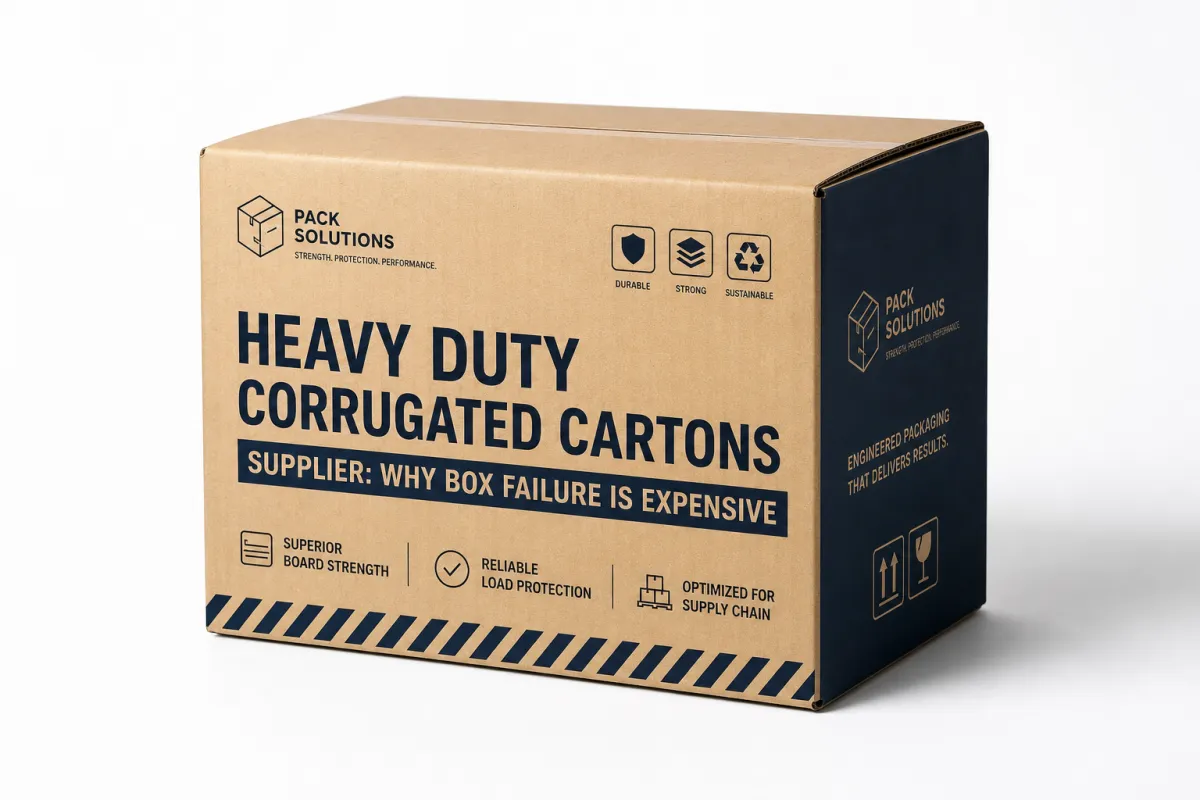
A sturdy-looking carton is not the same thing as a durable carton. A box can hold its shape on the packing table and still fail after a few hours of vibration, stacking, or moisture exposure. A serious heavy duty corrugated cartons supplier thinks past the sealing station and into the full route, because the carton has to survive the journey, not just the first touch.
“Heavy duty” usually describes a combination of qualities rather than a single spec. Higher board grades, stronger compression performance, stable flute structures, tighter construction tolerances, and box designs that resist stacking pressure all play a part. A 44 ECT single-wall carton may be enough for a controlled route with moderate loads. A 61 ECT double-wall carton may suit heavier product or palletized shipment. Triple-wall often moves into export, dense contents, or severe handling. A good heavy duty corrugated cartons supplier should explain which build fits which risk instead of defaulting to the thickest option on the table.
Who needs these cartons most?
- Industrial parts that are dense, irregular, or have sharp edges.
- E-commerce bulk orders that ship in mixed quantities and get repacked often.
- Subscription refills that need repeatable pack-out and consistent branding.
- Perishables with inserts where moisture, temperature, and cushioning all matter.
- Long supply chains that pass through multiple touchpoints before delivery.
That list matters because box failure is rarely caused by one obvious problem. A weak score line can split a corner. A board grade that is too light can crush under a second pallet layer. A carton that is oversized can create empty space, which leads to shifting product and higher freight cost. A knowledgeable heavy duty corrugated cartons supplier sees those links and designs around them.
“The cheapest carton is rarely cheap once you count the returns, the extra labor, and the second shipment.”
That is the part buyers feel later. A carton that saves a few cents can create dollars in damage recovery. A carton that costs a little more can reduce claims, cut repack time, and hold stacks together better in the warehouse. A reliable heavy duty corrugated cartons supplier helps you see that trade-off before the first production run starts.
For brands that need stronger packaging alongside print or branding, Custom Shipping Boxes can be built so the carton supports the product instead of working against it. That sounds simple. It is often the part that gets missed when boxes are ordered from a catalog mindset.
How a Heavy Duty Corrugated Cartons Supplier Turns Specs into Protection
A heavy duty corrugated cartons supplier turns a shipping brief into a physical structure. The list of variables grows quickly: product weight, dimensions, fragility, pallet height, carrier type, climate exposure, shelf time, and whether the carton needs branding or internal fitments. Each one can move the recommendation in a different direction.
The process usually begins with usage details. A strong supplier wants to know how the carton will be packed, stacked, stored, and opened. From there comes board selection. Single-wall, double-wall, and triple-wall corrugation are not interchangeable, and each serves a different role. Single-wall is often enough for moderate loads with controlled handling. Double-wall is common for heavier e-commerce orders, industrial shipments, and palletized packs that need more compression resistance. Triple-wall behaves more like a shipping crate than a standard carton, and it is often used for export, dense contents, or long dwell times.
Flute profile matters too. A, B, and C flute choices change cushioning, print surface, and stack performance; BC or EB combinations can improve compression while keeping the carton practical on the line. A good heavy duty corrugated cartons supplier should be able to explain why a BC double-wall may outperform a thick-looking single-wall box, even if the lighter build seems easier to specify. The carton has to survive the route, not win a visual contest on the desk.
Testing should be part of the conversation from the start. Depending on the application, suppliers may use burst strength checks, edge crush tests, drop tests, compression testing, and fit testing with actual packed goods. In packaging labs, methods aligned with ASTM D642 compression testing and ISTA test protocols are common reference points because they connect the paper spec to real handling risk.
A practical supplier also balances protection against shipping cost and warehouse efficiency. Making a box thicker does not automatically make it better. If a carton becomes too large, too heavy, or too awkward to fold, the labor and freight penalties can erase the gain. The best heavy duty corrugated cartons supplier translates business goals into packaging decisions: fewer damages, cleaner palletization, less void fill, and a box that still runs well at pack stations.
That matters even more when the package needs both strength and branding. A line of custom shipping boxes can be built around an exact product footprint, which reduces movement inside the carton and often improves pallet density at the same time.
Key Factors That Separate the Best Heavy Duty Corrugated Cartons Supplier
Board quality is the first separator. Two cartons can look nearly identical and behave very differently once loaded. Moisture exposure, recycled-fiber content, board caliper, and flute integrity all affect how a carton performs under pressure. A competent heavy duty corrugated cartons supplier should be able to discuss compression strength, not just board thickness.
Customization is the next layer. Exact dimensions matter more than many buyers expect. A carton that is even slightly oversized can increase void fill, raise labor time, and weaken how the product sits in the box. Useful options include:
- Dimension-specific RSC or die-cut formats
- Reinforced scores for heavy contents
- Handles, hand holes, or tear strips for easier handling
- Internal inserts, partitions, and divider sets
- Flute profiles chosen for stack strength or cushioning
- Print, labeling, and pallet pattern compatibility
Lead time and order flexibility matter just as much as spec. A supplier that can produce a sharp sample but cannot support a seasonal spike is not a safe long-term choice. Ask about minimum order quantities, reorder consistency, and whether tooling costs are one-time or spread across multiple runs. For businesses with multiple warehouses, the better heavy duty corrugated cartons supplier will also help standardize SKUs so the packaging program stays manageable.
Compliance and documentation are another divider. If your goods are fragile, regulated, or tied to sustainability claims, ask what paperwork the supplier can provide. FSC chain-of-custody information may matter if you are using recycled or certified fiber. For environmental positioning, many brands also ask for fiber content details that align with FSC-certified materials. That is not decorative. Procurement teams need paper trails as much as they need cartons.
Communication is where the better suppliers separate from the merely adequate ones. A strong heavy duty corrugated cartons supplier asks about product weight, shipping lanes, palletization, warehouse environment, and damage history. If a supplier only asks for length, width, and height, the recommendation may be technically correct and practically wrong. The better question is not “What size box do you want?” It is “What problem does the carton need to solve?”
One more sign of competence: the supplier should be willing to discuss current fulfillment realities, not just ideal conditions. A box that performs well in a climate-controlled office may still fail in a hot trailer or on a wet dock. Strong suppliers keep asking how the shipment actually moves, because that is where the real stress shows up.
Heavy Duty Corrugated Cartons Supplier Pricing: What Actually Drives Cost
Pricing from a heavy duty corrugated cartons supplier is shaped by a handful of variables, and each one can shift the final number more than a buyer expects. Board grade is the obvious driver. Larger carton size means more board area. Flute structure, print coverage, coatings, inserts, and custom tooling all add cost too. If the carton is die-cut rather than a stock RSC, the production setup becomes more complex.
Order volume changes the math. A run of 500 cartons and a run of 10,000 cartons are not the same purchase, even if the box size is identical. At lower quantities, setup and labor weigh more heavily. At higher volumes, unit price drops, but only if the specification is stable enough to repeat cleanly. A good heavy duty corrugated cartons supplier will show where the breakpoints are instead of hiding them behind a single number.
Here is the mistake that creates the most budget surprises: buyers compare unit price and ignore landed cost. A carton that costs $0.14 more can still lower the total bill if it cuts damage, improves pallet density, and speeds packing. Freight waste is real. So is extra void fill. So is the time spent resealing a carton that should have held together in the first place. The cheapest quote is not always the cheapest outcome.
| Carton Structure | Typical Spec Range | Common Use | Illustrative Price Band |
|---|---|---|---|
| Single-wall | 44-48 ECT, B or C flute, reinforced scores | Moderate-weight shipments with controlled handling | About $0.45-$1.10/unit at medium volume |
| Double-wall | 48-61 ECT, BC or EB flute, stronger compression | Heavier e-commerce, industrial parts, palletized packs | About $0.75-$2.00/unit depending on size and print |
| Triple-wall | High-compression build, export or crate-style use | Long dwell times, rough routes, dense contents | About $1.80-$5.00+ /unit for custom builds |
Note: These are illustrative ranges only. Size, print coverage, board chemistry, and order geography can move the number up or down. A realistic quote from a heavy duty corrugated cartons supplier should always be judged in context, not in isolation.
Smart buyers ask specific pricing questions. What happens at 5,000 units versus 10,000? Is tooling amortized into the first run? Are repeat orders priced off the same spec sheet, or does a material change trigger a new quote? Are inserts and handles priced separately? A detailed heavy duty corrugated cartons supplier will answer those questions plainly, because the real cost story is bigger than the sticker price.
There is also a freight angle. Larger cartons can increase dimensional weight charges, and oversized packaging tends to create more void fill and more air in the trailer. That is why some buyers prefer a slightly denser carton spec over a larger, weaker design. The savings show up later, in reduced damage and better shipping efficiency, which is where packaging budgets are often won or lost.
Step-by-Step Process and Timeline for Sourcing Heavy Duty Corrugated Cartons
The cleanest sourcing projects start with a simple audit. Measure the product, yes, but also record its real shipping behavior. How much does it weigh? Does it have sharp edges? Is it stacked on a pallet? Does the carton spend hours or days in transit? A strong heavy duty corrugated cartons supplier needs those details before recommending a structure that actually works.
From there, the spec takes shape. The carton style is chosen first: RSC, die-cut mailer, tray-and-lid, or something more custom. Then comes board strength, flute selection, and closure method. If the package needs inserts, corner protection, partitions, or a double-wall upgrade, those decisions should be written into the brief. A heavy duty corrugated cartons supplier can usually move much faster when the brief is specific.
Here is the kind of sequence that usually keeps a project on track:
- Audit the shipment - weight, dimensions, fragility, stack height, carrier type, and failure points.
- Write the spec - box style, board grade, print needs, closure method, and insert requirements.
- Request samples - check fit, pack speed, pallet efficiency, and protection with actual products.
- Review test results - look at compression, drop behavior, and handling feedback from the warehouse.
- Approve production - lock the final version and confirm the reorder path.
Timeline depends on the complexity of the carton. A plain custom RSC can often move from proof approval to production in roughly 10-15 business days. Die-cut or heavily printed programs can take 15-25 business days, and complex tools or insert sets may stretch that further. A reliable heavy duty corrugated cartons supplier should tell you early whether the project is a fast-turn program or a planning-heavy one.
Sampling is where good intentions get tested against reality. The sample should be packed with the actual product, taped or glued as intended, and placed on the pallet the same way the warehouse will use it. If there is a problem, this is the safest time to find it. The best heavy duty corrugated cartons supplier will welcome that feedback, because changing a sample is far cheaper than chasing claims later.
Urgent programs are different. If a product launch or seasonal spike is looming, the buying team may accept a narrower design window or a slightly less customized spec to keep the project moving. Even then, keep a reorder window. Running too close to stock-out often forces emergency buys, and emergency buys rarely come with the best price or the best carton structure. A cushion of four to six weeks of inventory is not unusual for busy operations.
For teams still refining the package format, Custom Shipping Boxes can serve as a starting point for a packaging system built around the actual load path, not a generic catalog size. That is often where transit losses are prevented before they begin.
Common Mistakes When Choosing a Heavy Duty Corrugated Cartons Supplier
The biggest mistake is guessing based on product weight alone. Weight matters, but it is not the whole story. A 20-pound item with a hard edge and poor load distribution can be harder on a carton than a more evenly distributed 30-pound product. A skilled heavy duty corrugated cartons supplier will ask about the shape of the load and how it sits inside the box.
Humidity is another overlooked issue. Corrugated board loses performance as moisture rises, and not every shipping lane is friendly. Long dwell times in a warehouse, warm trailers, or coastal routes can all weaken board behavior. A carton that performs well in a dry sample room may be less convincing after 48 hours in real conditions. That is why a seasoned heavy duty corrugated cartons supplier will ask about the environments the shipment passes through.
Dimension mismatch is a hidden cost that never gets enough attention. If the carton is too large, the packing team adds more dunnage, the product shifts, and the pallet becomes less stable. If the carton is too tight, the product can crush at the corners or slow down the pack line. Either way, the bad fit costs money.
“If the box needs a lot of filler to work, the box is already too big.”
Skipping sample testing is another expensive shortcut. New product? New carrier? New fulfillment center? Any one of those changes can alter the carton requirement. A thorough heavy duty corrugated cartons supplier will want to test pack-out and transit, not just confirm the outside dimensions. That test can be simple, but it should be real.
The last mistake is trusting the lowest quote without asking about consistency. A cheap run that varies in strength from shipment to shipment can create more damage than a slightly higher-priced carton with stable performance. If a supplier cannot explain board grades, lead times, or documentation clearly, that is a warning sign. Procurement teams often save money by asking one more question before they approve the order.
There is also a sustainability trap. Some buyers assume a recycled board claim is enough on its own. It is not. Ask whether the carton is recyclable in typical curbside streams, whether the fiber content is documented, and whether the sustainability story matches the actual material spec. A heavy duty corrugated cartons supplier should be able to answer that without turning the conversation into marketing language.
Expert Tips and Next Steps for Working with a Heavy Duty Corrugated Cartons Supplier
Start with a one-page packaging brief. Keep it practical. Product dimensions, unit weight, maximum stack height, shipping mode, damage history, print needs, and target annual volume are enough to get a useful first conversation going. A heavy duty corrugated cartons supplier can work much faster when the brief is clean and specific.
Ask for three scenarios, not one. Minimum protection. Balanced protection. Premium protection. That comparison makes the trade-offs visible. It also keeps the discussion from getting trapped inside a single quote that may not be the right benchmark. A capable heavy duty corrugated cartons supplier will usually give you a range of options, because real packaging decisions are rarely binary.
Test cartons on real routes and real pallets. Office demos are useful, but warehouse handling is different. A pallet that looks stable at the design table can behave differently once forklifts, dock bumps, and route vibration enter the picture. If the load is going through a regional distribution center, a test that mimics that route is worth more than a neat sample on a desk.
A review cadence matters after launch. Track damage rate, freight cost, packing time, and customer complaints for the first few production cycles. If the numbers improve, keep the spec. If they do not, adjust the board, the dimensions, or the insert design before the issue becomes normal. That is how a heavy duty corrugated cartons supplier relationship becomes useful: not by freezing the spec forever, but by improving it with evidence.
For custom-branded programs, the most practical next step is to combine product measurements with shipping data and send a short, clear brief to a heavy duty corrugated cartons supplier. Then compare total landed cost, not just the unit price. The better supplier will help you see where the carton should be stronger, where it can be lighter, and where the design should change. That is the path to a box that protects margin instead of quietly draining it.
If you are ready to move from guesswork to a spec that makes sense, gather the measurements, request samples, compare the landed cost, and schedule a supplier review using current shipping data. A good heavy duty corrugated cartons supplier should make the process feel clearer by the end of the first call, not more complicated.
How do I choose a heavy-duty corrugated cartons supplier for fragile products?
Pick a supplier that asks about product weight, fragility, shipping route, pallet height, and stacking conditions instead of quoting from dimensions alone. Request sample cartons and test them in the same pack-out and transit conditions you use in real operations, because a heavy duty corrugated cartons supplier should prove fit, not just promise it.
What is the difference between heavy-duty cartons and standard corrugated boxes?
Heavy-duty cartons usually use stronger board structures, better compression resistance, and box designs meant for heavier or more demanding shipments. Standard boxes can work for lighter goods, but they tend to fail sooner when stacked, palletized, or exposed to rough handling.
How much does a heavy duty corrugated cartons supplier usually charge?
Pricing depends on board grade, size, flute structure, print coverage, order volume, and whether custom tooling or special finishes are required. A medium-volume custom run may sit around a few tenths of a dollar to several dollars per carton depending on the build, but the better comparison is total landed cost, not unit price alone.
How long does it take to get custom cartons from a supplier?
Timeline depends on whether the design is standard or custom, how quickly samples are approved, and the supplier's current production capacity. Build in time for specification, prototyping, revisions, and manufacturing so you do not have to accept rush pricing.
What information should I send a heavy-duty corrugated cartons supplier first?
Send product dimensions, weight, quantity, shipping method, handling environment, stacking needs, and any common damage issues. Add brand, print, and pallet requirements if they matter, because those details can change the carton design, the lead time, and the cost.