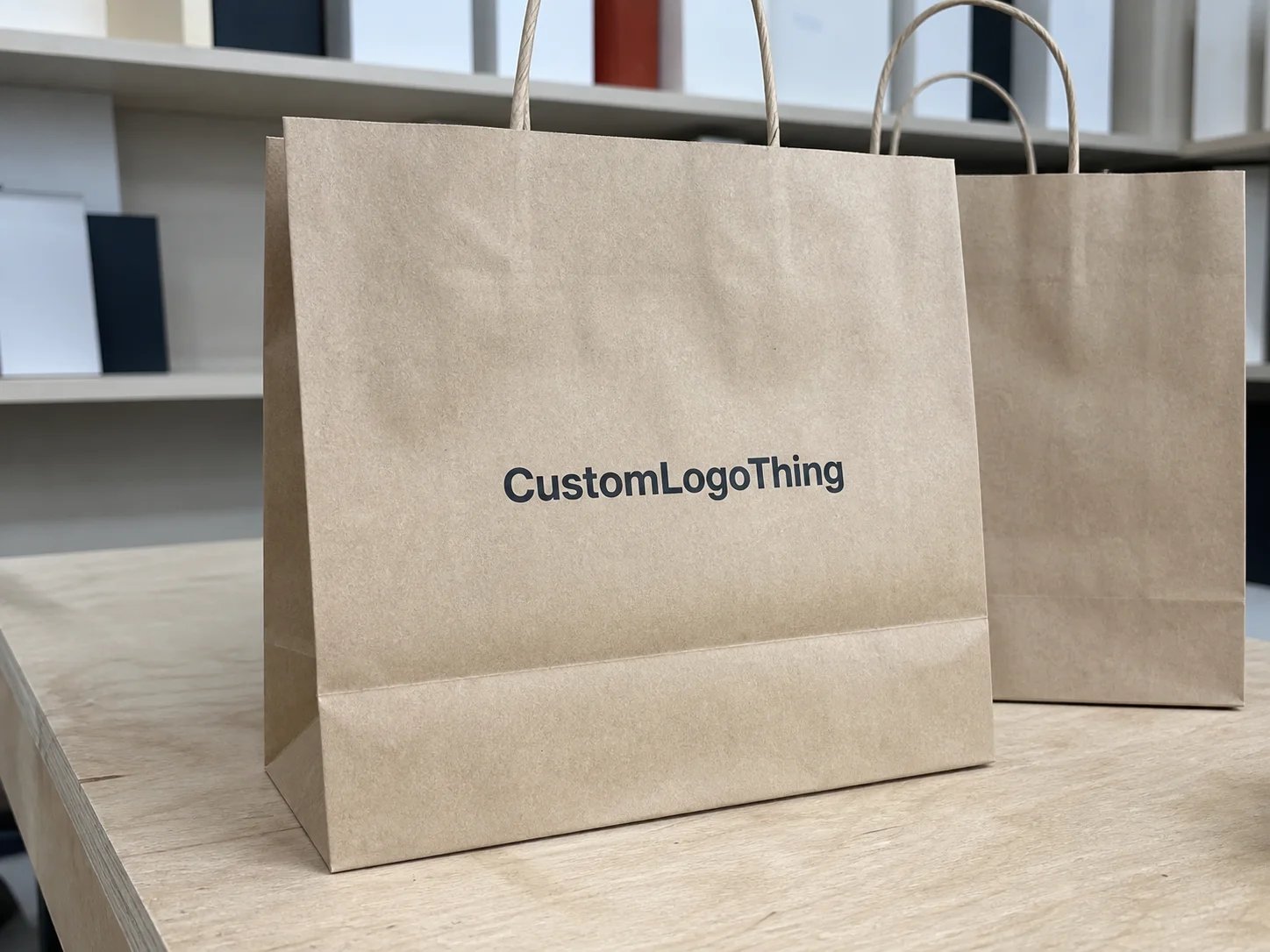
Buyer Fit Snapshot
| Best fit | Eco Friendly Subscription Boxes Supplier projects where brand print, material claims, artwork control, MOQ, and repeat-order consistency need to be specified before quoting. |
|---|---|
| Quote inputs | Share finished size, material target, print colors, finish, packing count, annual reorder estimate, ship-to region, and any compliance wording. |
| Proofing check | Approve dieline scale, logo placement, barcode or warning zones, color tolerance, closure strength, and carton packing before bulk production. |
| Main risk | Vague material claims, crowded artwork, missing packing details, or unclear freight terms can make a low unit price expensive after revisions. |
Fast answer: Eco Friendly Subscription Boxes Supplier: Board, Finish, Dieline, and Unit Cost should be specified like a repeatable production item. The safest quote records material, print method, finish, artwork proof, packing count, and reorder notes in one written spec.
Production checks before approval
Compare the actual filled-product size with the drawing, then confirm tolerance on folds, seals, hang holes, label areas, and retail display edges. Reserve space for logos, QR codes, warning copy, and material claims before decorative graphics fill the panel.
Quote comparison points
Review material grade, print process, finish, sampling route, tooling charges, carton quantity, and freight assumptions side by side. A quote is only useful when the supplier can repeat the same color, closure quality, and packing count on the next order.
Eco Friendly Subscription Boxes Supplier: What to Know
The most expensive part of a subscription box is often the empty space inside it. That is why choosing an Eco Friendly Subscription boxes supplier is not only a branding decision, but a packaging decision, a freight decision, and usually a waste-reduction decision too. The better suppliers do more than print a greener-looking carton. They size the structure with care, reduce filler, and help recurring shipments arrive safely without dragging extra material through the supply chain.
From a packaging buyer's point of view, subscription packaging leaves very little room for error. If the box is slightly too large, the cost shows up in extra board, extra void fill, and higher dimensional weight. If the box is too weak, the bill comes back through damage, reships, and customer complaints. A real Eco Friendly Subscription boxes supplier understands that those hidden losses add up quickly in subscription programs because the same package is repeated month after month, week after week, or quarter after quarter. The waste gets multiplied. So does the chance to correct it.
For any subscription brand, the conversation should begin with fit, then move to material choice, then move to branding. That order matters because the structure has to support the product and the shipping lane before any artwork can do its job. A better box is often a smaller box, though not always. Sometimes the smarter move is a stronger board grade, a thinner insert, or a different closure style that keeps the unboxing experience clean while trimming overall material use.
What an Eco Friendly Subscription Boxes Supplier Actually Does
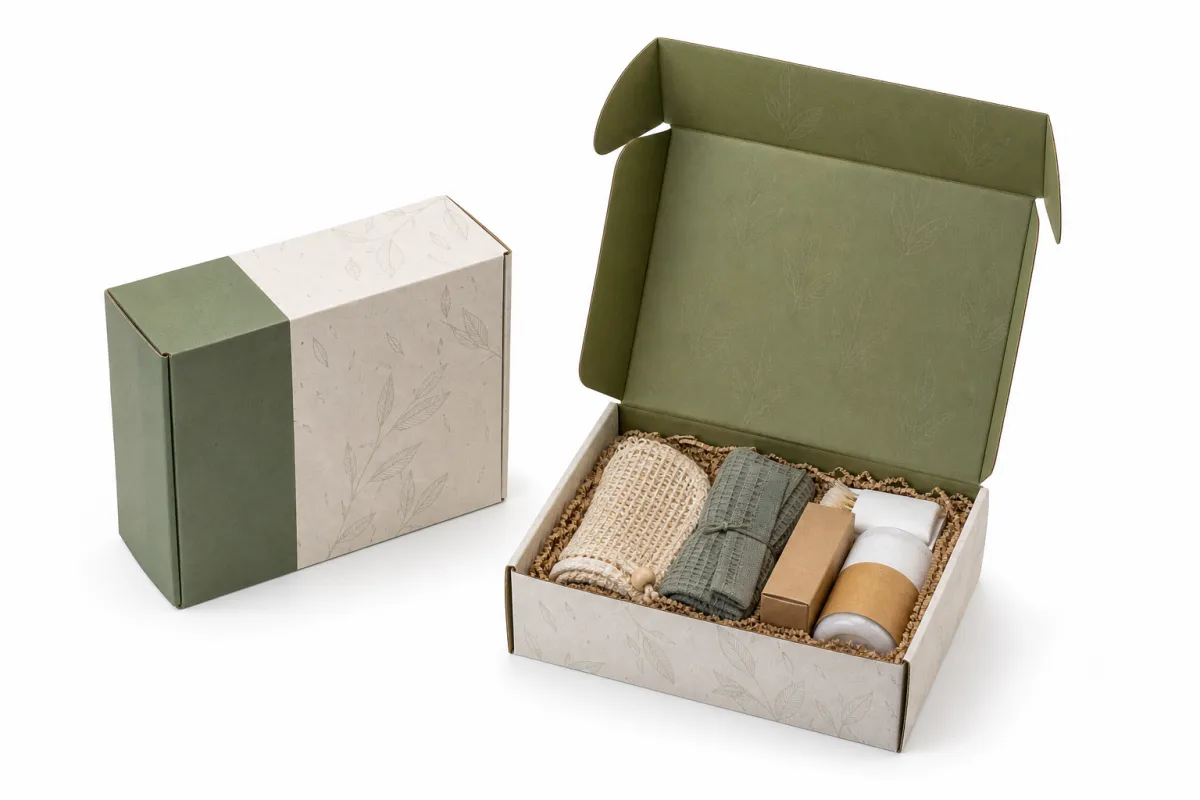
An eco friendly subscription boxes supplier does far more than source cardboard. The work usually starts with product dimensions, weight, fragility, storage conditions, shipping method, and monthly order volume. From there, the supplier recommends a structure, a board grade, an insert style if one is needed, and a print method that suits the brand without pushing the package into wasteful territory. A light product does not need a rigid-looking box just for the sake of presentation. A fragile product does not fare well in a thin mailer that seems economical at first glance.
Many brands are surprised to learn that the biggest waste is not always the box itself. Extra cardboard used to compensate for poor sizing, paper fill added to stop movement, and rework caused by transit damage often cost more than expected. A thoughtful eco friendly subscription boxes supplier looks for the shortest sensible path between product and protection. That can mean a right-sized folding carton, a corrugated mailer, or a custom insert that locks the item in place without wrapping it in layer after layer of filler.
Subscription programs raise the stakes because the same decision repeats. A box used 12 times a year has 12 chances to be too large, too heavy, or too fragile. A small design flaw can quietly grow into a material cost problem. Customer perception changes too. People notice crushed corners, messy openings, and packaging that feels out of step with the sustainability message on the brand site. An eco friendly subscription boxes supplier should help prevent that mismatch before it turns into a recurring expense.
There is a real difference between a general box vendor and a supplier that understands sustainable subscription packaging. A general vendor may offer standard sizes and basic printing. A capable eco friendly subscription boxes supplier can explain recycled board content, FSC-certified paper options, water-based inks, recyclable finishes, and the tradeoffs between compostable and recyclable claims. That distinction matters because some materials sound greener than they perform in real use. A compostable film may read well on a spec sheet, yet complicate disposal for customers who only have curbside recycling. The supplier should know the difference between marketing language and practical recovery.
The cleanest subscription box is usually the one that fits tightly, ships safely, and needs the fewest extra layers to do its job.
For brands still shaping their packaging system, the supplier should act like an engineering partner. That means checking whether a 0.25-inch reduction in width can remove filler, whether an insert can be flattened, and whether a lower board weight still passes transit testing. A strong eco friendly subscription boxes supplier should also speak in concrete terms: 18 pt folding carton, 32 ECT corrugated, E-flute for lighter products, B-flute for better crush resistance, or kraft liners with recycled content for a more visibly sustainable look. If you want a place to compare formats, review the available Custom Packaging Products alongside your product spec sheet.
Another point gets overlooked often: the supplier is not only making boxes, they are helping coordinate recurring operations. Subscription brands need repeatability. If the first run looks perfect and the second run drifts in size, print, or board availability, the system starts to fray. A dependable eco friendly subscription boxes supplier plans for recurring production, not just a single purchase order.
And there is a practical side to that repeatability. The same dieline, the same board grade, and the same closure style should behave the same way in month eight as they did in month one. If they do not, fulfillment teams spend time figuring out what changed, which is never where you want their energy going. I have seen packaging specs unravel because someone assumed "close enough" would be fine on reorder. It usually is not.
How an Eco Friendly Subscription Boxes Supplier Works
The process usually begins with an intake brief. A strong eco friendly subscription boxes supplier will ask for product dimensions, unit weight, display goals, storage conditions, and monthly volume. Those details may sound basic, yet they shape nearly every recommendation. A product that ships direct to consumer has different needs than one that moves through a fulfillment center before entering the parcel stream. A subscription brand packing in January also faces different humidity and crush conditions than one shipping in midsummer.
Material recommendations are never truly one-size-fits-all. Lightweight accessories may do well in a compact folding carton or a corrugated mailer with a simple paper insert. Fragile goods often need a tighter structural fit, a stronger flute profile, and a test plan that checks vibration and compression. Food and moisture-sensitive products may require more attention to barrier performance, while apparel subscriptions can often focus on minimizing board and filler. The best eco friendly subscription boxes supplier matches the material to the product instead of pushing the same board for every program.
After the brief, the supplier usually builds or adjusts a dieline. That flat template matters more than many buyers realize. A good dieline can lower board consumption, improve assembly speed, and reduce the chance of product movement. Sampling comes next. Prototypes show whether the closure is secure, whether the artwork lands where it should, and whether the insert keeps the product centered. This is where the right eco friendly subscription boxes supplier earns trust by spotting problems before they become full-production waste.
Testing should not be treated as decorative paperwork. If the box will face parcel carriers, ask for transit testing or at least a structured review against common transport risks. The ISTA test methods are a practical reference point for shipping performance, especially for recurring programs that cannot afford high damage rates. A supplier that knows how to interpret those tests can usually guide you toward a design that protects the product without overbuilding the package.
Artwork and engineering need to move together. Too many brands approve a beautiful design, then discover the structural version cannot be packed efficiently or stored neatly at the fulfillment center. A good eco friendly subscription boxes supplier thinks about pack-out speed, carton orientation, shelf footprint, and barcode placement at the same time as print quality. That turns a nice-looking box into a workable system.
Better suppliers also treat packaging as a living spec. Subscription volume changes. Product mixes change. Seasonal sets change. If a brand adds a heavier item, the old box may need a stronger board or a different insert. A steady eco friendly subscription boxes supplier does not simply ship what was approved six months ago; the design gets revisited when the operation changes. That kind of maintenance cuts surprises, and fewer surprises usually means less waste.
For fiber-based packaging, a supplier should be ready to separate the material story from the performance story. FSC-certified fiber can help with sourcing traceability, but it does not automatically make a package better. Recycled content can lower virgin fiber use, but only if the structure still survives the trip. That honesty matters. A supplier who talks like every eco label is equally useful is probably glossing over the hard parts.
Cost Factors When Choosing an Eco Friendly Subscription Boxes Supplier
Price starts with structure, not print. An eco friendly subscription boxes supplier will usually price according to board grade, recycled content, size, insert complexity, printing method, and quantity. A simple kraft corrugated mailer at 5,000 units may land around $0.55-$0.95 per unit depending on dimensions and print coverage, while a Custom Folding Carton with heavier artwork might sit closer to $0.38-$0.75 at similar volume. Add a molded pulp or die-cut paper insert, and the number shifts again. Those are not fixed rates, but they are realistic enough to keep quotes honest, not fantasy-level pretty.
The real comparison is total cost, not sticker price. A cheaper box can end up costing more once dimensional weight, replacement shipments, customer support time, and rework at the fulfillment center are included. A better-fit package often lowers shipping charges because carriers price by size as much as weight. That is why a smart eco friendly subscription boxes supplier will ask about your parcel profile before quoting. If the box is oversized by even an inch in one dimension, the freight bill can jump enough to erase savings from cheaper board.
There are also hidden line items that buyers should expect to see. Tooling charges appear when a new die is cut. Plate charges show up in certain print processes. Sample revisions can add time and cost if the brand changes direction after the first proof. Freight from the plant to the fulfillment center is often missed in the first quote, and warehouse storage can matter if the order arrives too early. A transparent eco friendly subscription boxes supplier should separate unit cost from landed cost so the decision is not distorted.
| Packaging Option | Typical Use | Approx. Cost at 5,000 Units | Main Advantage | Main Tradeoff |
|---|---|---|---|---|
| Kraft corrugated mailer | Light to medium subscription items | $0.55-$0.95 | Good crush resistance, recyclable, strong unboxing feel | Can cost more if print coverage is heavy |
| Recycled folding carton | Compact products, cosmetics, accessories | $0.38-$0.75 | Lighter ship weight, efficient shelf storage | Less protective for fragile items without inserts |
| Paper-based insert system | Product stabilization inside a custom box | $0.12-$0.35 | Reduces movement without plastic fill | Needs tighter engineering to avoid waste |
| Molded pulp insert | Fragile or premium subscription goods | $0.18-$0.48 | Strong protection, recyclable fiber profile | Tooling and lead time can be higher |
One common mistake is comparing a recycled option to a conventional option without adjusting for damage rates. If the greener box reduces breakage by only a few percentage points, the savings can still be meaningful. For products with thin margins, the math matters even more. A damaged unit is not only a lost box; it is a lost ship-out, a possible refund, and another piece of packaging heading into the bin. An eco friendly subscription boxes supplier should help model those numbers, even when the model stays conservative.
Material choices can save money too. Water-based inks, a minimal coating, and a well-designed insert can often lower total cost compared with a heavier premium finish. Switching from a wide box to a right-sized format can also reduce board usage and freight. A good eco friendly subscription boxes supplier will not push the most expensive sustainable option. The stronger partner shows which choice does the job with the least waste and the least operational drag.
If you are quoting several suppliers, ask each one for the same three numbers: per-box cost, landed cost, and the estimated cost of failure. That last figure is where the conversation becomes real. It is easy to call a box cheap. It is harder to explain why it adds 300 pounds of dimensional weight on every shipment. The best eco friendly subscription boxes supplier will welcome that question because it proves the buyer is looking at the whole system. You can also compare options against the specs in Custom Packaging Products so the quotes are anchored to the same size and construction assumptions.
There is one more cost detail that often gets missed: assembly time. A box that saves two cents on material but slows packing by six seconds per order is not really saving money in a subscription operation. The labor piece is sneaky because it rarely appears on the packaging quote. A supplier who understands recurring fulfillment will usually point that out before you ask.
Process and Timeline for Eco Friendly Subscription Boxes
Subscription packaging still takes lead time. A realistic schedule usually starts with discovery, moves into structural design, then proceeds to samples, revisions, production, and freight to the fulfillment point. A reliable eco friendly subscription boxes supplier should help map each step so the brand knows where delays may appear. For a straightforward project, you might see 5-7 business days for initial dielines, another 5-10 for samples, and 10-20 business days for production after approval. Complex structures and premium print finishes can stretch that window.
What slows a project most often? Late artwork changes, back-and-forth on fit, and certification checks. If a brand wants FSC-certified fiber or specific recycled content verification, that proof needs to be lined up before production starts. Peak seasons can compress schedules too. An eco friendly subscription boxes supplier with a full production calendar may not be able to absorb last-minute rushes without changing price or format. That is not a failure; it is a practical limit of manufacturing capacity.
Testing can take time as well. If the box is for a fragile item, the supplier may recommend a sample, a pack-out trial, and a shipment test. For higher-risk parcels, the team may review transit performance against a standard like ISTA 3A or a comparable method. The point is not to turn packaging into a lab project. The point is to stop a bad design before it becomes a recurring expense. A disciplined eco friendly subscription boxes supplier makes that process clearer, not slower.
Brands that ship on a fixed cadence need buffer time. If the subscription goes out during the first week of every month, ordering packaging after artwork approval is already late. Build in enough runway for sample review, sign-off, and shipping to the pack center. I have seen teams miss their window by a few days, then rush into a compromise structure that uses more material than necessary. A strong eco friendly subscription boxes supplier helps you avoid that corner by setting deadlines early and sticking to them.
It also helps to ask three practical questions before you approve a timeline: What is the earliest realistic approval date? What happens if the first sample needs a structural revision? How much production capacity is reserved for repeat orders? Those questions show whether the supplier is planning around a subscription rhythm or thinking like a one-off print shop. A capable eco friendly subscription boxes supplier should have answers ready, not guesses.
For any fiber-based solution, ask how the paper was sourced and what proof exists. Third-party traceability is useful, but only if it is current and tied to the exact material being quoted. A supplier who can explain that clearly is usually paying attention in the right places. One who hand-waves the answer probably is not.
Step-by-Step Guide to Selecting the Right Supplier
Step 1: Define the packaging brief. A strong brief includes exact product dimensions, unit weight, breakage risk, shipping method, monthly volume, target price, and the sustainability outcome you actually want. A vague brief usually produces vague quotes. A focused brief lets the eco friendly subscription boxes supplier size the box correctly from the start instead of guessing and revising later.
Step 2: Shortlist suppliers by fit, not just price. Look for evidence that the supplier understands recurring programs, not just one-time custom cartons. Ask whether they have engineered subscription packs before, whether they can support structural work, and whether they can speak to recycled board, compostable options, or water-based print. A competent eco friendly subscription boxes supplier should explain why a given material is better for your specific shipment, not just say that it is green.
Step 3: Request samples, specs, and test information. Compare the same assumptions across every quote. If one vendor is pricing a box with 32 ECT board and another is quoting 24 ECT, the comparison is already skewed. Ask for dielines, material callouts, finish details, and any available transit data. A careful eco friendly subscription boxes supplier will not hide behind generic language if the project needs precision.
Step 4: Compare landed cost and fulfillment compatibility. A package that stacks poorly in the warehouse can slow pack-out and create labor friction. A box that looks elegant but opens awkwardly can frustrate the fulfillment team and the customer. A good eco friendly subscription boxes supplier should help you see the full picture: unit price, freight, storage, assembly time, and the likely damage rate. That is the comparison that matters.
Step 5: Choose the partner that balances performance and repeatability. Subscription packaging has to work again and again. It cannot be a one-off showpiece that falls apart after the first cycle. The best eco friendly subscription boxes supplier is the one that can keep the spec stable while the product, order volume, and schedule change around it. That stability is worth real money.
Two standards are worth keeping in your back pocket during supplier talks. For shipping performance, ISTA test methods help frame expectations around vibration, compression, and drop events. For recovery and disposal claims, the EPA has useful guidance on recycling systems and waste reduction at EPA recycling guidance. If a supplier cannot discuss those basics clearly, treat that as a warning sign. An eco friendly subscription boxes supplier should be comfortable talking about real-world recovery, not just printing leaf icons on a carton.
It also helps to ask for one more thing: a backup material or backup size. If the first choice is delayed or priced out, you need a second path that still fits the brand. That may mean a slightly different flute, a lower ink coverage plan, or a simpler insert. A thoughtful eco friendly subscription boxes supplier will build flexibility into the proposal so your launch does not depend on a single fragile assumption.
For teams that want to move quickly, pairing the brief with a product catalog can save time. Review the current Custom Packaging Products options, then ask the supplier which structure can be adapted with the least waste. That conversation is usually more productive than asking for a "sustainable box" and hoping the quote fills in the blanks. If the supplier is strong, they will lead you to a better answer in fewer rounds.
Common Mistakes Brands Make With Sustainable Subscription Packaging
The first mistake is choosing a green label without testing transit performance. A recycled or compostable material is not automatically the right material. If the box collapses, the customer never sees the sustainability claim as a success; they see a damaged product. A capable eco friendly subscription boxes supplier should push back if the structure is too light for the shipping lane.
The second mistake is oversizing the box and trying to fix the extra space with filler. That approach hides the problem instead of solving it. It also creates a messier unboxing experience. A better move is to redesign the box around the product footprint so the package itself does the work. A good eco friendly subscription boxes supplier will usually start by trimming dimensions before adding more material.
The third mistake is treating certifications as a substitute for engineering. FSC, recycled content claims, or compostability labels are useful, but they do not replace fit and protection. A box still needs to survive the route from fulfillment to doorstep. If the package is weak, slippery, or hard to assemble, sustainability claims will not save it. The right eco friendly subscription boxes supplier combines material proof with structural discipline.
The fourth mistake is ignoring freight and damage costs. I have seen brands celebrate a lower unit price while their shipping bill climbs because the package is too large. I have also seen teams choose a cheap design that increases replacements. Those costs can easily outrun the savings from a lower quote. A trustworthy eco friendly subscription boxes supplier will bring the conversation back to total cost instead of letting the team fixate on one number.
The fifth mistake is forgetting that customers open subscription boxes in ordinary homes, not in a design presentation. If the carton is difficult to open, if inserts spill out, or if the package looks generic despite the branding, the experience feels flat. Sustainable packaging should not feel bare or careless. The best eco friendly subscription boxes supplier helps preserve the premium feel while removing waste, which is harder to balance than it sounds.
There is one more problem that deserves more attention: inconsistent reorder specs. If the first run is 18 pt kraft and the second run is "similar," the line can drift. Small changes in board weight, coating, or insert thickness can interrupt fulfillment. A strong eco friendly subscription boxes supplier keeps records tight so repeat orders behave like repeat orders. That is how subscription packaging stays predictable.
A final mistake, and a common one, is assuming that a "green" finish makes up for poor structure. It does not. A box can carry recycled content, soy-based ink, and a clean kraft look, but if the closure buckles or the insert rattles, the customer still has a bad experience. The package has to earn its sustainability story through performance, not decoration.
Expert Tips and Next Steps for Your Packaging Brief
Send the complete brief the first time. Include product photos, exact dimensions, unit weight, monthly volume, storage conditions, and how the box will travel. A complete brief lets the eco friendly subscription boxes supplier answer with specificity instead of assumptions. If the product has sharp corners, temperature sensitivity, or a fragile finish, say so up front. Those details change the design.
Test at least two sizes and one backup material if your schedule allows it. One size may fit the product well but waste space in the carrier network. Another may reduce freight but need a different insert. A backup material matters because recycled board availability, print timing, and lead times can shift. A disciplined eco friendly subscription boxes supplier will usually welcome side-by-side options because they make the final decision easier to defend.
Ask for a sample, a timeline, and a landed-cost breakdown in the same conversation. That keeps the evaluation grounded. If the supplier only gives you a unit price, the quote is incomplete. If they only give you a sample without timing, the project may already be late. A practical eco friendly subscription boxes supplier should be able to connect those pieces quickly.
For many brands, the smartest next step is a packaging audit. Measure the current box, the void space, the filler weight, and the damage rate over the last few shipments. Then compare that against a proposed structure from the supplier. If the current format uses 15% to 30% more space than it needs, the opportunity is probably real. That is often where an eco friendly subscription boxes supplier proves its value most clearly.
If you are moving toward a new format, set a rollout schedule and protect the approval window. Rushing a box to press because the launch date is close usually costs more than waiting a few extra days for a cleaner spec. A reliable eco friendly subscription boxes supplier can help you hold the line on that timing so the final package performs well instead of merely arriving on time.
My blunt advice: do not choose the package that sounds greenest. Choose the one that reduces waste in the real shipping lane, protects the product, and repeats reliably without a lot of hand-holding. That is the test that matters for any eco friendly subscription boxes supplier. If you get that part right, the rest becomes easier: lower waste, steadier costs, cleaner unboxing, and fewer surprises for the fulfillment team. Start with the current pack-out, measure the empty space honestly, and build the next spec around the product, the carrier network, and the repeat order cycle. That is the clearest path to a packaging program that holds up month after month.
Frequently Asked Questions
What should I ask an eco friendly subscription boxes supplier in the first quote?
Ask for exact box dimensions, material options, minimum order quantities, lead times, and whether samples are included. Request certification details and proof of recyclability, compostability, or recycled content instead of relying on broad sustainability claims. Make sure freight, tooling, and revision costs are itemized so you can compare suppliers on the same basis. If possible, ask for the expected box weight and the estimated packed-out dimensions as well, because those two details affect shipping cost more than many teams expect.
How do I know if an eco friendly subscription boxes supplier is truly sustainable?
Look for right-sized packaging, reduced filler, and materials that match the disposal system your customers actually have. Check whether the supplier can explain the material source, performance testing, and any third-party certifications. Be cautious if the packaging sounds green but fails basic transit tests or requires heavy coatings that complicate recycling. A trustworthy supplier should also be clear about what is recyclable in curbside systems and what may need special handling.
Are eco friendly subscription boxes more expensive than standard boxes?
Sometimes the unit price is higher, especially for custom sizes, recycled board, or specialty inserts. The total cost can still be lower if the packaging reduces shipping weight, damage rates, and replacement orders. Ask for a landed-cost comparison rather than a single box price so you see the full financial picture. That comparison should include freight, labor, and the cost of any expected damage, because those numbers can flip the decision fast.
How long does it take to switch to a sustainable subscription box format?
The timeline depends on how much engineering is needed, how many sample rounds are required, and how fast artwork is approved. A simple switch can move quickly, while a fully custom box with inserts and print changes needs more runway. Build in buffer time before a product launch so testing does not force a last-minute compromise. If your schedule is tight, ask the supplier which elements can be held constant and which ones are likely to create delays.
What packaging works best for fragile subscription products?
Use a structure that holds the product securely, such as a snug corrugated box with tailored inserts. Test for impact, vibration, and moisture if the product will travel long distances or pass through hot or humid conditions. Choose the lightest design that still protects the product, because overbuilding can raise costs and create more waste. For very fragile goods, ask the supplier to show how the insert locks the item in place during pack-out and transport.