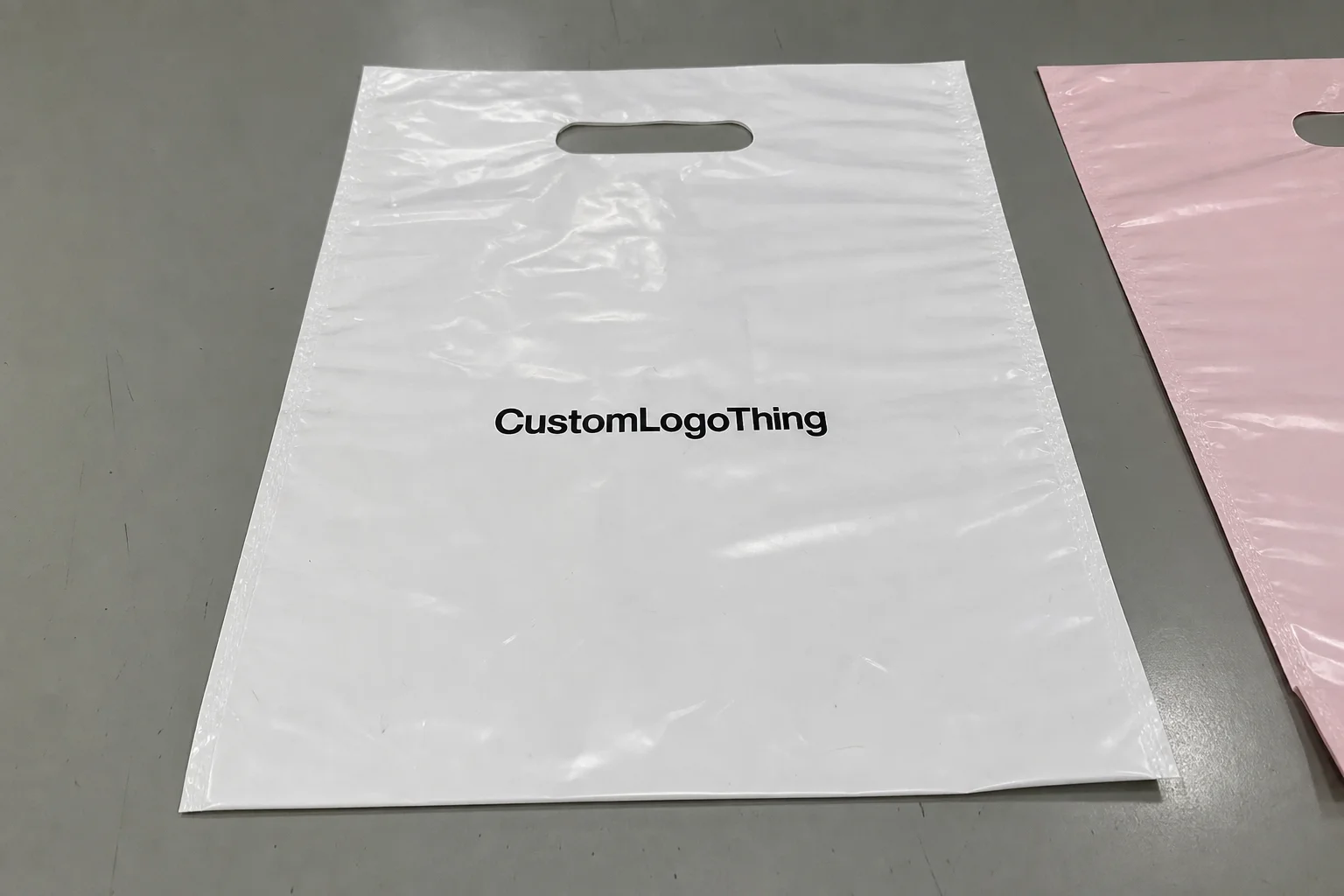
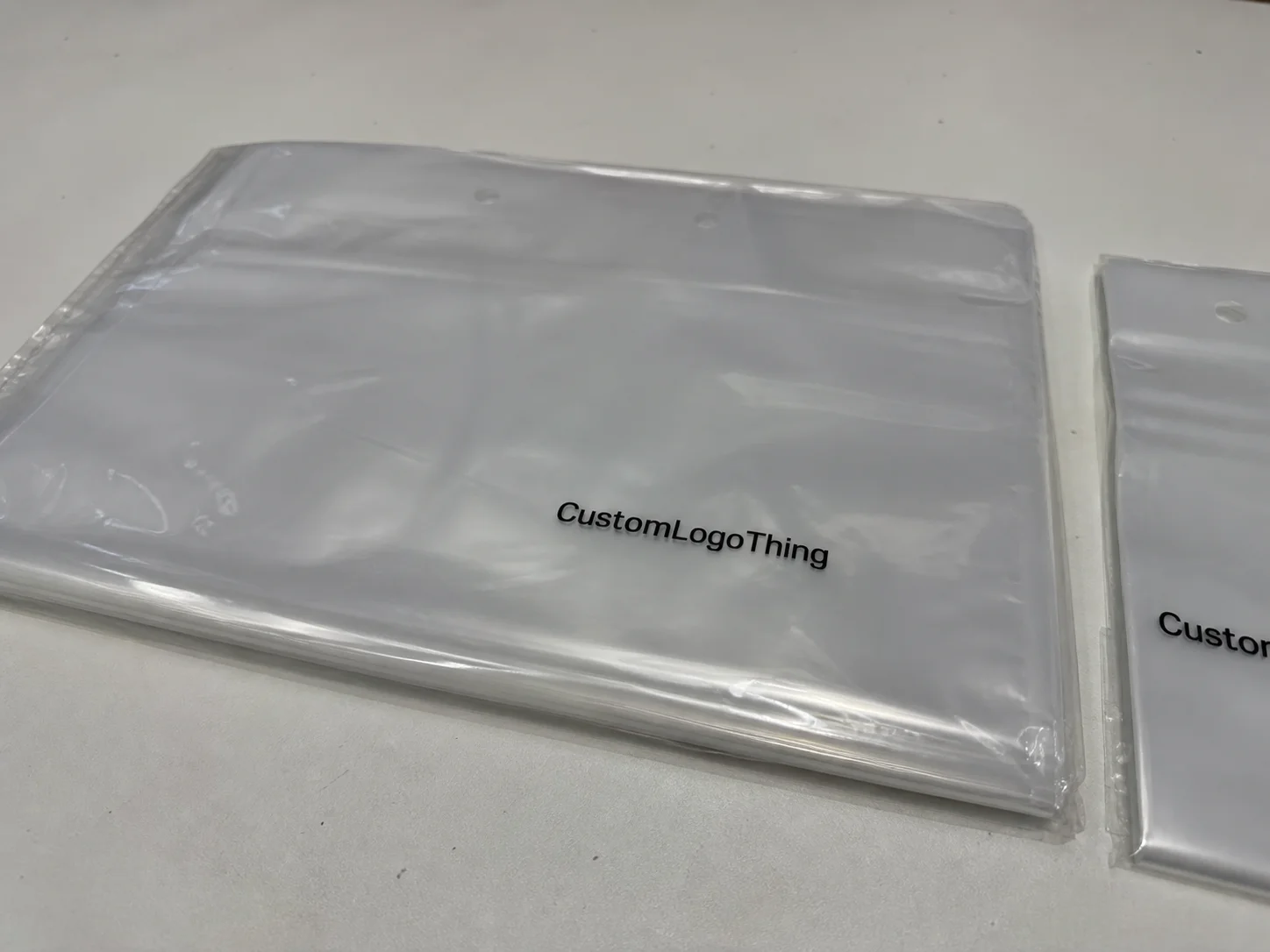
Buyer Fit Snapshot
| Best fit | Heavy Duty Poly Mailers Supplier projects where brand print, material claims, artwork control, MOQ, and repeat-order consistency need to be specified before quoting. |
|---|---|
| Quote inputs | Share finished size, material target, print colors, finish, packing count, annual reorder estimate, ship-to region, and any compliance wording. |
| Proofing check | Approve dieline scale, logo placement, barcode or warning zones, color tolerance, closure strength, and carton packing before bulk production. |
| Main risk | Vague material claims, crowded artwork, missing packing details, or unclear freight terms can make a low unit price expensive after revisions. |
Fast answer: Heavy Duty Poly Mailers Supplier: Film, Print, MOQ, and Carton Packing should be specified like a repeatable production item. The safest quote records material, print method, finish, artwork proof, packing count, and reorder notes in one written spec.
Production checks before approval
Compare the actual filled-product size with the drawing, then confirm tolerance on folds, seals, hang holes, label areas, and retail display edges. Reserve space for logos, QR codes, warning copy, and material claims before decorative graphics fill the panel.
Quote comparison points
Review material grade, print process, finish, sampling route, tooling charges, carton quantity, and freight assumptions side by side. A quote is only useful when the supplier can repeat the same color, closure quality, and packing count on the next order.
Choosing a Heavy Duty Poly Mailers supplier is rarely about chasing the lowest number on a quote. The better decision usually comes down to whether the mailer stays shut, resists scuffing, and fits the product with enough room to survive a long trip through sorters, delivery vans, porches, and all the small abuses that happen between pack-out and delivery. A bag can look excellent at the packing table and still disappoint later if the adhesive lifts, the film stretches at the seam, or the pouch is built too tight around the actual product stack.
That is why useful supplier conversations begin with shipping reality instead of marketing language. Most damage claims do not come from one dramatic puncture. They come from abrasion, corner pressure, moisture, overfilling, weak closures, or a package size that never matched the product shape in the first place. A heavy duty poly mailers supplier should understand those failure points and help you choose a mailer that protects the shipment without adding box weight, extra labor, or avoidable cost.
Heavy duty poly mailers are durable polyethylene shipping bags made with thicker film, stronger seals, and enough flex to wrap soft goods, apparel, accessories, and other non-fragile items with less risk than a thin basic bag. In many cases they are co-extruded for better puncture resistance and a more reliable seal area. The real aim is not only a sturdier feel in the hand. It is fewer returns, fewer replacements, fewer repacks, and a packing line that moves with confidence because the mailer has a meaningful margin for handling stress.
What a Heavy Duty Poly Mailers Supplier Knows About Damage
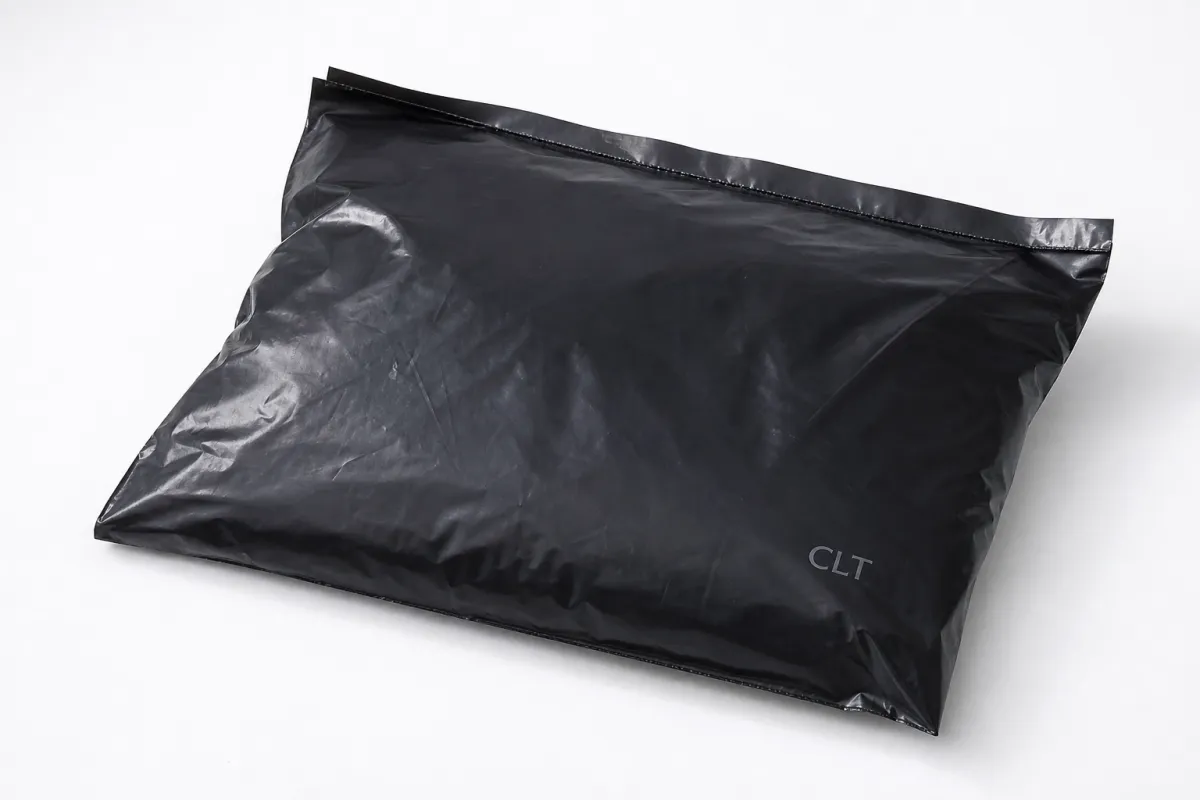
Any experienced heavy duty poly mailers supplier knows the outside of the bag tells only part of the story. The rest shows up after the mailer is folded, filled, sealed, stacked, and pushed into a delivery network that does not treat every parcel with the same care. A mailer can pass a visual check and still fail later if the adhesive strip lifts, the side seam creeps open, or a corner point keeps working against the film during transit.
That is why damage prevention starts with the package as a system. Product shape, packed weight, film finish, seal width, and even the length of time a bag sits in a hot warehouse all affect performance. A good heavy duty poly mailers supplier will ask practical questions rather than polished ones: What are you shipping? How sharp are the edges? How many pieces go into one bag? Does the order wait in a staging area before pickup? Those are the questions that lead to useful packaging decisions.
From a buyer’s point of view, package failures usually happen in ordinary, repetitive ways. Stacked cartons rub the surface. A zipper, tag, or hardware edge presses on the same spot for the entire route. Humidity changes the feel of the film. A closure that looked fine on the bench loses grip after compression. That is why a careful heavy duty poly mailers supplier focuses on seal integrity, tear resistance, and fit instead of talking only about thickness in isolation.
“If the closure fails after compression, the rest of the spec sheet does not matter.” That is the kind of blunt truth packaging teams live with every day.
Heavy duty mailers work best as a way to reduce the common, everyday forms of shipping abuse. They are especially useful for folded textiles, apparel, promotional kits, soft home goods, and bundled accessories that do not need the rigidity of a box. A reliable heavy duty poly mailers supplier should be honest about that boundary too. These bags are not a cure for glass, liquids, or highly sharp products, and pretending otherwise usually creates claims later.
For teams comparing options, it helps to keep in mind that the cheapest bag is often not the least expensive package. A stronger mailer can cut damage claims, save repacking labor, and reduce replacement shipments. In a distribution setting, those savings frequently matter more than shaving a cent or two off the unit cost. That is one reason buyers keep returning to a heavy duty poly mailers supplier that can explain performance in practical terms instead of only sending over a price list.
Packaging professionals also look to standards and transit testing to separate opinion from evidence. The International Safe Transit Association publishes widely used test methods for parcel durability, and those procedures are useful when you want a more disciplined view of how a mailer should behave under drop, vibration, and compression. A good heavy duty poly mailers supplier may not run every test in-house, but it should be able to discuss the logic behind them.
How Heavy Duty Poly Mailers Work in Real Shipping Conditions
A heavy duty mailer is not complicated, yet the details matter. In a typical construction, you have an outer film, an inner film, a seal area, and an adhesive closure that locks the top flap. A capable heavy duty poly mailers supplier pays attention to all four, because each one contributes to a different kind of protection. Film strength helps resist puncture and stretching, the seal controls package integrity, and the adhesive decides whether the bag stays closed after the parcel is compressed or jostled.
Under normal use, soft goods compress well inside a mailer. The trouble starts when the contents carry rigid folds, zippers, buttons, tags, boxed accessories, or layered product bundles that create pressure points. That is where tear propagation matters more than a simple thickness number. A good heavy duty poly mailers supplier will often recommend a film that absorbs abrasion and stretches without splitting open from a small nick that would be harmless in a weaker product.
Heat and cold matter more than many buyers expect. In hot conditions, adhesives can behave differently, and in cold rooms or winter routes, some closures lose initial tack. Humidity adds another layer because moisture can change both the feel of the film and the way a surface seal performs. A careful heavy duty poly mailers supplier will ask about seasonal shipping patterns, storage conditions, and how long packages sit before they enter the carrier stream.
That practical approach is what separates a useful recommendation from a generic one. A large apparel shipment that leaves the facility the same day may need a different spec than a bundled accessory order that waits in a staging area for hours before pickup. The best heavy duty poly mailers supplier is usually the one that treats those variables as part of the quote instead of treating them like afterthoughts.
Where do these mailers fit best? In practice, they work well for:
- Apparel and folded textiles that need moisture resistance and lower shipping weight.
- Light home goods, soft goods, and promotional kits with moderate bulk.
- Bundled accessories that need a secure closure and a clean branded presentation.
- Orders where a box would add cost, empty space, or unnecessary dimensional weight.
Where they are not enough on their own matters just as much. A heavy duty poly mailers supplier should steer you away from using a mailer alone for glass, liquids, highly sharp objects, or anything that can puncture its own package during handling. In those cases, a box, internal cushioning, or a different format is the more responsible choice. I have seen buyers try to force a mailer onto the wrong product category just to save a few cents, and that usually gets expensive pretty fast.
If you are narrowing options, it helps to look at the broader package system alongside the mailer itself. Our Custom Poly Mailers page gives a sense of the format, while our Custom Packaging Products catalog can help you compare it with other packaging formats that may fit your line better.
One more point deserves attention: a mailer should never be judged only by its appearance on a table. A glossy surface, clean printing, or a thick hand feel can hide weak seam behavior. A smart heavy duty poly mailers supplier will encourage test packing, tape pull checks, and sample transit trials because real packages behave differently once they are filled and handled at speed. That gap between a spec sheet and a working package is where most surprises show up.
Heavy Duty Poly Mailers Supplier Criteria: Materials and Seal Quality
If you are comparing one heavy duty poly mailers supplier with another, begin with the material basics. Film gauge matters, but it is not the only factor. Buyers should also ask about single- or multi-layer structure, tear propagation resistance, seal consistency, and whether the film is produced from virgin resin, recycled resin, or a blend. Those choices change the feel of the mailer, the cost, and sometimes the performance under load.
A thicker film is not automatically better. That is one of the most common mistakes buyers make. A well-designed 3.0 mil or 3.5 mil mailer can outperform a poorly made thicker bag if the seal is cleaner, the film stretches more evenly, and the closure holds better under compression. A solid heavy duty poly mailers supplier should be able to explain why one gauge fits your use case instead of assuming heavier always means stronger.
Seal quality deserves special attention because it is the point most likely to fail quietly. The adhesive strip should bond cleanly, resist dust contamination, and stay closed even after the parcel is pushed into a tight stack or lightly compressed during sorting. If a package may be opened for inspection or partial return processing, recloseability can matter too. A thoughtful heavy duty poly mailers supplier will discuss those details before discussing artwork.
Printing is useful, but it should never weaken the package or pull attention away from function. Custom logos, sizing marks, warnings, and handling instructions can all be helpful, especially if your operation wants a clear branded presentation. Still, the printed surface has to hold up after abrasion and remain legible after handling. A practical heavy duty poly mailers supplier will recommend print coverage that supports the brand without making the film brittle or the message unreadable.
Buyers should also ask testing questions that separate a capable supplier from a commodity seller:
- Is seal width consistent across batches?
- Does the film pass drop or compression checks on sample runs?
- Can the supplier provide production samples, not only polished sales samples?
- Are there documentation or test references for tensile, tear, or dart impact behavior?
- How does the supplier handle batch variation if film is sourced from multiple runs?
Those questions matter because packaging quality is not only about a single sample in your hand. It is about consistency over a long reorder cycle. A dependable heavy duty poly mailers supplier should be able to tell you how it controls batch variation, what inspection checks are used, and what kind of acceptance standard it follows before shipments leave the floor.
For teams that want a stronger technical anchor, common film tests often reference tensile strength, tear resistance, and impact behavior, including methods aligned with ASTM D882, ASTM D1922, and ASTM D1709. A supplier does not need to speak in lab jargon all day, but it should understand why those numbers matter. A heavy duty poly mailers supplier that can translate technical data into shipping decisions is usually easier to trust over time.
Cost, Pricing, MOQ, and Quote Factors to Compare
Price is real, and no buyer should ignore it. The mistake is treating unit price as the whole story. A heavy duty poly mailers supplier quote usually includes film weight, custom size, print complexity, resin type, packaging format, freight, and sometimes setup charges. A low number on the first line can become a higher total once shipping, waste, and rework are brought back into the picture.
MOQ, or minimum order quantity, matters because it shapes risk. A lower MOQ is useful for testing a new package or launching a smaller product line, while a higher MOQ may bring better per-unit pricing if demand is stable and forecasted volume is strong. A good heavy duty poly mailers supplier will explain where that break point sits so you can judge whether the savings are worth the inventory commitment.
To compare quotes fairly, ask each supplier for the same size, the same gauge, the same print count, the same adhesive type, and the same delivery terms. Otherwise, you are comparing different products with the same label on top. That sounds obvious, yet it is one of the fastest ways to misread a quote from a heavy duty poly mailers supplier and choose the wrong partner for the job.
| Option | Typical Gauge | Best For | Approx. Unit Price at 5,000 Pieces | Notes |
|---|---|---|---|---|
| Stock unprinted mailer | 2.5-3.0 mil | Basic apparel and soft goods | $0.08-$0.16 | Fastest route, lowest setup burden, usually the easiest trial order |
| Custom printed mailer | 3.0-4.0 mil | Branded e-commerce shipments | $0.12-$0.28 | Good balance of branding and protection, printing complexity changes cost quickly |
| Reinforced heavy duty mailer | 4.0-6.0 mil | Bulkier soft goods and higher abrasion risk | $0.18-$0.35 | Higher material cost, but often lower damage and repack risk |
| Special size or oversized mailer | Varies | Irregular products and bundled kits | $0.20-$0.42 | Size tooling and waste can raise total cost, so fit matters a great deal |
That table is a starting point, not a universal rate card. Freight can move the final number more than buyers expect, especially for heavier gauges or oversized bags. A careful heavy duty poly mailers supplier will separate ex-works pricing, freight, and setup charges so you can see the real landed cost instead of the teaser price.
Landed cost thinking is where experienced packaging teams usually end up. If a slightly stronger mailer reduces claims, lowers rework, and cuts the number of replacement orders, it can cost less overall even when the per-unit price is higher. That is why a heavy duty poly mailers supplier should be evaluated on the package result, not only on the invoice line.
For sustainability-minded projects, the material conversation should stay honest. If recycled content, downgauged film, or waste reduction matters to your team, ask what the supplier can document and what claims can be supported. Public guidance from the EPA recycling resources helps frame broader recycling realities, but the package still has to perform in the carrier network. A strong heavy duty poly mailers supplier should balance sustainability goals with shipping reliability.
Process and Timeline: From Sample to Production Steps
The most efficient projects follow a clear sequence. First, define the product profile. Then request samples. After that, approve the size and film spec, confirm the artwork if you are printing, and move into production only when the working sample is genuinely right. A disciplined heavy duty poly mailers supplier will help you keep that order because it prevents avoidable rework later.
Lead time should be broken into pieces instead of being treated as one vague promise. Ask how long sampling takes, how long artwork proofing takes, how long production takes, and how shipping time changes if the mailers are stock, domestic, or custom made. A competent heavy duty poly mailers supplier should be able to give you a timeline that separates those steps clearly enough to support a launch plan.
Production itself has several stages that matter. Film extrusion or film sourcing comes first, followed by printing if needed, then converting, sealing, inspection, and final packing. Every one of those steps can affect consistency. A good heavy duty poly mailers supplier does not hide behind a single “ship date” promise; it builds time for inspection and approval into the schedule.
For buyers trying to coordinate packaging with product launches, seasonal volume, or promotional drops, ordering early is the safest path. Rush work is possible sometimes, but rushed packaging work often forces compromises on print complexity, shipping method, or QC. If a heavy duty poly mailers supplier is helping well, it should be helping you avoid that corner in the first place.
Here is a simple way to think about the process:
- Measure the packed product, not just the product itself.
- Request a sample size that allows for a clean fit and closure.
- Test a few real units on your packing line.
- Check the seal after compression and after a short transit trial.
- Confirm the print layout, freight terms, and reorder schedule before launch.
That sequence may sound basic, but it is where many packaging projects go right or wrong. A supplier that can guide you through it is usually worth more than a cheaper quote from a heavy duty poly mailers supplier that rushes the sale and leaves the rest to chance.
Common Mistakes Buyers Make With Heavy Duty Poly Mailers
One of the biggest mistakes is buying by thickness alone. A thicker film is not automatically better if the seal fails, the size is wrong, or the package is too stiff for the product shape. Packaging is a system, and a heavy duty poly mailers supplier should be judged on how well it balances film, closure, and fit together.
Another common mistake is ignoring overfill. When a bag is too small for the product stack, the seams stretch, the flap loses contact, and labels start to wrinkle in ways that can affect scan readability and presentation. The result is often preventable damage during sorting and delivery. A careful heavy duty poly mailers supplier will warn you before that happens.
Skipping sample testing is another costly habit. Real product trials reveal issues a spec sheet never will, such as slippery finishes, static cling, weak adhesive in colder rooms, or awkward pack speed on the line. The difference between a nice sample and a working package is exactly why a professional heavy duty poly mailers supplier encourages live testing.
There is also a habit of chasing the lowest quote and stopping there. That can backfire fast. If a supplier cannot explain its testing process, quality checks, or lead times clearly, the savings may disappear in returns, repacking labor, and extra shipments. A reliable heavy duty poly mailers supplier should be able to talk through the trade-offs without dodging the hard questions.
Here are the warning signs I would watch for:
- The supplier talks only about price and never about product fit.
- The sample looks fine, but the closure feels weak or inconsistent.
- Lead times are vague and do not separate proofing from production.
- No one can explain how the film was tested or inspected.
- The quote changes every time you restate the same requirements.
Those are not small signals. They usually tell you whether the heavy duty poly mailers supplier understands packaging as a working operation or just a commodity transaction.
Expert Tips and Next Steps With a Heavy Duty Poly Mailers Supplier
The best next move is to build a simple spec sheet before you ask for quotes. Include product size, packed weight, target gauge, print needs, closure preference, annual usage, and any special handling concerns. A clear brief makes comparison much easier, and a good heavy duty poly mailers supplier can respond with a more accurate recommendation in far less time.
Then test three things before you commit: fit, seal performance, and transit durability. A short live test with real orders tells you far more than a generic sample sitting on a desk. If the package closes cleanly, survives compression, and still looks good after a normal route, you are close to a workable standard. A disciplined heavy duty poly mailers supplier should welcome that process.
I also recommend comparing more than price. Ask about consistency, reorder speed, stock availability, artwork support, and the supplier’s ability to adjust size or gauge if your product line grows. The better long-term partner is often the one that helps you improve the package over time instead of forcing a fresh scramble every season. That is the kind of partnership people should expect from a heavy duty poly mailers supplier.
If your team is still building the packaging program, it may help to revisit the whole cart of materials, not just the mailer. The right shipping bag sits inside a broader system that includes branding, fulfillment speed, and product protection. Our Custom Packaging Products page is a good place to compare formats, and our Custom Poly Mailers page can help you narrow the exact style you need.
My practical advice is straightforward: measure the current package, collect two or three quotes, request samples, and run a small shipment trial before you scale. Start with the real packed product, not the idealized one, and make the supplier prove the closure, the fit, and the finish under actual handling. A dependable heavy duty poly mailers supplier should be able to turn those trial results into a repeatable packaging standard, and that is usually where the real savings show up.
How do I choose the right heavy duty poly mailers supplier for my product?
Match the supplier to your product type, shipping volume, and print needs, then ask for samples and clear material specifications before you place a large order. A strong heavy duty poly mailers supplier should be able to explain performance, lead time, and closure quality instead of only quoting the lowest price.
What thickness should a heavy duty poly mailers supplier recommend?
The right gauge depends on weight, shape, and how much abrasion the package will face in transit. Heavier or sharper items usually need stronger film and better seals, not just a bigger bag. A good heavy duty poly mailers supplier will recommend thickness after seeing the actual packed product.
Why does MOQ matter when comparing a heavy duty poly mailers supplier?
MOQ affects cash flow, storage space, and how much risk you take on a first order. A lower MOQ is useful for testing, while a higher MOQ can reduce unit cost if your demand is steady. The right heavy duty poly mailers supplier should offer an MOQ that fits your reorder rhythm, not just a price sheet.
How long does it usually take a heavy duty poly mailers supplier to deliver custom orders?
Timing depends on whether the mailers are stock items or fully custom printed. Sample approval, artwork review, and production capacity all affect the schedule, so ask for a timeline that separates proofing, production, and freight. A clear heavy duty poly mailers supplier will spell those steps out before the order starts.
Can a heavy duty poly mailers supplier help reduce shipping damage claims?
Yes, if the supplier helps you Choose the Right size, seal type, and film strength for the product. Damage claims often fall when the package fits better and the closure stays secure. Use sample testing and live shipments to confirm the mailer performs in real transit conditions with your own fulfillment flow and your own heavy duty poly mailers supplier criteria.