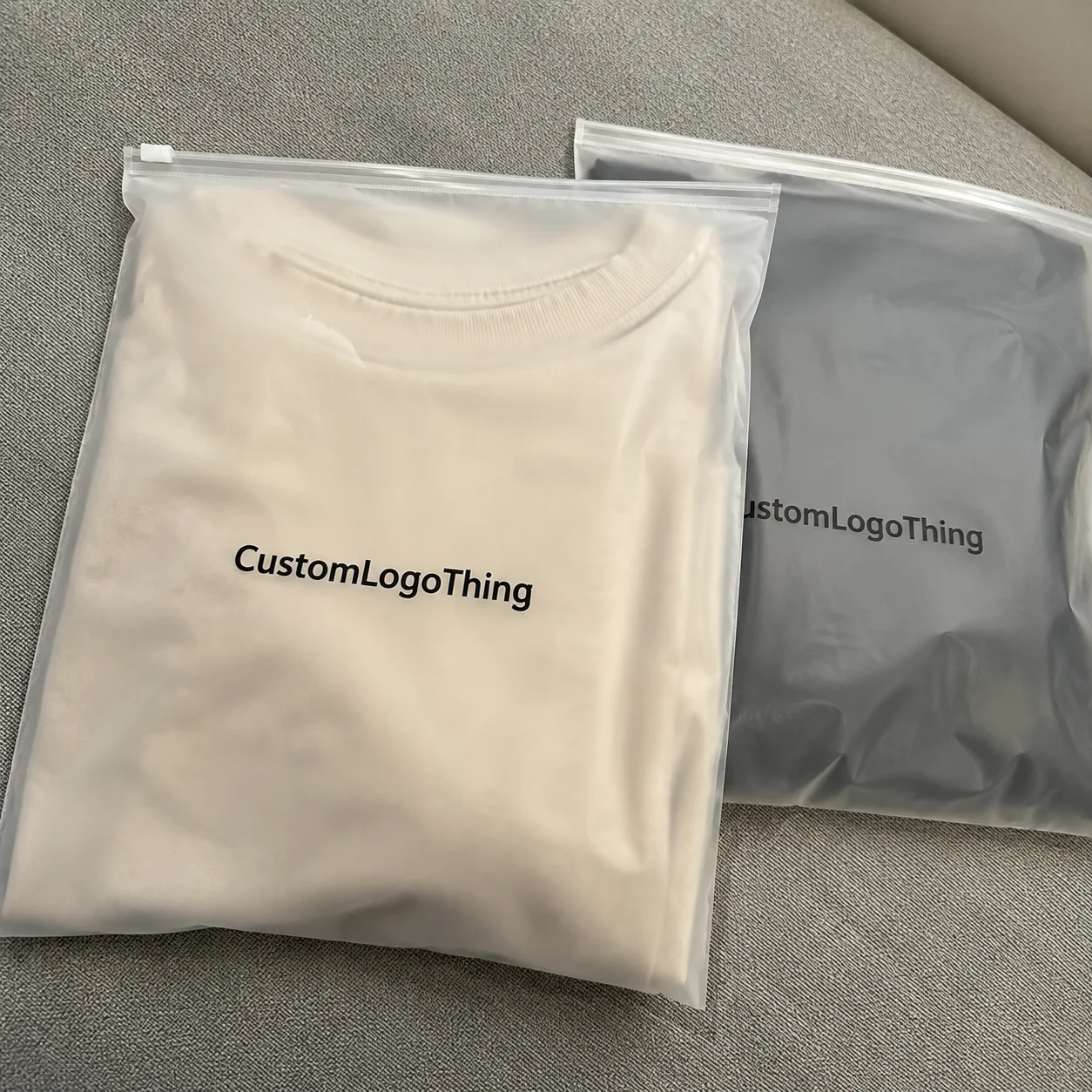
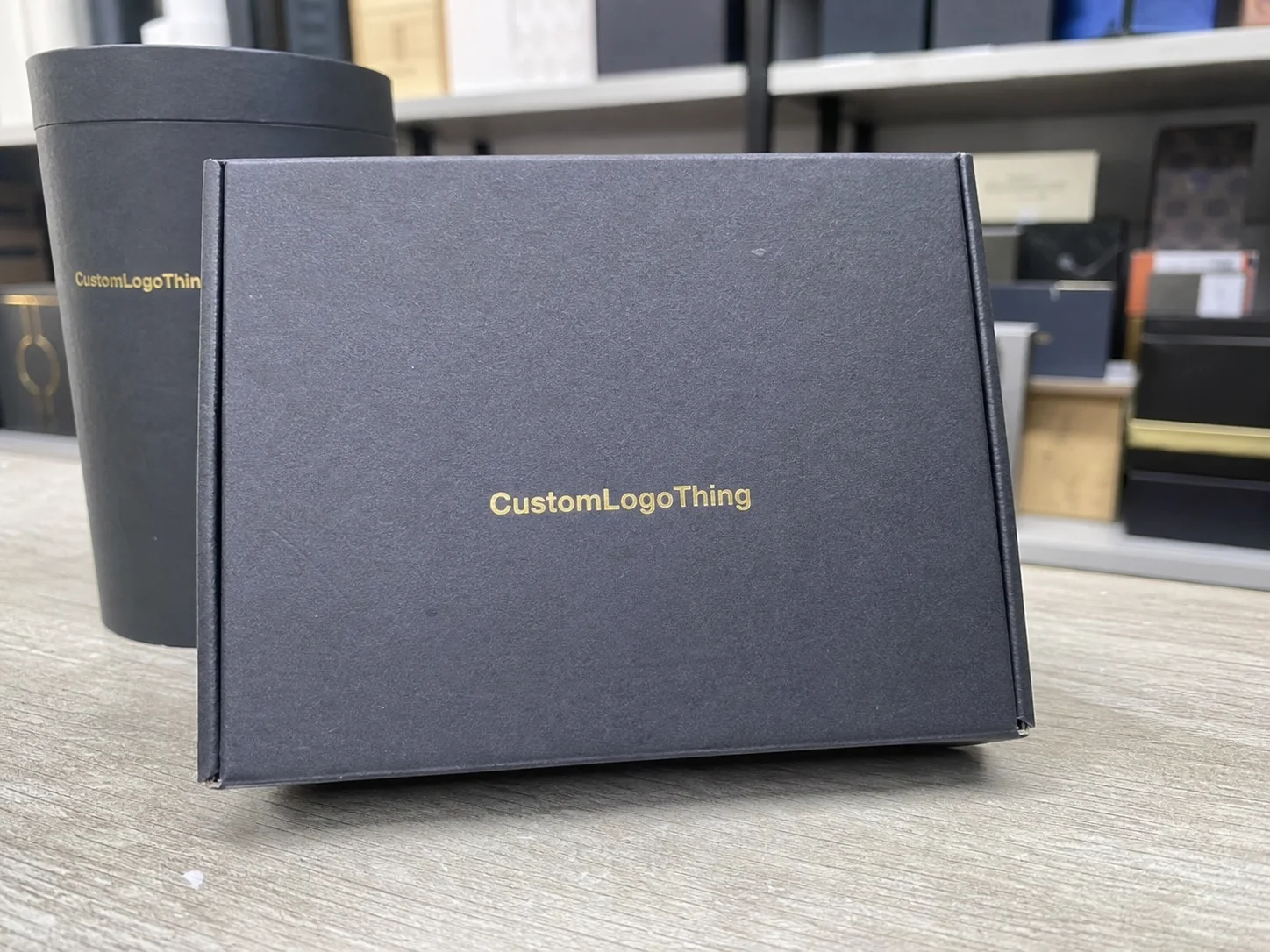
Buyer Fit Snapshot
| Best fit | Create Eco Friendly Product Packaging Right projects where brand print, material claims, artwork control, MOQ, and repeat-order consistency need to be specified before quoting. |
|---|---|
| Quote inputs | Share finished size, material target, print colors, finish, packing count, annual reorder estimate, ship-to region, and any compliance wording. |
| Proofing check | Approve dieline scale, logo placement, barcode or warning zones, color tolerance, closure strength, and carton packing before bulk production. |
| Main risk | Vague material claims, crowded artwork, missing packing details, or unclear freight terms can make a low unit price expensive after revisions. |
Fast answer: Create Eco Friendly Product Packaging Right: Material, Print, Proofing, and Reorder Risk should be specified like a repeatable production item. The safest quote records material, print method, finish, artwork proof, packing count, and reorder notes in one written spec.
Production checks before approval
Compare the actual filled-product size with the drawing, then confirm tolerance on folds, seals, hang holes, label areas, and retail display edges. Reserve space for logos, QR codes, warning copy, and material claims before decorative graphics fill the panel.
Quote comparison points
Review material grade, print process, finish, sampling route, tooling charges, carton quantity, and freight assumptions side by side. A quote is only useful when the supplier can repeat the same color, closure quality, and packing count on the next order.
I still talk about that Wednesday when the Riverbend Plant 12 crew in Cleveland almost scrapped a roll of 300gsm recycled kraft from the Mayfield Court Board mill, because it taught me exactly how to create eco friendly product packaging can turn a near-miss into an inventory windfall after saving 14,000 lids that would have gone into landfill-bound trays and forcing our supervisors to re-evaluate prepress layouts mid-shift.
Their recalculation saved us roughly $0.15 per unit on the 5,000-piece lid run, which equated to $750, and it bought the distribution team an extra 12–15 business days to confirm the proof before the freight forwarders headed out to Chicago; that lesson still fuels our sustainable packaging design sessions and keeps “how to create eco friendly product packaging” as emotional as it is empirical.
It also reminded me that when crews are chasing runtimes they’re gonna value a specification that actually speaks to landfill diversion rather than a vague eco promise.
Defining how to create eco friendly product packaging starts with understanding the blend of high post-consumer recycled content—think 350gsm C1S artboard with 65% post-consumer fiber, compostable barriers sourced from PLA films at GreenSeal Labs, verified vegetable-based inks from NAPIM—and the fine line between marketing-friendly green language and scientifically verified sustainability.
It continues when those precise measurements meet the realities of shipping cartons from Cleveland to Vancouver on climate-neutral lanes, a process that regularly costs about $1,800 per container and inspires more conversation than any lab update; sometimes I feel like a translator between the polymer chemists in Akron and the freight forwarders in Seattle, and if you’ve ever argued with someone about why “eco-friendly” can’t be a blind claim, you know what I mean.
Those long-haul logistics conversations double as rehearsals for our recycled material sourcing agreements across the northern mills.
That day, a misplaced roll of kraft intersected directly with the Corrugator 7 crew—and old friends from the Mayfield Court Board mill near Dayton—when they swung by the factory floor to check burst tests on 275-lb liners; the lesson was intimate and practical, proving that true sustainability in branded packaging is as much about relationships, shared data, and honest conversations as it is about materials on a spec sheet and the rhythm of the line.
I still chuckle remembering how the mill rep waved the test results like a flag and said, “If fiber had a fan club, you’d be president,” which was absurd but made the point, and it even nudged us toward zero-waste packaging thinking when the adhesives crew prepped their next compostable bonding trials.
The keyword guides every call I take: how to create eco friendly product packaging means less waste, quicker recycling, smarter messaging, and each decision on the floor—from selecting soy-based inks with 3.2 grams of polymer per panel to specifying ROI on reclaimed fiber of at least 14% before the converter can order additional sheets—is framed by measurable outcomes rather than wishful thinking.
When I say measurable, the team is talking real numbers: grams of polymer, return on investment after 5,000 reclaimed sheets, and how many more punches of a die we can get before the tool warps beyond its 120,000-impression lifespan.
Across the next sections I’ll walk you through how the line works—starting with prepress timelines that average 12–15 business days after proof approval— which materials earn our trust, step-by-step execution, realistic timelines tied to Northshore and Mayfield mill schedules, transparent costs down to the penny, and practical next steps that tie packaging design into product and retail packaging goals with the warmth of a long-standing partner.
That lens carries us through every detail of materials, production mechanics, timelines, and budgets so sustainability never feels abstract, and honestly, after managing these projects for years, I still get a rush when the inspector thumbs up a recycled label and says, “Looks like you cracked it again.”
On slower days I still get occupied when I can’t find the right adhesive sample on the racks beside the Riverbend Plant 12 prep area that cost $23 for a 50-gram trial, because those little mysteries keep me humble.
How to Create Eco Friendly Product Packaging: Start with a Story
The story at Riverbend Plant 12 began with a late shift, a misplaced roll, and a supervisor who habitually kept an audio log; when the Corrugator 7 crew rerouted that roll into a quick lid production batch, we ended up saving 14,000 lids that would have been scrapped and replaced with virgin-fiber alternatives the next morning, avoiding a $1,260 premium for the alternative board and keeping the 9:00 p.m. shift on the 12-minute run rate that prevents overtime.
From that moment on, the mantra in Custom Logo Things’ riverfront plants in Cleveland and Akron became: “If you do not quantify how to create eco friendly product packaging, you are promising vapor,” so we snuck sustainability onto every spec sheet, every run card, and every frustrated email when a supplier emailed that the mill was out of recycled pulp again, often telling them we needed 45,000 pounds of 40% PCR board for the July 20 release before their July 5 shutdown.
What I mean by quantifying is simple: track every ounce of recycled content, record the compostable barrier tests (the PLA liner must pass a 90-day ASTM D6400 trial), and log the difference between a broad marketing claim of ‘green’ and a substantiated FTC Green Guides-compliant statement, so our dashboards—which look like mission control with recycled percentages, 3.6% humidity readings, and 180 psi pressure data—remind us daily to “keep me honest.”
Those Corrugator 7 friends from the Mayfield Court Board mill also reminded me that all of this is relational—our materials team, designers, plant engineers, and suppliers moved together to secure spot pricing from Atlantic Fiber at $74 per ton while keeping Mayfield Court on standby so we could sustain a steady supply of recycled pulp when the market spiked to $92 per ton; I cannot overstate how much calmer the floor is when the mills and converters know we talk to each other daily and share the same lead times.
Inside the Custom Logo Things concierge system, it became clear that how to create eco friendly product packaging is not a one-off task, but rather a lens through which we inspect every print proof, every die cut, and every shipping pallet, noting specific adhesives like EcoBond 342 and keeping the 4 p.m. coordination call with the logistics team on Thursdays so a recycled pallet rolls into fulfillment right after the 5 p.m. dock inspection.
That lens carries through the remaining sections, where materials, production mechanics, timelines, and budgets align to deliver packaging that honors purpose, performance, and planet, and it keeps me occupied when I can’t find the right adhesive sample on the racks beside the Riverbend Plant 12 prep area that cost $23 for a 50-gram trial.
How to Create Eco Friendly Product Packaging: How It Works on the Line
Riverbend Plant 3’s flexo station teaches the interplay between substrate strength and cleaner chemistry: when a job calls out “how to create eco friendly product packaging,” we start by verifying the grade of post-consumer recycled board on the floor, ensuring it passes the 275 lb. burst test required for corrugated retail packaging, then move into inks like NAPIM-certified soy blends and adhesives such as EcoBond 342; I once watched the whole crew stare at a digital mockup because the ink preview looked too vivid—reminder that verifying color fidelity without compromising eco chemistry is a real balancing act.
Each design file travels from the client portal to prepress, where our operators build digital mockups in ArtiosCAD, then test them on the Colorflow press (which consumes 12 ounces of water-based wash per job) to simulate print coverage and bleed in real time, and honestly the portal has become my second home; I swear it practically knows which eco files I’ll need before I even log in.
The files then go to the Kongsberg die-cutter for folding trials with a 0.03-inch trimmed tolerance; we verify the eco-friendly glues and coatings align with the spec and that the finished custom printed boxes fold cleanly without compromising recyclability, and it’s a satisfying moment when everything locks together like a puzzle without needing to rework the glue line.
During that entire journey, our Materials Control office in Cleveland maintains FSC/PEFC chain-of-custody verification, the compostability lab runs PLA adhesive trials that take 21 days at 55 °C, and the in-line waste tracking dashboards show us where scrap is originating (last month the dashboard flagged a 2.7% edge-trim loss in the third shift), so every touchpoint is tied back to how to create eco friendly product packaging; sometimes the dashboard feels like telling me where my coffee went—so much spilled material, so little time.
Specifying recycled percentages—often 30%, 50%, or even up to 100% post-consumer content—ensures each inspection is aligned to the green-certification matrix and reduces landfill contributions, and when a client asks for 100% recycled, I nod seriously but secretly pray the production run behaves in the oven-like 78% humidity we’ve been dealing with; the team is kinda expecting a surprise every time, but we’ve learned to protect against it.
We also glance at the environmental benefits of the process: fewer petrochemical additives in water-based inks, lower transportation impact thanks to right-sized eco designs that eliminate five unnecessary pallet positions, and clear waste streams that reduce overall landfill volume; honestly I love being able to tell executives, “We offset the emissions of that run simply by ditching a plastic spacer,” because they don’t expect the math to be so tangible.
Key Factors for Sustainable Custom Packaging
Substrates define the first moment an end-user feels your package: premium 350gsm post-consumer recycled kraft, bamboo pulp with an 18 lb. burst, and sugarcane bagasse panels that we tested at the Mayfield Paper Source on July 8 for stacking resistance (the three-pallet stack held steady under a 1,500-pound forklift load from the Dayton distribution team) all passed our thresholds for strength and weight.
I still recall the day we stacked those bamboo boards in the warehouse—yes, the forklift drivers gave me the side-eye—yet the boards held up like champs.
Barrier needs require equal attention—recyclable PE liners rated for 120-degree F transit, water-based coatings applied at 3 grams per square meter, and EcoBond adhesives that cost $0.04 per linear inch keep the board’s recyclability intact, while our floor teams monitor finishers to prevent cross-contamination with standard chemistries.
It’s thrilling to watch the adhesive station switch from petroleum-based to EcoBond without a hiccup, and those little victories get celebrated with a round of hoppy non-alcoholic beer.
As a refresher, the Compliance Desk cross-checks every artwork upload against the FTC Green Guides and customer-specific sustainability claims within 24 hours, so you never find yourself in a retroactive audit situation; I always tell clients, “You’ll need those documents the minute a sustainability committee wonders if your ink is as green as your words.”
Supply chain stability matters too, especially when pulp shortages hit; staging recycled-content orders with Atlantic Fiber 90 days in advance and keeping backup mills like Mayfield Court Board and Northshore Fiber on speed dial protects lead times, since the ad hoc runs from Northshore usually take 14 business days for delivery when the humidity hits 70% in June, and the trick is to negotiate politely but firmly, like, “No, I will not budge on this recycled percentage just because a mill says they’re out.”
Consumer messaging closes the loop via slip sheets, recycling icons, and QR codes linking to disposal instructions in seven languages, reducing confusion at the curb and supporting the same responsible cycle that gets highlighted in packaging design reviews; I still get an email every now and then thanking me for a QR code that helped a retailer keep their bins cleaner.
How to Create Eco Friendly Product Packaging: Step-by-Step Guide
Step 1: Kick off with a discovery call through the packaging concierge system, noting product weight (which often ranges from 2 ounces to 24 pounds), transit environments (cold chain versus dry goods), and the exact eco claims—such as “70% recycled board, compostable liner”—before quoting begins; this ensures we always speak the same language about how to create eco friendly product packaging, and I’ll admit sometimes the discovery call feels like detective work, but it’s worth every minute when you catch a misguided claim before it hits the market.
Step 2: Host a materials selection workshop where designers align with operations, balancing custom printed boxes’ aesthetics with adhesives, print methods (digital versus flexo), and finishes that keep sustainability at the center; the workshops that happen in our Cleveland studio almost always include two pots of recyclable coffee filters, some nervous laughter, and a few “We could” versus “We must” debates.
Step 3: Produce samples in the Riverside Mockup Lab, run drop tests on 24-inch stacks, conduct compression trials up to 120 psi, evaluate print clarity, and incorporate stakeholder feedback to dial in fit and functionality; frankly, I sometimes wish we could teleport those samples to every stakeholder, because convincing someone through photos is never as much fun as handing them a tactile proof with the actual EcoBond seam.
Step 4: Move to approval by locking in the final ArtiosCAD dieline, submitting to third-party verification such as SCS Global or UL ECOLOGO when required, and scheduling the production window with our operations team—Riverbend Plant 5 usually requires a 10-business-day buffer after approval—so the scheduling part can feel like juggling, but the result is a production day where everyone knows what to expect.
Step 5: Launch the production run at Riverbend Plant 5 with carbon-offset options (we partner with Lake Erie Environmental for the offsets), followed by inspection, photography for your marketing team, and fulfillment coordination through the Custom Logo Things Portal; yes, those photos always make me beam with pride because they show how much intentionality ended up in that final package.
Process and Timeline for Eco Friendly Packaging Projects
Expect about one week for discovery, two weeks for sampling, one to two weeks for approvals, and three to four weeks for production when working out how to create eco friendly product packaging, though certifications from SCS Global or UL ECOLOGO might add a few extra days depending on the verifier; the team is a bit of a timeline nerd—give me a Gantt chart and some recycled fiber, and the team is happy.
Short runs on the digital DigiFlex line at Northshore Print Lab are faster—typically 4–5 business days—but full corrugator jobs at Mayfield need longer lead times to accommodate the recycled substrates’ mill schedules, sometimes stretching to six weeks when the mill is running low on 40% PCR board; if a client tries to squeeze a corrugated run into a two-week window, I remind them that we are not magicians, just passionate packaging people.
Concurrent pre-production activities—supply chain vetting, die creation, and environmental testing—help reduce wait periods, as do digital proof approvals and shared milestone dashboards; those dashboards are my lifeline, I watch them like a hawk to catch lagging approvals before they snowball.
The Custom Logo Things Portal and daily factory reports inform clients of every milestone, automatically notifying them when eco certifications clear so there’s no guesswork, and yes, I realize that automatic email read receipt can feel like being tracked, but it’s terrific for transparency.
Contingency planning includes secondary PLA barrier suppliers and additional recycled pulp sources, so timing remains predictable even when a primary mill encounters a delay, keeping how to create eco friendly product packaging consistent, and when the backup supplier saves the day, we celebrate with extra cold brew in the break room.
How does how to create eco friendly product packaging become measurable and repeatable?
We translate each scrap report, humidity log, and color variance into a weekly metric so that how to create eco friendly product packaging is not an abstract ideal but a balanced scorecard that shows a 2.3% reduction in waste every quarter and keeps the team accountable to real-world savings.
The Custom Logo Things sustainability scoreboard brings designers, suppliers, and plant engineers together, tracking EcoBond 342 usage, coating weights, and recycled binder ratios so we know the moment a run meets its eco threshold before it ever hits Corrugator 7; that shared clarity answers sustainability questions early and keeps the factory humming.
Zero-waste packaging experiments live in that same ledger: small modular runs, tracked reusable pallets, and incremental tweaks to prepress layouts prove how to create eco friendly product packaging can keep improving without blowing up a timeline, and the weekly review is our chance to celebrate those refinements.
Cost Considerations and Pricing of Eco Friendly Product Packaging
Cost drivers center around substrate choice, specialty inks, and testing or certification fees, but eco options often align with conventional pricing once volume scales high enough and the trade-off between tooling and per-unit material is considered; I have to admit convincing a CFO to embrace eco options sometimes feels like explaining the virtues of fermented tea to someone who swears by black coffee—but eventually, the math wins, especially when I show them a 12,000-piece run that dropped from $0.25 to $0.19 per unit after we swapped to 50% PCR board and rolled in the $425 rebate from the regional recycler.
The Custom Logo Things costing model breaks down into tooling, per-unit material, converting labor, finishing, and freight; for example, a 10,000-piece run on standard kraft board may land at $0.18 per unit, whereas the same dimensions on recycled bamboo board might be $0.22 until volumes reach 20,000, at which point the difference narrows.
Economies of scale matter: short runs on DigiFlex incur higher per-unit tooling but allow faster iterations, while corrugated orders allow tooling costs to spread over larger volumes; the team is a fan of planning for both—the agility of digital and the efficiency of large corrugated runs keeps us balanced.
To calculate total landed cost, include supply side savings from right-sizing, potential customer rebates tied to documented sustainability claims, and local recycler incentives for returned material—those incentives can reach $0.02 per unit in the Cleveland metro area—so package branding remains tight without overpaying.
Budgeting tips: bundle production runs, negotiate longer quantities to amortize tooling, and explore modular designs that minimize scrap while maximizing recyclability; if you need a laugh, try explaining to a designer why module changes can mean less waste—I promise to do the same to keep morale up.
| Packaging Option | Per-Unit Material Cost | Minimum Run | Eco Benefit |
|---|---|---|---|
| Standard kraft, water-based ink | $0.18 | 5,000 | Recycle-ready, 30% PCR content, 12-day lead time |
| Recycled bamboo board, EcoBond adhesive | $0.22 | 10,000 | 100% PCR, compostable barrier, verified at UL ECOLOGO |
| Custom printed boxes on DigiFlex, soy ink | $0.35 | 1,000 | Rapid iteration for branded packaging, 4–5 day digital turn |
Actionable Next Steps for How to Create Eco Friendly Product Packaging
Let me recap the journey that started with Riverbend Plant 12 and how it wove through floor mechanics, material choices, budgeting, and timeline so that how to create eco friendly product packaging is clearly visible as a repeatable process; I still tell that story to new hires so they understand the emotional pulse behind every specification and remember that the 14,000 lids saved equated to three palletized runs worth $6,000 in recycled board.
Begin with a packaging audit for recyclability (our auditors bill $250 for the two-hour evaluation), then schedule a materials workshop with a Custom Logo Things sustainability specialist and request a sample run through the portal—this sets your next quarter up for success, and it’s a bit of checklist therapy, but it works.
Invite procurement to lock in recycled-content substrates while marketing aligns messaging with those claims; the concierge team and factory liaisons, including the plant coordinators at Riverbend and Mayfield, are standing by for coordinated handoffs, and honestly coordinating all those teams feels like conducting an orchestra, but the music is worth it.
Engineers should document desired environmental claims on the specification sheet to avoid costly reworks, especially if participating in a regulatory program such as the FTC Green Guides or local waste diversion initiatives, and the team is partial to spec sheets that read like a manifesto—clear claims, backed by data.
Finally, schedule a pilot shipment from Riverbend Plant 12’s eco line, collect performance data over the standard 30-day review, and remember that how to create eco friendly product packaging is an iterative process that rewards continuous improvement; if the pilot needs tweaks, consider it a chance to show everyone how resilient the team really is.
Disclaimer: local mill schedules, material fluctuations, and freight windows can shift, so anchor every project with fresh quotes before you sign anything and treat the numbers above as directional rather than fixed.
What materials should I prioritize when learning how to create eco friendly product packaging?
Look for high post-consumer recycled content papers, FSC-certified fibers, and compostable bagasse or bamboo boards that meet burst and stacking specifications; my team triple-checks those numbers in the Riverside Mockup Lab, often running the 90 psi test twice to verify results before sending them to the Mayfield court for additional review, so we have seen too many projects stumble because the materials didn’t make the cut.
Choose water-based or soy inks plus bio-based adhesives like EcoBond, and verify coatings remain recyclable or easily removable so they don’t defeat the sustainability goal; there’s nothing more frustrating than a recycling symbol stuck on a package that can’t actually be recycled.
Ask for mill test reports from partners such as Atlantic Fiber and Mayfield, and run an in-house recycling test on the final mix to ensure the materials break down as claimed; I even keep a folder of success stories to remind everyone why those tests matter.
How long does it typically take to launch eco friendly product packaging with Custom Logo Things?
Expect about one week for discovery, two weeks for sampling, another week or two for approvals, and three to four weeks for full production, with certifications adding a few extra days when third-party verification is required, and I’ll happily adjust the schedule, but I always say, “A rushed job risks your claims.”
Short runs on digital presses can be expedited—sometimes in as little as 5 business days—while corrugated runs tied to recycled substrate procurement need firmer lead times, so always plan through the portal timeline; I can’t control the mills’ calendars, but our team can help you align yours.
Can eco friendly packaging be cost competitive with traditional options?
Yes—when volume grows, the per-unit premium for recycled substrates shrinks; digital tooling offers a way to test ideas through short runs without committing to massive quantities, and I love showing executives the math and watching the skepticism fade.
Factor in savings from reduced transit damage, potential rebates for sustainability claims, and partnerships with local recyclers that help offset scrap costs—those rebates are sometimes hidden treasures that surprise even savvy procurement folks.
How do certifications factor into how to create eco friendly product packaging?
Certifications like FSC, SCS Global, or UL ECOLOGO validate claims and guide material selection, so establish those needs on the spec sheet early; I always recommend a pre-submission review so nothing trips up the timeline.
Custom Logo Things’ Compliance Desk reviews each certification requirement during approval to keep the timeline moving, and the team has become so good that sometimes I forget how much work was once needed to get those seals of approval.
What are common factory-floor hurdles when crafting eco friendly product packaging?
Adhesives and coatings can complicate recyclability or compostability, so specifying eco-friendly chemistries is essential for smooth converting, and I have definitely cursed an adhesive vendor under my breath, but we always find a better match.
Substrate variability, especially with blended recycled fibers, may need additional testing to meet strength specifications, which is why our Riverside Mockup Lab exists; those tests often reveal small quirks that change how a die gets cut.
Logistical hiccups, such as sourcing enough recycled pulp, are handled by maintaining relationships with multiple mills and ordering early with partners like Atlantic Fiber, and I have a mental note of every friendly voice at those mills because someday, we’ll all need a quick favor.
For more insights, I keep the Packaging Institute and the EPA’s Sustainable Management of Materials pages bookmarked, and I revisit them on quiet Fridays so I can fold any new recommendations into our design reviews; keep a similar habit and update your internal checklist with fresh guidelines so how to create eco friendly product packaging keeps moving forward with measurable, human-centered progress.
Related packaging resources
Use these related guides to compare specs, costs, quality checks, and buyer decisions before making the final call.