How to Buy Matte Zipper Bags: Sample Approval Checklist
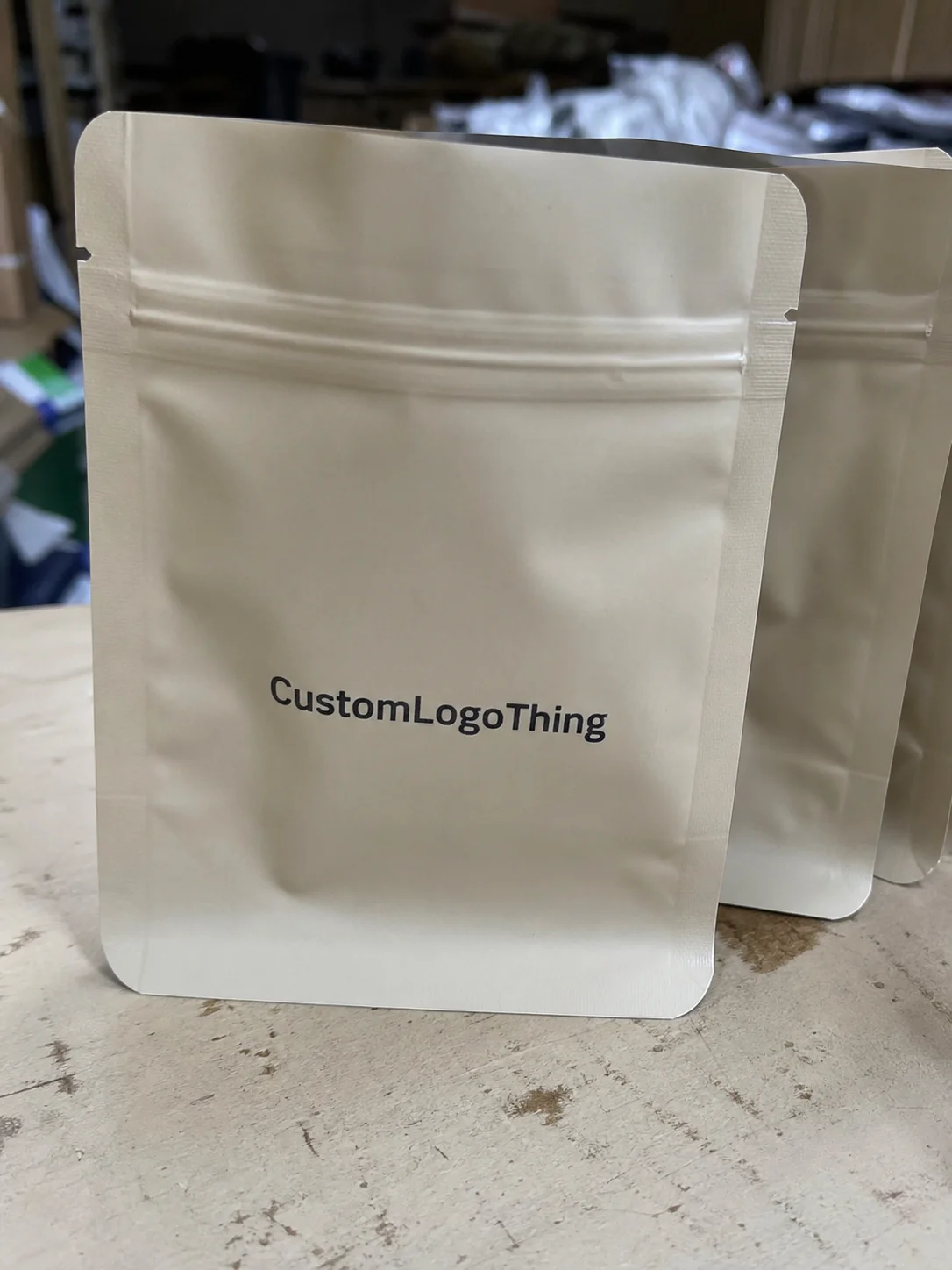
A brand approves a clean matte pouch photo. Bulk production arrives with weak zippers, muddy print, and a bottom gusset that slumps on shelf. Cute packaging. Useless packaging. This how buy Matte Zipper Bags sample approval checklist helps buyers catch the expensive problems before they become cartons full of regret.
Sample approval is not a polite formality. It is the last affordable point to check film texture, zipper feel, print color, seal width, hang hole placement, barcode contrast, fill volume, and shelf behavior. After film is printed, laminated, slit, converted, packed, and shipped, every “small change” suddenly has a real invoice attached. Funny how that works.
Matte Zipper Bags are used for food, supplements, cosmetics, pet treats, coffee, apparel accessories, legal cannabis-adjacent products, and promotional kits. The format looks simple from the outside: matte pouch, logo, zipper. The buying details decide whether it protects the product, stands on shelf, scans at checkout, and reseals without making customers hate your brand.
A serious packaging supplier should ask about product weight, fill method, shelf life, artwork, barrier needs, display style, and inspection standards before quoting. If they only ask for size and logo, congratulations, you found a printer, not a packaging partner. A printer can decorate film. A packaging partner helps prevent bad film, bad seals, and bad decisions packed very neatly into shipping cartons.
Buyer rule: approve the bag based on the job it must do, not the mockup that looks best in a sales deck.
Match Matte Zipper Bag Details to the Product Inside
Start with the bag format. Stand-up pouches are common for retail shelves because the bottom gusset creates a front-facing display. Flat zipper bags work for lightweight items, samples, accessories, and small kits. Three-side seal zipper bags give clean edges and efficient packing. Side-gusset zipper bags handle larger fill volumes, especially coffee or dry goods. Shaped matte bags can make a launch look more custom, but they usually add tooling cost and reduce packing efficiency.
Matte finish is not one thing. Full matte gives a low-glare retail look. Soft-touch matte feels smoother and more premium, though it can scuff more easily if the coating is not controlled. Frosted matte works well for semi-transparent packaging. Matte with a clear window lets shoppers see the product, assuming the window does not turn cloudy after lamination. Matte plus spot gloss can highlight a logo or product name. Matte metallized film adds stronger shelf presence and better barrier, but it changes recyclability claims and cost.
Zippers deserve more attention than they usually get. Standard press-to-close zippers fit many snacks, powders, treats, and small goods. Child-resistant zippers may be required for regulated products depending on category and local rules. Pocket zippers can protect the closure from powder contamination. Wide-track zippers are easier to close on larger bags and powder products. Sliders help on bigger packages, but they add cost, bulk, and more parts to inspect.
Product fit decides the right structure. Powders need clean zipper tracks and enough headspace to prevent mess during filling. Oily products need higher barrier films and seal areas that resist contamination. Sharp or bulky items need puncture-resistant structures, often thicker PE or nylon-containing laminates. Lightweight samples can often use thinner film, roughly 80–120 microns. Heavier stand-up pouches may need 120–180 microns depending on size, product density, and shelf-life requirements.
Test with the real product, not air. Fill the sample to target weight. Shake it. Stand it up. Open and close it with normal hands, not heroic patience. Packaging that looks great empty can still behave like a wet paper bag once filled.
Specifications Buyers Should Lock Before Artwork Approval
Artwork should not move forward until the bag specs are locked. Essential details include bag width, bag height, bottom gusset width, usable fill volume, film thickness, material structure, zipper position, tear notch, hang hole, rounded corners, valve, window shape, and seal width. Seal width often runs around 6–10 mm on many flexible pouches, but the right number depends on bag size, filling method, product weight, and risk of leakage or contamination.
Common film structures are not hard to understand if nobody turns the conversation into a chemistry lecture. PET/PE is a standard retail structure for many dry goods and general products. PET/VMPET/PE adds metallized barrier for oxygen, moisture, and light protection. Kraft-look laminated film creates a natural-paper appearance while still using plastic film layers. Recyclable PE structures may be suitable for some applications, but buyers need to confirm stiffness, print quality, sealing performance, and local recycling claims. The EPA recycling guidance is a useful starting point for recycling claims, although packaging compliance still depends on market, material stream, and labeling rules.
Physical samples should be checked like they owe you money. Look at matte scuff resistance, print sharpness, barcode scanability, zipper alignment, heat seal strength, odor, stiffness, opening force, and whether the bag stands with real product inside. For barcodes, scan under warehouse lighting, retail lighting, and from the likely cashier angle. A gorgeous matte black pouch with a barcode that scans like a potato is not retail-ready.
Artwork rules matter too. Confirm the dieline, safe zone, bleed, Pantone or CMYK expectations, white ink layer for clear windows, varnish areas, and matte-versus-gloss finish callouts. For many custom printed pouches, 2–3 mm bleed is typical, but follow the supplier’s dieline. Do not freestyle the margins. Packaging machines and cutting dies are not impressed by creative optimism.
Do not approve a digital proof and assume it proves zipper quality, film feel, seal strength, or filled-bag stability. Screens are liars. Samples are evidence. A digital proof can confirm layout and approximate color placement, but physical approval is what catches the details customers actually touch.
| Specification | Typical Buyer Choice | What to Confirm on Sample |
|---|---|---|
| Film thickness | 80–180 microns depending on product | Stiffness, puncture resistance, shelf feel |
| Material structure | PET/PE, PET/VMPET/PE, kraft-look laminate, recyclable PE | Barrier, sealing, print finish, compliance claims |
| Zipper style | Standard, wide-track, pocket, slider, child-resistant | Opening force, alignment, powder contamination risk |
| Matte finish | Full matte, soft-touch, frosted, spot gloss | Scuffing, fingerprints, barcode contrast |
| Bottom gusset | Usually 30–100 mm depending on volume | Filled stability and shelf presentation |
Pricing, MOQ, and Unit Cost for Custom Matte Zipper Bags
Price is driven by bag size, film structure, thickness, number of print colors, matte finish type, zipper style, window, valve, special shape, order quantity, and whether tooling or print plates are required. Nobody prices a 3.5 x 5 inch sample pouch like a 10 x 14 inch coffee bag with a valve and spot gloss. If they do, read the quote again.
Small custom runs cost more per unit because setup is spread across fewer bags. As a rough buying range, digitally printed custom Matte Zipper Bags may land around $0.25–$0.90 per bag for smaller runs, depending heavily on size and structure. Larger repeat orders can drop significantly, sometimes into the $0.08–$0.35 range for simpler formats, but only when quantity, material, and print method line up. Oversized bags, high-barrier film, special zippers, and complex finishes push costs up fast.
MOQ is the tradeoff. Digital printing can support lower quantities and faster testing, which helps with launches, seasonal flavors, and promotional kits. Rotogravure or flexographic production usually makes more sense for larger repeat orders because unit pricing improves, but setup, plates, cylinders, and production planning are less forgiving. A small brand testing three SKUs may be better with digital. A brand ordering 50,000 bags per SKU should compare larger-run methods.
For a quote, send target quantity, bag size, product weight, material preference, finish, zipper type, artwork file, ship-to location, desired delivery date, and whether a pre-production sample is required. Include hang holes, valves, clear windows, rounded corners, easy-tear notches, or compliance labeling. Missing details create placeholder pricing, and placeholder pricing creates arguments later. Fun for nobody.
If the quote feels high, simplify the bag before blaming the supplier. Remove odd shapes, reduce film thickness where safe, skip unnecessary spot effects, choose a standard zipper, or increase quantity. Magic is not a pricing strategy. Compare quotes against the same specification, not against the vague idea of “a matte pouch.”
Sample Approval Process and Production Timeline
A clean buying process usually moves through consultation, quote, dieline, artwork proof, material confirmation, sample production or existing reference sample, sample review, deposit, bulk production, quality inspection, and shipping. Skip steps if you enjoy preventable chaos. Most packaging mistakes are not mysterious. They are usually decisions nobody wrote down clearly.
There are different sample types, and they do not prove the same thing. A blank material sample shows feel, stiffness, gusset behavior, and zipper type. A digital printed sample helps review graphics and general appearance. A pre-production sample is closer to the final bag and should be treated seriously. A production sample pulled from the actual run confirms what was made after production starts.
Timelines vary. Artwork proofing may take 2–5 business days if files are clean. Physical sampling commonly takes 1–3 weeks depending on material, print method, finishing, and complexity. Bulk production can take roughly 2–6 weeks after approval, though material availability, quantity, print method, inspection, and shipping mode can stretch or compress that range. Air freight is faster and expensive. Ocean freight is slower and cheaper. Shocking, I know.
Approve key details in writing: size, color tolerance, zipper position, window placement, material, finish, quantity, carton packing, shipping terms, and final artwork version. For color, understand the difference between Pantone targets and CMYK process printing. Matte finishes can visually dull color compared with gloss, so approve realistic tolerances, not fantasy perfection.
Changes after sample approval cost money and time. Suppliers call them revisions. Buyers call them surprises. Either way, someone pays. Use a written approval checklist before deposit approval so both sides know what has been accepted and what still needs correction.
- Confirm product weight, fill volume, and storage conditions.
- Approve bag format, material structure, and zipper style.
- Review dieline, artwork, safe zones, and barcode position.
- Test the physical sample with real product.
- Approve final specs, tolerance notes, packing, and timeline in writing.
Quality Checks That Separate Usable Bags From Pretty Problems
Factory-side quality control should include incoming film inspection, print registration checks, lamination cure review, zipper alignment checks, seal strength testing, cutting accuracy, carton count verification, and final visual inspection. For shipping performance, some buyers also reference ISTA packaging test procedures when cartons or filled retail packs need distribution testing. The exact test level depends on product risk, sales channel, and shipment method.
Matte packaging has specific risks. Scuffing can show during packing and transit. Uneven coating creates patchy panels. Fingerprints can appear on soft-touch surfaces. Dull barcode contrast can slow scanning. Clear windows can look cloudy if film selection or lamination is poor. Gloss contamination from handling can make a matte pouch look inconsistent before it reaches shelf.
Functional checks matter more than compliments. Fill the bag to the intended weight and volume. Drop test it from practical handling heights, often around 3–4 feet for retail handling simulations, depending on product. Compress cartons if the product will be stacked. Open and close the zipper 10–20 times to check track alignment. Run leak testing for liquids, semi-liquids, or fine powders where seal failure creates real losses. If the bag will hang on a peg, test the hang hole with filled weight, not an empty pouch.
Ask for clear photos, sample notes, and production tolerances rather than vague promises about premium quality. Premium is a word. Tolerances are useful. Ask what color variation is acceptable, how seal width is measured, what defect level triggers rejection, and whether carton packing protects the matte finish from rub marks.
Also check how the sample opens after the tear notch is used. Some pouches tear too low and damage the zipper. Others tear unevenly because the notch, film structure, or seal area is wrong. If customers need scissors to open a resealable bag, the package has already failed its first task.
Next Steps Before You Approve a Matte Zipper Bag Order
Before you approve a matte zipper bag order, run through the basics with discipline. Confirm product weight. Choose the bag format. Select the film structure. Define the matte finish. Approve the zipper style. Test sample fit. Verify artwork. Review pricing. Lock the production timeline. Boring? Maybe. Cheaper than reprinting 20,000 bad pouches? Absolutely.
For a usable quote, send bag size or product dimensions, target quantity, logo or finished artwork, product type, desired finish, zipper requirements, ship-to country, and any shelf-life or compliance concerns. If you are packing food, supplements, cosmetics, pet products, or regulated goods, say so early. Barrier needs and labeling rules can change the structure, and structure changes the price.
Ask your supplier for a sample approval checklist before paying for bulk production. Both sides should agree on what will be judged and what is only a visual reference. A reference sample may show finish and structure, but it may not prove your exact artwork, exact film, or exact size. That difference matters.
Compare quotes by specification, not just unit price. A cheaper pouch with weaker film, bad seals, cloudy windows, or a zipper that hates humans is not cheaper after returns, repacking, chargebacks, and customer complaints. Match material, thickness, print method, finish, zipper, MOQ, sample terms, lead time, and shipping before deciding who is actually less expensive.
Custom Logo Things can help turn product details into a clear matte zipper bag quote, including size, finish, material, zipper, sample approval, and production timing. The useful work happens before the order is placed: define the bag, test the sample, write down the tolerances, and only then approve bulk production.
FAQ
What should be on a matte zipper bags sample approval checklist?
Check size, film thickness, matte finish, zipper alignment, seal strength, print color, barcode scanning, window placement, gusset stability, odor, and how the filled bag stands or stacks. Test with the real product whenever possible because empty samples can hide fit, weight, and closure problems.
How do I buy matte zipper bags without overpaying for custom printing?
Start with the simplest structure that protects the product, then add premium features only where they help sales, shelf life, or customer use. Ask for pricing at two or three quantity breaks so you can see where the unit cost actually drops instead of guessing from one quote.
What MOQ should I expect for custom matte zipper bags?
MOQ depends on print method, bag size, material, and finish. Digital runs can support lower quantities, while larger print runs usually bring better unit pricing. If launch volume is uncertain, ask about a smaller test run before committing to warehouse-sized optimism.
How long does sample approval take for matte zipper packaging?
Simple artwork proofing may take a few business days, while physical samples commonly take one to three weeks depending on material, print method, and complexity. Bulk production starts faster when the buyer provides final artwork, exact specs, and written approval without five rounds of mystery changes.
Can I approve matte zipper bags from photos only?
Photos can confirm layout and general appearance, but they cannot prove zipper feel, film stiffness, seal strength, matte texture, or product fit. For first orders, physical sample approval is the safer choice before bulk production.