How a Matte Zipper Bag Bulk Reorder Plan Works
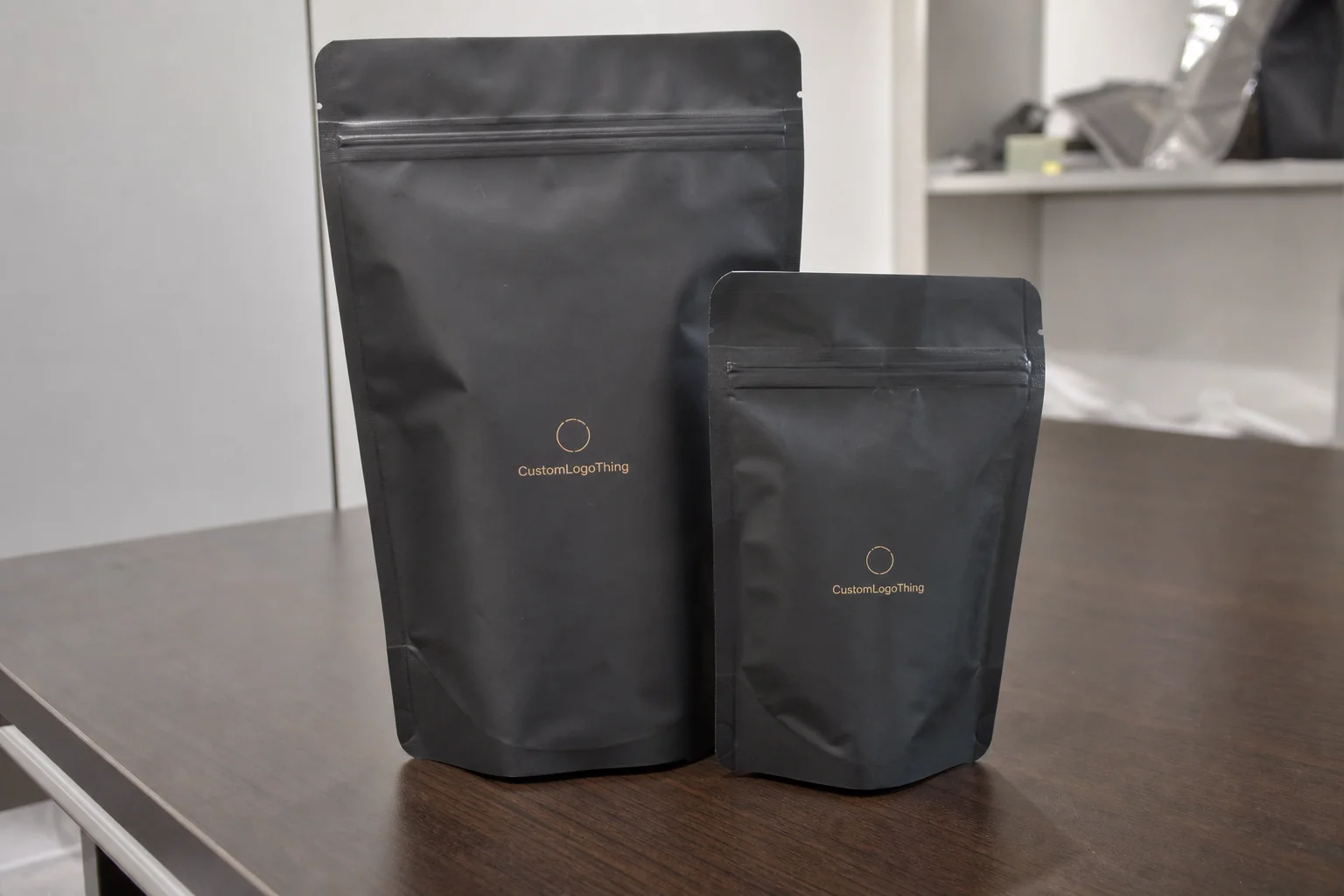
A product line can sell through its first pouch run in three weeks and still lose momentum because the second run takes six. That is the real reason buyers search for how Buy Matte Zipper bags bulk reorder plan. They are not only shopping for a one-time pouch price. They are trying to keep branded packaging available, consistent, and reorderable without panic freight or a scavenger hunt for the last approved artwork file.
The cheapest pouch is often not the lowest-cost pouch. A matte zipper bag that saves $0.03 per unit on the first order can get expensive fast if the reorder stalls because no one documented the film structure, zipper type, dieline, color target, barcode location, or carton count. Stockouts rarely sit neatly under “packaging cost” on a spreadsheet. They show up as missed shipments, retail chargebacks, rushed freight, temporary labels, and shelves filled with packaging that almost matches. Almost is doing a lot of damage there.
Matte zipper bags are popular because they do two jobs at once. The matte finish gives the package a more controlled, retail-ready look than a glossy commodity pouch. The zipper helps with reuse, portion control, and cleaner storage after opening. Snacks, coffee, supplements, cosmetics, pet treats, dry goods, and sample kits all benefit when the pouch looks intentional and closes properly after repeated handling.
Bulk ordering should not mean “buy a mountain of bags and hope.” It should mean repeatable control: stable print quality, planned inventory levels, clear production records, and fewer emergency orders. Custom Logo Things helps buyers lock down the decision points before manufacturing begins, so a bulk pouch order becomes a purchasing system instead of a scramble.
Packaging buyer rule: if a pouch will be reordered, treat the first order as a controlled production record, not a design experiment.
Product Details Buyers Should Confirm Before Ordering
Start with the bag format. Stand-up pouches are common for retail because the bottom gusset creates shelf presence and gives the front panel more visual weight. Flat pouches work for samples, single-use kits, small cosmetics, apparel accessories, and low-profile inserts. Three-side seal bags are efficient for products that do not need a bottom gusset. Side-gusset styles can suit coffee, dry goods, and larger fill weights where volume matters more than a compact footprint.
The product decides more than the catalog photo does. A 12 oz coffee pouch may need a degassing valve, oxygen barrier, and stronger seals. A 2 oz pet treat pouch may need aroma control and a zipper that survives daily opening. A promotional product bundle may need a matte surface for presentation, but not a high-barrier laminate. Good buying starts by connecting these product realities to order quantities, not by chasing the lowest quote and hoping the pouch behaves.
Matte finish is not one specification. Options include full matte, spot gloss over matte, soft-touch matte, kraft-look matte laminates, and matte structures with a clear window. Full matte gives a quiet, premium surface. Spot gloss can make a logo, flavor callout, or product image stand out. Soft-touch feels more upscale but should be checked for scuffing. Clear windows help shoppers see the contents, but they can change barrier performance, artwork layout, and opacity expectations.
Zipper decisions matter more than many teams expect. A standard press-to-close zipper works for most dry products. Child-resistant zippers may be needed for regulated categories. Wide-mouth openings help with scooping, filling, and consumer use. Tear notches improve first opening. Hang holes support peg displays. A resealable pouch that feels weak after five openings damages the product experience, even if the print looks gorgeous. Pretty packaging that annoys people is still bad packaging.
Printing should match volume and SKU complexity. Full-color digital printing supports flexible runs, multiple designs, and faster version testing. Plate-based flexographic or rotogravure printing can make sense for larger volumes where consistency and per-unit economics offset setup cost. Blank matte bags with labels can work for interim launches, sampling, or very small runs, but they rarely provide the same shelf consistency as a fully printed pouch.
The practical warning: bag style, material, and print method should be selected together. Change one, and MOQ, lead time, unit cost, and reorder flexibility can move with it.
Material, Barrier, Size, and Print Specifications
A custom matte zipper bag is usually a laminate, not a single sheet. Think of it as four jobs stacked together: an exterior matte film for appearance, a print layer for branding, a barrier layer for protection, and an inner sealant layer for product contact and heat sealing. Common structures may include PET, metallized film, PE, CPP, nylon, foil, or specialty films, depending on the product and shelf-life target.
Barrier needs vary sharply. Coffee and crunchy snacks often need oxygen and moisture protection because staling is measurable. Supplements may need light protection and low moisture transmission. Powders can be sensitive to clumping. Cosmetics may require compatibility checks against oils, fragrances, or active ingredients. Apparel accessories, stickers, hardware kits, and promotional items usually prioritize presentation, puncture resistance, and clean branding over high-barrier performance.
Collect dimensions before requesting pricing: width, height, bottom gusset, fill weight, packed product thickness, opening width, and case-pack requirements. A pouch that holds 8 oz of granola may not hold 8 oz of protein powder because density and flow behavior differ. Headspace matters too. If the zipper is too close to the fill line, operators fight the seal area and consumers fight the closure.
Film thickness should also be discussed in context. Thicker does not automatically mean better. A heavy laminate may feel premium and improve stiffness, but it can also raise cost, change sealing behavior, and increase carton weight. A thinner structure may work for lightweight dry goods but fail for sharp inclusions, heavy fill weights, or rough distribution. The right structure is the one that protects the product through filling, shipping, storage, and use.
Artwork specifications deserve the same discipline. Provide CMYK builds or Pantone targets, dielines, bleed, safety margins, barcode placement, nutrition panel readability, and contrast checks against the matte surface. Fine reverse type can disappear on kraft-look matte films. Low-contrast gray text may pass on screen and fail on a retail shelf. Barcode verification should happen before production, not after cartons arrive.
Quality checkpoints should be part of the buying conversation. Check zipper alignment, seal strength, pouch standing stability, print registration, odor control, and scuff resistance during transit. For packaged products moving through parcel networks, testing against distribution hazards can be informed by standards from ISTA. For paper-based claims, responsible sourcing questions may point buyers toward FSC guidance, though flexible film pouches require different documentation than paperboard cartons.
Approve a digital proof every time. When timing allows, approve a physical pre-production sample before building a repeatable bulk reorder program. That sample is not bureaucracy. It can catch zipper feel, matte texture, opacity, odor, and size issues that a PDF will happily ignore.
Pricing, MOQ, and Unit Cost Factors
Matte zipper bag pricing is shaped by size, material structure, film thickness, barrier level, print method, number of SKUs, finish complexity, and order quantity. A small flat sample pouch with digital print and no special barrier will not price like a 1 lb stand-up pouch with matte finish, zipper, valve, gusset, and high-barrier laminate. Same broad product family. Very different production math.
MOQ is not a moral position. It is production math. Digital runs may support lower minimums because setup is lighter and design changes are easier. Fully custom laminated or plate-based production usually requires higher volumes because film, cylinders or plates, machine setup, and waste need to be absorbed across enough units. For many custom pouch projects, buyers may see quote tiers such as 1,000, 5,000, 10,000, and 25,000 pieces, but the realistic range depends on construction and print method.
Unit cost usually drops as volume rises because setup, proofing, and material waste are spread across more bags. A run of 5,000 pieces may look attractive for cash flow, while 10,000 or 25,000 pieces may reduce unit price enough to justify holding inventory. Not always. If artwork will change in 60 days or demand is unproven, overbuying creates obsolete packaging. That is not savings. That is a storage problem with a logo on it.
| Ordering Option | Typical Fit | Cost Behavior | Buyer Watchout |
|---|---|---|---|
| Stock matte bags with labels | Samples, pilots, short launches | Lower setup, limited finished look | Label labor, weaker shelf consistency |
| Digitally printed matte pouches | Multiple SKUs, moderate volumes, frequent updates | Good flexibility, practical lower quantities | Unit cost may stay higher at scale |
| Custom laminated matte zipper bags | Retail programs, repeat orders, larger volumes | Better scale economics after setup | Higher MOQ and longer planning window |
| Special finish or high-barrier structures | Coffee, supplements, premium goods | Higher material and setup cost | More testing and proof control needed |
Hidden variables change the invoice. Freight, rush production, split shipments, artwork revisions, special zippers, valves, hang holes, compostable films, metallic effects, and spot-finish treatments can all move cost. Compostable or recyclable structures may also require performance tradeoffs and clearer claims review. A pouch can be more sustainable in one way and less forgiving on barrier, shelf life, or sealing. Buyers need the tradeoff spelled out before the order is placed.
Ask for tiered pricing at three practical quantities: a launch quantity, a standard reorder quantity, and a high-volume inventory-build quantity. This gives procurement a cost curve instead of a lonely number. Compare unit cost against carrying cost, storage limits, sell-through speed, artwork stability, and the real cost of running out before the next production slot.
Process, Lead Time, and Production Steps
The standard buying process is predictable when the inputs are clear. It usually runs through requirement intake, quote, material recommendation, dieline setup, artwork review, proof approval, production, quality control, packing, and shipment. Each step can move quickly or slowly depending on how complete the buyer’s information is.
Lead time depends on the production path. In-stock blank bags with labels may move fastest, especially when labels are already approved. Digitally printed custom bags often sit in the middle because they need artwork setup and print scheduling but may avoid some plate-based requirements. Fully custom laminated matte zipper bags generally need more planning because material structure, lamination, curing, pouch converting, QC, and freight all add time.
A practical planning range might be a few business days for stock packaging fulfillment after artwork approval, 10 to 20 business days for many digital custom projects, and several weeks for more complex laminated pouch production. These are planning ranges, not promises carved into stone. Material availability, queue position, proof revisions, regulatory questions, weather delays, and freight mode can change the schedule.
Build the reorder calendar around two clocks: production lead time and actual inventory consumption. If a brand uses 1,200 pouches per week and the observed production-plus-transit cycle is five weeks, the reorder point cannot be 2,000 bags. It needs to cover at least 6,000 bags, plus safety stock for demand spikes, receiving delays, and damaged cartons.
Documents prevent delays. Send confirmed dimensions, artwork files, product fill weight, target quantity, shipping destination, compliance requirements, and desired delivery date. If the bag touches food, cosmetics, supplements, or regulated goods, say that early. Material recommendations depend on contact requirements, shelf-life expectations, and the product’s actual behavior inside the pouch.
Do not rush approval gates. Proof review, barcode scan checks, color target review, and zipper confirmation protect the reorder record. Once the first order ships, record production days, transit days, receiving days, and any QC notes. That observed data is more reliable than optimistic planning, and it makes future bulk reorders much easier to repeat.
Reorder Planning That Prevents Stockouts
Reorder planning is a system, not a calendar reminder. It should include reorder point, reorder quantity, approved specs, artwork version, supplier contact, expected lead time, carton quantity, and receiving location. If any one of those lives only in someone’s inbox, the plan is fragile.
A simple reorder point uses this formula: average weekly usage multiplied by lead time in weeks, plus safety stock. If average usage is 800 bags per week and lead time is six weeks, baseline demand during lead time is 4,800 bags. Add 15% to 30% safety stock if demand swings, freight is unpredictable, or retail promotions are scheduled. That puts the reorder trigger around 5,500 to 6,250 bags.
Separate demand by SKU. A matte pouch family may include five flavors, three scents, two fill sizes, or seasonal artwork. Total pouch consumption can hide individual SKU risk. One slow-moving flavor may be overstocked while the best seller runs out. For repeat programs, track usage at the SKU level and quote replenishment around the actual mix.
Keep a packaging spec sheet for every bag. Include dimensions, material structure, finish, zipper type, tear notch, hang hole, valve if applicable, artwork file name, proof approval date, color targets, prior order quantity, and carton labeling. For teams with multiple buyers or marketing stakeholders, this one-page record prevents expensive guessing.
Storage matters. Matte surfaces can scuff if cartons are crushed or handled roughly. Flexible bags need dry storage and should stay away from heat, direct sun, strong odors, and chemical exposure. Cartons should be labeled by SKU, production batch, and quantity. First-in, first-out inventory rotation helps avoid old artwork or older materials being used after a revision.
Bulk reorders also standardize brand presence across channels. Retail shelves, subscription boxes, ecommerce replenishment, and event kits should not look like they came from four different packaging decisions. Custom Logo Things can support repeat ordering through clear quoting, saved specifications, and practical guidance through Wholesale Programs for teams buying in planned volumes.
Common Buying Mistakes That Raise Packaging Costs
The first costly mistake is ordering by outside dimensions only. A 6 inch by 9 inch pouch is not a complete specification. Fill volume, product density, headspace, zipper placement, bottom gusset depth, and sealing area decide whether the package works on the packing line and in the consumer’s hand.
The second mistake is choosing matte film purely for appearance. Matte looks premium, but buyers still need scuff resistance, moisture protection, seal compatibility, and product compatibility. Oils, powders, aromas, and sharp inclusions can stress a pouch in different ways. A matte bag for bath salts is not automatically right for roasted coffee or greasy pet treats.
Late artwork changes create avoidable costs. A small copy edit can trigger proof revisions. A dieline change can disrupt production timing. A color shift can create mismatched reorders if no master target exists. For plate-based work, larger design changes may affect setup and timing more severely than buyers expect.
SKU fragmentation is another quiet cost. Ten small variations can produce higher total setup cost, harder inventory control, and more warehouse complexity than three disciplined designs. Digital printing helps, but it does not erase operational friction. Fewer, better-planned SKUs often outperform a scattered packaging lineup.
Under-ordering can be more expensive than over-ordering within reason. Saving cash upfront may look smart until the next run requires rush production, expedited freight, or temporary packaging that weakens shelf impact. Lost sales during a stockout usually dwarf the difference between two sensible order quantities.
Another mistake: approving color from a screen and treating it as final truth. Matte films absorb light differently than glossy surfaces, and kraft-look structures can shift color warmer. If brand color matters, ask how color will be targeted and checked. A printed proof, drawdown, or production sample is more useful than debating pixels in a conference room.
Request samples and tiered quotes before committing. Side-by-side comparisons expose stiffness, zipper feel, matte texture, opacity, odor, print contrast, and standing stability in ways spec sheets cannot. For common ordering questions, Custom Logo Things also maintains a practical FAQ that can help teams prepare cleaner quote requests.
Next Steps to Place a Confident Bulk Order
A confident bulk order starts with a checklist, not a guess. Choose the bag style, confirm dimensions, list product weight, define barrier needs, select finish, confirm zipper type, prepare artwork, estimate monthly usage, and identify the delivery location. If the product is food, cosmetics, supplements, or otherwise regulated, send those details before quoting so material recommendations are realistic.
Ask for a quote at three quantities. A buyer might compare 2,500, 5,000, and 10,000 pieces, or 10,000, 25,000, and 50,000 pieces for a larger program. The point is not to chase the largest number automatically. The point is to see the cost curve and decide where unit savings, cash flow, storage space, and reorder timing make sense.
Custom Logo Things can respond more accurately when the request includes target quantity, delivery location, preferred finish, print requirements, artwork status, number of designs, product type, and reorder expectations. If the first run is likely to become a recurring order, say so. That changes the conversation from a single quote to a controlled packaging program.
Approve the first run as the master spec. Save the final proof, dieline, material notes, zipper choice, carton count, delivery timeline, and receiving feedback. For future orders, that record becomes the shortcut. The smartest way to Buy Matte Zipper bags in bulk with a reorder plan is to treat the first order as the blueprint for every order after it.
FAQ
What is the best way to buy matte zipper bags in bulk for repeat orders?
Start with confirmed dimensions, material structure, zipper type, print method, and monthly usage so the first order becomes the approved reorder template. Ask for tiered pricing at multiple quantities to compare unit cost, cash flow, and inventory risk before selecting the bulk order size. Keep the final proof, dieline, artwork file, and production specs on record to reduce delays on future runs.
How does MOQ affect a matte zipper bag reorder plan?
MOQ affects unit cost because setup, materials, and production time are spread across the order volume. Lower MOQs may be possible with digital printing or stock bags, while fully custom laminated matte pouches usually require higher quantities. A good reorder plan balances MOQ savings against storage space, product demand, and the risk of packaging updates.
How long do custom matte zipper bags take to produce?
Lead time depends on whether the order uses stock bags, digital printing, or fully custom film and lamination. Artwork approval, proofing, material availability, production queue, quality control, and freight all affect the final delivery date. Buyers should set reorder points using actual production and transit history from the first completed order.
What specifications are needed for a matte zipper bag quote?
Provide bag size, style, quantity, material preference, finish, zipper type, print coverage, number of designs, and shipping destination. Include product details such as fill weight, shelf-life needs, moisture sensitivity, aroma control, and whether food-safe materials are required. Send artwork files or branding direction early so the quote reflects realistic print and setup requirements.
Can I reorder matte zipper bags with updated artwork?
Yes, but artwork changes may require new proof approval and can affect timeline if the dieline, color targets, or print plates change. Minor copy updates are usually easier than structural or full-design changes. Keep version names clear so the correct artwork is used for each reorder and old designs are not accidentally produced.


