Printed Matte Zipper Bags Food Packaging Insert Checklist
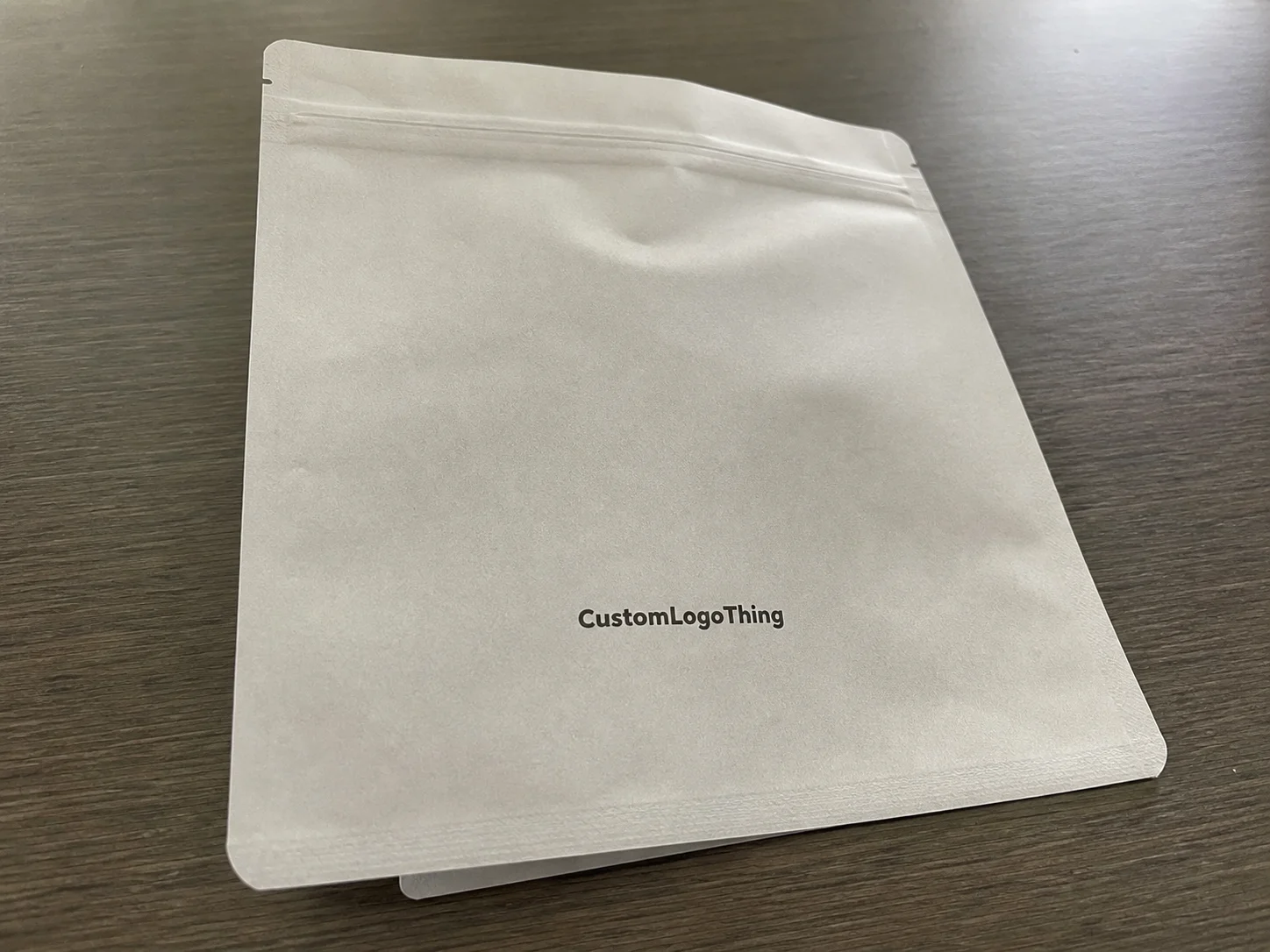
A matte pouch can look flawless in a buyer deck and still cause trouble on a retail shelf. The insert card curls. It blocks the zipper track. It hides the nutrition panel. Or it makes the bag feel half empty after the product settles. That is why a Printed Matte Zipper bags food packaging insert checklist is not busywork. It is damage control before the damage gets expensive.
Printed Matte Zipper Bags are resealable flexible pouches with custom graphics, a matte outer finish, a food-safe film structure, and a zipper closure built for repeated opening. Food brands use them for snacks, powders, coffee, dried fruit, jerky, pet treats, spices, supplements, candy, baking mixes, and similar products that need shelf appeal plus protection after opening.
The checklist has to cover the full package, not just the artwork. That means fill weight, product volume, bulk density, pouch size, barrier film, zipper location, gusset style, print zones, compliance panels, insert dimensions, and packing method. Inserts can be recipe cards, freshness cards, usage instructions, promotional slips, compliance notices, QR cards, or short brand messages. They may sit inside the pouch, attach outside the bag, or ship alongside the finished product.
Here is the part that gets missed: the pouch and the insert cannot be treated as separate print jobs until the final week. They need to be planned together from the first dieline. A 3 x 5 inch card looks harmless on a desk. Inside a 6 oz stand-up pouch, after product, gusset, zipper, and top seal all fight for space, that same card can turn into a stiff little wedge. Packaging loves making small mistakes look dramatic.
Matte finishes photograph well and give food packaging a premium, soft-touch look, but they are less forgiving than gloss. Low-contrast text can vanish. Dark panels may show rub marks after transit. Fine white type over a kraft-look substrate can lose sharpness if white ink is not specified correctly. Good pouch design is visual, mechanical, and painfully practical.
Packaging floor rule: if the insert touches the zipper, crowds the heat seal, or slows the packing crew by three seconds per pouch, it is no longer a small detail.
How Matte Zipper Food Pouches and Inserts Work Together
A typical matte food pouch is built from multiple layers. The outer layer carries the print or matte treatment. The middle layer provides barrier performance. The inner sealant layer melts under heat to create the side, bottom, and top seals. Add a zipper profile, tear notch, optional hang hole, and bottom gusset, and a simple-looking pouch becomes a compact retail package with a lot happening in a few millimeters of material.
Common structures include PET/PE for general dry goods, PET/metallized PET/PE for stronger oxygen and light protection, PET/foil/PE for high-barrier needs, kraft-look laminates for a natural appearance, and PE-based recyclable structures where they fit the product and the local recovery stream. For crunchy snacks, moisture barrier usually comes first. For nuts, coffee, and spice blends, oxygen and aroma retention move up the priority list. For oily foods, grease resistance matters too.
Matte effects can come from matte varnish, matte lamination, or a matte film layer. Matte lamination often gives a smoother hand feel. Varnish can be applied across the full pouch or only in selected zones, including spot gloss accents. Each choice affects scuff behavior, color density, rub resistance, and cost. If bags will ship in corrugated cases, go through e-commerce handling, or sit inside a club-store multipack, ask about abrasion testing and carton pack-out. A soft-touch pouch that looks elegant for ten minutes and scuffs by arrival is not elegant. It is evidence.
Zipper bags are usually filled through the open top, then heat sealed above the zipper. That top headspace matters. If the product is bulky or the insert is stiff, the bag may not close cleanly. Powder, crumbs, oil, or seasoning dust can contaminate the seal area. Many dry-food pouch projects leave roughly 10–20 mm of clean seal clearance above the zipper, but the right number depends on the zipper profile, filling equipment, heat-seal jaw width, and product behavior.
Insert placement has several options. A loose insert can sit behind the product. A flat card can be tucked against the back panel. A promotional slip can attach outside with adhesive. The insert can also be packed in a secondary carton or shipper instead of touching the food pouch at all. For broader packaging systems, the same copy or design language may appear across Custom Packaging Products such as sleeves, cartons, labels, mailers, or custom printed boxes.
Food contact needs a hard line. If an insert goes inside the pouch and may touch food directly, confirm the paper, ink, coating, adhesive, and any protective barrier with the packaging supplier and food safety team. The U.S. Food and Drug Administration regulates many food-contact materials, and internal HACCP or quality programs may add stricter requirements. An insert should never weaken seal integrity, compromise oxygen or moisture protection, block the consumer from resealing the pouch, or introduce odor into the product.
Key Specs to Confirm Before Artwork or Sampling
Lock down the basics before anyone spends hours polishing a package render. Confirm fill weight, product bulk density, pouch width, pouch height, bottom gusset depth, zipper location, hang hole needs, and the shelf-facing front panel area. A 5 oz pouch for granola does not behave like a 5 oz pouch for powdered drink mix. Same net weight. Completely different volume, flow, settling, and fill behavior.
Bulk density is the quiet troublemaker. Jerky stacks unevenly. Dried mango bridges across corners. Coffee settles after vibration. Protein powder can look full during hand packing and drop 15–25 percent after shipping vibration. A useful printed matte zipper bags food Packaging Insert Checklist should include a shake test, a stand-up test, and a filled fit check before pouch size is approved.
Barrier requirements need the same discipline. Crunchy snacks need moisture protection to prevent staling. Nuts, seeds, and coffee often need oxygen control to slow rancidity or flavor loss. Spices need aroma retention. Light-sensitive ingredients may need metallized film, foil, or opaque ink coverage. ASTM test methods are commonly used to evaluate oxygen transmission rate and moisture vapor transmission rate, and distribution testing may reference organizations such as ISTA.
Print and finish specs should include color count, matte coverage, spot gloss accents, white ink requirements, registration tolerance, and whether artwork wraps around gussets or seal areas. Flexible pouches do not stay flat after filling. Small type near folds can distort. Barcodes should stay on flatter zones with a proper quiet zone. Leave clean space for lot codes and best-by dates. Yes, someone will ask where the date code goes after the artwork is “final.” Better to disappoint that person early.
Insert specs deserve their own line items: finished size, paper stock, fold style, coating, corner radius, ink coverage, food-contact status, and whether the insert must be readable before or after opening. A 12 pt or 14 pt card may feel premium but be too rigid for small pouch formats. An 80–100 lb text stock may tuck more easily, but it can curl if coated heavily on one side or exposed to humidity.
- Compliance copy: nutrition facts, ingredients, allergens, net weight, country of origin, handling statements, and supported claims.
- Production zones: seal areas, zipper tracks, gussets, tear notch, hang hole, date code area, and barcode location.
- Insert checks: size in a filled pouch, food-contact suitability, curl risk, readability, removal path, and packing speed.
Build a spec sheet before requesting quotes. Otherwise, one supplier may quote PET/PE, another may quote a foil laminate, and another may guess from a mood board. Those prices are not comparable. They are three different answers to three different questions.
Process and Timeline From Brief to Finished Bags
The production path usually starts with discovery: product type, fill weight, shelf-life target, sales channel, storage condition, and artwork status. From there, the supplier recommends a pouch structure, creates or confirms the dieline, prepares artwork, issues proofs, and may produce samples. After approval, the job moves into plate, cylinder, or digital setup; printing; laminating; curing; slitting; pouch converting; quality checks; and shipping.
Digital printing can work well for smaller runs, seasonal flavors, market testing, and multiple SKUs with shared design architecture. It may reduce setup cost and shorten the path to press. Flexographic and rotogravure printing often make more sense at higher volumes where unit cost matters and setup commitments are acceptable. Each print method has tradeoffs in color control, minimum order quantity, lead time, repeatability, and finish options.
Matte laminated pouches often need curing time after lamination. Adhesives must stabilize before clean slitting and strong pouch seals are formed. Depending on the adhesive system, film structure, and converter schedule, curing can add several days before roll stock is converted into finished zipper pouches. Rushing that step can create weak bonds, odor concerns, or inconsistent seals. Nobody wants to explain solvent odor to a buyer. Truly nobody.
Timelines vary by artwork readiness, material availability, print method, quantity, insert complexity, proof approval speed, and freight method. Digitally printed pouch projects may move faster for modest quantities. Larger laminated runs usually require several production stages after final proof approval. Inserts may be printed separately and shipped to the co-packer, delivered to an in-house packing team, or bundled with empty bags.
Ask for a production calendar that shows approval deadlines, sample timing, print start, lamination and curing windows, conversion dates, insert delivery date, and final ship date. Most packaging delays are not mysterious. They come from late artwork changes, unclear compliance copy, missing barcodes, material substitutions, or discovering too late that the insert does not fit the filled pouch.
If pouches need to match cartons, sleeves, labels, or shipper displays, keep dielines and color targets together from the start. The Custom Packaging Products range can support a consistent look across bags, labels, cartons, and custom printed boxes, but consistency starts with shared specs. Last-minute matching by eye is not a color-management strategy.
Cost, MOQ, and Quote Details That Change the Unit Cost
Unit cost changes fast based on pouch size, film structure, barrier level, print method, color count, matte finish type, zipper style, gusset format, order quantity, and freight. A small digitally printed snack pouch will price differently from a high-barrier foil pouch with matte lamination, spot gloss, rounded corners, and a custom insert. That is not supplier mystery. It is scope.
MOQ is practical, not just financial. Lower minimums may be available with digital printing, which helps brands test flavors, launch limited runs, or avoid sitting on obsolete packaging after a formula change. Larger-volume methods such as flexo or rotogravure can reduce unit cost, but setup costs, material minimums, plates, cylinders, and longer production commitments need to be included in the math.
Insert costs should be quoted separately. Paper stock, print sides, folds, coatings, die cutting, corner rounding, food-contact suitability, bundling method, and delivery destination all affect price. A flat 3 x 4 inch one-sided freshness card on uncoated stock is not the same job as a folded recipe insert with heavy ink coverage, rounded corners, and a grease-resistant coating.
For rough planning, simple printed inserts can land in the low cents per piece at moderate quantities, while specialty coated, folded, or die-cut pieces can climb quickly. Custom pouches vary much more widely because film structure and print method drive the baseline. Small digital runs often carry higher per-piece costs but lower setup exposure. Larger conventional runs usually reward quantity, assuming the design and formulation will not change next month. That assumption deserves a raised eyebrow.
| Cost Item | Typical Impact | Buyer Check |
|---|---|---|
| Pouch film structure | General PET/PE may cost less; foil or metallized high-barrier structures cost more. | Match barrier to shelf life, not just appearance. |
| Print method | Digital can suit smaller runs; flexo or rotogravure can improve unit cost at higher quantities. | Compare setup charges, quantity breaks, and reorder plans. |
| Matte finish | Matte varnish, matte lamination, and specialty matte films have different costs and scuff profiles. | Request physical swatches before approval. |
| Insert format | Flat cards cost less than folded, coated, die-cut, or food-contact inserts. | Test the insert inside a filled pouch. |
| Freight and delivery | Bulky finished pouches and separate insert shipments can add cost. | Quote to the final filler, warehouse, or fulfillment address. |
Setup charges may include artwork prep, proofing, plates, cylinders, sample fees, cutting dies, zipper tooling, or special finish trials. A realistic quote packet should include finished pouch size, material structure, quantity breaks, matte method, zipper type, insert specs, lead time, and shipping terms. Without those details, the lowest unit price may simply reflect missing assumptions.
The cheapest pouch is often expensive in disguise. If the film lets the product stale early, the matte finish scuffs before arrival, or the insert slows packing labor by 20 percent, the savings disappear. Judge cost against spoilage risk, shelf impact, filling speed, correction costs, reorder stability, and how well the finished package supports the product.
Step-by-Step Checklist for Ordering With Fewer Surprises
Use this ordering sequence before approving artwork or requesting final pricing. It keeps the printed matte zipper bags food packaging insert checklist tied to how the pouch will be filled, sealed, shipped, stocked, opened, and resealed.
- Measure the product by weight and volume. Fill a container with the target net weight, shake it, let it stand upright, and measure the settled volume. Repeat with at least three samples if the product has irregular pieces.
- Choose the pouch format. Decide between a flat pouch and stand-up pouch, then confirm bottom gusset, hang hole, tear notch, zipper placement, corner style, and top seal area.
- Match the film to the food. Review moisture, oxygen, grease, aroma, light sensitivity, freezer storage, pantry storage, and expected shelf life. For fiber-based components or sustainability claims, check credible standards such as FSC where relevant.
- Build artwork around real production zones. Leave room for seals, zipper tracks, gussets, date coding, barcodes, nutrition facts, ingredients, allergens, and recycling marks. Keep fine text away from folds and heavy curves.
- Size the insert from a filled sample. Use a paper dummy first. Check that it does not wrinkle badly, disappear behind product, press into the zipper, cover required copy, or make the pouch look underfilled.
- Decide who handles insertion. The packaging supplier, food packer, fulfillment partner, or in-house team may all be options. Each one changes labor, timing, liability, and who fixes problems.
- Approve proofs carefully. Check color, matte finish notes, spelling, allergen copy, net weight, barcode scan quality, lot-code position, and the exact insert version. Do not approve from a phone screen.
- Keep an approval record. Save the dieline, structure, print files, insert specs, packing instructions, proof approvals, and reorder notes in one folder so the next run does not start from memory.
A checklist sounds basic because it is. That is the point. One missing barcode quiet zone or one insert that is 6 mm too tall can create more stress than a full round of normal artwork edits.
Common Mistakes With Matte Finish, Zippers, and Inserts
The first mistake is choosing pouch size from flat dimensions alone. Once a gusseted pouch is filled, usable width and height change. Product volume rounds the face panels, pulls material into the corners, and can push the insert toward the zipper or back panel. Always judge size from a filled sample, not a flat PDF.
Insert cards create their own problems. They may look perfect on a desk and fail during packing because they are too stiff, too large, curled from coating, or difficult for staff to place consistently. A 1,000-piece hand pack can tolerate a fussy insert. A 50,000-piece run cannot. Well, it can, if the goal is to make the packing team hate everyone.
Matte finishes need realistic expectations. Black-on-charcoal artwork may look refined in a render and become unreadable under store lighting. Fingerprints can show on some soft-touch surfaces. Scuff marks may appear where bags rub inside master cartons. Dull color can result if white ink, substrate, and print density are not planned together.
Zipper placement is another common issue. Artwork should not crowd the zipper track, and insert edges should not press against it. If the zipper feels too light for a heavy product, consumers may read the whole package as cheap even if the film structure is technically strong. For heavier fills, thicker profiles or stronger closure styles may be worth quoting.
Compliance mistakes are less visible early and more painful later: missing allergen statements, unreadable nutrition panels, unscannable barcodes, unsupported claims, or country-of-origin copy placed where a seal or gusset distorts it. A proper checklist should force these details into the approval process before production files are released.
Run a small packing trial before the full order if possible. Watch insertion speed, seal contamination, zipper alignment, fill consistency, pouch stand-up behavior, barcode position, and shelf presentation. The best trial uses the actual product, actual insert, and a pouch sample close to the final film and size. Substitute too many pieces and the test becomes theater.
Next Steps Before You Request Samples or Place an Order
Gather the practical information first: product weight, product dimensions or bulk density, storage conditions, desired shelf life, pouch size target, insert purpose, current artwork files, and compliance copy approved by your regulatory or quality team. If there are multiple SKUs, list flavor names, net weights, shared elements, and variable panels in one file.
Make a rough physical mockup. Use paper, tape, actual product, and a draft insert. Stand it on a shelf. Open and close it ten times. Shake it gently. Try pulling the insert out as a customer would. That rough model often exposes zipper clearance, underfilled appearance, awkward insert placement, and hard-to-read copy faster than a polished 3D render.
Prepare a quote packet with dieline needs, quantity ranges, matte finish preference, food-contact requirements, insert specs, packing method, delivery address, and target launch window. Ask direct supplier questions: which film structure protects this food, what matte finish resists scuffing best, what MOQ applies, whether digital or conventional print makes sense, and whether the insert should be printed separately.
If the pouch needs to connect with sleeves, mailers, cartons, or custom printed boxes, review Custom Packaging Products early so the package branding stays consistent across the full customer experience. Matching a matte pouch to a carton or shipper is much easier when color targets, coatings, and substrates are discussed before files are final.
A printed matte zipper bags food packaging insert checklist turns a packaging idea into a production brief. Confirm compliance copy, request a material recommendation, approve a filled sample, test the insert, and then commit to the full run. That sequence is slower than guessing. It is also cheaper than explaining why finished bags need to be reworked.
FAQ
What should be included in a printed matte zipper bags food packaging insert checklist?
Include pouch size, fill weight, product volume, film structure, barrier needs, zipper placement, artwork zones, compliance copy, insert dimensions, insert material, packing method, quantity, timeline, and shipping destination. Add checks for barcode scan quality, lot-code area, allergen visibility, insert fit, seal clearance, and whether the pouch stands properly when filled.
Can an insert go inside a food zipper pouch?
Yes, but the insert must be suitable for the contact situation, especially if it touches food directly or may absorb oil, aroma, or moisture. For direct or possible food contact, confirm paper, ink, coatings, and protective separation with the packaging supplier and food safety team.
Do matte printed zipper bags cost more than glossy food pouches?
They can cost more depending on whether the matte effect comes from lamination, varnish, or specialty film, and whether spot gloss or premium finishes are added. The larger cost drivers are usually pouch size, barrier structure, print method, order quantity, zipper style, and setup requirements.
How long does it take to produce custom matte zipper bags with inserts?
Timeline depends on artwork readiness, sampling needs, print method, material availability, curing time, pouch converting, insert printing, and freight. Build in time for proof approvals, filled fit testing, compliance review, and coordinating insert delivery with the filling or packing schedule.
What size insert works best for printed matte zipper food bags?
The best insert size is based on the filled pouch, not only the flat dieline, because product volume changes the available internal space. Test a paper dummy inside a filled sample and check that it does not block the zipper, wrinkle badly, cover required information, or slow down packing.


