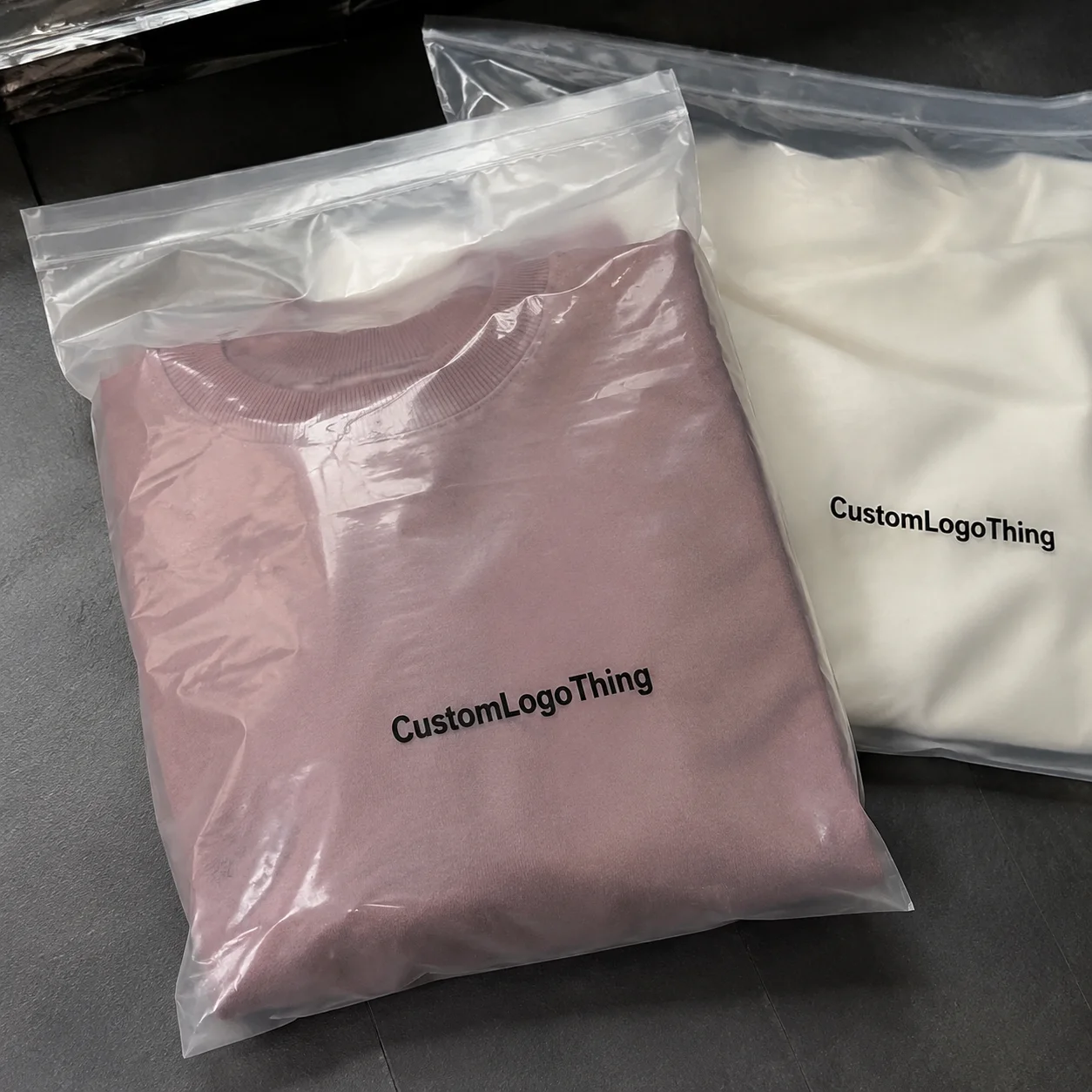
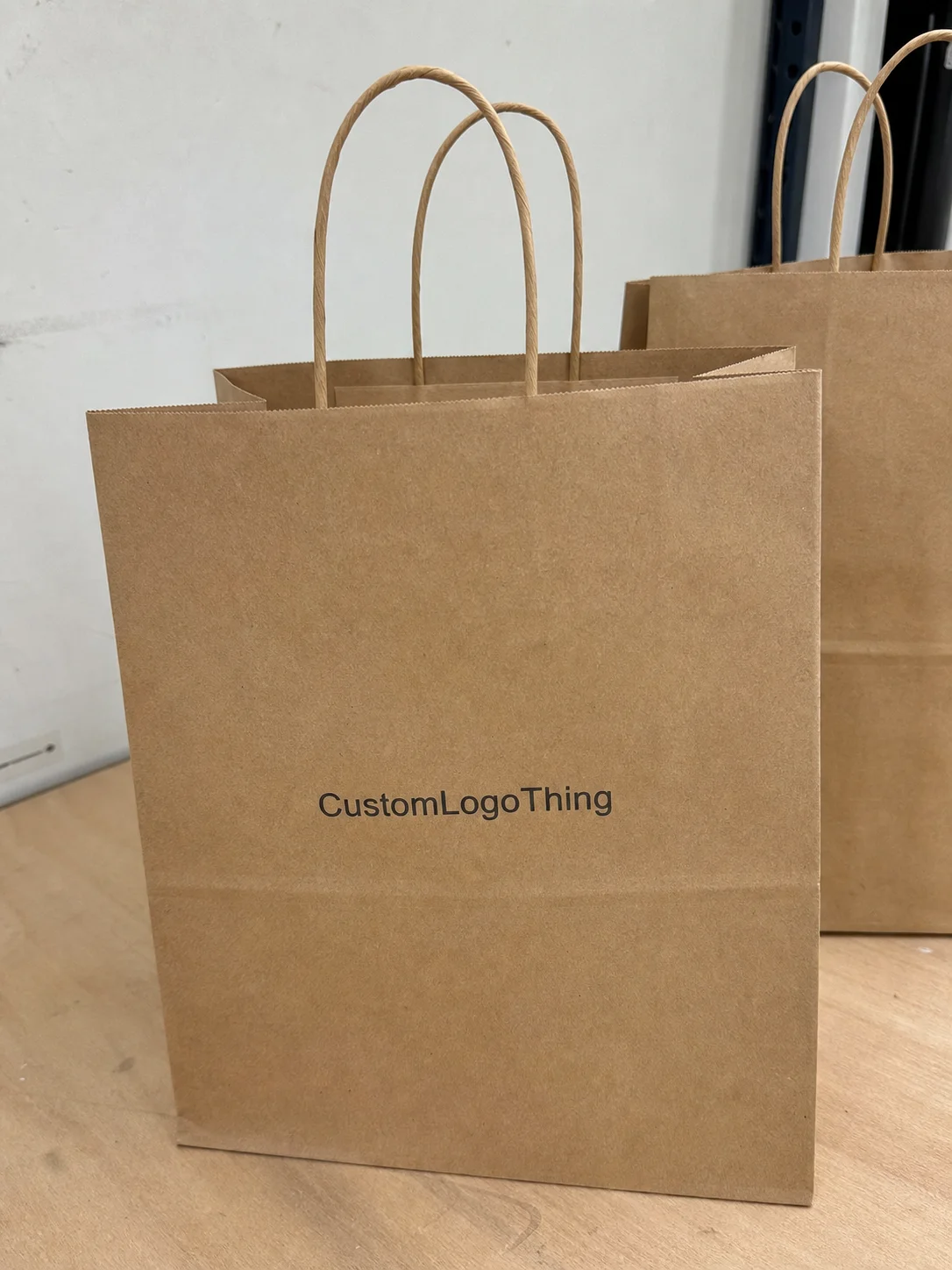
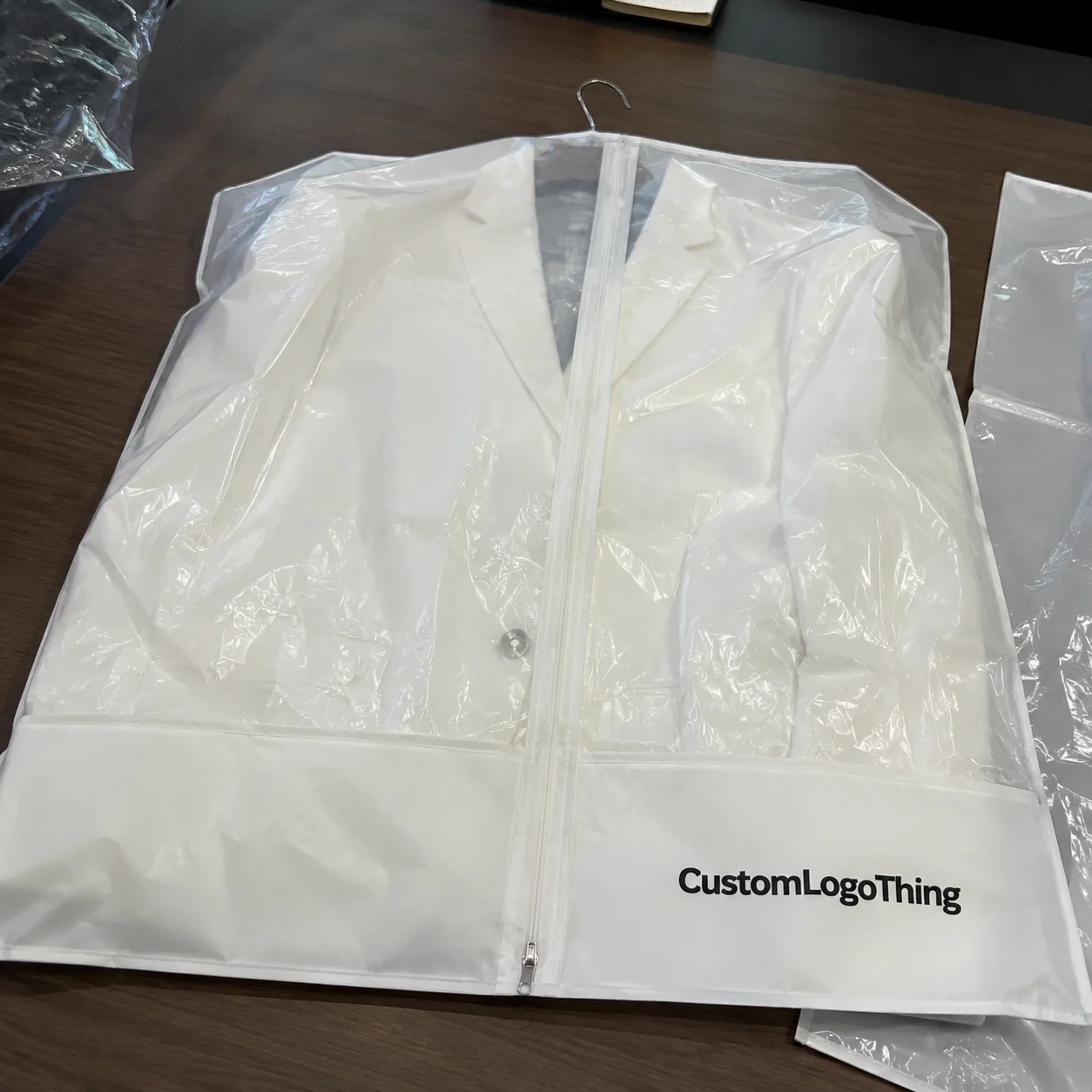
Buyer Fit Snapshot
| Best fit | Calculate Packaging Costs per Unit projects where brand print, material claims, artwork control, MOQ, and repeat-order consistency need to be specified before quoting. |
|---|---|
| Quote inputs | Share finished size, material target, print colors, finish, packing count, annual reorder estimate, ship-to region, and any compliance wording. |
| Proofing check | Approve dieline scale, logo placement, barcode or warning zones, color tolerance, closure strength, and carton packing before bulk production. |
| Main risk | Vague material claims, crowded artwork, missing packing details, or unclear freight terms can make a low unit price expensive after revisions. |
Fast answer: Calculate Packaging Costs per Unit: Material, Print, Proofing, and Reorder Risk should be specified like a repeatable production item. The safest quote records material, print method, finish, artwork proof, packing count, and reorder notes in one written spec.
Production checks before approval
Compare the actual filled-product size with the drawing, then confirm tolerance on folds, seals, hang holes, label areas, and retail display edges. Reserve space for logos, QR codes, warning copy, and material claims before decorative graphics fill the panel.
Quote comparison points
Review material grade, print process, finish, sampling route, tooling charges, carton quantity, and freight assumptions side by side. A quote is only useful when the supplier can repeat the same color, closure quality, and packing count on the next order.
If you want to know how to calculate packaging costs per unit, start with a blunt truth: the quote on the page is rarely the number that lands on your invoice. I’ve watched clients fixate on a factory price of $0.42 per unit and then look stunned when freight, inserts, and setup pushed the real number past $0.78. That isn’t a trick. It’s the difference between a unit quote and a landed cost, and landed cost includes the costs that usually show up in Shenzhen, Dongguan, or Ningbo after the first cheerful email has already been sent. Honestly, packaging math has a way of turning optimism into arithmetic.
I’m Sarah Chen, and I’ve spent 12 years in custom printing and packaging across suppliers in Shenzhen, Guangzhou, and Wenzhou. I’ve stood on factory floors in Shenzhen while a press operator pointed out a tiny artwork change that added two plates and $180 to the order. I’ve sat in client meetings where someone wanted rigid boxes, gold foil, magnetic closures, and free shipping to Columbus, Ohio for the price of a folding carton made in Dongguan. Cute. Not realistic. I remember one launch where everyone nodded through the quote review and then, two days later, asked why the “small” insert revision added money. The insert was 2 mm tighter on each side, which meant a new die line, a new setup, and a very different invoice. “Small” in packaging often means “expensive in ways you didn’t budget for.”
The point of this guide is simple: learn how to calculate packaging costs per unit without guessing, overpaying, or getting blindsided by the invoice. You’ll see the actual cost buckets, the factory-side math, and the little things that wreck budgets: waste, labor, freight, and “one small revision.” Two boxes can look almost identical and still vary by 30% to 60% in unit cost because of board grade, die-cut complexity, coating choice, and how much hand work the package needs. A 350gsm C1S artboard folding carton with matte lamination is not the same animal as a 16pt SBS carton with aqueous coating, even if the front artwork looks nearly identical on your screen. That is the part most people miss when they compare custom printed boxes by eye. And yes, it can be maddening. Packaging is one of the few places where a prettier box can cost more than the thing inside it, which feels mildly insulting until you see the freight bill from Shanghai to Chicago.
How I Learned Packaging Costs the Hard Way
My first ugly lesson came from a skincare brand that thought their mailer box would land at $0.42 per unit. The box looked simple: white outside, black inside, one-color logo, no fancy finish. Easy, right? Then we added the custom insert, export carton packing, and freight from our Shenzhen facility to a 3PL in Los Angeles. The landed number doubled. Not because anyone was cheating. Because they were only looking at one slice of the job, and the slice they picked did not include a $320 ocean freight line or the $85 sample charge that came out of the approval cycle in week two.
That’s why how to calculate packaging costs per unit starts with the total project, not the pretty mockup. You include structure, print method, finishes, labor, waste, freight, and sometimes duties. Skip one of those and your “budget” becomes a fantasy with a spreadsheet attached. I’ve seen more than one budget collapse because someone forgot the boring line item that turned out to be the biggest one. A carton price in Guangzhou means very little if the shipment then needs a second pallet, export paperwork, and inland trucking to an Atlanta warehouse.
I’ve seen brands compare two boxes that looked almost identical on a screen and then wonder why one quote came in $0.21 higher. The answer was in the details: a heavier board, a tighter fit, and a soft-touch coating that needed an extra pass. Those choices matter. A lot. In product packaging, a tiny spec change can add cost before ink even hits the sheet. A 1 mm increase in box height can alter the die line, change carton nesting, and reduce packing efficiency in a 20-foot container. I’m not being dramatic here. I’ve watched a single millimeter ripple through die-cutting, carton pack, and freight like a tiny domino army.
“The box is cheap. The package is not.” I’ve said that in more than one client meeting, usually right after someone asks why the carton price jumped after we added inserts and a foil stamp.
So here’s the promise: I’ll show you how to calculate packaging costs per unit in a way that actually matches factory reality. No hand-waving. No fake “starting at” nonsense. Just the numbers, the gotchas, and the quotes that matter, from proof approval to final shipment in factories around Shenzhen, Dongguan, and Ningbo.
What Goes Into Packaging Cost Per Unit
Accurate how to calculate packaging costs per unit math depends on the full cost stack. I break it into eight buckets every time I review a quote, whether the order is shipping from Guangzhou, Shenzhen, or a paper converter in Zhejiang province:
- Materials — paperboard, corrugated, rigid chipboard, inserts, liners
- Printing — offset, flexo, digital, screen, inside/outside coverage
- Finishing — lamination, foil stamping, embossing, spot UV, window patching
- Tooling — dies, plates, engraving, cutting knives
- Labor — machine setup, hand folding, glue, assembly, inspection
- Packing — carton packs, palletizing, protective wrap
- Freight — domestic delivery, ocean freight, air freight, last-mile charges
- Duties and taxes — if your shipment crosses borders
Material choice is the first big swing. A 350gsm C1S artboard costs very differently from 16pt SBS or an E-flute corrugated blank made in Dongguan. Rigid boxes use greyboard or chipboard, often 1.5mm to 3mm thick, and that adds cost fast. If you want a premium feel, you pay for the heft. A 2mm greyboard setup with wrapped paper and a shoulder insert costs more to produce than a simple tuck-end carton, and the labor line in a Guangzhou factory reflects that immediately.
Printing also matters more than most buyers expect. CMYK is usually cheaper than matching multiple PMS colors. Full-bleed coverage costs more because it uses more ink and demands tighter press control. White ink on dark stock is another little budget eater. It looks great on a matte black rigid box, but it adds a pass, and presses in Shenzhen and Suzhou do not work for free. A two-color logo on white board is one thing; a full-wrap design with inside print and registration tolerance under 0.5 mm is another.
Finishing changes the number too. Foil stamping can add a nice retail packaging pop, but that metallic edge may add $0.06 to $0.18 per unit depending on size and complexity. Soft-touch lamination feels expensive because it is. Spot UV on top of soft-touch looks sharp, but now you’re paying for two finishes and usually more waste. On a run of 5,000 pieces, a simple foil logo might add $300 to $900 to the job depending on foil area and whether the factory in Wenzhou has to run a separate pass.
Hidden cost drivers are where many estimates go off the rails. Machine setup on a small custom run can spread $400 to $900 across just a few thousand pieces. Spoilage allowance matters too. I usually tell buyers to budget 3% to 10% extra depending on the structure and print complexity. A simple mailer box has a lower waste rate than a rigid package with inserts and hand assembly. A carton line in Dongguan can run fast, but if your insert tray needs manual gluing or the dieline is tight, the waste count rises quickly. Factories are good, not magical.
For brands serious about branded packaging, the question is not “What does one box cost?” It’s “What does the finished unit cost after production, handling, and getting it to my dock?” That is the real number. If the boxes are shipping to a fulfillment center in New Jersey or a warehouse in Dallas, the landed cost is the number that matters for margin.
If you need a place to compare box types, samples, and finishing options, our Custom Packaging Products page is a useful starting point. I use that kind of menu when I’m trying to narrow specs before I request a live quote from a factory in Shenzhen or a converter in Guangdong.
For industry definitions on packaging recovery and material categories, the Packaging Corporation of America’s industry resources are helpful, and the terminology around sustainable packaging also lines up with FSC guidance on certified fiber sourcing at fsc.org.
How to Calculate Packaging Costs Per Unit Step by Step
Here’s the simple formula I use when clients ask how to calculate packaging costs per unit:
Total project cost ÷ total finished units = Packaging Cost Per Unit
The math is easy. The hard part is building the total project cost correctly. So let’s do it the same way I do with a real quote from a run made in Shenzhen and shipped to a warehouse in Chicago.
Say you’re ordering 5,000 custom printed boxes for a beauty product. Your quote might look like this:
- Material and printing: $1,950
- Tooling/setup: $850
- Freight: $320
- Sampling: $75
- Contingency for waste/rework: $150
Total project cost = $3,345
Now divide that by 5,000 units:
$3,345 ÷ 5,000 = $0.669 per unit
Your real landed estimate is about $0.67 per box. Not $0.39. Not $0.42. Real. If the quote came from Dongguan and the boxes are traveling by ocean freight through Long Beach, that number is the one to manage, not the one in the email subject line.
This is the exact point where buyers get tripped up. MOQ matters because fixed costs get spread across fewer pieces. If you kept the same setup fee and freight but ordered only 2,000 units, your unit cost would climb fast. That’s why how to calculate packaging costs per unit always has to be tied to quantity. Lower quantity means a higher share of setup and freight per box. At 2,000 units, a $850 setup fee alone contributes $0.425 per box before material, printing, or freight even enter the picture. No mystery there.
Here’s a more practical worksheet version I use in supplier negotiations:
- List the structure — folding carton, mailer box, corrugated shipping box, rigid box, insert
- Confirm material spec — thickness, flute, board grade, coating
- Add print method — digital, offset, flexo, spot color, CMYK
- List finishes — foil, emboss, soft-touch, gloss lamination, window
- Add tooling and setup — dies, plates, machine setup, sample charges
- Estimate packing and freight — inner cartons, pallets, shipping mode
- Add a waste allowance — 3% to 10%
- Divide by finished quantity
That’s how to calculate packaging costs per unit without pretending the factory absorbs the messy parts for free. They won’t. I once reviewed a quote for a cosmetic rigid box where the buyer had ignored hand assembly for the insert tray. That one omission added $0.11 per unit. Multiply that by 20,000 units and you’ve got a very expensive surprise. I still remember staring at that revised number and thinking, “Well, that escalated quickly.”
One more thing: use the landed number, not just the factory price, if you care about margin. Factory price is fine for internal comparison. Landed cost is what lands on your shelf, in your warehouse, or at your 3PL in Texas, New Jersey, or California. If you’re selling DTC, subscription packaging, or retail packaging, that number decides whether your margin survives.
Packaging Cost and Pricing Factors That Move the Number
Different packaging formats behave differently under the same costing formula. That’s why how to calculate packaging costs per unit changes depending on whether you’re buying folding cartons, mailer boxes, corrugated shippers, rigid boxes, or inserts from a plant in Shenzhen or a converter in Ningbo.
| Packaging Type | Typical Cost Driver | Common Unit Cost Range | Notes |
|---|---|---|---|
| Folding carton | Print coverage and coating | $0.12–$0.45 | Good for retail packaging and lightweight product packaging |
| Mailer box | Board grade and structure size | $0.28–$0.95 | Popular for branded packaging and subscription orders |
| Corrugated shipping box | Flute type and box dimensions | $0.35–$1.10 | Higher freight sensitivity, especially on oversized cartons |
| Rigid box | Hand assembly and premium finishes | $0.95–$3.50+ | Luxury feel, higher labor, more tooling sensitivity |
| Custom insert | Die-cut complexity and material type | $0.08–$0.60 | Foam, paper pulp, cardboard, EVA all price differently |
Structure complexity is one of the biggest swing factors. An auto-lock bottom costs more than a straight tuck box. A magnetic closure on a rigid box costs more than a simple lid-and-base. Shoulder boxes and Custom Die Cuts can look gorgeous, but they usually need more manual work and tighter tolerances. That adds labor and scrap, and scrap has a price tag. A 200 mm x 120 mm x 45 mm mailer can often be nested efficiently in a carton; a tall shoulder box with a wrapped tray and separate lid usually cannot.
Order volume changes the price curve too. At 1,000 units, your setup cost is painful. At 10,000 units, the same setup gets diluted. I’ve seen the unit price drop by 18% to 35% just by moving from a small MOQ to a larger run, assuming the design stays the same. If a supplier in Guangzhou quotes $0.74 at 1,000 pieces and $0.51 at 10,000 pieces, that difference is usually the spread of fixed setup, not a miracle discount. That’s why I push buyers to compare quotes at two or three quantities, not just one.
Shipping can wreck a good quote faster than most buyers expect. Domestic delivery on a pallet is one thing. Ocean freight plus import charges is another. I’ve seen freight add $0.07 to $0.29 per unit depending on carton size, weight, and destination. A box that fits 48 cartons per pallet will usually ship more efficiently than one that only fits 30 cartons per pallet. Palletization matters. So does packing density. A box that nests efficiently can save money every single time it ships.
Market conditions also move the number. Paper pricing shifts. Ink availability changes. Labor rates do too. And if your supplier is booked solid in Dongguan during a pre-holiday rush, your quote may reflect that capacity pressure. I once negotiated with a paper converter who bumped pricing by 6% because their board supply got tight for three weeks. We held the project by reducing finish complexity and locking artwork faster. Simple. Not glamorous. Effective. Slightly frustrating, yes, but far better than discovering the increase after you’ve already promised launch week to your boss.
Buyers often focus too hard on unit price and too little on what they’re actually buying. A $0.58 box that arrives on time with the right finish is better than a $0.52 box that needs reprints and eats your launch schedule. Packaging design and package branding only work if the project survives production. A missed Pantone match on a retail carton can cost less to fix before press approval than after 10,000 units have already been printed.
Pricing, MOQ, and What You Should Expect in a Quote
Good suppliers quote in layers. Bad suppliers quote one shiny number and leave you to discover the rest later. When you’re figuring out how to calculate packaging costs per unit, you want a quote that separates the pieces so you can compare a factory in Shenzhen with one in Ningbo without getting fooled by missing details:
- Unit price
- Tooling or die cost
- Setup fee
- Sample cost
- Shipping estimate
- Payment terms
- Lead time
MOQ is not a punishment. It’s the point where the factory can make the job without losing money. Lower MOQ usually means higher unit price because setup costs don’t disappear. If a supplier gives you a premium finish at a small quantity, expect the unit price to look ugly. That’s normal. A rigid box with a wrapped lid, foil logo, and insert tray at 500 pieces will almost always cost more per unit than the same job at 5,000 pieces, even if both come from the same production line in Dongguan.
Here’s the quote format I ask for so I can compare suppliers fairly:
| Quote Line | Supplier A | Supplier B | What to Check |
|---|---|---|---|
| Unit price | $0.41 | $0.47 | Same spec, same quantity, same finish? |
| Setup/tooling | $650 | $0 | Is it included or hidden elsewhere? |
| Sample charge | $85 | $120 | Does this include shipping? |
| Freight | $280 | Not quoted | Ask for landed cost, not just factory price |
| Lead time | 14 business days | 21 business days | Can your launch wait? |
That table keeps people from comparing apples to oranges. More than once, I’ve seen a “cheaper” quote turn into the expensive one because freight, sample charges, or insert costs were missing. The invoice doesn’t care what the email said. If a supplier in Guangzhou lists a low unit price but excludes pallet wrap, export cartons, and inland trucking to the port, the final bill will look very different from the first line in the spreadsheet.
Common traps? Easy.
- Quotes that exclude freight
- Quotes that forget insert pricing
- Setup fees hidden until approval
- One finish included, another treated as an extra
- Artwork changes billed after proof sign-off
If you want the true packaging cost per unit, ask for a landed estimate. That means the box cost plus getting it to you. If you need your packaging to arrive in a warehouse in Texas, a fulfillment center in New Jersey, or a retail distribution hub on the West Coast, then landed cost is the number that matters. Not the pretty factory line item. For a shipment leaving Ningbo and landing in California, the difference between factory-only pricing and landed pricing can be the difference between a healthy margin and a launch that quietly loses money.
Process and Timeline: From Spec Sheet to Final Shipment
The cleaner your spec sheet, the faster the quote and the fewer surprises when you’re learning how to calculate packaging costs per unit. The normal workflow looks like this, whether the job is being sampled in Shenzhen or mass-produced in Dongguan:
- Brief — dimensions, product weight, quantity, destination
- Structure selection — folding carton, rigid, corrugated, insert
- Dieline — the cut and fold layout
- Artwork — logo, colors, print coverage, copy
- Sample — structural sample or print proof
- Approval — sign-off on size, color, and finish
- Production — printing, finishing, die-cutting, assembly
- Packing and shipment — carton pack, palletize, ship
Timelines vary, but here’s what I usually tell clients: simple folding cartons may move in 10 to 15 business days after proof approval, while more complex rigid packaging can take 18 to 30 business days depending on assembly and finish tests. If you’re adding structural samples or changing the insert, add more time. A typical rigid box run in Shenzhen might need 12 to 15 business days from proof approval just for production, plus another 3 to 7 business days for ocean booking, cartonizing, and export paperwork. That’s not pessimism. That’s factory reality.
What slows orders down? Unclear specs. Late artwork revisions. Color matching that drifts every round. And approvals that sit in someone’s inbox for four days because “we’re still reviewing.” I’ve watched a press slot get lost because a buyer asked for a copy change after production was already queued. The factory didn’t send flowers. They charged for the delay. I laughed once—out loud, actually—because the buyer thought a schedule slip would just vanish on its own. It did not. In one case, a two-day delay in proof approval pushed shipment back from a Shenzhen dock booking to the following week, which added storage and rebooking fees of $140.
Here’s the factory-side truth: once the press is booked, changes cost money. Customers love surprise revisions. Factories do not. If your team can lock the dimensions, print count, and finish before quoting, your package branding will move faster and your unit cost will usually stay lower.
A good spec sheet does three things. It improves the quote, reduces rework, and keeps your budget honest. That’s a big part of how to calculate packaging costs per unit correctly. If the spec is sloppy, the quote will be sloppy too. A document that says “medium box” is not a spec sheet. A document that says “220 mm x 160 mm x 80 mm, 350gsm C1S artboard, matte lamination, CMYK outside, no inside print, 5,000 units, ship to Dallas, Texas” is.
For testing and transit standards, I also remind buyers to ask about compliance. If the package needs shipping validation, look at ISTA test procedures for distribution testing and impact resistance. That matters especially for ecommerce product packaging and heavier retail packaging where damage rates can destroy margin faster than a price increase.
Why Choose Us for Accurate Packaging Costing
I don’t sell fantasy pricing. I sell accurate quoting. That’s the difference between a smooth launch and three rounds of “why is this higher than we expected?” If you’re serious about how to calculate packaging costs per unit, you need a partner who can break the quote into real components, not just throw you a clean-looking number and hope you don’t ask questions. Honest quoting matters even more when your boxes are coming out of Shenzhen or Ningbo and your margin depends on a freight line that can move by $0.05 per unit overnight.
Over the years, I’ve negotiated directly with factories on setup fees, waste allowance, finish substitutions, and freight consolidation. One time, a supplier tried to charge an extra $240 for foil tooling on a repeat order. We pushed back, checked the previous PO, and got it removed in under 20 minutes. That’s what direct factory communication does. It trims nonsense. It also catches issues before they show up on an invoice. Another time, a vendor in Guangdong wanted to charge for a second proof that was only needed because their first color match missed the approved Pantone by a visible margin under factory lighting.
When you work with us at Custom Logo Things, you’re not just buying boxes. You’re getting support on custom printed boxes, inserts, samples, and finishing options across several packaging formats. We can help with branded packaging for ecommerce launches, retail packaging for shelf display, and package Branding That Actually fits your margin instead of wrecking it. That matters for subscription brands especially, because a box that looks premium but costs too much to ship from China to New York is just an expensive headache. I’ve seen projects in Guangzhou turn from elegant to unprofitable because no one calculated the added cost of magnetic closure inserts, pallet wrap, and domestic last-mile delivery.
Most people get this backwards. They ask for the cheapest quote first and figure out the specs later. That’s how budgets get blown. Start with the product, the destination, and the customer experience. Then calculate. Not the other way around. A correct quote for a 5,000-unit launch in Austin is more useful than a vague “starting at” line from a factory that hasn’t seen your dieline.
Accurate costing is not about being penny-pinched. It’s about knowing your margin before you place the order. If you sell a kit at $24.00 and your packaging costs drift from $0.52 to $0.81, that difference can erase a chunk of profit across 10,000 units. Small on paper. Big in the P&L. On a 10,000-unit run, that $0.29 swing equals $2,900, which is enough to change your media spend, your launch discount, or both.
If you need to compare options, start with Custom Packaging Products and build the quote around the exact format you need. That’s a lot smarter than asking five suppliers for five different versions and calling it a comparison.
Next Steps to Calculate Your Packaging Cost Per Unit
If you’re ready to calculate your packaging cost per unit properly, gather these details before you request a quote:
- Exact dimensions — length, width, height
- Material preference — paperboard, corrugated, rigid board
- Print count — one-color, CMYK, PMS, inside/outside print
- Finish choices — foil, emboss, spot UV, lamination
- Quantity — target MOQ and backup quantity
- Shipping destination — warehouse, 3PL, or retail DC
- Sample needs — structural sample or full print proof
Then ask for two versions of the quote: one at your ideal spec, one at a cost-optimized spec. That comparison tells you which finish or structure is actually moving the number. Sometimes a soft-touch lamination adds $0.09. Sometimes a custom insert adds more than the whole outer box. You won’t know unless you ask. On a 5,000-piece order made in Dongguan, for example, a paperboard insert may come in at $0.14 per unit while an EVA insert jumps to $0.31 per unit.
I also recommend building a simple worksheet with setup, sample, freight, and contingency separated out. If the package has structural complexity, ask for a dieline and a sample before locking the full run. That one step can save you from a costly reprint. I’ve seen a buyer approve a slightly off-size rigid box in Shenzhen and then pay twice to fix it after the neckboard and lid wrap no longer lined up. Nobody frames that invoice.
The final rule is simple. Don’t guess. Don’t compare quotes without the same spec. And don’t let a factory price masquerade as your real cost. If you want the true number, calculate it from the full project, not the box alone. That is how to calculate packaging costs per unit without surprises, whether your order is shipping to Atlanta, Amsterdam, or a warehouse in Southern California.
FAQ
How do I calculate packaging costs per unit for a custom box?
Add all project costs together: materials, printing, finishing, tooling, labor, freight, and sampling. Divide that total by the number of finished units to get the per-unit cost. Include a waste allowance so your estimate matches real production conditions. For example, a $3,345 project spread across 5,000 boxes equals $0.669 per unit.
What factors increase custom packaging cost per unit the most?
Low order quantity, complex structures, premium finishes, and special materials usually raise the unit price fastest. Freight, import charges, and hand assembly can also push the landed cost higher. Artwork changes after proof approval often add extra fees, especially on a run made in Shenzhen, Dongguan, or Ningbo where setup has already been locked.
Does MOQ affect how to calculate packaging costs per unit?
Yes. MOQ changes the math because fixed setup costs get spread over fewer boxes. A larger order usually lowers unit cost even if the total project spend is higher. For example, a $850 setup fee is $0.425 per unit at 2,000 pieces, but only $0.085 per unit at 10,000 pieces. Always compare the per-unit price at different quantities before deciding.
Should I use factory price or landed cost when calculating packaging costs per unit?
Use landed cost if you want the real number. Factory price leaves out freight, duties, packing, and sometimes setup or sample costs. Landed cost shows what each finished unit actually costs to get to you, whether the shipment is going to Texas, New Jersey, California, or a 3PL in the Midwest.
How can I lower packaging costs per unit without making the box look cheap?
Simplify the structure, reduce finish upgrades, and standardize dimensions where possible. Choose materials and print methods that match your brand goals instead of over-specifying everything. Ask for two quotes: one for your ideal version and one for a cost-optimized version. In many cases, switching from a rigid build to a 350gsm C1S artboard folding carton can save $0.12 to $0.25 per unit without hurting shelf appeal.
If you remember one thing, make it this: how to calculate packaging costs per unit means adding every real cost, then dividing by finished quantity. Not box price. Not a guess. The whole landed number. That’s how you protect margin, compare suppliers properly, and avoid the classic “why is this invoice higher than the quote?” conversation. I’ve had that conversation too many times in Shenzhen, Guangzhou, and with warehouses on the U.S. East Coast, and I’d prefer you skip it.