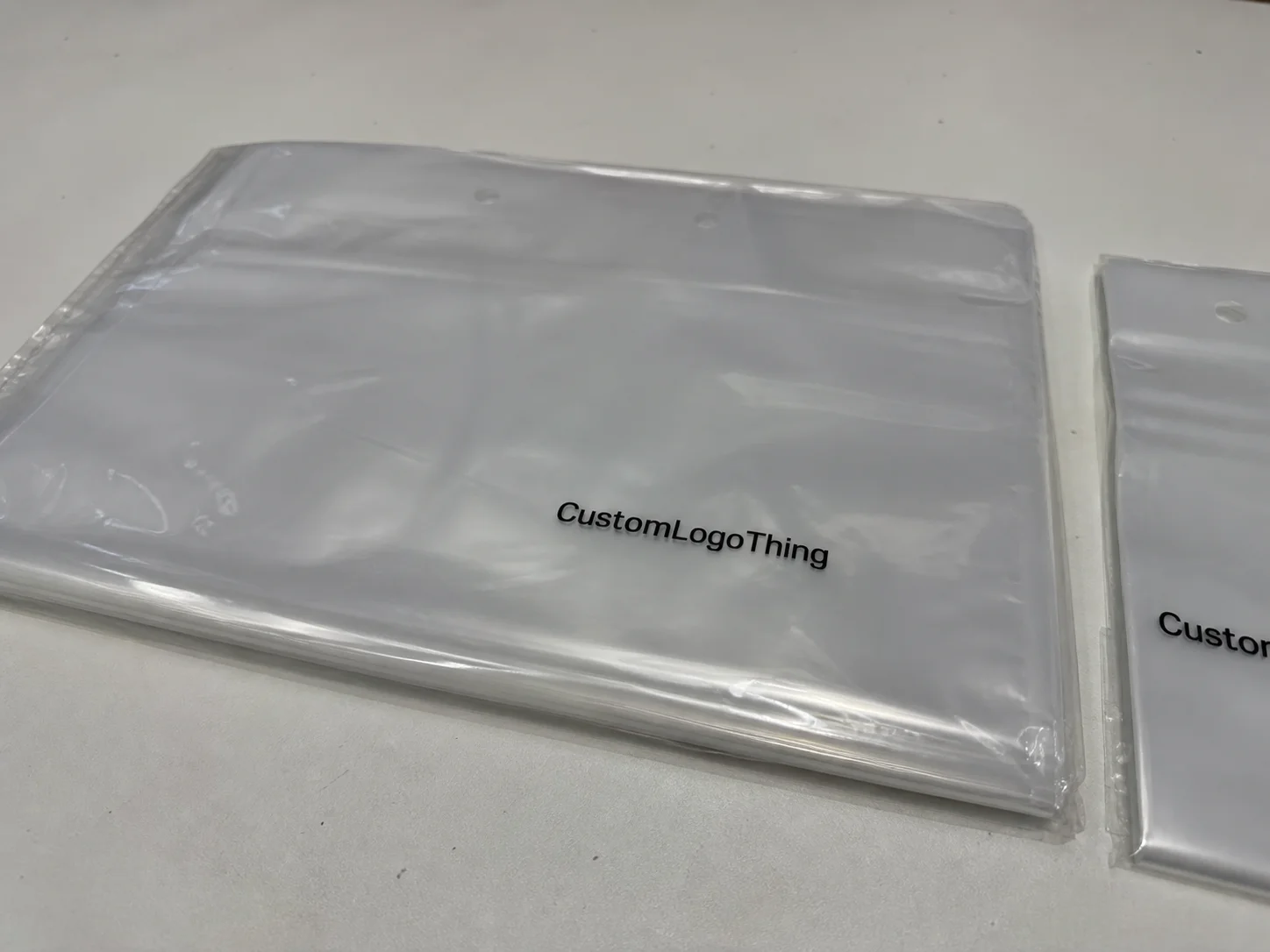
Buyer Fit Snapshot
| Best fit | choose sustainable packaging for packaging buyers comparing material specs, print proof, MOQ, unit cost, freight, and repeat-order risk where brand print, material, artwork control, and repeat-order consistency matter. |
|---|---|
| Quote inputs | Share finished size, material target, print colors, finish, packing count, annual reorder estimate, and delivery region. |
| Proofing check | Approve dieline scale, logo placement, barcode or warning zones, color tolerance, and any recyclable or compostable wording before bulk production. |
| Main risk | Vague material claims, crowded artwork, or missing packing details can create delays even when the unit price looks attractive. |
Fast answer: Choose Sustainable Packaging: Claims, Protection, MOQ, and Cost should be specified like a repeatable production item. The safest quote includes material, print method, finish, artwork proof, carton packing, and reorder notes in one written spec.
What to confirm before approving the packaging proof
Check the product dimensions against the actual filled item, not only the sales mockup. Ask for tolerance on folds, seals, hang holes, label areas, and retail display edges. If the package carries a logo, QR code, warning copy, or legal claim, reserve that space before decorative graphics fill the panel.
How to compare quotes without losing quality
Compare board or film grade, print process, finish, sampling route, tooling charges, carton quantity, and freight assumptions side by side. A lower quote is only useful if the supplier can repeat the same color, closure quality, and packing count on the next order.
I'll never forget the call I got from a client in Portland back in 2018. They'd just lost a major retail account because their packaging supplier couldn't provide documentation proving their "eco-friendly" boxes actually contained recycled content. Three years of brand building, gone because someone took a shortcut on material verification. That incident is exactly why I spend so much time teaching businesses how to Choose Sustainable Packaging the right way.
Whether you're running a startup that needs custom printed boxes for the first time, or you're a seasoned brand manager revamping your entire product packaging line, this guide will save you from the expensive mistakes I've watched dozens of companies make. I negotiated packaging contracts in Shenzhen, toured paper mills in Wisconsin, and tested compostable foams in my own warehouse. Here's everything I wish someone had told me five years ago.
Why Sustainable Packaging Can't Wait Anymore
The numbers finally convinced my most skeptical clients. The United States generates approximately 46 million tons of plastic waste annually. Almost half of that comes from consumer packaging that you'll design, source, and ship to customers. Those numbers aren't improving—they're getting worse as e-commerce continues exploding.
When I visited a landfill outside of Austin two years ago, I saw pallets of returned packaging stacked twenty feet high. The operator told me 78 million tons of packaging ends up in landfills every single year nationwide. That's a sobering reality when you're deciding between materials for your branded packaging.
Consumer demand has fundamentally shifted. Since 2019, searches for Eco-Friendly Product Packaging have more than doubled. I've watched focus groups where participants actively penalize brands that use excessive plastic or can't explain their environmental choices. This isn't a trend—it's a permanent market expectation.
Need a business case rather than an ethical one? Target, Walmart, and Amazon have all implemented strict sustainable packaging compliance requirements for their vendors. Last year alone, I worked with four companies scrambling to re-certify their packaging within 90 days because they'd been flagged for non-compliance. One paid $47,000 in penalties. The other three lost shelf space entirely during their remediation period. That's not a risk assessment most CFOs find acceptable once they see the numbers.
What Actually Counts as Sustainable Packaging
Most people get confused immediately here, and honestly, the terminology is a minefield designed by marketing teams, not scientists. When you're learning how to Choose Sustainable Packaging, the first lesson is that "green" isn't a technical specification. You need precise definitions.
Recyclable materials can be processed through existing municipal recycling streams. This includes most corrugated cardboard, certain plastics labeled with resin codes 1 and 2, and aluminum. The key word is "can"—recyclability depends entirely on your customer's local facility accepting the material, which varies dramatically by region.
Biodegradable materials break down naturally through biological processes. Most people get this wrong: "biodegradable" has no standardized timeline. Something can biodegrade over 1 year or 100 years and technically qualify. Don't accept this term without asking for testing data showing actual decomposition timelines under real-world conditions.
Compostable materials require specific conditions—typically industrial composting facilities reaching 140°F for extended periods—to fully decompose. Home compostable certifications exist now (like TUV Austria's OK Compost HOME), but you must verify which certification your supplier actually holds. I've seen "compostable" labeled products end up in regular trash because consumers assumed they could toss them in their backyard pile.
With post-consumer recycled (PCR) content, percentages matter enormously. A box claiming "made with recycled materials" might contain 5% PCR or 95%. The FTC guidelines require specific percentage claims, and vague statements won't protect you legally or environmentally. Ask your supplier for actual third-party verification of PCR content.
Plant-based alternatives deserve attention too. Bamboo packaging has exploded in availability—the material grows 30 times faster than traditional timber and requires no pesticides. Sugarcane fiber (bagasse) works beautifully for food-service applications and composts within 45 days in commercial facilities. Mycelium—mushroom root composites—have moved from science projects to commercial production at companies like Ecovative Design, offering legitimate alternatives to expanded polystyrene foam.
Ocean-bound plastic certifications have become more rigorous since the Ocean Bound Plastic Certification launched. Suppliers source plastic from within 50 kilometers of coastlines in developing regions where waste infrastructure is lacking. The material gets tracked from collection through processing, giving you verifiable chain-of-custody documentation.
"When I tell clients we're switching to 100% PCR content boxes, their first question is always about print quality. What they don't realize is that modern recycling processes produce fibers that print beautifully. We switched our entire mailer box line to 40% PCR content and had zero customer complaints about branding and print quality."
7 Key Factors to Evaluate Before You Choose
Understanding materials isn't enough. When I mentor packaging managers on how to choose sustainable packaging, I walk them through these seven evaluation criteria. Skip any of them and you'll regret it.
- Material sourcing geography: Local sourcing dramatically reduces transportation emissions, but sometimes the most sustainable choice overall involves imported materials with lower production impacts. I work with clients to run lifecycle assessments comparing transport distance against manufacturing efficiency. A corrugated box made from sustainably managed forests in Sweden might have a smaller carbon footprint than local virgin-material alternatives, despite the shipping distance.
- Durability requirements: Your product category dictates protection needs. Fragile electronics require different cushioning than apparel. Food products need moisture barriers. Pharmaceutical items require specific temperature ranges. PCR corrugated performs identically to virgin materials in most applications—you're testing whether it works for YOUR products specifically.
- End-of-life disposal pathways: What can your actual customers do with packaging? A compostable mailer means nothing if your primary market is apartment-dwelling urban consumers with zero composting access. Know your customer demographics before selecting materials. I've recommended different solutions for the same product category simply based on whether the client's customers were primarily suburban homeowners or city renters.
- Supply chain compatibility: Your existing packaging equipment might not handle new materials without modification. We spent $18,000 retrofitting a folding carton machine when switching to a thinner gauge of PCR board. Budget for these integration costs in advance rather than discovering them during production runs.
- Print quality and branding requirements: Some sustainable substrates require different ink systems or printing techniques. Water-based inks work better on uncoated recycled materials but may not achieve the same color vibrancy as solvent-based systems on virgin plastic. Request physical samples before committing—I've watched beautiful brand designs get ruined because someone approved a digital proof without testing the actual substrate.
- Certification requirements from your customers: If you're selling to major retailers, they likely have approved certification lists. Verify your packaging meets their specific requirements before you sign any supplier agreements. I maintain a running database of retailer-specific requirements that I share with clients—it prevents about 80% of the compliance headaches I used to see.
- Supplier reliability and capacity: The sustainable packaging industry has seen massive demand growth. Some certified suppliers have 16-20 week lead times during peak seasons. I've learned to build relationships with backup suppliers for critical materials. One client nearly lost $200,000 in holiday sales when their sole compostable supplier experienced equipment failure with no substitute available.
How to Choose Sustainable Packaging: Step-by-Step
Here's my actual methodology for helping clients learn how to choose sustainable packaging that works for their specific business. I've refined this process over hundreds of client engagements.
Step 1: Audit your current footprint. Before changing anything, measure what you have. I use a packaging scorecard that tracks material weights, disposal methods, and Costs Per Unit shipped. One client discovered their "lightweight" plastic mailer actually weighed 30% more than necessary because they'd never updated specs since 2015. Your audit establishes the baseline against which you'll measure improvement.
Step 2: Define your sustainability priorities. "Be more sustainable" isn't a goal—it's a direction. Do you prioritize carbon reduction, landfill diversion, ocean plastic reduction, or supporting certified sustainable forestry? These sometimes conflict. Recycled Ocean Plastic might have higher transportation emissions than locally-sourced virgin material. Knowing your priority helps you evaluate trade-offs intelligently.
Step 3: Research material certifications. Look for Forest Stewardship Council (FSC) certification for paper products. The FSC ensures forests are responsibly managed and products come from verified sources. For compostable items, BPI (Biodegradable Products Institute) certification confirms products meet ASTM D6400 standards for commercial composting. Global Recycled Standard (GRS) provides third-party verification of recycled content claims.
Step 4: Request samples from multiple suppliers. I require clients to evaluate at least 3-5 suppliers before deciding. Physical samples reveal things spec sheets can't: how does the material feel? How does it fold? Does it protect your actual product during shipping simulation testing? One client rejected a PCR corrugated that looked perfect on paper but delaminated during humidity exposure—a problem their product absolutely couldn't tolerate.
Step 5: Calculate total cost of ownership. The sticker price of sustainable packaging rarely tells the whole story. Compare shipping weights (lighter PCR materials often reduce freight costs), storage efficiency (some materials ship flat and assemble faster), and customer return rates (better packaging reduces damage claims). One client's sustainable mailer cost 22% more per unit but reduced damage returns by 40%—net savings of $3.20 per shipped order.
Step 6: Run pilot programs with real customers. Before full commitment, test with a subset of customers. Track satisfaction, measure disposal behaviors, and gather feedback. I recommend 90-day pilots with A/B testing when possible. The data often surprises clients—some "sustainable" features customers don't value; other benefits they appreciate far more than anticipated.
The Real Cost: Budgeting for Sustainable Packaging
Money talks in every business decision, and sustainable packaging is no exception. Here's the financial reality I share with every client when we're discussing how to choose sustainable packaging that makes financial sense.
The typical price premium for entry-level PCR materials ranges from 15-25% over virgin plastic equivalents. This varies by material type and volume. PCRHDPE (post-consumer recycled high-density polyethylene) has closed the gap significantly since 2020 as recycling infrastructure improved and demand increased. I've seen quotes as low as 8% premium for high-volume PCR applications.
Compostable options typically carry 30-50% higher costs than conventional materials. The premium reflects smaller production scales and more complex manufacturing processes. However, this gap narrows dramatically with volume—orders exceeding 100,000 units sometimes see premiums drop to 15-20%.
Volume breakpoints change everything. Suppliers structure pricing in tiers. A quote for 5,000 units might show 35% premium, but the same material at 50,000 units might only be 12% premium. Always get volume-based pricing ladders and calculate your break-even point across your actual order quantities.
Hidden savings frequently offset material premiums. PCR materials are often lighter—I've seen 18% weight reductions in some applications. At $4.50 per pound shipping rates, those reductions add up quickly. One client calculated $140,000 in annual freight savings after switching to lighter-weight PCR mailers, completely offsetting their 22% material premium.
For negotiation, I have a few tactics That Actually Work. First, always mention competing supplier quotes—sustainable packaging suppliers are aggressive about winning business in this growing market. Second, offer longer-term commitments; I secured 18% better pricing by committing to 12-month volume guarantees with two suppliers. Third, consider multi-year price locks; material costs have increased 8-12% annually recently, and locking in pricing protects you from market volatility.
"I tell clients to run the numbers three times before rejecting sustainable packaging based on cost. When we modeled our damage return rates, shipping weight reductions, and customer retention improvements, the switch paid for itself within four months. The premium became irrelevant once we understood the full financial picture."
Mistakes Businesses Make When Switching to Eco-Friendly Options
In 12 years of packaging procurement, I've watched companies stumble over the same pitfalls repeatedly. Avoiding these mistakes will save you thousands of dollars and months of frustration.
Choosing greenwashing over genuine sustainability: "Made with plants" on a plastic bag doesn't mean compostable. "Eco-friendly" is meaningless marketing language. I've seen suppliers claim sustainability based on carbon offset purchases while using virgin materials in production. Always demand third-party certifications and documentation. If a supplier can't provide test results or chain-of-custody documentation, walk away.
Switching without testing shelf-life and protection: I worked with a cosmetics brand that switched to PCR containers and saw product quality complaints triple within 60 days. The PCR container had different moisture vapor transmission rates than their previous packaging, affecting product efficacy. Never skip ISTA-certified transit testing when changing materials.
Ignoring customer education requirements: Your sustainable packaging is only as effective as your customers' ability to dispose of it correctly. If you're using compostable materials but your customers don't have composting access, you're not achieving your environmental goals. Design packaging with clear disposal instructions. Include QR codes linking to municipal-specific recycling guides. Budget for Customer education as part of your sustainable packaging rollout.
Over-specifying certifications customers don't value: Not every certification matters to every audience. B2B customers often care about FSC or GRS certifications for their own supply chain reporting. Direct-to-consumer brands might benefit more from on-pack messaging about recycled content percentages. Spending premium for certifications your customers can't verify or don't track is wasted investment.
Focusing only on retail packaging while ignoring shipping materials: Your beautiful retail-ready packaging means nothing if it ships inside unrecyclable polybags or styrene foam cushioning. I audited a client's entire packaging system and found their "sustainable" product boxes were shipped in virgin expanded polystyrene—undoing all their environmental work at the secondary packaging level. Map your entire packaging journey, not just the consumer-facing portion.
Timeline: From Decision to Delivery
When clients ask how to choose sustainable packaging, they always wanna know: how long until we actually have product in hand? Here's the realistic timeline I've observed across dozens of transitions.
Sourcing and vetting phase: Plan for 4-8 weeks minimum. This includes identifying qualified suppliers, requesting quotes, comparing samples, and verifying certifications. The certification verification alone can take 2-3 weeks if suppliers need to pull documentation from their manufacturers. Don't rush this phase—it's where most expensive mistakes originate.
Sample development and testing: Allocate 2-4 weeks for custom specifications. If you're ordering anything beyond off-the-shelf sustainable options, you'll need Time for Custom tooling or printing plate creation. Custom colors on recycled substrates sometimes require additional testing because the material behaves differently than virgin equivalents during printing.
Production lead times vary significantly by material: Stock PCR materials might ship within 1-2 weeks. Custom-Printed Compostable Mailers often require 6-10 weeks for production slots. FSC-certified corrugated with specific recycled content minimums can take 8-12 weeks for new supply arrangements. Build these timelines into your product launch schedules.
Minimum order quantities differ by supplier tier: Entry-level suppliers might offer MOQs of 500-1,000 units for standard sustainable options. Mid-tier suppliers typically require 5,000-10,000 units. Premium sustainable packaging specialists often have MOQs of 25,000+ for custom specifications. I maintain relationships across all supplier tiers to match client needs appropriately.
Buffer stock recommendations: During any transition, maintain 60-90 days of old inventory packaging. I've seen three clients run out of packaging materials during transitions because production delays hit simultaneously with depleted old-stock supplies. The cost of carrying extra inventory is far lower than emergency sourcing fees or production shutdowns.
Your Action Plan: Start Choosing Today
You've read this far, which means you're serious about understanding how to choose sustainable packaging correctly. Let me give you specific actions you can take starting today.
First, download or create a Packaging Sustainability Scorecard. Track every packaging component you use: material type, weight, PCR percentage if applicable, disposal method, and per-unit cost. You'll need this baseline to measure progress and justify investment decisions to stakeholders.
Second, identify your top three products by shipping volume. Don't try to switch everything at once. Pick your highest-volume items where sustainable packaging will have the greatest impact and where you'll see the fastest ROI. Once you've proven success there, expand to other product lines.
Third, request quotes from at least three suppliers representing different material categories. Get pricing for at least two PCR-based options and one compostable alternative. Comparing across material types reveals the true cost and capability landscape. I recommend one quote from a national supplier and one from a regional specialist—the regional suppliers often provide better service and more flexible minimums for smaller brands.
Fourth, schedule a packaging audit conversation with your current supplier. Many established packaging vendors have added sustainable options to their portfolios in recent years. Your current supplier might offer PCR content versions of your existing packaging, simplifying the transition considerably. They may also have relationships with upstream sustainable material suppliers.
Fifth, and most importantly, set a firm 90-day deadline for launching a pilot program. Without a deadline, sustainable packaging initiatives languish indefinitely. Pick a specific product, a specific supplier, and a specific start date. Hold yourself accountable.
"The companies that successfully transition to sustainable packaging share one trait: they set hard deadlines and work backward from them. The ones who stall forever never quite find the 'perfect' solution—which doesn't exist anyway. Better to start, learn, and iterate."
Frequently Asked Questions
How to Choose Sustainable Packaging for Your Business?
Choosing sustainable Packaging for Your Business requires evaluating your product protection needs, customer disposal capabilities, budget constraints, and supply chain requirements. Start by auditing your current packaging footprint to establish a baseline, then prioritize your sustainability goals—whether that's reducing carbon emissions, diverting materials from landfills, or supporting certified sustainable forestry. Research material certifications like FSC, BPI, and GRS to verify supplier claims, request physical samples from multiple vendors, and run pilot programs with real customers before full commitment. The key is understanding that "sustainable packaging" encompasses many different materials and certifications, so your choice should align with your specific business context and customer demographics.
What's the difference between recyclable, biodegradable, and compostable packaging?
These terms get confused constantly, but they have distinct meanings. Recyclable materials can be processed and reused through existing municipal recycling programs—this includes most paper products, aluminum cans, and plastics numbered 1 and 2. The actual recyclability depends on your local facility accepting the material and whether consumers sort it correctly. Biodegradable materials break down naturally through biological processes, but the timeline varies wildly—from months to centuries. There's no standardized definition or verification requirement. Compostable materials require specific conditions to decompose fully, typically industrial composting facilities maintaining temperatures of 140°F or higher for extended periods. Products meeting ASTM D6400 standards certified by the Biodegradable Products Institute will break down in commercial composting environments. Home compostable certifications (like TUV Austria's OK Compost HOME) exist for backyard composting, but these require customer education about proper disposal conditions.
How much more expensive is sustainable packaging typically?
The premium varies significantly by material type and volume. Entry-level post-consumer recycled materials typically cost 15-25% more than virgin plastic equivalents. This gap has narrowed considerably as recycling infrastructure has improved and demand has increased. Compostable options generally carry higher premiums—typically 30-50% above conventional materials. However, volume dramatically changes these numbers. At high volumes (50,000+ units), I've seen sustainable packaging premiums drop to 5-15%. Also, weight reduction benefits often offset material premiums—lighter PCR materials reduce freight costs, and improved packaging reduces damage returns. When you calculate total cost of ownership including shipping and damage reduction, sustainable packaging frequently costs less than the sticker price suggests.
What certifications should I look for when choosing suppliers?
Several certifications matter depending on your sustainability priorities. The FSC (Forest Stewardship Council) certification verifies paper and cardboard comes from responsibly managed forests with environmental and social standards. Look for FSC Mix, FSC Recycled, or FSC 100% depending on your content requirements. BPI (Biodegradable Products Institute) certification confirms products meet ASTM D6400 standards for commercial compostability—this is the most recognized compostable certification in North America. The Global Recycled Standard (GRS) provides third-party verification that recycled content claims are accurate and that suppliers meet environmental and social responsibility criteria throughout their supply chain. USDA BioPreferred certification indicates products meet minimum biobased content percentages as verified by USDA testing. For ocean plastic, look for certifications from the Ocean Bound Plastic Certification program that verify chain-of-custody documentation.
How long does it take to switch to sustainable packaging?
A complete transition typically requires 3-6 months from initial decision to full production. The sample testing phase alone takes 4-8 weeks minimum—if you're testing custom specifications, this can extend to 10-12 weeks. Any custom tooling or printing plates add another 2-4 weeks to the timeline. I always recommend maintaining an overlap period with your existing inventory to prevent supply disruptions. During the transition, keep 60-90 days of your current packaging in stock while you're ramping up sustainable production. Rushing this process leads to quality problems, certification gaps, or supply chain vulnerabilities. I've seen companies save 3-4 weeks by pre-qualifying suppliers before they're ready to make the switch.
Can sustainable packaging actually protect products as well as traditional options?
For most applications, modern sustainable packaging performs identically to virgin materials. PCR corrugated meets the same burst strength and edge crush specifications as virgin equivalents—the recycled fibers actually meet performance standards because recycling processes now produce high-quality fibers suitable for structural applications. Compostable cushioning materials (like mushroom-based mycelium or PLA foams) have improved dramatically in protective properties and now meet cushioning standards for most consumer products under 15 pounds. Barrier coatings on sustainable materials have advanced significantly—plant-based aqueous barriers now match petroleum-based moisture barriers for food applications. The key is always physical testing with your actual product. I require ISTA-certified transit testing for every new material transition. Request samples from suppliers and run drop tests, vibration tests, and humidity exposure tests before committing to full production.
Making the switch to sustainable packaging isn't just good for the environment—it's good for your brand, your costs, and your customer relationships. The businesses that start now will have years of learning and iteration ahead of competitors who wait for a "perfect" moment that never arrives. Use this guide as your roadmap, set your 90-day deadline, and reach out if you need help navigating the specifics of your product packaging challenges.