Buyer Fit Snapshot
| Best fit | Create Gift Worthy Packaging That Feels Luxe projects where brand print, material claims, artwork control, MOQ, and repeat-order consistency need to be specified before quoting. |
|---|---|
| Quote inputs | Share finished size, material target, print colors, finish, packing count, annual reorder estimate, ship-to region, and any compliance wording. |
| Proofing check | Approve dieline scale, logo placement, barcode or warning zones, color tolerance, closure strength, and carton packing before bulk production. |
| Main risk | Vague material claims, crowded artwork, missing packing details, or unclear freight terms can make a low unit price expensive after revisions. |
Fast answer: Create Gift Worthy Packaging That Feels Luxe: Material, Print, Proofing, and Reorder Risk should be specified like a repeatable production item. The safest quote records material, print method, finish, artwork proof, packing count, and reorder notes in one written spec.
Production checks before approval
Compare the actual filled-product size with the drawing, then confirm tolerance on folds, seals, hang holes, label areas, and retail display edges. Reserve space for logos, QR codes, warning copy, and material claims before decorative graphics fill the panel.
Quote comparison points
Review material grade, print process, finish, sampling route, tooling charges, carton quantity, and freight assumptions side by side. A quote is only useful when the supplier can repeat the same color, closure quality, and packing count on the next order.
How to create gift worthy packaging starts with a blunt observation from factory visits in Shenzhen, Dongguan, and Ningbo: the same product can feel like an $18 impulse buy or an $180 keepsake depending on what the customer touches first. A 1200gsm rigid board wrapped in 157gsm art paper, paired with a 2 mm shoulder and a tight magnetic flap, changes perceived value faster than a new product photo shoot ever could. Weight, closure, insert fit, and reveal sequence do more psychological work than most teams expect. That is a little annoying if you prefer pure logic, and a little fascinating if you study packaging for a living. If the goal is gift worthy packaging, structure usually needs to be solved before graphics do.
I have watched a candle brand in a Shenzhen assembly room lose half its perceived value because the lid lifted too easily, then recover it with one change to a tighter shoulder fit and a denser board wrap. I have also sat in a Guangzhou client meeting where a subscription brand spent $4,000 debating artwork, only to fix the real problem by adding a molded pulp insert that stopped the product from rattling in transit. That is the part people miss. The package is not decoration. It is the first act of the gift, and if it fumbles the opening, the whole experience feels less considered than it should.
In my experience, the strongest branded packaging does three jobs at once. It protects the product, it gives the customer a clear unboxing experience, and it creates a memory that feels deliberate rather than accidental. That matters for Custom Printed Boxes, subscription kits, beauty sets, and premium retail packaging, where the customer often forms an opinion before they have fully inspected the item itself. The sound of the closure, the feel of a 350gsm C1S artboard sleeve, even the pause before the product appears can shift the whole value equation. Honestly, that tiny pause is doing more heavy lifting than some marketing teams admit. And yes, customers notice it faster than the copy on the side panel.
How do you create gift worthy packaging?
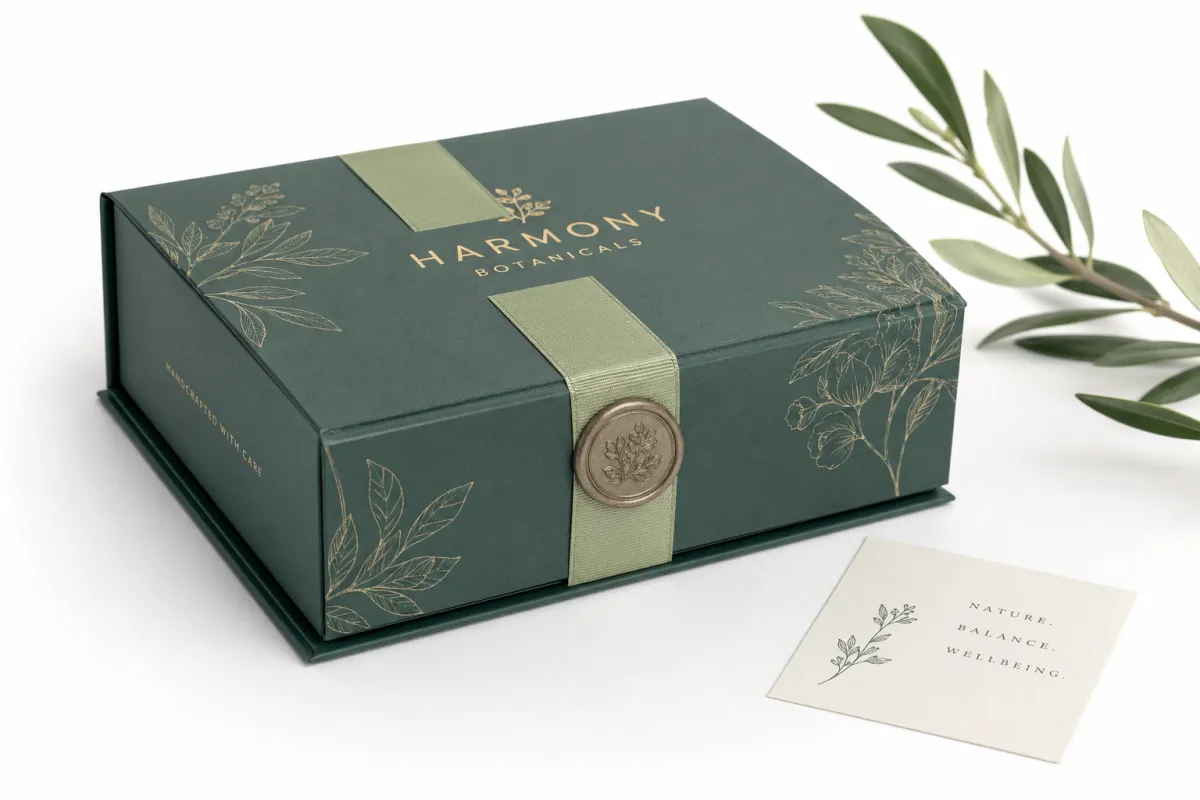
Seven seconds is not a magical number, but it is close enough to the window where people decide whether a box feels special. I have seen that judgment happen faster in busy pop-up shops in London and Tokyo, where customers are already carrying bags and mentally sorting what stays, what gets gifted, and what gets forgotten. A rigid box with a soft-touch wrap and a clean magnetic closure tends to read as premium before the lid is even fully open. A thin mailer with a loose insert usually announces the opposite.
How to create gift worthy packaging starts here because the customer is not just evaluating the product; they are evaluating the care behind the product. If the first touch feels deliberate, the rest of the package gets more credit than it probably deserves. If the first touch feels flimsy, the brand has to spend the next thirty seconds climbing out of that hole. Customers are gonna notice that mismatch, even if they cannot explain why.
Gift worthy packaging is packaging built to be given, not just shipped. That sounds obvious, but plenty of product packaging is designed around logistics only. A carton might survive a 2,000-km freight route from Suzhou to Los Angeles and still feel generic in a gift setting. A better approach treats protection, presentation, and emotional payoff as equal requirements. If the structure does not make the opening feel intentional, the design has to work much harder to recover attention.
I remember standing beside a perfume line in Dongguan where the bottles were nearly identical, but one version shipped in a simple tuck box and the other in a two-piece rigid carton with a printed liner and a ribbon pull. The product inside was the same glass, same 50 ml fill weight, same atomizer. The retail team reported that shoppers described the second version as "heavier," "more expensive," and "more giftable" even though the actual difference in unit cost was only about $1.10 at 3,000 units. That is the hidden power of how to create gift worthy packaging: perception moves long before facts do.
Scent, texture, sound, and sequence all matter because memory is multisensory. A lightly textured uncoated stock can feel warmer than a glossy finish, especially on a 300 gsm paperboard sleeve. A firm tuck closure creates a tiny moment of anticipation. A product sitting in a precision-cut EVA or molded pulp insert looks curated instead of packed. That sequence matters for gifts, subscription boxes, and seasonal retail packaging because people remember the reveal, not just the contents. When the opening feels calm and paced, the brand feels more trustworthy. When it feels chaotic, the customer ends up doing mental cleanup work, which nobody wants.
"We thought the box was just a container until customers started posting 38 unboxings in the first week. Then we realized the packaging was part of the product story."
That quote came from a client who sold stationery sets through boutique stores in Portland and online bundles that shipped in master cartons of 24. Once they switched from a plain folding carton to a sleeve-and-drawer style, social sharing went up and returns for damaged corners dropped by 17 percent over one quarter. Not every brand needs that structure, but every brand does need to ask how to create gift worthy packaging that tells a story in the first few seconds instead of waiting for the customer to do the work. If the box cannot tell the story quickly, the customer will invent one, and that invented story is not always flattering.
How to Create Gift Worthy Packaging on Any Budget
There is a misconception that gift worthy packaging always means expensive packaging. That is wrong more often than it is right. The smartest spend usually goes to structure, opening mechanism, and interior presentation. Those three elements do more to shape perceived value than flooding the box with color or stacking on multiple finishes. If you are deciding how to create gift worthy packaging on a tight budget, start with the parts people touch first. Humans forgive a lot, but they do not forgive a box that feels flimsy in the hand at a trade show or on a dining table.
Where can you save without looking cheap? I would simplify outer graphics before I would weaken the structure. A single-color logo on a well-made box often feels more confident than a crowded print layout on thin board. I would also reduce insert complexity before I would reduce product stability. A clean paperboard insert can do the job of a bulky custom tray if the fit is accurate to within 1 to 1.5 mm. That matters in retail packaging, where every millimeter of wasted space adds shipping cost and visual clutter. Also, nobody ever unboxed a rattling product and said, "What a chic sound."
| Packaging Option | Typical Unit Cost | Best Use Case | Gift Worthy Signal |
|---|---|---|---|
| Stock box + custom label | $0.15-$0.42 at 5,000 units | Starter kits, low-risk launches | Moderate if the label is clean and the fit is tight |
| Printed folding carton + insert | $0.42-$1.20 at 3,000 units | Beauty, accessories, small electronics | Strong when the closure and insert are well designed |
| Rigid two-piece or drawer box | $2.15-$6.20 at 1,000 units | Luxury gifts, premium sets, holiday programs | Very strong due to weight, structure, and reveal |
| Fully custom magnetic box | $2.95-$8.10 at 1,000 units | High-end retail, limited editions | Excellent if the closure feels crisp and durable |
Those numbers are ballpark, but they are realistic enough to help you think like a packaging buyer in 2025. A small run of 500 rigid boxes can land in a very different cost band than 5,000 folding cartons because setup, tooling, and labor get spread across fewer pieces. Specialty finishes also move pricing faster than people expect. Soft-touch lamination, foil, embossing, and specialty dies each add cost, and freight can surprise you if the carton is larger than the actual product needs. I have watched a "small" box become a not-so-small line item the moment the shipping quote landed on the desk in Houston.
If your goal is how to create gift worthy packaging without wasting spend, the first question is usually not the finish list. It is the structure.
Teams often get stuck comparing quote totals instead of perceived value. A box that costs $1.20 more but lifts customer satisfaction and giftability may be the better buy. If you are choosing between features, I would rather see one premium cue executed well than four cues fighting each other. One foil mark on the lid, for example, can do more than a full surface of busy print because the eye reads confidence faster than clutter. A plain one-color mark can feel kinda expensive if the board, fit, and opening are right.
What Makes Packaging Feel Gift Worthy: Materials, Structure, and Finish
Gift worthy packaging depends on three layers working together. The first is material, which sets the physical feel. The second is structure, which shapes the reveal and protects the product. The third is finish, which gives the customer a visual cue about care and price point. Miss one, and the package starts to wobble emotionally, even if it ships perfectly.
Materials matter because people read weight as seriousness. A 1200gsm rigid board feels different from a 600gsm folding carton, and the difference is not subtle. Paper stock also changes the mood. Matte uncoated stocks feel calmer and more tactile. Gloss feels sharper and more commercial. Soft-touch lamination sits in the middle and can be useful, though too much of it can turn a box into something vaguely slippery and expensive-looking in a way that does not always suit the brand.
Structure matters because opening is part of the story. Two-piece lift-off lids feel ceremonial. Drawer boxes create suspense. Magnetic closures deliver a crisp snap that many customers associate with higher value, especially for beauty, accessories, and small gift sets. If you are making mail-ready packaging, the outer shipper and the inner gift box should be doing different jobs. The outer layer should protect; the inner layer should impress. Mixing those roles usually makes both weaker.
Finish should support the product, not show off for its own sake. Foil, embossing, debossing, spot UV, and edge painting can all be effective, but only if they fit the brand language. A skincare brand can look credible with an understated blind deboss and a clean matte wrap. A holiday confectionery line can handle brighter color and a metallic accent. If you pile on finish after finish, the box starts to look like it is trying too hard, and customers can feel that. They may not say it out loud, but they feel it.
I have seen brands add three finishes to rescue a weak box. It rarely works. The structure still feels average, and average is stubborn.
What does work? Fit. Sound. Sequence. A lid that opens with just enough resistance, an insert that keeps the product centered, and a finish that looks intentional under store lighting and kitchen lighting alike. That is the practical side of how to create gift worthy packaging. Fancy is not the same as thoughtful.
Step-by-Step Guide to Building Gift Worthy Packaging
If you are starting from scratch, do not begin with artwork. Start with the experience you want the customer to have in the first minute.
- Define the moment of arrival. Decide whether the package is meant to feel celebratory, calm, luxurious, playful, or seasonal. That choice shapes everything else.
- Measure the product precisely. Include tolerances, closures, and any accessory items. A 1 mm mistake on paper can become a sloppy fit on the table.
- Choose the structure before the print. Rigid box, folding carton, sleeve, mailer, drawer, or magnetic closure each sends a different signal.
- Select the insert based on motion. If the item can shift, click, scratch, or topple, fix that first with paperboard, molded pulp, EVA, or a wrapped tray.
- Keep the opening sequence clean. The customer should know where to start and what happens next. Confusion kills delight faster than a dented corner.
- Use finish sparingly. One excellent cue beats a handful of average ones. A foil logo, a soft matte wrap, or an embossed seal is often enough.
- Test the box in real conditions. Put it on a retail shelf, in a shipping carton, and in someone else’s hands. Packaging that looks good on a CAD render can feel awkward once it exists.
That last step matters more than it sounds. I have seen beautiful prototypes fail because the lid needed two hands, the insert pinched the product label, or the package looked premium but opened like a stubborn old suitcase. A box can be engineered well and still feel kinda ordinary if the reveal is flat. The proof is always in the physical sample, not the render.
For Brands That Sell gifts seasonally, I also recommend checking the unboxing with gloved hands, cold hands, and rushed hands. That sounds dramatic, but it is how customers actually interact with packaging in December, in a car, or during a dinner party. If the system only works in a studio, it is not ready.
Cost, Pricing, and Timeline: What Gift Worthy Packaging Actually Takes
Packaging timelines are usually longer than teams want and shorter than the fear spirals suggest. For a custom printed folding carton, the process can take 2 to 5 weeks after artwork approval if the vendor already has the stock and die lines in place. Rigid boxes and magnetic closures take longer, especially if you need custom inserts, specialty wraps, or imported materials. Add another week or two if you are revising structure after sampling. If anyone tells you a premium box is ready "next Tuesday," check the details twice.
Cost is affected by quantity, size, board grade, finish, insert type, and freight. A product that fits into a compact carton may ship cheaply and still feel premium if the reveal is done well. A large box with too much empty space can eat margin fast. That is one of the quiet truths of how to create gift worthy packaging: bigger does not mean better, and sometimes it means more corrugate, more air, and more cost.
I have seen brands spend money in the wrong order. They approve foil before they solve fit. They approve fit before they solve transport. They approve transport before they solve the shipping method. That sequence sounds innocent, but it is how a packaging project ends up looking expensive and still failing the customer test.
There is also a trust issue here. If the package appears luxurious but arrives damaged, customers feel tricked. That is why I always tell clients to budget for drop testing, compression testing, and transit sampling, even on smaller launches. A gift box that cannot survive delivery is not gift worthy. It is just expensive.
A practical pricing rule: if the box is part of the product experience, it belongs in the product margin model from day one. Do not treat packaging as an afterthought expense. It is a revenue decision, a damage-prevention decision, and a brand-perception decision all at once. That is not marketing fluff. It is basic unit economics.
Common Mistakes That Make Gift Worthy Packaging Feel Ordinary
The most common mistake is overdesigning the outside and underdesigning the inside. Customers see the shell first, sure, but they remember the reveal. If the outer print is beautiful and the insert is loose, the package still feels unfinished. One weak detail can flatten the whole experience.
Another mistake is copying luxury cues without understanding why they work. Foil is not magic. Black is not automatically premium. A ribbon is not a substitute for structure. These things can help, but only if they support the product and the audience. A baby product in a velvet-black rigid box may look elegant to a designer and slightly strange to a parent. Context matters.
Brands also get into trouble by making the box too hard to open. I have seen a magnetic flap so strong that customers had to pry it apart like a stubborn clamshell. That is not luxury. That is friction in a nicer outfit. The goal is a controlled reveal, not a wrestling match.
Then there is the opposite problem: boxes that open too loosely, with inserts that wobble and lids that drift. If the product shifts, the perceived quality drops immediately. Even a tiny rattle can make a premium item feel bargain-bin. Humans are very sensitive to sound, especially when the package is supposed to feel special. A little noise says carelessness faster than a printed promise ever can.
Sustainability can be misused here too. Some teams switch to recycled board and assume the job is done. The material choice is good, but it does not excuse a weak structure or a noisy insert. On the other hand, you do not need a heavy rigid box for every product. If the item is light, durable, and shipping far, a thoughtfully designed folding carton may be the smarter choice. Responsible packaging is not the same as fancy packaging, and pretending otherwise leads to waste.
Finally, teams sometimes forget the customer who is doing the gifting. That person is part of the user experience. If the package is hard to carry, hard to store, or awkward to hand to someone else, it misses the social job it was supposed to do. The best gift worthy packaging works in the store, in transit, and at the table. Three settings. One consistent impression.
How to Create Gift Worthy Packaging: Next Steps Before Launch
If I had to reduce the entire process to one practical sequence, it would be this: solve fit, solve opening, then solve finish. That order protects both budget and perception. It also keeps teams from decorating a packaging problem instead of fixing it.
Before launch, I would ask for three physical samples: one for shelf appearance, one for ship testing, and one for actual gifting. Those are not the same test. A package can photograph well, survive transit, and still feel awkward in a hand-off moment. Real gifting is social. The box has to survive the room, not just the warehouse.
I would also keep one honest question in the room: does this package feel like the product price I am asking for? If the answer is no, the fix is usually not more graphics. It is either better structure, tighter fit, or a simpler design that allows the materials to carry more weight. That is the part most teams only learn after a few expensive rounds of sampling.
For brands launching seasonal or limited-edition packaging, there is a final sanity check. Ask whether the box still feels right if the customer keeps it. Some packaging gets thrown away in five seconds. Some lives on a dresser, in a closet, or on a shelf for months. The second kind has to earn its place. That is a high bar, but it is also a useful one.
So here is the clearest takeaway on how to create gift worthy packaging: start with the hand, not the render. Choose a structure that feels substantial, an insert that holds the product still, and a finish that supports the story instead of shouting over it. If the box opens with intention, the gift already feels more valuable before the product is even seen.
Decision checklist before ordering
- Measure the real product and confirm how it will be packed, displayed, stored, and shipped.
- Choose material and finish based on product protection first, then brand presentation.
- Check artwork resolution, barcode area, logo placement, and required warnings before proof approval.
- Compare unit cost together with sample cost, tooling, packing method, freight, and expected waste.
- Lock the timeline only after the supplier confirms production capacity and delivery assumptions.
FAQ
What is the cheapest way to make packaging feel gift worthy?
Start with a clean stock box, a well-fitted insert, and one strong visual cue such as a label, seal, or ribbon pull. Cheap and generic are not the same thing, and the difference usually lives in fit and finish.
Do I need a rigid box for gift worthy packaging?
No. Rigid boxes feel premium, but a well-designed folding carton can still feel giftable if the board, insert, and opening sequence are handled carefully. The right choice depends on product value, shipping method, and audience expectations.
Which finish looks most expensive?
There is no universal winner, but soft-touch lamination, subtle foil, blind embossing, and edge painting often read as premium because they feel deliberate. Too much of any one finish can backfire.
How much should I budget for custom packaging?
That depends on volume and structure, but a rough range for premium packaging can run from under a dollar for printed cartons to several dollars for rigid or magnetic boxes. Freight, inserts, and sampling can shift the total more than many teams expect.
What is the single biggest mistake in gift worthy packaging?
Treating appearance as the whole job. If the product rattles, the lid opens badly, or the box feels flimsy in the hand, the design loses credibility fast. The customer may not know why, but they will feel it.