Buyer Fit Snapshot
| Best fit | create memorable unboxing experience buyer review for packaging buyers comparing material specs, print proof, MOQ, unit cost, freight, and repeat-order risk where brand print, material, artwork control, and repeat-order consistency matter. |
|---|---|
| Quote inputs | Share finished size, material target, print colors, finish, packing count, annual reorder estimate, and delivery region. |
| Proofing check | Approve dieline scale, logo placement, barcode or warning zones, color tolerance, and any recyclable or compostable wording before bulk production. |
| Main risk | Vague material claims, crowded artwork, or missing packing details can create delays even when the unit price looks attractive. |
Fast answer: Create Memorable Unboxing Experience Buyer Review: Dieline, Finish, Proof, and Buyer Review should be specified like a repeatable production item. The safest quote includes material, print method, finish, artwork proof, carton packing, and reorder notes in one written spec.
What to confirm before approving the packaging proof
Check the product dimensions against the actual filled item, not only the sales mockup. Ask for tolerance on folds, seals, hang holes, label areas, and retail display edges. If the package carries a logo, QR code, warning copy, or legal claim, reserve that space before decorative graphics fill the panel.
How to compare quotes without losing quality
Compare board or film grade, print process, finish, sampling route, tooling charges, carton quantity, and freight assumptions side by side. A lower quote is only useful if the supplier can repeat the same color, closure quality, and packing count on the next order.
When I first walked a Shenzhen packing line for a beauty client in Guangdong, the owner told me he was spending $1.80 more per order to upgrade the box, inserts, and tissue. His finance team hated it. Then repeat purchases climbed because customers felt like they had opened something worth keeping, not something that arrived from a warehouse with a pulse. I remember thinking, very bluntly, “Well, that solved itself faster than anyone expected.” That is the real lesson behind how to Create Memorable Unboxing experience: the box is not decoration. It is part of the product story, especially when the order lands in Los Angeles, London, or Sydney and the first touch happens in under 10 seconds.
If you want how to Create Memorable Unboxing Experience to actually drive sales, you need to think beyond “pretty box.” You are shaping customer perception from the first touch to the first product reveal. That moment affects perceived value, word-of-mouth, social sharing, and yes, refund anxiety. I have seen a plain white mailer make a $72 candle feel like a grocery item, and I have seen a structured branded package make a $24 skincare set feel like a gift. Same product. Different brand identity. Huge difference in brand recognition. Honestly, I think people underestimate how much packaging acts like a loud first impression, especially when a customer compares your box to a competitor’s generic kraft mailer that cost $0.39 a unit.
Memorable does not mean expensive. Honestly, that is what most brands get wrong. A memorable unboxing experience is intentional, consistent, and matched to the brand story. If your website says “premium,” your box should not look like it was chosen by a tired intern and a discount code. If your brand is eco-conscious, don’t wrap everything in glossy plastic because it looked fancy in a mockup. Customers notice. They may not know the exact board grade, but they absolutely feel the difference in visual branding and brand consistency. I’ve sat through enough packaging reviews to know that people will forgive a lot, but they will not forgive a brand acting like its own packaging never met the marketing team, especially after a $12,000 packaging budget and a six-week approval cycle in Chicago or Manchester.
How to Create Memorable Unboxing Experience: Why It Matters
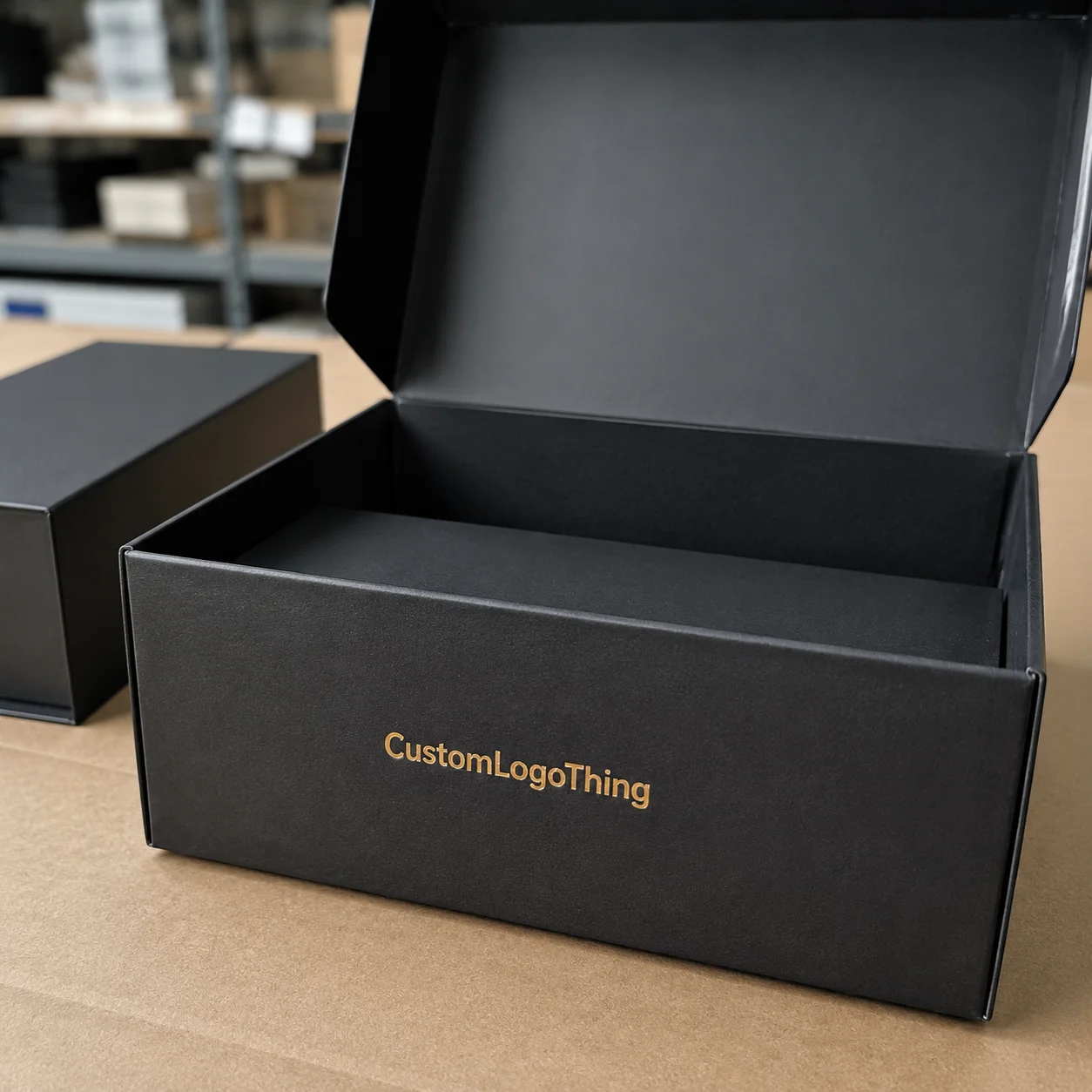
How to create memorable unboxing experience starts with one truth: people buy with emotion, then justify with logic. Packaging is the first physical proof that the brand did what it promised online. The outer box, the tape, the print quality, even the sound of a lid lifting off a rigid setup box—those details shape the customer’s first emotional response before the product ever gets touched. A 350gsm C1S artboard sleeve with a clean matte finish sends a very different signal than a thin 250gsm folding carton with scuffed gloss ink and crushed corners from a 1,200-mile freight trip.
I learned this the hard way during a supplier meeting in Dongguan, where a client wanted to save $0.22 per unit by switching from a 350gsm coated box to a lighter 300gsm board on a 5,000-piece run. On paper, it looked harmless. In hand, the box flexed, corners crushed in transit, and the customer comments started saying things like “cheap-looking” and “not as described.” The product was fine. The packaging killed trust. That is why how to create memorable unboxing experience is not fluff; it is revenue protection. I still remember the client staring at the crushed sample like it had personally insulted his family.
A plain mailer says “we shipped this.” A structured branded package says “we thought about your order.” That shift changes customer perception. It also lowers the mental friction that happens when a buyer wonders whether the item is worth the price. When the package feels organized and deliberate, the customer feels better about the purchase. Simple psychology. Expensive to ignore, especially if your average order value sits at $48 and one bad presentation can push a buyer to the competitor in Austin, Toronto, or Berlin.
Client note from my files: one subscription brand I worked with increased repeat purchases after moving to a tighter-fit mailer, printed insert card, and soft-touch sleeve. The package cost rose by $1.80 per order on a 2,000-order monthly volume, and customers started posting unboxing clips without being asked. That is how to create memorable unboxing experience in real life, not in a mood board. I wish every packaging decision came with that kind of clean payoff, but of course it never does, especially when the factory is in Xiamen and the brand team is trying to approve artwork at 11:47 p.m.
There is also the social angle. A memorable unboxing experience can turn a single order into a piece of content. People film reveals that feel special, tidy, and visually satisfying. They do not post messy tape jobs, crushed corners, or filler stuffed in like someone panicked in a shipping room. If you want shares, you need a package that gives the camera something to admire in the first three seconds. Otherwise the only thing getting shared is the customer’s irritation, and that does not help a launch in New York, Milan, or Dubai.
How the Unboxing Experience Works in the Customer Journey
How to create memorable unboxing experience gets easier when you stop treating it like one moment. It is a chain. The chain starts when the box lands at the door and ends when the buyer either keeps the product, shares it, or quietly forgets it. I usually break the journey into five stages: shipping arrival, opening, product reveal, first use, and post-purchase share or review. In practice, those five stages can happen across 30 seconds or 30 days, depending on whether the box ships from Guangzhou, Ho Chi Minh City, or a regional co-packer in Ohio.
Stage one is arrival. This is where the outer packaging carries the first job: look clean, ship safely, and signal the brand fast. Stage two is opening. That is where the box sound, tape placement, and opening motion matter. Stage three is the reveal. The product should sit well, not tumble out like loose hardware. Stage four is first use. If the product is protected and organized, the customer starts with confidence. Stage five is the review or share. If the package felt special, it has a much better chance of showing up on Instagram, TikTok, or a review page within 24 to 72 hours of delivery.
The sensory triggers are not mysterious. Visual hierarchy matters most. If the logo is buried, the brand gets ignored. If the colors clash, the experience feels cheap. Texture matters too. A 157gsm matte art paper sleeve feels different from a slick, high-gloss board. Sound matters more than people admit. A sturdy lid opening with a soft pull tab feels premium. A sloppy crackle of over-taped flaps does not. Scent neutrality matters as well; nobody wants packaging that smells like solvent, unless the product is a solvent, which I do not recommend for skincare brands. I once opened a sample shipment that smelled so aggressively like glue I had to leave it on the balcony for an hour. Not exactly a mood-enhancing brand moment, especially in a 22°C apartment with no ventilation.
Here is a simple framework I use when helping clients map how to create memorable unboxing experience:
- Outer packaging: mailer, shipper, label, and first visual impression.
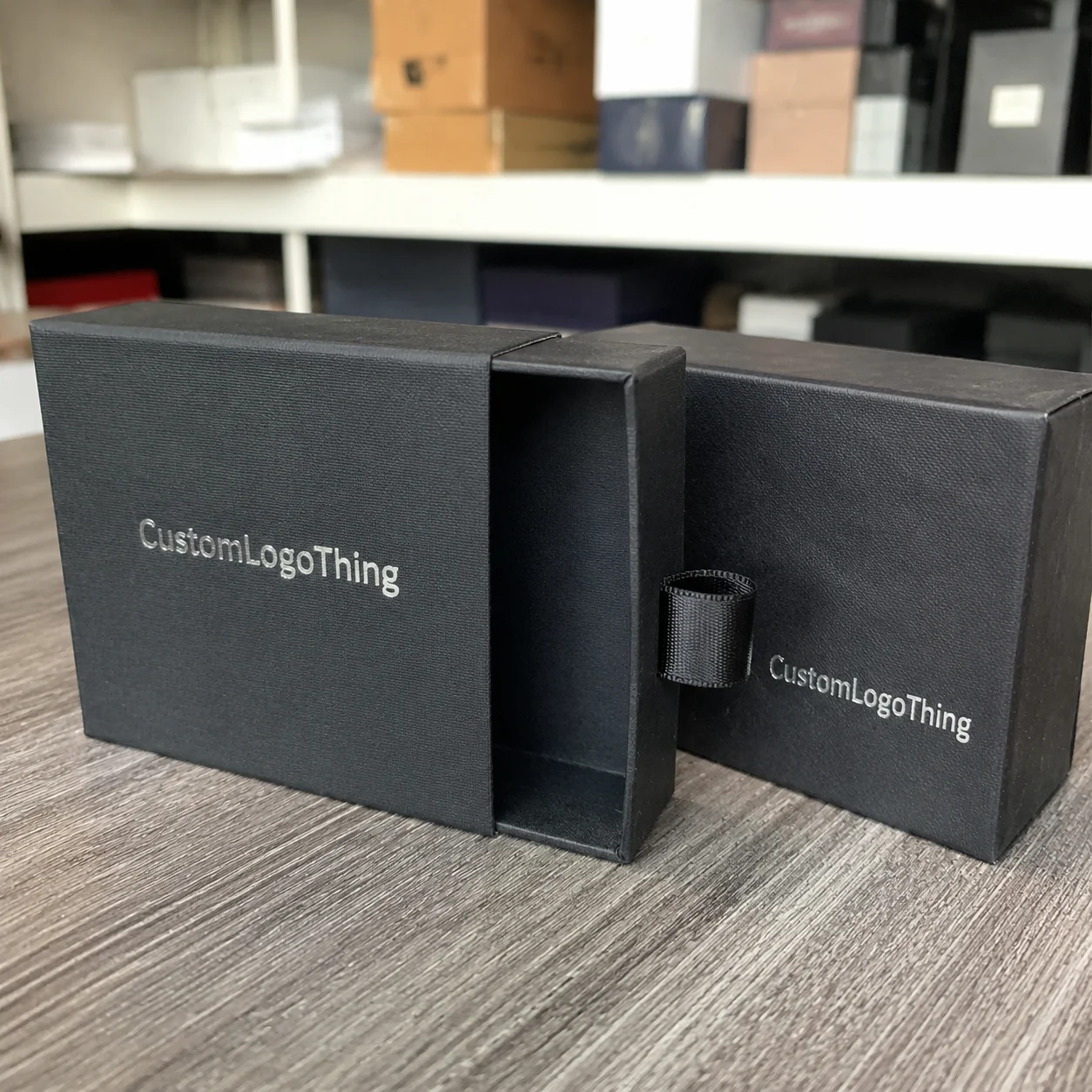
- Inner packaging: printed box, tray, sleeve, or divider structure.
- Printed inserts: thank-you card, care sheet, QR code, return instructions.
- Cushioning: tissue, molded pulp, paper void fill, or custom-fit inserts.
- Final reveal: product placement, seal, and first-use presentation.
Different categories need different priorities. Cosmetics usually want presentation first, protection second. Electronics usually want protection, structure, and anti-static considerations first, with presentation layered in afterward. Food and beverage need freshness, compliance, and shipping durability before anyone starts obsessing over foil stamping. That is not glamorous, but it is reality. How to create memorable unboxing experience depends on what the product actually needs to survive the trip, whether that trip is 3 miles by courier in Berlin or 6,000 miles by ocean freight into Long Beach.
For references on shipping performance and sustainability tradeoffs, I often point clients to ISTA for transit testing and EPA recycling guidance when choosing paper-based materials. Fancy packaging is pointless if it arrives damaged or creates unnecessary waste. I say that with affection, but also with a little bit of exasperation because someone, somewhere, will still try to ship a delicate product in a box that behaves like a paper napkin, usually after saving $0.08 per unit and calling it “efficiency.”
Key Factors That Shape a Memorable Unboxing Experience
If you want how to create memorable unboxing experience to hold up under real customer use, you have to get the fundamentals right. Pretty designs fail fast when the structure is weak, the fit is sloppy, or the brand message feels disconnected from the product. I have watched brands spend $3,500 on artwork and then ruin the whole thing with a box that was 8 mm too loose. That is not branding. That is a mismatch, and it usually shows up in a warehouse in Shenzhen or a fulfillment center in Columbus before it shows up in the customer’s living room.
Brand consistency is the first factor. Your packaging colors, logo placement, and typography should match the website, email templates, and product positioning. If your Shopify store looks calm and premium, your box should not scream discount warehouse. Consistency builds trust and supports brand recognition over time. The customer should know it is your package before they even read the logo. I honestly think this is one of the easiest places to lose credibility, which is a ridiculous thing to lose over a box, but here we are, watching brands do it every quarter.
Material quality comes next. A 2.5 mm rigid box wrapped in soft-touch paper will feel very different from a thin folding carton with no coating. Corrugation grade matters for shipping strength. E-flute is common for lighter products, while B-flute and custom double-wall structures show up more in heavier or fragile shipments. Coating matters too. A matte aqueous coat gives a calmer look. Gloss can feel louder, but it also shows fingerprints and scuffs faster. I usually tell clients that material quality is one of the easiest ways to improve customer perception without redesigning the whole system, particularly if the carton is produced in Dongguan or Yiwu and the final pack-out happens in a 20,000-square-foot facility.
Functional fit is where many brands mess up. If the product rattles, shifts, or arrives packed with so much void fill that the customer has to dig through a paper avalanche, the package feels inefficient. I once had a home goods client insist on “luxury nesting.” The result was a box so oversized that their team used nearly 40% more filler than needed. The shipment looked expensive and felt wasteful. Customers called it “overpacked.” Not the compliment they wanted. I remember the packing manager laughing through gritted teeth, which is a very specific type of workplace pain that tends to appear after a 9 a.m. sample review and a noon shipping cutoff.
Personalization can make a package feel human without blowing the budget. Inserts, QR codes, handwritten-style notes, and seasonal messaging all help. A simple card that says, “Made for your order in our Shenzhen facility” can feel surprisingly warm if the tone matches the brand. Just do not fake intimacy in a way that feels greasy. Customers can smell copywriting trying too hard. It is like wearing cologne into a small elevator and pretending nobody notices, especially when the insert was printed on 300gsm uncoated stock and the rest of the package is screaming luxury.
| Packaging tier | Typical components | Approx. cost per order | Best for |
|---|---|---|---|
| Low-cost upgrade | Printed sticker, tissue, thank-you card | $0.18 to $0.65 | Starter brands, small batches |
| Mid-range branded system | Custom mailer, inserts, printed interior, belly band | $0.85 to $2.20 | DTC brands, repeat purchase categories |
| Premium custom structure | Rigid box, foam or pulp insert, foil, embossing, sleeve | $2.50 to $6.00+ | Luxury goods, gift sets, high AOV products |
Sustainability matters too. Recyclable materials, reduced void fill, and smart print choices can improve trust without ruining the experience. FSC-certified paper can be a strong signal for brands that care about responsible sourcing. If you want to look into certification standards, the FSC site is the place to start. I have seen buyers pay a little extra for recyclable or FSC-certified components because it aligned with their values and their customer base. That is not charity. That is smart positioning, especially when a quote from a supplier in Tianjin comes in only $0.06 higher per unit than a non-certified option.
How to Create Memorable Unboxing Experience Step by Step
Now for the practical part. How to create memorable unboxing experience is not a mystery box. It is a process. A good one. The kind that saves money later because you test before you mass-produce 20,000 units and discover the lid clips into the wrong slot. I have seen that mistake in a plant outside Ningbo, and it is deeply unromantic to watch a pallet of beautiful boxes become expensive waste.
Step 1: Audit the current unboxing flow. Order your own product. Yes, your own. Do not rely on photos from the supplier. Time every action from delivery to first reveal. Note how long it takes to open, whether the box dents in transit, and whether the product sits nicely. I once timed a client’s kit at 3 minutes and 40 seconds from cut tape to final reveal. The issue was not the product. It was that the package had six separate folds, two stickers, and a card tucked somewhere nobody could find without instruction. That is friction, not excitement.
Step 2: Define the emotional goal. Decide whether you want luxury, excitement, trust, surprise, simplicity, or a gift-like feel. If you are selling clinical supplements, you probably want trust and order. If you are selling a limited-edition candle set, you may want surprise and delight. The package should reflect that goal in structure, color, and messaging. How to create memorable unboxing experience depends on matching emotion to audience, not copying what a jewelry brand did on TikTok last week.
Step 3: Choose packaging components in order. Start with the shipper, then the inner box, then inserts, cushioning, printed messaging, and finishing details. Do not start with foil and then wonder where the product fits. Structure first. Decoration second. A common mistake is spending budget on one beautiful component and forgetting the system around it. If the outer carton is weak, the whole experience falls apart in transit, usually after a 16-hour truck route from a factory in Guangzhou to a port warehouse.
Step 4: Build a prototype. Make a sample. Fold it. Tape it. Drop test it if you can, or at least run a mock shipping test with a real courier. Check fit, protection, and visual impact. I have seen a prototype save a client $11,000 in reprints because we found a tray misalignment before production. That one sample paid for itself many times over. It also spared everyone from pretending a bent insert was “probably fine.” It was not.
Step 5: Align artwork, dielines, and production requirements. This is where people lose time and money. The artwork team wants one thing. The factory wants another. The printer wants a flattened dieline, exact bleed, and a print-ready file that is not built like a ransom note. Your supplier needs dimensions, material specs, finishing details, and packing instructions before they quote accurately. If you need consistency across a larger run, ask for the carton style, paper stock, and insert tolerance to be written into the spec sheet. For example: 350gsm C1S artboard, 1.5 mm greyboard for rigid components, and a ±1.5 mm tolerance on the insert tray.
Step 6: Run a small batch and refine. A 500-piece run is often smarter than jumping to 5,000 on day one. Gather customer feedback, track damage rates, and pay attention to what people actually mention in reviews. If your customers keep saying “felt luxe” or “loved the packaging,” you are on the right track. If they say “too much plastic” or “hard to open,” adjust fast. How to create memorable unboxing experience is iterative. Anyone who tells you otherwise has probably never stood next to a packing table during a Monday morning rush in Dallas or a rainy Friday in Manchester.
One thing I always tell clients: if the packaging is supposed to be part of the brand, then the pack-out instructions need to be part of the operations manual. A beautiful box that can only be packed by one person with very specific hand movements is not scalable. It is a factory-floor problem waiting to happen. And yes, I have seen that exact situation collapse the moment someone took a lunch break, leaving 800 units waiting on a table in Dongguan like a very expensive art installation.
Process and Timeline: What It Takes to Produce the Packaging
How to create memorable unboxing experience also means understanding the actual production timeline. Good packaging does not materialize because somebody emailed “urgent” in all caps. It moves through briefing, design, proofing, sampling, revisions, production, and shipping. Each stage has a job, and each stage can be delayed by a different kind of human behavior. Usually the same human behavior, honestly, especially when three stakeholders in different time zones are trying to approve one dieline at once.
A simple custom mailer with printed exterior and standard inserts can move fairly quickly if the size is locked and the artwork is ready. A more complex unboxing kit with a rigid box, foam or molded pulp insert, foil stamping, and multiple inserts needs more time because there are more components to align. As a planning rule, I tell clients to allow 12 to 15 business days from proof approval for straightforward packaging, and 20 to 35 business days for multi-piece custom kits with special finishing. Shipping time is separate, because the ocean and the truck drivers do not care about your launch date, whether the carton is traveling from Ningbo to Los Angeles or from Rotterdam to a warehouse in Paris.
Delays usually happen in the same places. Artwork approvals drag because somebody wants to “make the logo a little bigger,” which sounds harmless until the dieline has to be rebuilt. Material shortages happen when a specific board, coating, or insert stock is out. Custom inserts add time because tooling or cutting setups need checking. Last-minute size changes are the classic killer. I have seen a buyer increase product height by 6 mm after sampling and then act surprised when the tray no longer fits. Manufacturing is not mind-reading. If it were, I would charge more, and I would probably work from a beach in Hainan.
Sample approval is not optional if you care about consistency. Not for this kind of project. If the sample feels off by even a few millimeters, it will feel off at scale. The best suppliers understand this. A large manufacturer like WestRock can move quickly on standardized structures and large-volume needs, while a local converter in Chicago or Melbourne may offer tighter hands-on customization and faster back-and-forth on odd sizes. Stora Enso is another name clients often bring up when they want strong board options and sustainability conversations. None of these choices are automatically best. It depends on your volume, timeline, and how much hand-holding you want from the supplier side.
Here is how I usually compare speed versus customization in a real sourcing conversation:
- Standard structures: faster quoting, lower setup cost, easier reorders.
- Custom structures: stronger brand fit, more design freedom, more sampling.
- Local converters: quicker communication, sometimes higher unit cost.
- Global manufacturers: better scale pricing, often more lead time and stricter specs.
If your launch date is fixed, work backward. Give yourself a buffer. I like at least 10 extra business days on anything with custom inserts or premium finishes. That cushion has saved more launches than any “rush fee” ever has. How to create memorable unboxing experience is not only about design. It is about planning so the design survives production, customs clearance, and the final mile from a distribution hub in New Jersey or Frankfurt.
Common Mistakes That Kill the Unboxing Moment
A lot of brands want how to create memorable unboxing experience but sabotage themselves with avoidable mistakes. I have seen beautiful mockups die a slow death in the real world because someone got too cute with the design or forgot the package still has to survive shipping.
Overdesigning the opening. If the customer needs a degree in origami to get inside, the excitement disappears. A good opening should feel guided, not complicated. There is a difference between a reveal and a puzzle. Nobody wants a puzzle before coffee, especially not at 7:15 a.m. when the parcel has already spent 48 hours in transit.
Using weak materials. Cheap finishes and flimsy board can look fine on screen, then collapse in transit. Mockups lie. Freight trucks do not. If your corrugated board is too light for the product weight, the corners will crush and the experience will look tired before the customer even opens it. A 250gsm stock may work for a lightweight promo kit; it will not behave like a 2.5 mm rigid box wrapped on a 1,000-unit luxury run.
Adding too many elements. Extra inserts, extra cards, extra filler, extra everything. It becomes clutter. A package should feel designed, not stuffed. If you try to say seven messages at once, customers usually remember none of them. One clear note beats three competing pieces of “brand storytelling” every time, particularly when the insert card is printed on 350gsm C1S artboard and the tote bag already has enough copy on it.
Ignoring protection. This one is brutal. A lovely box with a broken product is still a failure. Damage wipes out any benefit from visual branding. The customer does not care that the foil stamping was expensive if the item arrived cracked. I always tell clients to pass or fail the package on two tests: visual impact and transit performance. If either one fails, the whole experience fails.
Forgetting operations. Storage space, labor time, and pack-out speed all matter. A package that takes 45 seconds longer to assemble can cost thousands across a year. I watched one cosmetics brand add a custom sleeve that looked beautiful but slowed fulfillment enough to require an extra part-time packer during peak season in Q4. That is a real cost. Not a theory. A real payroll line item.
For transit testing standards, I like sending clients to Packaging Corporation of America’s industry resources and ISTA documentation, because standards exist for a reason. You do not need to guess whether a structure will hold up when a driver tosses it on a porch. You can test it. And you probably should, unless you enjoy customer service tickets for no good reason, usually with photos that show a dented corner and a caption that says “disappointed.”
Expert Tips to Improve Unboxing Without Blowing the Budget
If you are serious about how to create memorable unboxing experience without torching margin, stop trying to make every part premium. That is how budgets get shredded. I would rather see one strong upgrade done well than five weak upgrades done badly. One embossed lid, a clean insert card, or custom tissue can carry more weight than a full suite of mediocre finishes, particularly on a 3,000-unit run where every extra cent matters.
Use one high-impact upgrade. Embossing, foil, soft-touch lamination, or a custom insert can create a strong first impression. Pick the feature customers actually see first. Hidden details rarely justify a huge spend unless your product category truly demands it. I once negotiated a package down by $0.42 per unit simply by moving foil from the entire lid to a centered logo mark. Same premium feel. Less waste. Less budget pain. Frankly, I love that kind of win because it feels like cheating, except it is just good planning.
Standardize sizes. The more SKUs you add, the more your costs creep up. Standard box sizes reduce tooling changes, simplify reorders, and make storage easier. If you can build a packaging family around two or three formats instead of seven, your supplier will thank you, and your operations team might actually smile for once. I have seen a brand in San Diego save 14% on packaging spend by consolidating five box sizes into three.
Negotiate smarter. Bundle print runs where possible. Ask about paper stock substitutions that preserve appearance but lower cost. Keep your design within a supplier’s standard processes when you can. The factories I worked with were happiest when clients understood that custom does not mean “ignore physics and price.” If you want better numbers, ask for options using 300gsm, 350gsm, and 400gsm board comparisons, then see what tradeoffs each one brings. On a 5,000-piece quote, the difference between 350gsm and 400gsm can be $0.09 to $0.15 per unit, depending on the finish and local labor in Shenzhen or Ho Chi Minh City.
Put money where the eye lands first. Customers notice the first visible layer, the product reveal, and the insert card before they notice the bottom of the tray. Spend accordingly. I have seen brands pour cash into the underside of a box and then wonder why nobody cared. Because the customer never looked there. Obvious, right? Yet people do it constantly, usually after approving a render rather than watching a physical sample open in real time.
Test low-cost touches first. Stickers, belly bands, printed interiors, and thank-you cards are cheap experiments. You can usually test these for under $0.25 to $0.60 per order, depending on print volume and finish. If the response is strong, then move up into custom structures. If not, you just saved yourself from an expensive mistake.
Track real metrics. Do not judge packaging by vibes. Track social shares, repeat orders, damage rates, review mentions, and support tickets. If your package looks beautiful but increases breakage or slows fulfillment, the design is failing the business. A good unboxing experience should help sales and operations, not create a branding trophy that lives in a slide deck. A 2% bump in repeat purchases matters more than a pretty deck from an agency in Manhattan.
One final tip from a very honest supplier negotiation in Ningbo: ask for packaging quotes in a way that forces comparison. For example, request the same design in 3 options—economy, mid-tier, and premium—using the same dimensions and print area. That gives you a clean view of where each dollar is going. It also stops vendors from “helpfully” upselling you into features you do not need. I’ve had more than one supplier try to slide in a fancy finish like they were sneaking a dessert onto the bill.
Frequently Asked Questions
How to create memorable unboxing experience on a small budget?
Focus on one or two visible upgrades, like custom stickers, branded tissue, or a printed thank-you card. Keep the fit clean so the product does not look like it was tossed into a random box. Use consistent colors and messaging instead of expensive materials everywhere. That is the cheapest way to make how to create memorable unboxing experience work without wrecking margin, especially if your target cost is under $0.50 per order.
What packaging elements matter most for unboxing experience design?
The first visible layer matters most, followed by protection, insert quality, and the final product presentation. Outer branding, interior printing, and fit all shape the customer’s first impression. Small details like seals and insert cards can outperform pricier but less visible upgrades. In practice, how to create memorable unboxing experience usually comes down to what the customer sees in the first five seconds, not what the factory added because it looked good on a quote sheet.
How long does it take to build a custom unboxing package?
Simple branded packaging can move faster than multi-piece custom kits, but sampling always adds time. Expect delays if artwork is not final or if inserts need separate tooling. The fastest projects are the ones where size, structure, and print specs are locked early. For most brands, how to create memorable unboxing experience should be planned weeks ahead, not days, and a realistic window is usually 12 to 15 business days from proof approval for basic runs.
What is the cheapest way to make packaging feel premium?
Use a matte finish, clean typography, and a strong color system. Add a single premium touch like embossing, foil, or a custom insert card. Make sure the product fits snugly; nothing feels premium about a package that rattles. If you want how to create memorable unboxing experience on a budget, fit and finish beat random extras every time, especially when the board is 350gsm and the insert tolerance stays tight.
How do I measure whether my unboxing experience is working?
Track repeat purchase rate, reviews mentioning packaging, social shares, and damage complaints. Compare customer feedback before and after packaging changes. If the package feels memorable but creates more returns or labor, it is not actually working. That is the hard truth behind how to create memorable unboxing experience: pretty only counts if it performs, and performance usually shows up in numbers like damage rate, reorder rate, and average handling time.
If you want the package to do real work for your brand, start with the customer’s hands, not your mood board. That is the practical answer to how to create memorable unboxing experience: build around the reveal, protect the product, keep the brand story clear, and choose details that support sales instead of vanity. I have seen the right box turn a routine order into a repeat buyer more times than I can count, and I have also seen a bad package make a good product feel forgettable. The difference usually comes down to planning, not luck, whether the box is made in Shenzhen, printed in Guangzhou, or assembled in a regional facility in Dallas.