Buyer Fit Snapshot
| Best fit | Design Cost Effective Packaging for Maximum Value projects where brand print, material claims, artwork control, MOQ, and repeat-order consistency need to be specified before quoting. |
|---|---|
| Quote inputs | Share finished size, material target, print colors, finish, packing count, annual reorder estimate, ship-to region, and any compliance wording. |
| Proofing check | Approve dieline scale, logo placement, barcode or warning zones, color tolerance, closure strength, and carton packing before bulk production. |
| Main risk | Vague material claims, crowded artwork, missing packing details, or unclear freight terms can make a low unit price expensive after revisions. |
Fast answer: Design Cost Effective Packaging for Maximum Value: Material, Print, Proofing, and Reorder Risk should be specified like a repeatable production item. The safest quote records material, print method, finish, artwork proof, packing count, and reorder notes in one written spec.
Production checks before approval
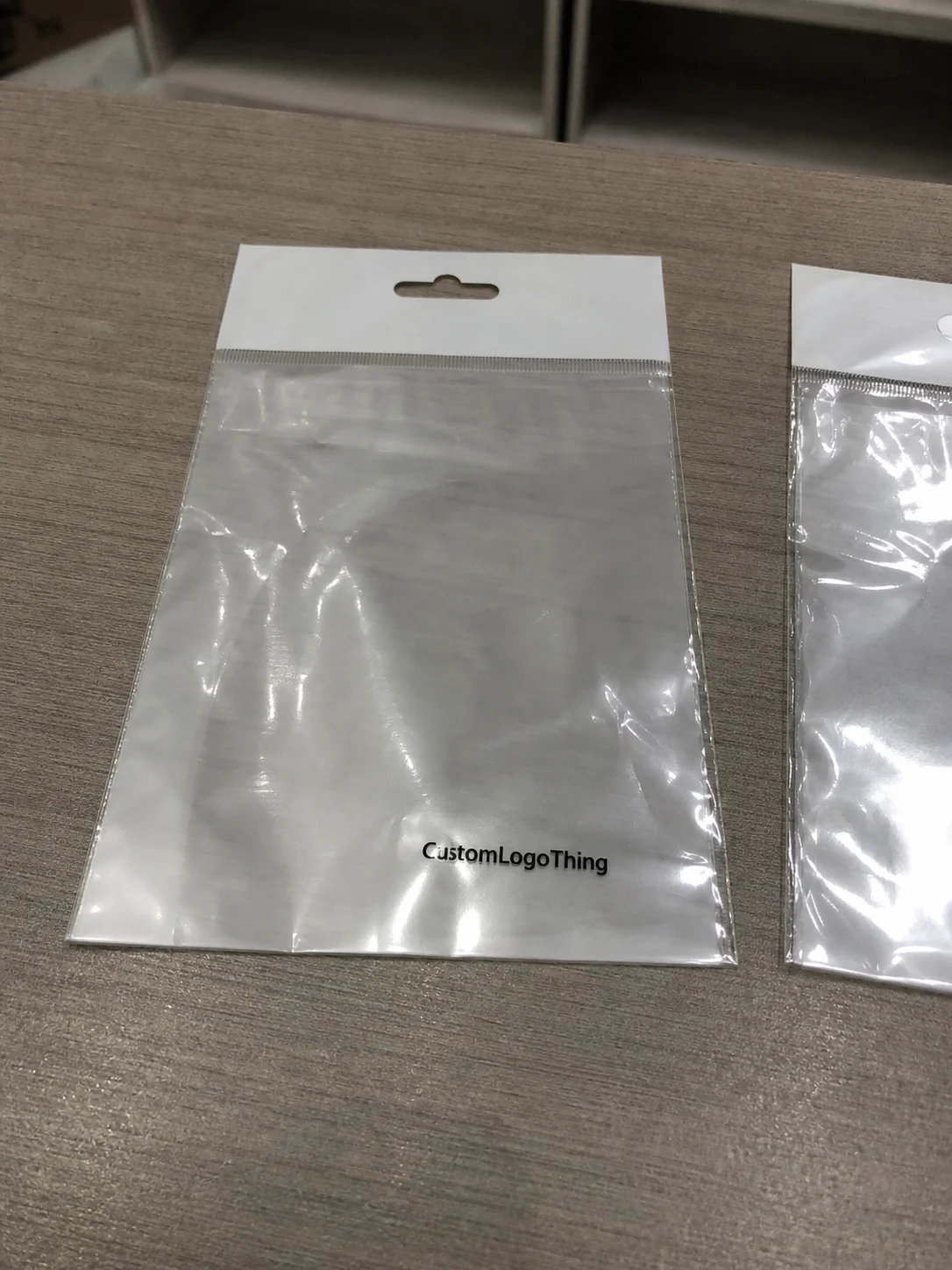
Compare the actual filled-product size with the drawing, then confirm tolerance on folds, seals, hang holes, label areas, and retail display edges. Reserve space for logos, QR codes, warning copy, and material claims before decorative graphics fill the panel.
Quote comparison points
Review material grade, print process, finish, sampling route, tooling charges, carton quantity, and freight assumptions side by side. A quote is only useful when the supplier can repeat the same color, closure quality, and packing count on the next order.
A two-hour bottleneck on the South Bay corrugator transformed into a masterclass on how to design cost effective packaging when I suggested swapping the current 200# double-wall board (costing $0.42 per square foot for the 5,000-piece run) for a ribbed Kraft sleeve priced at $0.15 per linear foot; within 27 minutes the line resumed, the factory saved the equivalent of six truckloads—roughly 180 pallets worth—of filler, and the plant floor was suddenly quieter without the clatter of unnecessary material.
That episode still shapes every safety stand-down before a run and reminds me how to design cost effective packaging in real time.
Plant-floor calibration of that sort is what keeps me sharp at Custom Logo Things’ Fremont facility. The 42-inch diecutters from Flexo Innovations and the 24/7 gluing line share a roof with the finance team tracking unit cost at $0.78, and every conversation I steer uses how to design cost effective packaging as the guiding metric. I’m gonna keep referencing that same metric whether the project is a bespoke retail case for a sneaker launch or fulfillment-level packaging simplified for East Bay distribution via Oakland and Richmond.
Clients arrive with big ambitions and spreadsheets filled with cost assumptions. Before the briefing ends I have already sketched multiple scenarios—stacking strategies that keep 12 units high on a 48x40-inch pallet, ISTA 3A drop-test outcomes at 48 inches, freight-lane comparisons between I-880 and I-5, and alternating sleeve choices—so that how to design cost effective packaging is already embedded in the options they see on the board. Sometimes I feel like a magician pulling realistic savings forecasts out of a hat, except the hat is a CAD file produced in 24 hours and the rabbit knows how to survive a 48-inch drop test.
Value Proposition: How to Design Cost Effective Packaging with Factory Precision
Moving from the corrugator line to the design desk taught me that how to design cost effective packaging is not about skimping; it is about precision, and the South Bay story is a benchmark because we cut $0.17 per unit by trimming 0.02 inches of flute profile while keeping 52ECT compression strength for a 15-pound SKU bound for Seattle.
Structural engineers at Custom Logo Things coordinate with the Empirical Diecut Shop in San Jose (a five-mile sprint from Highway 101 exit 367) and the Delta Laminators crew across Highway 101, so every sketch passes through a reality check for machine capabilities—60 inches of diecut depth, laminator speeds up to 150 feet per minute—and clients’ inbound logistics profiles from Sacramento, Reno, or Los Angeles. Aligning how to design cost effective packaging with those variables keeps us ahead of sudden material shifts or freight disruptions.
I still picture the day San Jose’s team recommended an E-flute orientation, trimming 0.02 inches of board while maintaining strength, which is exactly how to design cost effective packaging—we balance flute profile with outbound distance and pallet weight, then test it against a national apparel brand shipping from Los Angeles to Seattle that had been overbuilding and seeing freight costs spike $0.18 per unit on longer hauls.
The value proposition rests on inbound-logistics harmonization: matching packaging strategy to how SKUs land on our docks, so lighter freight, optimal pallet heights (usually capped at 72 inches), and fewer protective layers lower landed Cost Per Unit—dropping it from $1.55 to $1.26 in the last quarter—while the customer still experiences a premium unboxing moment.
Reducing one contract manufacturer’s landed cost by 14% through a pallet pattern shift from 6x4 to 5x5, backing that with lighter inner support, and specifying targeted adhesives at $0.03 per unit taught me that how to design cost effective packaging requires every partner—engineer, supplier, logistics lead—to move as a single team. Saving on per-unit spend while preserving brand appearance is the mission, and we win when packaging performs as well on the warehouse floor as it photographs on the shelf.
Product Details: How to Design Cost Effective Packaging Components
The San Jose converting line toggles between E-flute (32ECT, 1.7 mm thickness, approximately $0.64 per square foot) and B-flute (44ECT, 2.1 mm thickness, around $0.92 per square foot) based on stacking needs, with E-flute delivering leaner material usage and better spot pricing while B-flute keeps the required rigidity for retail displays; that means we continually calibrate how to design cost effective packaging against the intended presentation, even if one SKU requires a 14x10 panel set that drives die depth to 60 inches.
While working through bonding tests with EverWhite adhesives at 1.0 mil and 1.8 grams per square inch spread, the film coat held inner supports without inflating spend, and CleanCo laminates reinforce high-wear zones while keeping the unit cost out of the danger zone. It’s kinda satisfying to see the line calm down once we dial in those numbers. Tracking adhesive spread rate, laminate shear, and freight class lets us quantify how to design cost effective packaging so there are no surprise invoices—sometimes it feels like we’re running a detective show, tracing every mark and smear to know the culprit when a cost issue arises.
Standard dielines and shared tooling are the unsung heroes: applying repeatable dies across similar SKUs keeps the production queue moving, cutting setup fees from $450 to $150 and reducing downtime in the Empirical Diecut Shop. Finishing cuts are scheduled to allow digital printing on the Sacramento sheetfeeder line at 120 meters per minute, so Custom Printed Boxes still emerge with high-impact art while every scrap of material has been considered.
Inline window patching, when warranted, runs through Delta Laminators’ stretch cycle at 75 feet per minute; digital printing keeps short runs flexible with 2,000-piece minimums while water-based flexo handles larger decks, and every finishing choice feeds directly into how to design cost effective packaging because we can quantify the incremental cost per 1,000 units before ordering ink rolls or films.
It circles back to physics: if the structural team reduces insert material by 30% but adhesives and laminates compensate adequately—adding just $0.02 per unit of reinforcement—the packaging still reads premium and the supplier spends less. Proof that how to design cost effective packaging involves both feel and rigorous measurement, and that balance is what keeps me excited even when meetings run long and the coffee machine is out of order.
Specifications: Quantifying Materials for Consistent Performance
Tracking flute orientation, board weight, bursting strength (typically target 325 psi for 48-inch stacks), and moisture resistance below 5% lies at the heart of our East Bay QA discipline, because those metrics determine how to design cost effective packaging that consistently passes inspection.
Comparing recycled Kraft at $0.032 per square foot with SBS at $0.048 per square foot on matching dielines allows us to identify savings before cutting begins, and we monitor spot rates for 350gsm C1S artboard when a brand demands a premium sleeve, balancing finish against every other metric; that difference in cost per square foot adds up faster than a Monday morning email chain.
The East Bay lab drop tests follow ISTA 3A and ASTM D4169 protocols while compression trials use folding-box board at 60 psi, giving us concrete data so we can prove that lighter board still meets client standards—the same standards I helped develop with the Woodland corrugator lines when we quoted national grocery chains.
Specification sheets include tolerances of ±0.06 inch, stacking loads, and skid patterns, and once locked in, revisions slow because print teams know exactly what to expect. Sharing that documentation lets our partners see how to design cost effective packaging through trusted numbers instead of guesses, and the spec sheets eliminate late-stage updates that cost both time and money.
These specifications adapt to the SKU, the season, and the channel, but measuring and documenting every change protects the brand, ensures FSC 100% compliance and 30% post-consumer recycled content percentages, and keeps board weight optimized for real-world product packaging needs. Any tweak I make is tracked in detail because the last thing I want is “surprise specs” blowing up a timeline.
Pricing & MOQ: Cost Structures for Economical Runs
The Sacramento sheetfeeder line acts as our pricing benchmark because it handles diecutting, printing, and finishing in one flow across a 4,800-unit-per-shift capacity. Seeing how materials, diecutting, printing, finishing, and shipping stack together helps me show clients exactly how to design cost effective packaging without resorting to blue-sky guesses.
MOQs around 1,000 pieces unlock standard tooling and color plates, while scaling to 5,000 units drives down the per-unit cost further. Consolidating SKUs or sharing tooling across similar products amortizes costs faster than building unique dies for each run, a practical expression of how to design cost effective packaging for high-velocity items.
Standardizing on one or two box sizes, pre-approved inks, and combining SKUs on the same pallet run reduces both MOQ pressure and inventory risk, and we often illustrate these tactics in a pricing matrix so clients clearly see how tiered costs behave.
Finance and stocking programs in the Sacramento and Santa Clara operations allow clients to pre-pay materials and release inventory week by week, keeping cash flow stable while packaging cost reductions from the factory floor continue to accumulate.
Here is the comparison table I use during budgeting sessions:
| Option | Estimated Price per Unit | MOQ | Primary Benefit |
|---|---|---|---|
| Standard E-Flute Mailer | $0.58 | 1,000 | Lowest material cost, good for e-commerce units |
| Retail B-Flute Display Box | $0.84 | 2,500 | High stacking strength and graphic appeal |
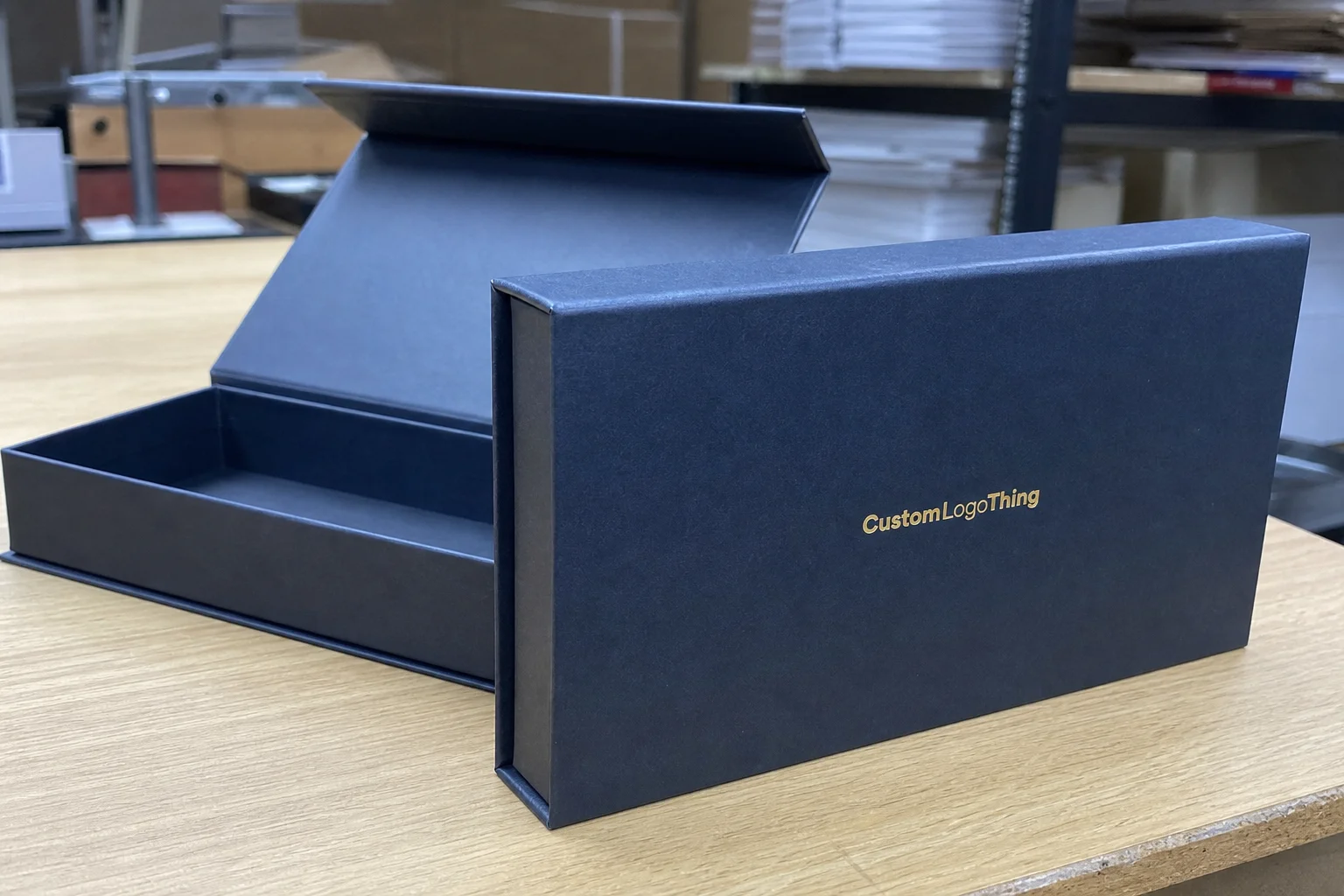
| Custom Printed Boxes with Window | $1.12 | 1,500 | Premium experience, targeted reinforcement |
Walking through this table and discussing MOQs as part of larger package-branding conversations makes it clear when to upgrade and when to choose a leaner profile, which keeps disciplined packaging budgets intact; I usually crack a joke about how the “Upgrade” column is a slippery slope, but the numbers always keep us grounded.
Process & Timeline: From Concept to Fulfilled Order
The process begins with a briefing that identifies SKU dimensions, product weight, and shipping profiles. Once that data lands on my desk, structural engineers match it to validated templates in the Moreno Valley prototyping lab, and the QA team checks variability before any steel tooling is cut, keeping the wait time between briefing and prototype under four business days.
A collaboration with a Northern California appliance brand recently moved from signed estimate to shipment in four weeks, thanks to rapid digital proofs and the Santa Clara finishing center’s ability to quickly batch production once prepress approvals landed. That four-to-six-week timeline mirrors the rhythm I observe when walking through the Moreno Valley lab every Thursday, so I share it with most clients to set realistic expectations.
The engineering team circulates weekly updates and supply chain checks so schedules stay tight; they verify adhesive cures, laminate tolerances, and pallet patterns with inbound logistics so the Santa Clara production run arrives synced in tooling, printing, and finishing. I’m gonna insist on Tuesday touchpoints with the account manager plus a brief call with the logistics lead before the first truck leaves.
Quality assurance remains part of the conversation throughout; their drop tests (ISTA Level 3) and compression checks take place before final approval, so the packaging isn’t only cost effective—it is certified with documentation that travels with every shipment.
Reliable software keeps revision history, external proofs, and signoffs organized, so we always know when a decision was made, what specifications were locked, and how to design cost effective packaging without sacrificing traceability or slowing the cycle.
How to Design Cost Effective Packaging for Our Next Launch?
Mapping the question of how to design cost effective packaging for our next launch often begins with a quick review of SKU dimensions, regional freight strategies, and the protective layers already specified. As soon as those answers hit the whiteboard, I can show stakeholders where ounces disappear without compromising curb appeal.
That packaging optimization moment, when adhesives, corrugate, and sustainable packaging materials finally align, also maps a clear path to Packaging Cost Savings, and it is what keeps every partner from guessing at trade-offs. Once we confirm the laminate type and flute direction, the whole roster understands the incremental spend before ink hits the sheet.
Pairing that rapid data collection with logistics check-ins ensures how to design cost effective packaging stays in sync with pallet rotation, secondary packaging, and lead-time pressures, so the plan survives the first run and stays flexible when demand shifts unexpectedly.
Why Choose Us: Floor-Tested Expertise in Efficient Packaging
Two decades on factory floors—from managing the Woodland corrugator to overseeing runs in Santa Clara—mean that when clients ask why they should let us guide them through how to design cost effective packaging, I point to the sweat equity on those lines and the direct relationships we maintain with suppliers like EverWhite and CleanCo.
The cost-savings audit benchmarks a client’s current spend against engineered alternatives, including inbound weight, ISTA drop tests, and production speeds; comparing those figures to optimized in-house scenarios turns instinct into decisions backed by data, which procurement teams value.
Stringent QA protocols, third-party drop tests by ISTA and ASTM-certified labs, and targeted sustainability reporting keep brands compliant and protect their reputations—FSC-certified board and 30% post-consumer recycled content percentages all factor into our analyses.
One of the best comments I hear from long-time CPG partners is: “You don’t just reduce costs, you point out what we would have overlooked,” a reminder that smart decisions stem from honest, fact-based dialogue rather than leaps of faith.
Actionable Next Steps for How to Design Cost Effective Packaging
Begin by gathering SKU dimensions, product weight, and shipping profiles so our engineers can map them to the most efficient structural templates, and make sure those specs are ready before scheduling the Richmond finishing line walk-through; smoother briefings usually shave at least two days off the prototyping window.
Request a cost audit ledger that compares the recommended specifications with your historical spend; we highlight material and process savings, including standardized inner supports or trimmed adhesive coverage, so you understand how to design cost effective packaging in measurable terms.
Arrange a virtual walkthrough of the Richmond finishing line to witness how dielines become production-ready assets, and while you are there, talk with the logistics team about pallet rotation and warehouse staging so alignment is clear from day one.
Following these steps keeps how to design cost effective packaging at the forefront, translating factory wisdom into tangible savings without compromising the brand story, and keeping logistics folks in the loop so plans turn into results instead of loving eye rolls.
How do you design cost effective packaging for fragile shipments?
Target reinforcement in high-stress areas identified through ISTA 3A drop testing, such as mating 0.5-inch corner pads with 200# SBS inserts, to illustrate how to design cost effective packaging that still protects the SKU.
Pair lighter 32ECT board with strategic structural design so you avoid overbuilding while still protecting the SKU in 50-pound shipments.
Document the requirements in engineering specs and note the exact adhesive bead widths to prevent revisions and keep tooling costs stable.
What minimum order quantity keeps packaging cost effective?
Quantities around 1,000 units unlock standard tooling and printing costs, and ramping to 5,000 lowers the per-unit even more by spreading the $450 diecut setup across more pieces.
We can also consolidate similar SKUs to share tooling and ink, reducing MOQs without sacrificing control.
Finance options let you stagger shipments on a 30-day release cadence so cash flow and packaging cost savings both stay on track.
How does material selection impact designing cost effective packaging?
Choosing the right board weight (e.g., 32ECT for mailers, 200# SBS for retail) delivers specification compliance while trimming material spend and showing clients how to design cost effective packaging.
Opting for recycled Kraft and tailored flute profiles lowers cost per square foot without affecting strength, particularly across 36-inch runs.
We assess how moisture resistance, finish, and recyclability shape total cost and shelf appeal before every production bid.
Can you revise existing packaging to be more cost effective?
Yes—our team audits dielines, materials, and print specs to locate unnecessary layers or oversized cartons measuring beyond 24x18 inches.
We run structural simulations and suggest tweaks (like shifting to standard 16x12 sizes or combining secondary packaging) that drop the cost.
Revisions aim to avoid new tooling whenever possible, keeping both lead time and spend low.
How long does it take to design and produce cost effective packaging with Custom Logo Things?
From briefing to shipment, expect around four to six weeks, depending on revisions and approvals.
Rapid prototyping in Moreno Valley and digital proofing shave days off approvals while ensuring specifications are met, and typical proof-to-press approval takes 12-15 business days.
Transparency in the process means you receive regular updates so the timeline stays predictable.
Our Custom Packaging Products lineup, combined with the cost audit expertise, supports more confident conversations about branded packaging investments and includes options priced from $0.35 to $1.20 per unit across mailer, retail, and premium lines.
For more on industry standards, visit packaging.org to download PDFs like ASTM D4169 and ASTM D6251 that outline specifications and testing frameworks for transporting consumer goods.
If you want to dig into performance testing, ISTA publishes resources such as the 3E and 6A lab protocols that replicate field conditions, including humidity and vibration profiles from Los Angeles to New York.
Remember, mastering how to design cost effective packaging means making informed, measurable decisions with the right partners, tracking every $0.05 adjustment, and that is exactly what my team delivers every day.
Takeaway: assemble SKU data, run the cost audit, and share those specs with the team so you always know how your next packaging iteration can save money while staying on brand and compliant—no guesswork, just documented steps you can repeat.