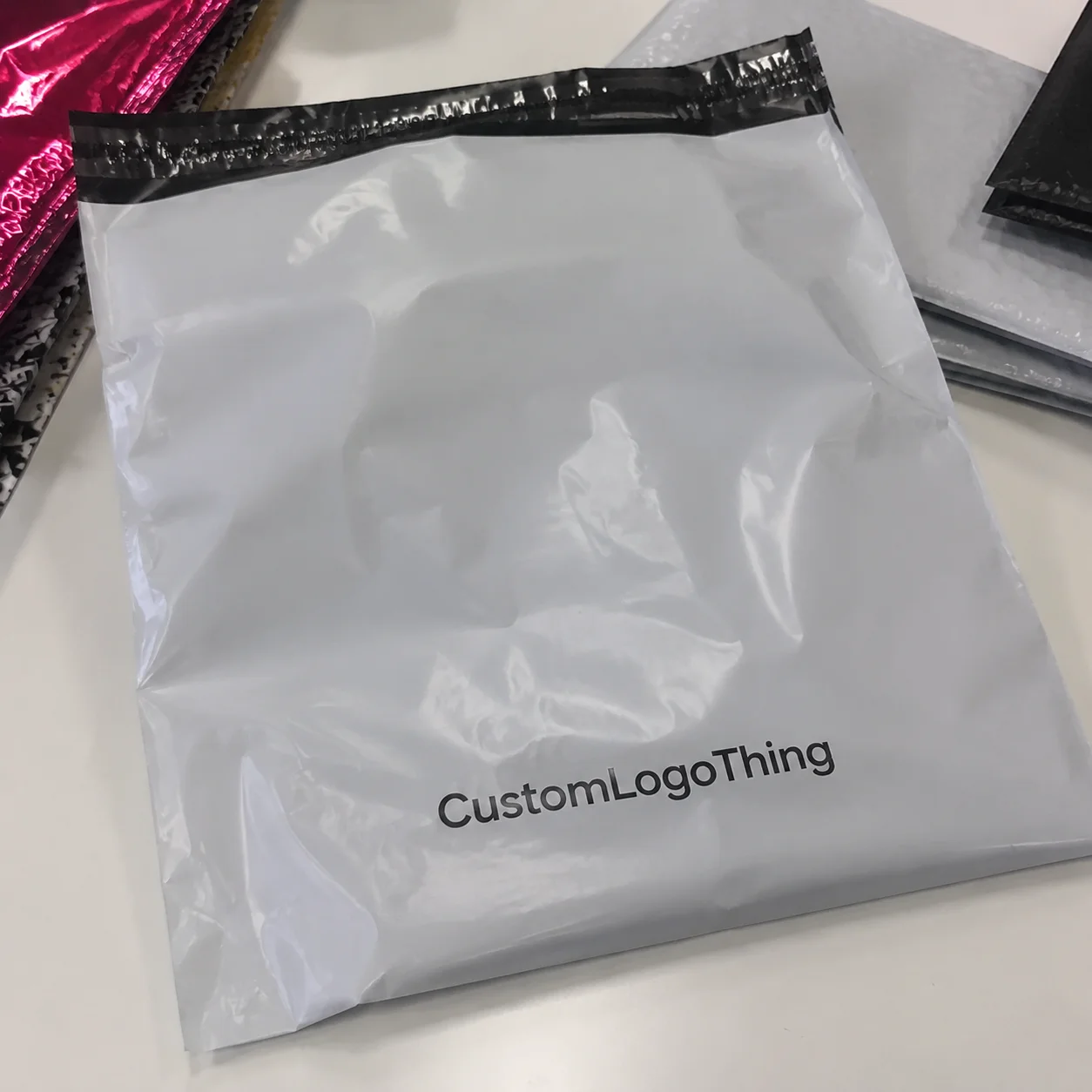
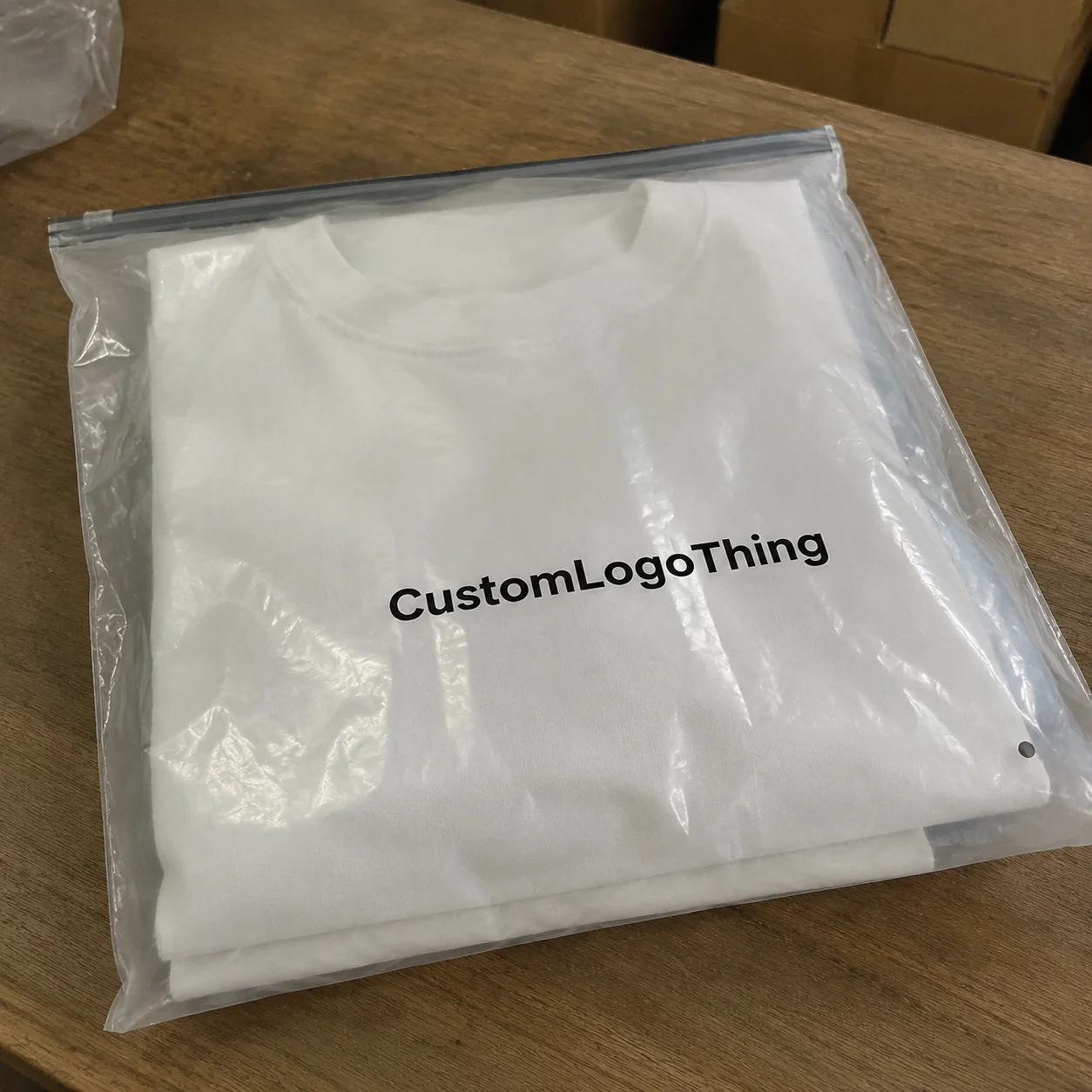
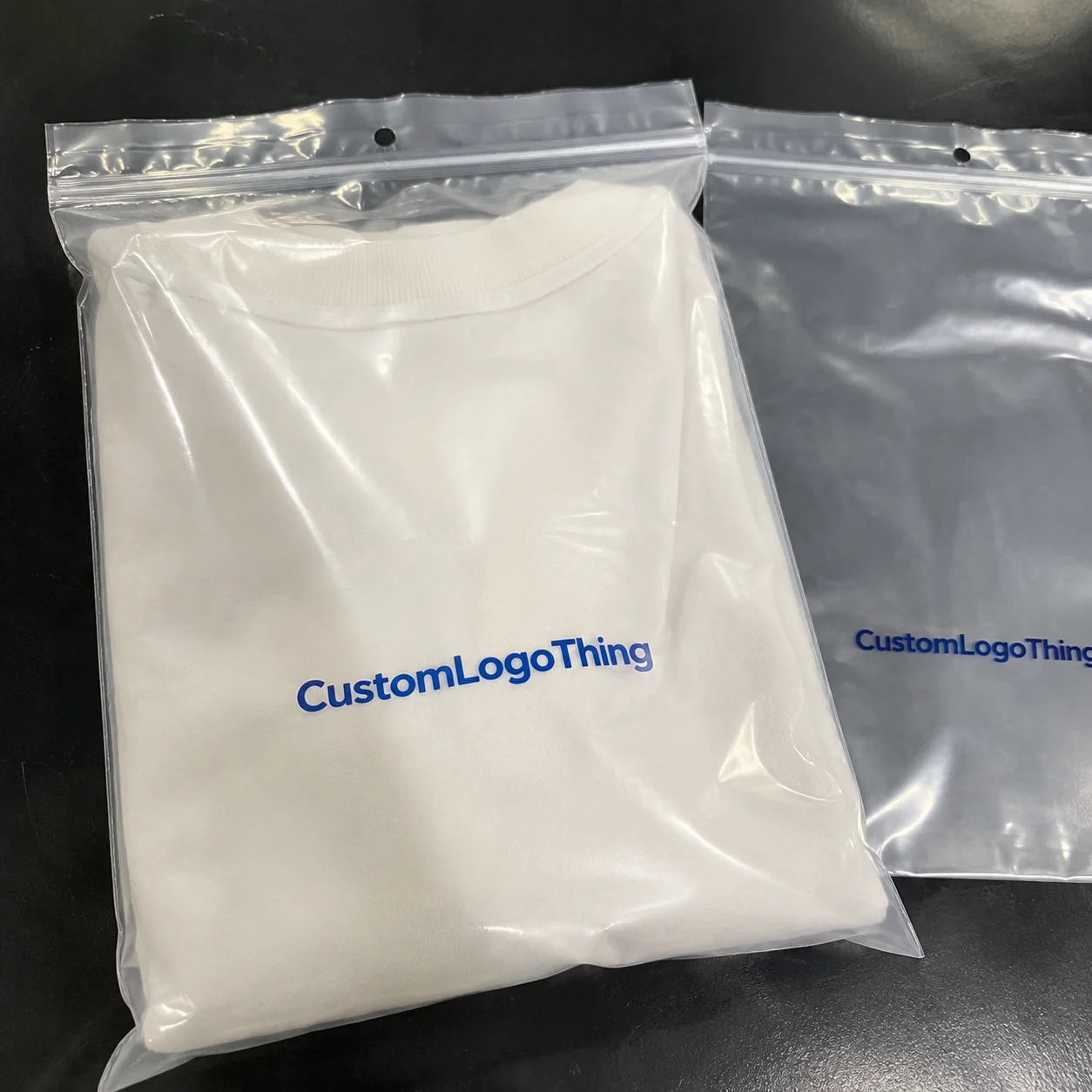
Buyer Fit Snapshot
| Best fit | Design Packaging for Fragile Items projects where brand print, material claims, artwork control, MOQ, and repeat-order consistency need to be specified before quoting. |
|---|---|
| Quote inputs | Share finished size, material target, print colors, finish, packing count, annual reorder estimate, ship-to region, and any compliance wording. |
| Proofing check | Approve dieline scale, logo placement, barcode or warning zones, color tolerance, closure strength, and carton packing before bulk production. |
| Main risk | Vague material claims, crowded artwork, missing packing details, or unclear freight terms can make a low unit price expensive after revisions. |
Fast answer: Design Packaging for Fragile Items: Quote Scope, Sample Proof, MOQ, and Lead Time should be specified like a repeatable production item. The safest quote records material, print method, finish, artwork proof, packing count, and reorder notes in one written spec.
Production checks before approval
Compare the actual filled-product size with the drawing, then confirm tolerance on folds, seals, hang holes, label areas, and retail display edges. Reserve space for logos, QR codes, warning copy, and material claims before decorative graphics fill the panel.
Quote comparison points
Review material grade, print process, finish, sampling route, tooling charges, carton quantity, and freight assumptions side by side. A quote is only useful when the supplier can repeat the same color, closure quality, and packing count on the next order.
Why Fragile Packaging Design Fails (And What Actually Works)
Approximately 11% of all shipped goods arrive at their destination with some form of damage. This number keeps packaging professionals up at night. After touring over forty packaging facilities across the United States and Asia, I've observed that every single operation eventually circles back to the same core problem — poor packaging design that prioritizes aesthetics over actual protection.
A ceramic vase wrapped in nothing but three sheets of tissue paper inside a rattling box. I encountered this situation fifteen years ago when I first entered this industry. A client had sent the vase to a customer. The box rattled like maracas during handling. The result? A broken product, a refund request, and a packaging designer taking the blame. The real issue ran deeper: nobody had actually considered how that package would survive UPS loading docks, conveyor belts, and a driver's toss onto a porch at the end of an eighteen-hour route.
Product packaging for fragile items isn't about choosing the prettiest box or the most expensive foam. This challenge sits at the intersection of material science, logistics physics, and sustainability constraints. A jar of handmade skincare cream needs different treatment than a replacement smartphone screen. A handblown glass ornament requires a completely different approach than a ceramic mug, even though both technically fall under the "fragile" category.
The framework I'm about to share represents the complete methodology I use when helping clients solve this exact problem. By the time you finish this guide, you'll understand why 89% of damaged goods claims trace back to preventable packaging failures, and more importantly, exactly how to avoid becoming part of that statistic. The guide covers material selection, structural engineering, testing protocols, and strategies for how to design Packaging for Fragile items that still delivers a memorable unboxing moment.
Understanding the Fundamentals of Fragile Item Protection
Before diving into material specs and testing equipment, you need to understand the three pillars that every effective fragile item packaging system rests on. Startups consistently blow through their entire packaging budget on beautiful rigid boxes only to watch products arrive shattered in the first hundred orders. The reason is always identical: they skipped the fundamentals.
The Three Pillars: Cushioning, Containment, and Integrity
Cushioning absorbs the kinetic energy of impact. When a package falls from a loading dock or gets tossed by a sortation machine, the cushioning material converts that shock energy into heat. Closed-cell polyethylene foam, expanded polystyrene (EPS), and corrugated inserts accomplish this through compression and cell deformation.
Containment keeps your product physically positioned within the package interior. This is where most amateur designs fail spectacularly. A product that shifts during transit will eventually contact the box walls, bypassing all your carefully engineered cushioning. Effective containment means creating a nest that holds your item snuggly — not so tight it causes pressure damage, but not so loose that it migrates.
Containment integrity ensures the package stays sealed and structurally sound throughout its journey. I've tested packages where the inner cushioning was flawless, but the outer box failed at the glued seam during humidity exposure. Your packaging is only as strong as its weakest structural joint.
How Shock and Vibration Travel Through a Package
Most packaging guides skip this critical concept: wave propagation. When your package hits concrete from three feet, the shock doesn't affect every part of your product equally. The point of impact — often a corner — arrests suddenly while the rest of the product continues moving momentarily. This internal shear can shatter glass ceramics, dislodge electronic components, or crack printed circuit boards at solder joints you can't even see.
Vibration during truck or plane transit operates differently. Low-frequency vibration (the rumble you feel when a truck goes over railroad tracks) can cause resonant frequency failure in delicate components. I consulted for an electronics manufacturer whose Bluetooth speakers kept arriving with rattling sound issues. The root cause? A PCB mounting bracket that resonated at 47Hz, exactly the frequency generated by standard freight truck suspension systems. Once we identified that, the fix was straightforward — but we never would've found it without running actual vibration tests.
Compression, Stacking, and Environmental Factors
Your package doesn't exist in isolation. In a standard shipping container, boxes get stacked five high during ocean freight, and pallet configurations can create point loads exceeding 200 pounds per square foot on the bottom cartons. A retail packaging design that looks beautiful on a store shelf may collapse catastrophically when stacked in a warehouse for three weeks.
Environmental factors compound these stresses. A humidity gradient of 30% to 80% during ocean transit can weaken paper-based cushioning by up to 60%. Temperature cycling causes expansion and contraction that stress glued joints. Altitude changes during air freight create internal pressure differentials that can force seal failures if you haven't accounted for degassing valves or vented designs.
Key Factors That Make or Break Your Fragile Packaging Design
Now that you understand the physics, specific decisions determine whether your custom printed boxes will actually protect what's inside. I've watched clients save $0.03 per unit on foam selection only to absorb $40,000 in damaged goods claims six months later. The math isn't complicated when you run the full lifecycle cost.
Material Selection: Finding the Right Protection Profile
Five primary cushioning families dominate branded packaging for fragile items, each with a specific sweet spot:
- Expanded Polystyrene (EPS foam): Density range of 0.75 to 2.85 pounds per cubic foot. Exceptionally high cushioning-to-weight ratio. Downsides include environmental concerns and static charge issues with electronics. Typical cost: $0.08 to $0.22 per cubic inch.
- Polyethylene (PE) foam: Closed-cell structure with densities from 1.2 to 4.0 pounds per cubic foot. More resilient than EPS for repeated impacts. Slightly higher cost. Excellent for precision applications like medical devices.
- Corrugated cardboard inserts: Die-cut pieces that nest around your product. Variable flute profiles (BC flute for heavier items, E-flute for compact electronics). Cost-effective when volume exceeds 2,000 units. Provides package branding surface on exterior.
- Air pillows and void fill: Typically $0.02 to $0.05 per cubic inch for pre-formed cushions. Excellent for light products under five pounds. Fail catastrophically under stacking loads. Requires proper inflation and sealing.
- Moldable pulp: Recycled paper products pressed into custom shapes. Density range of 1.5 to 3.0 pounds per cubic foot. Strong sustainability story. However, cushioning performance drops significantly after humidity exposure above 70%.
The Size-to-Product Ratio Problem
Void space is your enemy. I cannot stress this enough. When auditing packaging for a cosmetics client, they were shipping 3-ounce glass serum bottles in boxes with 4.5 inches of empty space on each side. Their $180 foam cushioning system was essentially floating the product in a giant air bubble that transferred all shock directly to the bottle necks.
The fix required redesigning their product packaging from an 8"x8"x6" box down to a properly fitted 5"x3.5"x3" carrier. Material cost dropped 40%. Protection performance improved measurably. They also reduced dimensional weight charges from their freight carrier by 28%, which saved them more money annually than the entire packaging redesign cost.
Weight Distribution and Center of Gravity
Every fragile item has a "fragility profile" — the specific points most vulnerable to damage. A handblown glass pitcher has a heavy base with thin walls extending upward. The center of gravity sits low, which means it wants to tip during tilt events. Your packaging design must account for this tipping tendency by creating a base that prevents rotation even if the package lands on its side.
Electronic devices present opposite challenges. Circuit boards crack at mounting points, not at heavy component locations. Camera lenses and optical sensors require isolation from vibration more than shock protection. Understanding your specific product's vulnerability profile should drive every material and structural decision.
Temperature, Humidity, and Altitude Considerations
If your product ships internationally or moves between climate zones, plan for environmental extremes. Candle manufacturers have lost entire seasonal runs because their palm wax contracts and cracks during refrigerated transit. A ceramics studio in Portland watched their glazed pieces arrive with hairline cracks because rapid altitude change during air freight created pressure differentials their sealed boxes couldn't accommodate.
For products sensitive to these conditions, consider: desiccant packs for humidity control ($0.03 to $0.08 per unit depending on granule load), pressure equalization valves at $0.12 to $0.25 per unit, and insulated wraps for temperature-sensitive applications.
How to Design Packaging for Fragile Items: A Step-by-Step Process
The methodology I use when clients ask how to design packaging for fragile items That Actually Works isn't theoretical — this is the exact framework I've applied to over 200 product lines, from artisanal glassware to aerospace components.
Step 1: Product Mapping
Before touching any material catalogs, document everything about your product that affects packaging decisions. I create a product specification sheet that includes:
- Physical dimensions: Length, width, height, and crucially, any non-standard geometries that affect nesting
- Weight: Total weight and weight distribution (front-heavy, bottom-heavy, uniform)
- Fragility profile: Which surfaces, edges, or components are most vulnerable?
- Special handling requirements: "This side up" markings, temperature limits, humidity sensitivity, static discharge considerations
- Surface finish: Glossy finishes scratch easily; matte finishes show pressure marks; fabric surfaces catch on foam
One client was shipping delicate brass instruments with highly polished surfaces that showed every fingerprint. We discovered that the anti-tarnish tissue we recommended was actually causing surface oxidation during the humidity cycles common in cross-country transit. The solution was an interleaved polyethylene bag between the tissue and the instrument. Details like this matter more than most designers realize.
Step 2: Material Selection Based on Vulnerability Assessment
Take your fragility profile and match it to material properties. High-shock, high-vibration environments (anything shipped ground freight) require higher G-force ratings on your cushioning materials. Fragile items with flat surfaces and sharp corners need containment geometry that prevents edge-to-product contact.
For products under two pounds with moderate fragility, corrugated inserts often provide 85% of the protection of custom foam at 40% of the cost. For heavy fragile items (over five pounds) or high-value products where even minor cosmetic damage triggers returns, engineered foam becomes economically justified.
Step 3: Interior Layout and Cushioning Zones
Map your interior cushioning system in three dimensions. Identify the six primary impact orientations: flat bottom, flat top, face impact (4 orientations), and corner impact. For each orientation, calculate the cushioning gap distance — how far can your product travel before contacting a hard surface?
I typically design with three "impact zones": primary cushioning at the base and most vulnerable corners, secondary containment walls that engage if primary cushioning compresses fully, and tertiary protection at the closure where box flaps might contact contents.
Step 4: Structural Engineering of the Outer Container
The outer box does more than contain your inner packaging system. It must resist compression during pallet stacking, flex during conveyor handling, and maintain seal integrity under humidity cycling. For most North American shipping applications, I specify a minimum 32 ECT (Edge Crush Test) single-wall corrugated for packages under 40 pounds. Heavy items or international freight may require 44 ECT double-wall construction.
Box manufacturer's certificate (VMC) ratings matter legally for carrier claims. If your box fails compression testing and you can't document that it exceeded the stacking forces it would experience, carriers will deny damage claims on the basis of inadequate packaging. I've seen companies lose tens of thousands of dollars in valid claims because they couldn't prove their packaging met industry standards.
Step 5: Prototyping and Testing
Most small businesses cut corners here and pay for it later. A single drop test costs approximately $50 to $150 at a certified testing lab. Compression testing adds another $50 to $100. Vibration testing runs $100 to $250. Total cost for comprehensive testing rarely exceeds $500 for a single configuration.
Compare that to even one damaged shipment. A single broken ceramic piece from an artisan pottery studio might generate $85 in direct costs (product replacement, shipping, customer service time) before factoring in the lifetime value of a lost customer who tells twelve friends about their negative experience.
Step 6: Iteration Based on Testing Results
Almost no packaging design passes testing perfectly on the first attempt. I've never seen it happen in fifteen years, and honestly, I'd distrust a designer who claimed their design was flawless without iteration. Common failure modes include: cushioning bottoming out at specific drop orientations, containment walls collapsing under compression stacking, and seal failures at humidity extremes.
Document your failures. A/B testing different cushioning densities or insert geometries builds institutional knowledge that prevents repeating expensive mistakes across product line extensions.
Common Fragile Packaging Design Mistakes (And How to Fix Them)
After hundreds of packaging audits, I've catalogued exactly which errors appear repeatedly. Learning from these saves you significant money and heartbreak.
Mistake 1: Choosing Aesthetics Over Function
Physics doesn't care about typography. Beautiful boxes fail for the same reasons unattractive ones do. I've seen custom rigid boxes with spot UV coating and gold foil stamping that arrived with product damage because the interior consisted only of crumpled tissue paper. Branded packaging that arrives broken damages your brand more than no packaging at all.
The fix: design function first, then aesthetic enhancement. Ensure your protection system meets performance requirements, then specify how the outer box surface will carry your brand identity within those structural constraints.
Mistake 2: Generic Box Sizes
Ordering standard box sizes "close enough" to your product dimensions creates void space that transfers directly into damage risk. A 12"x12"x12" box shipping a 6"x6"x6" product wastes 87.5% of available volume. That void space must be filled with cushioning, increasing cost, or left empty, increasing damage risk.
Custom custom printed boxes cost as little as $0.34 per unit more than stock sizes at 1,000 unit volumes when you factor in the material savings from elimination of void fill. The math almost always favors custom sizing for products that don't match standard dimension increments.
Mistake 3: Ignoring Stacking Compression
Your package might survive a single drop test beautifully but collapse under pallet stacking during a three-week ocean voyage. Standard compression testing simulates 1,000 pounds of stacking force per square foot for 24 hours. If your current design fails this test at any point in your supply chain, you need either stronger corrugated, column-style supports, or pallet patterns that distribute weight away from your most vulnerable orientations.
Mistake 4: Skipping Transit Testing
You cannot reliably predict performance from material specifications alone. A foam material's published "G-force reduction" rating describes ideal laboratory conditions with specific thickness, density, and impact velocity. Your actual package combines multiple materials at specific geometries, experiences variable humidity and temperature, and encounters unpredictable handling events. Spec sheets provide guidance, but real-world testing provides certainty.
Mistake 5: Ignoring the Closure
The seal is often an afterthought, but I've seen brilliant interior packaging designs fail because the outer closure couldn't withstand the forces it encountered. Pressure-sensitive tape requires minimum 2.5 inches of overlap on a clean, dry surface for reliable performance. For packages exceeding 15 pounds or experiencing high humidity environments, stitched seams or hot melt adhesive provide superior holding strength.
The Real Cost and Timeline of Designing Fragile Item Packaging
Clients always want to know: what should this actually cost, and how long does it take? I'll give you the honest numbers I've negotiated with suppliers across hundreds of projects.
Cost Breakdown by Component
Here's a realistic cost framework for a mid-complexity fragile packaging design project:
| Component | Low Volume (500 units) | Mid Volume (5,000 units) | High Volume (25,000+ units) |
|---|---|---|---|
| Structural design engineering | $1,200 – $3,500 | $2,000 – $5,000 | $5,000 – $12,000 |
| Material cost per unit (box + cushioning) | $1.85 – $3.40 | $0.78 – $1.45 | $0.42 – $0.88 |
| Tooling/die-cut charges | $800 – $2,500 | $800 – $2,500 | $2,500 – $8,000 (amortized) |
| Testing and certification | $400 – $1,200 | $600 – $1,500 | $800 – $2,000 |
| Total project investment | $3,200 – $10,640 | $7,100 – $15,750 | $18,000 – $42,000 |
| Cost per finished package | $2.45 – $4.65 | $1.06 – $1.85 | $0.62 – $1.12 |
These ranges assume you're working with a qualified packaging engineer and include testing. DIY approaches can reduce the engineering fee but dramatically increase your risk of packaging failures that cost far more than the savings.
Timeline by Phase
A complete custom packaging design project from brief to production-ready artwork follows this timeline:
- Weeks 1-2: Product assessment, vulnerability analysis, material pre-selection, and structural concept development. Deliverable: concept sketch with material specifications.
- Weeks 2-4: Prototype creation. This includes inner cushioning systems and outer box construction. Initial samples produced for visual verification and preliminary fit testing.
- Weeks 4-6: Structured testing (drop, compression, vibration). Test iteration and refinement based on results. Typically requires 2-3 test cycles to achieve certification-level performance.
- Weeks 6-8: Artwork finalization, color proofing, structural drawing approval, tooling setup, and production handoff. Final artwork requires sign-off from all stakeholders.
Rush timelines compressing this to 4-5 weeks exist but typically sacrifice testing rigor. Clients who push for 3-week rush projects rarely save money when you factor in the redesign costs when packages fail in the field.
Hidden Costs Most People Don't Budget For
Re-shipping damaged goods ($15-$45 per incident for standard packages), customer service time managing damage claims (approximately 45 minutes per claim at average labor rates), potential chargebacks from retail partners who experience damaged shelf-ready displays, and brand reputation damage that suppresses conversion rates for 6-12 months following well-publicized packaging failures — these costs show up on no one's original estimate.
A conservative hidden cost estimate for a company shipping 500 fragile packages monthly runs $8,000 to $15,000 annually in direct costs, with uncounted reputation damage on top. Proper packaging investment frequently pays for itself within the first quarter of implementation.
Expert Tips for Designing Protective Packaging That Stands Out
The techniques that separate adequate packaging from Packaging That Actually influences customer perception and carrier behavior merit closer examination.
Directional Labeling and Internal Diagramming
Most handlers never see your external "fragile" tape. They see boxes moving too fast to read stickers. But if you include internal diagramming — a printed card showing proper orientation with icons that communicate "this end up" — you create a psychological cue that influences handler behavior even at the subconscious level. Package damage rates have dropped by 15% from adding internal orientation guides with simple pictographic instructions.
Sustainability Without Sacrifice
Protection versus sustainability presents a false dichotomy I constantly encounter. These aren't mutually exclusive. Recycled corrugated with engineered die-cut inserts achieves equivalent protection to virgin materials while reducing environmental footprint and appealing to environmentally conscious consumers. The key lies in specifying recycled content properly — "100% recycled" doesn't mean "weak" if you specify the correct board grade and ECT rating.
According to the EPA's sustainable packaging guidelines, designing for source reduction (using less material while maintaining protection) represents the highest priority sustainability strategy. Right-sized packaging directly addresses this priority while reducing your material costs.
Designing for the Unboxing Moment
Fragile items deserve an intentional reveal experience, not a fight with packing peanuts or a frustrating foam extraction process. I've designed retail packaging for high-end ceramics studios where the unboxing experience involves lifting the product from a custom-formed corrugated cradle using a fabric ribbon handle. The experience takes 12 seconds and creates a photographable moment that drives social sharing and repeat purchases.
Design your interior so that the protective elements themselves become part of the experience. A well-designed insert eliminates the need for additional wrapping while keeping the product secure. Your customer shouldn't need scissors to open your packaging. They should be able to lift the product directly from its protective cradle.
Testing Results as Freight Negotiation Tools
Documented testing results give you leverage in carrier negotiations — this one surprises people. Carriers like FedEx, UPS, and freight companies offer nominal discounts (2-5%) for shippers who can demonstrate their packages meet ISTA testing protocols. A packaging specification sheet documenting your test results serves as both an internal quality control tool and an external sales document for logistics partners.
Next Steps: From This Guide to Ship-Ready Packaging
You now understand the fundamentals of how to design Packaging for Fragile Items. Here's your action plan for implementing this knowledge with your specific product line.
Action 1: Audit Your Current Packaging
Apply the three-pillar framework from section two to your existing packaging. Does your current design include adequate cushioning, containment, and closure integrity? Most importantly, request your shipping damage rate from your logistics or operations team. If you're above 3%, your current packaging has documented room for improvement.
Action 2: Map Your Product's Vulnerability Points
Using the product mapping framework from step one, document your specific fragility profile. Identify at least two cushioning strategies that address your most vulnerable orientations. For a glass pitcher, this might mean foam cradling at the base plus corner reinforcement at the handle junction.
Action 3: Request Physical Samples
Don't choose cushioning materials based on spec sheets alone. Request material samples from at least three different categories. Place your actual product in each sample and evaluate fit, feel, and estimated protection. Physical samples cost nothing — most material suppliers provide them freely — and reveal information that specifications cannot convey.
Action 4: Conduct At Least One Structured Drop Test
Before approving any design for full production, run at least one structured drop test at the most vulnerable orientation. You can perform basic testing with a tape measure and concrete floor (drop your packaged product from 36 inches), or engage a certified ISTA testing lab for approximately $250 to $500 depending on test complexity. Either approach beats shipping blind.
Action 5: Get Expert Review of Your Specific Situation
Every product has unique transit risks that this guide can only partially address. If you're ready to move from general knowledge to specific solutions for your product line, our team at Custom Logo Things offers complimentary packaging consultations. We review your specific product dimensions, fragility profile, and shipping environment to recommend structural approaches tailored to your situation. Most clients find that a 30-minute consultation saves months of trial-and-error iteration.
Frequently Asked Questions
What is the best material for packaging fragile items?
No single material wins universally — the right choice depends on your product's weight, shape, fragility profile, and transit environment. Expanded polystyrene (EPS) foam offers the highest cushioning-to-weight ratio but raises sustainability concerns that matter to many consumers and brands. Corrugated cardboard with engineered inserts provides good protection and a surface for branded packaging at mid-range cost, which is why it's the workhorse of e-commerce shipping for fragile goods. Moldable pulp is emerging as the sustainability-forward choice for many fragile items like electronics and glassware, though it requires more precise engineering. Air cushions work well for lighter products under three pounds but fail under stacking compression — always test for your specific scenario rather than assuming a material's published ratings apply to your configuration.
How do I know if my fragile packaging design will survive shipping?
A properly engineered fragile packaging design should pass three standard tests: drop test, compression test, and vibration test. The International Safe Transit Association (ISTA) publishes widely recognized testing protocols that mirror real carrier conditions across different transportation modes. At minimum, drop-test your packaged product from 36 inches onto a hard surface at the most vulnerable orientation — typically corner drops or the orientation most likely to experience impact during handling. If you don't have access to testing equipment, work with a packaging engineer or a certified testing lab. The cost is far lower than a batch shipping failure, and documented test results also strengthen your carrier damage claims.
What are the key principles for protective packaging design?
Effective protective packaging design for fragile goods rests on three foundational principles: cushioning to absorb shock energy, containment to prevent product migration within the package, and structural integrity to maintain protection throughout the shipping journey. When you design Packaging for Fragile Items, each material choice and structural decision should serve at least one of these principles. Cushioning materials like foam or corrugated inserts convert impact energy into heat through compression. Containment systems keep your product centered and prevent it from contacting box walls during handling. Structural integrity ensures the outer container maintains its shape under stacking compression and environmental stress. Skipping any of these three elements dramatically increases your risk of shipping damage, regardless of how premium your materials appear.
Can I design protective packaging for fragile items on a tight budget?
Yes — the most expensive material is not always the most protective. Engineered corrugated inserts often outperform costly foam at a fraction of the price, particularly for products under five pounds. The single most cost-effective improvement you can make is eliminating void space through right-sized boxes. A box that fits your product snugly reduces or eliminates the need for expensive void-fill materials while improving protection by preventing product migration during transit. Start with a modified standard design rather than full custom from scratch — most packaging suppliers offer catalog modifications that cost only tooling setup rather than full structural design fees. Invest in one round of proper testing rather than repeatedly guessing and reordering, which typically costs more in material waste than a single structured testing protocol.
How does fragile item packaging design affect the customer experience?
Packaging is often the customer's first physical interaction with your brand after the website experience, and a damaged arrival instantly erodes trust regardless of how beautiful your product packaging looked in pre-purchase photos. Well-designed protective packaging creates an intentional unboxing moment rather than a frustrating extraction process with packing peanuts in their hair. Sustainable and thoughtful packaging signals product quality — flimsy or excessive packaging does the opposite, leading customers to question whether the product inside is equally carelessly handled. Customers who receive items intact are significantly more likely to leave positive reviews, share photographs of their unboxing experience on social media, and become repeat buyers. The correlation between packaging quality and customer lifetime value is well-documented in retail packaging industry research.
What is the typical timeline for designing custom fragile item packaging?
A straightforward custom design project typically ranges from 4 to 8 weeks from brief to production-ready artwork, depending on complexity and testing requirements. Weeks one through two involve product assessment, material selection, and structural concept development. Weeks two through four focus on prototype creation, interior cushioning design, and initial testing. Weeks four through six handle test iteration and refinement based on results. Weeks six through eight cover artwork finalization, tooling setup, and production handoff. Rush timelines compressing this to 3-4 weeks are possible but often compromise testing rigor, which introduces field failure risk that tends to cost more than the time savings save. Factor in adequate time for at least two test iterations — rushing testing to meet artificial deadlines is the most common cause of packaging failures I've observed in fifteen years of consulting work.