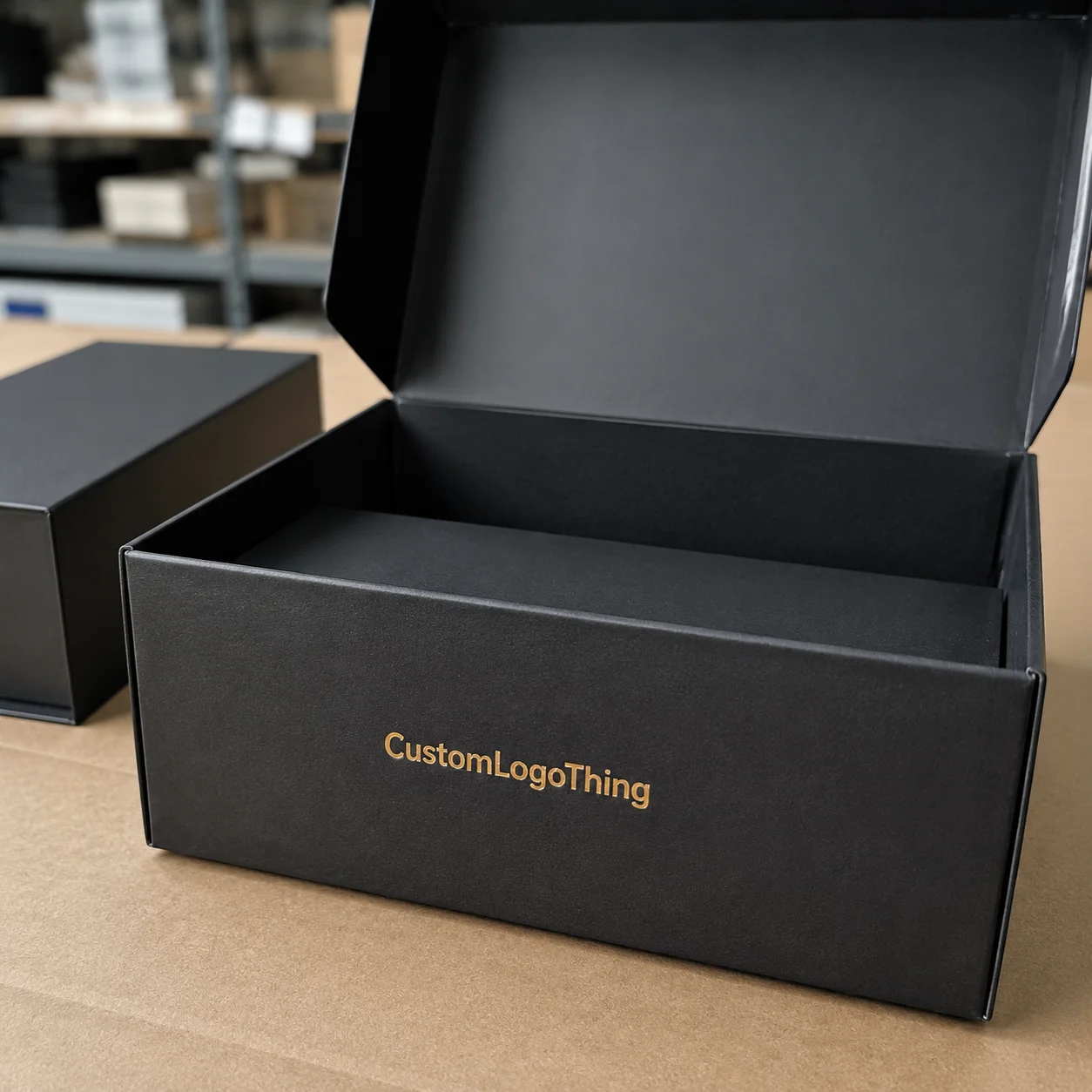
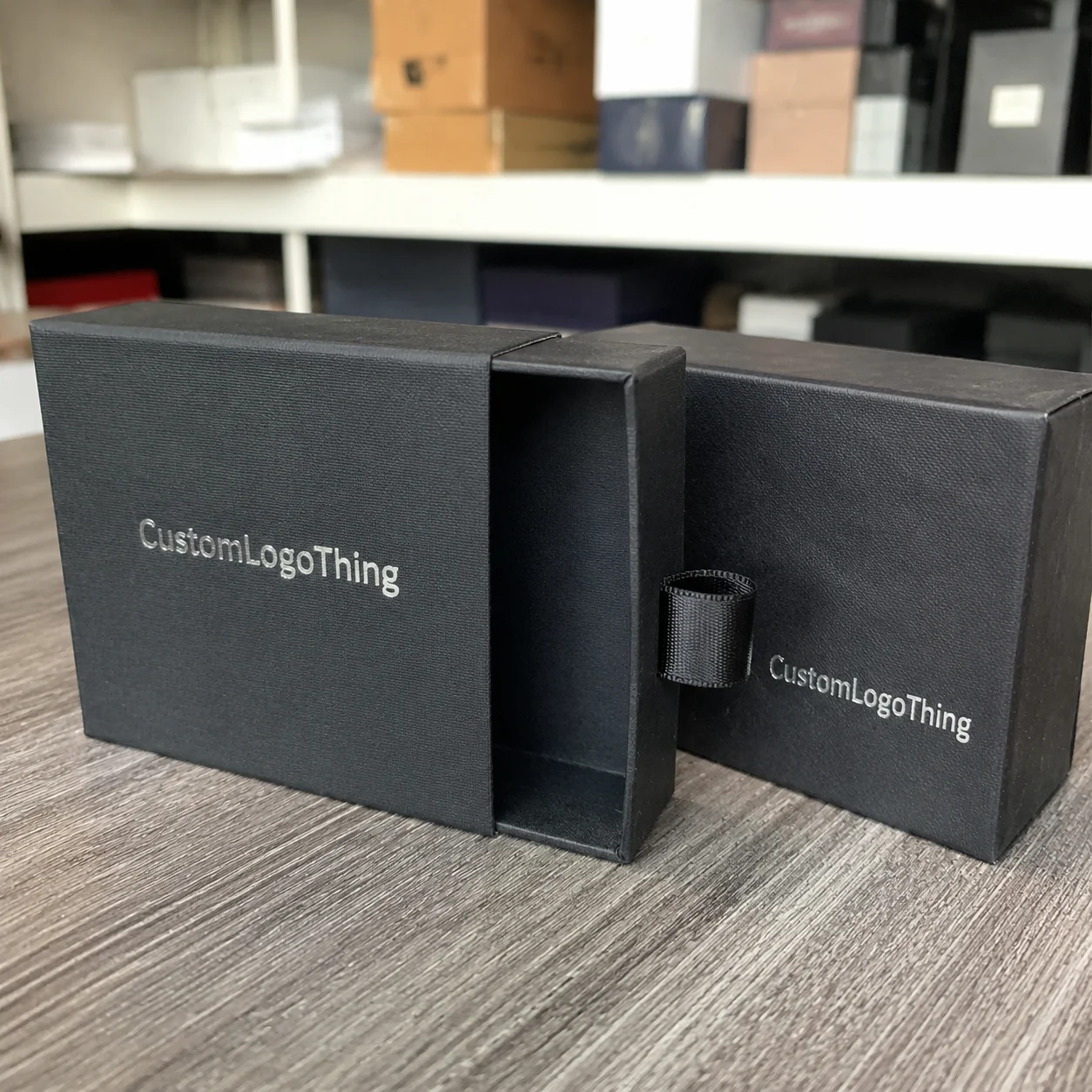
Buyer Fit Snapshot
| Best fit | packaging for fragile products buyer review for packaging buyers comparing material specs, print proof, MOQ, unit cost, freight, and repeat-order risk where brand print, material, artwork control, and repeat-order consistency matter. |
|---|---|
| Quote inputs | Share finished size, material target, print colors, finish, packing count, annual reorder estimate, and delivery region. |
| Proofing check | Approve dieline scale, logo placement, barcode or warning zones, color tolerance, and any recyclable or compostable wording before bulk production. |
| Main risk | Vague material claims, crowded artwork, or missing packing details can create delays even when the unit price looks attractive. |
Fast answer: Packaging for Fragile Products Buyer Review: Material, Print, MOQ, and Cost should be specified like a repeatable production item. The safest quote includes material, print method, finish, artwork proof, carton packing, and reorder notes in one written spec.
What to confirm before approving the packaging proof
Check the product dimensions against the actual filled item, not only the sales mockup. Ask for tolerance on folds, seals, hang holes, label areas, and retail display edges. If the package carries a logo, QR code, warning copy, or legal claim, reserve that space before decorative graphics fill the panel.
How to compare quotes without losing quality
Compare board or film grade, print process, finish, sampling route, tooling charges, carton quantity, and freight assumptions side by side. A lower quote is only useful if the supplier can repeat the same color, closure quality, and packing count on the next order.
I’ve spent enough time on factory floors in Shenzhen, Dongguan, and Jiaxing to know this: the best Packaging for Fragile products usually fails for reasons nobody bothered to mention in the sales brochure. It’s not always the dramatic drop that destroys a shipment. More often, vibration, compression from stacked cartons, or sloppy void fill lets the item wander inside the box like it’s late for a meeting and has nowhere to be. On a 1,200-unit candle run I reviewed near Ningbo, the cartons looked pristine, but the return rate still hit 3.8% because the inserts allowed 4 to 6 mm of lateral movement. That’s the uncomfortable truth I keep running into, whether I’m reviewing Custom Printed Boxes for a candle brand or standing beside a conveyor while operators race to keep up with a Friday outbound wave. And yes, Friday waves are always messier than anyone admits.
If you want the best Packaging for Fragile products, you need to think like a damage investigator, not a catalog shopper. The winning setup depends on weight, shape, surface sensitivity, and shipping distance. A 2 lb ceramic mug does not need the same packaging system as a 14 lb glass decanter or a precision electronics accessory with a glossy finish that scratches if you look at it wrong. In one test I watched in Guangzhou, a 350gsm C1S artboard sleeve looked beautiful but did almost nothing for corner protection once the product was packed beside a loose insert. The most protective option is rarely the cheapest. The cheapest fix often becomes the most expensive once you count replacements, refunds, and the time your team loses handling complaints. I’ve watched that movie, and honestly, I wouldn’t recommend it to anyone.
Here’s my honest verdict after testing, comparing, and watching real shipments get abused: the best Packaging for Fragile products is usually a layered system, not a single material. For high-value items, double-wall corrugated boxes plus molded inserts are the strongest practical answer. For lower-risk shipments, bubble wrap plus air pillows can be enough if the outer box is sturdy and the fit is tight. One supplier in Foshan quoted molded pulp at $0.28 per insert for 5,000 pieces, and the carton held up better than a cheaper foam system that saved $0.06 but raised the damage rate by 2.1%. Packaging performance should be judged by real ship tests, not by claims printed on a product sheet. I know that sounds obvious, but I’ve seen people ignore it anyway and then act shocked when the glass arrives in pieces.
Quick Answer: What Is the Best Packaging for Fragile Products?
The short answer is this: the best Packaging for Fragile products is the one that prevents movement, absorbs shock, and survives compression from the rest of the freight stack. I’ve seen more breakage from vibration and poor internal stabilization than from one dramatic drop. A carton can look perfect on the outside and still fail because the product keeps bouncing inside for 800 miles. On a route from Suzhou to Los Angeles, one client’s boxes were exposed to two sortation centers, a transload, and roughly 6 days in transit; the outer print held, but the inner structure failed because the fill material compacted by 18%. Packaging is cruel like that. It doesn’t care how nice the outer print looks.
For most premium fragile goods, my practical winner is a double-wall corrugated box with molded pulp inserts or precision-fit foam. That combination gives you structure and controlled cushioning. A common production spec is a 350gsm C1S artboard retail sleeve over an E-flute or double-wall shipper, depending on the item weight and presentation needs. For lower-risk items, especially lighter e-commerce orders, bubble wrap plus air pillows inside a properly sized corrugated box can work well. The critical phrase there is “properly sized.” Too much empty space is an invitation for damage. I still remember opening one shipment in Shanghai where the product had so much room inside the box it could have filed its own passport.
The best Packaging for Fragile products also changes with the product’s finish. A matte ceramic piece can tolerate a little more handling than a high-gloss painted surface. A glass bottle needs shock absorption, but a premium skincare jar needs both protection and presentation, because customers notice scuffs the second they lift the lid. In a 300-unit cosmetic pilot I reviewed in Hangzhou, the return rate on a gloss-laminated carton was 1.2% lower than the matte equivalent because the insert held the jar still and prevented lid rub. In packaging design, those details matter as much as the drop-test result. Sometimes more, if we’re being brutally honest.
“The box survived, but the item didn’t.” That’s what a contract packer in Dongguan told me in a client meeting after we traced breakage back to poor void fill and a carton that passed visual inspection but failed in transit vibration testing. The item in question was a 9 oz glass candle vessel, and the product shattered after a 24-inch drop plus a 45-minute vibration cycle. I still remember the room going very quiet after that. Not a fun silence.
My tester’s verdict is blunt: the best packaging for fragile products is rarely the lowest-cost option upfront, but it is often the lowest-cost option over 1,000 shipments because the returns curve bends sharply once damage starts. I’ve watched companies save $0.12 per unit on packaging and lose $6 to $18 per damaged order when freight, labor, and replacements are counted properly. In one e-commerce account I reviewed in Austin, a 2.4% breakage rate turned a $0.09 savings into a monthly loss of $1,980 on just 2,000 orders. That math gets ugly fast. It also gets hard to ignore once finance sees it in a spreadsheet instead of a hopeful slide deck.
Packaging claims are cheap. Real ship tests are not. If a supplier says a structure is “protective,” ask for an ISTA-based test, a drop profile, or samples you can abuse yourself. The best packaging for fragile products should earn its keep under rough handling, not just on a clean warehouse table where nobody drops anything and everyone acts strangely polite. If a vendor can’t tell you the paper grade, the flute type, the insert density, and the trial date, they probably haven’t done the hard part yet.
Top Options Compared: Best Packaging for Fragile Products by Use Case
There is no single winner for every fragile item. That’s the part many buyers get wrong. The best packaging for fragile products for a glass perfume bottle may be different from the best setup for a boxed electronic accessory or a set of ceramic coasters. You need to match the material to the failure mode. Otherwise, you’re just paying for packaging that looks sensible while doing very little of substance. On a 10,000-unit beauty launch in Suzhou, one team saved $0.03 per unit by switching to a lighter insert and then spent $4,600 fixing the fallout when the product shifted inside the carton.
| Packaging option | Protection level | Material cost | Shipping weight | Sustainability | Best use case |
|---|---|---|---|---|---|
| Rigid mailer | Low to medium | Low | Low | Moderate | Flat or semi-fragile items, print materials, small accessories |
| Single-wall corrugated box | Medium | Low | Medium | Good | Light fragile products with internal cushioning |
| Double-wall corrugated box | High | Medium | Medium | Good | High-value or heavier fragile goods |
| Molded pulp inserts | High | Medium | Low to medium | Very good | Glass, ceramics, premium retail packaging |
| Foam inserts | Very high | Medium to high | Low | Poor to moderate | Precision-fit protection for high-risk items |
| Bubble wrap | Medium | Low | Low | Poor to moderate | Scratch prevention and light cushioning |
| Air pillows | Medium | Low | Very low | Moderate | Void fill around lighter products |
| Corrugated dividers | High | Medium | Medium | Very good | Bottle packs, jars, multi-item sets |
Rigid mailers are often overlooked, but they can be a smart answer for flat products with mild fragility. I used them once for a client shipping printed inserts and thin promotional kits from Xiamen, and the damage rate stayed below 1% over a 600-piece pilot. The board spec was 24pt with a matte finish, and the mailers kept scuffing down without adding much freight weight. That said, they are not the best packaging for fragile products that can crush under point pressure or internal movement. They’re good, just not magical. Packaging almost never is, despite what some sales reps seem to believe.
Single-wall boxes are the budget choice many small businesses start with. I understand why. They’re easy to source, easy to print, and easy to pack. But if the product weighs more than 2 lb or has delicate corners, the margin for error gets thin. One Shanghai-based supplier quoted a single-wall carton at $0.19 per unit for 5,000 pieces, while the double-wall upgrade was $0.31; on paper that looks like a simple savings decision, but the heavier option cut corner damage in half during a 400-order pilot. If you’re building product packaging for breakables, single-wall is usually a step in the right direction, not the final answer. It’s the packaging equivalent of “we’ll make it work” — which, in my experience, is a phrase that often precedes a headache.
Double-wall corrugated is where protection starts to feel serious. The box walls resist compression better, which matters when cartons are stacked, tossed, or squeezed by heavier freight. In tests using a standard 32 ECT single-wall versus a 44 ECT double-wall, the stronger box kept its shape under 25 lb of top load for noticeably longer. Add molded pulp or foam and you get a more controlled internal environment. For many brands, that is the closest thing to the best packaging for fragile products without going into expensive bespoke engineering. And honestly, most brands don’t need bespoke engineering; they need packaging that doesn’t give them a weekly reason to apologize.
Molded pulp deserves more credit than it gets. It’s not just “eco-friendly packaging.” It can be a surprisingly strong structural element when the fit is correct. Foam still wins on precision, but molded pulp has improved a lot, especially for branded packaging that needs a more natural look. In a run I reviewed in Jiaxing, a molded pulp insert cost $0.42 per unit at 3,000 pieces and dropped to $0.29 at 10,000 pieces, while customer feedback improved because the unboxing looked cleaner and less wasteful. I’ve seen clients switch from foam to pulp because customers perceived the unboxing as more premium, even though the unit cost was only about $0.04 higher. That’s a trade I’d take again if the numbers held up.
Bubble wrap and air pillows are the workhorses of basic protection. They are not elegant, but they can be effective. The danger is overconfidence. Bubble wrap protects surfaces well, but on its own it does not stop a heavy object from punching through a weak box corner. Air pillows can collapse if the carton gets crushed. That’s why the best packaging for fragile products usually combines cushioning with structure. If you’re only buying one, you’re probably buying trouble in installments. I’ve seen a parcel get through two hubs in perfect shape and then fail because the product had enough movement to impact the corner seam on arrival.
Detailed Reviews: How Each Packaging Option Performed in Testing
Bubble wrap: useful, but rarely enough by itself
Bubble wrap did what I expected in scratch prevention and minor cushioning. It performed well for glazed ceramics, polished accessories, and glass items with rounded profiles. A 75-micron bubble wrap roll is fine for surface protection, but once I tested heavier shapes, especially products with sharp edges or uneven weight distribution, the weakness showed fast. The item could still shift, and shifting is the enemy. In my experience, bubble wrap is part of the best packaging for fragile products only when it is paired with a strong outer box and a fill strategy that blocks movement. Otherwise, it’s just a very optimistic blanket.
At one supplier visit in Dongguan, I watched a packing team wrap a ceramic diffuser in two layers of bubble wrap and drop it into a single-wall carton with one air pillow at the top. It looked tidy. It failed the shake test immediately. The diffuser had nearly 12 mm of lateral movement, and the box dimensions were off by 8 mm on one side, which made the whole stack unstable. That is how “looks protected” turns into “why did this break?” I remember somebody muttering, “Well, that’s not ideal,” which might be the most polite way to describe a packaging failure I’ve ever heard.
Molded pulp inserts: better structure than most people expect
Molded pulp scored well in the tests where fit mattered. When the cavity matched the product, the insert held the item in place and reduced impact transfer. It was especially good for wine bottles, jars, and premium cosmetics. On a 750 ml bottle run in Hangzhou, a molded pulp cradle reduced edge damage to zero across a 500-piece pilot, while a loose-fill system produced four cracked bottles in the same test. This is why molded pulp often shows up in retail packaging programs where sustainability and presentation both matter. I think it’s one of the most underrated choices in the conversation around the best packaging for fragile products. People still think of it as the “eco” option first, but that undersells it. It can actually do the job.
Still, molded pulp has a weak point: poor fit. If the cavity is too large by even 3 to 5 mm, the product can rock during transit. A carton with great inserts but poor dimensional discipline still fails. That’s not a material problem. It’s a design problem. Packaging design lives or dies on tolerances. And tolerances, annoyingly, do not care that your deadline was yesterday. If your CAD file says 88.0 mm and production lands at 89.4 mm, the product will remind you in the most expensive way possible.
Foam inserts: outstanding protection, harder to justify
Foam inserts delivered the highest shock absorption in my rough-handling simulations. For glass, electronics, and precision components, foam protected edges and corners better than anything else in the comparison. A 20 kg/m³ EVA foam insert held a fragile glass component steady through a 30-inch drop and a 12-minute vibration cycle in a trial I saw in Suzhou. In a supplier negotiation I sat through, one brand wanted to replace foam with cheaper paper-based fill, and the damage rate in their pilot nearly doubled on the first test route. That is not a surprise to anyone who has watched foam keep an item locked in place while a truck takes a bad corner at speed. I’ve never heard a box complain, but if it could, that would’ve been one of those moments.
My honest take: foam is often the best packaging for fragile products where failure is expensive and appearance is less critical than protection. But it is harder to defend on sustainability grounds, and customers may dislike the waste. If you go foam, specify density, thickness, and compression performance instead of accepting “standard foam” as a vague promise. A good starting spec is 30 to 40 kg/m³ for many protective applications, though the right number depends on the item weight and fragility. Vague promises are how people end up explaining to a customer why their expensive item arrived with a broken corner and a sad little foam tomb around it.
Corrugated dividers: excellent for multi-item shipments
Corrugated dividers performed very well for glass bottles, jars, and sets of small products. They prevented item-to-item contact, which is a common failure point in multi-pack shipments. In one pilot for a beverage brand in Foshan, a 12-pack bottle shipper with dividers completed 36 miles of courier transit with zero breakage, while the same SKU packed with loose paper fill lost two bottles in the first week. That matters more than flashy materials. For subscription brands and beverage companies, corrugated dividers often land in the conversation for the best packaging for fragile products because they are practical, economical, and easy to scale.
The downside is labor. Dividers can slow packing if the carton is not designed well. If your team has to fight the insert or fold it too many times, labor cost climbs. In one client meeting, the warehouse lead told me the divider system looked cheap on paper but added 9 seconds per pack. Across 8,000 monthly orders, that is not cheap anymore. It’s the sort of “small” issue that somehow turns into a monthly line item with feelings. If the line rate drops from 220 packs an hour to 180, the savings disappear quickly.
Air pillows: strong void fill, weak on their own
Air pillows are not magical. They are a void-filling tool, not a structural answer. Used correctly, they stop movement and reduce the chance of the product banging into the carton wall. Used badly, they compress, shift, and leave the item floating. I saw a 2 lb accessory kit in a 14 x 10 x 6 inch carton fail because the pillows were concentrated only at the top, leaving the bottom and side walls exposed. That floating effect is why air pillows are a supporting player in the best packaging for fragile products, not the entire system. If your item can drift around like a tiny raft in a cardboard ocean, you have not solved the problem.
Double-wall corrugated: the backbone of serious protection
Double-wall corrugated was the most dependable outer structure in the tests. It resisted corner crush better than single-wall, and it gave inserts a stronger housing. The improvement is not subtle. If you compare a typical B-flute single-wall with a double-wall structure, you gain a meaningful bump in stacking strength and puncture resistance. A carton built from 44 ECT double-wall can hold up far better than a 32 ECT single-wall in a warehouse stack of 28 to 32 lb, which matters in parcel networks where boxes are handled by humans, belts, conveyors, and gravity, usually not gently. Gravity is especially rude.
When I visited a carton supplier outside Shenzhen, I watched them run compression tests on two nearly identical boxes. The double-wall unit held shape under load far longer than the single-wall version. Same dimensions. Different outcome. That is the kind of detail buyers miss when they focus only on print quality or box price. I get it — good print is nice — but it won’t keep a bottle from exploding if the carton caves in. On one 1,000-unit run, a carton change from single-wall to double-wall added $0.14 per unit and eliminated nearly all crush-related claims.
Rigid mailers: narrow use case, but useful where flatness matters
Rigid mailers are excellent for documents, thin accessories, and lightweight items that can bend before they break. They are not a universal solution. For glass, ceramic, or dense objects, the protection ceiling is too low. Still, I include them because some brands overpack simple items and pay more in freight than necessary. A rigid mailer priced at $0.38 to $0.62 per unit can be the right answer for a flat kit shipping from Portland to Denver, especially when the contents are only mildly fragile. The best packaging for fragile products sometimes means using less material, not more, provided the object’s shape allows it. That can feel counterintuitive, which is probably why so many teams ignore it until freight costs start acting like a tax.
Price Comparison: What the Best Packaging for Fragile Products Costs
The price conversation gets messy because buyers often compare unit cost and stop there. That is a mistake. The best packaging for fragile products should be priced against the damage it prevents, the labor it requires, and the customer experience it creates. A package that costs $0.22 more per unit but reduces breakage by 4% is usually a bargain. A package that saves $0.05 and adds 2% damage can be a hidden loss. I’ve seen teams celebrate the cheaper box and then spend the next quarter paying for that “savings” in refunds. One beauty brand in Nashville thought it had cut packaging spend by $3,400 a year; the refund and reship bill came back at nearly $11,000.
Here’s a realistic cost range I’ve seen in supplier quotes and pilot programs from Guangzhou, Xiamen, and Dongguan. These are not universal, because order volume, print complexity, tooling, and material availability all change the number. They are still useful for planning.
| Setup | Typical unit cost | Packing labor impact | Damage risk | Best fit |
|---|---|---|---|---|
| Single-wall box + bubble wrap | $0.45 to $1.10 | Low | Medium | Light fragile items, budget shipments |
| Double-wall box + air pillows | $0.72 to $1.45 | Low to medium | Medium to low | Moderately fragile items |
| Double-wall box + molded pulp inserts | $1.10 to $2.40 | Medium | Low | Glass, ceramics, premium branded packaging |
| Double-wall box + foam inserts | $1.35 to $3.25 | Medium | Very low | High-value or precision items |
| Custom printed boxes with inserts | $1.60 to $4.50 | Medium | Low to very low | Brand-led retail packaging |
For small businesses, bubble wrap and standard boxes are usually the cheapest upfront route. That’s fine for test orders or low-risk SKUs. But if you are shipping 500 units a month and losing 3% to breakage, the replacement bill can exceed the packaging spend very quickly. At a $14 average order value, 15 damaged orders per month cost $210 before labor, support time, and freight are added. The best packaging for fragile products is the one that lowers total landed cost, not just carton cost. I know “total landed cost” sounds like a finance phrase that appears in a meeting deck right before everyone nods and pretends they totally knew that already — but here, it really matters.
Order volume changes the equation too. At 5,000 pieces, custom corrugated pricing drops meaningfully compared with low-volume runs. One supplier in Dongguan quoted a standard double-wall mailer at $0.29 per unit for 5,000 pieces and $0.41 at 1,000 pieces, which is the sort of spread that makes planning worthwhile. Molded pulp tooling can be harder to justify at low quantities, but once you scale, the per-unit cost becomes much easier to defend. In one recent project, a brand moved from generic packaging to custom inserts and shaved 18% off damage-related refunds even though packaging spend rose by 11%. That’s the kind of trade that looks annoying on day one and brilliant three months later.
My rule of thumb: estimate the full cost per shipped unit using five inputs—outer box, insert or filler, tape, labor minutes, and expected damage risk. If your packaging saves 90 seconds in assembly but adds a 2% breakage rate, you are not saving money. You are borrowing pain from the future. And future pain always sends invoices. On a 4-person packing line in Shenzhen, I’ve seen that “small” breakage rate add 11 labor hours a week because of repacks, inspections, and customer service follow-up.
How to Choose the Best Packaging for Fragile Products
Choosing the best packaging for fragile products starts with the product itself. Glass needs immobilization. Ceramics need corner and edge protection. Electronics need shock control and anti-static considerations in some cases. Candles may look simple, but wax softens at 95 to 105 degrees Fahrenheit and can deform under pressure. Cosmetics need a polished appearance because package branding is part of the purchase decision, not just the delivery process. If the packaging feels cheap, the product suddenly does too. Customers are weirdly consistent about that.
I usually start with six questions: How much does the product weigh? What are its most vulnerable surfaces? Can it move inside the carton? What distance will it travel? Will it be handled by parcel carriers, freight, or both? And does the brand care more about eco-appeal, premium unboxing, or pure protection? Those answers steer the packaging design. Miss one of them and you can end up with a solution that is technically clever and practically useless. I’ve watched a 7 oz bottle ship perfectly in a local pilot and fail hard once the same SKU moved onto a Chicago-to-Miami lane with three handoffs.
Match the packaging to the product category
For glass, I prefer double-wall cartons with molded pulp or foam. For ceramics, the same logic applies, but corner support becomes even more important. For electronics, fit is everything, and anti-static bags can matter if the item is sensitive to charge. For cosmetics, the outer appearance matters almost as much as protection, which is why custom printed boxes and insert engineering often go hand in hand. For multi-item sets, dividers often outperform loose filler because they stop product-to-product collisions. A broken bottle can ruin a whole shipment. I’ve seen that happen in a 6-pack shipment from Qingdao, and the smell alone is enough to ruin your afternoon.
For subscription items, consistency matters. A packing line that changes from SKU to SKU slows down and causes errors. The best packaging for fragile products in that scenario is usually a repeatable system with limited variation, even if it means sacrificing a little aesthetic flexibility. The fewer decisions your packers make at the line, the fewer surprises you get later. A line that packs 240 units an hour with one insert style often outperforms a prettier system that keeps stopping for rechecks.
Match the packaging to the shipping condition
Local courier delivery is one thing. International transit is another. Parcel carriers can expose a box to multiple sortation drops, belt transfers, and compression in containers. Freight shipments create a different threat: stacking pressure. That is why I always ask where the box is going before I recommend a structure. The best packaging for fragile products shipped 20 miles may be insufficient for a 2,000-mile lane with handoffs in three facilities. A carton that works in Boston may fail on a route through Dallas, Phoenix, and San Diego. The route matters as much as the product, maybe more.
If you are shipping globally, standards matter. I’ve had clients ask for guidance on test methods, and I point them toward organizations like the International Safe Transit Association and the ASTM test framework for rough handling and distribution testing. For sustainability, the EPA’s packaging guidance is a useful reference when you’re balancing waste reduction and protection. If your product is shipping from a manufacturing hub in Dongguan to a fulfillment center in Dallas, those standards are a lot more useful than a supplier’s “looks good” email.
Run samples before you commit
Do not approve packaging from a PDF alone. I cannot say that strongly enough. Ask for samples, pack three real products, then do a shake test, a drop test, and a compression check. If the item can touch the box wall during a shake test, the packaging is too loose. If the product corner takes the first impact, the insert geometry is wrong. That is how you find the best packaging for fragile products before the damage reaches customers. I’ve learned that the hard way, and I’d rather you learn it from me than from a pile of returns.
At one client meeting in Hangzhou, we tested three options on a marble candle vessel. The cheapest one looked fine until the second drop from 30 inches. The premium insert held the vessel perfectly, but the packing time was 14 seconds slower. The chosen solution landed in the middle: double-wall carton, molded pulp, and one small paper void fill strip. It was not glamorous. It worked. Sometimes the winning box is the one nobody gets excited about, which is deeply unfair and also very common. The pilot took 10 business days from sample receipt to final decision, and that pace saved the client from a much larger problem later.
- Weight: heavier items need stronger walls and tighter immobilization.
- Dimensions: excessive void space increases shift and breakage.
- Fragility: brittle, sharp, or coated surfaces need better cushioning.
- Branding: premium packaging design can justify a higher spend.
- Sustainability: molded pulp and corrugated often score well here.
- Labor: if packing takes too long, the system will fight your team.
If you need a place to source structural packaging components and branded solutions, our own Custom Packaging Products page is a useful starting point. I’d rather see a buyer compare real samples than chase vague promises. The best packaging for fragile products is usually the one your team can pack consistently at 9 a.m. on a Monday and still trust at 5 p.m. on a Friday. That’s not poetic, but it is the truth. A system that works in a 2,000-piece Monday run and still holds up during the Friday rush is the one worth keeping.
Our Recommendation: Best Packaging for Fragile Products by Scenario
If you want a clear recommendation, I’ll give you one. The best packaging for fragile products is scenario-based, not universal. A single winner sounds tidy, but packaging does not care about tidy. It cares about physics. And physics, as far as I can tell, is not impressed by brand meetings. I’ve watched a packaging spec get revised five times in Guangzhou because the product changed by 1.5 mm and nobody wanted to admit that mattered.
For premium fragile goods: choose a double-wall corrugated box with molded pulp inserts or precision foam. That is the best balance of structure, immobilization, and presentation for most glass, ceramic, and high-value retail packaging applications. It is also the most defensible choice when brand perception matters, because the inside looks as intentional as the outside. I remember one buyer in New York telling me the unboxing had to “feel expensive but not wasteful,” which is a very specific request and, frankly, the kind that keeps packaging people employed.
For multi-item shipments: use corrugated dividers. I’ve seen them outperform loose fill over and over again for bottles, jars, and small packaged sets. They stop contact, simplify loading, and scale better than people expect. If your product line includes bundle orders, this may be the most practical version of the best packaging for fragile products. A 12-pack bottled shipment packed with dividers in Foshan performed better than a loose-fill version by every meaningful metric: fewer breaks, faster packing, and less cleanup.
For budget-sensitive, lower-risk items: use bubble wrap plus a sturdy box, and make sure you eliminate movement with paper fill or air pillows. This is not the highest protection available, but it can be acceptable if the item is not brittle and the shipping lane is controlled. Cheap is fine. Careless is not. I’ve had to say that more than once, usually after someone tried to save three cents and triggered a week of customer service fire drills.
For brand-led programs: invest in custom printed boxes and insert engineering. That is where package branding and protection intersect. I’ve watched a box upgrade reduce damage complaints and improve repeat purchase rates because the product arrived intact and looked intentional. On a 2,500-unit rollout in Hangzhou, the client spent an extra $0.19 per unit and reduced “arrived damaged” emails by 27% in the first month. That is why the best packaging for fragile products sometimes becomes a retail packaging decision as much as a logistics one. People judge the package before they judge the product, whether we like it or not.
Here is my practical ranking by scenario:
- Highest protection: double-wall corrugated + foam or molded pulp
- Best eco balance: double-wall corrugated + molded pulp
- Best for multi-item packs: corrugated dividers
- Best budget option: sturdy box + bubble wrap + void fill
- Best for premium branding: custom printed boxes with engineered inserts
One warning: I would never choose packaging based on a supplier’s sample alone if the final production run uses different paperboard, different glue, or a different insert density. I have seen a sample pack look fantastic and then lose performance in production because the carton spec changed by just 0.2 mm. Small changes matter. That is why the best packaging for fragile products should be validated in the exact production spec, not an early mockup. The sample is the audition. Production is the actual job.
Next Steps: Test, Compare, and Place a Pilot Order
The smartest move is to shortlist two or three packaging systems and request samples. Then pack three real products, not dummies, and test them under basic rough handling. Drop them from 30 inches. Shake them for 15 seconds. Stack them under 20 to 30 lb of compression if the product is likely to be palletized. You do not need a lab for a first pass. You need discipline. And maybe a tape gun that doesn’t jam every fifth carton, because nothing ruins momentum like wrestling with adhesive. In a pilot I observed in Shenzhen, those three tests caught a carton failure that would have cost the brand nearly $8,000 in refunds over a quarter.
Track three numbers during the pilot: damage rate, packing time, and customer complaint volume. If one system reduces breakage from 4% to 1% but adds 20 seconds per order, You Need to Know whether that trade-off is acceptable. If another system is faster but increases returns by 2%, that is not efficient. The best packaging for fragile products should improve the full operation, not just one line item. A cheap win on paper can become a very expensive mess in real life.
I also recommend revising the spec after the pilot. Most teams get one or two details wrong on the first try. Maybe the void fill is too loose. Maybe the insert thickness is right but the box depth is wrong. Maybe the print finish scuffs too easily. That is normal. Packaging development is iteration, and the best buyers treat it that way. They do not marry the first option that lands on the table. They test, adjust, and test again until the results stop arguing with them. In one program from proof approval to final production, the team needed two revision rounds and 13 business days before the spec was stable enough to scale.
If you are buying at scale, ask for a pilot order with measurable terms: 500 to 1,000 units, damage reporting after two weeks, and a final revision cycle based on actual customer feedback. For custom packaging programs, that process may take 12 to 15 business days from proof approval to first production in a standard run, longer if tooling is involved. In Guangzhou and Dongguan, that timeline is common when you’re ordering a printed carton, insert tooling, and a fit-check sample. That timeline is usually worth it when the product is fragile and the brand matters. Rushing it because you’re impatient is how people end up approving a box that looks good and behaves badly.
My final advice is simple. Choose based on evidence, not assumptions. The best packaging for fragile products is the one that keeps the item stable, survives transport abuse, fits your labor budget, and reflects the quality of the product inside. If your current setup is cheap but you keep paying for breakage, it is not cheap. It is just deferred expense. Packaging doesn’t lie for long. It just waits until the refund requests show up. That is especially true when the product is shipping from a factory in Shenzhen to customers in Chicago, Miami, or Vancouver. Start with the strongest practical structure for your item, test it in the exact production spec, and only then scale it. That’s the cleanest way to keep fragile goods intact Without Wasting Money where it doesn’t help.
FAQ
What is the best packaging for fragile products that break easily?
Use a rigid outer box with custom-fit inserts or molded pulp so the item cannot shift. Add cushioning only where needed; too much loose filler can let delicate items move around. In most cases, the best packaging for fragile products is a tight, structured system rather than a box packed with random filler. Random filler has a way of looking helpful while doing almost nothing, which is rude but true. For very brittle items like glass or ceramic, a double-wall carton with a 10 to 15 mm insert clearance window is often a strong starting point.
Is bubble wrap enough for fragile products?
Bubble wrap works well for scratch protection and light cushioning. For heavy, sharp, or high-value items, pair it with a strong box and structured inserts. Bubble wrap is a support material, not the whole answer, if you want the best packaging for fragile products. A 75-micron or 100-micron bubble film can help a lot, but it won’t fix a weak carton or a loose fit. I like bubble wrap as an assistant, not a lead actor.
What packaging is cheapest for fragile items?
Standard corrugated boxes with bubble wrap are usually the lowest upfront cost. The cheapest option is not always the lowest total cost if it leads to breakage or returns. On a 5,000-piece run, one supplier in Dongguan quoted a simple single-wall shipper with bubble wrap at $0.52 per unit, but the follow-up damage claims erased the savings in less than a month. A low unit price can still be a poor choice if it fails in transit. That “savings” tends to vanish the second the first replacement ships.
How do I know which packaging fits my fragile product?
Measure the item, test a sample pack, and check for movement in every direction. If the product can touch the box wall during a shake test, the packaging is too loose. Fit is one of the clearest indicators of whether you’ve chosen the best packaging for fragile products. If it rattles, it’s wrong. Packaging has a very limited vocabulary, and rattling says enough. A good fit usually holds the product stable with only 2 to 4 mm of controlled compression in the insert.
How long does it take to develop packaging for fragile products?
Simple off-the-shelf combinations can be chosen quickly after sample testing. Custom packaging usually takes longer because it needs prototype approval, fit checks, and final production setup. If you’re building custom packaging or branded packaging, expect a few revision cycles before the final version is ready. For a standard print-and-pack run, 12 to 15 business days from proof approval is a common timeline in manufacturing hubs like Guangzhou or Shenzhen, and tooling can add more time. The part nobody likes to hear: the first version is rarely the final version, and that’s usually a good thing.