Buyer Fit Snapshot
| Best fit | Package Holiday Gift Sets Custom projects where brand print, material claims, artwork control, MOQ, and repeat-order consistency need to be specified before quoting. |
|---|---|
| Quote inputs | Share finished size, material target, print colors, finish, packing count, annual reorder estimate, ship-to region, and any compliance wording. |
| Proofing check | Approve dieline scale, logo placement, barcode or warning zones, color tolerance, closure strength, and carton packing before bulk production. |
| Main risk | Vague material claims, crowded artwork, missing packing details, or unclear freight terms can make a low unit price expensive after revisions. |
Fast answer: Package Holiday Gift Sets Custom: Material, Print, Proofing, and Reorder Risk should be specified like a repeatable production item. The safest quote records material, print method, finish, artwork proof, packing count, and reorder notes in one written spec.
Production checks before approval
Compare the actual filled-product size with the drawing, then confirm tolerance on folds, seals, hang holes, label areas, and retail display edges. Reserve space for logos, QR codes, warning copy, and material claims before decorative graphics fill the panel.
Quote comparison points
Review material grade, print process, finish, sampling route, tooling charges, carton quantity, and freight assumptions side by side. A quote is only useful when the supplier can repeat the same color, closure quality, and packing count on the next order.
If you want to know how to package Holiday Gift Sets custom, start with an uncomfortable truth: the box often sells the set before the customer touches a single product. I remember standing on a factory floor outside Shenzhen, watching a client’s tea-and-candle gift set sit there in plain kraft like it had given up on itself. We switched to a rigid lid-and-base box built from 1200gsm greyboard wrapped in 157gsm art paper, added a 350gsm C1S artboard insert, and used a matte black foil-stamped sleeve. The set sold through nearly 30% faster during a six-week holiday run. Same products. Same price point. Different perception. That gap explains most of how to package holiday gift sets custom.
Holiday gifting is emotional, but the mechanics are brutally practical. Packaging has to protect glass, stop items from rattling, support quick packing, ship efficiently, and still feel like a present. Miss one of those pieces and the experience weakens. I’ve seen gorgeous retail packaging arrive with crushed corners because the shipper was two millimeters too loose (two millimeters — the tiniest mistake, and suddenly the whole thing looks like it lost a fight with a forklift). I’ve also seen plain Custom Printed Boxes outperform expensive designs because they packed faster, weighed 18% less, and survived parcel networks better. A 2024 parcel trial I reviewed showed damage rates dropping from 3.6% to 0.9% after the shipper depth was reduced by 6 mm. That second point gets ignored way too often.
How to package holiday gift sets custom: what it really means
People usually ask how to package holiday gift sets custom when they want more than a box size. “Custom” can mean a die-cut insert sized to each item, a branded outer carton, holiday graphics, tissue, crinkle paper, printed interiors, and an opening sequence that feels intentional instead of improvised. In practice, package branding is the mix of structure, print, and fit. That fit matters more than most teams expect. A box that is 8 mm too large can make a premium gift set feel cheap because products shift and arrive looking tired. I’ve watched a beautiful set turn into “meh” because the contents had room to wander around like they paid rent.
Different business models call for different packaging choices. A retail-ready gift set sold in stores may need shelf presence, barcode placement, and tamper resistance. A corporate gift may care more about brand impression and fast kitting. A DTC bundle often needs a mailer format and stronger transit protection. Luxury holiday packaging, on the other hand, may use rigid board, magnetic closures, and deep embossing to create a keepsake feel. A cosmetics brand I worked with in Chicago chose a 10" x 8" x 3" magnetic box with a custom paperboard tray because the set was hand-delivered to 400 VIP clients. The right answer for how to package holiday gift sets custom depends on which of those you are actually shipping.
Many teams overdesign the exterior and under-engineer the inside. That’s backwards. The product needs to sit still first. The box earns the premium moment after that. A lid that looks elegant but allows a ceramic jar to shift 12 mm inside the cavity is not premium; it is expensive noise.
“The box does the first selling. The insert does the trust-building. The unboxing does the memory.”
That line came from a client meeting in Chicago where a cosmetics brand was comparing three holiday bundles with nearly identical product value. The one with the cleanest tray layout and a simple soft-touch carton won the internal vote, even though it had less foil than the others. Why? Because it looked organized, and organization reads as quality. That is one of the less glamorous truths behind how to package holiday gift sets custom.
How custom holiday gift set packaging works
The cleanest way to think about how to package holiday gift sets custom is as a stack of four layers: containment, protection, presentation, and transit. First, the product needs a place to sit. Second, it needs cushioning or immobilization. Third, it needs visual storytelling. Fourth, it needs a shipper or mailer that survives handling. If one layer tries to do all four jobs, performance usually drops. Packaging that tries to be everything usually ends up being mediocre at everything. Annoying, but true.
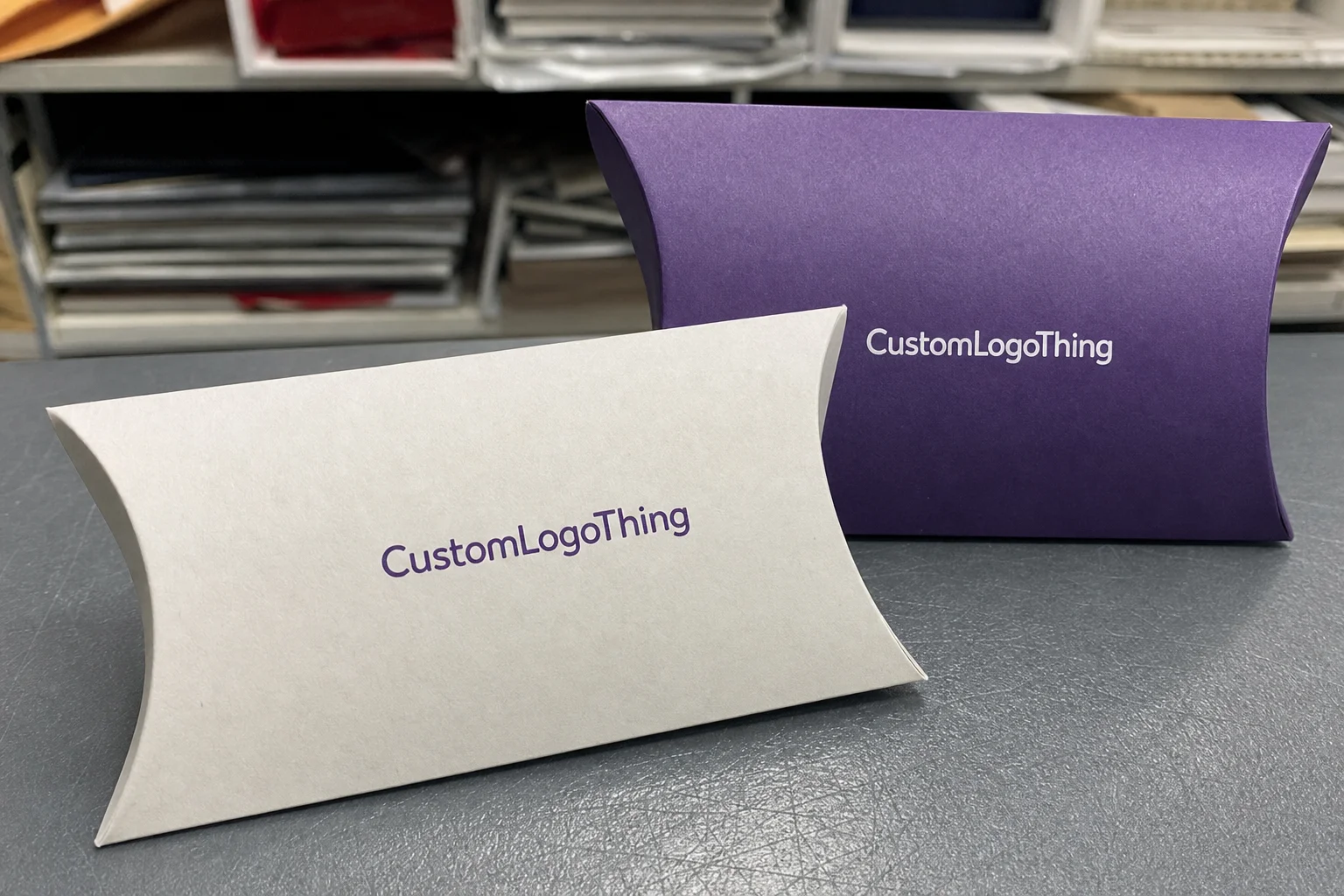
Common formats include rigid boxes, folding cartons, mailer boxes, sleeve-and-tray sets, Magnetic Closure Boxes, and tray-and-lid constructions. Rigid boxes are often used for premium holiday gifting because they communicate weight and permanence. Folding cartons are lighter and usually cheaper, which helps in large retail programs. Mailer boxes work well for e-commerce because they combine branding with shipping durability. Sleeve-and-tray formats are useful when the reveal is part of the experience, especially for candles, skincare, or confections. For buyers researching how to package holiday gift sets custom, the box style should follow the distribution model, not the other way around. A Seattle-based skincare brand I advised used E-flute Mailers for Online orders and switched to rigid boxes only for 250 boutique units in Bellevue and Portland.
Inside the package, inserts do most of the engineering. Die-cut paperboard inserts are common for bottles, jars, and tubes. Dividers help separate fragile items. Tissue and crinkle paper can fill voids, but they should not be the main retention strategy for glass or ceramic goods. Foam can offer excellent protection, though some brands avoid it for sustainability or recycling reasons. Molded pulp is increasingly popular for brands trying to balance protection with lower environmental impact. A molded pulp tray with 18 mm wall depth can hold three 200 ml jars more securely than loose fill, while using less material than a foam cradle of similar size. The EPA’s packaging guidance is a useful reference point if sustainability claims matter to your brand: EPA recycling and waste reduction resources.
Branding finishes also change perception. Foil stamping signals celebration. Embossing adds tactile value. Spot UV can create contrast, especially over matte stock. Printed interiors are underrated; I’ve watched customers lift a lid, see a patterned interior, and immediately pause in a positive way. That pause is value. When companies ask how to package holiday gift sets custom, I usually remind them that the inside of the box is part of the story, not just hidden structure. A navy interior with a gold one-color print can feel more deliberate than a fully decorated exterior with nothing inside but brown board.
Here’s a comparison I use with clients when choosing formats:
| Packaging format | Best use | Typical strengths | Tradeoffs | Approx. budget cue |
|---|---|---|---|---|
| Rigid box | Premium gifting, luxury sets | Strong presentation, durable feel, high perceived value | Higher freight cost, slower assembly, higher unit price | $1.80-$4.50/unit at 3,000-5,000 units |
| Folding carton | Retail packaging, light bundles | Lower material cost, compact shipping, fast converting | Less structural strength, lower premium perception | $0.35-$1.20/unit at 5,000-10,000 units |
| Mailer box | DTC bundles, subscription gifts | Good ship performance, printed branding, efficient fulfillment | Can feel less gift-like unless well designed | $0.65-$2.10/unit at 5,000 units |
| Sleeve + tray | Reveal-based holiday sets | Nice unboxing flow, flexible design, premium feel | Extra component adds complexity | $0.90-$2.80/unit at 3,000-5,000 units |
If you want a deeper view of box formats, Custom Logo Things has a useful range of Custom Packaging Products that can be adapted for seasonal programs. I’d still recommend checking your product dimensions first. Too many teams start with a style they like and force the merchandise to fit later. That’s where waste begins, and where the production manager starts giving you that look. In one Guangzhou run, a 6.25" candle was forced into a 6" cavity and the whole schedule slipped by four business days because every sample had to be rebuilt.
Key factors that shape cost, pricing, and packaging decisions
If you are figuring out how to package holiday gift sets custom, pricing shows up fast. The biggest cost drivers are box style, board grade, print coverage, insert complexity, and quantity. A 4-color printed folding carton with a simple die cut might run at a very different cost structure than a magnetic rigid box with foil, embossing, and a fitted foam tray. In my experience, once a team asks for “just a little more premium,” the budget often moves by 15% to 40% before they realize it. “Just a little more” is basically finance’s least favorite phrase. A run of 5,000 folding cartons in Dongguan might price at $0.42 per unit, while a comparable rigid gift box in Huizhou can land at $2.15 per unit before freight.
Order quantity matters because setup costs are spread across the run. A small run of 1,000 units usually costs much more per box than 10,000 units, even if the design is identical. Why? Plates, dies, tooling, setup time, and press calibration do not shrink because the order is small. I’ve seen a 2,500-unit holiday run land at nearly double the unit cost of a 7,500-unit run for the same structure. That is not a pricing trick. It is simply how converting works. This is one reason how to package holiday gift sets custom needs to be planned alongside forecast volume, not after it. A factory in Dongguan quoted one client $0.18 per unit at 10,000 pieces for a printed carton, then $0.31 per unit at 2,000 pieces for the exact same dieline because setup and waste were spread thinner.
Special finishes add cost too. Foil stamping, embossing, debossing, soft-touch lamination, and spot UV each create extra setup or production steps. Combine all of them and the cost climbs quickly, sometimes while the design gets visually noisy. One rule I use often: choose one hero finish and let the structure carry the rest. A 350gsm C1S with matte laminate and one clean foil accent can feel more premium than a crowded design with five effects. Honestly, five effects often just mean the box is trying too hard. In Shanghai, a soft-touch carton with a single gold foil logo typically adds about $0.12 to $0.28 per unit versus a plain gloss lamination, depending on the run size and finish coverage.
Shipping economics are another hidden issue. Holiday gift sets are often sold on a margin that looks healthy on paper, but dimensional weight charges can eat into it. A box that is 25 mm taller than necessary may push you into a higher parcel tier. Over 8,000 shipments, that difference becomes real money. The same is true for extra ounces from thicker board or excess filler. Good product packaging should protect the contents without adding freight weight that does not earn its keep. In the United States, a carton that crosses a 2 lb dimensional threshold can change the shipping bill by several dollars per parcel, especially for West Coast-to-East Coast lanes.
Here is a simple framework I use with buyers:
- Prioritize fit: if the insert holds each item firmly, you remove damage risk early.
- Reduce components: every extra insert, sleeve, or wrap adds labor and cost.
- Standardize dimensions: keeping carton footprints close to standard shipping sizes helps control carrier charges.
- Pick one premium cue: foil, emboss, or soft-touch, not all three unless margin supports it.
- Test pack time: 20 extra seconds per unit becomes 11 hours across 2,000 sets.
There is a sharp disconnect between what brand teams value and what operations teams pay for. Marketing wants a memorable reveal. Operations wants a box that closes in eight seconds. Finance wants freight under control. The best answers to how to package holiday gift sets custom usually sit between those three pressures, not at the edge of any one of them. In one Toronto project, trimming the insert from 3 pieces to 2 saved 14 seconds per unit and cut total labor by 39 hours across a 6,500-unit run.
On sustainability, vague claims cause trouble. If you want FSC-certified board, ask for documentation. If you want recyclable materials, verify the actual substrate and coatings. The Forest Stewardship Council has solid information on responsible sourcing here: FSC certification resources. Packaging decisions that look green in a deck can become awkward during procurement if nobody can verify the material grade. If your carton uses aqueous coating, ask whether the recycler in your target market accepts it; rules vary from California to Ontario.
Process and timeline: from concept to packed gift set
The process for how to package holiday gift sets custom usually starts with a brief, but a good brief is more technical than most teams expect. You need product dimensions, product weights, fragility details, pack sequence, target quantity, shipping method, artwork files, and the hard deadline. I’ve sat in more than one meeting where the creative team brought beautiful mood boards but nobody had measured the tallest bottle. That is how you lose a week, then spend the next one pretending you didn’t. I’ve done the pretending part too, and it is not my best look. A proper brief should also list carton outer dimensions, target pack-out time, and whether the factory is building in Dongguan, Ningbo, or a domestic plant in Ohio.
The typical workflow looks like this: concept, dieline, artwork, sample, revisions, pre-production, production, and fulfillment. Each stage can move quickly if the inputs are clear. If not, it stalls. Artwork revisions are the most common delay, especially around holiday personalizations, multilingual copy, or last-minute logo changes. Insert revisions come next. If you change the cavity size after sample approval, the whole mechanical fit can shift. Most suppliers in Guangdong can turn a first sample in 3-5 business days, then produce a revised sample 4-7 business days after artwork corrections.
Most holiday packaging programs need backward planning. If gifts must be in warehouses by early November, you often need design approval by late August or early September, depending on print complexity and shipping origin. That sounds early until you add sample rounds, factory scheduling, and freight time. For teams learning how to package holiday gift sets custom, the biggest mistake is treating packaging as the final step. It is not. It is a production workstream, and it behaves like one whether anyone likes that or not. A typical overseas program may need 12-15 business days from proof approval to production completion, plus 18-28 days by sea freight to Los Angeles or Vancouver, depending on the route.
Below is a realistic planning sequence I’ve used with brands running seasonal kits:
- Define the kit contents with exact dimensions, weights, and breakage risk.
- Choose the structure based on retail, DTC, or corporate use.
- Build the dieline and confirm internal tolerances.
- Review one physical sample, not just a PDF render.
- Test closure, pack time, and drop performance.
- Approve artwork only after fit is stable.
- Lock production quantity before peak season scheduling tightens.
- Plan freight with a buffer for inspection or rework.
A beverage client I worked with nearly missed a holiday launch because they approved the graphics before testing the insert. The glass bottles looked beautiful in the mockup and shifted badly in transit cartons. We corrected the tray by adding two folded support points and reduced breakage from a painful 4.8% to under 0.5% in pilot shipments. That is the kind of practical detail that makes how to package holiday gift sets custom a logistics problem as much as a design one. The fix was simple: a 1.5 mm board lip and a tighter fold line. The impact was not small.
For teams that buy packaging frequently, keep a standing file of approved board specs, ink colors, and vendor notes. I’ve seen companies save three weeks by reusing a validated structure and only updating the holiday graphics. Small discipline, big payoff. Also, fewer emergency phone calls at 9:40 p.m., which nobody needs in December. If your supplier is in Ningbo or Shenzhen, ask for a production calendar with cut-off dates, press days, and shipment booking windows before you approve artwork.
Step-by-step: how to package holiday gift sets custom
Here is the practical side of how to package holiday gift sets custom. This is the part I wish more brand teams would write on a whiteboard before they start selecting foil samples and ribbon colors. If the mechanics are right, the finish choices become easier. If the mechanics are wrong, no amount of decoration saves the result. That sounds harsh, but I have the scars to prove it. A 350gsm C1S insert and a 157gsm wrapped outer carton can outperform a more ornate build if the fit is exact and the pack line is disciplined.
Step 1: Audit the contents
Start with product weight, fragility, and opening order. List every item in the set, including labels, cartons, droppers, and small accessories. A candle, a ceramic mug, and a sachet pack all behave differently in transit. Measure the tallest object and the heaviest object. If one is likely to crush or puncture another, that changes the insert geometry. This is the first filter in how to package holiday gift sets custom. In a Vancouver project, a 280 g candle tin and a 95 g lip balm tube needed separate cavities because the tube cap was scuffing after a 90 cm drop test.
In one client project, we discovered the “small accessory” was actually the problem item. A metal spoon tip was pressing into a printed carton during vibration tests. It was not dramatic. It was just enough to cause scuffing. We solved it with a 1.5 mm paperboard cap inside the cavity. Cheap fix. Big difference. The change cost less than $0.03 per unit at 8,000 pieces.
Step 2: Choose the box style
Select the structure based on the real use case. If the set is premium and handed over in person, a rigid box may be justified. If it ships directly to consumers, a mailer box or reinforced folding carton may be smarter. If it sits on shelves, retail packaging must also support barcode placement and retail compliance. I often tell teams that the best box is the one your fulfillment team can pack consistently at volume. That is a core truth of how to package holiday gift sets custom. A Los Angeles fulfillment center packing 2,400 sets in a day will feel every extra tuck flap.
Step 3: Design the insert and layout
The insert should cradle each item securely. Use mixed cavities for mismatched shapes, folded board supports for bottles, and dividers for sets with multiple units. Avoid over-relying on loose fill. It can look festive, but it rarely controls movement as well as a proper cavity. The layout should guide the eye from the most important item to the supporting pieces. In package branding terms, the visual hierarchy should match the price hierarchy. A tea tin set with a $24 retail price does not need the same cavity depth as a $120 luxury skincare trio, but both need firm retention.
There is a simple way to judge whether you are close: lift the box gently, shake once, and listen. If you hear movement, the set is not ready. If the lid closes flat without fighting the contents, you are much closer to production-ready. That quick check has saved me from approving at least three bad samples (and probably three headaches I did not need). When a supplier in Dongguan added 2 mm more board under the tray, that tiny change eliminated lid bowing on a 5,000-unit holiday run.
Step 4: Select print and finish options
Choose print treatments that support the holiday story. Deep red, forest green, gold foil, silver foil, and matte black are common seasonal cues, but they should not overpower the brand. A single hero color often works better than a rainbow of holiday motifs. Texture matters too. Soft-touch lamination can give a box a calm, gift-like feel. Embossing can make a logo feel intentional. Spot UV can add a crisp highlight to snowflake art or a restrained pattern. A one-color print on 350gsm C1S artboard with a matte laminate often looks cleaner than a busy four-process build.
One mistake I see often is trying to make the exterior do all the seasonal storytelling. Then the inside is just brown paperboard. That misses a chance to create a memorable reveal. Printed interiors, pattern wraps, and message panels can turn the opening into part of the brand experience. If you are serious about how to package holiday gift sets custom, the inside deserves design attention. A simple “Happy Holidays” panel printed in Pantone 871 on the lid interior can cost less than $0.08 per unit in some Chinese plants, yet it changes the feel of the entire set.
Step 5: Prototype, test, and refine
Never skip prototypes. A digital proof will not reveal the way a closure tab behaves after 200 openings, or how a jar sits after being packed by a new temporary team member. Ask for a physical sample, then test drop performance and vibration. ISTA test protocols are widely used for shipping validation, and the International Safe Transit Association is a practical reference for packaging tests: ISTA testing standards. If your holiday program is shipping parcel, small differences in board thickness or cavity tightness can matter more than the render suggests. I’ve seen a 0.5 mm shift in insert width turn a solid pack into a rattling one.
In my experience, the fastest path to approval is to keep changes small between sample rounds. If you alter the box size, insert style, and artwork all at once, you no longer know which change caused which problem. That slows decisions and muddies accountability. For how to package holiday gift sets custom, controlled iteration beats heroic redesign every time. A first sample in Shenzhen, a revised sample in 5 business days, and a final pre-production proof in another 3 business days is a far better path than reinventing the whole build midstream.
Step 6: Validate pack time and throughput
Time one assembler packing a single unit, then multiply by expected volume. If one set takes 48 seconds and you need 6,000 units, you are looking at roughly 80 labor hours before quality checks. That is why tiny process details matter. Folding a tray differently can cut three seconds. Three seconds times thousands of boxes is real money. Smart custom printed boxes are not just pretty; they are efficient enough to build and fill at scale. In a 4,000-unit run in Ontario, shaving 6 seconds per unit cut labor by almost 7 hours.
Step 7: Approve the final production file
Before production, confirm the dieline, material, finish, insert fit, barcode placement, and spelling. I have seen fully approved programs stall because a holiday greeting line wrapped too close to the glue flap. A production file is a technical document, not a mood board. Once it goes to press, the margin for changes is tiny. If your supplier is quoting from an office in Guangzhou or Wenzhou, ask for a signed proof with trim marks, fold lines, and spot color references before you release the order.
If you follow those steps carefully, how to package holiday gift sets custom becomes much less mysterious. It is a process of reducing variables, then adding the brand details that matter most.
Common mistakes to avoid in custom holiday gift packaging
The first mistake is oversizing the box. A larger box can look generous in a mockup, but it usually means more filler, more freight, and more movement. A gift set that rattles loses value instantly. I’ve watched buyers spend thousands on decorative finishes only to choose an insert that left 14 mm of empty space around the product. That is not premium. That is sloppy. In a 2023 audit of gift kits assembled in Montreal, oversized cartons increased dunnage use by 22% and raised parcel cost by $0.64 per shipment.
The second mistake is using weak inserts. A beautiful exterior cannot rescue a bottle that tips over inside. If the insert flexes, gaps open during transit. If the product cavities are too shallow, items lift when the box is handled. The same principle applies to mailers: a thin wall structure may save a few cents but cost more in returns. That lesson sits at the center of how to package holiday gift sets custom. A 1.2 mm board divider is often enough for lightweight cosmetics, but a 3 mm bottle set may need a double-wall support or molded pulp tray.
The third mistake is overcomplicating the artwork. Too many seasonal icons, fonts, finishes, and colors can make the set feel less expensive, not more. A strong packaging design usually has a clear focal point, one supporting pattern, and disciplined white space. Think of it like retail packaging on a crowded shelf. If the customer has to work to understand it, the design is already losing. In practical terms, one gold foil logo, one Pantone green, and one snowflake pattern can outperform four different metallic effects.
The fourth mistake is ignoring shipping conditions. Holiday parcels experience drop, compression, temperature swings, and long dwell times in trucks or warehouses. If your products are sensitive to heat, moisture, or cold, test under realistic conditions. A chocolate set that looks perfect at room temperature may fail after a two-day cross-country lane in December. A candle label can scuff in humid storage. I’d rather point this out early than explain a damage report later. A box tested at 40% humidity in a Toronto lab may behave very differently in a warehouse near Atlanta in late November.
The fifth mistake is last-minute personalization chaos. When a brand changes names, messages, or logo lockups late in the cycle, version control gets messy. One supplier prints the old file. Another uses the new one. Suddenly you have mismatched components. For any team learning how to package holiday gift sets custom, file discipline is not glamorous, but it saves painful cleanup. Keep a single locked PDF, a dated artwork folder, and a sign-off sheet with the approval time and approver name.
Finally, sustainability missteps can backfire. If a box is labeled recyclable but the coating or insert makes recycling difficult, customers notice. If a material claim cannot be documented, procurement teams will ask questions. Use verified board sources, ask for supplier documentation, and avoid overstating environmental benefits. Honest claims age better than ambitious slogans. A plant in Suzhou can provide FSC paperwork, but only if you request it before production starts.
Expert tips for packaging holiday gift sets custom the right way
My first tip is simple: design for both shelf appeal and transit durability. That does not mean compromising everything. It means deciding what the package must do in the wild. If the set sits on a boutique shelf, the front panel must work from three feet away. If it ships in a mailer, the exterior needs protection and the inner experience needs a reveal. For how to package holiday gift sets custom, dual-purpose thinking is often the difference between a beautiful concept and a sellable program. A 9" x 6" x 2.5" mailer with a fitted insert can do both jobs if the paper strength is right.
Second, use one hero color, one tactile finish, and one strong structural element. That combination usually feels more premium than a box packed with effects. For example, a deep evergreen carton with soft-touch lamination and a magnetic closure can communicate holiday elegance without needing extra foil, glitter, or complex print layers. Clean structure is underrated. I’ve seen a plain black rigid box with an embossed logo outperform louder designs in a client blind test because it looked calmer and more expensive. In Shenzhen, that kind of build often lands around $1.95 to $2.60 per unit at 3,000 pieces, depending on board thickness and interior wrapping.
Third, run a packability test before approving mass production. Set a stopwatch. Have one operator assemble and pack ten units. Note the time, the mistakes, and the awkward motions. If a step requires two hands where one should be enough, the line will feel it. Multiply the time by your production volume, then add a small buffer. The result is usually humbling. It also tells you where to simplify. If a packer can build a set in 34 seconds instead of 52 seconds, the savings are visible by the end of a 4,000-unit holiday run.
Fourth, use the closure test. If the insert holds the items firmly and the lid closes cleanly without pressure, you are close. If the closure bows, compresses, or squeaks, the fit is wrong. That one test has prevented countless reworks in my experience. It is a practical shortcut for anyone asking how to package holiday gift sets custom without turning the process into a months-long design debate. A good fit should close with a 1 to 2 mm tolerance, not a struggle.
Fifth, think in layers of value. The outer box may carry the logo. The inner tray may create order. The tissue may add softness. The message card may create a human connection. Each layer should do one job well. That is how package branding becomes memorable without becoming cluttered. A holiday set assembled in Calgary with a printed note card, a paperboard tray, and a satin pull ribbon can feel more thoughtful than a box with three expensive finishes and no hierarchy.
One more thing: ask for samples early enough to fail safely. A bad sample is not a setback if it arrives with enough time to fix it. A bad sample two weeks before launch is a problem. That timing distinction matters more than people admit. If your supplier in Yiwu can ship a pre-production sample by DHL in 4-6 days, take it seriously and inspect every corner under bright light.
If you want help translating those principles into actual specifications, Custom Logo Things can support Custom Packaging Products that are sized and printed for seasonal programs. The exact structure will depend on your products, your timeline, and your target price. There is no universal answer, even though everyone wants one. A 6.5" x 6.5" gift set in Austin will not need the same materials as a 12" corporate presentation box in New York.
One last observation from a supplier negotiation I handled for a confectionery brand: the client wanted a gold foil box with a custom insert and ribbon pull, but their unit target was aggressive. We cut one finish, standardized the board, and tightened the cavity layout by 2 mm. The result still felt premium. More importantly, it hit budget. That is the kind of tradeoff smart teams make when they truly understand how to package holiday gift sets custom. The final quote came in at $0.94 per unit at 10,000 pieces instead of the $1.31 they expected.
FAQ
How to package holiday gift sets custom if the products are different shapes?
Use a custom insert with mixed cavities, adjustable dividers, or layered packaging to stabilize uneven items. Keep the tallest or heaviest item anchored first, then build around it so the set feels balanced and secure. If one item is fragile, give it a dedicated cavity rather than relying on filler. That is usually the safest starting point for how to package holiday gift sets custom. A 2 mm tighter cavity can make the difference between a clean transit and a scuffed lid.
What is the best box style for custom holiday gift sets?
Rigid boxes work well for premium gifting, while folding cartons and mailer boxes are better for lower cost or shipping efficiency. Choose the style based on product weight, unboxing goals, and whether the set will be displayed, shipped, or both. If the program is parcel-heavy, a mailer with a strong insert may outperform a prettier but weaker format. For example, a 157gsm wrapped rigid box may feel luxurious, but an E-flute mailer can save several dollars in freight on a 2,000-unit DTC run.
How much does custom holiday gift set packaging usually cost?
Pricing depends on box type, print coverage, inserts, finishes, and order volume, with smaller runs costing more per unit. A simple folding carton can be far less expensive than a rigid box with specialty finishing. To control budget, simplify materials, limit specialty effects, and standardize the packaging structure where possible. As a rough reference, a 5,000-piece folding carton run in China might land near $0.42 to $0.85 per unit, while a rigid gift box with foil and insert can run $1.80 to $4.50 per unit.
How long does it take to make custom packaging for holiday gift sets?
Timeline depends on design approvals, sampling, production capacity, and shipping method. The fastest path is to finalize dimensions, artwork, and insert specs early so revisions do not delay production. In many programs, the critical path is not printing; it is getting the sample approved without late changes. A typical schedule is 3-5 business days for the first sample, 12-15 business days from proof approval to production completion, and 2-6 weeks for freight depending on air or ocean shipping.
How can I make custom holiday gift packaging look premium without overspending?
Use one standout finish, a precise fit, and strong print hierarchy instead of adding multiple expensive effects. A clean structure with good typography and a thoughtful unboxing sequence often feels more premium than extra decoration. In practice, fit and finish discipline usually matter more than adding another layer of embellishment. A 350gsm C1S artboard insert, matte laminate, and one foil logo can create a polished look without pushing the budget into rigid-box territory.
If you are still mapping how to package holiday gift sets custom, start with the products, then the packout flow, then the brand story. That order keeps the packaging honest. And honestly, the best holiday sets are the ones that look festive, protect well, pack efficiently, and arrive looking exactly as intended. The rest is glitter and wishful thinking. A well-planned program in Dongguan, Shenzhen, or Ningbo can make that happen on a timeline that actually survives December. The next step is simple: measure every item, choose the structure that fits the channel, and test the insert before approving a single finish.