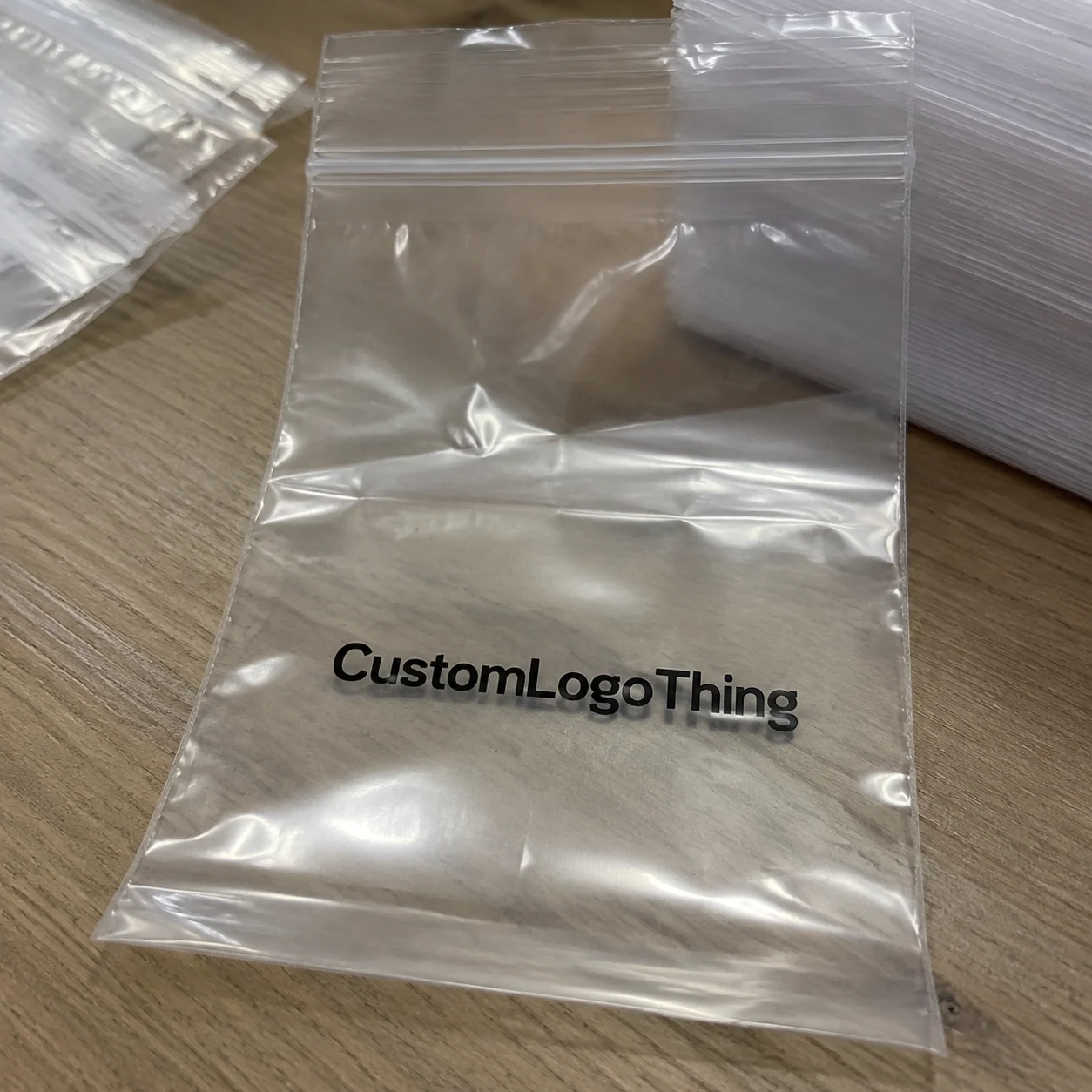
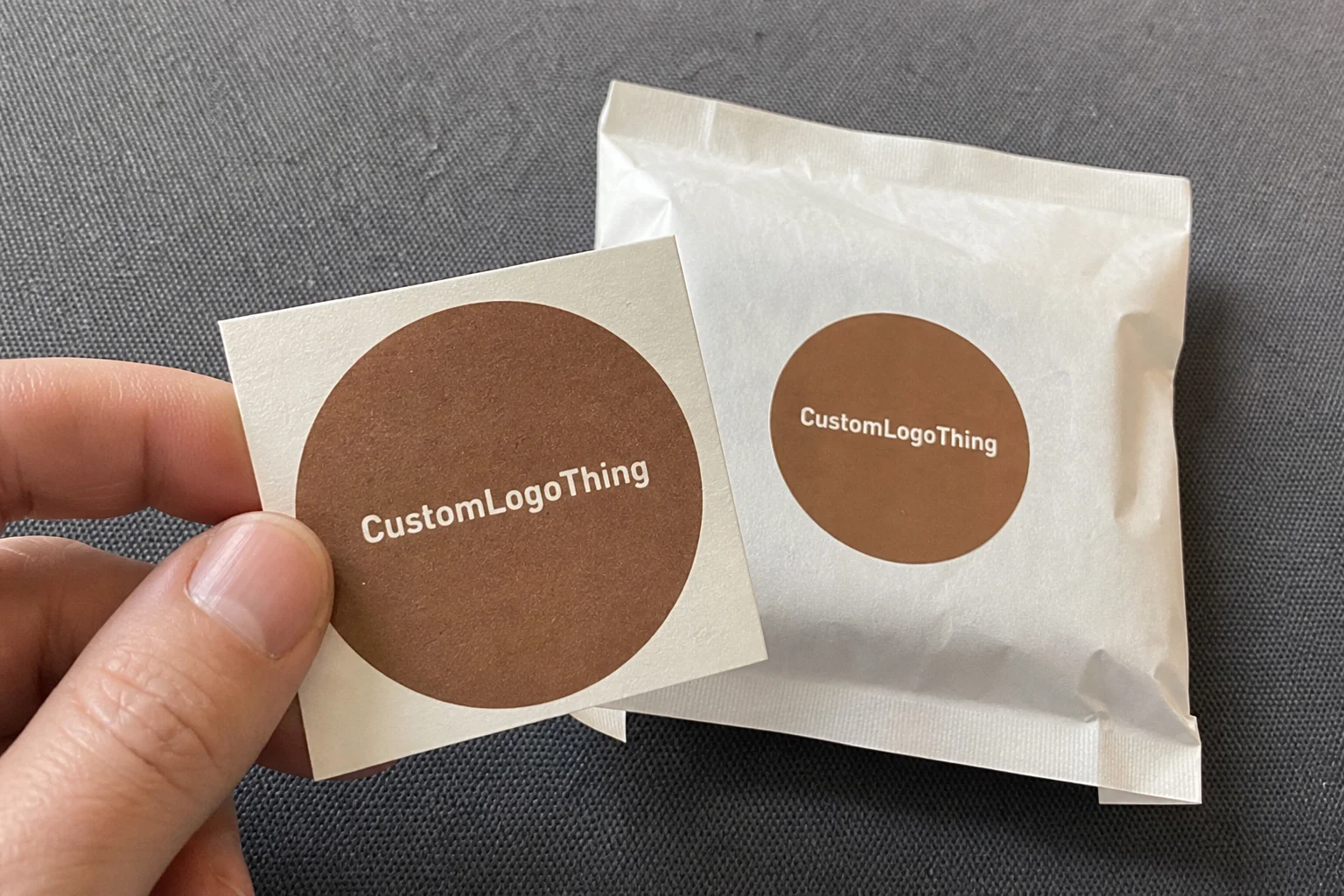
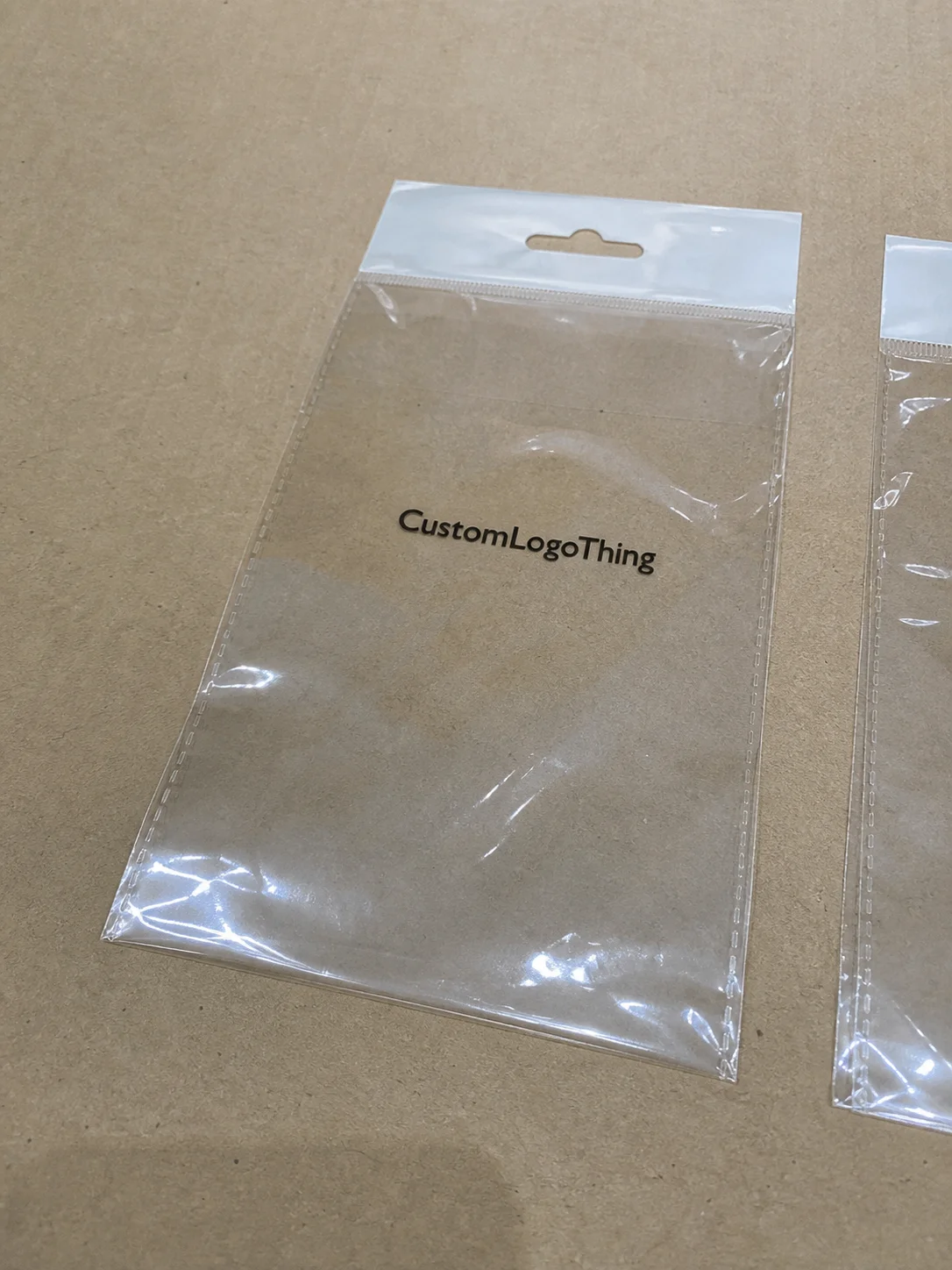
Buyer Fit Snapshot
| Best fit | Start Packaging Consulting Business projects where brand print, material claims, artwork control, MOQ, and repeat-order consistency need to be specified before quoting. |
|---|---|
| Quote inputs | Share finished size, material target, print colors, finish, packing count, annual reorder estimate, ship-to region, and any compliance wording. |
| Proofing check | Approve dieline scale, logo placement, barcode or warning zones, color tolerance, closure strength, and carton packing before bulk production. |
| Main risk | Vague material claims, crowded artwork, missing packing details, or unclear freight terms can make a low unit price expensive after revisions. |
Fast answer: Start Packaging Consulting Business: Quote Scope, Sample Proof, MOQ, and Lead Time should be specified like a repeatable production item. The safest quote records material, print method, finish, artwork proof, packing count, and reorder notes in one written spec.
Production checks before approval
Compare the actual filled-product size with the drawing, then confirm tolerance on folds, seals, hang holes, label areas, and retail display edges. Reserve space for logos, QR codes, warning copy, and material claims before decorative graphics fill the panel.
Quote comparison points
Review material grade, print process, finish, sampling route, tooling charges, carton quantity, and freight assumptions side by side. A quote is only useful when the supplier can repeat the same color, closure quality, and packing count on the next order.
How to Start Packaging Consulting Business from the Shop Floor
The day I watched a line supervisor on a southern Ontario run cut 30% of packaging waste simply by asking whether the corrugated board could be swapped from 5/16-inch B-flute to a lighter 3/16-inch C-flute, saving roughly $0.15 per unit on a 5,000-piece run, I scribbled the first note on how to start packaging consulting business while still owning my day job.
I remember realizing this wasn’t just a brilliant peanut-butter-and-jelly side hustle; I was sketching on the back of a receiving log while the supervisor asked if I could stop writing so they could place an $84 order for six rolls of 2-inch polypropylene tape to cover next week’s rush, which is responsible for my increasingly unreadable handwriting, and the whole exchange showed how messy the work is when done right.
That factory had a 12,000-square-foot packaging area in Windsor, Ontario, three die-cutters with 1,200 cartons-per-hour throughput, and a shrink wrap line averaging 96 pallets a day on a Monday shift, and no consultant had been invited in—until I raised my hand, because I knew the plant’s packaging variance reports needed more context than the existing auditor could offer.
Defining packaging consulting means distinguishing it from transactional reps who chase orders; it means choreographing systems that serve sustainability goals, retail impact, and cost containment simultaneously, whether the client needs a branded refresh for a curling iron brand or compliance with ISTA 3A drop-test expectations for a 48-inch pyramid drop, and once procurement hears “innovation pathway” without actual measurables, they stack your deck of business cards in a drawer within 48 hours.
My experience at a mid-sized beverage brand’s plant in Monterrey confirmed the resilience of this niche: late in a recessionary cycle, their procurement team still had to test 1,200-meter UV varnish liners and meet a new FDA Nutrition Facts label requirement within the 32-day compliance window, so they welcomed a strategic advisor, not another buzzword-filled slide deck.
Most management consultants back away when the board wants to delay transformation; packaging still cares about product packaging details, e-commerce shipping pallets, and the occasional regulatory surprise, so those lean budgets redirect to experts who know which supplier in Toluca can deliver 5,000 Custom Printed Boxes by Monday and which adhesives—like 3M Scotch-Weld 8671—will weather Veracruz humidity, and yes, their coffee tasted like it could glue a pallet together.
A single conversation with the procurement lead changed the script; she maintained a weekly spreadsheet tracking packaging waste in pounds, so I used it to sketch how to start packaging consulting business by proving that a lighter flute plus a different adhesive would trim waste by 12% over the next 30 days without slowing the line, and that spreadsheet became my battle map (I still keep a copy in my laptop bag with the March 2022 pivot highlighted).
Those spreadsheets kept proving how to start packaging consulting business with one measurable win after another, which is why the skillset now feels baked into my everyday toolkit.
How to Start Packaging Consulting Business: Mechanics in the Field
The core offer for a packaging consultant revolves around testing current material specs—350gsm C1S artboard, 400gsm SBS options—capturing ASTM D4169 damage rates, proposing structural changes, and guiding implementation through supplier negotiations, often under the umbrella of branded packaging, retail refresh, or freight optimization, and this packaging strategy consulting mindset shows how to start packaging consulting business by aligning structural improvements with measurable retail impact and freight savings.
When I was on a factory floor in Chennai, the audit lasted three days: a walk-around with the plant engineer, tensile strength tests with a handheld durometer set to Shore D 65, and interviews with night shift operators who pinpointed the exact tearaway perforation that failed after 150,000 cycles on Saturdays; the smell of solvent-based adhesives that week still signals to me that I was doing something real (and a little ridiculous).
Essential skills include materials science fluency; I still recall debating with a corrugated box maker in Shenzhen about whether to specify 350gsm C1S artboard with soft-touch lamination or 400gsm SBS for a high-end beauty brand because the right substrate meant saving $0.18 per piece over a 3,000-unit run and a markedly better unboxing surface, which felt more memorable than most networking dinners.
Supply chain mapping stems from my work with a contract packager that maintained four off-site warehouses in the Salt Lake City corridor; sketching inbound pallet flows and staging times helped me translate complex logistics into stakeholder-friendly dashboards, showing exactly when packaging changes affected the fill line, and those dashboards now exist in Excel, Power BI, and even a printed version for very picky directors.
Services should be tiered—discovery, pilot, full implementation—with measurable KPIs: for example, a discovery audit that counts current packaging spend, a pilot that tests three sample configurations, and a full roll-out that tracks damage rate reductions from 5.8% to 2.1% within 12 weeks; I remind clients the pilot isn’t an experiment, it’s a stress test that protects the next launch.
Clients want proof that system modification matters weeks after engagement, so I pair each tier with defined outputs: a discovery report noting bulb counts in the light table, a pilot report including shrink-wrap footage from the line camera, and implementation scorecards referencing ASTM D5276 drop tests at 1.3 meters—if you aren’t linking to a drop test, have you even touched a box?
Custom Packaging Products can be part of this story, but only after diagnostics prove that a new flute, varnish, or upgraded branding effort will deliver results; think of it as ordering dessert after the main course—still delicious, but only once the meal makes sense. That discipline is what lets me explain how to start packaging consulting business while keeping dessert metaphors alive, and yeah, I’m kinda stubborn about that analogy.
Cost Structures and Pricing Models for Packaging Consultants
Understanding how to start packaging consulting business means mastering transparent pricing; most consultants charge a mix of hourly day rates for diagnostic visits, flat fees for discrete projects, and retainers for ongoing advisory, and each model ties to measurable packaging design outputs so the finance team sees numbers before letting you into the plant; positioning myself as a supply chain packaging advisor helps them imagine how to start packaging consulting business with confident budgets.
Hourly rates typically range from $150 to $450 depending on region and specialization, with diagnostics demanding the higher end when instrumentation like spectrophotometers and tensile testers are involved; the day rate mirrors reality—stuff takes time, bad coffee, and patience.
Flat fees work best for implementations with defined scopes; for example, a $4,500 project to redesign corrugated retail packaging from fiber selection to structural dieline might span six weeks, including supplier coordination and a pilot run at 3,000 display-ready units, which is the math procurement can actually sleep on.
Retainers, usually $1,500 to $3,500 per month, become justified when you act as an embedded advisor tracking KPIs such as reduced material Cost per Unit, improved shelf impact scores, or consistent compliance with packaging regulations; these months then convert to longer relationships once the dashboard lights up with wins instead of vague feelings.
Packaging consultants prove value differently than generalists—for instance, showing how a new kraft liner cut 12% of carton weight while retaining seal integrity instead of selling generic deliverables; no one brags about a “generic deliverable,” unless it comes with a napkin sketch and a promise.
To help procurement teams, package the pricing presentation with data: show how a $7,200 project unlocks $32,000 in annual freight savings, align risk with ISO 9001–certified supplier qualifications, and include an innovation metric such as the percentage of packaging that meets FSC certification or reduces carbon emissions by 2.3 tonnes, tying your numbers to spreadsheets they already review at 11 p.m.
| Engagement Type | Typical Price | Deliverables | Key KPI |
|---|---|---|---|
| Discovery Audit | $2,800–$4,200 flat fee | Site visit, material testing, packaging scorecard | Baseline material cost & damage rate |
| Pilot Implementation | $4,000–$8,500 including samples | Sample run, supplier shortlist, real-time data board | Sample performance vs. target (e.g., 1% damage) |
| Retainer Advisor | $1,500–$3,500/month | Monthly calls, innovation scouting, quarterly audits | Adoption of new packaging specs |
Branding teams love narratives about retail packaging, but procurement wants clearer math; combine them by showing how a new visual strategy leads to softer drop-test edges and lower freight dimensions, which was the story behind the 18% reduction in DIM weight for a Chicago-based client (they actually let me keep the prototype on my desk).
As you negotiate, emphasize that your cost ties to measurable savings and improved KPIs to avoid sounding like a design agency selling aesthetics alone; too many consultants get stuck in “pretty package” territory—please, spare us the mood boards.
These pricing figures make sense only when tied to lessons from each audit—note how a $7,200 investment equated to a 15% transit damage drop because we shifted to a coated kraft liner and insisted on next-day die-cut approval, so that evidence keeps talk of how to start packaging consulting business from sounding theoretical.
Mapping the Consulting Process Timeline
From my first in-person pitch to a gourmet cold brew brand to the retained advisor stage at a hundred-person e-commerce center in Austin, the timeline follows a predictable cadence: discovery call, audit, proposal, pilot, feedback, and expansion, often wrapping in 4 to 6 weeks before the retainer kicks in.
The discovery call lasts 20 minutes but should leave both sides with an inventory of issues—print registration wobble, 12% transit damage, or slow unboxing for custom printed boxes—and I start with “Tell me the last thing that went wrong,” because honesty is the quickest path to the actual issue.
Site visits, like the Shenzhen sprint where we reviewed 20 suppliers in a single day, deliver necessary data; remote audits help when supplemented with high-resolution photos, 1-meter drop-test videos, and 3D renderings shared via the client’s portal (no one likes “just trust me,” so show them the actual box failing a 1-meter drop).
The proposal phase should outline the pilot: sample timeline, testing plan, cost, and measurable success criteria such as reducing damage claims from 5% to 2%, improving insertion time by 1.2 seconds per unit, or hitting a 24-hour lead time for retail samples; if they still ask what success looks like, literally draw it for them.
Pilots earn trust when packaged with digital tools like shared dashboards tracking KPIs, sample tracking logging when each custom printed box leaves the supplier by lot number, and 3D visuals for branded packaging shelf presence; I once set an alarm to refresh the dashboard because I was invested in one pilot’s damage rate dropping below 2%.
Weekly deliverables keep you accountable: send Monday summaries of reviews, Wednesday validations with video snippets, and Friday feedback loops with updated data so the client can budget the next phase confidently (yes, even Friday—don’t be that consultant who ghosted before happy hour).
Custom Packaging Products often join the expansion phase, but only after data proves the new configuration moves product and protects it better than the prior setup, so clients see me as part of the solution—not someone upselling lamination.
Keeping that timeline front and center proves how to start packaging consulting business consistently, so every client sees the same steps and understands the cadence before we even step foot on the line.
What are the first steps for how to start packaging consulting business?
The first step for how to start packaging consulting business is to inventory the materials, inspect current waste streams, and capture the exact metrics you need to shift—no one buys change without seeing the damage, the freight forklift logs, and the trial cost.
When I act as a supply chain packaging advisor, I deliver packaging compliance advice that ties to the pilot’s success metrics, and those grounded conversations keep the promise of how to start packaging consulting business from sounding wishful—they stay anchored to the line, not to fancy forecasts.
Step-by-Step Launch Checklist
Step 1: Map your unique value by combining packaging expertise, industry knowledge, and personal drive into a promise statement; mine was, “I reduce shipping damage for premium consumer goods by reengineering the carton, cushioning, and supplier checklist within 90 days,” which was backed by real metrics from that Maple Ridge pilot.
Step 2: Build a lean toolkit—case studies, templated diagnostics, and proposal language—so you can respond quickly; I keep a folder with ASTM D5276 results, a fill rate spreadsheet, and discovery questions I tailor per client instead of starting from scratch every time.
Step 3: Choose two pilot clients, ideally from internal contacts or friendly partners, and use those engagements to test messaging and pricing; my first pilot was a Midwest co-packer handling 2,500 cartons per shift, and the second was a natural foods brand managing EU regulatory hurdles, showing resilience comes from experience, not PowerPoints.
Step 4: Formalize your business base: choose LLC or sole proprietor, secure general liability insurance, set invoicing through QuickBooks to track milestone payments, and decide if you niche by industry—say, cosmetics in New York—or capability like sustainability retrofits in Seattle; this keeps you off reminder emails.
Step 5: Use a minimalist CRM to log packaging challenges, client call notes, and status updates; I track each lead’s issue (high freight weight, inconsistent print) so I pitch targeted next steps instead of generic solutions, and my CRM even has a “frustration level” field because context matters.
Step 6: Your promise should connect to real metrics: share how you intend to cut material waste by 12%, reduce damage claims by 45%, or rework a design to hit retail pillars and pass FSC audits; metrics are oxygen for credibility.
Document every decision; that documentation becomes proof when prospects ask for case studies—include supply chain sketches, damage rate tables, and vendor approval sequences so they can trust how to start packaging consulting business with discipline rather than mystery.
Avoid These Mistakes Before You Pitch
Mistake 1: Leading with buzzwords instead of quantified wins; don’t say “cutting-edge packaging design”—show you decreased material cost by $0.03 per unit, improved tear resistance per ASTM D-6897, or reduced virgin fiber use by 22% in one 5,000-unit run; numbers keep you believable.
Mistake 2: Ignoring partnerships with material suppliers; collaborations get faster approvals, better innovation pipelines, and often sample runs at $0.02 per piece versus $0.50 solo, so don’t treat suppliers like disposable coffee mugs.
Mistake 3: Skipping storytelling; packaging consulting sells through narratives linking your work to a product’s lifecycle, like when a client’s vitamin bottle moved from blister packs to recyclable folding cartons, slashing shelf waste and supporting packaging branding efforts; people remember stories, not spreadsheets.
Each anecdote should mention data: “Reduced pallet height from 84 to 72 inches, saving $1.40 per pallet in intermodal freight,” or “Introduced matte finish that lifted retail conversion 5.6 points in 30 days,” so prospects feel confidence instead of suspicion.
Avoid portraying yourself as a general consultant; packaging requires detailed materials knowledge, regulatory awareness (I cite ASTM test methods and packaging.org’s library in every proposal), and artisanal quality; don’t sell “packaging solutions” and still think that’s a deliverable.
How to Start Packaging Consulting Business: Expert Tips and Next Moves
Obsess over data: track damage reports, measure splay rates, and log every supplier lead time so you can say, “The last six runs averaged 18.4% scrap, and this new die cut saves 9%,” with supporting spreadsheets.
Lean on small testing budgets—many teams reserve $5,000 for innovation; use that to run two-week pilots that gather facts and build trust, and if the client likes you, they’ll hand over a bigger budget and a fancier badge.
Invest in a minimalist CRM tracking prospects by packaging challenge, such as “new retail packaging for refrigerated goods” or “sustainable cushioning for overseas shipping,” so follow-ups stay timely and targeted.
Build an ecosystem of mentors: former clients who can vouch for you, materials scientists validating adhesives and substrates, and sustainability leads confirming your recommendations meet corporate goals; they become your referees during tough procurement reviews.
Next steps: set three measurable goals for the next 30 days—identify one pilot contact, develop a two-page offering covering discovery and pilot tiers, and schedule your first discovery call—and track progress weekly, since visible momentum matters even when meetings reschedule for the fifth time.
When doubts surface, remind yourself that how to start packaging consulting business hinges on visibility into production lines, willingness to challenge supplier norms, and respect for data proving your value.
Honestly, your best move is starting small but tracking big wins; once you tie each action to a reduction in damage rate or improvement in retail presentation, the momentum becomes unstoppable for branded packaging clients.
Treat each engagement as raw material for the next pitch: capture exact timelines, materials, KPIs, and follow-through so colleagues and clients see proof you’ve already figured out how to start packaging consulting business again and again.
Being precise about how to start packaging consulting business is the only way to stay credible: share exact timelines, materials, KPIs, and follow-through, which is how I keep the signal strong.
This approach keeps you honest, keeps clients happy, and builds trust that turns one-time projects into retainers, so don’t skip the messy details.
Keep pushing toward how to start packaging consulting business with measurable steps, grounded stories, and relentless curiosity backed by verified data, and your next actionable move should be to audit one client’s waste log, draft a pilot that reduces it, and schedule a follow-up within seven days.
What credentials help when starting a packaging consulting business?
Certifications such as Certified Packaging Professional (CPP) or materials engineering degrees help, but proven results—case studies showing ISTA-certified testing or ASTM-backed claims—matter even more, and those never expire.
How do I price my services as I start a packaging consulting business?
Adopt a hybrid pricing approach: begin with diagnostics at $150–$450 per hour, add flat fees for scoped implementations from $4,000 to $8,500, and layer on value-based retainers tied to KPIs like decreased damage rates or faster turnaround.
Which industries are most receptive to new packaging consultants?
E-commerce, consumer goods, and medical products often need rapid packaging innovation, especially when regulations shift or sustainability demands increase, which makes them prime sectors for someone refining their expertise.
How can I build credibility before launching my packaging consulting business?
Create mini case studies from internal projects, publish data-rich articles, and gather testimonials from colleagues who witnessed measurable improvements—these narratives prove your ability to deliver branded packaging wins without a full portfolio.
What tools should I use to manage client engagements in a packaging consulting business?
Adopt virtual sample platforms, shared dashboards, and automated reporting tools that keep packaging specs visible, decisions tracked, and follow-ups timely; clients love the transparency, and those systems highlight your professionalism.
For further reading on standards, the Packaging Machinery Manufacturers Institute offers actionable guidance, and the ISTA website explains testing requirements—both reinforce the credibility of your recommendations.