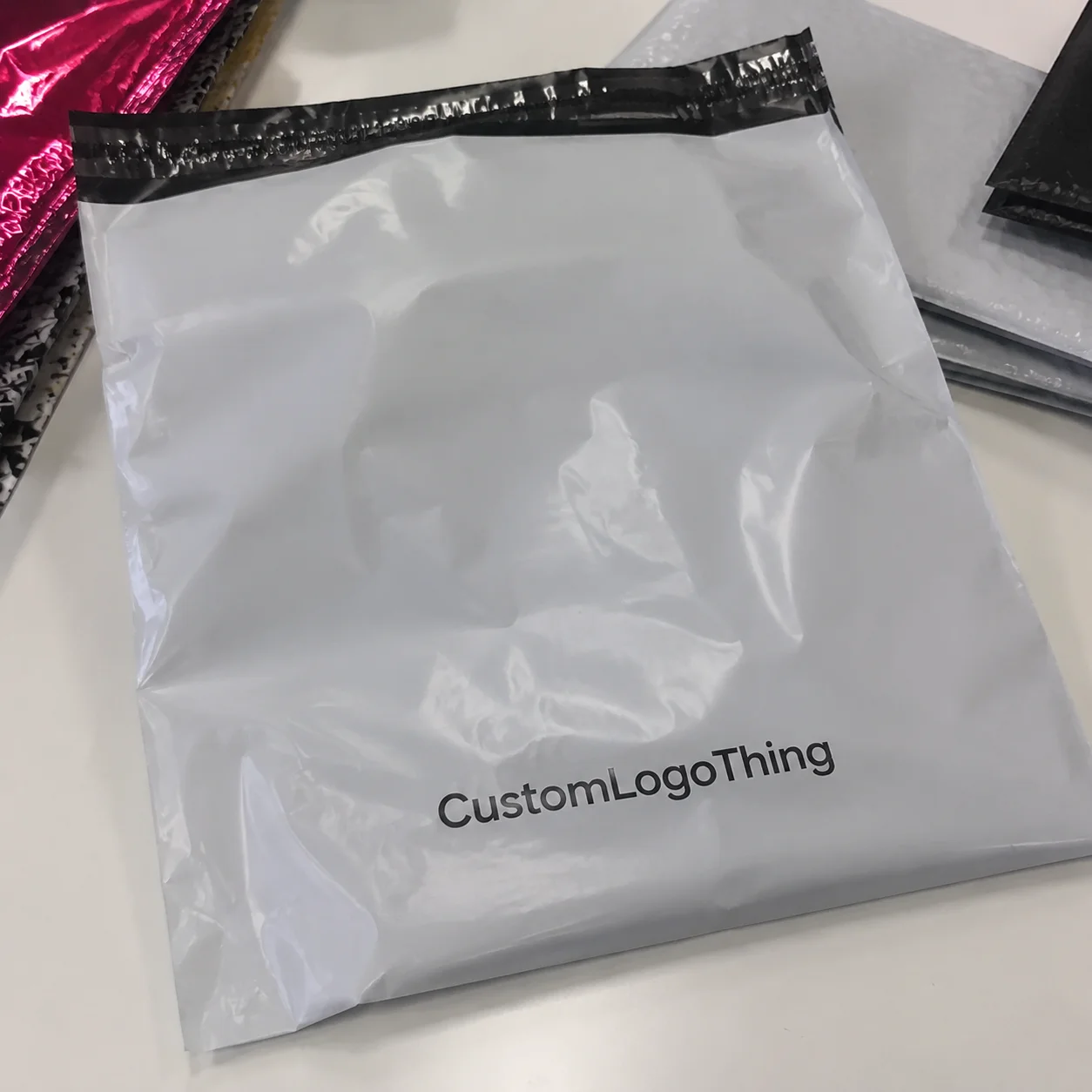
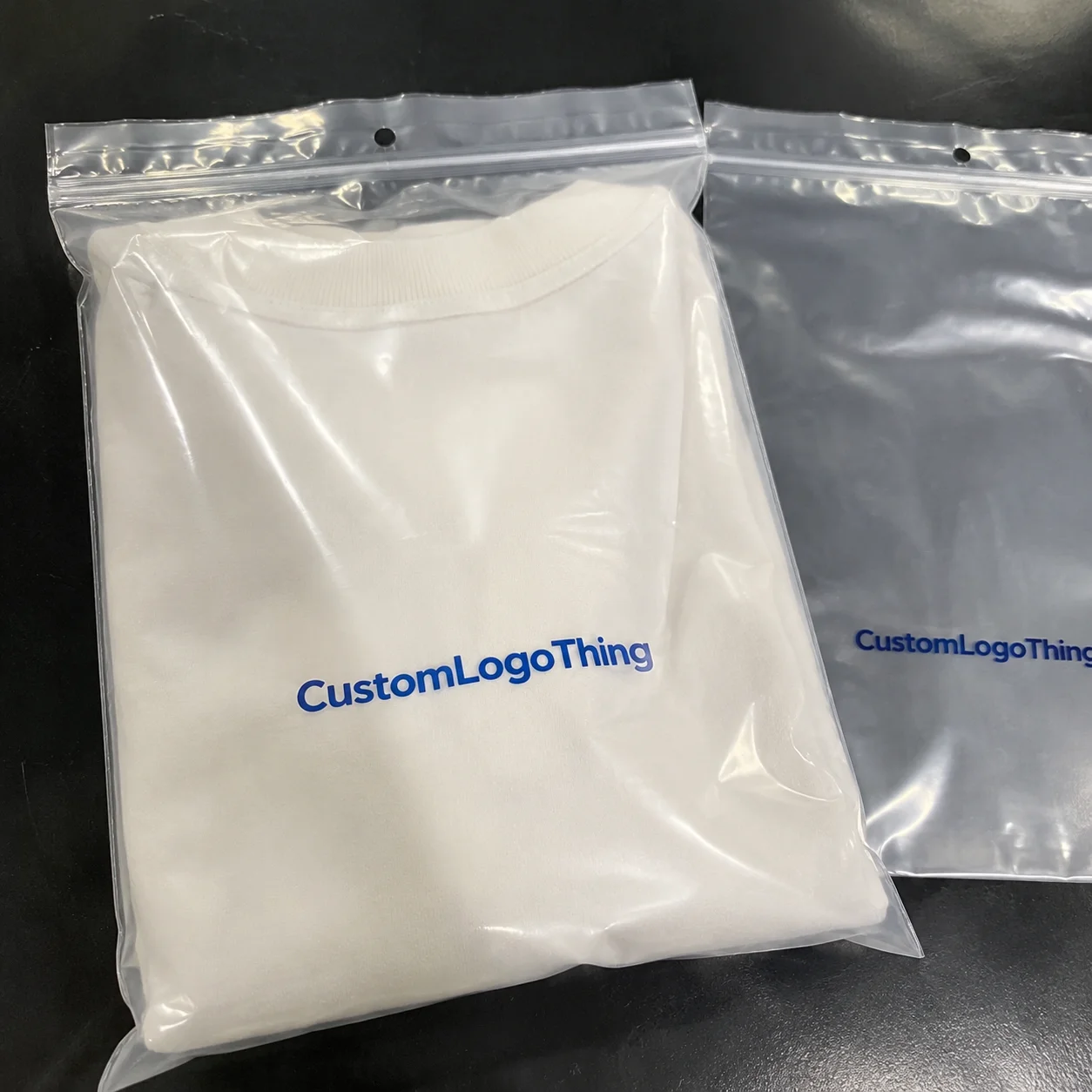
Buyer Fit Snapshot
| Best fit | Start Packaging Design Career projects where brand print, material claims, artwork control, MOQ, and repeat-order consistency need to be specified before quoting. |
|---|---|
| Quote inputs | Share finished size, material target, print colors, finish, packing count, annual reorder estimate, ship-to region, and any compliance wording. |
| Proofing check | Approve dieline scale, logo placement, barcode or warning zones, color tolerance, closure strength, and carton packing before bulk production. |
| Main risk | Vague material claims, crowded artwork, missing packing details, or unclear freight terms can make a low unit price expensive after revisions. |
Fast answer: Start Packaging Design Career: Production Review should be specified like a repeatable production item. The safest quote records material, print method, finish, artwork proof, packing count, and reorder notes in one written spec.
Production checks before approval
Compare the actual filled-product size with the drawing, then confirm tolerance on folds, seals, hang holes, label areas, and retail display edges. Reserve space for logos, QR codes, warning copy, and material claims before decorative graphics fill the panel.
Quote comparison points
Review material grade, print process, finish, sampling route, tooling charges, carton quantity, and freight assumptions side by side. A quote is only useful when the supplier can repeat the same color, closure quality, and packing count on the next order.
Figuring out how to start packaging design career is not a hunt for prettier mockups. It is a study in pressure, shelf psychology, and production reality. A carton, pouch, bottle label, or sleeve gets only a few seconds of attention in a store, and sometimes less online where thumbnails are tiny and competition is louder. Retail research has long shown that shoppers make fast, highly visual decisions, which means packaging has to work hard very quickly. If you are researching how to start packaging design career, the first lesson is simple: think like a designer, a printer, and a buyer who has already seen too many broken dielines.
The work sounds neat from the outside. Inside, it is a mix of visual judgment, technical detail, brand logic, and problem solving under deadline. That combination turns beginners toward the wrong things fast if they do not understand the shape of the job. Learn the process first, strip away the myths, and the path gets clearer. For anyone asking how to start packaging design career, that clarity is worth more than a pile of polished but impractical visuals.
What a Packaging Design Career Really Looks Like
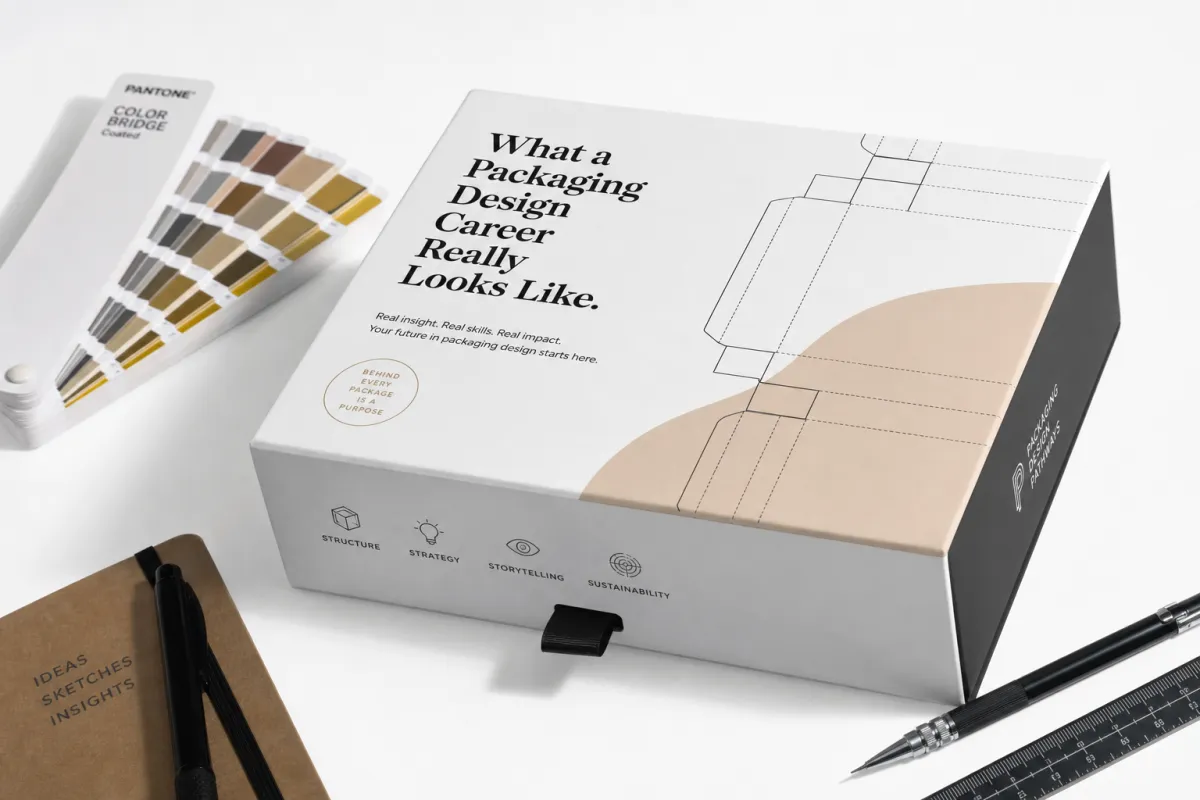
A packaging design career is not just about making a box look attractive. The job is closer to translating a brand into an object that has to sell, protect, inform, and survive a production line. That tension is the point. Anyone asking how to start packaging design career without understanding that tension ends up building a portfolio full of style and no substance.
Packaging design means shaping the outer experience of a product so it can move through retail, ecommerce, shipping, and manufacturing without falling apart. Sometimes the task is visual hierarchy. Sometimes it is making sure a shrink sleeve does not distort the logo on a curved bottle. Sometimes the whole assignment is about choosing a finish That Feels Premium without pushing the cost of goods into dangerous territory. Good packaging designers are not just decorators. They balance brand, product, and production in the same file. That balance is central to how to start packaging design career the right way.
There is a real difference between packaging design, brand identity, and structural packaging engineering. Brand identity defines the logo, type system, palette, and voice. Packaging design applies those choices to a physical format. Structural engineering deals with board strength, folds, inserts, locking tabs, and transit performance. A packaging designer may need enough fluency in all three areas to talk clearly with teams, but the role does not always cover every piece. Knowing the boundary keeps expectations honest.
Daily work often includes concept exploration, dieline setup, mockups, print-ready files, retail checks, versioning, and handoff notes. On a good team, a production specialist or packaging engineer takes on the heaviest technical work. On a smaller team, the designer carries more of that load. The person trying to figure out how to start packaging design career should study technical literacy early, not treat it like optional trivia.
Career paths split too. Freelance work rewards speed, clear communication, and smart pricing. In-house roles favor consistency, brand discipline, and a calm relationship with feedback loops. Agency life can be broad and fast, with different categories every week. Production-facing roles care deeply about printer specs, material limitations, and file cleanliness. There is no universal route. There is only the route that fits your temperament and tolerance for chaos.
A junior packaging designer might spend Monday adjusting copy on a folding carton, Tuesday building a shelf mockup for a beverage brand, and Wednesday reviewing proofs with a vendor. That work is less glamorous than most people imagine. It is also exactly why how to start packaging design career should begin with the workflow, not a fantasy version of design school with better lighting.
I have watched more than one talented junior designer spend weeks polishing a render while ignoring the panel structure underneath. The render looked great. The actual package would have failed the moment a printer opened the file. That kind of gap is common early on, and it is fixable.
How Packaging Design Works From Brief to Shelf
Anyone trying to understand how to start packaging design career needs the full path from brief to shelf. Ideas do not become custom printed boxes by wishful thinking. They move through research, sketches, corrections, production prep, proofing, and a parade of small decisions that can sink the final result if handled lazily.
The process usually starts with a brief. A client might send product details, target price, audience notes, sales channels, compliance text, and competitor references. From there, the designer studies the category. A candle brand behaves differently from a protein bar brand. A beauty tube has a different hierarchy than a shipping mailer. Designers who rush the research phase often pay for it later in revisions. That is one reason how to start packaging design career is really about learning how to ask better questions.
Concept development comes next. Sketching and layout work are not about producing twenty random directions. They are about finding one or two ideas that solve the brief cleanly. After that, the design gets mapped onto a dieline. Many beginners discover here that packaging is not flat graphic design with a box outline underneath. Panels do not carry equal weight. Flaps move. Bleed matters. Glue zones matter. The fold line can ruin a beautiful idea if nobody respected it.
Practical constraints show up quickly: copy placement, substrate choice, finish choice, fold behavior, and printing method. A matte laminated carton reads differently from a raw kraft sleeve. A metallic accent on a cosmetics box creates a different signal than a full-coverage CMYK design. A label on a glass jar has to cope with curvature, moisture, and handling. That level of detail is what employers notice when they ask how to start packaging design career and expect an answer that translates into real work.
Collaboration is constant. Designers work with marketers on positioning, with engineers on structure, and with printers on production limits. Ignoring printer feedback usually leads to expensive corrections later. That is not confidence. That is a bill waiting to happen. Packaging design tends to work best when the designer respects the people who understand how the object will actually be made.
Take a snack box as an example. The package has to communicate flavor, benefits, and brand personality in a compact space. It also has to fit nutrition panels, barcodes, opening mechanics, and retail display requirements. Move the same product to ecommerce, and the job changes. The box may need better shipping durability, stronger front-panel storytelling, and fewer assumptions about shelf-side visibility. Same product. Different job.
That difference matters for anyone asking how to start packaging design career. A design can look polished in a mockup and still fail in production if the type is too small, the contrast is weak, or the finish Drives the Price past what the client can afford. The shelf does not care about your process notes. The printer does not either.
Professional teams also refer to standards and testing methods instead of relying on gut feeling. For transport-heavy products, ISTA testing standards from ista.org are worth understanding. If your work touches forest-based materials, the FSC chain-of-custody basics at fsc.org are useful context. These topics are not glamorous, yet they keep your work grounded in how packaging actually moves through the world.
Key Factors That Make or Break a Packaging Portfolio
The portfolio is where how to start packaging design career stops being theoretical. Hiring managers and clients do not care about tutorial counts or mockup subscriptions. They care about whether you can make a product readable, sellable, and production-ready.
Strong portfolios show concept strength, shelf impact, material thinking, and clean presentation. A page full of glossy renders can feel impressive for a few seconds, then hollow. Pretty visuals are not proof of judgment. A useful portfolio explains why the packaging exists, who it serves, what problem it solves, and how the final design handles the constraints. That is the kind of evidence people look for when they want to know how to start packaging design career with some confidence.
Typography carries more weight than beginners expect. On packaging, hierarchy is not decorative. It is survival. Product name, variant, benefits, quantity, warnings, and brand marks all fight for space. If that information is not structured clearly, the design collapses. The pressure is especially high in retail packaging, where the front face may get only a brief glance.
Color and brand voice matter too, but not in a generic graphic design way. Packaging color decisions have to hold up under store lighting, on screen, in photography, and across materials. A warm cream on coated stock may look elegant. The same color on uncoated board may look flat unless the designer plans for it. Packaging is partly art and partly translation.
Material and production awareness are non-negotiable. Show that you understand bleed, safe zones, lamination, foil, embossing, spot UV, diecut behavior, label placement, and how a design changes on curved or textured surfaces. A designer who can explain why a window cutout supports a food product or why soft-touch coating reinforces premium package branding sounds like someone ready for real work. That is a useful signal when you are figuring out how to start packaging design career in a crowded market.
Mockups matter, but only when they serve the concept. A sharp render can sell an idea, yet the structure still has to make sense. One disciplined folded carton beats five dramatic images with no logic behind them. That can feel harsh. It is also true.
Show the process. Show the rough sketch, the dieline, the versioning, the production notes. Hiring managers want evidence of how you think through constraints. That is usually the difference between a portfolio that gets skimmed and one that gets remembered. If you are serious about how to start packaging design career, the portfolio should read like proof, not like a mood board with a budget.
For product packaging samples, it helps to choose categories that show range without looking scattered. One food item, one beauty item, one beverage label, and one mailer or subscription box can tell a stronger story than ten unrelated experiments. If you need physical products to study or redesign, browsing Custom Packaging Products is a sensible starting point because you can see how real packaging systems vary across shapes and print methods.
If you want a broader industry view, packaging.org offers useful resources on packaging fundamentals and market context. Plenty of online material sounds useful and turns out to be fluff. That site earns a better place on the reading list.
One more detail from experience: a portfolio can be technically strong and still fail if every project looks like it came from the same template. Art directors notice sameness very quickly. Give them proof that you can solve different packaging problems, not just repeat one pretty formula.
How do you start a packaging design career?
The easiest way to make progress is to stop treating how to start packaging design career like a mystery and start treating it like a sequence. You do not need permission to begin. You need a path that creates proof.
Step 1: Audit your current skills. Write down what you already know about branding, layout, print setup, and 3D mockups. Be honest. Strong in typography but weak in dielines? Write it down. Comfortable with visuals but unsure about finishes? That matters too. A real audit saves months of random study, which is why it belongs near the front of how to start packaging design career.
Step 2: Pick one category first. Food, beauty, beverage, supplements, candle packaging, and subscription packaging all make sense. Do not begin with "I can do everything." That usually means "I have no portfolio direction." A focused category makes your work feel intentional, which is exactly what clients want when they search for someone who understands how to start packaging design career and not just how to open Illustrator.
Step 3: Build three to five practice projects. Not fifty. Three to five serious projects are enough if they are thoughtful. Make one label, one folding carton, one pouch or sachet, and one multi-SKU system if you can handle it. Include categories like food, beauty, beverage, and a subscription box so the portfolio shows range without turning it into a jumble.
Step 4: Learn the technical basics. Dielines, bleed, safe zones, substrate choices, color modes, resolution, and print finishing are survival skills. If you know the difference between coated and uncoated stock, you are already ahead of many beginners. If you understand how foil, embossing, and soft-touch lamination change design decisions, even better. Skip this part and the print file will eventually expose the gap.
Step 5: Write case studies. Each project should explain the problem, audience, concept, constraints, and final result. Tell people why you made the choices you made. Good case studies do not need dramatic storytelling. They need clarity. That is how to start packaging design career in a way that makes employers feel comfortable handing you actual work.
Step 6: Practice presentation. Show the work like a packaging designer, not a generic graphic designer. Include front, side, back, exploded views if they help, and one or two production notes. A simple mockup is fine if it is paired with real thinking. Trust tends to rise or fall here faster than beginners expect.
Step 7: Start outreach early. Do not wait until the portfolio feels perfect. It never will. Reach out to small brands, agencies, and in-house teams with a short note and a focused link. Mention the category you specialize in and the type of packaging design work you can handle. One strong case study is enough to open conversations, and that is often the real turning point in how to start packaging design career.
There is a practical reason to stay narrow at the start. A tight niche helps you speak about pricing, materials, and production with more confidence. If you know beverage packaging better than cosmetics, say so. That is not weakness. It is positioning. The market tends to reward specificity.
For a beginner, a useful 90-day rhythm can look like this:
- Weeks 1-2: study examples, gather references, and choose one category.
- Weeks 3-4: sketch concepts and build the first dieline-based mockup.
- Weeks 5-6: refine typography, copy hierarchy, and finish choices.
- Weeks 7-8: create a polished case study with production notes.
- Weeks 9-12: publish the work, pitch it, and collect feedback from people who know packaging.
That routine is not glamorous. It works. And it is a far better answer to how to start packaging design career than waiting for inspiration to arrive carrying a portfolio review.
Packaging Design Costs, Pricing, and Beginner Budgeting
Money makes many new designers uneasy, which is understandable. Pricing packaging design feels awkward until you have done it enough times to stop apologizing for your own work. If you are learning how to start packaging design career, you need a budget for tools and a pricing method that protects your time.
Beginners usually spend first on software, mockup assets, font licenses, sample printing, and maybe a paid critique or mentorship session. You do not need every premium asset on day one. You do need enough tools to build a believable portfolio and enough judgment to avoid underpricing the real work. That balance matters more than any single tool when you are building momentum in how to start packaging design career.
Freelance pricing usually falls into three shapes: hourly, flat fee, and tiered package pricing. Hourly rates are simple but can make some clients nervous. Flat fees work well when the scope is clear. Tiered pricing helps when you want to offer a lower-cost option for simple label or sleeve work and a higher tier for full packaging systems.
Here is a practical range for beginners, with a very important caveat: your market, niche, and quality level matter.
| Packaging Project Type | Typical Beginner Scope | Common Price Range | Best Use |
|---|---|---|---|
| Simple label design | One SKU, one or two revisions, print-ready artwork | $150-$400 | Fast portfolio win, small product brands |
| Sleeve or carton update | Existing dieline, limited structural changes | $300-$800 | Good middle step for new freelancers |
| Full folding carton concept | Brand direction, copy layout, mockups, production prep | $800-$1,500 | Stronger case-study project with more complexity |
| Multi-SKU package system | Several variants, hierarchy system, coordination with print specs | $1,500-$4,000+ | Best for experienced beginners or small studio-style projects |
Those numbers are not laws. They are a starting point. A local startup may only afford a lower rate, while a funded brand may pay much more for clean package branding and dependable handoff. Charge for scope, not hope. If the work includes multiple revision rounds, structural changes, compliance adjustments, or rush timing, the price should rise. That should be obvious, yet plenty of beginners undercut themselves anyway.
Hidden costs trip people up constantly. Multiple dieline revisions eat hours. Extra mockup rounds cost time. Rush turnarounds can force overtime. Print fixes after proofing can mean a full file review. If you are learning how to start packaging design career, bake these realities into your workflow so your profit does not disappear through a pile of small leaks.
"The cheapest packaging design is the one that prints correctly the first time. Everything else has a habit of becoming expensive."
A smart beginner also budgets for production knowledge. That does not mean buying every sample in the market. It means understanding enough about substrates, finishing, and print methods to speak confidently. If the project involves eco claims or recycled boards, you should know the basics of FSC, recycling symbols, and what claims can be supported. If the packaging must survive transit, you should understand why shipping tests and drop standards matter. The EPA has useful general information on waste and materials at epa.gov, which is worth reviewing if sustainability claims are part of the brief.
One more practical point: low-cost work can make sense early if it buys you a credible portfolio piece, a testimonial, or access to a stronger category. Just do not get trapped in permanent discount work. The goal of how to start packaging design career is not to stay cheap. It is to become hireable, then valuable, then properly paid.
And yes, sometimes you will do a project that pays less than it should because the category is perfect for your portfolio. That can be a rational choice early on. It should not become your business model, though. That part kind of sneaks up on people.
How to Start Packaging Design Career: Process and Timeline
People always ask how long it takes. Fair question. The honest answer is that how to start packaging design career depends on focus, technical knowledge, and whether you are showing your work to people who can actually hire you.
The process is rarely straight. Most designers bounce between learning, revising, and pitching before anything clicks. That is normal. The trap is thinking you must finish the learning phase before you publish anything. You do not. One polished case study is enough to begin, especially if it shows a real packaging design workflow rather than a random collection of renderings.
Here is a realistic progression for many beginners:
- Month 1: learn packaging basics, study examples, and choose one category.
- Month 2: build one or two packaging design concepts with real dielines and mockups.
- Month 3: refine the strongest project into a case study and make it portfolio-ready.
- Month 4: publish the work, create a short outreach list, and start pitching.
- Month 5 and beyond: improve the portfolio based on feedback and add more categories only if they fit the niche.
Some people move faster. Some move slower. If you already know branding or production, you will progress more quickly. If you are learning software from scratch, expect a slower start. That is not failure. It is math.
The biggest delay is perfectionism. People spend weeks choosing fonts for a concept that still has weak hierarchy. That is backwards. Another delay comes from skipping technical practice. If your mockups look nice but your files are not production-ready, the gap shows the moment a printer or art director asks a real question. And yes, they will ask.
A good week-by-week sequence is boring in the best way. Monday: study one packaging example and break down the layout. Tuesday: sketch a concept. Wednesday: build the dieline mockup. Thursday: adjust typography and colors. Friday: write the case study. Saturday: get feedback. Sunday: fix the obvious mistakes. Repeat. That is how to start packaging design career without turning the whole thing into a nine-hour scroll through reference images.
Another useful move is creating one simple pricing sheet before outreach starts. It does not need to be fancy. It should show project types, revision limits, and starting ranges. That makes it easier to talk to small brands and less likely that you will freeze when someone asks, "So what do you charge?"
Most beginners also underestimate category focus. If your portfolio centers on beverage packaging, beverage brands can picture you in their workflow. If your work covers everything and nothing, the message gets fuzzy. That is why how to start packaging design career often turns out to be a study in choosing what not to include.
One useful comparison: a general graphic designer can sometimes get away with style alone; a packaging designer cannot. The file has to survive print, shipping, handling, and legal text, all at the same time. That extra pressure is exactly what makes the field harder and more interesting.
Common Mistakes New Packaging Designers Make
The rookie mistakes are predictable, which is irritating because they are also avoidable. If you are serious about how to start packaging design career, learn them early and skip the cleanup.
The first mistake is designing for the screen before the package. A flat comp can look polished and still fail in production because the fold lines, panel proportions, or copy placement were never thought through. Packaging lives in 3D. Treating it like a poster is how people end up with costly revisions and awkward silence in review meetings.
The second mistake is overcomplicating the concept. Packaging has to be legible, manufacturable, and fast to understand. Beginners often pile on effects, textures, gradients, and decorative details because they want to prove creativity. The better move is usually cleaner hierarchy, stronger naming, and smarter use of one or two finishes.
The third mistake is showing only final renderings. That does not prove you understand packaging design. It proves you can make a nice picture. Add the brief, the logic, the dieline, the revisions, and the production thinking. A strong portfolio should make it obvious that you know how to move from concept to print-ready files without hand-waving.
The fourth mistake is underpricing. New designers often quote a tiny number because the package "seems small." Then the client asks for extra SKUs, packaging samples, copy changes, a different closure, and two more proof rounds. The project is no longer small. Your price should not stay small either.
The fifth mistake is ignoring compliance and production reality. Nutrition labels, warning copy, barcode clear space, and legal claims are not optional decoration. They are part of the product. If the brief includes a regulated category, you need to make room for that information instead of pretending it will fit itself.
Printer feedback gets dismissed too early as well. Bad idea. A printer may point out that a finish will scuff, a board stock will warp, or a dieline needs adjustment for a cleaner fold. That is not resistance. That is free damage control. The smartest how to start packaging design career advice is often the dullest: listen to the production people.
One more thing. Do not ignore sustainability language. If you use claims like recyclable, compostable, or FSC-certified, make sure the material and documentation actually support the claim. That is not only a legal issue. It is a trust issue. Buyers notice when the language outruns the facts.
There is also a quiet mistake that does not get discussed enough: trying to make every project look premium. Not every package needs foil, embossing, or an upscale finish. Sometimes the smartest design choice is restraint because the product, the margin, or the channel calls for it. Good packaging designers understand that premium is a strategy, not a default setting.
Expert Tips and Next Steps to Start Strong
If you want a cleaner path for how to start packaging design career, focus your energy where it matters. A narrow, well-argued portfolio usually beats a wide, unfocused one. Pick one product category first. Food, beverage, beauty, supplements, or subscription packaging all work. That focus helps your work look intentional instead of improvised.
Study strong examples on shelf and online, then reverse-engineer them. Ask plain questions: What is the hierarchy? What material does the heavy lifting? Which finishes are carrying the premium feel? Where did the designer leave breathing room? That habit teaches faster than scrolling for inspiration and pretending it is research. It also gives you a more honest answer when someone asks how to start packaging design career without wasting months.
Talk to printers early. Not after you have fallen in love with a design that cannot be made for the target budget. Early printer input improves packaging design because production reality enters the room before the deadline does. That saves time, money, and a pile of awkward email threads.
Build one portfolio case study over the next two weeks. Not six. One. Then make one outreach list of brands, studios, or in-house teams that match your chosen category. Then write a simple pricing sheet with a starting range, revision policy, and deliverables. Those three steps create real momentum.
If you need a practical test, ask yourself whether you can explain your packaging decisions without hiding behind software jargon. Can you describe why the hierarchy works? Can you explain why a carton needs a certain finish? Can you justify a label size or a panel change? If yes, you are closer than you think to being hired for real packaging work.
A little humility helps too. Packaging is a field where the printed object does not care how confident you felt in Figma or Illustrator. It only cares whether the file was built correctly, the materials were chosen wisely, and the brand story survived contact with production. That is the job. It is also why how to start packaging design career is less about waiting for permission and more about stacking proof, one solid project at a time.
Start with one category. Build one good case study. Learn one production lesson the hard way if you must, but preferably not on a paying client job. Then repeat. That is the cleanest path I know for how to start packaging design career without wasting a year on vague inspiration and fake momentum.
FAQ
How do I start packaging design career with no experience?
Pick one product category and build 3 practice projects that look like real client work. Learn dielines, print basics, and mockup workflow before pitching yourself. Use case studies to show thinking, not just visuals, so people can trust your process. That is the most practical answer to how to start packaging design career from zero.
Do I need a degree to start packaging design career?
No, but you do need proof that you understand packaging, production, and branding. A degree can help with structure and connections, but portfolios get more attention than diplomas. If you skip formal education, make up for it with strong self-study and practical projects.
How long does it take to get hired or land clients?
It depends on your portfolio quality and how consistently you pitch or apply. A focused beginner can build proof in a few months, but paid work usually follows outreach and revisions. The fastest path is one niche, one clear portfolio, and steady contact with employers or small brands.
How much should a beginner charge for packaging design?
Start by pricing based on scope, revisions, and production complexity instead of copying a random rate online. Simple label or sleeve work should cost less than full packaging systems with multiple components. If the client wants urgent turnaround or extra revisions, that should raise the price.
What should be in a packaging design portfolio?
Include the brief, concept, target customer, dieline or mockup, and final print-ready look. Show at least one food, one beauty, or one consumer product sample if possible. Add production notes or material choices so employers can see you understand real packaging constraints.