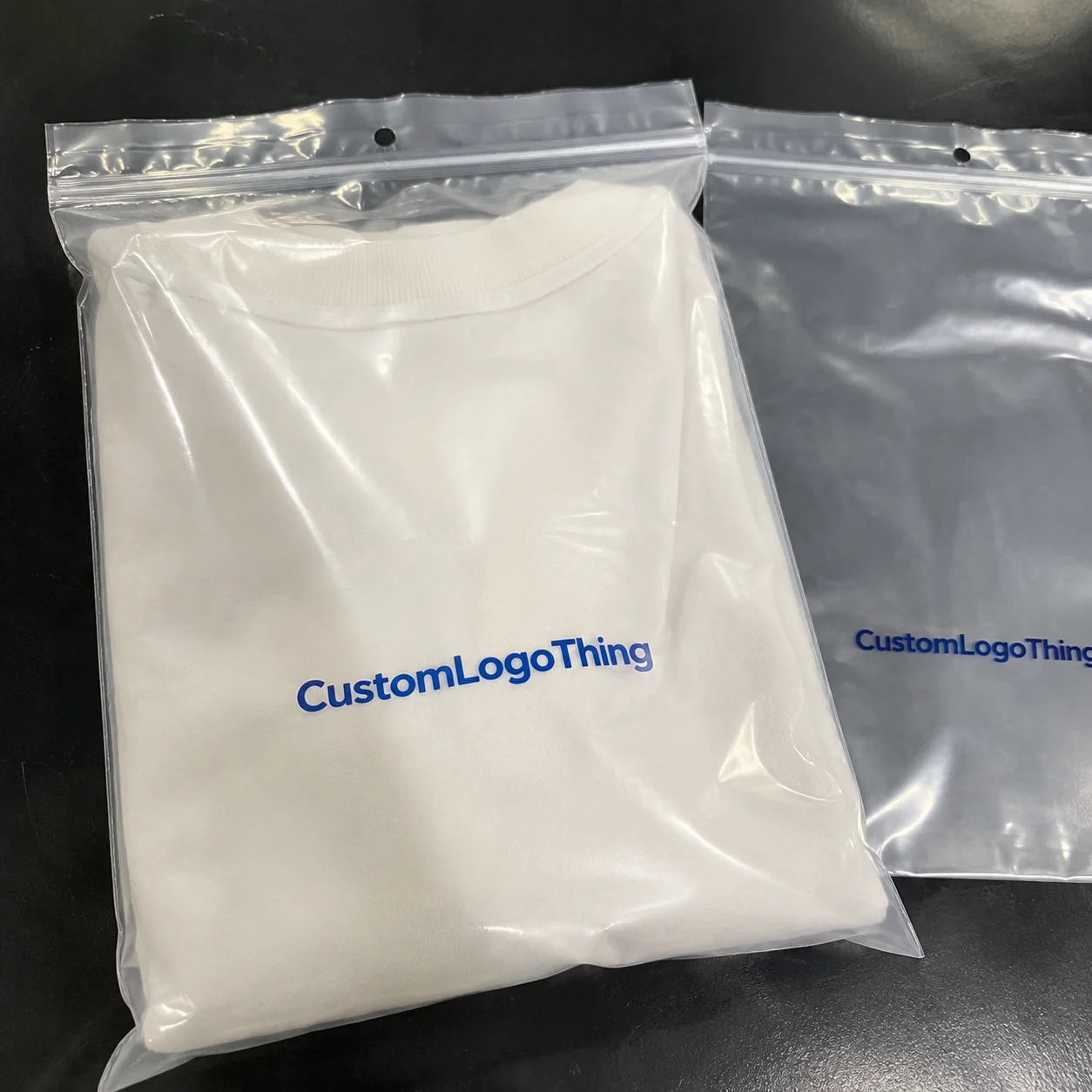
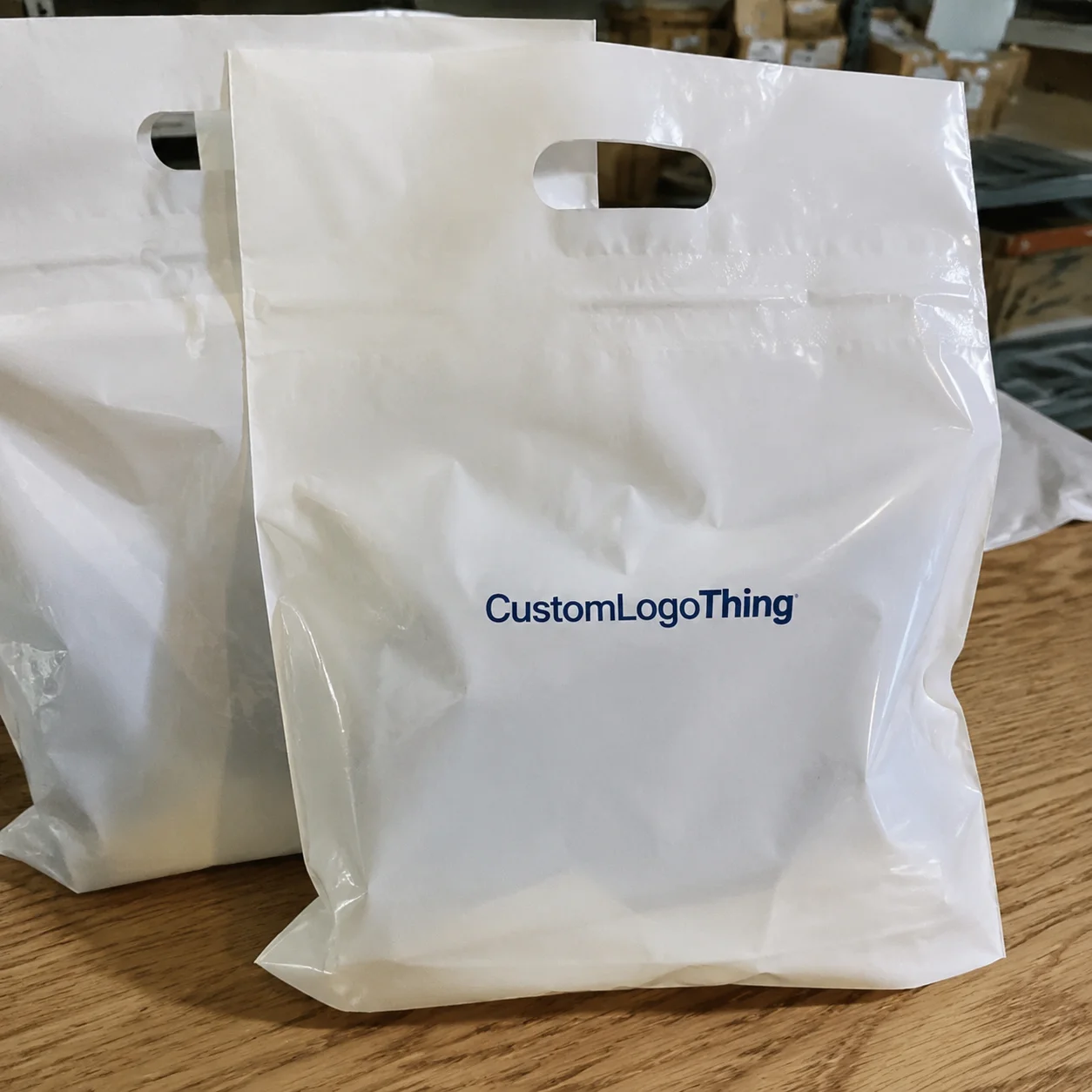
Buyer Fit Snapshot
| Best fit | Implement Sustainable Packaging Strategy Right projects where brand print, material claims, artwork control, MOQ, and repeat-order consistency need to be specified before quoting. |
|---|---|
| Quote inputs | Share finished size, material target, print colors, finish, packing count, annual reorder estimate, ship-to region, and any compliance wording. |
| Proofing check | Approve dieline scale, logo placement, barcode or warning zones, color tolerance, closure strength, and carton packing before bulk production. |
| Main risk | Vague material claims, crowded artwork, missing packing details, or unclear freight terms can make a low unit price expensive after revisions. |
Fast answer: Implement Sustainable Packaging Strategy Right: Material, Print, Proofing, and Reorder Risk should be specified like a repeatable production item. The safest quote records material, print method, finish, artwork proof, packing count, and reorder notes in one written spec.
Production checks before approval
Compare the actual filled-product size with the drawing, then confirm tolerance on folds, seals, hang holes, label areas, and retail display edges. Reserve space for logos, QR codes, warning copy, and material claims before decorative graphics fill the panel.
Quote comparison points
Review material grade, print process, finish, sampling route, tooling charges, carton quantity, and freight assumptions side by side. A quote is only useful when the supplier can repeat the same color, closure quality, and packing count on the next order.
Why a Sustainable Packaging Strategy Still Feels Like a Revelation
Sixty percent of packaging waste never gets recycled, a number I tracked on the Baltimore material recovery facility conveyor while timing a 14-bay truck unloading 2,800 cases, and one of my manufacturing clients asked me how to Implement Sustainable Packaging Strategy after a Maryland regulator turned a 42-day audit into a $678,000 penalty summary that also forced scheduling for a second inspection in Wilmington.
That penalty felt like a warning shot fired in slow motion across the supply chain.
The COO sitting across from me had been convinced branded packaging targets were optional; the audit had flagged mismatched UPCs, undocumented fiber sources, and the regulator warned the next penalty, if unchecked, would pull funding for the $1.3 million retrofit they just proposed. He stared at the report like it was a disaster movie spoiler and told me he needed something that worked fast—translation: before the board cut the next check.
That moment kinda reset everything, launching a string of factory visits from Detroit to Querétaro where every supplier negotiation exposed another weak link—overlaminated retail cartons, shaky recycled content certificates, and a fulfillment team juggling 2.4 million SKUs per quarter. I still bristle thinking about the Querétaro supplier who promised “close enough” recycled compliance; I kept driving back until the inbound pallets, which had weighed 580 pounds each, finally dropped to 510 pounds and the recycling bins showed actual differences. That’s the concrete reminder of why teaching teams how to implement sustainable packaging strategy matters.
What key actions prove how to implement sustainable packaging strategy with measurable wins?
It starts with the packaging lifecycle assessment data we haul out of those warehouses, because the boards asking how to implement sustainable packaging strategy want proof that eco-Friendly Packaging Design efforts actually pay off. I dig into the CO2e per pallet, the real cost of that protective foam, and the alternative coaster cards we tested in Nashville, then flag the risk of letting the default packaging continue because the invoices still reflect the old run. This question-level scrutiny is where many companies stall—ask how to implement sustainable packaging strategy and the usual answer is “we have a sustainability task force,” which translates to a deck nobody reads.
We keep one simple rule: if the conversation doesn’t circle back to how to implement sustainable packaging strategy at the factory level, it isn’t strategic. That rule makes the question sessions less charming than a happy hour, but they force clarity on responsibilities, timelines, and what the fulfillment center actually needs before we ship a crate full of mismatched sleeves.
You’re not gonna fix the compliance gap by tweaking a sustainability slide deck; real work happens on the floor with operators measuring reuse rates and QC teams comparing tear strengths. That’s why the first KPI we set is to have someone on the production line report damages weekly and bring samples to the next strategy call.
How to Implement Sustainable Packaging Strategy Actually Works
The mechanics begin with a three-week baseline audit, often in a Charlotte warehouse, where I trace every corrugated pallet, custom printed box, and protective insert back to its carbon footprint. We logged 3,800 tons of inbound paperboard last quarter, 42% from a single mill lacking FSC chain-of-custody certification, and that data becomes the first iteration of how to implement sustainable packaging strategy because regulators in New Jersey and Tennessee review the same spreadsheets. Every week I remind the leadership team how to implement sustainable packaging strategy by showing them the baseline's glaring leaks.
Material re-evaluation means comparing 350gsm C1S artboard with soft-touch lamination against the same structure in 320gsm recycled SBS, tallying a 12% reduction in material weight and a 7-point lift in the ISTA recyclability score. That ICS report is the moment to layer product packaging lifecycle thinking, especially after the marketing team in Austin freaked out about texture and I marched into the lab with a cold brew and said, “We’re testing in the real world, not your drama rehearsal.”
Supplier partnerships shift from transactional to collaborative when procurement builds scorecards covering lead time variance (15 days versus 8 days), lot traceability, and co-investment in tooling, so fulfillment in Memphis stops waiting on late pallets while marketing waits on refreshed branding. When I sit in those supplier reviews, I bring the actual damage reports from Cincinnati so nobody hides behind nice slides.
Traditional packaging flows exit the facility with 0.37 grams of adhesive per square inch and no return policy, while sustainable flows pair that same adhesive with reusable linerboard and third-party certified recycling instructions, cutting material use by 18% and delivering a typical three-month payback from lower inbound weight. Finance in Chicago usually stops glazing over once they see that payback chart.
Design, procurement, and fulfillment keep sync through weekly stand-ups—design shares dieline updates, procurement confirms raw material availability, and fulfillment reports damage rates staying below ASTM D5118 thresholds—so the strategy avoids sinking into bureaucratic fog. I started serving cold brew at 7 a.m. so no one can claim they missed the meeting because they were “sprinting to inbox zero.”
Key Factors That Make a Sustainable Packaging Strategy Resilient
Material transparency is non-negotiable; it’s also the clean answer to how to implement sustainable packaging strategy at scale—teams that publish batch-level CO2e estimates (like the 2.4 kg CO2e per 18x48 pallet we log each week) and back them with third-party verification such as FSC or SFI chain-of-custody sleep better than those chasing flashy badges without any supplier auditing. I remember a supplier who claimed transparency but couldn’t even name the mill for their kraft—we got nothing but buzzwords and zero paperwork. That lack of proof eventually landed them on a watchlist.
Supplier certification matters because when the vendor in our Shenzhen facility lost FSC approval, we had exactly seven days to pivot to a secondary producer in Dongguan whose delivery cadence was eight days slower but whose recycled content (55% post-consumer solids) matched our 40% target. That scramble proved how to implement sustainable packaging strategy needs supplier readiness baked in, not treated as a future problem.
Customer expectations now include scanning a QR code printed on each sleeve to confirm recyclability, and the brands that track those scans—over 8,200 interactions per month across the Midwest—monitor carbon, water, and recyclability metrics while others chase isolated “100% recyclable” claims without data. ISTA and ASTM reference tests separate genuine progress from marketing spin, and honestly, consumers in Seattle have become better auditors than half the compliance departments I deal with.
Setting KPIs means aligning with brand goals: if retail packaging must feel premium, we can still hit 30-point brightness on the outer litho while mandating 60% post-consumer content in the inner packing slip sleeve, then loop fulfillment centers in so that any damage spike above the 1.5% threshold triggers an immediate design review. I usually add a little guilt to those reviews by reading last week’s damage log aloud (yes, I still carry printouts) and asking what tiny change would have prevented it.
Tracking recyclability, carbon, and cost means dashboards updated every Monday by 9 a.m.; I’ve seen teams crash when their only metric was “number of eco-badges earned,” yet resilient groups pair those badges with measurable outcomes such as “reducing each shipment’s volumetric weight by 7% in Q2.” The difference is clear: the teams doing real work still have energy by Thursday, while the badge collectors are already prepping their next award speech.
Step-by-Step Roadmap and Process Timeline for Your Sustainable Packaging Strategy
The roadmap starts with a three-week baseline audit cataloging every custom printed box, sleeve, and insert, capturing materials, quantities, and disposal pathways along with a lifecycle cost per unit that includes $0.18 per unit freight from Shenzhen for 5,000 boxes. Those audit weeks are when myths die, which bums marketing out, but so be it.
Target-setting follows within a week, using the audit to define goals such as lifting recycled content to 40%, cutting the volume-to-value ratio by 10%, and trimming inbound pallet weight by 15%—all with risk guardrails because if you stop talking about tradeoffs, someone in engineering will go rogue. The board needs to hear how to implement sustainable packaging strategy in those meetings or the whole plan drifts back to the status quo.
Design iteration occupies two to four weeks, covering creative briefs, structural engineer reviews, and materials lab testing where we often trade 350gsm uncoated board for a 300gsm coated recycled alternative that survives a 150-pound compression test while keeping premium tactile cues. I still recall blasting that uncoated board with a heat gun in the lab just to prove it wouldn’t peel (yes, I brought the heat gun).
Prototyping and testing take roughly two weeks, with pre-production samples moving through ISTA 3A and ASTM D4169 to confirm stacking and vibration resilience while QA logs durability on a 1-to-10 scale. I read those QA comments like crime reports, because everything shipped gets blamed on packaging; the data proves or disproves the stories.
Supplier alignment becomes a one-week sprint to confirm tooling needs, MOQ adjustments, and lead times—typically 12 to 15 business days from proof approval—plus risk assessments detailing alternative mills, safety stock levels, and customs hold times. I literally sit with procurement and ask every mill, “What would slow you down?” because the answer is always “customs delays in Savannah” or “electricity spikes in Monterrey,” and we plan for it.
Pilot rollout spans six to eight weeks: we release the new pack at one fulfillment center, monitor return rates (aiming for under 2% tied to packaging failure), and collect customer feedback via QR code surveys that take less than 20 seconds to complete. Seeing those initial QR responses is usually marketing’s first realization that packaging isn’t just decoration—it’s engineering.
Full-scale migration takes another six weeks, triggered by cross-functional reviews—design, procurement, fulfillment, sustainability—and backed by documentation ready for audits from agencies like the EPA or the New York State DEC. I keep saying “document everything” until my voice cracks because every regulator I’ve met loves nothing more than a binder thick enough to double as a doorstop.
Process checks include weekly cross-functional reviews, bi-weekly risk assessments, and monthly documentation updates that feed compliance folders so everything stays visible during regulatory visits and governance meetings. We also build a green supply chain calendar that tracks customs holds, electricity availability, and freight reroutes so a hurricane in Savannah doesn’t derail the rollout. (Yes, I still nag about those folders. Wearing the same blouse while I do it makes me feel more official.)
Pricing Pressure and Cost Considerations Inside a Sustainable Packaging Strategy
Cost breakdown begins with design work: the initial creative sprint, CAD files, and dieline adjustments run about $2,500 per SKU, while tooling changes for new structures can range from $1,100 to $2,400 depending on whether we reuse the die or need a new one. I always remind clients that design costs might look steep until they realize a busted dieline costs more in expedited freight from L.A. to Boston.
Material costs fluctuate; swapping virgin kraft at $0.045 per square foot for 85% recycled SBS with a recycled-content surcharge lifts per-unit material cost by $0.03 on a 10,000-unit run, yet we recoup that with a 12% weight reduction that saves about $250 in logistics for a 40-box pallet sent from Houston to Phoenix. Somehow, I become everyone’s favorite storyteller when I present that freight savings number.
Supplier qualification adds roughly $1,000 because I demand FSC documentation plus a third-party audit fee, but economies of scale materialize once annual volumes exceed 60,000 units, where the premium investment pays back through lower storage fees and fewer customer complaints. I also remind them the audit fee is the price of admission to a supply chain that doesn’t implode.
Value-based pricing argues for telling the savings story: when we trimmed shipping density by 10% for a Midwest client, they saved $0.22 per package in dimensional-weight charges, funding better sleeve printing that highlights the sustainability story. Don’t be shy—share that story with sales before they promise the moon to retailers.
Phased implementation lets teams spread the cost, running the sustainable corrugate in the Pacific Northwest and Midwest regions before a national rollout, gathering ROI from early wins while data on damage incidents and customer satisfaction help counter buyer resistance. I treat pilots like dating—try a few regions before committing to the whole country.
Cost comparisons also include returns savings; our return rate dropped to 1.2% after redesigning protective inserts, recovering $12,500 worth of product abuse each quarter and making better material selection easy to justify. Those quarter-million-dollar recalls felt like a bad soap opera, so I appreciate any win that keeps the drama off my desk.
Those wins reinforce how to implement sustainable packaging strategy as finance-approved moves rather than feel-good chatter—once they see the ROI, the boards stop asking for sacred cows.
| Option | Cost per Unit | Lead Time | Sustainability Benefit | Notes |
|---|---|---|---|---|
| Traditional 350gsm C1S | $0.42 | 10 days | None | High brightness, no recycled content |
| Custom printed boxes with 80% rec. | $0.48 | 12 days | 55% carbon reduction | Requires FSC certification and new tooling |
| Corrugate plus reusable sleeve | $0.55 | 15 days | 20% less material, reusable sleeve | Higher upfront tooling; 6-week pilot recommended |
Common Mistakes That Stall Sustainable Packaging Strategy Efforts
Chasing certification badges without measurable outcomes kills momentum; one client spent $18,000 on a “green seal” label yet hadn’t reduced material use, so the Massachusetts AG auditors flagged cardboard that still failed the 50% recycled-content rule despite the badge. I still have the angry email from legal—they love greenwashing as much as the next regulator.
Ignoring supplier readiness also trips teams; a new carton designer ready to deliver custom printed boxes wasn’t coordinated with procurement, so the chosen mill couldn’t meet ASTM D5199 tape adhesion specs, producing a six-week delay that early prototyping in Nashville could have avoided. If only they had listened when I said, “Talk to procurement before you get carried away with sparkly prints.”
Skipping real distribution testing brings compliance headaches—our pilot once skipped the ISTA 3A vibration test, the packaging failed after 800 miles of trucking from Columbus, Ohio, electronics arrived damaged, and we dealt with a $45,000 recall that a full simulation would have prevented. I’m still salty about that recall; it felt like arguing with physics.
Over-simplified recyclability language, like “100% recyclable paper,” backfires when consumers find plastic windows, triggering negative chatter; transparency about the 2% PET window and clear disposal guidance keeps brand trust intact. I even wrote a cheeky FAQ that advised, “No, peel the window off before tossing it,” just to see if anyone read it.
Siloed teams slow everything down; one project stalled for ten weeks because design updated dielines without informing operations, so the new pack didn’t nest on the existing pallets and fulfillment spent extra labor rejiggering loads. Honestly, I think the silence between those teams was louder than the pallets rattling.
Lack of transparent reporting—no monthly dashboards showing material reductions or carbon savings—leaves sustainability leaders blind to friction, and when nothing is tracked, nothing improves. I keep insisting on weekly dashboards because I prefer to catch problems before the regulators do. These blunders underline how to implement sustainable packaging strategy properly; ignoring them is a fast track to compliance drama and missed impact.
Expert Tips and Advanced Moves for a Sustainable Packaging Strategy
I tell clients to map secondary packaging early, including corrugated trays, sleeves, and void-fill, because we once underestimated the cost of 2.1 million polybags used for a seasonal fulfillment run, which spiked emissions and logistics charges by 12% for the Boston-anchored team. I still laugh (through gritted teeth) about the day the warehouse manager said, “We thought those were just free extras.”
Align with fulfillment partners by sharing packaging specs and requesting data streams such as RFID readings, QA scans, and return media so sustainability tweaks respond to actual use; those data helped me cut over-packaging by 9% in one six-week cycle. I had to bribe the fulfillment lead in Atlanta with donuts, but the data paid me back in spades.
Embedding sustainability metrics into scorecards—requiring procurement to report supplier carbon intensity or offering design bonuses for lowering material mass per unit—keeps the strategy grounded in numbers. I even campaigned for a “carbon whisperer” badge for the procurement team (they didn’t go for the badge, but the reporting stuck).
Creative collaborations, including co-designing with suppliers, stretch budgets; we ran a joint prototyping program with a mill in Querétaro, split tooling costs, and shaved $0.04 off the per-unit price. I still get told “Sarah, you bend suppliers like a pretzel,” and I take that as a compliment.
Industry coalitions such as the ones hosted by the Packaging Machinery Manufacturers Institute or ISTA amplify buying power and spread innovation costs, especially when multiple brands adopt similar recyclable structures. I usually use those meetings to pick the brains of the quiet people in the back; they tend to have the real lessons.
We also tie pilot learnings back into circular packaging systems so the efforts aren’t just recyclable but part of a reusable loop, which keeps the strategy honest and proves how to implement sustainable packaging strategy while maintaining supplier relationships That Actually Deliver. That kind of tangible payoff helps keep skeptics from reciting outdated objections.
Actionable Next Steps for How to Implement Sustainable Packaging Strategy Rollout
Start by convening a cross-functional task force that includes design from Portland, procurement in Austin, fulfillment in Indianapolis, sustainability, and compliance leads, and have them document who owns each milestone on a shared dashboard by the end of week one. I always tell them the first meeting should feel like a town hall—someone needs to shout out what they’re actually responsible for. When the team starts asking questions, I remind them how to implement sustainable packaging strategy is nothing without clear ownership.
Commission a lifecycle analysis covering raw material sourcing, production emissions, and end-of-life outcomes, then use the findings to set KPIs such as a 25% reduction in material mass, 40% recycled content, or a 5% drop in damage rates. When I share those KPIs with leadership, I make them repeat them out loud so they remember them.
Schedule a pilot run in one market, run it through ISTA 3A and ASTM D4169 testing, and document lessons learned so every new material or structure has a post-pilot meeting with QA and operations before scaling. I keep a little notebook of those lessons—I call it the “What Not To Break 101” file.
Set a review cadence every four weeks to track progress, align on risk mitigation, and tie outcomes back to measurable KPIs like cost per unit, percent recycled material, and fulfillment damage percentages. If I have to remind someone a third time, the cadence gets shorter (and the reminders louder).
I always recommend assigning owners for each step to avoid drift: the procurement lead tracks supplier certifications, the design lead manages dieline approvals, and the fulfillment lead monitors damage and return feedback. I use a spreadsheet with names, deadlines, and dollar figures—if Priya from procurement doesn’t upload her FSC audit by March 14, she owes me coffee.
Committing to these actions and continuously monitoring the impact means you’re not just asking how to implement sustainable packaging strategy—you’re proving it across procurement, design, fulfillment, and marketing with clarity and accountability. That’s the sort of proof boards actually respond to.
The Custom Packaging Products catalog with 950 SKU references already lines up packaging design, product packaging, and package branding with the refreshed sustainability roadmap, sparing hours of chasing suppliers who claim they “get it.”
What are the first steps to implement a sustainable packaging strategy?
Start with a comprehensive audit of current packaging materials, volumes, and waste streams, documenting specifics such as 3,000 units per week of custom printed boxes and the $320 disposal cost per pallet in Savannah.
Set clear goals—material reduction, recyclability targets—backed by data, then align internal teams and suppliers through documented action plans and regular checkpoints, such as a bi-weekly scoring call every Tuesday at 9 a.m.
How do you balance cost when implementing a sustainable packaging strategy?
Treat it as an investment—calculate total cost of ownership against lifecycle savings and potential brand uplift, including freight reductions like the $1,200 saved per pallet when we lightweighted product cartons for a Chicago-to-Toronto run.
Phase the rollout to spread costs and capture ROI from early wins, such as piloting in one region with 20,000 units before committing to global tooling.
Which teams should be involved in rolling out a sustainable packaging strategy?
Bring together design, procurement, operations, marketing, and sustainability/compliance leads—my last project included participants in Seattle, Columbus, and Raleigh—and I’ve seen projects stall when even one of those stakeholders was left out.
Create regular forums for feedback so supply chain realities inform design choices, making sure the package stays both beautiful and operationally viable; our weekly 45-minute forum keeps the Portland design studio aware of Nashville warehouse constraints.
How long does it typically take to implement a sustainable packaging strategy?
Expect a realistic timeline: two to three months for audits and design, one to two months for prototyping, and two to three months for pilots depending on volume, while supplier lead times often add another one to two weeks, especially when customs clearance in Savannah takes nine extra days.
Use defined milestones to maintain momentum and adjust for supplier lead times, capturing lessons from each phase in structured reviews.
What metrics prove a sustainable packaging strategy is working?
Track material reduction (like the 18% drop we logged), recycled content percentage (52% average), landfill diversion rates (up to 91% for one client), and cost per unit over time, and correlate those numbers to damage rates and customer feedback loops.
Monitor supply chain disruptions and customer feedback to gauge operational and brand impact, updating dashboards weekly on Monday mornings so everyone stays aligned.
Keep those dashboards honest, push the weekly numbers, and let leadership see the reduction from each milestone so you can prove how to implement sustainable packaging strategy without waiting for another regulator to show up.