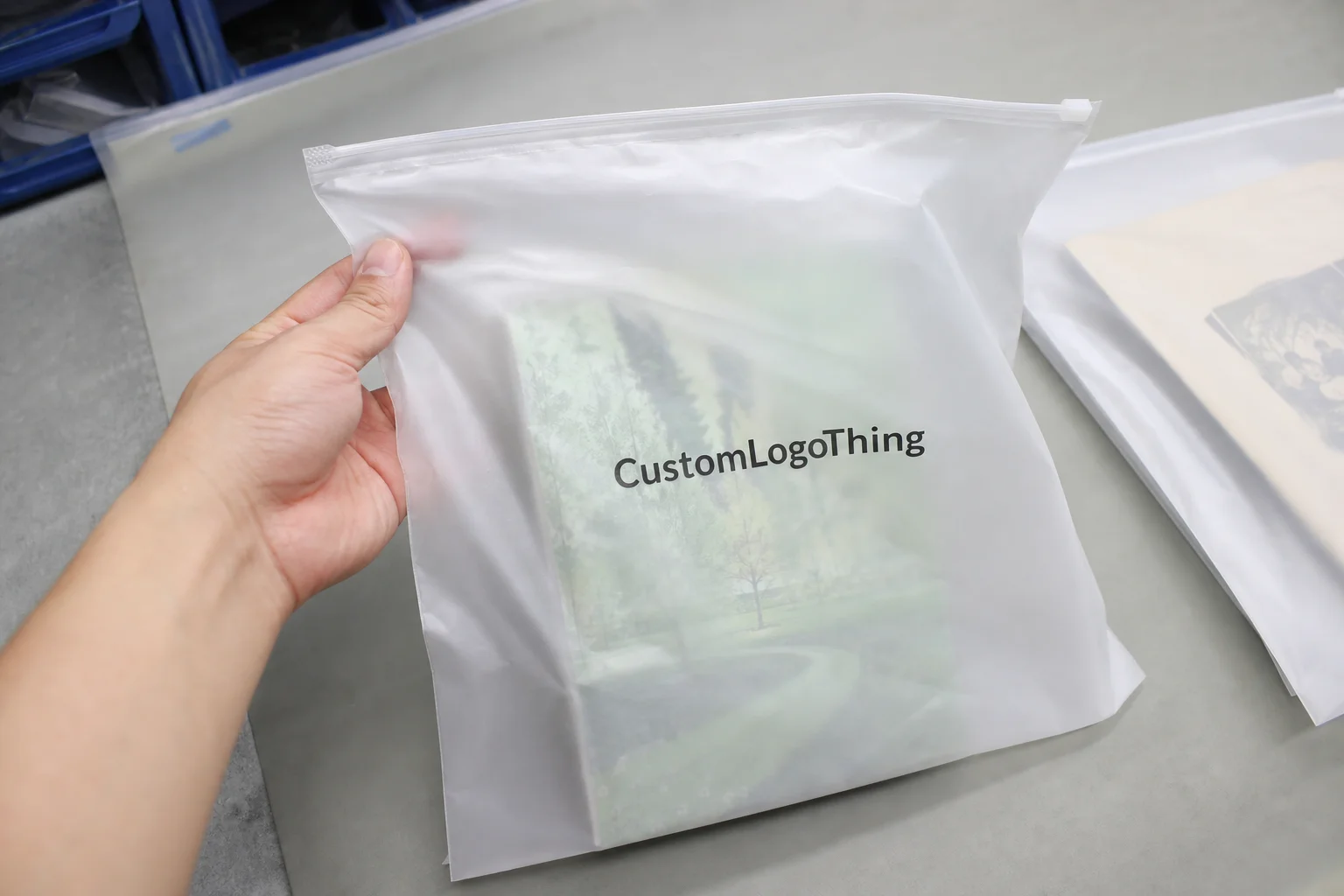
Inexpensive Tote Bags Personalized can outperform a more expensive giveaway if people actually use them twice, then again the next week, then again at the grocery store or on the commute home. That is the real calculation for budget-friendly branded totes: the unit price matters, but repeat visibility matters more.
For procurement teams, event planners, and retail buyers, the goal is not to chase the lowest number on a quote sheet. The goal is to choose a tote that prints cleanly, arrives on schedule, and survives enough use to keep the imprint readable without dragging the program into a higher cost bracket than it needs.
That balance is easier to reach than many buyers expect. A simple nonwoven polypropylene bag, or a light cotton tote with a single-color imprint, can look polished when the spec is disciplined. The weak point is usually not the category itself. It is the combination of oversized artwork, unnecessary decoration, and a bag build that was never meant for the load it has to carry.
Why Inexpensive Tote Bags Personalized Often Beat Premium Giveaways
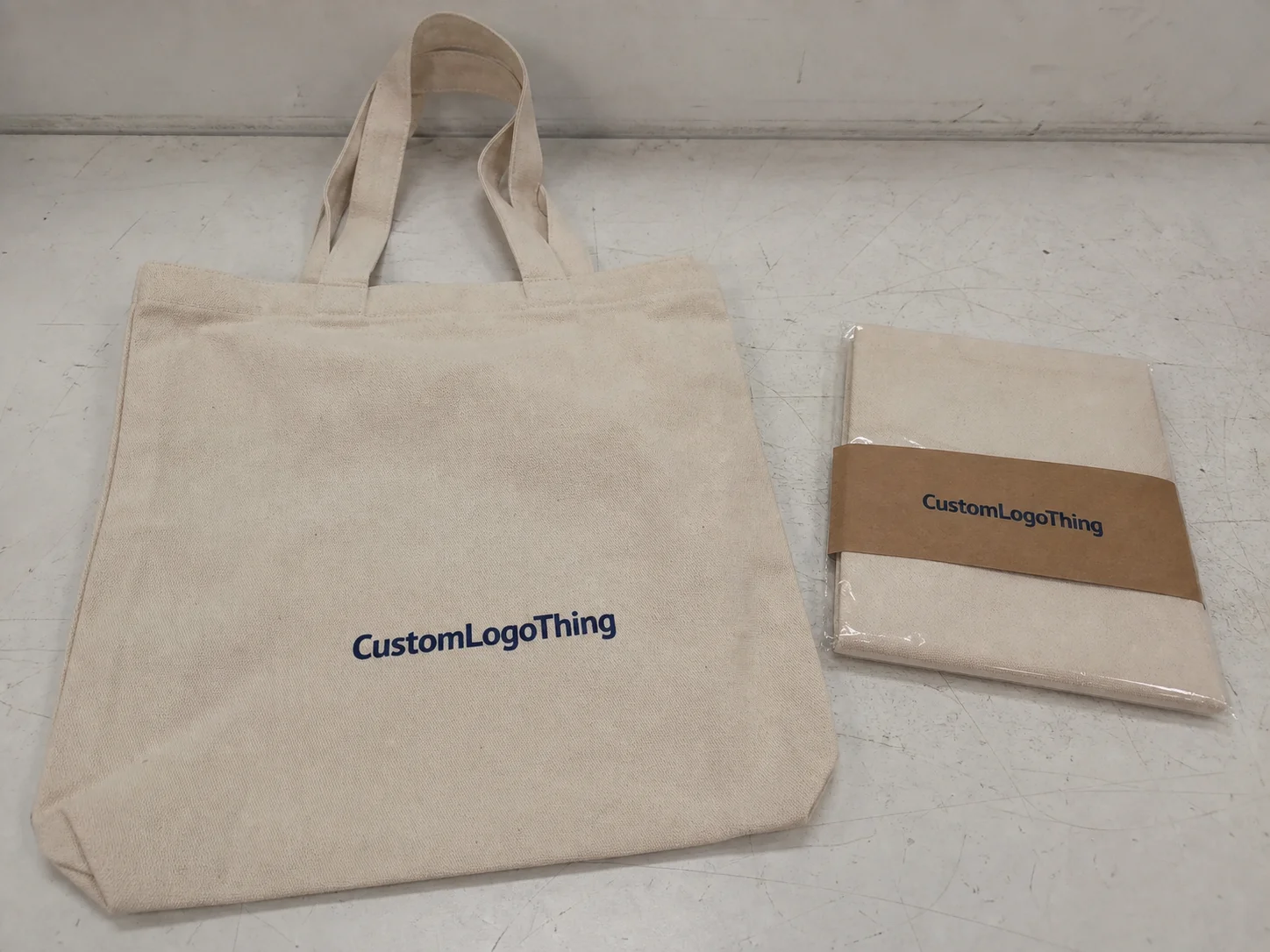
A premium item can make a strong first impression and disappear into a desk drawer by the end of the week. A lighter, simpler tote is more likely to stay in circulation. That matters because a tote is not judged only at the handoff table; it is judged every time it gets carried in public.
Inexpensive tote bags personalized usually make the most sense when the audience is broad and the impression count matters more than luxury feel. Trade shows, school orientations, campus bookstores, community programs, retail promotions, and onboarding kits all fit that pattern. The buyer is not trying to create a collector’s item. The buyer wants a readable brand that travels.
“Inexpensive” should be read as efficient, not disposable. In practice, the best low-cost totes are built from a sensible combination of the following choices:
- Material weight that is enough for the contents, but not excessive.
- Construction that matches the load, such as stitched seams or reinforced handle points.
- Decoration that stays simple enough for the substrate and print method.
- Order structure that uses a stock shape or a restrained custom spec rather than a heavily engineered build.
That distinction matters because low price does not automatically mean poor quality. A 80-100 gsm nonwoven tote with a basic one-color imprint can be perfectly acceptable for flyers, light samples, or retail handouts. A 5 oz cotton tote can also work well if the artwork is kept open and the stitching is adequate. The bag only feels cheap when the spec ignores how it will actually be used.
A tote that costs less but splits at the seam before the second use is not inexpensive. It is underbuilt.
For buyers who want a broader frame of reference on packaging terms and material language, the reference material at Packaging.org is useful. It will not pick a tote for you, but it helps anchor the discussion in practical material and performance terms rather than vague adjectives.
How Material, Print Method, and Artwork Work Together
The substrate controls more than people expect. A smoother, more structured tote usually gives sharper text and cleaner edges, while a softer or more textured surface can still print well if the artwork is adapted to it. The same logo may look crisp on one bag and fuzzy on another simply because the material and the print method are not aligned.
For budget orders, screen printing is usually the most practical decoration method. One color is the simplest and often the lowest-cost choice. Two colors can still be efficient if the artwork is well prepared, but each added color increases setup, proofing complexity, and the chance that the order slips out of the inexpensive range. Full-color decoration is possible on some tote styles, though it generally moves the order toward a higher budget tier.
Artwork is where many tote budgets quietly go off track. Large open shapes, bold lettering, and high-contrast logos translate best. Thin lines, gradients, tiny disclaimers, and detailed illustrations are harder to hold on a low-cost tote. They can also force extra cleanup or a wider imprint area than the bag can comfortably support.
A practical way to judge fit is to look at the relationship between the art and the substrate:
- Best fit: one-color logo, short tagline, large clear field.
- Good fit: two-color artwork with strong contrast and limited fine detail.
- Risky fit: gradients, photographic art, small serif type, or long copy blocks.
There is also a packaging side to this. If the totes are going into cartons with inserts or retail-ready packing, the materials around the bag should be simple and consistent so they do not erase the savings from the tote itself. Shipping is another part of the equation. A supplier familiar with transit testing, including common ISTA profiles, is more likely to think through carton handling, drop risk, and pallet stability before the order leaves the dock.
The main point is straightforward: the bag, the imprint, and the artwork should support each other. When they do, the order feels more expensive than it is. When they fight each other, even a cheap tote starts to look like an expensive mistake.
Cost, Pricing, MOQ, and What Moves the Quote
Pricing for inexpensive tote bags personalized is driven by a small group of variables that buyers can actually control. Quantity is the biggest one. Material comes next. After that, the main levers are size, handle style, print colors, imprint locations, packaging, and freight. Once those inputs are clear, the quote becomes much easier to compare.
MOQ, or minimum order quantity, is where many first-time buyers get surprised. Smaller runs almost always carry a higher unit cost because setup, proofing, and packing labor get spread across fewer bags. Larger runs reduce unit cost because the same fixed work is divided over more pieces. That does not mean you should overbuy. It means the order quantity needs to match the real demand, not the lowest possible per-unit number.
| Material / Style | Typical Unit Cost at 1,000 | Typical Unit Cost at 5,000 | Best Use |
|---|---|---|---|
| Nonwoven polypropylene, one-color print | $0.42-$0.95 | $0.24-$0.48 | Events, handouts, high-volume campaigns |
| Lightweight cotton canvas, one-color print | $1.35-$2.50 | $0.95-$1.75 | Retail promotions, welcome kits, softer hand feel |
| Recycled PET or blended reusable tote | $0.85-$1.60 | $0.60-$1.10 | Midrange programs with a sustainability angle |
Those ranges assume standard sizes and basic imprint coverage, and they exclude freight. If the order needs larger panels, reinforced seams, extra pockets, or multiple placements, the quote will move. That is not a hidden charge. It is the cost of more material, more labor, or both.
Here are the quote drivers Buyers Should Check first:
- Quantity: the fastest path to lower unit pricing.
- Material weight and construction: thicker substrate, gussets, and reinforced handles cost more.
- Print colors: more colors usually mean more setup and more waste risk.
- Imprint locations: front-only is simpler than front and back.
- Packaging and shipping: polybagging, carton labeling, split deliveries, and rush freight add cost.
There are also line items that are easy to overlook. Art cleanup, sample charges, rush fees, and destination changes can make two similar bids land in very different places. A fair comparison lists unit price, setup, freight, proofing, and delivery terms together, not scattered across separate emails.
That is especially important when the order is part of a larger program. A tote that looks cheap before freight can be the opposite after the cartons are assigned, the delivery address changes, or the production window gets compressed. Landed cost is the number that matters.
Production Steps, Timeline, and Lead Time Expectations
The production path is usually simple, but delays tend to show up in the same places. First comes the quote request. Then the supplier checks specs and artwork. After that comes proofing, approval, production setup, printing, packing, and shipping. Once a buyer knows that sequence, the timeline feels far less mysterious.
Inexpensive tote bags personalized are often faster to produce than more complex promotional items because the structure is simple and the decoration is usually basic. A stock nonwoven tote with a one-color imprint may move in roughly 7-12 business days after proof approval, depending on capacity. A more customized order, or one with artwork revisions, often needs 12-20 business days. Rush production can save time, but it nearly always adds cost.
The longest delay is often not on the press. It is in approval. A late proof review, an unclear logo file, or a change to print placement after the quote can push the schedule back several days. Once the schedule shifts, freight options narrow and the buyer starts paying for urgency instead of preparation.
Shipping deserves the same attention as the print. Bulk totes do not move like flat paper items. They take carton space, and even lightweight bags can fill a pallet quickly. Freight cost is shaped by carton dimensions, box count, destination, and whether the shipment is going to one warehouse or several sites.
A practical schedule usually looks like this:
- Submit quantity, artwork, and delivery ZIP code.
- Review the proof within one business day if possible.
- Approve only after checking spelling, placement, and ink color expectations.
- Confirm ship-to details early, especially if the bags are tied to an event.
- Build in buffer time for transit, receiving, and internal distribution.
Rush service is worth paying for only when the event date is fixed and the spec is already stable. If the order is still changing, it is usually better to simplify the design or extend the lead time than to force the job through an emergency schedule.
Step-by-Step: Ordering Without Overbuying or Overdesigning
The cleanest tote orders start with the use case, not the artwork. A trade-show handout does not need the same build as a retail shopping bag or an employee welcome kit. Once the use case is defined, the rest of the spec becomes easier to justify.
Start by answering five questions:
- How many bags are needed, and by when?
- What will the tote carry?
- Will the bag be reused often or only once or twice?
- Does the logo need to read from across a room?
- Is the budget focused on unit price or total landed cost?
From there, choose the smallest spec that still gets the job done. If an 80 gsm nonwoven tote is strong enough for flyers, samples, or light retail items, there is no reason to move up to a heavier build. If the logo is simple, one-color screen print usually makes more sense than a multi-color treatment. If the design needs a dark bag, choose an imprint color that stays legible instead of disappearing into the substrate.
Many buyers overdesign because they want the tote to look more expensive. That instinct often works against the budget. A cleaner spec with a sharper logo can look more intentional than a complicated one that strains the schedule and the quote. In practice, inexpensive tote bags personalized work best when the tote is built around clarity rather than decoration.
A workable ordering process looks like this:
- Define the event or program.
- Choose bag size, material, and color.
- Lock the imprint area and number of print colors.
- Send a vector art file, ideally AI, EPS, or a print-ready PDF.
- Request comparable quotes from each supplier using the same spec sheet.
If the same details go to every vendor, the quotes become real comparisons instead of different products wearing the same label. That is how bulk buyers avoid paying for features they never asked for.
It also helps to think through the receiving side before placing the order. If the bags need to be handed out in sequence, stored at multiple locations, or packed with inserts, those constraints should be written into the spec from the start. A tote order usually costs more when the logistics are improvised later than when they are planned up front.
Common Mistakes That Turn a Cheap Tote Order Expensive
The easiest mistake is choosing a bag that feels inexpensive in theory but fails in the hand. If the tote sags, frays, or tears before the program is over, the replacement cost and the brand damage can outweigh the savings from the low quote. Cheap only works if it still functions.
Artwork causes the next set of problems. Tiny text, dense illustrations, and gradients can create press complications that raise setup costs or force a redesign. A buyer may think the art is finished, but the printer has to turn that file into an imprint that survives the production method. Clean vector files matter because they reduce cleanup and avoid delays.
Here are the mistakes that show up most often:
- Too many print colors: the order starts drifting toward a premium budget.
- Unclear artwork files: low-resolution logos create proof delays and cleanup charges.
- Wrong bag size: oversized bags waste material; undersized bags frustrate users.
- Poor shipping planning: split destinations and late address changes add freight costs.
- Ignoring carton space: totes are light, but they can fill pallets quickly.
Another common error is assuming every quote includes the same scope. One supplier may be quoting freight to a single dock, while another assumes multiple delivery points. One may include setup and proofing, while another does not. That is not an apples-to-apples comparison, and it is usually how a low quote turns into an expensive order.
For buyers trying to keep the program tight, a written spec sheet is the best safeguard. It does not need to be elaborate. It just needs to define the bag, the print, the quantity, and the delivery expectation in one place so nobody is guessing later.
If the totes are part of a shipping program, ask how they are packed and cartoned. Transit damage can make a clean print look defective even when the decoration was fine. The point is not to overcomplicate the job. It is to avoid avoidable problems.
Next Steps: Build a Clean Spec Sheet and Request Quotes
The fastest way to buy inexpensive tote bags personalized without wasting time is to create a one-page spec sheet before asking for pricing. That sheet should include quantity, tote size, material, bag color, print method, imprint area, number of ink colors, packaging needs, and the in-hand deadline. The more complete the brief, the fewer surprises later.
Ask each supplier for a quote that separates unit cost, setup, freight, and proofing. If those pieces are blended together, the lowest number can be misleading. Buyers need to see the landed cost, not just the headline figure.
Then request a digital proof or a sample, especially if the logo has fine lines, small type, or strict brand colors. That is the point where small adjustments are still inexpensive. After production starts, they are not.
Before the order is placed, check three things one last time:
- Is the material strong enough for the real use case?
- Does the artwork print cleanly at the chosen size?
- Does the timeline still leave buffer time for receiving and distribution?
If the answer is yes, the order is probably ready. If the answer is no, simplify the spec instead of trying to force the price down after the fact. That is usually how buyers preserve both budget and brand quality.
For a bulk program, the strongest version of inexpensive tote bags personalized is not the bare minimum. It is the bag that matches the job, prints cleanly, and gets reused enough times to earn the spend.
Frequently Asked Questions
How many inexpensive personalized tote bags should I order first?
Start with the smallest quantity that covers the event, program, or launch window so you do not pay for excess inventory. If you expect a reorder, compare the first-run unit price against the savings from a larger batch before making the decision.
What material usually gives the lowest unit cost for personalized tote bags?
Nonwoven polypropylene is often the lowest-cost reusable option because it balances light weight, simple construction, and efficient printing. If durability matters more than the absolute lowest price, move up only as far as the use case requires.
How long do inexpensive tote bags personalized usually take to produce?
Simple stock orders can move quickly after proof approval, while custom specs or revised artwork add time. Plan for extra time if the bags are tied to a fixed event, because shipping and approval delays are the most common bottlenecks.
Do one-color prints work better on cheap tote bags?
Often yes, because a single strong color keeps the logo readable and reduces setup complexity. If the artwork is detailed, simplifying the design usually improves both the look and the quote.
What should I send to get a fast quote on personalized tote bags?
Send quantity, tote size, material, bag color, print locations, number of ink colors, artwork file, and delivery ZIP code. Include the needed in-hand date, not just the event date, so the supplier can judge whether the schedule is realistic.
What is the safest final check before ordering?
Confirm that the bag spec, proof, freight terms, and delivery date all match the same plan. If the order is truly for inexpensive tote bags personalized, the best result is the one that arrives cleanly printed, on time, and with enough margin for the bags to actually be reused.