Jewelry Woven Label Beanies Bulk Order Planning Starts Before the Logo
Most beanie problems are not knitting problems. They are planning problems. Jewelry woven label Beanies Bulk Order Planning means lining up the beanie body, woven label construction, packaging, quantity, approvals, and delivery date before production begins.
A jewelry brand may picture a soft black beanie tucked beside a gift box for a holiday drop. Good idea. But if the label arrives too small to read, the gold thread looks muddy against the yarn, the cuff folds through the logo, or the finished units land after fulfillment has already started, the beanie stops feeling like a premium brand piece and starts feeling like a rushed add-on.
Beanies work well for jewelry brands because they extend the brand beyond the box. Customers may recycle a mailer or toss tissue paper, but a comfortable beanie can keep showing up in photos, travel bags, winter outfits, staff uniforms, and retail displays. That only happens if the finished piece feels intentional. The customer should not have to guess whether it belongs with the jewelry purchase.
For refined jewelry branding, a woven label often does a better job than a printed patch or direct embroidery on rib knit fabric. Woven labels can hold small type, monograms, clean borders, metallic-inspired colors, and simple icon marks with more control. Embroidery still has a place for bold, simple logos, but delicate serif letters, fine gemstone outlines, and thin script marks can become fuzzy or uneven when stitched directly into stretch knit.
Finish is what buyers notice first. They notice whether the label sits straight on the cuff. They notice if the label size feels balanced. They notice whether a cream beanie softens a pearl or gold-filled jewelry story, or if a black rib knit gives the same packaging a sharper retail edge. These choices are not decorative afterthoughts; they shape how the customer reads the brand.
Practical rule: lock the product structure first, then decorate it. Beanie body, label size, fold type, placement, packaging, quantity, and in-hands date all belong in the plan before bulk production starts.
Good planning is not especially glamorous. It is a buying process: choose the beanie style, confirm the label specs, review cost drivers, check minimums, allow time for sampling, and build a schedule that leaves room for production reality. Quiet work, but it saves money.
Pick the Beanie Style That Matches Your Jewelry Brand
The beanie body sets the mood before the label is sewn on. Knit structure, cuff height, yarn weight, color, and fit all affect how the woven label reads, so a luxury-leaning jewelry brand should not treat the beanie as a random blank with a logo attached.
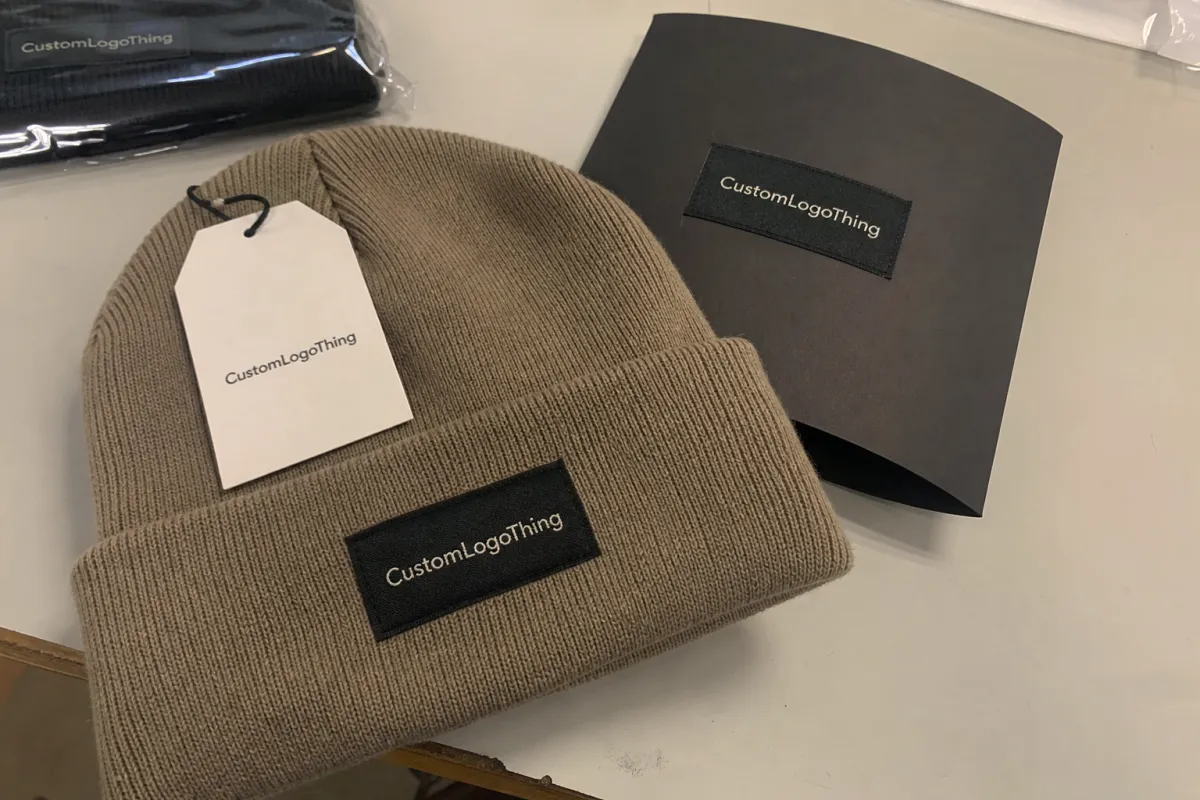
Cuffed beanies are the safest choice for many jewelry brands. The cuff creates a clean decoration zone, usually around 2.5 to 3.5 inches tall depending on the style, and it works for gift-with-purchase programs, staff wear, pop-ups, retail merch, influencer kits, and seasonal packaging. A front cuff label is easy to see in unboxing content and customer photos.
Fisherman beanies feel more boutique and current. They sit shorter on the head and pair nicely with minimalist jewelry branding, especially simple wordmarks or compact monograms. The tradeoff is vertical space. If the label needs to hold a symbol, brand name, border, and tagline, a shallow fisherman cuff will likely feel crowded.
Slouch beanies create a softer lifestyle look, though label placement is less controlled because the fabric shifts more when worn. They can suit silver, boho, handmade, or casual jewelry collections, but they are not always the best choice for a high-polish retail presentation where the logo needs to sit in the same position every time.
Rib knit beanies offer stretch, structure, and predictable decoration. Chunky knit beanies feel warmer and more tactile, but a small woven label can look undersized against the larger yarn texture. Recycled yarn options may support sustainability messaging, especially if the packaging uses certified paper materials from sources such as the Forest Stewardship Council, though color choices may be more limited than standard acrylic ranges.
| Beanie Style | Best Use | Label Fit | Buying Watchout |
|---|---|---|---|
| Cuffed rib knit | Most jewelry brands, gifting, retail merch | Excellent front label area | Thin acrylic can feel flat if the yarn lacks body |
| Fisherman | Minimalist or boutique drops | Good, but shorter cuff | Less room for tall labels or extra copy |
| Slouch | Casual lifestyle campaigns | Moderate | Placement can shift during wear |
| Chunky knit | Winter retail programs, premium texture | Best with larger patch labels | Fine labels may look too small |
| Recycled yarn | Sustainability-focused packaging programs | Depends on knit structure | Available colors may be narrower |
Material choice affects both cost and customer perception. Acrylic is common for bulk beanie orders because it is durable, widely available, and cost-effective. Cotton blends tend to feel cleaner and smoother, which can suit refined jewelry packaging. Wool blends feel more premium and warm, but they cost more and may require clearer care instructions. If the beanie is sold at retail, fiber content and care labeling should be handled properly rather than treated as small print to worry about later.
Color planning deserves more discipline than it usually gets. Black, cream, charcoal, camel, forest green, and deep burgundy tend to photograph well with gold, silver, pearl, and gemstone palettes. Loud novelty colors can work for the right brand, but they need a reason beyond “we wanted options.” For orders under 500 units, one hero color is usually the cleaner decision. Around 1,000 units or more, two or three colorways may make sense if demand supports the split. Dividing 300 pieces across six colors often creates higher unit costs, awkward inventory, and no meaningful price advantage.
A beanie is wearable, but for a jewelry brand it is also packaging-adjacent inventory. It needs to sit comfortably beside a jewelry box, look right on a retail counter, and feel natural in customer photos. That is why planning starts with the body of the beanie, not the logo file.
Woven Label Details That Make or Break the Finished Beanie
A woven label is made with threads, not printed ink. The artwork is translated into woven yarns that form the background, lettering, border, and logo. That construction gives the label a durable, elevated finish on a beanie that will be stretched, packed, handled, photographed, and washed over time.
The main options include flat woven labels, center-fold labels, end-fold labels, loop-fold labels, damask woven labels, satin woven labels, and woven patch-style labels. They may look similar on a spec sheet, but they behave differently once sewn onto a cuff.
Damask woven labels are often the strongest choice for jewelry logos because they hold fine detail better than many basic woven options. Small lettering, monograms, delicate icon marks, and thin borders usually reproduce more cleanly in damask. Satin woven labels have a smoother, dressier surface, though they can look too much like apparel care labels if the size and placement are not considered carefully. Woven patch-style labels add body and visibility, especially on chunky knits or taller cuff areas.
Common beanie labels are about 1.5 to 2.5 inches wide. Heights often sit between 0.5 and 1.25 inches, depending on artwork detail and fold style. A clean wordmark may work at 2 inches wide by 0.6 inches tall. A monogram, brand name, and border may need closer to 2.5 inches wide by 1 inch tall. A tagline usually should be removed unless the label is large enough to keep the type readable.
Threads are not pixels, and tiny logo abuse is common. Thin lines, delicate serif type, gemstone facets, micro text, and long taglines often need adjustment before weaving. That may mean thickening outlines, reducing detail, increasing contrast, removing tiny copy, or creating a simplified woven-label version of the logo. This is not a downgrade. It is the difference between a brand mark that reads at arm’s length and one that becomes decorative static.
Color limits matter as well. Woven labels usually work best with two to six thread colors. Metallic thread can be used selectively, but it should be tested before becoming the main visual effect. Shine and readability are not the same thing. A warm tan or antique gold thread may read cleaner on a black cuff than true metallic thread that catches light unevenly in photos.
Placement changes the tone. Front cuff placement gives maximum visibility and suits gift programs, pop-ups, and retail merch. Side cuff placement feels quieter and more boutique. Back cuff placement works for understated luxury brands, staff merch, or VIP packaging where the beanie should feel less promotional.
Ask for a digital proof that shows the actual label size on the beanie, not only a floating rectangle on a white background. For premium campaigns, larger orders, metallic thread, small text, or unusual placement, request a physical pre-production sample. Sampling can add one to three weeks depending on the project, but it can prevent a far more expensive correction after bulk production.
Specifications to Confirm Before You Ask for a Quote
A quote is only as accurate as the information behind it. If the request says “custom beanies with logo,” the supplier has to guess the beanie style, label type, artwork complexity, sewing method, packaging, and delivery expectations. Those guesses turn into quote revisions, schedule confusion, and avoidable proof rounds.
For cleaner jewelry woven label Beanies Bulk Order Planning, prepare the core specs before requesting pricing:
- Beanie style: cuffed, fisherman, slouch, rib knit, chunky knit, or recycled yarn option.
- Material: acrylic, cotton blend, wool blend, recycled polyester, or another yarn blend.
- Beanie color: one hero color for small runs, two to three colorways for larger orders.
- Label type: damask woven, satin woven, flat label, folded label, or patch-style label.
- Label size: width and height, ideally in inches.
- Fold style: end fold, center fold, loop fold, or no fold.
- Thread colors: usually two to six colors, with Pantone references if available.
- Logo file: AI, EPS, or clean PDF preferred.
- Placement: front cuff, side cuff, back cuff, or custom location.
- Quantity: total units and quantity per color.
- Packaging: poly bag, belly band, tissue wrap, hang tag, kraft sleeve, or gift-ready bundle.
- Deadline: the true in-hands date, with time included for internal receiving and fulfillment prep.
Vector artwork is best for woven label production. AI, EPS, and clean PDF files give the art team usable paths and sharp edges. PNGs and JPEGs can help as references, but they are not ideal as production files. If the only available file is a low-resolution social media logo, allow time for artwork cleanup or redrawing.
Label artwork often needs production adjustment. Gradients must be converted into solid thread colors. Fine outlines may need to be thickened. Tiny text may need to be removed. A complex jewelry logo may need a simplified woven version that keeps the brand recognizable without pretending a 0.4-inch gemstone illustration will weave perfectly.
Sizing should be confirmed early too. Most bulk beanies are one size fits most for adults, but youth sizing, oversized fits, and tighter fisherman fits all exist. If the beanie is part of a retail program, confirm care label requirements, fiber content labeling, hang tag needs, and any barcode or retail sticker requirements. For shipping and distribution planning, standards from groups such as the International Safe Transit Association can help frame packaging and transit expectations.
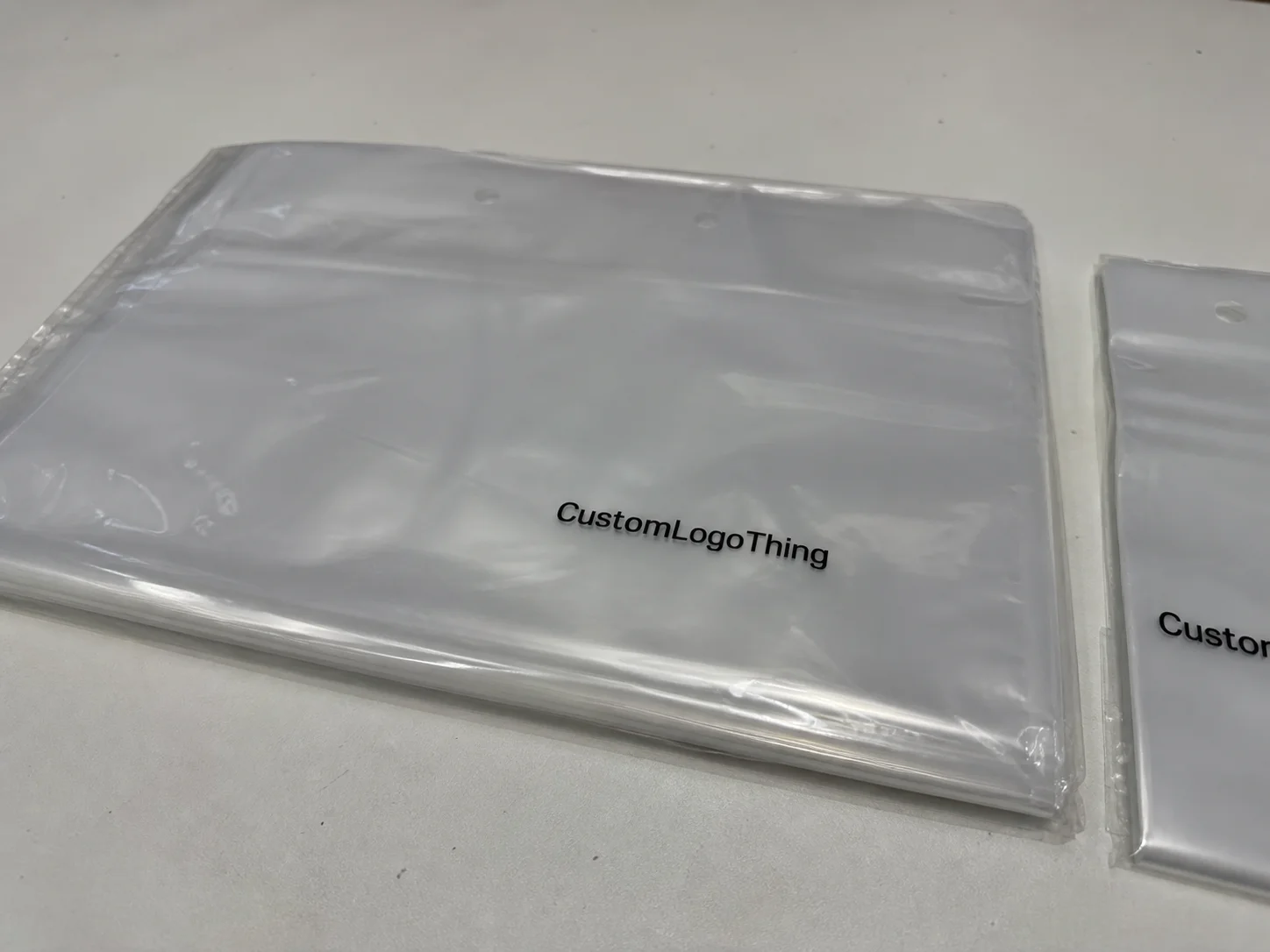
Packaging matters more for jewelry brands than it does for basic merch buyers. Individual poly bags protect the knit during transit. Belly bands can carry campaign messaging. Kraft sleeves look clean for retail counters. Tissue wrap can connect the beanie to a jewelry order without making the package feel overbuilt. Hang tags work well for retail sale and pop-up display.
Late changes are expensive in quiet ways. Changing label size after sampling, switching yarn colors after quote approval, or adding gift packaging after production has been scheduled can shift both cost and timeline. Build a simple spec sheet first. Not a mood board wearing a hat. Actual specs.
Pricing, MOQ, and Unit Cost for Bulk Beanie Orders
Price depends on quantity, beanie material, knit style, label complexity, label size, thread colors, sewing method, packaging, sampling, freight, and timing. That is the real answer. A flat number without specs usually means either a very plain beanie or a quote padded with assumptions.
Small branded runs often start around 100 to 300 units. Better unit pricing commonly appears around 500 to 1,000 units because setup, label production, and sewing time are spread across more pieces. Larger retail, gifting, or promotional programs may run several thousand units. A lower MOQ helps test demand, but the unit cost is higher. A larger order lowers unit cost, but it also ties up cash and inventory. Neither decision is automatically smart.
Typical cost drivers include premium yarns, custom-dyed colors, large woven patches, metallic threads, individual packaging, rush production, and split shipments. A 2.5-inch damask woven label with six thread colors and metallic detail will cost more than a 1.75-inch two-color woven tag. No mystery there.
Setup costs may appear as separate line items or be built into the unit price. These can include woven label setup, artwork conversion, sample production, sewing setup, and proofing. Ask what is included before comparing quotes. One supplier may look cheaper until label sewing, packaging, freight, proofing, or duties are added later. That is not a better price; it is an incomplete one.
| Quantity Range | Typical Buying Situation | Cost Behavior | Practical Advice |
|---|---|---|---|
| 100-300 units | Test drop, VIP gifts, small boutique run | Higher unit cost due to setup spread | Use one beanie color and a simple label |
| 500-1,000 units | Holiday gifting, retail add-on, influencer kits | Stronger price breaks often start here | Consider two colorways if demand supports it |
| 2,500+ units | Larger retail or promotional program | Lower unit cost, higher cash commitment | Sampling and QC checkpoints become more important |
Request pricing at several quantities, such as 250, 500, 1,000, and 2,500 units. The real price break may not land where expected. Sometimes moving from 300 to 500 units makes a meaningful difference. Sometimes the sharper drop appears closer to 1,000 pieces because the label setup and sewing workflow are finally spread across enough units.
For jewelry brands, compare the finished cost rather than the blank beanie cost. The finished cost includes the beanie, woven label, label sewing, setup, proofing, packaging, freight, and any sample charge. Custom Logo Things can quote finished specs through Wholesale Programs, which is much more useful than a blank price that ignores the decoration and packaging work.
Process and Timeline From Artwork to Finished Beanies
The usual order flow is direct: submit specs, review artwork, confirm the quote, approve a digital proof, produce a sample if needed, approve the sample, begin bulk production, complete quality checks, pack, and ship. Direct does not mean instant.
Timeline depends on order size, label complexity, sample requirements, production season, and shipping method. Artwork and quote review may take a few business days. Sampling often takes one to three weeks. Bulk production commonly takes several weeks after proof or sample approval. Shipping may take a few days or several weeks depending on the destination, freight method, and customs requirements.
Peak-season risk is real for jewelry brands planning holiday gifting, product launches, influencer kits, pop-ups, or retail programs. If the beanies need to be packed with jewelry orders, they should arrive before fulfillment begins, not on the same day the team is building boxes.
Approval bottlenecks cause many avoidable delays. Late artwork, unclear logo files, slow sample feedback, packaging changes, and committee-style color approvals can stretch a clean schedule. Production timelines do not pause gracefully while three people debate burgundy against forest green.
Build the schedule backward from the in-hands date. If customer orders start packing on the 10th, the beanies should be received, inspected, and staged before then. Add time for internal handling. Add time for corrections if the order is large or the packaging is complex. Freight carriers and production queues are not designed around a launch calendar.
Rush options may be possible for simple specs using available beanie colors and straightforward labels. Custom yarn colors, metallic thread, multiple colorways, special packaging, or small text reduce flexibility. Rush production can also increase cost and, in some cases, risk. A responsible supplier will say so rather than agreeing to an impossible date.
A good production partner flags risks early: low label contrast, unreadable detail, tight cuff space, packaging lead time, or sample delays. For label-heavy programs, reviewing options through Custom Labels & Tags before the beanie order is finalized can prevent revisions later.
Quality Checks Before the Order Ships
Quality control for Woven Label Beanies is not complicated, but it needs to be specific. “Looks good” is too vague for a bulk order that may be packed into jewelry shipments, sold at retail, or handed to staff and influencers.
Start with label readability. Check the smallest letters, the border, and any monogram or icon mark. The label should be readable at normal viewing distance, not only under bright desk light. If metallic thread is used, view it from multiple angles because shine can hide detail in photos.
Check placement consistency. Front cuff labels should sit at the same height and angle across the run. Side labels should be aligned consistently from left to right. A small amount of variation is normal with soft goods, but crooked labels stand out quickly on folded beanies, especially when they are packed together for retail display.
Review the cuff fold. The fold should not cover part of the label or distort the logo. On fisherman styles, confirm that the label does not feel too tall for the cuff. On chunky knits, make sure the label has enough structure to sit cleanly instead of sinking into the texture.
Inspect yarn and finish. Look for loose threads, snags, uneven seams, strong odor, rough label edges, or label corners that lift. For retail units, check tHat Care Labels, hang tags, barcode stickers, and individual packaging match the approved specs. For gift programs, confirm that packaging protects the beanie without making the unboxing feel cheap or overly plastic.
For larger orders, ask how inspection is handled and whether a sample from bulk production can be reviewed before the full shipment leaves. Not every order requires a formal inspection report, but high-volume retail programs and premium jewelry campaigns benefit from clearer checkpoints.
How to Place a Cleaner Bulk Beanie Order
Start with the use case. Are the Beanies for Retail sale, gift-with-purchase, staff wear, event merch, influencer kits, or VIP packaging? That decision affects material, budget, packaging, quantity, and timeline. A retail beanie may need a hang tag, barcode sticker, care label, and cleaner individual packaging. A staff beanie may prioritize durability and reorder consistency. A VIP gift may justify better yarn and a physical sample.
Use this checklist before requesting a quote:
- Choose one to three beanie colors based on order size and brand palette.
- Select the label style: damask woven, satin woven, folded label, or patch-style label.
- Prepare vector artwork in AI, EPS, or clean PDF format.
- Decide placement: front cuff, side cuff, or back cuff.
- Estimate quantity and request price breaks at several levels.
- Set the real in-hands date, including time for fulfillment prep.
- List packaging needs such as poly bags, belly bands, tissue wrap, hang tags, or kraft sleeves.
Ask for a quote with clear inclusions: beanie, woven label, sewing, setup, digital proof, sample cost if applicable, packaging, freight, and duties if relevant. If one quote includes freight and another does not, they are not equal. If one includes label sewing and another only quotes labels, they are not even describing the same finished item.
Request a proof that shows actual scale on the beanie. Scale mistakes are avoidable. A 2-inch label may look large on a proof and small on a chunky cuff. A 0.6-inch label height may hold a monogram but fail with a long brand name. Proofs should answer those questions before bulk production begins.
Order a physical sample for premium jewelry campaigns, retail programs, large quantities, or any design with small text, metallic thread, tight borders, or unusual placement. If the beanie will sit beside a polished gift box or a higher-value jewelry item, treat it as part of the brand presentation, not as throwaway merch.
Custom Logo Things is a practical fit because branded packaging, retail presentation, and decoration specs need to work together. The goal is not simply a beanie with a logo. The goal is a finished piece that belongs next to the jewelry box, photographs well, and can be reordered without rebuilding the project from scratch each season.
For jewelry Woven Label Beanies Bulk Order planning, send the logo, target quantity, deadline, preferred beanie style, label placement, and packaging needs first. That gives the supplier enough detail to quote the actual project instead of padding the price with assumptions.
FAQ
What is the best MOQ for jewelry brand woven label beanies?
A practical starting MOQ is often 100 to 300 units for a test drop, VIP gifting program, or smaller boutique campaign. Better unit pricing usually starts around 500 units because setup, label production, and sewing time are spread across more pieces.
If several beanie colors are needed, increase the total quantity so each colorway is not too small and expensive. For retail or holiday campaigns, ask for price breaks at 250, 500, 1,000, and 2,500 units before deciding.
How long does a bulk order of custom woven label beanies take?
Simple orders using available beanie colors usually move faster than custom yarn, complex labels, metallic thread, or special packaging. Plan for artwork review, proofing, optional sampling, bulk production, quality check, packing, and shipping.
If the beanies are needed for a launch or gifting campaign, build the schedule from the in-hands date, not the promotion date. Add time for receiving and fulfillment prep if the beanies will be packed with jewelry orders.
Are woven labels better than embroidery for jewelry beanies?
Woven labels are usually better for small jewelry logos, fine type, monograms, and detailed brand marks. Embroidery can look good for bold, simple logos, but it may distort delicate details on rib knit fabric.
For a premium jewelry look, a damask woven label sewn onto the cuff is often the safest choice. It gives clean detail, controlled scale, and a finish that pairs well with jewelry packaging.
What files do I need for jewelry woven label beanies bulk order planning?
Vector artwork such as AI, EPS, or clean PDF is best for label production. Include brand colors, preferred thread colors, label size, placement notes, and any packaging requirements.
If the logo has tiny text, gradients, fine lines, or gemstone detail, expect the supplier to recommend small adjustments for weaving. That is normal production work, not criticism of the brand identity.
What affects the cost of custom woven label beanies the most?
Quantity, beanie material, knit style, label size, number of thread colors, sewing method, packaging, and shipping all affect cost. Premium yarns, metallic threads, rush timelines, split shipments, and individual gift packaging usually increase the final price.
The cleanest way to compare cost is to request quotes at several quantities with setup, labeling, packaging, and freight included. For more ordering details, review the Custom Logo Things FAQ before finalizing specs.