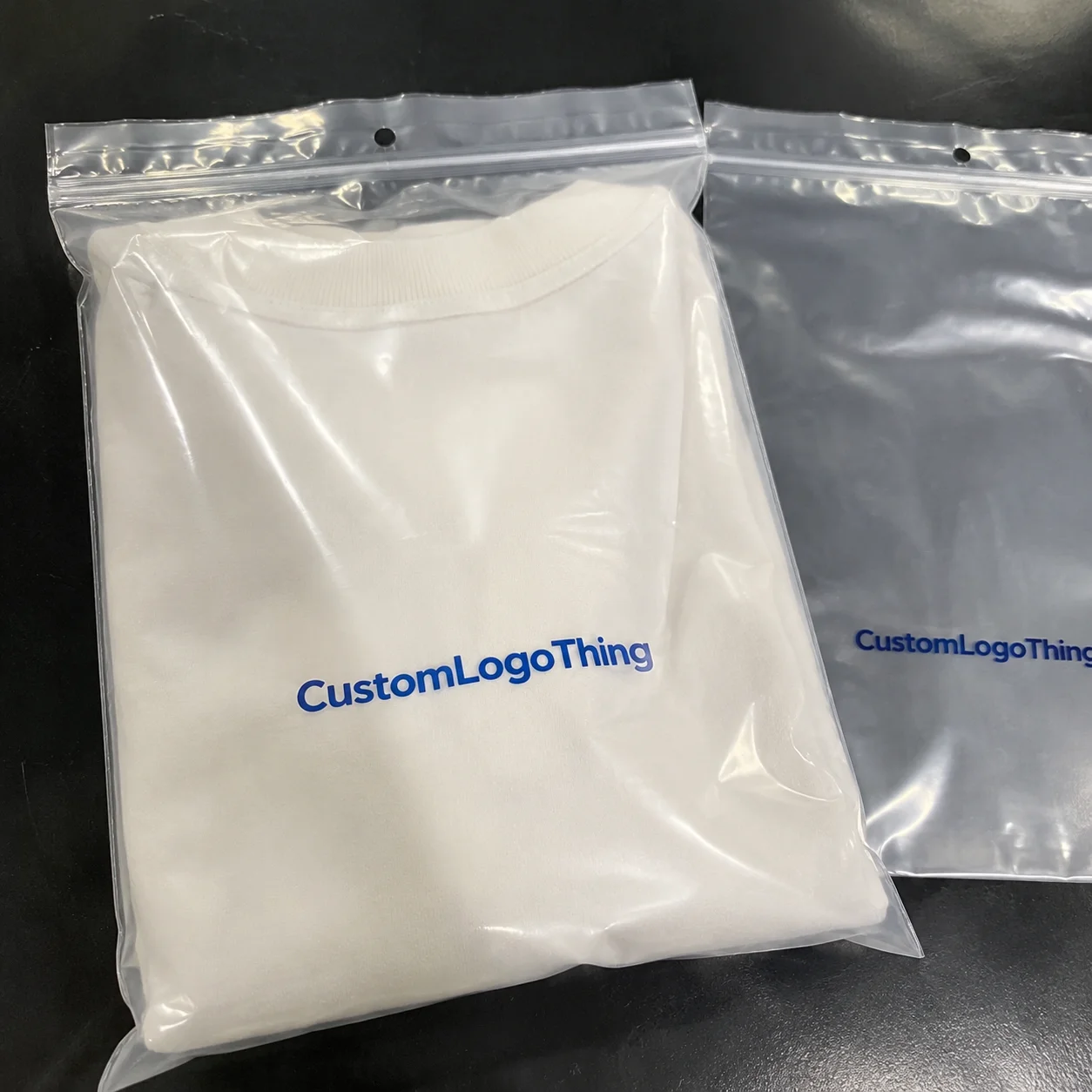
Buyer Fit Snapshot
| Best fit | Laminated Poly Mailers for Branding projects where brand print, material claims, artwork control, MOQ, and repeat-order consistency need to be specified before quoting. |
|---|---|
| Quote inputs | Share finished size, material target, print colors, finish, packing count, annual reorder estimate, ship-to region, and any compliance wording. |
| Proofing check | Approve dieline scale, logo placement, barcode or warning zones, color tolerance, closure strength, and carton packing before bulk production. |
| Main risk | Vague material claims, crowded artwork, missing packing details, or unclear freight terms can make a low unit price expensive after revisions. |
Fast answer: Laminated Poly Mailers for Branding: Film, Print, MOQ, and Carton Packing should be specified like a repeatable production item. The safest quote records material, print method, finish, artwork proof, packing count, and reorder notes in one written spec.
Production checks before approval
Compare the actual filled-product size with the drawing, then confirm tolerance on folds, seals, hang holes, label areas, and retail display edges. Reserve space for logos, QR codes, warning copy, and material claims before decorative graphics fill the panel.
Quote comparison points
Review material grade, print process, finish, sampling route, tooling charges, carton quantity, and freight assumptions side by side. A quote is only useful when the supplier can repeat the same color, closure quality, and packing count on the next order.
The mailer is often the first physical thing a customer touches, and Laminated Poly Mailers for branding can shape that first impression before the product is even visible. A box may carry the shipment, but a well-made mailer says something immediate about brand consistency, care, and the level of attention behind the order. After enough pack-out reviews, you start to see how much that first touch matters.
That is why these mailers matter so much for visual branding. They do not just hold goods in transit; they help create a cleaner unboxing experience, reinforce brand identity, and make a parcel feel intentional instead of generic. For online sellers, that small shift can influence customer perception more than many teams expect, especially in categories where the product itself is lightweight and the packaging is doing a lot of the talking.
There is also a practical reality behind the polish. A branded mailer can make fulfillment feel organized, reduce the visual clutter of plain shipping supplies, and give a growing brand one more way to look established without adding much weight or complexity. That balance is part of why Laminated Poly Mailers show up so often in apparel, beauty, accessory, and subscription programs.
Laminated Poly Mailers for Branding: What They Are and Why They Stand Out
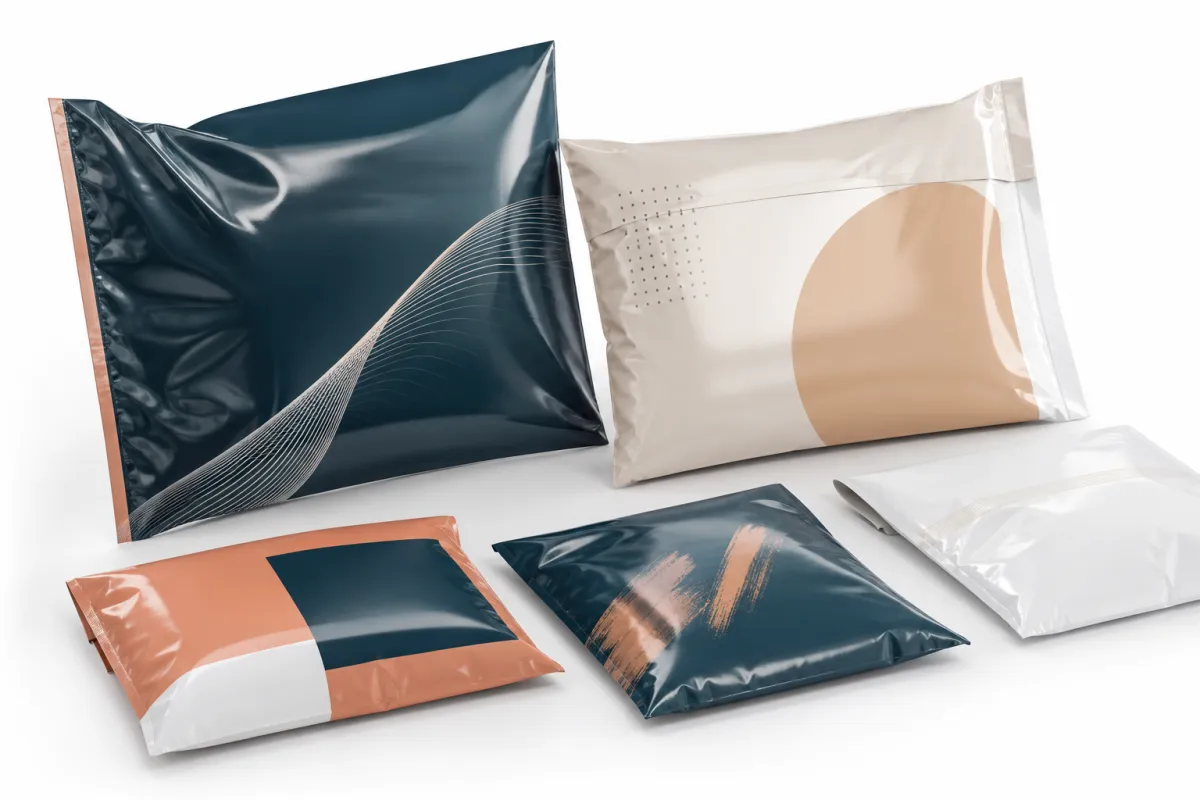
Laminated poly mailers for branding are printed plastic shipping mailers with an added laminated surface layer that protects the graphics and improves surface durability. In practical shipping-room terms, that means the artwork stands up better to rubbing, scuffing, and the repeated handling that happens between packing, sorting, and final delivery. A standard printed mailer can look fine out of the carton, yet still show wear after a few touches; a laminated finish gives the design a better chance of arriving with its sharp edges and clean color intact.
Most brands choose laminated poly mailers for branding because they want the package to feel more polished from the first glance. That matters for apparel, beauty products, accessories, subscription kits, and lightweight consumer goods where the packaging is part of the purchase story. The mailer is not just a transport container; it is a small, fast-moving piece of visual branding that can support brand recognition every time the package moves through a carrier network or lands in a customer’s hands.
There is also a basic efficiency point here. For many products, a laminated mailer gives enough presentation value without the cost and bulk of a rigid box. That can help a growing brand keep fulfillment simpler while still lifting the unboxing experience. From a buyer’s point of view, the package looks deliberate. From an operations point of view, the package remains light, compact, and easy to store. Those two things are not always compatible, so when they line up, people notice.
It helps to be clear about what these mailers do and do not do. Laminated poly mailers for branding are built to present and contain, not to replace cushioning for fragile items. They are ideal for folded garments, soft goods, flat accessories, and other products that do not need structural protection from crushing. If the shipment needs bubble wrap, inserts, or a carton to stay safe, the mailer should be treated as the outer skin of the package, not the whole defense system.
For brands that ship a lot of repeat orders, that distinction matters. A mailer can be a branded surface and a shipping envelope at the same time, but it is not gonna solve every packaging problem by itself. Knowing where its job ends is part of using it well.
How Laminated Poly Mailers for Branding Are Built and Finished
At a practical level, laminated poly mailers for branding are built in layers. There is the printable outer surface, a laminated film or coating that protects the artwork, and the poly body that gives the mailer its shape, sealability, and handling strength. That layered construction is the reason these mailers can look bright and still hold up through normal shipping abuse. The lamination protects the print, while the film body does the work of the package.
The production flow usually starts with artwork preparation, then printing, then lamination, then converting the flat film into finished mailer shapes. After that, the maker adds the adhesive strip or peel-and-seal closure, trims the edges, and stacks the mailers for packing. If a design includes gussets, tear strips, or special seams, those details are introduced during conversion. Each step affects the final feel of laminated poly mailers for branding, which is why a proof on screen never tells the full story. I have watched plenty of packaging proofs look sharp on a monitor and then read very differently once the first sample comes off the line.
Glossy And Matte Do Very Different Jobs
Finish choice matters more than many teams realize. Glossy laminated poly mailers for branding tend to look bolder, brighter, and a little more energetic because the surface reflects light and deepens saturated colors. Matte finishes read softer and more restrained, which can suit premium beauty, clean lifestyle brands, or packaging programs that want a quieter kind of confidence. Neither one is better in the abstract; they simply send different signals about brand identity.
That finish decision also changes how the package performs in real use. A glossy surface may show fingerprints and reflections more readily, while matte can hide small marks a bit better and photograph in a calmer way. If your team cares about social sharing or product photography, think about how the mailer will look under phone camera light, not just how it appears in a design file. Laminated poly mailers for branding often live or die on that practical detail.
Small physical features matter too. Side seams influence how the mailer folds and where stress concentrates. Gussets affect how much volume the package can absorb. A tear strip can make opening feel cleaner, while a strong adhesive flap helps keep the shipment secure through final-mile handling. These features are not decorative extras; they shape how the customer experiences the package and how reliably the order survives the trip.
For a broader look at how packaging pieces fit together across a program, the product options on Custom Packaging Products are useful because the right mailer often works best alongside labels, inserts, and finishing components that support a unified presentation. That kind of consistency is what turns a shipment into a recognizable brand moment rather than just another parcel on a porch.
Key Material, Print, and Design Factors That Affect Results
The first specification most buyers should ask about is thickness. For laminated poly mailers for branding, heavier gauges usually feel more substantial and tend to handle stacking, sorting, and final delivery better than very thin films. That does not mean every order needs the heaviest option available. A flat apparel mailer with low weight may do well at a moderate gauge, while a bulkier bundle or a mailer that will see rougher handling may need a sturdier build. The right answer depends on product weight, shape, and the amount of abuse the package is likely to see.
Print coverage is the next major factor. Full-bleed graphics, large solid backgrounds, and dense color fields usually cost more than a single-color logo placed on a plain field because the ink coverage and press work increase. In design terms, the package becomes more dramatic; in production terms, the order takes more ink, more attention to registration, and more control over consistency. That is why buyers who want laminated poly mailers for branding should think about the whole print surface, not just the logo itself.
Logo placement, contrast, and whitespace deserve real attention. A strong logo mark needs room to breathe, especially on a shiny or reflective surface where glare can reduce readability. Small text should be kept simple and placed where the customer can actually read it at arm’s length. QR codes can work well if they are sized correctly and given enough quiet space around them. Good design on mailers is not about filling every inch; it is about guiding the eye so the package reads cleanly in motion and still looks balanced in a photo.
Sizing also has a direct effect on performance. A well-sized mailer protects the product without leaving a lot of unnecessary empty space, while an undersized one can stretch the seam, distort the print area, or make the closure work harder than it should. Brands often overlook that because a mailer is such a simple item on paper. In practice, it is a technical choice. If your team is debating fit, ask for a sample with the actual product inside before you approve the final spec for laminated poly mailers for branding.
Sustainability needs honest treatment as well. Laminated finishes can complicate recyclability depending on the film structure and local collection systems. That does not make the product unusable or unacceptable, but it does mean the packaging claim should match the material reality. If disposal guidance matters to your audience, be clear about what the package is made from and how customers should handle it after opening. For teams comparing material claims with shipping and test language, the references at ISTA and epa.gov/recycle are better anchors than marketing copy.
Laminated Poly Mailers for Branding: Cost, Pricing, and Timeline
Cost for laminated poly mailers for branding depends on a few predictable levers: size, thickness, print coverage, number of colors, finish type, order quantity, and whether the design needs special features or a custom format. A small run with a simple two-color logo will price differently from a large full-bleed order with matte lamination and custom sizing. That may sound obvious, but many buyers get caught by the assumption that all branded mailers live in the same price band. They do not.
For planning purposes, broad ballpark ranges can help. A straightforward custom order might land around $0.12-$0.22 per unit at 5,000 pieces for a simple print setup, while fuller coverage, heavier gauge film, or a matte finish can move that closer to $0.18-$0.35 per unit. Smaller runs often cost more per piece because setup work is spread over fewer mailers. Larger volumes usually bring the unit cost down, although freight, storage, and overage policies still need to be checked carefully before the order is approved.
| Option | Typical Unit Cost | Best Fit | Common Notes |
|---|---|---|---|
| Simple logo, standard finish, midweight film | $0.12-$0.22 | Basic branded apparel and low-complexity orders | Good entry point for testing laminated poly mailers for branding |
| Full-bleed print, matte lamination, custom layout | $0.18-$0.35 | Beauty, subscription, and premium retail shipping | Better visual branding, usually higher press and setup cost |
| Heavier gauge, specialty closure, larger format | $0.22-$0.40+ | Heavier garments or bundles with more handling risk | Added material and conversion steps can raise price quickly |
Timeline is another place where expectations matter. A standard order often moves through artwork prep, digital proofing, possible sample approval, manufacturing, finishing, packing, and freight transit. If artwork is clean and approvals are fast, some straightforward orders can move in roughly 12-15 business days after proof approval, though custom features, press checks, and shipping distance can extend that window. A buyer who plans for an early proof stage usually has a much easier time than one who waits until the launch date is already close.
There are also hidden budget items that deserve a line in the spreadsheet. Freight can be meaningful, especially for larger cartons. Rush charges can appear if the schedule gets compressed. Storage matters if the order lands before the fulfillment team is ready to receive it. And it is smart to leave room for a small overage or replacement buffer, because a few test packs, a few QC holds, and a few damaged cartons are normal in real operations. For teams that want to compare shipping performance and packaging test expectations, ISTA’s test standard information is a practical reference point.
From the brand side, it helps to think about value rather than unit price alone. Laminated poly mailers for branding can increase brand recognition, improve customer perception, and support a more coherent unboxing experience. If that package helps reduce complaints, strengthens repeat purchases, or makes the product feel more deliberate, the spend can make sense even when the unit price is not the cheapest option on the table.
Step-by-Step Process for Ordering Branded Poly Mailers
The best orders for laminated poly mailers for branding usually start with a simple question: what exactly is being shipped, and what does that shipment need to survive? A lightweight shirt packed flat has very different needs from a bundled accessory set or a return shipment program. The more clearly the product, packing style, and transit environment are defined, the easier it becomes to Choose the Right size, thickness, closure type, and print layout.
Next, gather the artwork early. That means the logo file, brand colors, any legal or service language, and a rough idea of where the design should sit on the mailer. Ask for a dieline before finalizing the artwork so the design fits the finished shape instead of fighting it. This is one of the most common places where laminated poly mailers for branding get delayed. A graphic that looks clean on screen can land too close to a seam, too close to the seal, or too close to the edge trim if the dieline is ignored.
Proofing is the checkpoint that saves money. A digital proof can catch placement issues, but a physical sample is even better if the timeline allows it. Check the color tone, the size of the logo, the legibility of any text, and how the mailer feels once a real product is packed inside. If possible, run a few actual packing trials and ask the fulfillment team to seal, stack, and move the mailers as they would on an ordinary day. That practical check often reveals whether the package is doing its job or merely looking good on paper.
“A mailer that looks perfect in a design file can still fail in the packing room if the seal is awkward, the size is off, or the closure does not hold under pressure. The sample is where the real answer shows up.”
Once the sample passes, confirm quantity, reorder expectations, and lead time before giving the final approval. In a fulfillment operation, timing can matter as much as print quality. If a product launch or seasonal drop is planned, the packaging schedule should be built backward from the ship date, not forward from the day the purchase order gets signed. A smart team also keeps notes on what worked, because the next reorder of laminated poly mailers for branding should be easier, not a fresh round of guesswork.
For brands building out a wider packaging system, the product pages for Custom Poly Mailers and related options can help the team compare sizes, finishes, and use cases before they lock in a spec. If the packaging program includes hang tags, inserts, or product identifiers, Custom Labels & Tags may also support a more consistent presentation across the whole shipment.
Common Mistakes With Laminated Poly Mailers for Branding
One of the biggest mistakes is choosing a mailer that is too thin for the product. A glossy surface can look premium, but it cannot compensate for weak film that stretches, splits, or punctures during handling. Laminated poly mailers for branding should be sized and gauged to the actual product weight and transit conditions. If the package fails structurally, the print finish becomes irrelevant very quickly, and customer perception drops with it.
Another common issue is low-contrast artwork. Busy layouts, fine text, and pale logos can look elegant on a monitor and turn muddy on a curved mailer surface with glare. That problem gets worse if the package will be photographed in mixed light or stacked in a warehouse where the finish catches reflections. In practice, the strongest branded mailers usually use a simple hierarchy: one dominant mark, a clear background field, and enough whitespace to help the design breathe. That is a better path for brand consistency than trying to fill every square inch.
Placement errors can also cause problems. Critical art, barcodes, return details, or regulatory language should not live too close to seals, seams, or cut lines where distortion and trimming can interfere with readability. This matters even more for laminated poly mailers for branding because the finish can make edges look crisp on screen while the real package introduces slight movement during conversion. A good dieline review saves headaches here.
People also overestimate what lamination can do. It improves surface durability, but it does not make the mailer waterproof in every condition or puncture-proof under rough transit. Shipping is messy. Packages get compressed, slid across conveyor surfaces, and exposed to a lot of incidental friction. If the product needs cushioning, use it. If the shipping lane is harsh, ask for a stronger spec. If the order is for a fragile item, a mailer may be the wrong primary container no matter how sharp the print looks.
Timing mistakes round out the list. Some teams skip sample approval because the schedule feels tight, then discover a sizing issue after the full run is already in motion. Others wait too long to order before a seasonal launch and end up paying rush charges or settling for a rushed design revision. Good laminated poly mailers for branding need enough lead time to be checked, corrected, and packed with confidence. A rushed package can still be usable, but it rarely feels deliberate.
It also helps to keep compliance and disposal claims grounded in reality. If a brand wants to talk about recyclability or environmental handling, the message should match the actual material structure and the region where the customer lives. For any team that wants to understand broader packaging disposal language, the EPA’s general recycling guidance at epa.gov/recycle is a useful reference for aligning packaging claims with practical disposal systems.
Expert Tips and Next Steps Before You Place an Order
My strongest advice is to keep the design disciplined. A single dominant brand color, one strong logo moment, and one clear message almost always perform better than cramming every panel with copy. Laminated poly mailers for branding work best when the eye knows where to land first. That structure helps the package feel sharper, improves brand recognition, and usually makes the final piece easier to print cleanly.
Think about the unboxing sequence, not just the front panel. What does the customer see before they open the adhesive flap? What do they see when they turn the package over? Does the back panel reinforce the same visual language, or does it feel like dead space? Good packaging programs treat the whole mailer as part of the experience, not just the front face. That is where brand identity starts to feel intentional, and that is also where laminated poly mailers for branding can create a more memorable, repeatable impression.
Compare at least two quotes using the same spec sheet. Apples-to-apples pricing only works if the size, gauge, print coverage, finish, quantity, and closure style match exactly. A cheaper quote can disappear fast once you discover it uses lighter film, a smaller usable print area, or a less durable laminate. The better question is not “Which number is lower?” but “Which quote gives me the exact package I need for this shipment?” That is the kind of question procurement teams and packaging buyers ask after they have been burned once or twice.
Do a pilot run with real product before you scale. Fill the mailer, seal it, stack it, move it through the packing area, and inspect how it looks after a short handling cycle. If the customer will receive the package in a photo-heavy category like apparel or beauty, have a few people photograph the mailer under ordinary light and see whether the visual branding still reads clearly. That small test can save a surprising amount of money, because laminated poly mailers for branding are easy to approve too quickly and expensive to correct too late.
If you need a practical next step, define the spec, request the dieline, approve the proof, test a sample, and only then place the full order. If the packaging program also needs inserts, stickers, or finishing touches that reinforce the same brand story, that is the moment to review the rest of the system and make sure the pieces feel connected. A package works best when the visual language, the closure, the label, and the mailer all speak the same design language.
For brands that want a more complete packaging lineup, the broader selection on Case Studies can also be useful because it shows how packaging choices affect presentation, handling, and customer response in real programs. And if the goal is a cleaner reorder process later, the best move is to document the spec now so the next set of laminated poly mailers for branding is easier to quote, easier to approve, and easier to put into production without guesswork.
Frequently Asked Questions
Are laminated poly mailers for branding better than standard poly mailers?
They are usually better when presentation matters, because the laminated surface helps the graphics hold up longer and keeps the package looking more polished through transit. Standard poly mailers can still do the job for low-visibility shipments, but laminated poly mailers for branding usually create a stronger brand impression and a more deliberate unboxing experience. The right choice depends on product value, shipping volume, and how much the package contributes to customer perception.
How do I choose the right thickness for laminated poly mailers for branding?
Match the gauge to the product weight, shape, and the amount of handling the shipment is likely to see. Heavier garments, bundled items, and larger formats often need a sturdier film than light apparel or flat inserts. The best way to judge it is to test a sample with the actual product inside, then check seal strength, stretch, and puncture resistance before ordering at scale. That simple trial usually tells you more than a spec sheet alone.
What affects the price of laminated poly mailers for branding most?
Size, thickness, print coverage, color count, finish type, and quantity are the main cost drivers. Smaller runs often carry a higher unit price because setup costs are spread across fewer mailers, while larger orders usually improve the per-unit rate. Freight, rush production, and artwork revisions can also shift the final number more than buyers expect, so it pays to compare quotes using the exact same spec.
How long do laminated poly mailers for branding usually take to produce?
Timing depends on proof approval, sample requests, production slot availability, and shipping distance. A straightforward order can move quickly once artwork is approved, but revisions, custom finishes, or a physical sample round can add time. The safest move is to build extra time into the packaging schedule before a launch or seasonal campaign so packaging does not become the bottleneck.
Can laminated poly mailers for branding be recycled?
It depends on the exact film structure, ink coverage, and local recycling programs. Lamination can make recycling more complicated than with simpler single-material packaging, so it is worth checking the material specification carefully before making any claim. If sustainability messaging matters, align the packaging language with the actual material makeup and the way customers should dispose of the package after opening.
For teams that want a package to do more than just move product, laminated poly mailers for branding are a practical way to combine protection, presentation, and brand consistency in one format. Choose the Right gauge, test the sample, and lock the spec before the order scales; that is the cleanest way to keep the next run consistent, readable, and worth opening.