Buyer Fit Snapshot
| Best fit | Logo Mailing Bags for Brands projects where brand print, material claims, artwork control, MOQ, and repeat-order consistency need to be specified before quoting. |
|---|---|
| Quote inputs | Share finished size, material target, print colors, finish, packing count, annual reorder estimate, ship-to region, and any compliance wording. |
| Proofing check | Approve dieline scale, logo placement, barcode or warning zones, color tolerance, closure strength, and carton packing before bulk production. |
| Main risk | Vague material claims, crowded artwork, missing packing details, or unclear freight terms can make a low unit price expensive after revisions. |
Fast answer: Logo Mailing Bags for Brands: What Actually Matters should be specified like a repeatable production item. The safest quote records material, print method, finish, artwork proof, packing count, and reorder notes in one written spec.
Production checks before approval
Compare the actual filled-product size with the drawing, then confirm tolerance on folds, seals, hang holes, label areas, and retail display edges. Reserve space for logos, QR codes, warning copy, and material claims before decorative graphics fill the panel.
Quote comparison points
Review material grade, print process, finish, sampling route, tooling charges, carton quantity, and freight assumptions side by side. A quote is only useful when the supplier can repeat the same color, closure quality, and packing count on the next order.
logo mailing bags for Brands: What Actually Matters
Logo mailing bags for brands do more than move a parcel from a warehouse to a doorstep. They give the shipment a face, and that matters because the delivery moment is often the first physical proof a customer gets that a brand pays attention to the details. A plain mailer fades into the background. A branded one says, right away, that somebody thought about the experience beyond the checkout button.
That is why apparel labels, subscription sellers, and direct-to-consumer teams keep returning to logo mailing bags for brands instead of generic poly. The printed bag helps a smaller business look more established, makes everyday orders feel more considered, and keeps the visual identity consistent from product page to porch. The strongest buyers do not stop at the logo, though. They want to know whether the bag fits the product, whether the adhesive holds, whether packing staff can move quickly, and whether the printed surface earns its place instead of creating extra work.
If you are comparing formats, our Custom Poly Mailers page shows the base structures most teams start from, while our Case Studies can help you see how packaging choices influence repeat orders and unboxing perception. The sections that follow focus on the practical side of logo mailing bags for brands: what they are, how they are made, what they cost, and where buyers usually go wrong.
Logo Mailing Bags for Brands: The First Thing Customers Notice
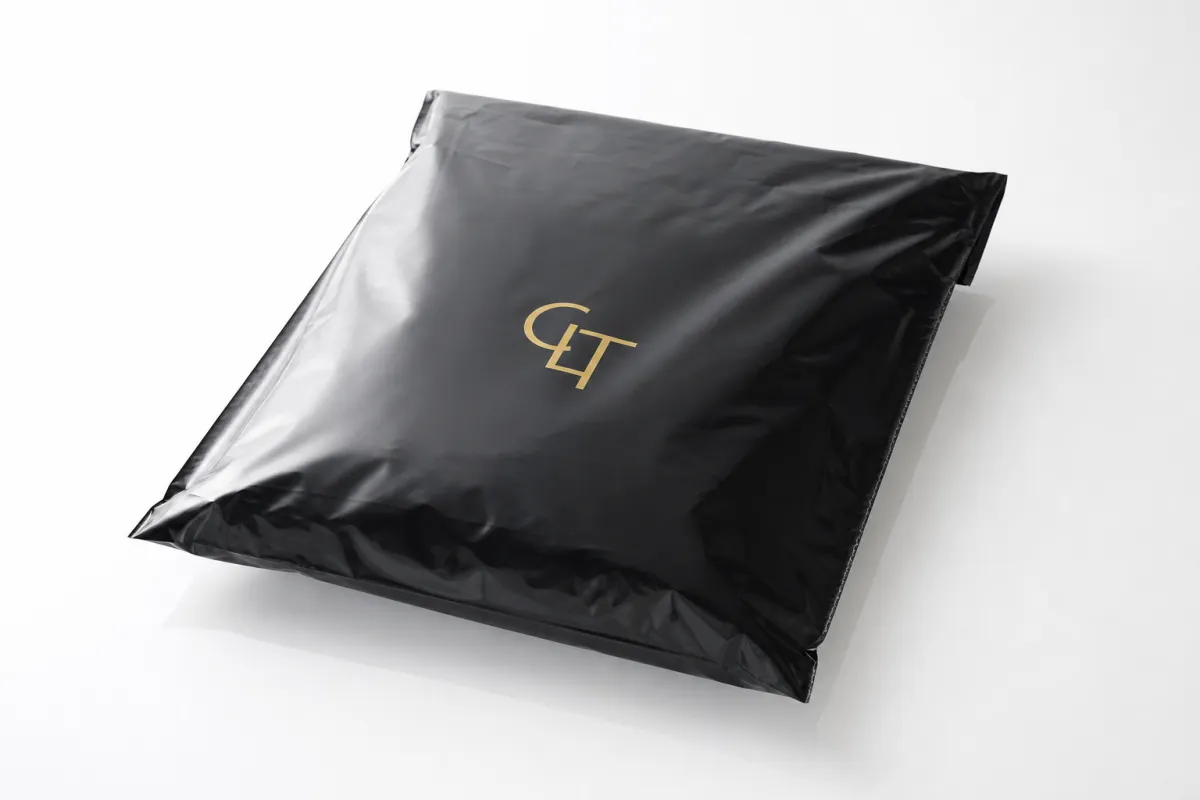
Open any mailroom, packing bench, or front porch, and the same pattern shows up quickly: packaging creates the first impression before the product does. That is the real value of logo mailing bags for brands. A printed mailer can carry a logo, a repeating pattern, a short line of copy, or a full visual system, and all of that starts working the moment the bag is seen in transit. The package is not just a transport layer. It is a small, repeated advertising surface that customers and bystanders both notice.
There is a subtle psychological effect at work too. When the exterior looks deliberate, the customer expects the inside to feel deliberate as well. That expectation can lift perceived value even if the item inside is modest. A $24 apparel order in a generic mailer can read like an afterthought, while the same order in logo mailing bags for brands can feel like part of a considered retail experience. The product has not changed. The context has.
From a packaging buyer’s point of view, that matters because packaging is one of the few brand touchpoints that keeps working after checkout. Ads stop when the spend stops. A shipment continues to work while it moves through the parcel network, sits on a porch, or gets opened at home. That is a lot of exposure for a relatively low unit cost, especially for brands that ship often.
The goal should not be decoration for its own sake. Good logo mailing bags for brands fit the product category and the order value. A premium skincare bundle may justify a cleaner, more tactile design with restrained copy. A high-volume basics brand may need a simpler graphic that prints cleanly and stays legible after handling. The strongest results usually come from matching the visual language to the buying context rather than chasing the loudest possible design.
"A good mailer does not have to shout. It has to fit, print cleanly, and survive the trip."
That is a fair way to think about logo mailing bags for brands. The logo matters, yes. But the package only performs if the outside presentation, the interior protection, and the fulfillment process all support the same job.
How Logo Mailing Bags for Brands Work in Real Fulfillment
Most buyers picture the printed bag and stop there. In practice, logo mailing bags for brands are part of a workflow. Artwork is prepared, the bag is printed, finished rolls or cartons are packed, and the mailers are loaded into the shipping operation. If any one of those steps is awkward, the packaging feels expensive in the wrong way.
The printing method shapes what the final bag can do. Simple one-color logos usually print cleanly on poly film and are often the easiest to control. Spot-color branding can sharpen contrast and improve recognition, especially for brands with strong identity systems. Full-surface designs look striking, but they also need tighter artwork discipline because flexible film shifts, stretches, and folds more than a rigid carton. On logo mailing bags for brands, what looks polished on a screen can turn muddy on a moving substrate if the art is too busy or too close to the seam.
Daily operations matter just as much. A mailer with a weak adhesive strip slows packing and increases the chance of transit failure. A bag that tears too easily creates rework. A film that is too slick can be hard for staff to handle in fast-moving fulfillment. Opacity matters too. If customers can see the product silhouette too clearly, the package can feel less premium and raise privacy concerns for categories like apparel or wellness. Good logo mailing bags for brands are not just branded; they are easy to load, seal, stack, and dispatch.
That is why production specs should be practical, not decorative. Ask about film thickness, seal strength, tear resistance, and whether the print stays stable after handling. If you are shipping through parcel networks that subject packages to drops, vibration, and compression, it helps to think about transit testing rather than only visual approval. The shipping community has long used standards and test methods, and organizations such as ISTA are worth reviewing if you want a better sense of how packages survive real transport.
For brands that care about broader packaging decisions, it also helps to compare the mailer against other materials in the system. A bag might not need a secondary carton, or it might work best with one. A small product in a rigid insert may need different protection than a flat textile order. Logo mailing bags for brands should fit the broader fulfillment setup, not fight it. The strongest packaging programs are rarely the fanciest. They are the ones that let the packing line move efficiently while keeping the brand signal intact.
If you want a useful way to judge a sample, pack real stock into it, seal it, hold it by the flap, and inspect the corners after a short handling cycle. You learn more in five minutes of actual use than in ten polished renderings. That is especially true for logo mailing bags for brands, because the visual promise means little if the package fails the work test.
Key Factors That Decide Performance and Perception
Size is the first variable to get right. Too large, and the bag wastes material, looks sloppy, and can make small products feel underpacked. Too small, and the seams get stressed, the seal becomes harder to trust, and the contents can wrinkle or damage. In many programs, the right answer is not one size but a small size family. A brand might use 9 x 12 inch mailers for slim apparel, 10 x 13 inch for standard orders, and 14 x 17 inch for bulkier SKUs. Logo mailing bags for brands work best when the fit is intentional rather than approximate.
Material choice changes both durability and perception. Standard poly is common because it is lightweight and cost-effective, but recycled-content film is increasingly relevant for brands that want to show material discipline without giving up the format. Coextruded blends can improve puncture resistance and opacity while still keeping the package thin enough for efficient postage. The tactile impression matters more than many buyers expect. A flimsy feel can cheapen the brand before the customer even sees the product.
Print coverage deserves the same scrutiny. High-contrast logos usually outperform crowded artwork because flexible mailers do not provide a perfectly flat canvas. Clean spacing helps. Edge-safe layout helps too, especially when a seal, tear line, or side fold can hide part of the design. If the main branding element sits too close to the edge, it may disappear on a packed bag. With logo mailing bags for brands, less clutter often reads as more premium, not less.
Brand fit is the last major factor, and maybe the most overlooked. A bag should match the product category, audience expectation, and order value. A budget-friendly everyday item does not need a heavy, ornate visual treatment. A high-end release probably should not ship in something that looks disposable. The package should feel aligned with the offer. That may sound obvious, yet many brands miss it because they design for the homepage, not the doorstep.
| Option | Typical Use | Setup Complexity | Illustrative Unit Cost at 5,000 Pieces | Best Fit |
|---|---|---|---|---|
| One-color logo on standard poly | Basics, apparel, general DTC | Low | $0.14-$0.22 | Brands that want efficient logo mailing bags for brands without much artwork risk |
| Two- to three-color spot print | Stronger identity systems, retail-ready shipments | Moderate | $0.18-$0.30 | Brands that need sharper shelf-to-door consistency |
| Full-surface design | Launches, premium campaigns, subscription shipments | Higher | $0.24-$0.45 | Logo mailing bags for brands that treat packaging as part of the campaign |
| Recycled-content film with branded print | Sustainability-led programs | Moderate to higher | $0.20-$0.38 | Brands balancing appearance, cost, and material story |
For sustainability claims, the wording needs to be precise. Recycled-content film is not the same thing as recyclable everywhere, and a mailer can contain recycled material without being accepted by every local collection system. If your brand is making environmental statements, use careful language and verify the claim. The EPA recycling resources are a useful starting point for understanding the difference between material content, recycling access, and consumer behavior. If paper components are involved, then FSC certification may matter too, but that is a separate question from the bag film itself.
Packaging buyers often ask for a single “best” option. There is no universal best. There is only best for the product, the customer, the shipping method, and the budget. That is why logo mailing bags for brands should be evaluated as a system: size, thickness, print clarity, adhesive quality, and brand fit all work together. If one of those is off, the whole package feels weaker.
Logo Mailing Bags for Brands: Cost, Pricing, MOQ, and Quote Basics
Price is usually the first question, but it should not be the only one. The cost of logo mailing bags for brands is driven by bag size, film thickness, print colors, coverage area, finishing details, and shipping distance. A tiny one-color bag with standard thickness and simple artwork can be economical. A larger bag with full coverage, custom dimensions, or recycled-content film will cost more. That is normal. What matters is knowing which choices move the number and by how much.
Minimum order quantity, or MOQ, is another major variable. Setup work has a fixed cost, so smaller runs often carry a higher unit price. Many custom mailer programs become more efficient around 5,000 to 10,000 pieces, though some suppliers can go lower at a premium. For logo mailing bags for brands, the trap is assuming that a smaller run is always safer. Sometimes it is. Sometimes it just hides a higher per-unit cost that becomes obvious after the first reorder.
A useful quote should be specific enough to compare apples to apples. Ask for dimensions, material thickness, print method, number of sides printed, quantity tiers, lead times, carton pack counts, and freight assumptions. If one quote includes door delivery and another does not, the lower number may be misleading. The same goes for artwork revisions, sample fees, or plate charges. A clean quote for logo mailing bags for brands should tell you what is included and what is not.
Unit cost also needs to be weighed against total cost. A cheap mailer that slows packing, triggers damage claims, or forces reprints is not really cheap. I have seen brands save a few cents per bag and lose much more through damaged inventory and delays. That is a false economy. In practical terms, a slightly better mailer can reduce labor friction, lower return rates, and protect the brand image at the same time. That is why logo mailing bags for brands should be judged on the full operating picture.
What A Useful Quote Should Include
- Dimensions: finished width and length, plus any gusset or flap details.
- Material: standard poly, recycled-content blend, or another film spec.
- Print details: number of colors, print side, and coverage area.
- Quantity tiers: pricing at 1,000, 5,000, and 10,000 pieces if possible.
- Timeline: proof approval, production, and freight estimate.
- Extras: samples, custom cartons, or special packing requirements.
Those details help buyers compare suppliers without guesswork. They also reduce the risk of hidden costs later. And because logo mailing bags for brands are a repeat purchase for many companies, a clean spec now saves time on every reorder.
Production Steps and Turnaround: From Artwork to Delivery
The production process looks simple from the outside, but it has more moving parts than most first-time buyers expect. Step one is artwork prep. Logo files need to be final, color expectations should be clear, and the design must be built around the actual bag template. That means confirming bleed, safe zones, folds, seals, and any area where a logo should not live. Flexible packaging punishes sloppy layout more than most people realize.
Step two is proofing and sampling. A digital proof is useful, but it is not the same as seeing the print on the actual film. Whenever possible, review a physical sample or at least a press proof before production scales up. Small issues in artwork can become expensive fast once thousands of logo mailing bags for brands are printed. A shifted logo, a dull color, or a missing edge mark can turn a promising run into a costly delay.
Step three is production and quality control. Printing, curing, slitting, packing, and inspection all matter. The more colors and the more coverage area, the more attention the run usually needs. If the supplier is handling a complex design, ask how they check registration and color consistency. On flexible film, tiny variations can show up quickly, especially under warehouse lighting. For logo mailing bags for brands, good quality control is not about perfection theater. It is about avoiding obvious defects that customers will see immediately.
Step four is timeline planning. A useful estimate should include proof approval, production capacity, freight time, and seasonal spikes. Simple jobs can move faster than full-surface or multi-color work, but the freight stage can still add days or weeks depending on the lane. If the bags are tied to a launch, build in buffer time. The most common mistake is treating packaging as if it can be ordered after the product is ready. It cannot, not if you want the launch to look disciplined.
For teams that want a stronger reference point, it helps to think about shipping performance the way test labs do. Packages face compression, vibration, and drop forces long before the customer opens them. That is one reason reputable suppliers discuss not just print but also handling and transport behavior. Logo mailing bags for brands should be looked at as shipping tools, not only branded surfaces.
One more practical note: if you are working with multiple SKUs, create a small artwork map for the whole range. That way the same design logic can be reused across sizes without re-deciding the basics every time. It saves time, protects brand consistency, and makes reorder conversations far easier. For repeat programs, logo mailing bags for brands perform best when the production process is as tidy as the design.
Common Mistakes When Ordering Branded Mailing Bags
The first mistake is choosing the wrong size range. Oversized bags waste material and can make the shipment look poorly considered. Undersized bags risk stretched seams, stressed seals, and damaged contents. This sounds basic, but it is one of the most common reasons logo mailing bags for brands underperform. Measure the packed product, not just the product itself, because inserts, tissue, folded apparel, and protective layers all change the final footprint.
The second mistake is overloading the design. A mailing bag is not a billboard with endless real estate. It folds, creases, and moves in transit. Dense text blocks, tiny claims, and delicate graphics can disappear once the bag is handled. Strong contrast and clear hierarchy usually beat complexity. If the main branding message can be read in a second, the bag is doing its job. If it takes effort, the message is already failing.
The third mistake is ignoring the fulfillment environment. A bag may look great in a sample photo and still cause headaches on the packing line. If the adhesive strip is awkward, staff slow down. If the film is too thin, tears happen. If the bag surface is too slippery, stacking becomes messy. The better logo mailing bags for brands are the ones that disappear into the workflow in the best possible way: easy to pack, easy to seal, easy to ship, and hard to damage.
The fourth mistake is buying on price alone. Low quote, weak material, poor color control, delayed replenishment. That combination is expensive in the long run. Cheap logo mailing bags for brands can cost more if they trigger a reprint, generate complaints, or hurt repeat purchase behavior because the package feels inconsistent. A buyer should ask not only “What is the unit price?” but also “What happens if the bags arrive late or do not hold up?”
There is also a subtler mistake: treating branding as separate from operations. The best packaging programs bring those two pieces together. If the mailer is pretty but slows the line, it fails. If it is fast but forgettable, it misses the marketing opportunity. Good logo mailing bags for brands sit in the overlap. They support the warehouse, they support the brand, and they do both without making the process harder than it needs to be.
Here is the short version of what usually goes wrong:
- Ordering a size that fits the product on paper but not in the packed state.
- Using artwork that becomes hard to read on flexible film.
- Skipping sample review and discovering a problem only after production.
- Ignoring seal strength, tear resistance, or warehouse handling reality.
- Choosing the lowest quote without checking print quality or replenishment risk.
Those are avoidable mistakes. And because logo mailing bags for brands are often reordered, a bad first spec can keep causing trouble for months.
Expert Tips and Next Steps for Better Logo Mailing Bags
Start with a small field test. Order samples, pack real products, store them for a few days, and ship a few through actual transit. Then inspect the bag after handling, not just before. This matters because logo mailing bags for brands are judged in motion. A crisp mockup can look excellent while a real shipment reveals wrinkles, weak seals, or print that loses clarity under stress.
Build two versions if your order mix is varied. Many brands benefit from a standard everyday mailer and a premium version for launches, subscription kits, or gift-ready shipments. The everyday option can focus on cost control and packing speed. The premium version can support richer print coverage or a more refined visual system. That split often makes more sense than forcing one design to do every job.
Create a simple spec sheet and keep it with procurement. Include size, thickness, print rules, reorder trigger, approved artwork, and any packaging notes tied to fulfillment. A one-page reference prevents a lot of avoidable errors later. It also keeps logo mailing bags for brands consistent across seasonal buys and reorder cycles, which is more valuable than many teams realize. Consistency is part of brand memory.
It is also smart to compare the mailer against the broader packaging mix. Could a smaller bag reduce freight cost? Would a different seal reduce labor time? Does the design need to be adjusted so barcodes or legal copy do not interfere with the logo? These are small questions individually, but they add up. That is why the best packaging teams think in systems. They do not just order a mailer; they shape the whole shipment experience around it.
If you need a reliable way to move forward, keep the decision sequence clear: define the product, define the packed size, choose the branding style, compare quote options, check samples, then place the first run. That is the practical path for logo mailing bags for brands. Not glamorous. Effective. And it saves a lot of backtracking later, which is kinda the whole point.
The takeaway is simple: logo mailing bags for brands work best when design, cost, and fulfillment point in the same direction. If the bag fits the item, prints cleanly, holds up in transit, and matches the value of the order, it earns its place. If not, it becomes decoration with a freight bill attached. Sample first, compare the real numbers, and only approve production once fit, feel, print, and turnaround all make sense together.
FAQ
What makes logo mailing bags for brands better than plain poly mailers?
They turn every shipment into repeat brand exposure, which plain mailers cannot do. They also reduce the need for extra packaging layers when the print already carries the brand story. For many businesses, the real value of logo mailing bags for brands is not just appearance - it is consistency across the whole delivery experience.
How do I choose the right size for logo mailing bags for brands?
Measure the product when packed, not just the product itself, because inserts and folds change the final footprint. Leave enough room for a clean seal without creating excess empty space that looks cheap or invites damage. If you ship multiple SKUs, create a size map so each mailer covers a defined product range, which makes logo mailing bags for brands easier to reorder and standardize.
What affects the price of custom logo mailing bags the most?
Bag size, film thickness, print coverage, and color count usually have the biggest impact on pricing. MOQ matters too, because setup costs are spread across the run, which changes the unit cost sharply. Shipping and rush production can move the total quote more than buyers expect, so logo mailing bags for brands should always be priced with freight and lead time in view.
How long does production usually take for branded mailing bags?
The timeline depends on artwork approval, proofing, production capacity, and freight method. Simple designs usually move faster than full-coverage or multi-color jobs that need extra checks. If the bags are needed for a launch, build in buffer time for revisions and transit delays, because logo mailing bags for brands often sit on the critical path even when teams forget to schedule them that way.
What artwork works best on logo mailing bags for brands?
Bold logos, strong contrast, and clean spacing usually print and read better than dense layouts. Designs should be built around the bag template so seams, folds, and seals do not hide important details. If brand recognition matters more than decoration, a simpler layout often performs better in the real world, and that is usually the smartest way to approach logo mailing bags for brands.


