Logo Patches Factory Quote Request for Custom Caps
Logo Patches Factory Quote Request: Start With the Patch, Not the Hat
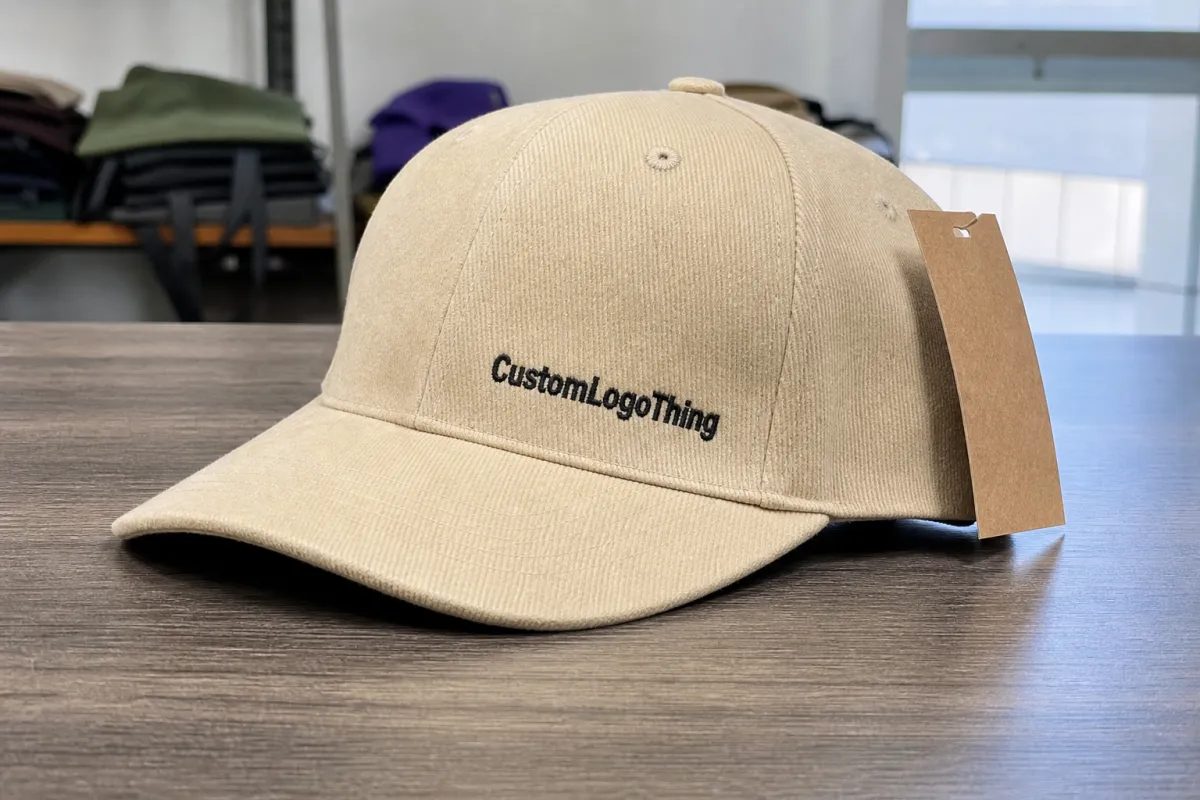
Most custom cap delays do not begin with the cap blank. They begin with missing patch information. A clear logo patches Factory Quote Request gives the factory enough detail to price the order accurately, recommend the right construction, and avoid the slow back-and-forth that happens when artwork, backing, placement, or quantity is unclear.
The cap style matters, but the patch carries much of the technical risk. It determines the decoration method, setup work, application labor, proofing steps, and often the perceived value of the finished hat. Edge finish, backing, logo size, attachment method, artwork format, and color standards all affect production before the first cap is decorated.
A good patch adds texture, depth, and permanence that flat embroidery or direct print may not provide. That is why patches remain common for workwear, outdoor brands, field uniforms, clubs, private-label headwear, event merchandise, and retail caps that need to feel more substantial than a basic giveaway.
A factory quote is more than a number. It is a technical check. Can the artwork hold up as a woven patch? Will small letters close up in embroidery? Does the PVC design need two or three raised levels? Is the leather-style patch better debossed or laser engraved? Will a printed patch match the approved brand color closely enough for the intended use?
Practical rule: quote the patch before you commit to the cap. A clean patch on a suitable blank usually looks better than an overbuilt patch forced onto the wrong crown shape.
Custom Logo Things helps buyers turn a logo, cap style, order size, and use case into a production-ready quote. If you already have artwork and a rough quantity, you can start with a custom patch cap quote request and refine the specifications from there.
Patch Types That Work Best on Caps and Hats
The best patch type depends on the artwork first, then the cap. Many buyers choose by surface appearance, then later discover that a tiny line of text, a gradient, or a narrow border does not reproduce well in the material they selected.
Embroidered patches
Embroidered patches are the traditional raised-thread option. They work well for bold logos, school marks, team caps, uniform programs, and simple shapes where texture matters more than fine detail. Stitch density, thread direction, fill type, and border width all influence the finished look.
Large solid areas need care because heavy stitch coverage can make a patch stiff, especially on a curved crown. Small lettering can also fill in once thread thickness and stitch direction are translated into production. For that reason, embroidery is usually strongest with simple marks, clear borders, and text that has enough height to remain readable at actual cap size.
Woven patches
Woven patches use finer threads and a flatter surface, so they usually handle small lettering and tight line work better than standard embroidery. They suit retail-style branding, clean wordmarks, and logos that need sharper edges without the raised thread texture of embroidery.
If the logo includes text below roughly 4 mm high, woven deserves serious consideration. It will not create the same dimensional feel as embroidery, but it often gives a cleaner read on compact marks, especially on dad hats, structured caps, and beanies where the patch cannot be oversized.
PVC patches
PVC patches are flexible, rubber-like patches used often for outdoor, tactical, sport, and youth-focused cap programs. They support dimensional artwork, strong color blocks, molded borders, and wipe-clean durability. A PVC patch can look sharp on a structured cap, but it also brings setup considerations that should be reflected in the quote.
Custom PVC may require tooling or a mold, so the request should include the artwork size, color count, raised-level expectations, and attachment method. The factory also needs to know whether the back will be sewn, heat applied, or made with hook-and-loop. Those choices affect both cost and timeline.
Leather and leather-style patches
Genuine leather, faux leather, and leather-look patches give caps a premium casual feel. Common decoration methods include debossing, embossing, laser engraving, foil effects, and printed leather-look graphics. These patches usually favor simple marks over full-color art.
A ranch-style emblem, outdoor badge, or minimalist retail logo can work beautifully on leather-style material. A detailed mascot with tiny text may not. Buyers should also state material restrictions early, especially if the program avoids genuine leather or requires a synthetic alternative for brand, cost, or compliance reasons.
Printed patches
Printed patches are useful for full-color artwork, photo-style graphics, gradients, and short-run campaigns where color accuracy matters more than heavy texture. They can also help when a buyer wants to test a design before committing to a molded PVC patch or dense embroidery construction.
The tradeoff is dimension. Printed patches can preserve art that thread or molded material cannot, but they usually have a flatter appearance. For promotional caps, seasonal artwork, or complex graphics, that may be the right decision.
Hat compatibility matters as much as patch material. Structured trucker caps, dad hats, beanies, performance caps, and flat bills accept patches differently because crown curve, fabric weight, panel stiffness, and heat tolerance vary. A 3 inch wide patch may sit well on a structured trucker but feel too tall on a low-profile dad hat.
| Patch Type | Best For | Common Watchout | Typical Cap Fit |
|---|---|---|---|
| Embroidered | Bold logos, uniforms, school marks | Small text can fill in | Structured caps, truckers, flat bills |
| Woven | Fine detail, clean retail branding | Less raised texture than embroidery | Dad hats, structured caps, beanies |
| PVC | Outdoor, tactical, sport, youth caps | Tooling can affect MOQ and timeline | Structured caps, performance caps |
| Leather-style | Premium casual, lifestyle, private label | Simple marks reproduce best | Trucker caps, dad hats, flat bills |
| Printed | Full color, gradients, short runs | Less texture and dimension | Most caps if attachment is suitable |
Artwork, Size, Shape, and Backing Specifications to Include
A strong logo patches factory quote request should include the logo file, intended patch type, patch size, shape, color count, cap style, placement, order quantity, desired delivery date, and any packaging or labeling requirements. That may sound like a long list, but it is less work than revising a quote after the proof exposes missing details.
Vector artwork is preferred. AI, EPS, SVG, or editable PDF files allow cleaner review because line weights, text, curves, and shapes can be measured. A high-resolution PNG or JPG is usually enough for an initial estimate, but production may require redrawing before proofing. If artwork cleanup is needed, say so early; it can add cost and time.
For front cap patches, many buyers land in the 2.25 to 3.5 inch width range, depending on logo shape and crown height. Side patches are usually smaller, often closer to 1.25 to 2 inches wide, because seams, ventilation panels, and closure hardware limit usable space. Beanies are different again. The patch must flex with knit fabric and still sit square when worn.
Shape affects both appearance and cost. Rectangle, circle, oval, and shield patches are efficient because the border path is predictable. Die-cut contours and custom silhouettes can look more branded, but complex cut lines may raise production difficulty. A narrow point or fragile corner may need a border for sewing strength or heat-press reliability.
Backing deserves careful attention. Sew-on backing gives the most traditional hold and works well for embroidered, woven, and many leather-style patches. Heat-seal backing speeds application, but the cap fabric must tolerate heat and pressure. Hook-and-loop backing suits tactical and uniform patches that need to be removable. Adhesive backing is better for temporary uses and is usually not the right choice for long-term cap wear.
Edge finish is both visual and functional. A merrowed border gives a classic raised edge, while a laser-cut edge can follow custom shapes closely. Satin stitch borders are clean and controlled for many embroidered and woven patches. PVC patches typically use a molded edge. The border protects against fraying, helps the patch hold shape, and frames the logo on the cap.
Pricing, MOQ, and Unit Cost Factors Buyers Should Expect
Pricing depends on material, size, construction complexity, color count, backing type, border style, quantity, and whether the factory is also sourcing and decorating the caps. A request for loose patches is not the same as a request for finished caps packed and labeled for retail.
MOQ is practical, not arbitrary. Lower quantities may be possible for certain printed, woven, or embroidered patches. Custom molded PVC, specialty leather effects, or highly customized shapes may require higher minimums because tooling, setup, material handling, and sampling need to be spread across the order.
Common cost contributors include embroidery digitizing, PVC mold or tooling, artwork cleanup, sample development, heat-press labor, sewing labor, cap blank selection, private labeling, individual polybagging, barcode stickers, carton packing, and freight. If the caps need hangtags, FSC-certified paperboard backer cards, or custom shipping cartons, those packaging details should be quoted with the cap program rather than added at the end. For paper-based packaging claims, buyers can review certification basics through the Forest Stewardship Council.
Unit cost usually improves as quantity rises because setup, proofing, machine calibration, and purchasing are spread across more pieces. That does not mean every design becomes inexpensive at scale. An oversized patch, a six-color PVC mold, or a leather-style patch with a specialty finish can keep the unit cost higher than a smaller woven option even at larger quantities.
As a broad planning range, simple embroidered or woven patches may price quite differently from molded PVC or decorated leather-style patches, especially at small quantities where setup weighs more heavily. Finished caps add another layer: the blank itself, application method, spoilage allowance, packing, and freight can matter as much as the patch. For many buyers, the useful comparison is not patch price alone but finished cap cost at 100, 250, 500, and 1,000 pieces.
If budget is tight, ask for good-better-best options. Compare woven versus embroidered. Compare stitched application versus heat press if the material supports it. Compare a standard structured cap blank with a premium cotton twill or performance cap. The cheapest line item is not always the best buy if the patch curls, the logo loses detail, or the cap feels wrong for the brand.
Production Steps and Timeline From Sample to Shipment
A good production flow is orderly: quote review, artwork check, technical recommendation, digital proof, pre-production sample or sample image, buyer approval, patch production, cap application, quality control, packing, and shipment. Skip one step, and the risk usually appears later.
Timeline depends on patch type and approval loops. A clean vector logo with simple embroidery may move faster than a PVC design that needs mold development or a leather-style patch needing material confirmation. A printed patch with approved colors may be efficient, while a multi-level PVC patch can require more technical proofing.
Digital proofs confirm size, color placement, shape, border, and backing. Physical samples are more useful when texture, raised detail, exact color, material feel, or cap curvature must be approved before the main run. For some orders, a high-quality sample photo may be enough. For retail launches or uniform programs, a physical sample is often worth the extra time.
Production sequencing matters. Patches are commonly produced first, inspected, and then applied to caps. A late patch size change can affect the full cap schedule. If the patch grows from 2.75 inches to 3.5 inches wide after sampling, the crown fit, sewing path, heat platen size, and visual balance may all need another review.
Common timeline extensions include incomplete artwork, unclear Pantone references, cap blank availability, revised sizing after sampling, special packaging, split shipments, and destination customs requirements. For distribution testing or packed product handling, standards from groups such as ISTA can also guide packaging decisions when caps are shipped in larger retail or kit programs.
Give the factory the in-hands date, not only the ship date. Freight method, customs clearance, warehouse receiving, internal kitting, and event setup can matter as much as production speed. A cap needed for a Friday event should not be planned as if Friday delivery is safe.
Quality Checks That Protect the Look and Wear Life of the Cap
A patch must be judged twice: once as a standalone item and again after it is attached to the curved, flexible surface of a cap. A beautiful flat patch can still fail if it puckers, lifts, twists, or pulls the front panel out of shape.
For embroidered and woven patches, inspection points include clean edges, correct thread colors, readable text, balanced density, no loose threads, consistent shape, and proper border alignment. Small lettering should be checked at actual size, not only enlarged on a screen. If the wordmark cannot be read from a normal viewing distance, the material choice or size may need adjustment.
For PVC and leather-style patches, look at molded detail clarity, surface cleanliness, consistent thickness, accurate debossing or embossing, proper cut edge, and stable color against the approved proof. PVC patches should not have unwanted flashing around the edge. Leather-style patches should not show weak engraving, scorch inconsistency, or uneven deboss pressure.
Application quality is just as important. Stitching should be even and should not distort the front panel. Heat-press adhesion should be secure only where the cap and patch materials support it. Placement should be centered and consistent from cap to cap. A patch that sits 3 mm off center may not sound serious in writing, but on a front crown it can be obvious.
Cap-specific risks include seams under the patch, mesh back heat sensitivity, low-profile crowns with limited patch height, curved bills that affect placement perception, and fabric coatings that may reduce adhesion. Performance fabrics need special care because stretch, moisture-wicking finishes, and heat sensitivity can change the best attachment method.
Quality control saves money. It reduces returns, protects retail presentation, and keeps branded merchandise from feeling assembled out of mismatched parts. For buyers, that consistency is often the difference between a cap people wear and a cap that stays in a closet.
How Custom Logo Things Helps Buyers Quote With Fewer Revisions
Custom Logo Things works with branded products and packaging details together, which matters for cap programs. A cap may be the hero item, but decoration, labeling, packing, and presentation all shape how the buyer receives it and how the end customer values it.
For a patch cap quote, the practical support starts with artwork review. The team can flag details that may not reproduce well, recommend embroidery, woven, PVC, leather-style, or printed construction, and help compare options by use case instead of guesswork from a catalog image.
If the caps are for retail shelves, employee uniforms, event giveaways, subscription boxes, or brand kits, the same logo may need different specifications. Retail may call for premium cap blanks and individual polybags. A field uniform may need a washable sewn patch. An event cap may need a tighter budget and a faster approval path.
Buyers can request several quote paths for the same artwork. One path might use a durable outdoor PVC patch. Another might use a premium debossed leather-style patch. A third might use a cost-conscious woven or embroidered patch. Comparing these side by side makes the tradeoffs clearer: texture, detail, MOQ, setup, labor, and timeline.
The goal is a production-ready quote with fewer surprises. The factory needs enough detail to estimate material, labor, setup, sampling, packing, and freight. The buyer needs enough detail to approve a direction with confidence. If you want help narrowing the options, send the artwork through Custom Logo Things with the cap style, quantity, and deadline you have in mind.
Next Steps Before You Submit Your Patch Quote Request
Before you ask for pricing, gather the basics. Choose the cap style if you know it. Upload the best logo file available. Define patch type preferences, target size, placement, quantity, deadline, and any packaging or retail labeling needs.
- Logo file: AI, EPS, SVG, or editable PDF is preferred; PNG or JPG can work for early review.
- Patch direction: embroidered, woven, PVC, leather-style, printed, or open to factory recommendation.
- Cap details: trucker, dad hat, structured crown, flat bill, beanie, performance cap, or buyer-supplied blank.
- Placement: front center, side panel, rear, beanie cuff, or multiple locations.
- Order details: quantity, in-hands date, shipping destination, packaging, labels, and any barcode needs.
If you are unsure about patch type, send the logo and intended use first. A factory can often tell quickly whether embroidery will lose small detail, woven will sharpen the mark, PVC will add the right dimension, leather-style will suit the brand tone, or print will preserve full-color art.
Brand standards help. Include Pantone colors, approved spacing, minimum text size rules, and material restrictions such as no genuine leather or a preference for synthetic alternatives. If the caps will sit inside a brand kit or ship with printed packaging, include those details too so the presentation feels planned.
Identify the decision-maker before sampling. Delayed proof approvals are one of the simplest ways for a cap order to lose time. Ask for a quote breakdown that separates patch production, cap blanks, application, setup, sampling, packaging, and shipping where possible. That structure makes budget decisions easier.
A complete logo patches factory quote request gives Custom Logo Things the details needed to price accurately, recommend the right construction, and move a cap order toward production with fewer revisions. If you are ready to compare options, start with a clear custom cap patch quote and include the artwork, quantity, cap preference, and deadline.
FAQ
What should I include in a logo patches factory quote request for caps?
Include your logo file, patch type preference, cap style, patch size, placement, quantity, deadline, color requirements, backing preference, and any packaging or labeling needs. If you are not sure which patch type is best, send the artwork and describe how the caps will be used so the factory can recommend embroidery, woven, PVC, leather-style, or printed patches.
Can I request a quote if I only have a PNG or JPG logo?
Yes. A PNG or JPG can usually be reviewed for an initial estimate, but vector artwork is preferred for accurate production and may be required before proofing or sampling. If the logo needs cleanup or redrawing, that work can affect cost and timeline, so mention the file format when requesting the quote.
What affects the cost of custom logo patches for hats the most?
The biggest cost factors are patch material, size, quantity, color count, shape complexity, backing, border type, setup needs, cap application labor, and packaging requirements. MOQ and unit cost are closely connected because setup, proofing, tooling, and machine preparation become more efficient as the order quantity increases.
How long does a custom patch cap order usually take?
Timeline depends on artwork readiness, patch type, sampling needs, cap availability, approval speed, and shipping method. PVC molds, specialty leather effects, complex shapes, or physical samples can add time, while clean artwork and quick proof approval help keep the order moving.
Should logo patches be sewn or heat pressed onto caps?
Sewn patches are often chosen for strong long-term hold and a traditional cap finish, especially on embroidered, woven, and leather-style patches. Heat press can be efficient for compatible patch and cap materials, but the factory should confirm fabric tolerance, adhesion, crown shape, and end use before recommending it.


