Skincare Logo Patch Beanies Unit Cost Review: What Buyers Miss First
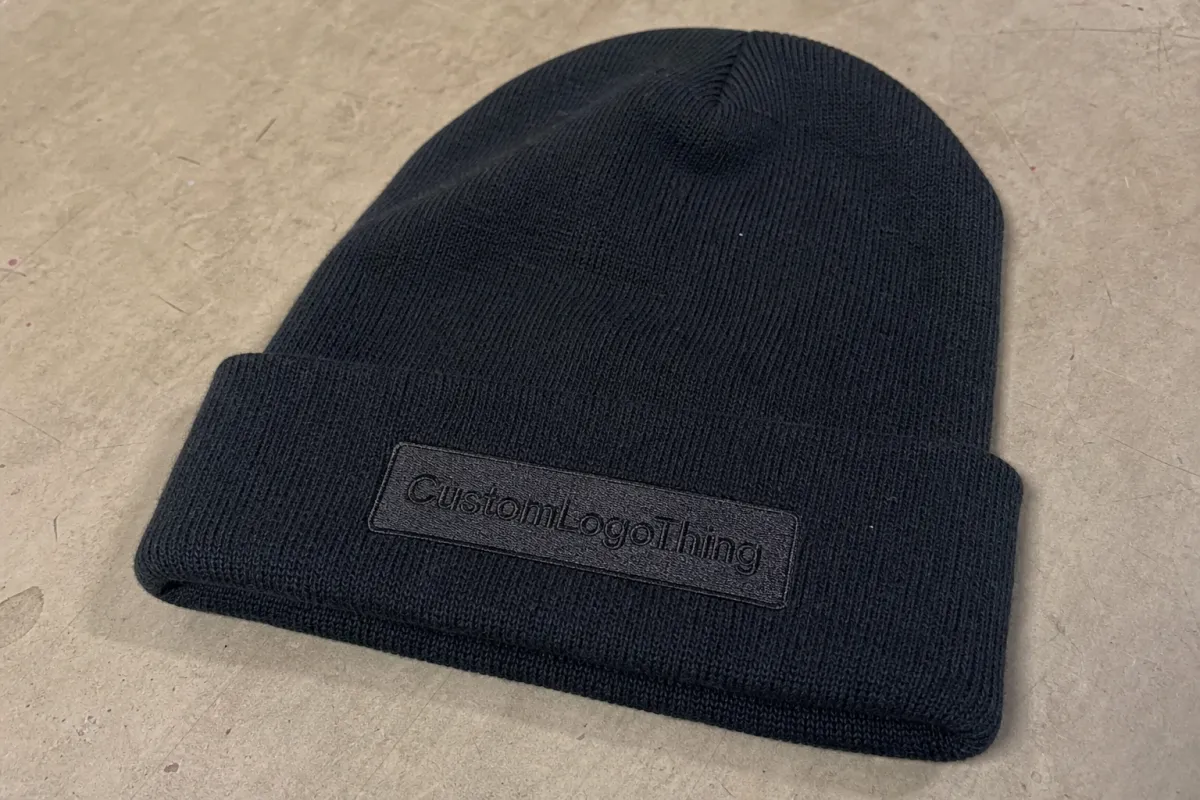
A beanie can cost less than the jar, tube, carton, or mailer it promotes, yet it may stay in circulation for an entire cold season. A practical skincare logo patch Beanies Unit Cost Review has to look beyond the blank hat price and include the patch construction, attachment method, packaging, freight, and order quantity, because those details decide the real landed cost.
For skincare brands, the item is rarely just a giveaway. It may sit inside a holiday kit, a spa uniform program, a subscription box, an influencer mailer, a loyalty bundle, or a small retail display near lip balm and barrier cream. A paper insert gets one glance. A soft cuffed beanie with a restrained logo patch can live in a coat pocket, gym bag, treatment room, or winter wardrobe without feeling like throwaway promotion.
The best buying decision starts with use case. Retail resale merchandise needs a different finish than a gift-with-purchase item. Staff apparel has to survive repeat wear and washing. A premium customer insert may need cleaner folding, individual packaging, or carton separation for kitting. The acceptable unit cost changes with each scenario.
Many buyers compare the first price column too quickly. A $4.80 beanie that feels thin, carries an oversized patch, or arrives in mixed cartons with no useful labeling can create more operational work than a $6.25 piece that is correctly folded, labeled, and ready for fulfillment. The goal is not to overbuy; it is to understand which details affect cost and which ones protect the brand presentation.
Where Patch Beanies Create Value for Skincare Brands
Beanies work well for beauty and skincare because they feel personal. The fabric sits close to the face, the decoration area is controlled, and the item photographs naturally beside moisturizers, cleansing balms, recovery creams, sunscreen sticks, and lip treatments. For brands built around calm routines, cold-weather hydration, skin barrier support, spa services, or clean retail presentation, a patch beanie can feel softer and more durable than a printed tee or disposable card.
Common uses include launch kits for moisturizers, lip care, cleansing balms, overnight masks, and seasonal skin recovery sets. They also make sense for esthetician uniforms, spa front-desk apparel, wholesale support packages, retail shelf add-ons, direct-to-consumer surprise gifts, and winter loyalty programs. A beanie can be packed with a 50 ml jar, a travel-size serum, and a routine card, or it can ship alone as branded merchandise for customers who already know the product line.
The perceived value comes from texture and finish. A logo patch beanie can carry a boutique feel when the patch has a clean edge, balanced scale, and a color palette that relates to existing jars, tubes, labels, folding cartons, or printed mailer boxes. If a skincare brand uses warm ivory cartons with sage labels, a black beanie with a bright white patch may feel disconnected. A charcoal rib knit with a cream woven patch may sit much closer to the same visual system.
Buyer psychology is plain enough: customers keep useful items that feel good. A soft beanie with a tasteful skincare logo patch can stay visible through repeat wear, while a flyer or postcard may disappear the day the package is opened. That repeated visibility only helps if the piece feels worth keeping.
Practical callout: The lowest cost per piece is not always the strongest buy. If the knit feels weak, the patch is too stiff, or the logo loses detail, the beanie can undercut the premium cues your skincare packaging worked hard to build.
Custom Logo Things can translate existing skincare branding into a wearable format by reviewing logo detail, patch size, yarn color, stitch placement, and packaging requirements before bulk pricing is treated as final. That early review is where many avoidable cost and quality issues are caught.
Beanie Materials, Fits, and Patch Options That Affect Perceived Quality
Material choice drives both hand feel and unit cost. Acrylic knit is the common workhorse because it holds color well, stretches consistently, and usually supports competitive bulk pricing. Cotton-blend knit can feel softer and more natural against the skin, though it may cost more and recover differently after stretching. Recycled yarn options are useful when a skincare brand has sustainability messaging, but availability, shade range, and documentation should be confirmed early rather than assumed.
Fit matters just as much as fiber. A classic cuffed beanie gives a stable decoration area, often around 2.5 to 3.5 inches of cuff height. Rib-knit cuffs add texture and stretch. Slouch styles create a more relaxed silhouette, but patch placement can become less predictable because the body shifts more when worn. For many skincare campaigns, a snug cuffed style is the safest choice because the patch sits in a controlled position and the shape works across staff, customers, and product photography.
Skincare buyers usually lean toward clean, minimal textures. A heavy outdoor workwear look can be effective for some brands, but it may clash with moisturizers, serums, balms, and wellness positioning unless that contrast is intentional. Soft acrylic, cotton-rich blends, tonal rib knits, and muted yarn shades often pair better with cosmetic packaging than high-contrast sportswear colors.
| Patch Type | Best Use | Typical Cost Impact | Design Watchout |
|---|---|---|---|
| Woven patch | Fine type, clean line work, small logos | Efficient for detailed artwork at moderate volume | Very pale contrast can disappear on textured knit |
| Embroidered patch | Raised texture and traditional merchandise feel | Higher stitch density can increase cost per piece | Tiny letters and thin serifs may fill in |
| Faux leather patch | Boutique retail styling and warm neutral palettes | Often mid-range, with setup charges for debossing | Fine gradients and multi-color marks do not translate well |
| PVC patch | Modern, durable, moisture-resistant decoration | Tooling fees may apply, especially for custom shapes | Can feel too sporty for delicate skincare branding |
| Printed patch | Gradients, soft artwork, and delicate illustration | Can be cost-effective for color-rich designs | Surface finish should be checked for premium feel |
Patch shape and size also affect price. A small rectangle is usually easier to quote and sew than a custom die-cut botanical shape. Oval, arched, and rounded-corner patches can look refined, but they may add setup time depending on the edge finish and construction. A common patch range for minimal skincare logos is roughly 1.75 to 2.5 inches wide; bolder retail pieces may move closer to 3 inches wide, as long as the cuff can support the scale without becoming stiff.
Artwork has limits on knit goods. Thin serif type, pale tone-on-tone contrast, complex botanical illustrations, and tiny ingredient-style copy may need simplification. A logo that prints beautifully on 350gsm C1S artboard with soft-touch lamination may not hold the same detail on a curved knit cuff. Samples in the same color direction as the finished packaging help reveal those issues before the order becomes expensive to adjust.
Specifications to Confirm Before Requesting a Quote
A clear quote request saves days of back-and-forth. Before asking for pricing, gather the beanie style, yarn material, beanie color, cuff height, patch type, patch dimensions, attachment method, logo file format, order quantity, packaging requirements, delivery address, and in-hands date. If one specification is undecided, say so; practical options can be priced side by side.
Vector artwork is preferred because it gives production clean edges and scalable detail. AI, EPS, and clean PDF files are typically best for review. A high-resolution PNG may be enough for early discussion, but it may need redrawing before manufacturing, especially if the logo includes delicate typography, small line art, or a botanical mark with fine stems and leaves.
Color matching needs a realistic approach. Yarn and patch materials cannot always hit cosmetic packaging colors exactly. A Pantone reference helps, but stock yarn programs usually work from available shade cards. Custom dyeing may be possible when volume justifies it, though it can add MOQ requirements, longer lead time, lab dip approvals, and extra cost. For most promotional beanie runs, closest available stock colors are the practical route.
Patch placement should be confirmed before proof approval. Front-center placement on the cuff is the standard choice, while side placement can feel quieter and more premium for certain skincare lines. The key issue is distortion. A patch may sit perfectly flat on a table and still curve once the beanie stretches on the head, so patch width, cuff height, and stitch location should be considered together.
Packaging choices influence both presentation and unit cost. Options include individual poly bags, glassine-style bags where available, belly bands, retail hang tags, barcode labels, bundle packing, carton labeling, and kitting with skincare products. If the beanie needs to fit inside a mailer, gift box, or retail display, provide the internal dimensions before the quote is finalized. A fraction of an inch can matter once a folded knit item, jar, insert card, and void fill share the same space.
Compliance details deserve early review. Care labels, fiber content, country of origin labeling, and retail labeling requirements can matter depending on whether the beanie is sold, gifted, or used as staff apparel. For packaging and transit testing references, buyers can review resources from ISTA, while paper-based tags, bands, and cartons may also be checked against FSC guidance when sustainability claims are part of the packaging plan.
Unit Cost, MOQ, and Pricing Factors for Custom Patch Beanies
Unit cost usually moves with quantity because setup, artwork preparation, patch production, machine time, sewing, quality control, and carton handling are spread across more pieces at higher volumes. That does not mean every larger order produces dramatic savings, but a 100-piece test run and a 1,000-piece campaign will not share the same cost structure.
The largest pricing variables are beanie blank quality, patch material, patch size, stitch density, number of logo colors, custom shape, attachment method, packaging, shipping method, and rush production. A stock cuffed acrylic beanie with a standard woven patch may price efficiently. A custom-dyed cotton-blend beanie with a die-cut PVC patch, hang tag, barcode label, and individual bagging has more labor, material, and approval steps built into the finished piece.
MOQ is practical, not mysterious. Lower MOQs help skincare brands test a boutique launch, spa retail run, or small influencer mailing. Larger quantities usually bring better unit economics for subscription boxes, holiday bundles, multi-location teams, or recurring gift-with-purchase programs. The right number depends on campaign size, storage space, cash flow, and how quickly the inventory will be used.
| Order Scenario | Typical Buyer Goal | Cost Behavior | Quote Detail to Confirm |
|---|---|---|---|
| Small test run | Launch kit, boutique retail trial, local event | Higher unit cost because setup charges spread over fewer pieces | Sample fees, artwork cleanup, available stock colors |
| Mid-size campaign | Influencer seeding, spa teams, seasonal gift | Better balance of MOQ flexibility and bulk pricing | Packaging labor, carton labeling, delivery date |
| Large replenishment | Subscription box, retail support, loyalty program | Lower cost per piece if materials and production are stable | Freight method, split shipments, reorder consistency |
Compare quotes on the same basis. One supplier may include setup charges and standard packaging in the per-piece number, while another lists those items separately. Freight, duties if applicable, artwork cleanup, sample fees, and carton handling can change the final landed cost. A clean skincare Logo Patch Beanies Unit Cost review puts those line items side by side instead of chasing the lowest headline price.
Ask for tiered pricing at quantities that match the buying plan, such as 100, 250, 500, and 1,000 pieces. The strongest price break may appear at 500 pieces, or the numbers may show that a smaller run is smarter because the skincare launch is still being tested. If storage is limited or the campaign is seasonal, over-ordering to reduce the unit cost can still be the wrong financial move.
Good quote building makes tradeoffs visible. Simplifying from a custom patch shape to a standard woven rectangle may save money. Individual retail packaging adds labor, but it may be necessary for resale or gift set assembly. A patch with fewer colors may keep detail cleaner and reduce production complexity. Buyers make better decisions when the cost drivers are plain.
Process and Timeline From Artwork Review to Finished Beanies
The production path is direct when the details are ready. Submit artwork and specifications first. Confirm the beanie body, yarn color, patch option, placement, packaging, and quantity. Then review pricing, approve the digital proof, approve a physical sample if needed, move into bulk production, complete quality checks, pack the order, and ship.
Timeline depends on artwork readiness, patch complexity, material availability, sample approval speed, order quantity, packaging needs, and shipping method. Stock beanie colors, standard patch shapes, ready vector artwork, and quick proof approval usually create the fastest path. Custom yarn, specialty patches, retail packaging, or kitting instructions can add days or weeks depending on the production plan.
The proofing stage deserves careful attention. Check logo scale, patch placement, thread or material colors, edge finish, beanie color, and packaging notes before production begins. Small changes are easier before the patch is made and sewn. After bulk production starts, even a simple logo size adjustment can mean remaking patches or reworking finished goods.
A physical sample is worthwhile for retail merchandise, influencer kits, premium loyalty gifts, and first production runs with a new patch style. It lets the buyer touch the knit, bend the cuff, inspect the backing, and see how the patch looks both flat and worn. Not every promotional order needs a pre-production sample, but higher-visibility skincare programs usually benefit from one.
Common delays are rarely dramatic; they are usually ordinary details that arrive late. Artwork changes after proof approval, unavailable beanie colors, unclear packaging instructions, holiday freight congestion, missing delivery addresses, and slow internal approval from the brand team can all push a schedule. Build in an approval buffer if the beanies need to arrive before a product launch, pop-up event, seasonal promotion, wholesale shipment, or influencer mailing.
Quality Checks That Protect the Look of a Skincare Brand
Quality control matters because skincare packaging trains customers to notice finish. A crooked patch, loose thread, rough backing, uneven cuff fold, or dirty bag can make a premium brand feel careless. That is especially true if the beanie is packed beside a glass jar, decorated tube, embossed carton, or carefully printed routine card.
Practical inspection points include beanie color consistency, knit stretch, cuff height, patch alignment, stitch security, logo readability, patch edge finish, thread trimming, packaging cleanliness, and carton count accuracy. If the order includes multiple beanie colors or patch variations, separation by SKU and clear carton labels can prevent fulfillment headaches later.
Evaluate the beanie flat and worn. A patch that looks straight on a table may pull, bow, or curve once the knit stretches. The attachment stitch should hold the patch securely without puckering the cuff. The backing should not feel sharp against the forehead, and the cuff should fold consistently enough that the logo sits at a repeatable height.
Patch scale needs balance. Oversized patches can feel stiff and overly promotional. Very small patches may lose the logo impact the buyer is paying for. For many skincare brands, the sweet spot is a patch large enough to read at normal social distance but restrained enough to feel like retail merchandise rather than event swag.
Packaging inspection is part of the product. Confirm correct SKU labeling, clean individual bags, properly folded cuffs, readable barcode labels if used, and accurate carton counts. If beanies are going into a skincare gift set, the fold and bag size may affect how the item fits beside jars, tubes, applicators, or printed inserts.
Custom Logo Things reviews the physical product as a branded item, not just a decorated blank. The beanie, patch, stitch line, packaging, and presentation have to work together. For a beauty buyer, those details are not fussy; they are part of the customer experience.
Building a Quote-Ready Beanie Order
Start with a simple checklist. Decide the campaign use, choose a target quantity, select a preferred beanie color, confirm the patch material, gather logo files, set the in-hands date, and list packaging needs. If the beanie must fit inside a 9 x 6 x 3 inch mailer or sit beside a 50 ml jar in a gift box, include that information early.
Send existing skincare packaging photos or brand guidelines if they are available. Jars, tubes, folding cartons, labels, mailer boxes, tissue, hang tags, and insert cards all help guide the beanie color and patch finish. A logo patch beanie should feel connected to the brand, not like a generic winter item with a mark added at the end.
Ask for tiered pricing, estimated lead time, proofing steps, sample options, and shipping assumptions in the first quote request. That reduces back-and-forth and makes the unit cost easier to review. Identify must-have requirements early, such as retail hang tags, barcode labels, recycled material preferences, individual bagging, or kitting with other skincare promotional products.
A focused skincare logo patch Beanies Unit Cost Review should leave the buyer with clear tradeoffs: which details raise price, which ones protect presentation, and which ones can be simplified without weakening the brand. With the right specifications in place, the finished beanie can feel like a natural part of the skincare line rather than a seasonal afterthought.
FAQs
What affects skincare logo patch beanies unit cost the most?
The largest cost drivers are beanie quality, patch material, patch size, logo detail, order quantity, packaging, and freight. A simple woven or embroidered patch on a stock cuffed beanie usually prices more efficiently than a custom-shaped patch with specialty materials and individual retail packaging. Request tiered pricing so the true unit cost can be compared at different quantities.
What MOQ should a skincare brand expect for logo patch beanies?
MOQ depends on the beanie style, patch type, and customization level. Stock beanie programs usually offer more flexible starting quantities than fully custom knit options. Small test runs can work for boutique launches, while larger quantities are more cost-effective for subscription boxes, holiday bundles, or multi-location staff use. Share the target quantity and ask for nearby price breaks.
Which patch type is best for a skincare logo on beanies?
Woven patches are strong for small type and clean line work, embroidered patches add texture, faux leather patches feel boutique, and PVC patches offer a modern, durable surface. For skincare brands with delicate typography or botanical marks, the artwork may need simplification so the logo stays readable on a curved knit cuff. The best patch depends on brand style, logo detail, and target unit cost.
How long does production take for custom skincare patch beanies?
Lead time depends on artwork approval, material availability, sample requirements, order quantity, packaging needs, and shipping method. The fastest timelines usually come from stock beanie colors, standard patch shapes, ready-to-use vector artwork, and quick proof approval. Build in extra time if the beanies must arrive for a product launch, spa event, retail promotion, or influencer mailing.
Can logo patch beanies be packaged for skincare gift sets?
Yes, beanies can be individually bagged, folded with belly bands, tagged for retail, labeled with barcodes, or packed for kitting with skincare products. Packaging choices should be included in the quote request because they affect labor, materials, carton size, and final unit cost. Share the full kit plan early if the beanies need to fit inside a mailer, gift box, or retail display.


